
Skip to Content Facebook Feature Image

Financial Secretary: 30th Hong Kong Medical Forum Highlights Global Collaboration and Innovation in Healthcare

HK

Financial Secretary: 30th Hong Kong Medical Forum Highlights Global Collaboration and Innovation in Healthcare
HK

HK

Financial Secretary: 30th Hong Kong Medical Forum Highlights Global Collaboration and Innovation in Healthcare

2026-05-16 15:17 Last Updated At:05-18 11:23

Speech by FS at 30th Hong Kong Medical Forum

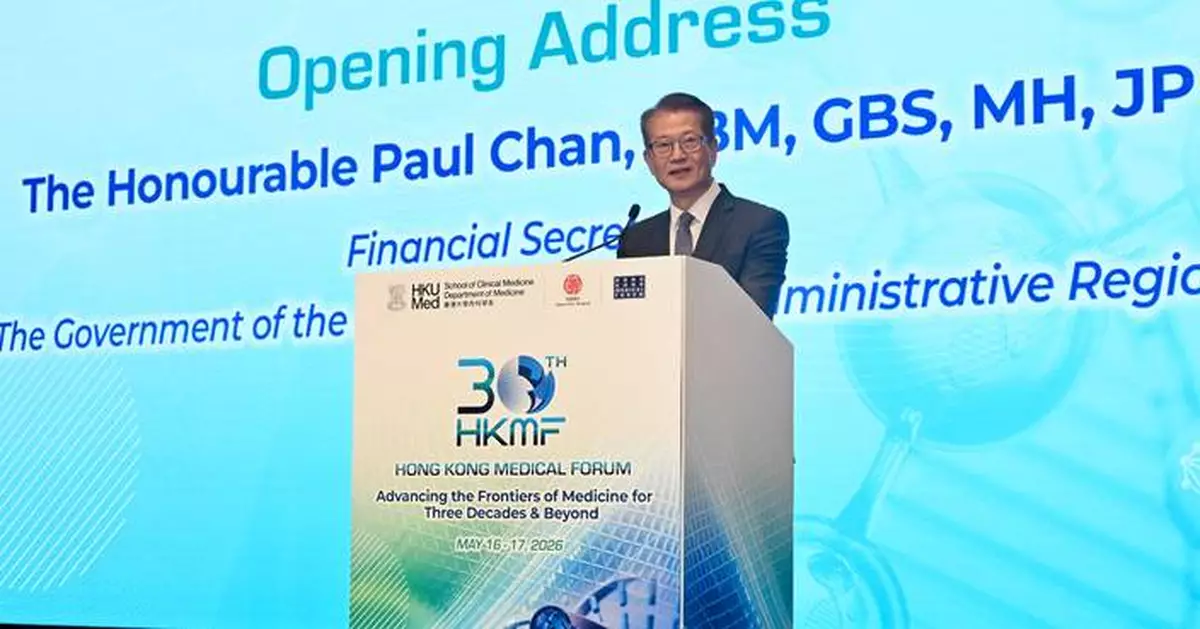
Following is the speech by the Financial Secretary, Mr Paul Chan, at the 30th Hong Kong Medical Forum today (May 16):

Professor Zhang Xiang (President and Vice-Chancellor of the University of Hong Kong (HKU)) , Professor CS Lau (Vice-President & Pro-Vice-Chancellor (Health)(Interim) and Dean of Medicine of the HKU, Professor Lau Chak-sing), Professor Tse Hung-fat (Chairperson of the Department of Medicine of the School of Clinical Medicine of HKU Li Ka Shing Faculty of Medicine), Professor Desmond Yap (Deputy Chairperson of the Department of Medicine, HKU and Chairman of the Organising Committee of the 30th Hong Kong Medical Forum), Professor Rosie Young (Emeritus Professor and Honorary Clinical Professor for HKU Li Ka Shing Faculty of Medicine), distinguished guests, ladies and gentlemen,

Good afternoon. It is my honour to join you at the opening of the 30th Hong Kong Medical Forum. It is heartening to see so many academics, clinicians and industry partners gathered here today, exchanging knowledge across such a remarkable breadth of medical disciplines.

To those who have travelled from around the world — a very warm welcome to Hong Kong.

30 years ago, the inaugural Forum welcomed fewer than 300 participants. Today, this hall brings together over 2 500 leading medical experts from across the globe. From precision diagnostics to innovative therapeutics, from chronic disease management to pandemic preparedness — the programme before us is itself the finest testament of your sustained pursuit of medical excellence.

30 years of excellence

This year's theme captures something important. 30 years of accumulated insight, clinical rigour, and cross-border collaboration is a formidable legacy. But the next decade will demand more than continuity.

Technological innovation is disrupting and redefining everything at unprecedented speed. You know better than I do how AI is profoundly changing medical discovery. The question for us is not just how this transformation will applied, but who will shape it — and where.

Hong Kong can play a pivotal role. Four distinctive factors stand out.

Hong Kong's advantages

First, intellectual property (IP) protection. For life-sciences investors, IP security is a precondition. Under the "one country, two systems" framework, Hong Kong's common law framework, a judiciary exercising powers independently, and alignment with the best international professional and regulatory standard provide that assurance. They give multinational biotech and health research institutions and companies the confidence to site their operations here.

Second, institutions and talent. Our two medical schools are among global top 25, and soon, a third medical school will join this ecosystem. It will expand clinical research and talent training capacity at precisely the moment when global demand for medical expertise is at an all-time high. Meanwhile, our talent admission schemes continue to welcome talent from all over the world. Hong Kong with its excellent law and order, connectivity, quality education, diverse cultural offering and natural scenery— remains one of the most compelling cities to build a career.

Third, capital. The Hong Kong Stock Exchange is a premier global venue for biotech listings. Currently, over 80 biotech firms have listed here, with a total market capitalisation of HK$120 billion. Beyond public markets, Hong Kong hosts the second-largest private equity pool in Asia only after the Mainland, plus a very vibrant venture capital and patient capital ecosystem. The full spectrum of funding for basic research, outcomes translation, clinical trials to commercial scale-up is available right here.

Fourth, the Greater Bay Area — an innovation corridor encompassing top research universities, vibrant startups, world-leading technology firms and advanced manufacturing. For a medical innovator, nowhere else puts lab bench, patient bedside and factory floor within one-hour drive. And it is not just physical distance, but the highest collaborative efficiency.

It is no surprise that five of the world's top 10 pharmaceutical companies have chosen Hong Kong as the base for their regional R&D operations.

Policy in motion

And we are working to set things in greater motion. Because our ambition is for Hong Kong to be the beating heart of this global medical innovation ecosystem.

First, the Hong Kong Centre for Medical Products Regulation will be established this year, enabling Hong Kong to conduct primary evaluation of new drugs and medical devices. This will materially accelerate the path to market for innovative therapies.

Second, in the Hetao Co-operation Zone (Hetao Shenzhen-Hong Kong Science and Technology Innovation Co-operation Zone), we are enabling cross-boundary flow of biological samples and clinical data — building the architecture for data-intensive, cross-boundary medical research. Clinical trial institutions from both the Mainland and overseas are already operating there. We are working to secure the establishment of branch of Mainland regulatory authority in the Zone, to facilitate quicker access to the Chinese Mainland market.

Third, the new Committee on AI+ and Industry Development Strategy announced in the Budget this year will bring together experts from academia, business and our science and technology parks to chart a roadmap for integration of AI across industries, with biotech and embodied intelligence as initial priorities.

The above three initiatives point to a single goal: to make Hong Kong one of the world's premier launch pad for new therapies.

Two thoughts

Ladies and gentlemen, amid all this momentum, the temptation is to focus entirely on what is possible. But the more important question is what is purposeful. Allow me to share two convictions that stay with me — and I hope they will resonate with you too.

Preparedness

A few years ago, the COVID-19 pandemic swept across the world, and communities everywhere endured several extremely difficult years. That experience underscored the imperative of preparedness. I note that this Forum includes sessions on vaccine platforms and preventive strategies. I am confident these discussions will deepen our thinking and contribute to international efforts in this field.

Inclusion

Today, more than four billion people worldwide still lack access to essential healthcare. This is not just a market gap for investment; it is a test of our civilisation, and a collective responsibility of our time, and I appeal to you to lead boldly.

Concluding remarks

Ladies and gentlemen, thirty years ago, the founders of this Forum believed that knowledge shared across borders could transform the practice of medicine. Today, that conviction matters more than ever. Artificial intelligence can detect patterns across vast patient datasets in moments; gene therapies may rewrite the code of life. Yet the value of every breakthrough begs a single question: does it improve the individual in our care?

The true frontier of medicine is not the laboratory bench. It is the moment when a patient realises that the innovation we speak of is real, tangible, and within their reach. Looking ahead, Hong Kong must be the place where the velocity of discovery is matched by the breadth of its reach – where advances celebrated in this hall translate into better outcomes in clinics and homes across the world.

May we continue to build bridges with knowledge and lay foundations with compassion, so that every ordinary person can feel, with certainty and comfort, that medical progress is brought into being for their sake. That is the well-being we pursue. That trust is yours to sustain.

I wish you a most stimulating and productive two days. Thank you very much.
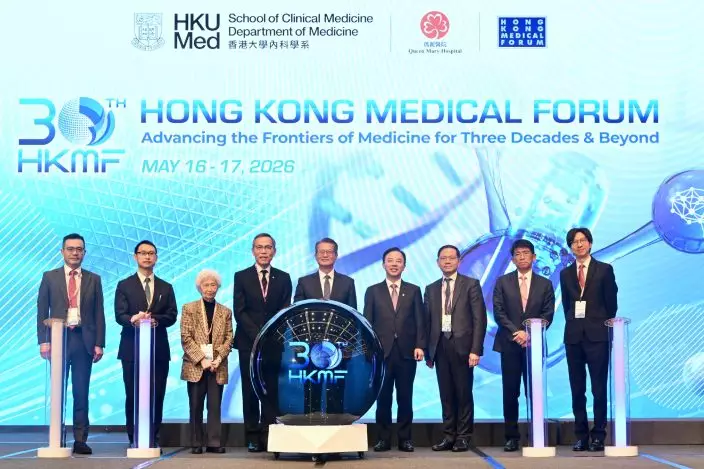
The Financial Secretary, Mr Paul Chan, attended the 30th Hong Kong Medical Forum today (May 16). Photo shows Mr Chan (centre) with President and Vice-Chancellor of the University of Hong Kong (HKU), Professor Zhang Xiang (fourth right); Vice-President & Pro-Vice-Chancellor (Health)(Interim) and Dean of Medicine of the HKU, Professor Lau Chak-sing (fourth left); Chairperson of the Department of Medicine of the School of Clinical Medicine of HKU Li Ka Shing Faculty of Medicine, Professor Tse Hung-fat (third right); and other guests at the Forum. Source: HKSAR Government Press Releases
The Financial Secretary, Mr Paul Chan, attended the 30th Hong Kong Medical Forum today (May 16). Photo shows Mr Chan (centre) with President and Vice-Chancellor of the University of Hong Kong (HKU), Professor Zhang Xiang (fourth right); Vice-President & Pro-Vice-Chancellor (Health)(Interim) and Dean of Medicine of the HKU, Professor Lau Chak-sing (fourth left); Chairperson of the Department of Medicine of the School of Clinical Medicine of HKU Li Ka Shing Faculty of Medicine, Professor Tse Hung-fat (third right); and other guests at the Forum. Source: HKSAR Government Press Releases

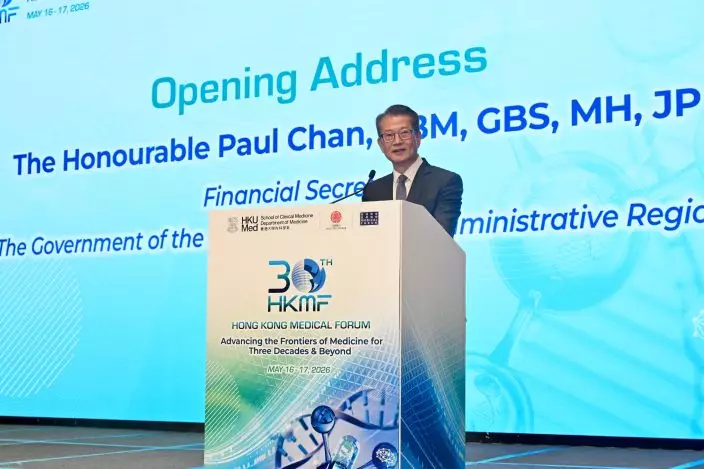
The Financial Secretary, Mr Paul Chan, attended the 30th Hong Kong Medical Forum today (May 16). Photo shows Mr Chan delivering a speech at the Forum. Source: HKSAR Government Press Releases

The Financial Secretary, Mr Paul Chan, attended the 30th Hong Kong Medical Forum today (May 16). Photo shows Mr Chan delivering a speech at the Forum. Source: HKSAR Government Press Releases
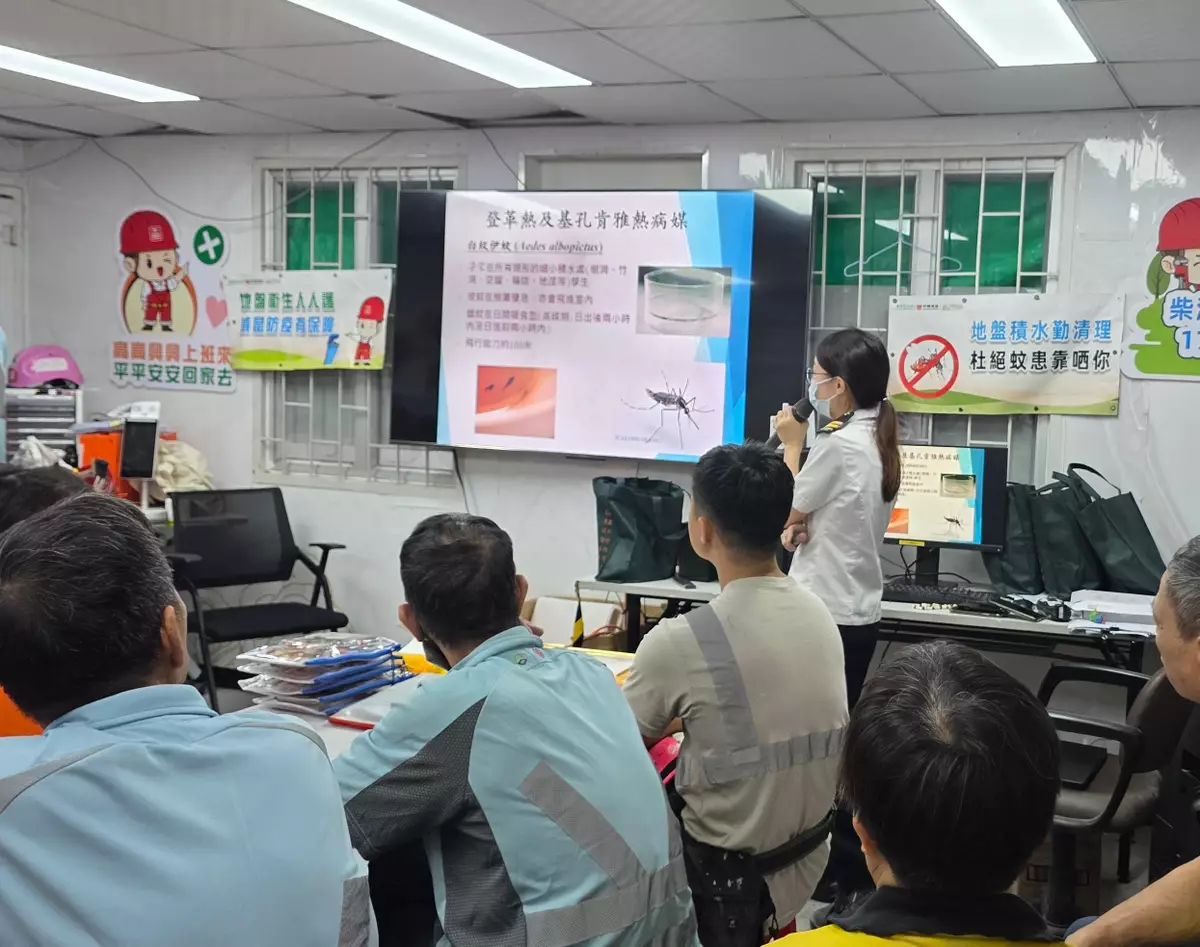
FEHD releases fourth batch of gravidtrap indexes for Aedes albopictus in May

The Food and Environmental Hygiene Department (FEHD) today (May 21) released the fourth batch of gravidtrap indexes and density indexes for Aedes albopictus in May, covering 12 survey areas, as follows:

District

Survey Area

May 2026

First Phase Gravidtrap Index

First Phase Density Index

Eastern

Shau Kei Wan and Sai Wan Ho

9.1%

1.4

Islands

Tung Chung

2.0%

1.0

Kowloon City

Hung Hom and To Kwa Wan

6.7%

1.5

Tai Po

Tai Po East

2.2%

2.0

Tai Po West

15.5%

1.0

Tuen Mun

Tuen Mun South

9.1%

1.4

District

Survey Area

May 2026

Area Gravidtrap Index

Area Density Index

Central and Western

Kennedy Town and Shek Tong Tsui

16.8%

1.3

Eastern

Chai Wan

15.4%

1.0

North Point and Quarry Bay

18.9%

1.4

Southern

Aberdeen and Ap Lei Chau

20.8%

1.7

Sha Tin

Sha Tin Town Centre and Fo Tan

18.3%

1.4

Tsuen Wan

Tsuen Wan Town

6.9%

2.3

The fourth batch of gravidtrap indexes for Aedes albopictus in May includes First Phase Gravidtrap Indexes covering six survey areas and Area Gravidtrap Indexes covering six survey areas. Among which, six survey areas recorded gravidtrap indexes above 10 per cent, while Aberdeen and Ap Lei Chau in Southern District recorded a gravidtrap index above 20 per cent. Meanwhile, the gravidtrap indexes of six survey areas, namely Kennedy Town and Shek Tong Tsui in Central and Western District; North Point and Quarry Bay in Eastern District; Shau Kei Wan and Sai Wan Ho in Eastern District; Aberdeen and Ap Lei Chau in Southern District; Tai Po East in Tai Po District; and Tuen Mun South in Tuen Mun District, have recorded a decrease as compared to the indexes recorded in the last survey period, reflecting the progress of relevant mosquito control work.

With reference to the data from the past few years, the gravidtrap indexes start to rise from April or May every year. The actual timing and extent of the rise are affected by factors like weather conditions and rainfall. The average temperature and rainfall recorded in April this year were higher than those in the same period last year, creating favourable conditions for mosquito growth and breeding. As a result, the rise in gravidtrap indexes occurred earlier this year. With the increase in rainfall in May, the gravidtrap indexes are expected to rise further.

For survey areas which recorded indexes exceeding 10 per cent, in accordance with the mechanism implemented by the FEHD in response to the chikungunya fever (CF) situation (i.e. strengthening mosquito control work in areas with a gravidtrap index between 10 per cent and 20 per cent, instead of 20 per cent or above under the original mechanism), the FEHD is collaborating with relevant departments and stakeholders to identify locations with high mosquito infestations and carry out intensive and targeted mosquito control measures. The FEHD has initiated two prosecutions against the relevant construction site contractors following the discovery of mosquito breeding at construction sites in Tai Po District and Southern District. Moreover, following the discovery of stagnant water or stagnant water containers in a park, a construction site, a private housing estate, a clinic and a private premises in Tai Po District, Central and Western District, as well as Southern District, the FEHD has issued five statutory notices to the responsible persons-in-charge, requiring the clearance of such items within a specified timeframe. The FEHD, the relevant departments and stakeholders are following up on the mosquito control work, and will also organise exhibitions, distribute leaflets and posters, and notify residential estates that have subscribed to the gravidtrap Rapid Alert System, advising property management agents and residents to stay vigilant and work together in taking mosquito prevention and elimination measures. In addition, the FEHD will strengthen the monitoring of the gravidtrap index in the areas to review the effectiveness of the mosquito control work.

Public participation is crucial to the effective control of mosquito problems. The FEHD appeals to members of the public to continue to work together in strengthening personal mosquito control measures, including:

  • tidy up their premises and check for any accumulation of water inside the premises;
  • remove all unnecessary water collections and eliminate the sources;
  • check household items (those placed in outdoor and open areas in particular), such as refuse containers, vases, air conditioner drip trays, and laundry racks to prevent stagnant water;
  • change water in flower vases and scrub their inner surfaces thoroughly, and remove water in saucers under potted plants at least once a week;
  • properly cover all containers that hold water to prevent mosquitoes from accessing the water;
  • properly dispose of articles that can contain water, such as disposable meal boxes and empty cans; and
  • scrub drains and surface sewers with alkaline detergent at least once a week to remove any mosquito eggs.
  • Starting in August 2025, following the completion of the surveillance of individual survey areas, and once the latest gravidtrap index and the density index are available, the FEHD has been disseminating relevant information through press releases, its website and social media. It aims to allow members of the public to quickly grasp the mosquito infestation situation and strengthen mosquito control efforts, thereby reducing the risk of CF transmission.

    Following recommendations from the World Health Organization and taking into account the local situation in Hong Kong, the FEHD sets up gravidtraps in districts where mosquito-borne diseases have been recorded in the past, as well as in densely populated places such as housing estates, hospitals and schools to monitor the breeding and distribution of Aedes albopictus mosquitoes, which can transmit CF and dengue fever. At present, the FEHD has set up gravidtraps in 62 survey areas of the community, with a surveillance period of two weeks. During the surveillance period, the FEHD will collect the gravidtraps once a week. After the first week of surveillance, the FEHD will immediately examine the glue boards inside the retrieved gravidtraps for the presence of adult Aedine mosquitoes to compile the Gravidtrap Index (First Phase) and Density Index (First Phase). At the end of the second week of surveillance, the FEHD will instantly check the glue boards for the presence of adult Aedine mosquitoes. Data from the two weeks of surveillance will be combined to obtain the Area Gravidtrap Index and the Area Density Index. The gravidtrap and density indexes for Aedes albopictus in different survey areas, as well as information on mosquito prevention and control measures, are available on the department's webpage (www.fehd.gov.hk/english/pestcontrol/dengue_fever/Dengue_Fever_Gravidtrap_Index_Update.html#).

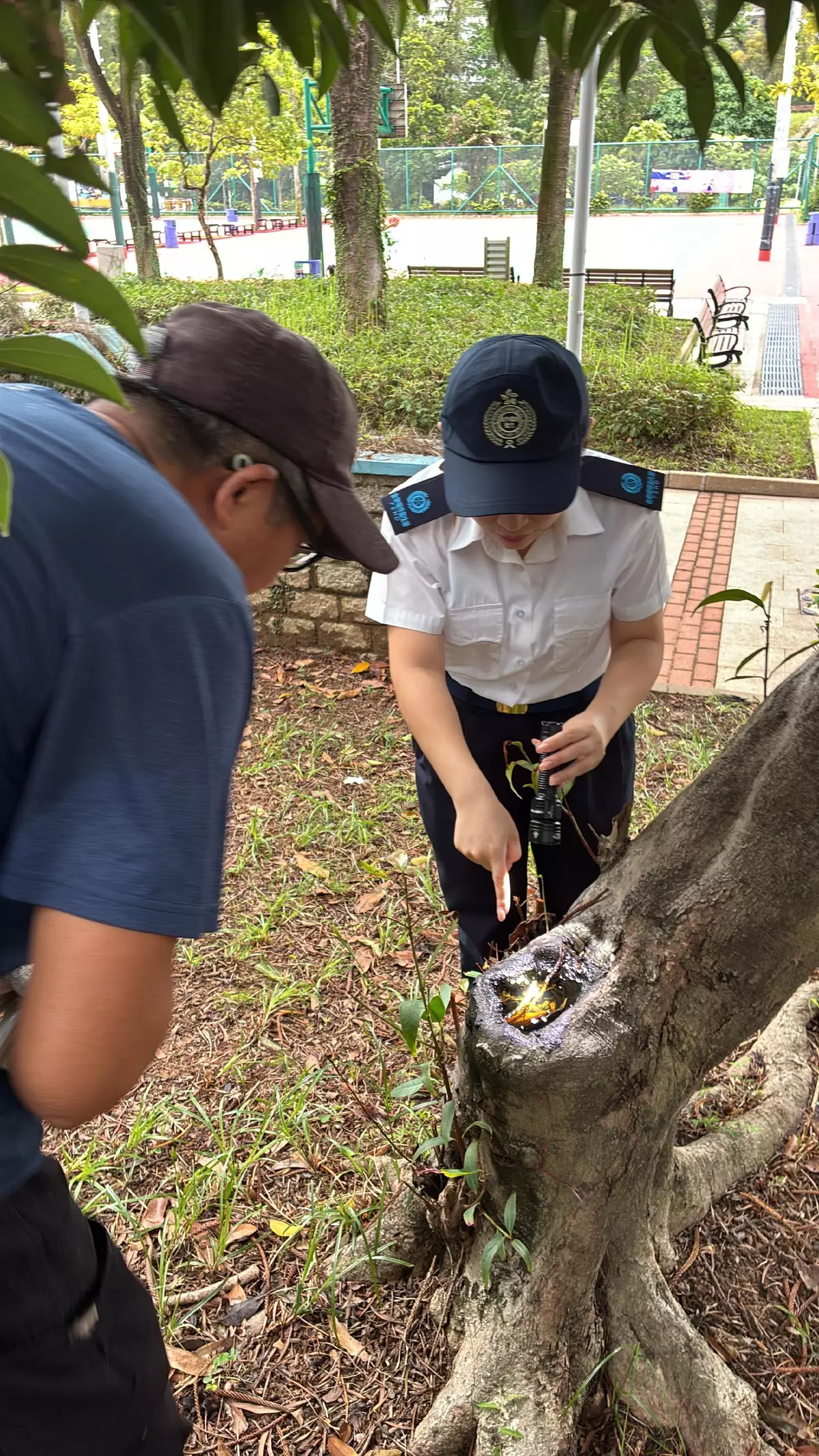
    FEHD releases fourth batch of gravidtrap indexes for Aedes albopictus in May  Source: HKSAR Government Press Releases
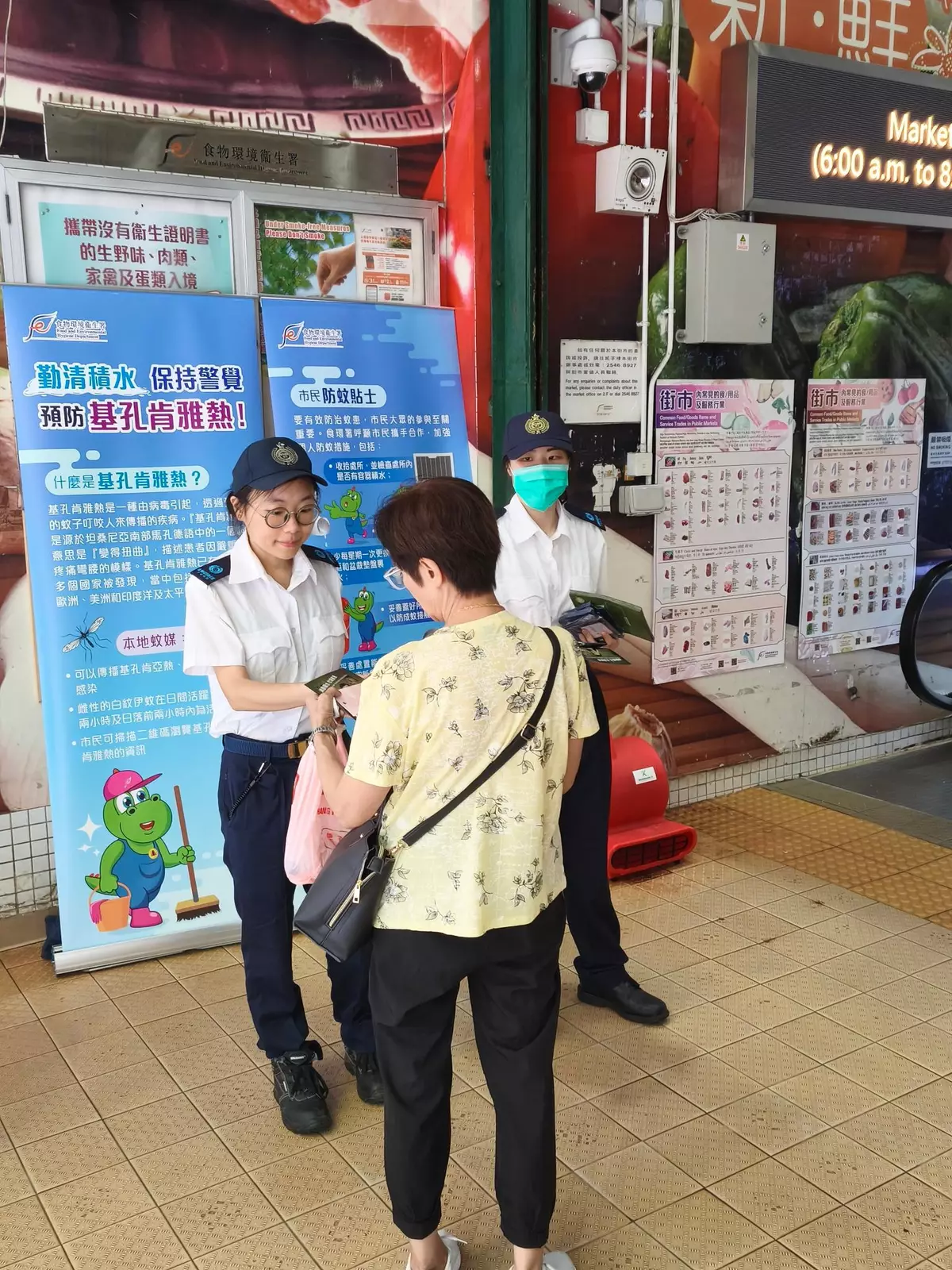
    FEHD releases fourth batch of gravidtrap indexes for Aedes albopictus in May Source: HKSAR Government Press Releases
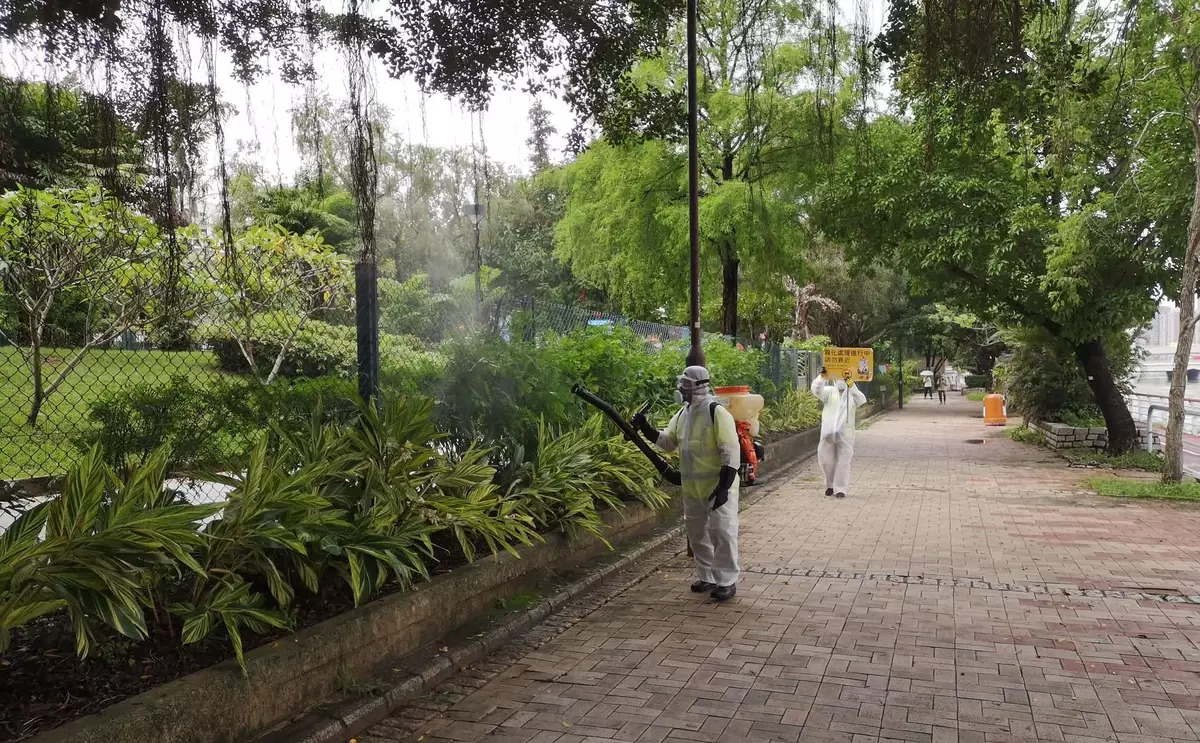
    FEHD releases fourth batch of gravidtrap indexes for Aedes albopictus in May  Source: HKSAR Government Press Releases
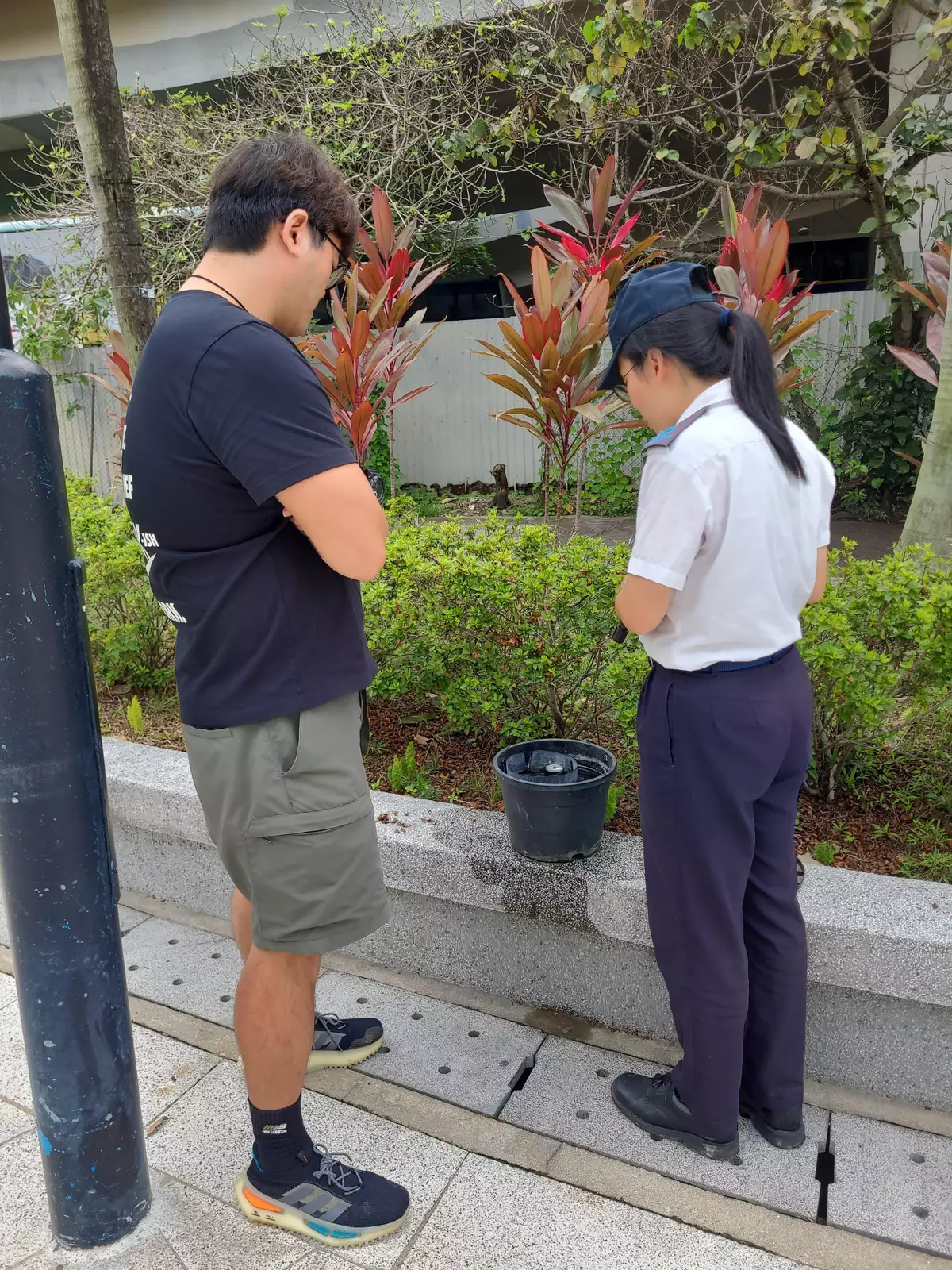
    FEHD releases fourth batch of gravidtrap indexes for Aedes albopictus in May Source: HKSAR Government Press Releases
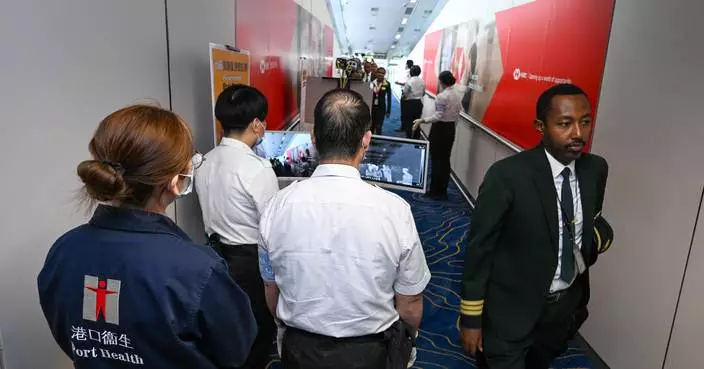
    FEHD releases fourth batch of gravidtrap indexes for Aedes albopictus in May  Source: HKSAR Government Press Releases

    FEHD releases fourth batch of gravidtrap indexes for Aedes albopictus in May Source: HKSAR Government Press Releases
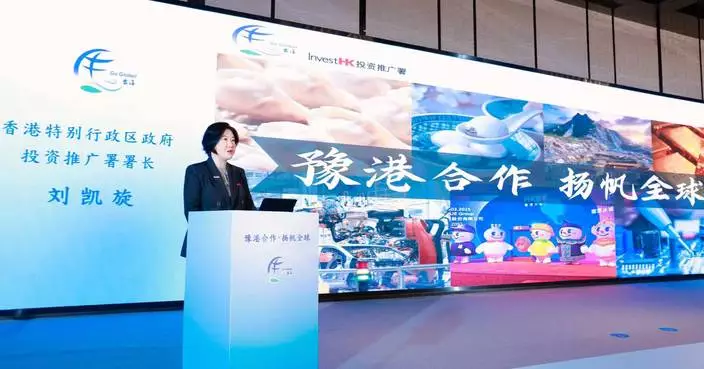
    FEHD releases fourth batch of gravidtrap indexes for Aedes albopictus in May  Source: HKSAR Government Press Releases
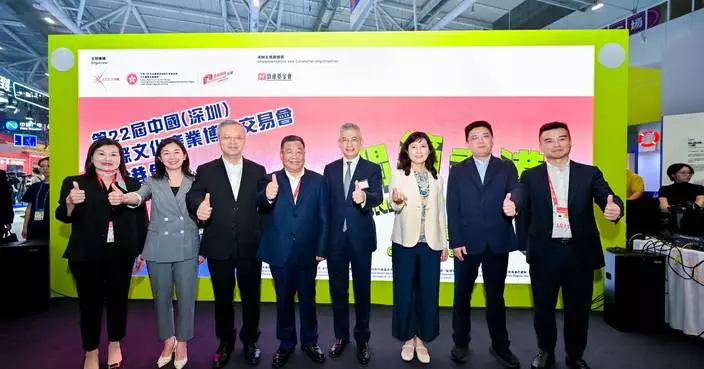
    FEHD releases fourth batch of gravidtrap indexes for Aedes albopictus in May Source: HKSAR Government Press Releases

    FEHD releases fourth batch of gravidtrap indexes for Aedes albopictus in May  Source: HKSAR Government Press Releases
    FEHD releases fourth batch of gravidtrap indexes for Aedes albopictus in May Source: HKSAR Government Press Releases
    Recommended Articles