SHYA visits Shanghai to exchange experiences on women's development work
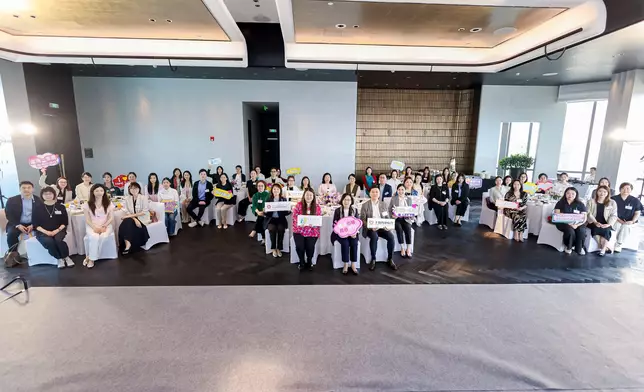
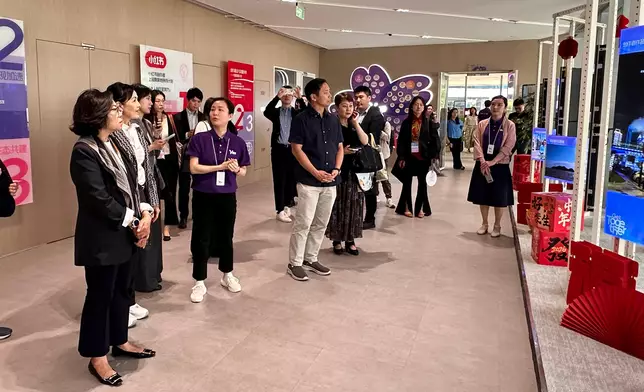
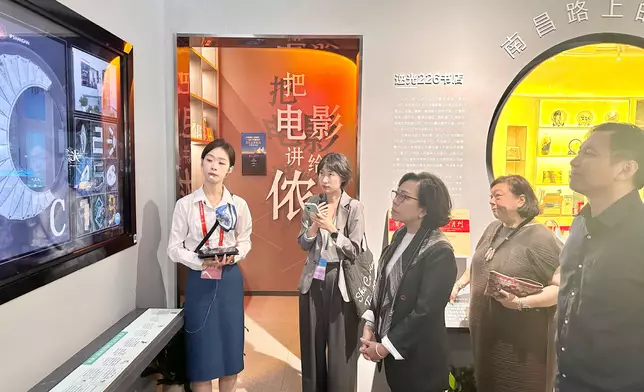
The Secretary for Home and Youth Affairs, Miss Alice Mak, visited Yangpu District in Shanghai today (May 16). After attending the Asia-Pacific Economic Cooperation (APEC) Women and the Economy Forum yesterday (May 15), she conducted visits with other forum delegates to learn about the latest efforts in promoting women's development in Shanghai. The Chairperson of the Women's Commission, Dr Eliza Chan, and the Deputy Secretary for Home and Youth Affairs (Home Affairs), Mr Paul Wong, also joined the visit.
Click to Gallery
SHYA visits Shanghai to exchange experiences on women's development work Source: HKSAR Government Press Releases
SHYA visits Shanghai to exchange experiences on women's development work Source: HKSAR Government Press Releases
SHYA visits Shanghai to exchange experiences on women's development work Source: HKSAR Government Press Releases
SHYA visits Shanghai to exchange experiences on women's development work Source: HKSAR Government Press Releases
SHYA visits Shanghai to exchange experiences on women's development work Source: HKSAR Government Press Releases
SHYA visits Shanghai to exchange experiences on women's development work Source: HKSAR Government Press Releases
SHYA visits Shanghai to exchange experiences on women's development work Source: HKSAR Government Press Releases
SHYA visits Shanghai to exchange experiences on women's development work Source: HKSAR Government Press Releases
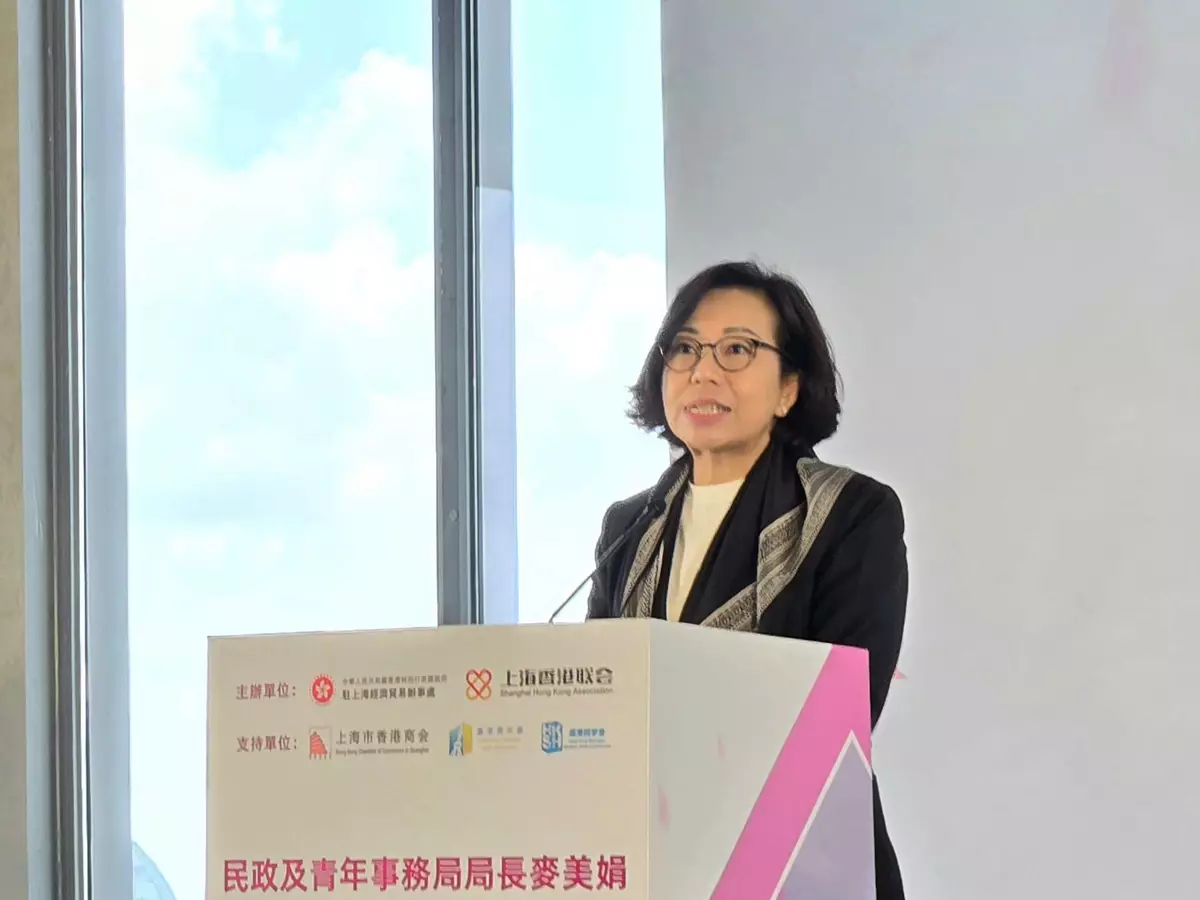
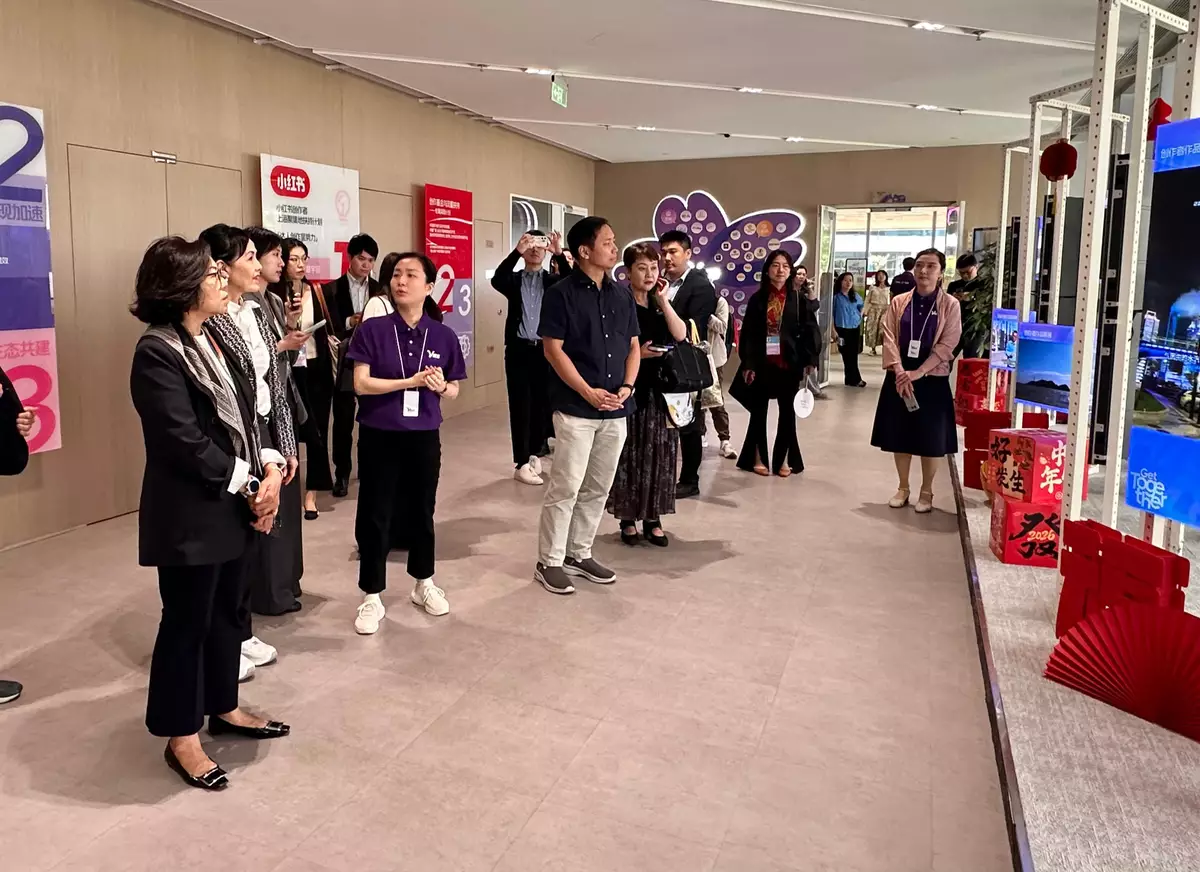
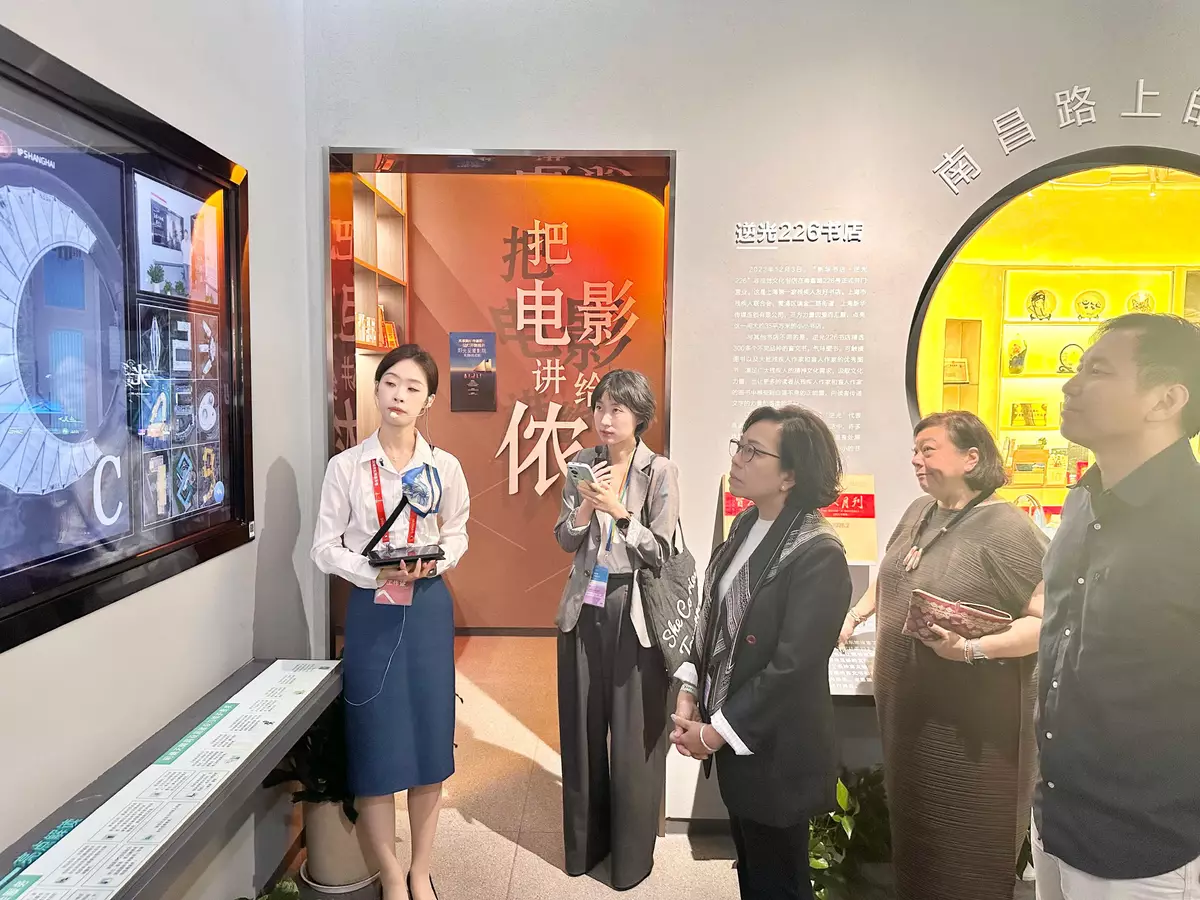
Miss Mak visited the Shanghai People's City Practice Exhibition Hall to learn about the urban planning of Yangpu District as well as the role and contributions of women in the construction of the city of the people. She then visited the Yangpu V Hub, a hub for top-tier Internet content creation in Yangpu, to study the development of Shanghai's digital economy and innovation ecosystems, and how the women's innovation and entrepreneurship empowerment platform in the hub deeply integrates women's affairs with the modern digital economy.
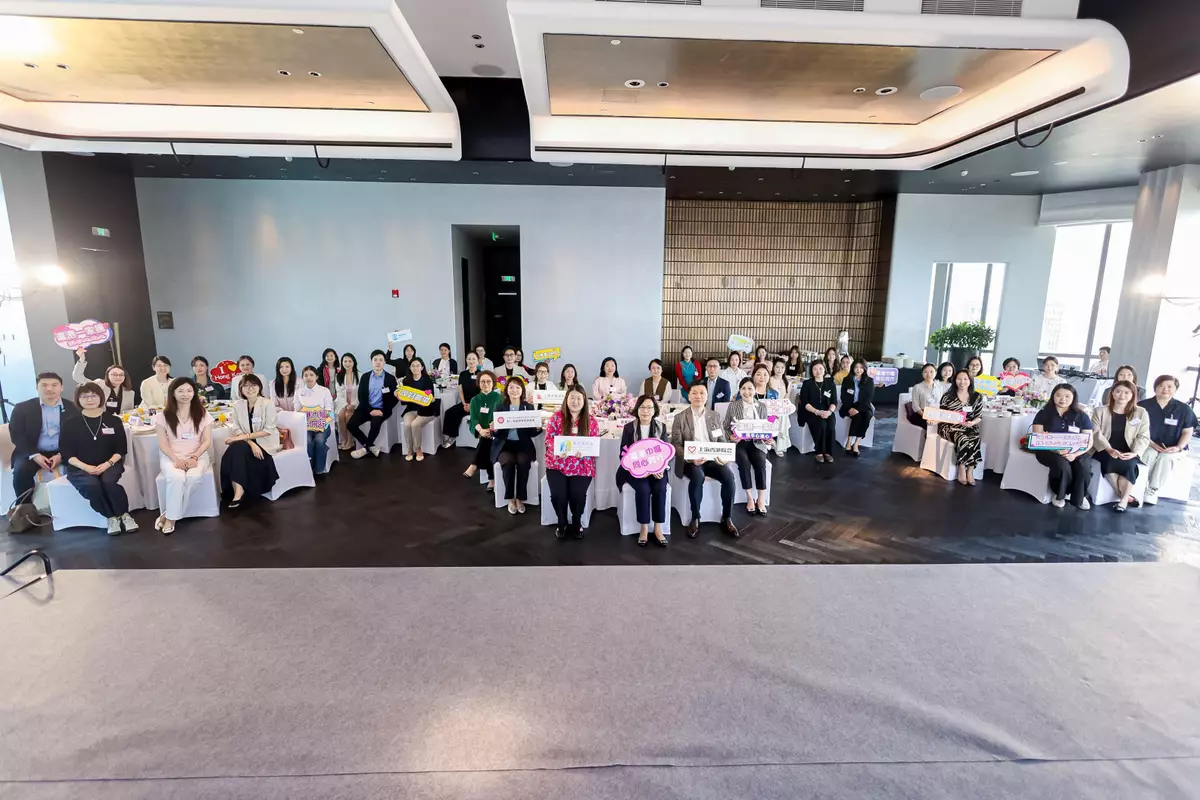
At noon, Miss Mak met with Hong Kong women and youths living in Shanghai, sharing the highlights of the APEC Women and the Economy Forum and Hong Kong's work in promoting women and youth development. She also mentioned that the country is entering a new phase of the National 15th Five-Year Plan and the accelerated development of both the Guangdong-Hong Kong-Macao Greater Bay Area and the Yangtze River Delta brings unprecedented development opportunities to women and youth in both Shanghai and Hong Kong. Miss Mak encouraged them to leverage on their first-hand experience in megacity development, to offer suggestions and make contributions to Hong Kong after the release of the consultation document for Hong Kong's first five-year plan.
Miss Mak concluded her visit and returned to Hong Kong this afternoon.
SHYA visits Shanghai to exchange experiences on women's development work Source: HKSAR Government Press Releases
SHYA visits Shanghai to exchange experiences on women's development work Source: HKSAR Government Press Releases

SHYA visits Shanghai to exchange experiences on women's development work Source: HKSAR Government Press Releases

SHYA visits Shanghai to exchange experiences on women's development work Source: HKSAR Government Press Releases

SHYA visits Shanghai to exchange experiences on women's development work Source: HKSAR Government Press Releases
SHYA visits Shanghai to exchange experiences on women's development work Source: HKSAR Government Press Releases
SHYA visits Shanghai to exchange experiences on women's development work Source: HKSAR Government Press Releases

SHYA visits Shanghai to exchange experiences on women's development work Source: HKSAR Government Press Releases
CHP investigates local case of human infection of rat Hepatitis E virus
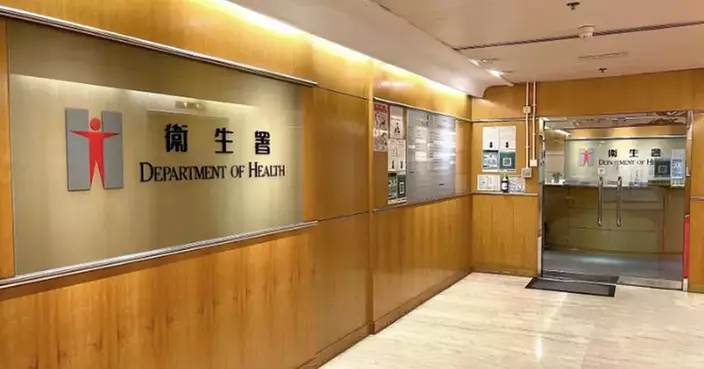
The Centre for Health Protection (CHP) of the Department of Health today (May 16) is investigating a local case of human infection of rat Hepatitis E virus (HEV). The CHP urged the public to maintain good personal, food and environmental hygiene, and to implement effective rodent prevention and control measures to prevent rat HEV infection.
Case information
-----------------------
The case involves a 42-year-old male with chronic liver diseases. While attending a follow-up appointment at a private hospital for his pre-existing condition on May 5, he was found to have abnormal liver function. He was referred to the Accident and Emergency Department of Queen Mary Hospital on the same day and admitted for further examination. His blood sample tested positive for rat HEV upon laboratory testing. The patient remained in stable condition and was discharged yesterday (May 15). His three household contacts are currently asymptomatic. They will be put under medical surveillance.
The CHP's epidemiological investigation revealed that the patient lives in Hung Hom and works in the same district. He reported no direct contact with rodents or rats, and did not see rats at his residence or workplace. The patient took brief trips in April but no rat HEV cases have been reported so far in the destinations concerned. Medical literature revealed that individuals with liver diseases (including chronic liver disease) belong to the high-risk group. They are more likely to present withhepatitis and abnormal liver function after infected by rat HEV. Based on current epidemiological data, the CHP considered thatthe case was more likely to have acquired the infection locally. The CHP does not rule out the possibility that the patient may have indirectly come into contact with places or food contaminated by rats or their excreta during the incubation period. Investigations into the source and route of infection are ongoing.
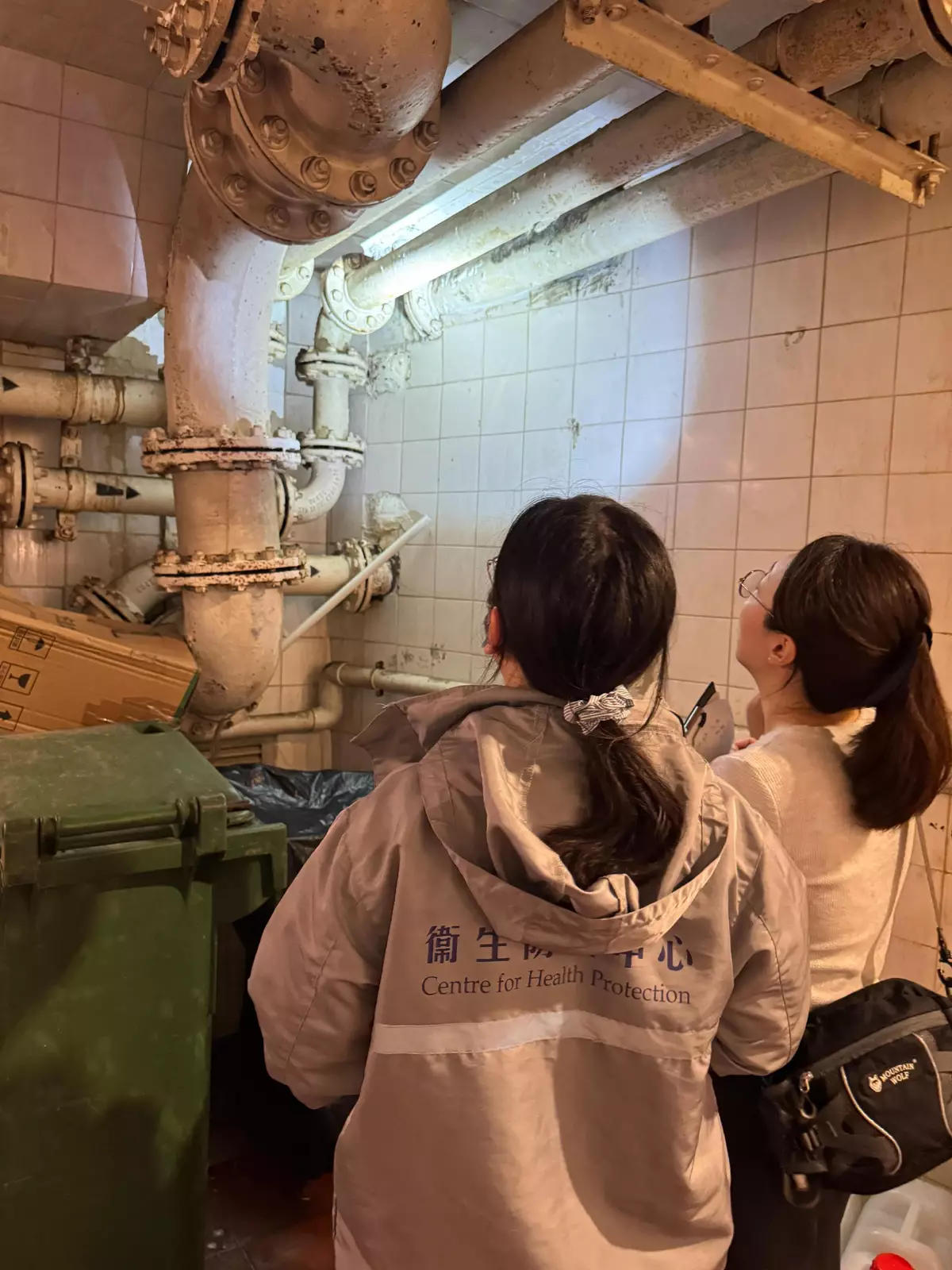
The CHP and the Food and Environmental Hygiene Department (FEHD) personnel jointly conducted field inspections of the environmental hygiene conditions in the vicinity of the patient's residence, workplace and daily commute route. Minor signs of rodent activity were detected at the refuse collection rooms in the concerned residence and workplace. The FEHD will serve a notice under Section 47 of the Public Health and Municipal Ordinance (Cap. 132) to the concerned property management companies, requiring them to improve the hygienic conditions and carry out rodent control work within the time as specified in the notice. The FEHD will arrange for cleaning and disinfection work and enhance rodent prevention and control work in the vicinity of locations visited by the patient.
The CHP and the FEHD will continue to investigate and follow up on the case.
This is the first case of human infection of rat HEV recorded so far this year. In the past five years (from 2021 to 2025), Hong Kong recorded an average of zero to two cases of rat HEV per year.
Symptoms of acute hepatitis E
----------------------------------------
Symptoms of acute hepatitis E include fever, reduced appetite, nausea, vomiting, abdominal pain, skin rash, joint pain, and a slightly enlarged and tender liver. In rare cases, acute hepatitis E can lead to fulminant hepatitis (acute liver failure) and death.
Elderly persons with a major underlying illness (especially those who have undergone organ transplantation), pregnant women, patients with chronic liver disease and patients with Glucose-6-Phosphate Dehydrogenase Deficiency (also known as G6PD Deficiency), should exercise extra caution if infected with HEV, as they may develop a serious illness.
Prevention
--------------
The possible routes of transmission of rat HEV to humans include ingestion of food or water contaminated by rodents or their excreta, exposure to environments or objects contaminated by rodents or their excreta and direct contact with rodents or their excreta. The HEV that usually causes human infection is mainly transmitted through the fecal-oral route.
To prevent Hepatitis E infection, the public should maintain good personal, food and environmental hygiene. For example, they should wash their hands thoroughly before eating, store food properly or in the refrigerator, avoid leaving food at room temperature for a long time, and use 1:99 diluted household bleach for general household cleaning and disinfection as household detergents may not kill HEV.
The Five Keys to Food Safety should be adopted when handling food, i.e. Choose (choose safe raw materials), Clean (keep hands and utensils clean), Separate (separate raw and cooked food), Cook (cook thoroughly) and Safe Temperature (keep food at a safe temperature), to prevent food-borne diseases.
In general, rodents (such as rats) can transmit multiple diseases to humans, both directly and indirectly. The public is advised to take the following measures:
 Eliminate sources of food and nesting places for rodents in the living environments. Store food in covered containers and handle pet food properly to prevent it frombecoming food for rodents;
Store all refuse and food remnants in dustbins with well-fitted covers. Dustbins must be emptied at least once a day;
Keep premises, especially refuse rooms and stairways, clean. Avoid accumulation of articles;
Inspect all flower beds and pavements regularly for signs of rodent infestation; and
Avoid the high-risk activities below to reduce rodent contact:
Eliminate sources of food and nesting places for rodents in the living environments. Store food in covered containers and handle pet food properly to prevent it frombecoming food for rodents;
Store all refuse and food remnants in dustbins with well-fitted covers. Dustbins must be emptied at least once a day;
Keep premises, especially refuse rooms and stairways, clean. Avoid accumulation of articles;
Inspect all flower beds and pavements regularly for signs of rodent infestation; and
Avoid the high-risk activities below to reduce rodent contact:
- Avoid contact with rodents and areas contaminated by rodent excreta;
- Avoid handling rodents with bare hands;
- Wash hands with liquid soap and water immediately after handling animals, and disinfect contaminated areas; and
- If a wound appears, clean the broken skin immediately and cover it properly with waterproof adhesive dressings.
Rodent control requires co-operation from all sectors of society. The CHP urged the public to strengthen rodent prevention and control measures and co-operate with government's efforts to reduce the risk of rat HEV transmission.
CHP investigates local case of human infection of rat Hepatitis E virus Source: HKSAR Government Press Releases