Public dissatisfaction with the Lai Ching-te authorities and Taiwan's economic condition has grown as Lai is going to mark his second anniversary in office on May 20.
A TVBS poll released last Thursday showed Lai's disapproval rate had reached 45 percent.
Meanwhile, a survey published in April by Formosa Electronic News indicated that public distrust of Lai rose to 43.8 percent, with 55.6 percent of respondents expressing dissatisfaction with Taiwan's economy.
A major reason behind the growing discontent with the Democratic Progressive Party (DPP) authorities led by Lai has been soaring prices over the past two years.
According to data from the Directorate-General of Budget, Accounting and Statistics, dining-out expenses rose by more than 3 percent for four consecutive months in 2025, well above the 2 percent inflation threshold.
While the DPP authorities continue to boast about economic growth and record-high exports, ordinary people in Taiwan face a very different reality -- stagnant wages, rising prices, and increasingly heavy living costs.
In recent years, Taiwan’s GDP growth has been driven primarily by high-tech and capital-intensive sectors, such as semiconductors and information and communication technology. However, for most grassroots workers in the service or traditional industries, wage increases have lagged far behind inflation.
The Economist has even used the term "Taiwanese disease" to describe the region's current economic struggles.
"The so-called 'Taiwanese disease' is not just a symptom of K-shaped polarization, where high growth fails to translate into a better life for ordinary people. It also reflects deeper structural, long-term, and systemic problems in Taiwan's economic and social development. The Lai administration often uses economic data as a fig leaf to cover up its poor governance, or as a trophy to boast about. But in fact, the 'Taiwanese disease' has pierced the bubble of these hollow economic figures," said Liu Kuangyu, a researcher at the Chinese Academy of Social Sciences' Institute of Taiwan Studies.
The term "K-shaped economy" has become widely used to describe the growing divide in a society, where some groups and industries continue to accumulate wealth and opportunities while many others struggle with stagnant wages, job insecurity and rising living costs.
By putting Taiwan secession above the overall interests of Taiwan's development, the DPP authorities are only making the economic and social situation worse, he added.
"Lai's reckless moves are, in effect, steadily narrowing his political path, diminishing his stature, and pushing things to the extreme. As a result, he is alienating more and more people, including supporters of the opposition parties and the wavering middle-ground voters, driving them to the opposite side. In the end, he will be left isolated and helpless,” said Liu.
The Chinese Kuomintang party and the Taiwan People's Party are jointly pushing for an impeachment motion against Lai, with a vote scheduled for May 19.
Observers believe this is not merely a political maneuver, but a backlash in Taiwan society against Lai's ineffective governance, abuse of power, and departure from public opinion.
"The impeachment motion against Lai represents a statement from Taiwan society. Lai has been seen by mainstream public opinion as a 'cancer cell.' As long as this 'cancer cell' remains, Taiwan society cannot be healthy, and its political system cannot function properly," said Yu Chih-pin, deputy secretary-general of the New Party.
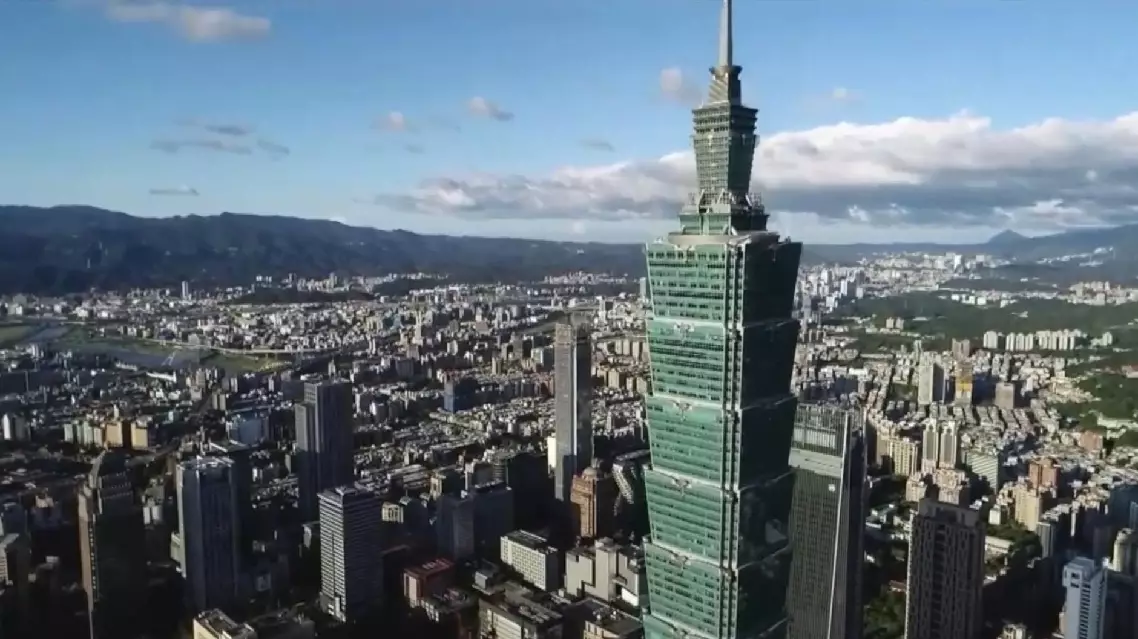
Public dissatisfaction with Lai Ching-te grows