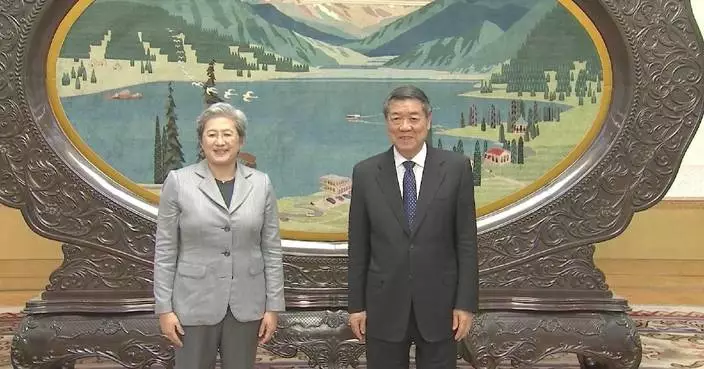
China has pledged to peak carbon dioxide emissions by 2030 and achieve carbon neutrality by 2060, while also committing to cut economy-wide net greenhouse gas emissions by 7 percent to 10 percent from peak levels by 2035, as part of its efforts to promote global climate governance and green development.
China has made tackling climate change a key pillar of its national development strategy, advancing a dual-carbon goal framework that aligns domestic transformation with global climate action.
According to the targets, the country aims to reach its carbon dioxide emissions peak before 2030 and realize carbon neutrality before 2060.
In the period following the emissions peak, China has also set a medium-term goal of reducing economy-wide net greenhouse gas emissions by 7 percent to 10 percent from peak levels by 2035.
Meanwhile, the country has consistently stressed the importance of multilateralism in global climate governance, firmly supporting the multilateral mechanisms established by the United Nations Framework Convention on Climate Change (UNFCCC) and calling for coordinated international efforts to address climate challenges.
At the same time, China has played an active role in advancing global climate negotiations and has made significant contributions to the adoption and implementation of the Paris Agreement, which serves as a cornerstone of international climate cooperation.
In support of developing countries, China has stepped up financial assistance for climate-related projects. It has provided 177 billion yuan (about 26 billion U.S. dollars) in project funding to help developing nations enhance their capacity to address climate change and pursue sustainable development.

China strengthens global climate governance through targets, financing, multilateral engagement
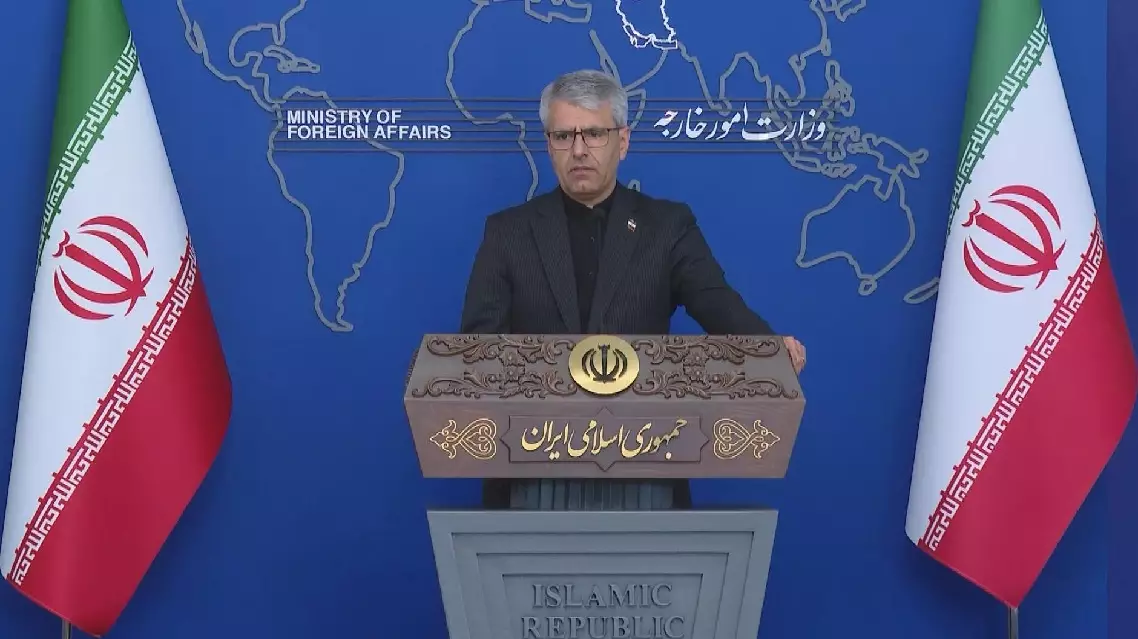
Iran has received U.S. feedback on its latest peace proposal through Pakistani mediators, and talks between the two sides are still underway, Iranian Foreign Ministry spokesman Esmaeil Baghaei said Monday.
Speaking at a press conference in Tehran, Baghaei said that although the United States had publicly rejected Iran's 14-point peace proposal aimed at ending the conflict, Tehran had still received revisions and concerns through mediator Pakistan.
Such dialogue is continuing through the mediator, he said, stressing that although Iran does not trust the United States, it is still participating in the negotiations based on national interests.
Baghaei said that Iran has submitted its response to U.S. revisions to the conflict resolution plan.
"We approach every diplomatic process with deep distrust and serious skepticism in order to safeguard the national interests of Iran. Iran is aware that, given the United States' track record of undermining negotiations, it may repeat the same actions at any moment," Baghaei said.
Baghaei also said the current situation in the Strait of Hormuz stems from military actions launched by the United States and Israel against Iran, as well as what he described as violations of international law by the two countries.
Iran has taken relevant measures to ensure safety of navigation in the region, he said, adding that communication between Iran and Oman over issues related to the Strait of Hormuz is ongoing.
Baghaei said Iran harbors no hostility toward any country in the Middle East and called on all parties to remain vigilant against attempts by external forces to create division in the region.
Responding to repeated U.S. threats that military action against Iran could resume if no agreement is reached, Baghaei said threats and pressure have long been Washington's standard approach, but such tactics would not work on Iran.
He said Iran would continue advancing negotiations while closely monitoring developments and preparing for all possible scenarios.
Baghaei stressed that Iran would not abandon the rights granted to it under the Treaty on the Non-Proliferation of Nuclear Weapons (NPT) and that the country is currently focused on efforts to end the conflict.
Also on Monday, Iran's semi-official Tasnim news agency, citing sources close to the Iranian negotiating team, said that Tehran had handed over its newest 14-point proposed plan for ending the war with the United States to Pakistan.
Pakistan will convey the plan to the United States, the report said.
The new proposal was submitted after Tehran revised its earlier 14-point draft in response to a recent U.S. proposal, the sources added.
According to the sources, Iran's new draft focuses on negotiations to end the war, as well as on "trust-building" measures.
In a separate report on Monday, Tasnim quoted another source close to the Iranian negotiating team as saying that, unlike previous U.S. drafts, Washington had agreed in its latest proposal to waive sanctions on Iranian oil during the negotiation period.
On the same day, however, a U.S. official said claims by the Iranian side that the U.S. had agreed to lift sanctions during the negotiations were false.
Iran, the United States and Israel reached a ceasefire on April 8 after 40 days of fighting that started with U.S. and Israeli attacks on Tehran and other Iranian cities on Feb 28.
Following the truce, Iranian and U.S. delegations held one round of peace talks in Pakistan's capital Islamabad on April 11 and 12, which failed to yield an agreement.
Over the past weeks, the two sides have reportedly exchanged several proposed plans outlining conditions for ending the conflict through Pakistan.
Iran's foreign ministry says talks with US still underway