A group founded by Cuban exiles known as Brothers to the Rescue is at the center of the U.S. Justice Department's decision to seek an indictment against Cuban leader Raúl Castro, a move that would revive one of the lowest points in the bitter decades-long bilateral relationship.
One person familiar with the investigation told The Associated Press that the potential indictment is connected to Castro’s alleged role in the 1996 shootdown of four planes operated by the Miami-based exile group. Castro was defense minister at the time, making him the nation's highest authority after his brother Fidel.
Click to Gallery
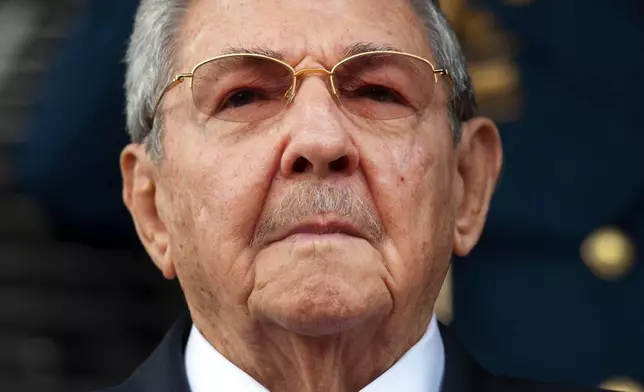
FILE - Cuba's President Raul Castro listens to the Cuban and Venezuelan national anthems during his welcome ceremony at the Miraflores presidential palace, March 17, 2015, in Caracas, Venezuela. (AP Photo/Ariana Cubillos, File)
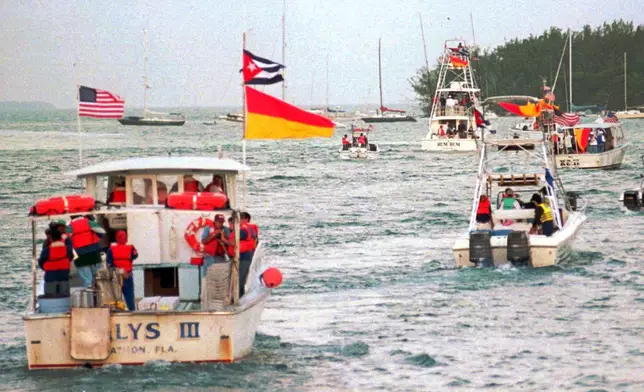
FILE - Some of the boats from the flotilla head for open waters March 2, 1996 off Key West, Fla., carrying Cuban Americans to the site of the downing of two Brothers to the Rescue planes by Cuban fighters. (AP Photo/Rick Bowmer, File)
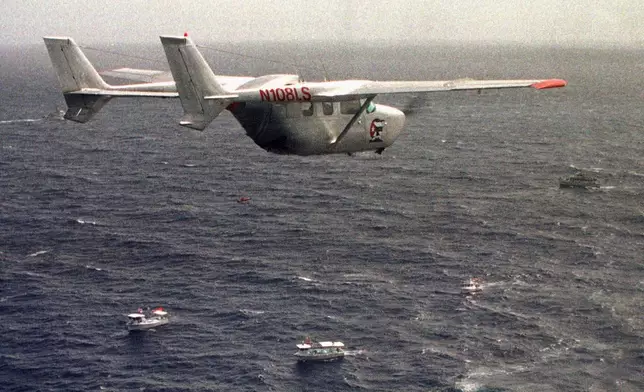
FILE - A Brothers to the Rescue plane flies over The Democracy Movement flotilla at the twelve-mile limit north of Havana, Cuba, July 10, 1999. (AP Photo/Alan Diaz, File)
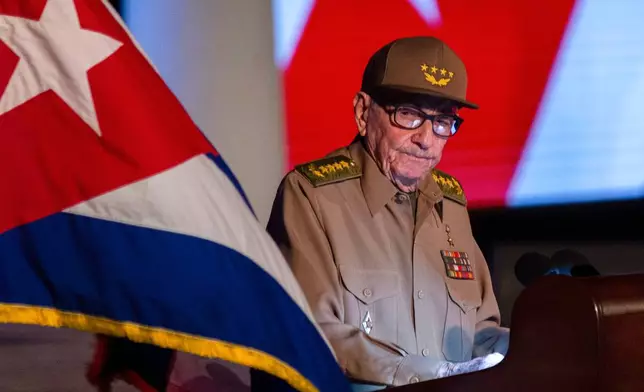
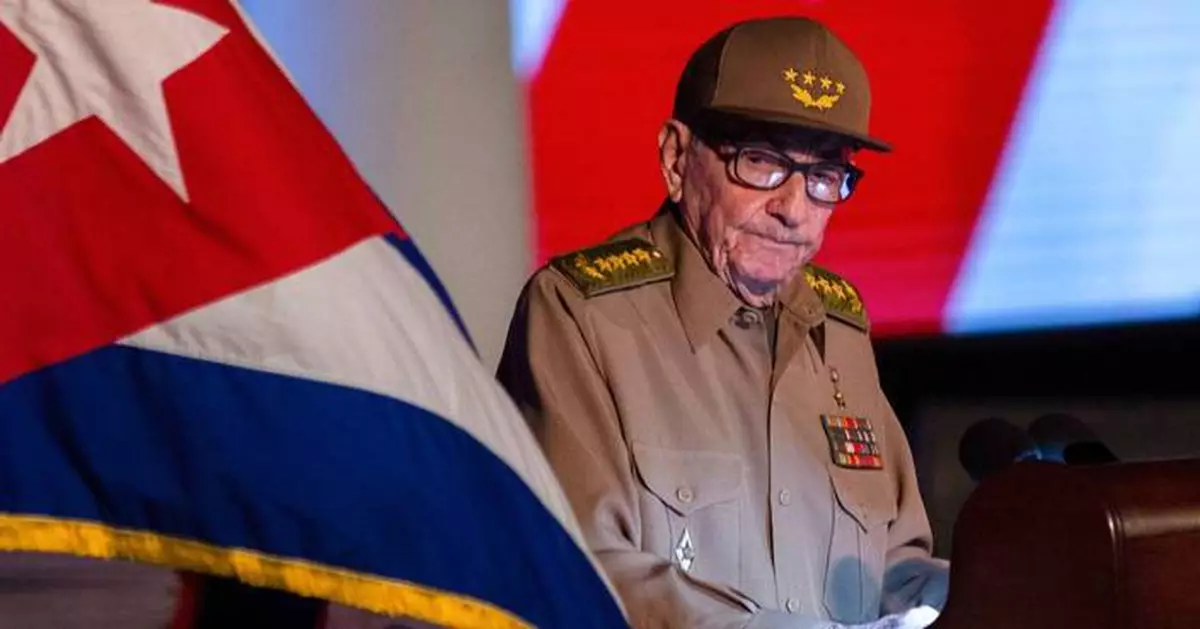
FILE - Former Cuban President Raul Castro looks at the Cuban flag during his speech at the event celebrating the 65th anniversary of the triumph of the revolution in Santiago, Cuba, Jan. 1, 2024. (AP Photo/Ismael Francisco, File)
The person spoke on condition of anonymity because they weren’t authorized to discuss an ongoing investigation.
Brothers to the Rescue began operating in 1980 during 125,000 Cubans' unexpected emigration to the United States. Founded by emigré José Basulto, it aimed to help Cuban refugees in the Florida straits by dropping supplies from small planes and alerting the U.S. Coast Guard.
The monthslong crisis began after some Cubans protested the travel restrictions imposed by President Fidel Castro's communist government and Castro opened the port of Mariel to anyone who wanted to leave, filling the Florida straits with desperate people.
The Clinton administration changed immigration rules to discourage Cubans from heading north on rickety, makeshift boats. Meanwhile, Brothers to the Rescue, which is also known by its Spanish name Hermanos al Rescate, continued flying toward Cuban airspace and provoking Havana.
On Feb. 24, 1996, three planes carrying members of Brothers to the Rescue entered a zone close to the 24th parallel, a short distance north of Havana and some of Cuba's highest-value targets.
Cuban fighter planes shot down two of the exiles' unarmed civilian Cessnas, killing all four men aboard. A third plane, carrying the organization’s leader, narrowly escaped.
In a story fictionalized in the movie “The Wasp Network,” U.S. counterintelligence caught five Cuban intelligence agents who had infiltrated Brothers to the Rescue. Two Cuban agents served long sentences and three were only released from custody in the prisoner exchange that came before former President Barack Obama's detente with Raúl Castro.
Two Cuban fighter jet pilots and their commanding officer have also been indicted in the shootdown— but have remained outside the reach of U.S. law enforcement — while living in Cuba.
Castro has been under U.S. criminal investigation before. In 1993, federal prosecutors in Miami considered charging him and several other senior Cuban military officials with cocaine trafficking based on testimony from Colombian traffickers that emerged in the drug trial of former Panamanian leader Manuel Noriega, the AP reported in 2006.
But an indictment never followed amid concerns about the witness’ credibility as well as fears that it could risk U.S. intelligence operations and derail a possible outreach to Cuba then under consideration by President Bill Clinton.
Associated Press reporters Eric Tucker and Alanna Durkin Richer in Washington, D.C. contributed.
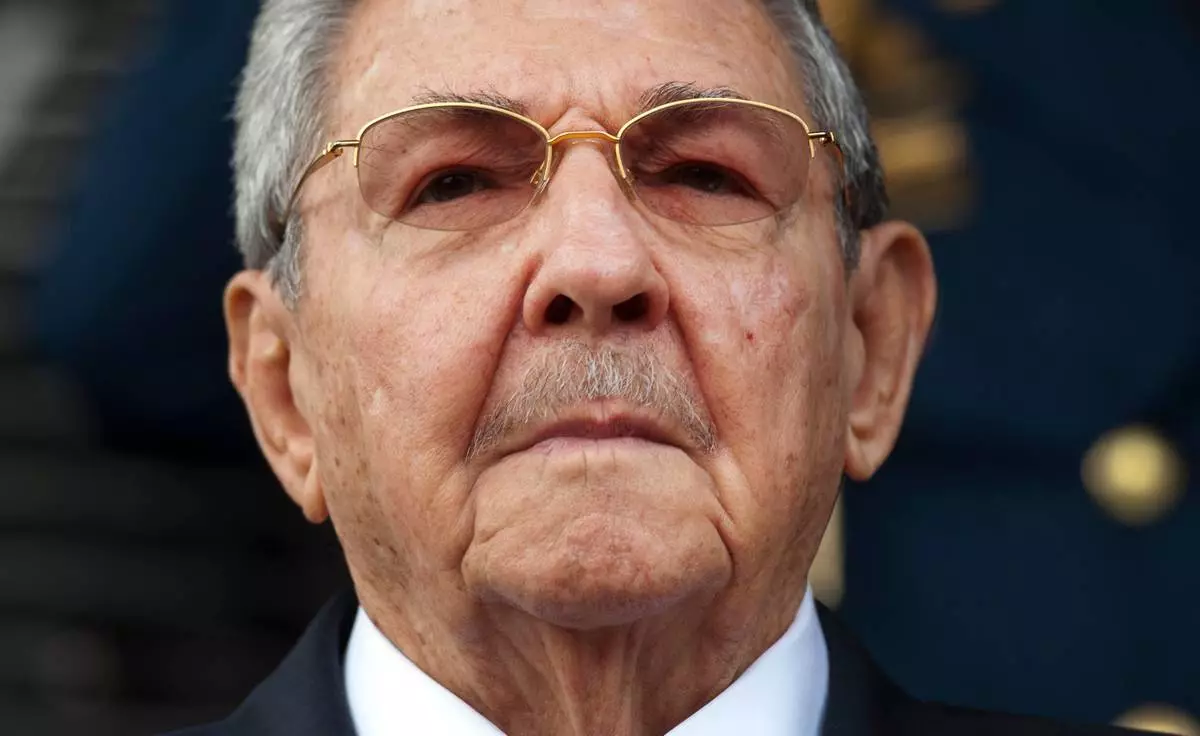
FILE - Cuba's President Raul Castro listens to the Cuban and Venezuelan national anthems during his welcome ceremony at the Miraflores presidential palace, March 17, 2015, in Caracas, Venezuela. (AP Photo/Ariana Cubillos, File)
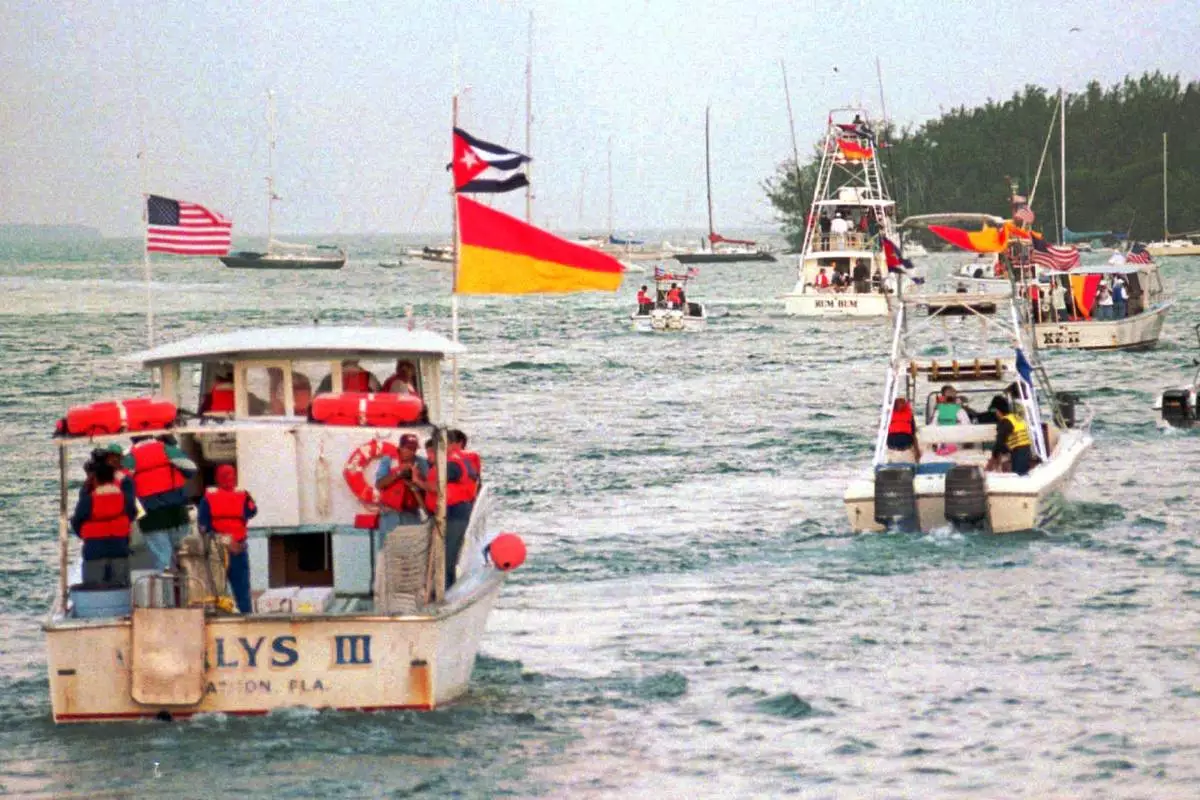
FILE - Some of the boats from the flotilla head for open waters March 2, 1996 off Key West, Fla., carrying Cuban Americans to the site of the downing of two Brothers to the Rescue planes by Cuban fighters. (AP Photo/Rick Bowmer, File)
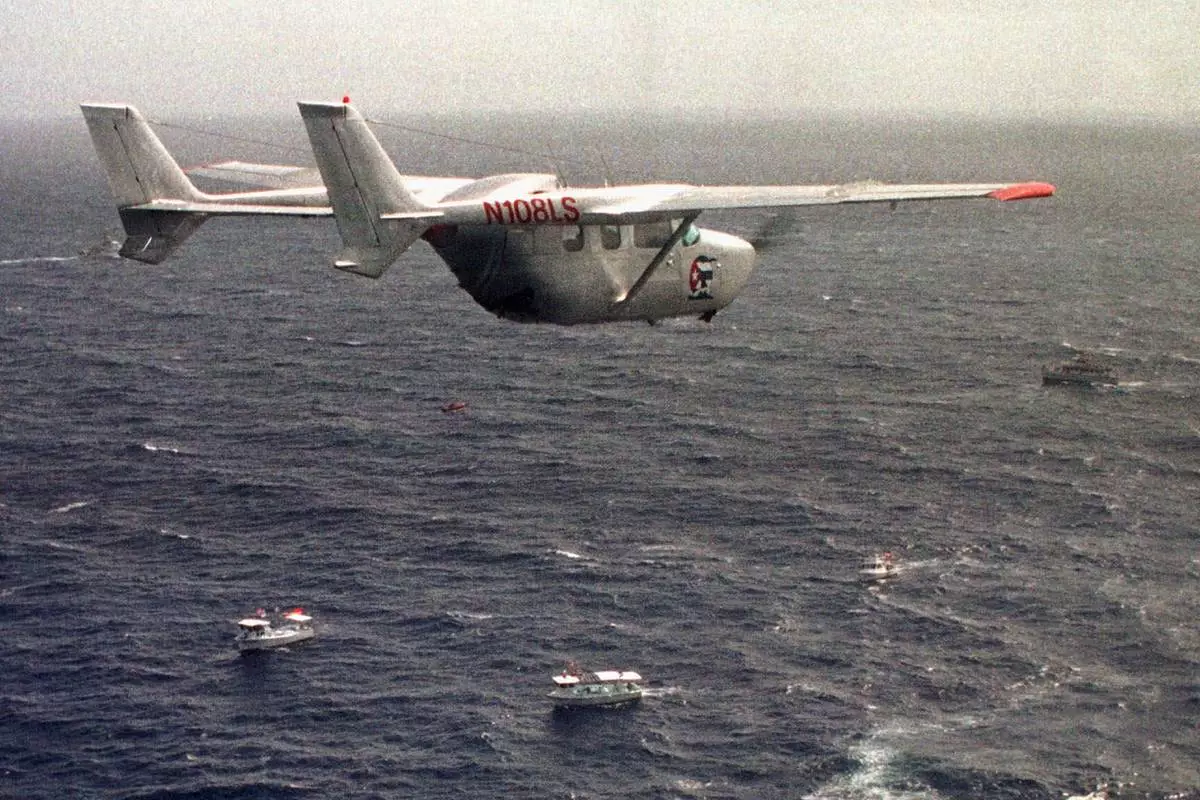
FILE - A Brothers to the Rescue plane flies over The Democracy Movement flotilla at the twelve-mile limit north of Havana, Cuba, July 10, 1999. (AP Photo/Alan Diaz, File)
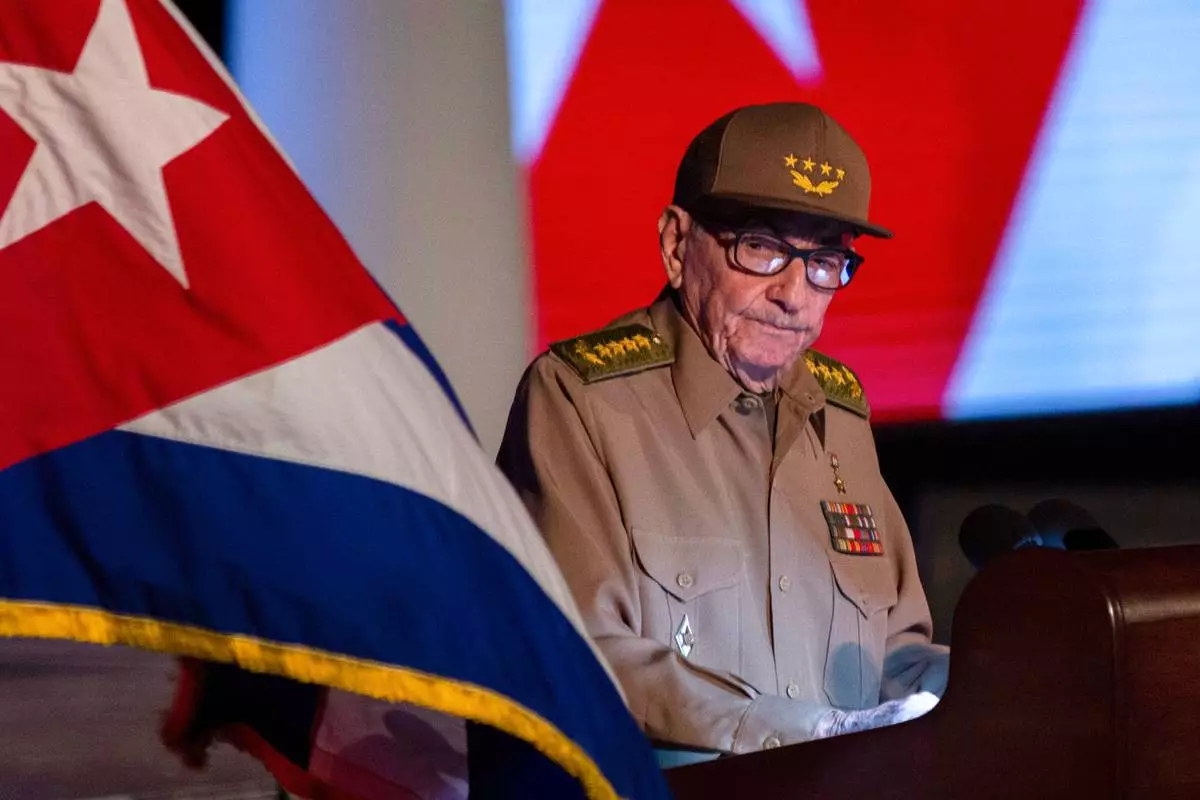
FILE - Former Cuban President Raul Castro looks at the Cuban flag during his speech at the event celebrating the 65th anniversary of the triumph of the revolution in Santiago, Cuba, Jan. 1, 2024. (AP Photo/Ismael Francisco, File)