SAO PAULO (AP) — A highly contested mining project in the Brazilian Amazon rainforest operated by Canadian company Belo Sun is expected to reach a key development Wednesday, when a Brazilian court will rule on whether to uphold a decision that could advance the project.
The court in Brasilia will determine whether the federal government or the northern state of Para, where the mine is planned, has authority to grant environmental licenses for the project.
Belo Sun has sought since 2012 to establish the Volta Grande gold mine on the banks of the Xingu River in Para state. The site lies about 20 kilometers (12.4 miles) from Belo Monte, the world’s third-largest hydroelectric dam, whose operations have reduced the river’s flow and severely affected local communities.
Here’s what to know about the case and what comes next:
The Volta Grande mine is projected to be the largest gold extraction site in the Brazilian Amazon.
According to a 2015 feasibility study presented by Belo Sun, the company aims to extract 3.52 million ounces of gold over 17 years, excavating more than 600 million tons of material. The mine would cover 24 square kilometers (9.2 square miles) and affect 125 hectares (309 acres) of the Amazon rainforest.
A 2021 independent assessment by scientists from the University of Sao Paulo and University of Amazonas concluded the project was too risky and should be rejected.
The report’s main concern was the proposed tailings dam, designed to store mining waste directly above a water channel near the Xingu River. Scientists said that any dam failure could send toxic waste rapidly into the river, threatening Indigenous and riverine communities as well as the ecosystem.
The mine would also displace 813 families, according to the Articulation of Indigenous Peoples of Brazil, or Apib. These populations, already severely affected by droughts after the Belo Monte project, could face additional harm. The Belo Monte dam has reduced the flow in the stretch of the Xingu River where the Belo Sun project is located.
Citing an analysis by the nonprofit Amazon Watch, prosecutors estimated the Volta Grande mine would be responsible for total emissions of about 3.7 million tons of carbon dioxide, a greenhouse gas that contributes to global warming. The estimate assumes the emission of one ton of carbon dioxide for every 28 grams of gold mined.
The Volta Grande licensing has faced opposition from the start.
In 2013, prosecutors sought to halt the process, citing a lack of proper consultation with affected Indigenous communities. In 2017, the full panel of a federal court agreed, requiring approval from the federal government and formal consultation with Indigenous communities before the project could proceed.
However, in 2025, justices overturned that decision and returned the licenses to Para state. Prosecutors appealed, arguing that the recent decision amounted to a separate, new trial. The court will rule on the appeal Wednesday.
Last December, the Juruna and Arara Indigenous communities of the Xingu released an open letter stating they have never agreed to the project, as required by the 2017 ruling. In a statement shared with The Associated Press, Belo Sun said it has conducted due Indigenous consultation, observing protocols established by the affected communities and supervised by authorities.
Federal prosecutors argued that the Brazilian government — not the local government in Para — should approve the project due to its national-level impacts. The project would affect Indigenous territories, which is a federal matter, impact the Xingu River — a federal waterway — and further affect the Belo Monte hydropower dam, built by the federal government.
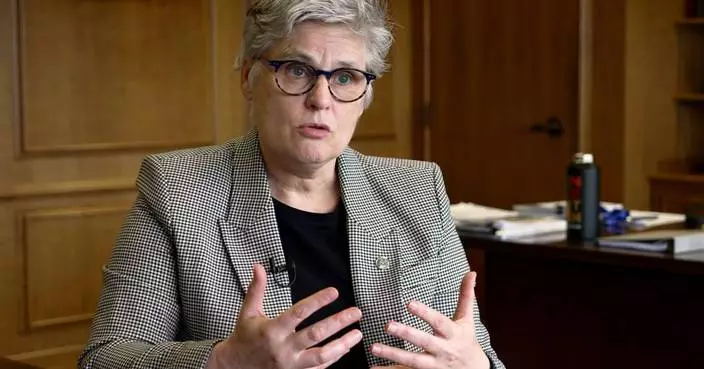
“From the start, as we did in Belo Monte, we have argued that the licensing falls under federal jurisdiction because it affects Indigenous lands and a federal river,” federal prosecutor Felício Pontes Jr., who is working on the case, said.
He added that the cumulative impacts with the hydroelectric dam are a central issue. Brazilian courts have already determined the impacts of Belo Monte were far greater than originally projected.
In recent rulings, courts have ordered compensation for affected communities and required Norte Energia, the company that operates the dam, to provide clean water to families whose natural sources dried up, as well as to review how much water it diverts from the Xingu River to run its turbines.
“This could create a major conflict if there isn’t a single authority licensing both projects, given the impacts one project has on the other,” the prosecutor said.
If the court decides to return the case to the federal government, the move could invalidate environmental licenses granted in 2025 to Belo Sun by the state of Para. In any case, the parties can still file challenges. Other lawsuits questioning the project are also pending in the courts.
Ahead of the vote, Belo Sun announced it is launching new technical studies for the Volta Grande project. On May 12, the company said it had hired a mining consultancy to review and update the technical studies for the Installation License. The goal is to identify improvements, outline updates to a definitive feasibility study and develop a phased project plan. Belo Sun expects to complete this step by the third quarter of 2026.
Belo Sun said the Volta Grande mine remains subject to environmental licensing by competent regulatory and judicial authorities in Brazil.
The Associated Press’ climate and environmental coverage receives financial support from multiple private foundations. AP is solely responsible for all content. Find AP’s standards for working with philanthropies, a list of supporters and funded coverage areas at AP.org.
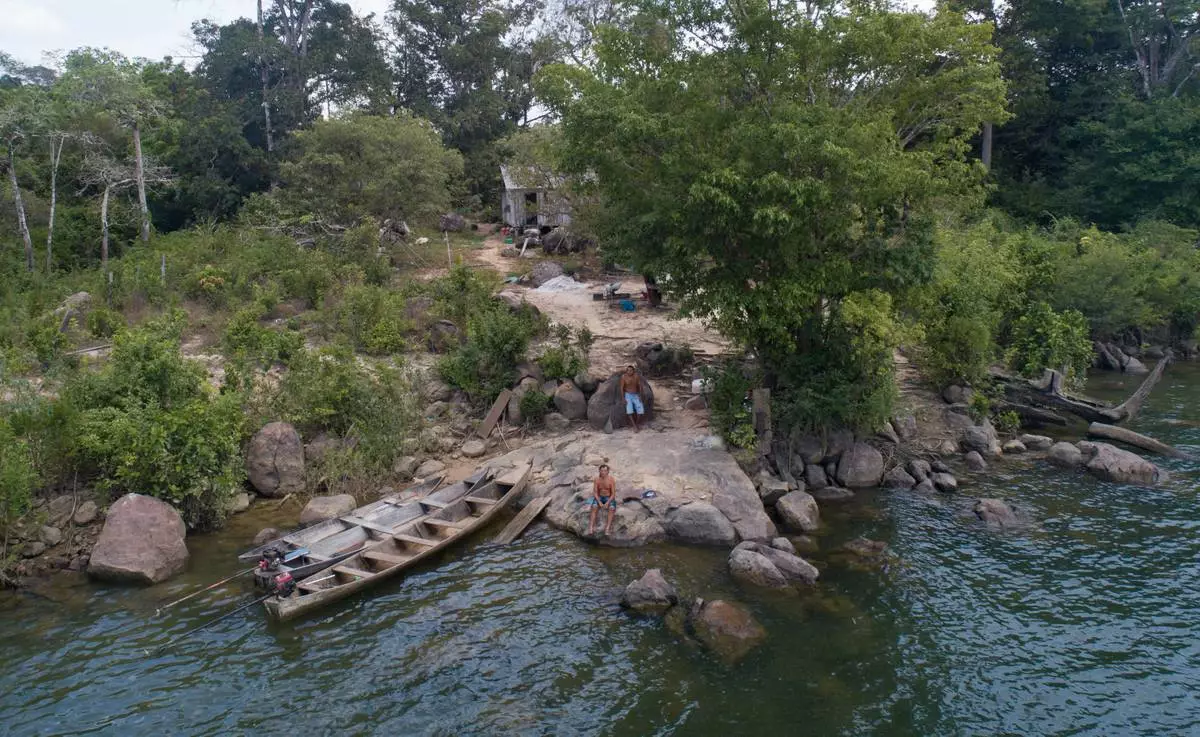
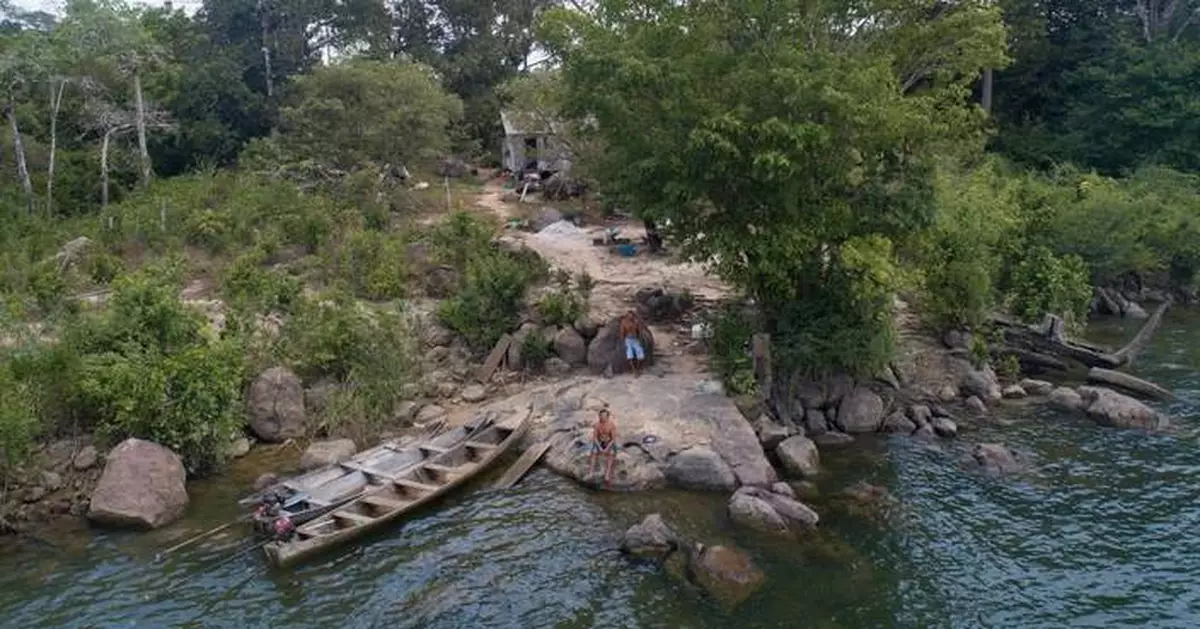
FILE - A fisher sits outside his home on the banks of the Xingu River, near the Belo Monte hydroelectric dam in Altamira, Para state, Brazil, Sept. 6, 2019. (AP Photo/Andre Penner, File)