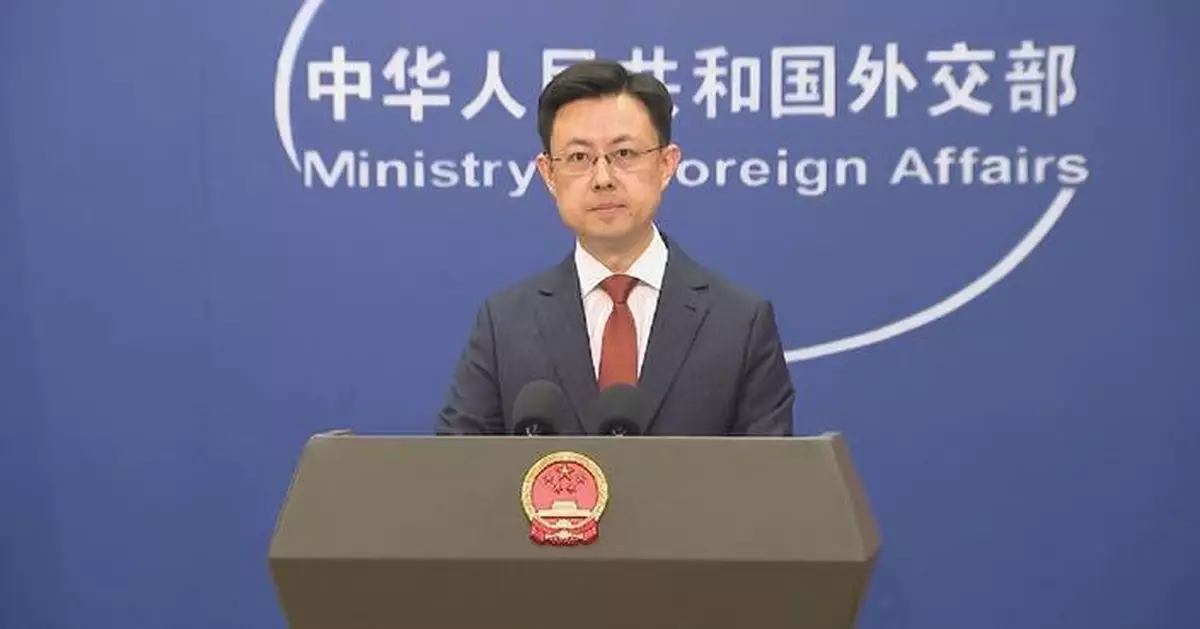
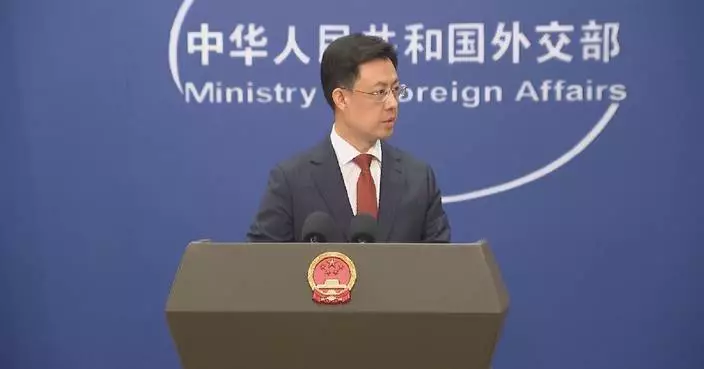
China expressed deep concern over the recent attack on a nuclear-related power facility in the United Arab Emirates, according to Chinese foreign ministry spokesman Guo Jiakun on Tuesday.
Guo made the remarks at a regular press briefing after a drone struck an electricity generator outside the inner perimeter of the Barakah Nuclear Power Plant in the Al Dhafra region.
"China expressed deep concern over the attack on a nuclear-related power facility in the United Arab Emirates, and China opposes armed attacks on peaceful nuclear facilities. China has always believed that the sovereignty, security, and territorial integrity of all countries in the Middle East and the Gulf region should be fully respected, and that civilians and non-military targets should be protected. The most urgent task is to immediately achieve a comprehensive ceasefire and halt the fighting to prevent the conflict from spreading further," said Guo.
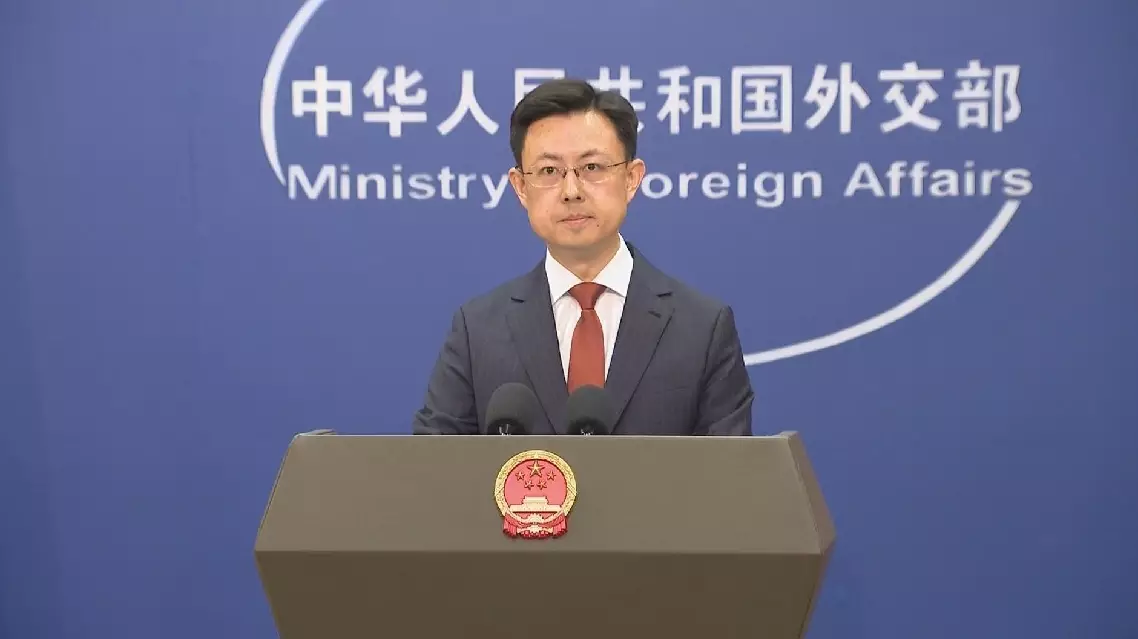
China expresses deep concern over drone strikes near UAE nuclear power plant: spokesman
China expresses deep concern over drone strikes near UAE nuclear power plant: spokesman
Nobel laureate in economics Michael Spence said he views U.S. President Donald Trump's high-profile visit to China last week as beneficial, stressing that a mix of cooperation and competition is the most pragmatic path forward amid ongoing global geopolitical uncertainties.
The 2001 Nobel prize winner shed his light on China-U.S. relations on the sidelines of this year's Tsinghua PBCSF Global Finance Forum held in Chengdu City of southwest China's Sichuan Province with the theme "Global Financial Governance in a Changing World."
Although Spence, an American, has been critical of the U.S. president and the economic uncertainty surrounding his policy decisions, he emphasized that efforts to carry out high-level diplomacy should always be welcome.
"People are starting to say that the Trump administration does things that are either unconventional or on slightly less polite terms. It seems to understand that with China, a big powerful country and economy, you have to deal with that pragmatically. China can't be pushed around," he said.
Trump concluded a three-day state visit to China on Friday. This is the first U.S. presidential visit to China in almost nine years, after President Xi previously hosted Trump in Beijing in November 2017.
During the visit, Trump and Chinese President Xi Jinping held talks on Thursday, agreeing on a new vision for building constructive China-U.S. relations with strategic stability.
The two leaders also engaged in candid, in-depth, constructive and strategic communication on major issues concerning world peace and development, exploring a proper way for the two major countries to coexist and reach a series of consensuses.
For Spence, the historic meeting is positive for the world's largest economies to find out how to get along with each other.
"So less confrontation, more kind of a realistic combination of respect, competition, some element of cooperation and so on. So in that sense, I think the mature view of the meeting is that it was a good thing," he said.
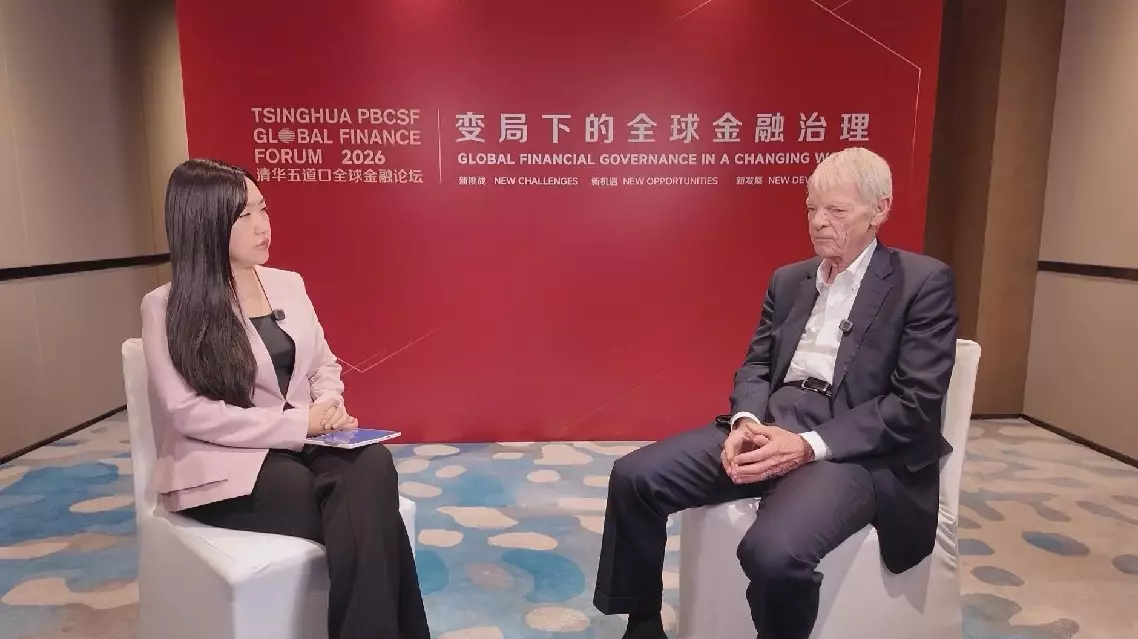
Nobel laureate in economics sees positive movement in Trump's China visit
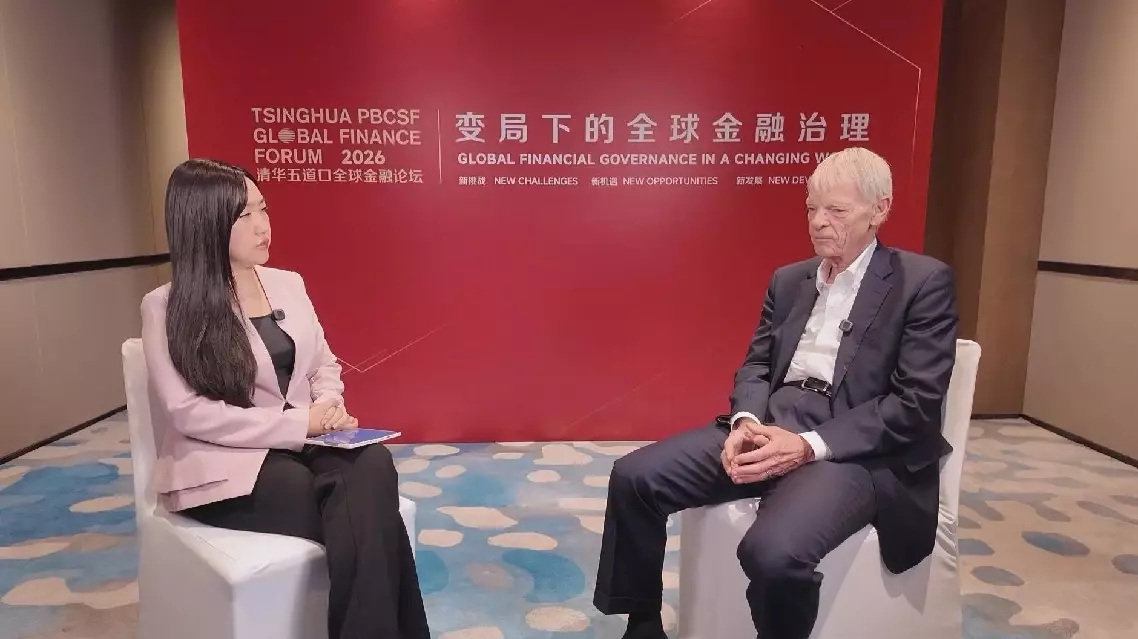
Nobel laureate in economics sees positive movement in Trump's China visit