Moderator:
• Dr Eric Chee-hang Yip, Executive Director, Intermediaries Division, Securities and Futures Commission (“SFC”)
Speakers:
• Mr George Gaffney, Chief Operating Officer, Bullish Group
• Mr Christopher Hui, Secretary for Financial Services and the Treasury, the Government of the HKSAR
• Dr Hon Johnny Kit-chong Ng, Member of the Legislative Council of the HKSAR
Mr Christopher Hui
• On Traditional Finance (TradFi) and the rise of Defi, Chris Hui acknowledged that there will be eventual convergence between the two. He shared that “For the innovators, they now increasingly come to realize that they need applications for technology to be utilized and for the benefits to be seen. At the same time, the conventional banking financial market people also feel there’s pressure externally from their customers and internally for them to innovate. In terms of the conflict… it is easier to reconcile than before, as the two sides now know that they need each other.”
• On other jurisdictions’ dedicated regulatory approach towards digital assets, Chris Hui shared that Hong Kong considered taking a similar approach but foresaw “the convergence” between TradFi and DeFi, noting that “if you have a separate regulator which is detached from daily regulation of conventional market, synergy will be very difficult.” He noted that “in terms of leading implementation of digital asset-related initiatives…what we have done is to ensure that this convergence can happen at the same time, smoothly.”
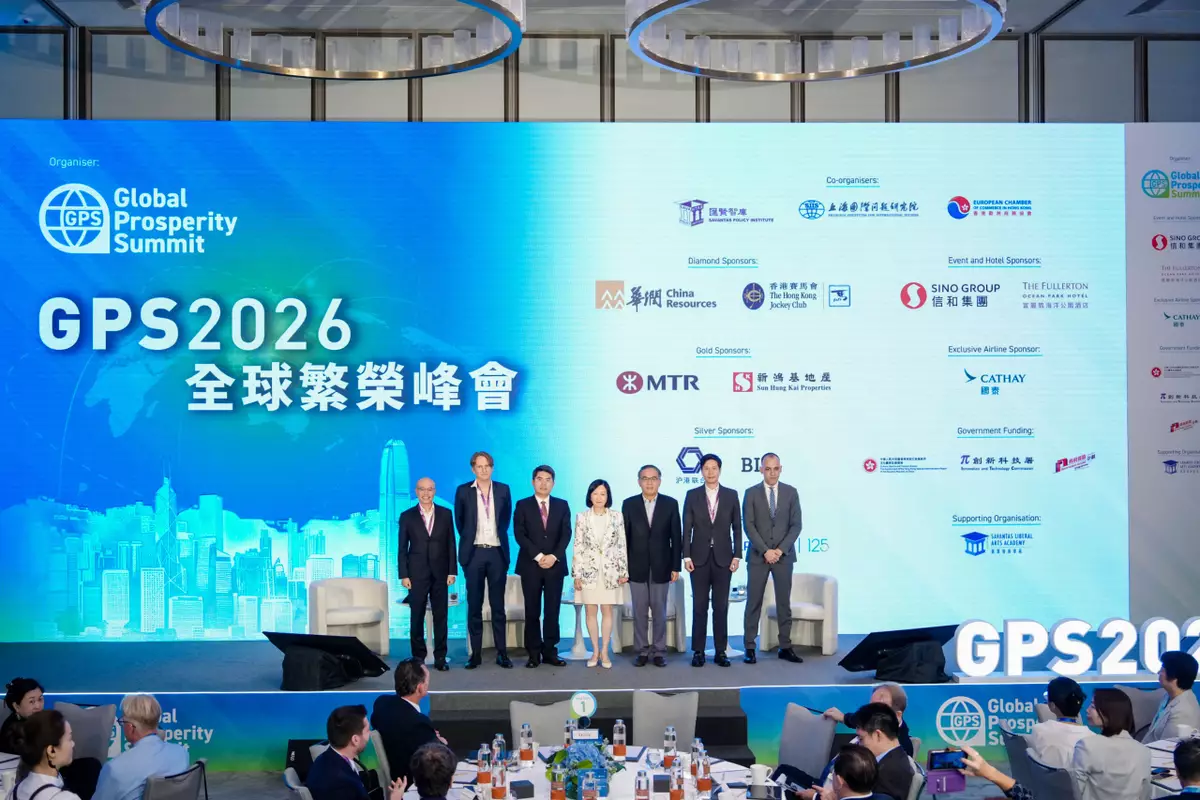
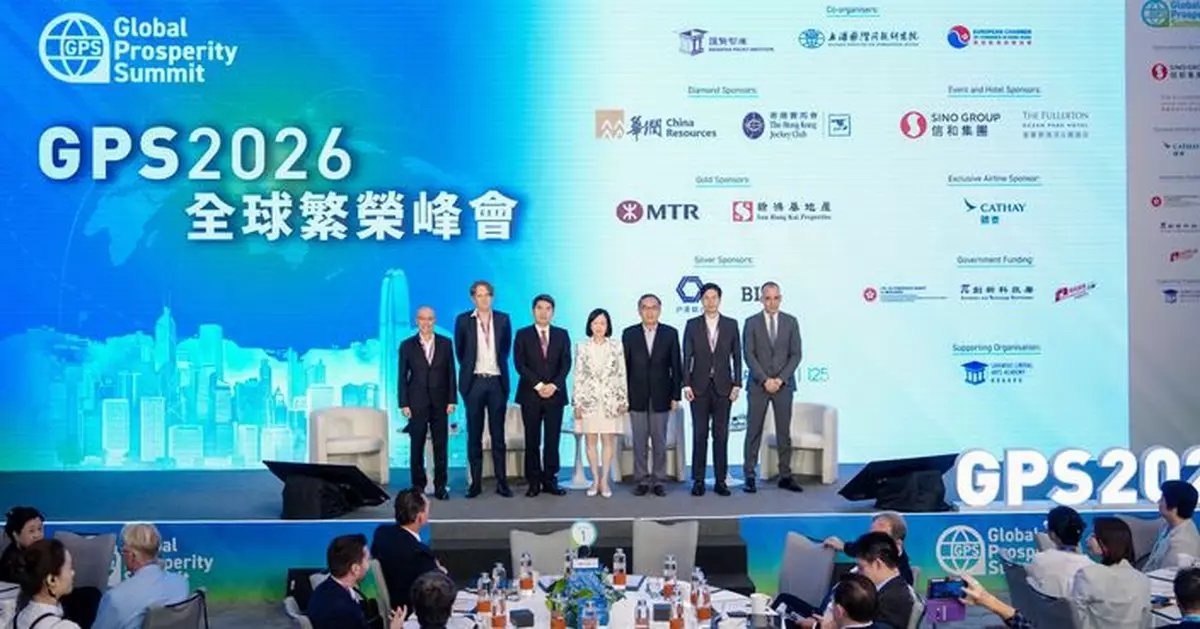
Discussion highlights of the second day of panel discussions at GPS2026, Panel 3: The Good, the Bad and the Ugly in the Crypto World .
Dr Hon Johnny Kit-chong Ng
• Johnny Ng mentioned that jurisdictions like UAE and Korea are very active in trading digital assets and cryptos. He shared that “unlike the practice in Hong Kong, these places have dedicated? crypto or digital assets regulators. To attract talents and investors from all over the world to Hong Kong, we should learn from the good practices from other jurisdictions, and to take precautions against the unpredictable.”
• Eric Yip shared that "regulators have to balance between their contradictory mandates.Markets will always evolve faster than any regulator can promulgate new rules and regulations. Contradictions in the industry are: fast vs slow’ innovation versus traditions;TradFi versus crypto…. But, it seems that the conflicting concepts are converging." He asked Johnny Ng, "how Hong Kong should balance [these] conflicting forces."
• Johnny Ng advised that "regulators should use advanced technologies to combat against technological challenges - blockchain data are available online, and with the most critical risks being anti-money laundering (AML), know-your-customer (KYC). While Hong Kong is a small and open economy, we have to observe the regulatory requirements, both from Hong Kong and other parts of the world. Our government and also regulators should use state of the art technologies to tackle all these problems so that the industry can develop quickly but at the same time operates in a safe environment, hence balancing development and security."
Mr George Gaffney
• Regarding blockchain, George Gaffney emphasized that “the technology is publicly visible,” where “you can see every transaction that’s ever occurred. They can never be deleted. You can build things like KYC into the blockchain itself.” He noted that “we need more cross pollination [between] the regulators… and the businesses, we need more blockchain expertise… Blockchain doesn’t just apply to a single asset class, it applies to multiple asset classes… Hence, a way has to be worked out to simplify connections and communications of both sides.”
• When asked "what mistakes the industry should avoid at all costs," George Gaffney mentioned the "large hacks in the DeFi part of the [digital assets] ecosystem." He noted that "it was just basic security hygiene that was missing from the platforms," and added that "this is where regulators can add value very quickly. References should be made to practices in places like Hong Kong where can you have a layer of regulation across DeFi platforms, minimum standards that could give confidence in platforms that are more progressive than traditional centralized exchanges."
Moderator:
• Ambassador Kurt Tong, Managing Partner, The Asia Group
Speakers:
• Datuk Professor Dr Mohd Faiz Abdullah, Executive Chairman of the Institute of Strategic & International Studies (“ISIS”), Malaysia
• Mr Mark Boris Andrijanič, Member of the Board of the European Institute of Innovation and Technology (“EIT”)
• Professor Kaisheng Li, Vice-President of the SIIS
• Mr Sean Stein, President of the US-China Business Council (“USCBC”)
Datuk Professor Dr Mohd Faiz Abdullah
• I believe that China’s Global Governance Initiative fundamentally is for the good of the general world, not just for the region.
• I'm not speaking on behalf of the government. I'm speaking on behalf of how we look at trade from think tanks and Track II Diplomacy. The way I look at it, Hong Kong will have to be one of the major drivers in promoting regional growth. From there, building on ASEAN’s strong economic presence, which is going to be number three globally, we must consider how best that can be leveraged to promote global growth.
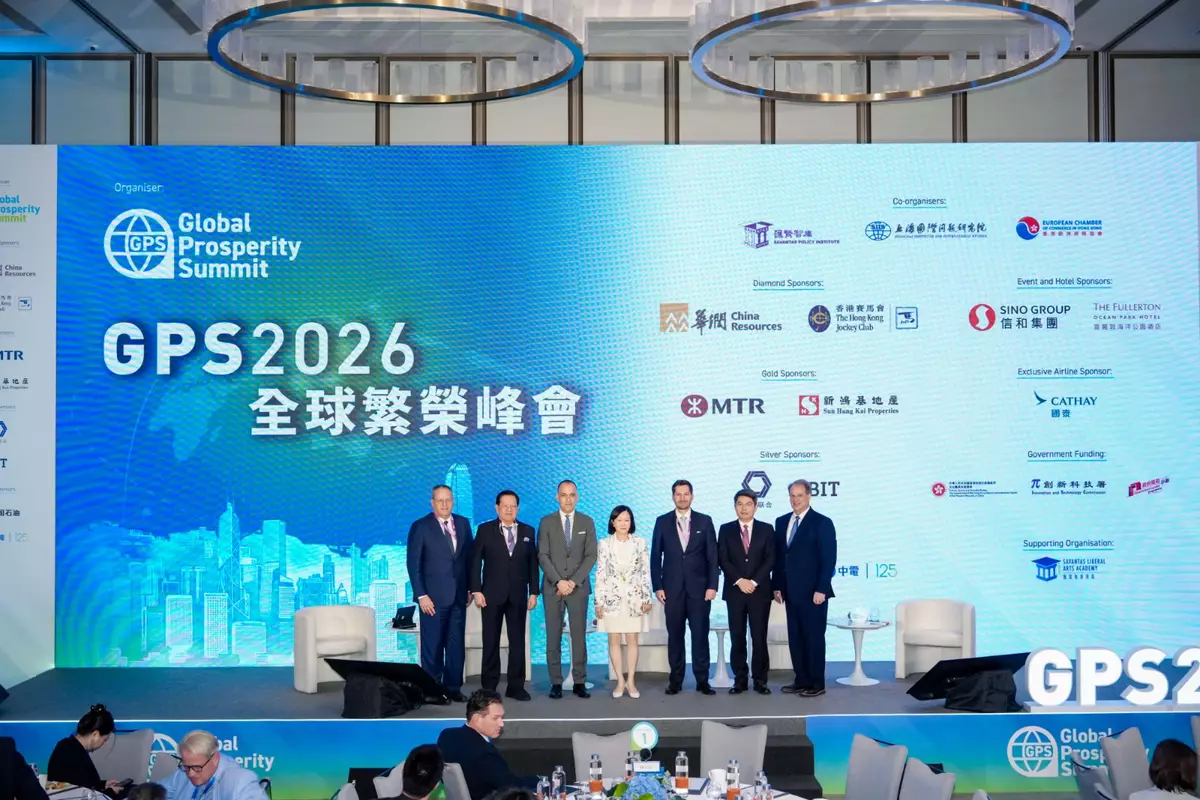
Discussion highlights of the second day of panel discussions at GPS2026 ,Panel 4: International Trade in a Changing World Order .
Mr Mark Boris Andrijanič
• I think the entire world held a deep breath after the meeting between President Xi and President Trump. because I think that meeting is introducing some stability in the international order. It's clear that both China and the U.S. would like to stay away from further confrontation, which I think is good for everyone, including the EU. So in this sense, it was a relief.
• What's important for the EU is to have an equally high level meeting with the Chinese government, with frank dialogues, to address the increasing structural issues in our trade relationships. This structural imbalance must be addressed. And as I mentioned earlier, I think there's an opportunity for a broader partnership between the EU and China across a variety of issues - be it climate change, where we think pretty much along the same lines, or in the area of U.N. reform because both the EU and China are very committed to the U.N. and other international organizations. And obviously, trade should be on the top of all of issues.
• At this moment, what is most important in rebuilding the trust between China and the EU, would be for China to be more proactive in helping to end the war in Ukraine, which is a war in Europe. A positive and proactive involvement of China, I think, would be important for closer partnership between the E.U. and China.
Professor Kaisheng Li
• Hong Kong is a bridge between the Mainland and the world. Economically, the Mainland is very strong in many respects, but Hong Kong has so many advantages - its soft edgesare in the areas of finance, insurance, law, etc.
• Hong Kong knows the West very well, and, of course, the Mainland. It is indeed a bridgeto minimize cultural gaps between China and the rest of the world.
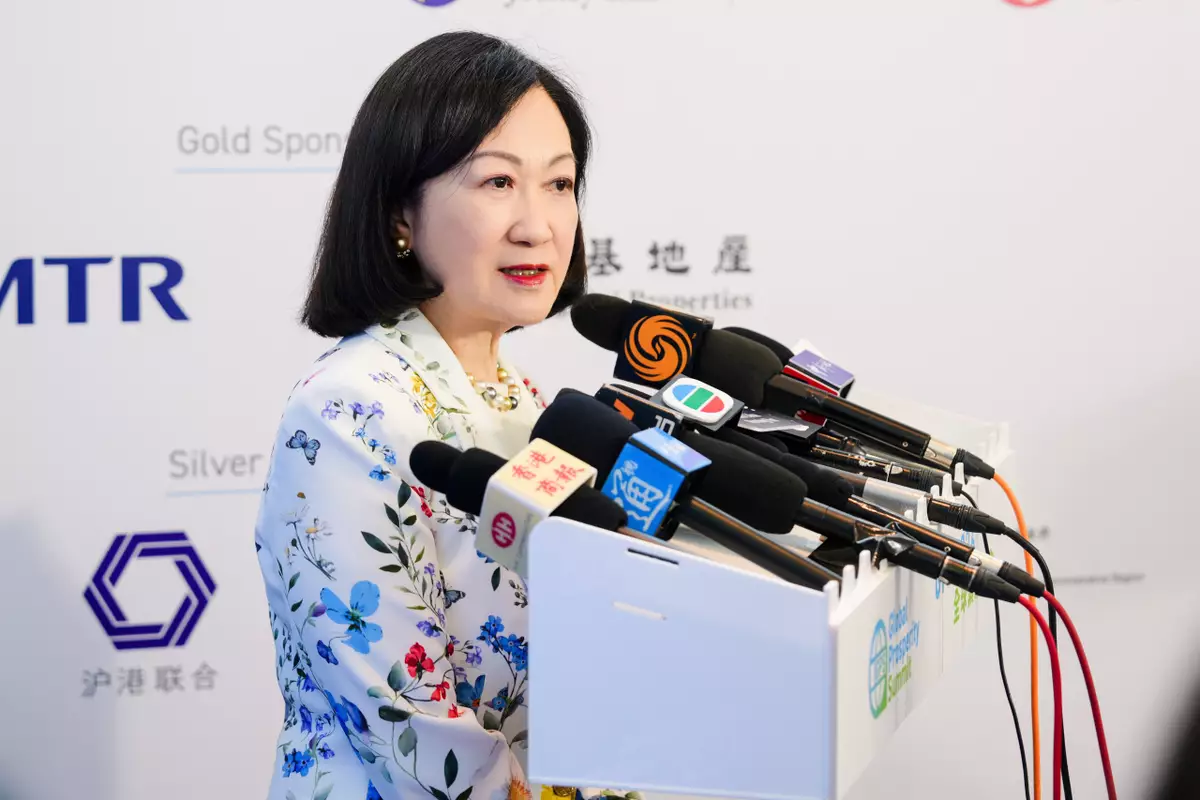
Discussion highlights of the second day of panel discussions at GPS2026 ,Panel 4: International Trade in a Changing World Order .
Mr Sean Stein
• The meeting between the two presidents last week was enormously important because the biggest challenge that companies have faced in recent years has been uncertainty due to ups and downs in the bilateral relationship. And I think the fundamental goal that
• Seeing the consensus reached between the two presidents, we should next strive for stability and all the more constructive strategic stability which is important for business confidence and for them to continue to invest, to grow, to develop partnerships, etc.
• Seen in this light, this meeting between the two presidents was enormously important because it sent a very strong signal to businesses in both countries and that stability will lead to more investment, and then better outcomes for everybody.
• I think choosing Shenzhen as the site for the APEC summit was absolutely inspiring as this will bring together two great global cities. The gateway to Shenzhen is actually not Beijing, and it's not Shanghai. The gateway to Shenzhen is Hong Kong. When the two great Asian cities will be part of this [APEC] summit. I believe we'll see a record number of CEOs attending the summit, certainly more than we've seen in recent years.
• Hong Kong should focus on those areas that makes the place special. And that is Hong Kong's commitment and long-standing commitment to the rule of law. This is Hong Kong’s long-standing and well-established tradition of transparency, and the fairness. And that is what Hong Kong's strength lies in. And that's what Hong Kong needs to double down on, because that's what makes it indispensable.