PARIS (AP) — Players at the French Open are planning to reduce media appearances ahead of the start of the Grand Slam to complain about their share of the prize money.
A group have already targeted the upcoming clay-court tournament for reducing players’ share of revenue to an alleged 14.3% — compared to 22% at other ATP and WTA events.
Top-ranked Aryna Sabalenka and No.4 Coco Gauff were among leading players who threatened a boycott of the Slams earlier this month if they don’t start receiving more compensation.
L'Equipe newspaper reported Wednesday that many players competing at Roland Garros, which begins Sunday, are planning to limit their conversations with reporters to 15 minutes during Friday's traditional pre-tournament media day.
The French tennis federation (FFT), which organizes the French Open, said in a statement to The Associated Press that it regrets the players' initiative “which penalizes all stakeholders involved in the tournament: the media, broadcasters, federation staff and the entire tennis community that enthusiastically follows each edition of Roland Garros.”
Sabalenka and fellow No. 1 Jannik Sinner were among leading players — most of them ranked in the top 10 — who earlier this month issued a statement expressing “deep disappointment” over French Open prize money.
The players are also seeking better representation, health options and pensions from the four Grand Slam tournaments: Australian Open, French Open, Wimbledon and U.S. Open.
Roland Garros organizers announced last month they were increasing overall prize money by about 10% for an overall pot of 61.7 million euros ($72.1 million), with the total amount up 5.3 million euros from last year. But the players said “the underlying figures tell a very different story,” claiming they will receive a smaller share of tournament revenues.
The FFT said it will continue to maintain an open dialogue, adding that it proposed a meeting expected to take place Friday with the players and their representatives.
“The FFT is ready for direct and constructive discussions on governance issues, with the aim of giving players a greater role in decision-making, contributing to players’ social protection, and evolving the distribution of value, and it put forward several proposals in this direction during the meeting,” it said.
The players claim their share of Roland Garros revenue has declined from 15.5% in 2024 to 14.9% projected in 2026. They say the event generated 395 million euros in 2025, a 14% year-on-year increase, yet prize money rose by just 5.4%, reducing players’ share of revenue to 14.3%.
“With estimated revenues of over 400 million euros for this year’s tournament, prize money as a percentage of revenue will likely still be less than 15%, far short of the 22% that players have requested to bring the Grand Slams into line with the ATP and WTA Combined 1000 events,” the players said.
The Australian Open this year increased the players’ compensation by 16%, and the U.S. Open prize money last year went up by 20%.
The singles champions at Roland Garros will each receive 2.8 million euros, an increase of 250,000 euros compared with 2025.
“Beyond the prize money, a Grand Slam tournament like Roland Garros offers players exceptional exposure, generating indirect income through sponsorships, partnerships, exhibitions and appearance fees,” the FFT said.
“This year the French Tennis Federation also chose to direct a significant portion of these increases toward players eliminated in the early rounds of the main draw and qualifying rounds, with increases of more than 11%, in order to better support those who depend most on tournament earnings to finance their season.”
AP tennis: https://apnews.com/hub/tennis
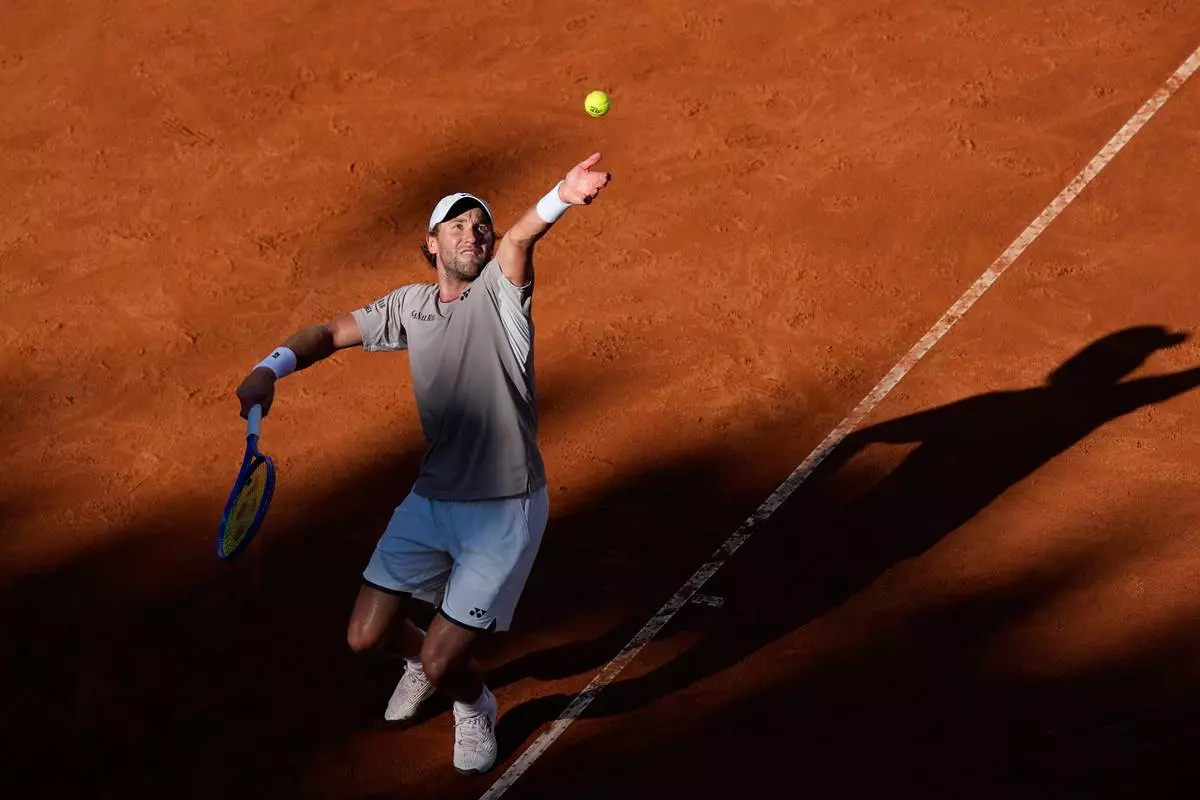
Casper Ruud, of Norway, serves to Jannik Sinner, of Italy, during the final match at the Italian Open tennis tournament, in Rome, Sunday, May 17, 2026. (AP Photo/Alessandra Tarantino)
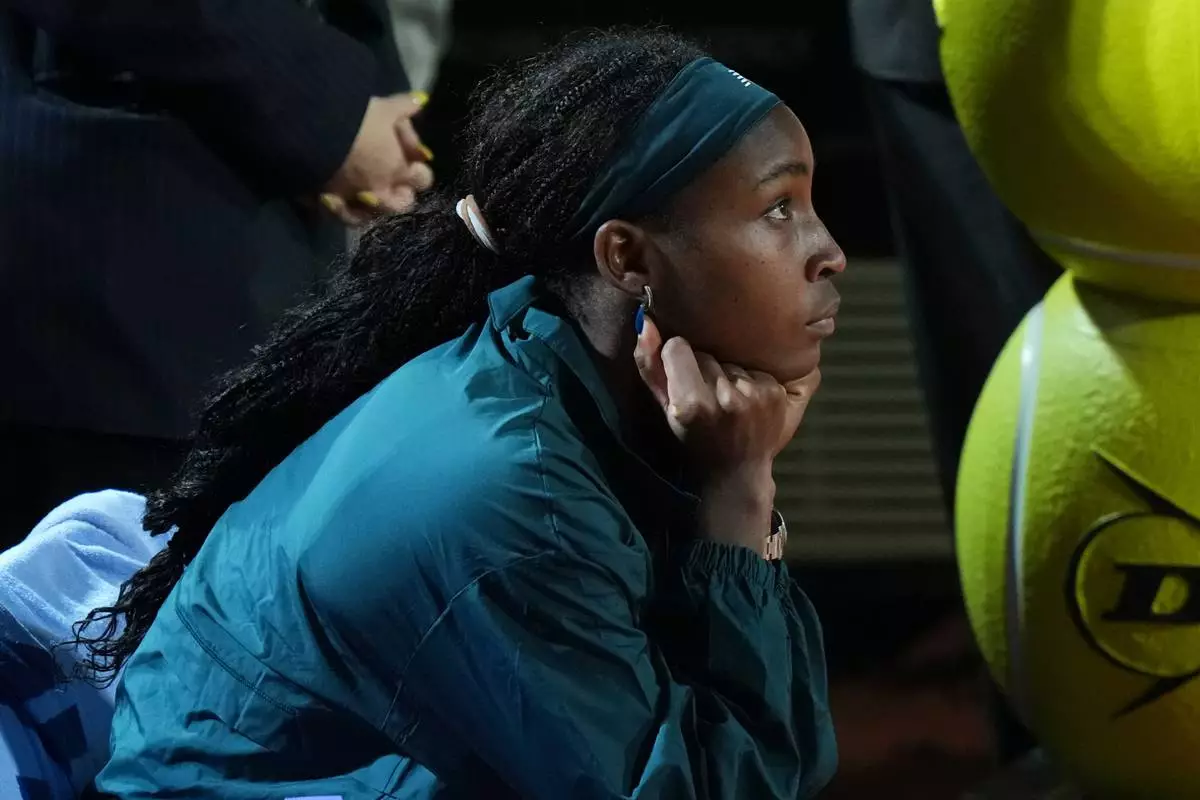
United States' Coco Gauff reacts after loosing against Ukraine's Elina Svitolina at the end of the women's final match at the Italian Open tennis tournament in Rome, Saturday, May 16, 2026. (AP Photo/Andrew Medichini)
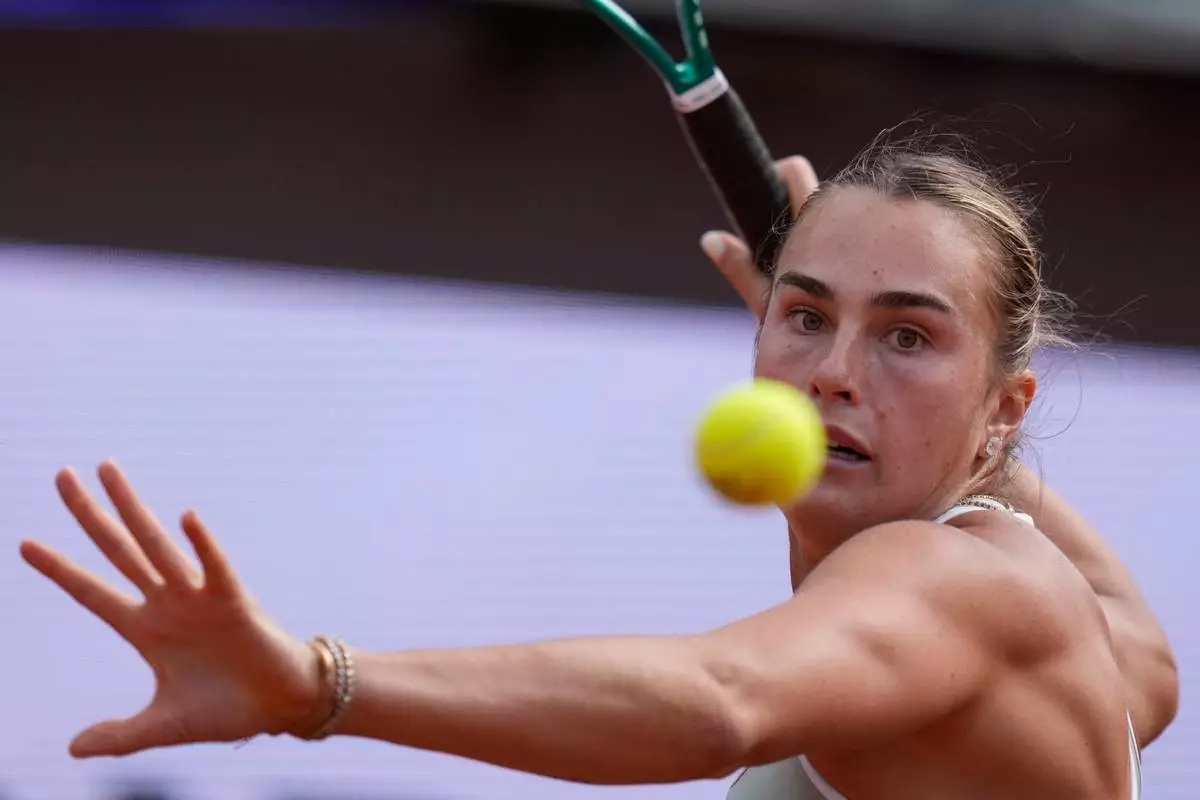
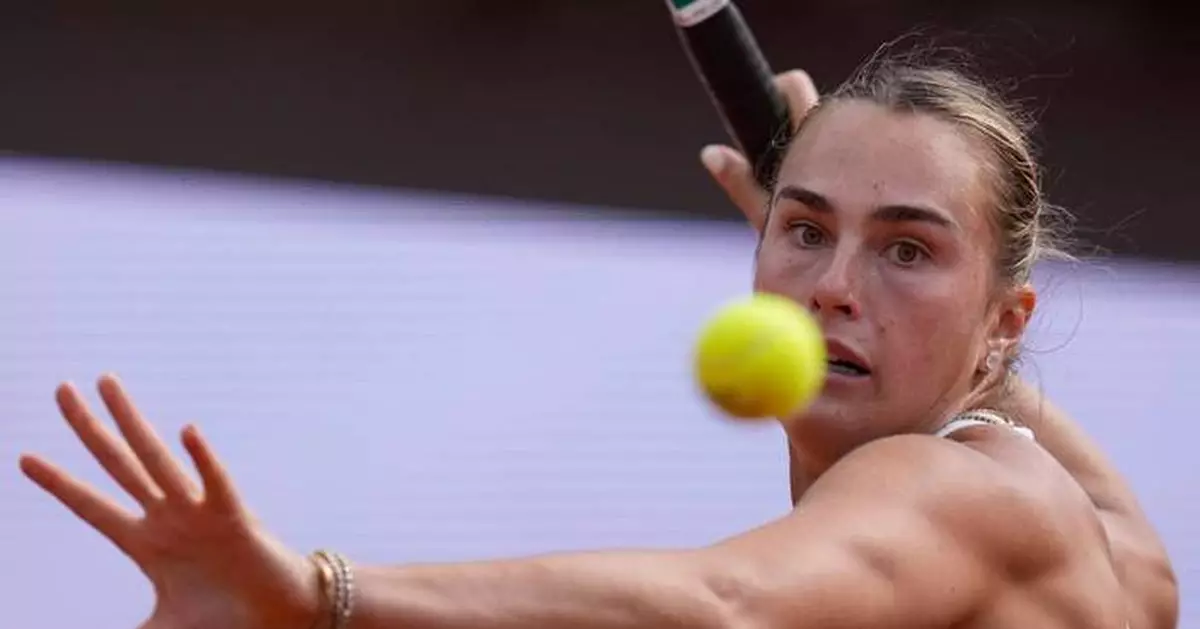
Belarus' Aryna Sabalenka returns the ball to Romania's Sorana Cirstea during their match at the Italian Open tennis tournament in Rome, Saturday, May 9, 2026. (AP Photo/Alessandra Tarantino)