PORTLAND, Ore. (AP) — The Portland Trail Blazers have laid off employees as new owner Tom Dundon cuts costs.
The exact number of employees who were let go was not made public, but they included staff in both the business and basketball operations.
"These changes impacted talented people who have helped shape the Trail Blazers over many years,” Dewayne Hankins, the Blazers' president of business operations said in a statement. "We are deeply grateful for their contributions, their leadership and the care they showed every day for our team, our fans and the Portland community.”
Dundon leads the group of investors who bought the NBA franchise from the estate of Paul Allen, the co-founder of Microsoft who died in 2018. The NBA's Board of Governors approved the sale, worth a reported $4.25 billion, in April. Dundon also owns the Carolina Hurricanes of the NHL.
Blazers employees learned of the layoffs during a Tuesday morning video call. Among the employees impacted was digital reporter Casey Holdahl, who had been with the team for 18 years. He announced his fate on social media, thanking fans for engaging with his work.
The move comes as the new owners negotiate with both local and state officials over funding to renovate the Moda Center and secure a long-term lease that would keep the team in Portland.
The Oregon Legislature approved funds for the renovation of the Moda Center in early March. The measure gives the state joint ownership of the 30-year-old arena with the city, and provides a mechanism to secure $365 million for the building’s renovation ahead of the women’s NCAA Final Four in 2030.
The new owners group includes Dundon, Portland-based Sheel Tyle, the co-founder of investment firm Collective Global; Marc Zahr, co-president of Blue Owl Capital; the Cherng Family Trust, the investment firm of the co-founders of Panda Express; Stan Middleman of Freedom Mortgage who also owns a stake in the Philadelphia Phillies.
AP NBA: https://apnews.com/nba

FILE - Portland Trail Blazers new owner Tom Dundon speaks during a news conference April 2, 2026, in Portland, Ore. (AP Photo/Jenny Kane, File)
NEW YORK (AP) — The U.S. stock market bounced back Wednesday after pressure eased on Wall Street from the bond market and oil prices gave back some of their big gains.
The S&P 500 climbed 1.1% for its first rise in four days and pulled closer to its all-time high set last week. The Dow Jones Industrial Average added 645 points, or 1.3%, and the Nasdaq composite rallied 1.5%.
Stocks got a lift from easing yields in the bond market, which offered relief following rapid climbs that had rattled stock markets worldwide recently. The yield on the 10-year Treasury fell to 4.57% from 4.67% late Tuesday, which is a significant move for a market that measures things in hundredths of a percentage point.
The 10-year Treasury yield had been rising from less than 4% before the war with Iran began, along with other yields around the world, because of worries that the fighting will keep oil prices high, among other factors. The inflation concerns not only seemed to eliminate the chances for a cut to interest rates by the Federal Reserve this year, they also heightened the risk that central banks may have to raise rates in 2026.
High yields slow economies and weigh on prices for stocks, cryptocurrencies and all kinds of other investments. Besides driving up rates for mortgages, they could also curtail companies’ borrowing to build the artificial-intelligence data centers that have been supporting the U.S. economy’s growth recently.
Yields eased Wednesday as oil prices pulled back some more. The price for a barrel of Brent crude fell 5.6% to settle at $105.02, though it remains well above its roughly $70 level from before the war. Prices have been yo-yoing on rising and falling hopes that the United States and Iran can reach an agreement to allow oil deliveries to fully resume from the Persian Gulf to customers worldwide.
A report showing less bad inflation in the United Kingdom than economists expected also helped calm yields worldwide.
With the easing of yields, technology stocks helped lead Wall Street higher.
Nvidia rose 1.3% ahead of its latest profit report, which arrived after trading ended for the day, and was the strongest force lifting the S&P 500. The chip company reported another quarter of bigger growth in profit and revenue than analysts expected, while it also gave a better-than-expected forecast for revenue in the current quarter.
Other tech stocks leading the market included Advanced Micro Devices, up 8.1%, and Intel, up 7.4%.
Smaller companies can feel even bigger relief from lower yields than their bigger rivals because many need to borrow to grow. The Russell 2000 index of the smallest U.S. stocks jumped 2.6%, more than double the gain of the S&P 500, which measures the biggest U.S. stocks.
Also helping to drive the market was the company behind TJ Maxx, Marshalls and other stores, which climbed 5.7% after delivering stronger profit and revenue for the latest quarter than analysts expected. TJX’s CEO, Ernie Herrman, said the current quarter is off to a good start, and the off-price retailer raised its forecasts for revenue and profit this year.
Red Robin Gourmet Burgers jumped 18.2%, and Cava Group rose 3.1% following their own better-than-expected profit reports. Such results raise hopes that households can keep spending and supporting the economy, even though they’re contending with high gasoline prices and widespread discouragement about economic conditions.
Most big U.S. companies have likewise reported better profits for the start of 2026 than analysts expected, which has helped stocks run to records. Stock prices tend to follow the path of corporate profits over the long term.
On the losing side of Wall Street was Target, which fell 3.9% even though the retailer reported better profit and revenue for the latest quarter than analysts expected. A new CEO, Michael Fiddelke, is trying to turn around the company and boost its revenue.
Expectations were high for the company’s performance after Target’s stock came into the day with a gain of more than 30% for the year so far, quadruple the S&P 500’s gain.
All told, the S&P 500 rose 79.36 points to 7,432.97. The Dow Jones Industrial Averae jumped 645.47 to 50,009.35, and the Nasdaq composite rallied 399.65 to 26,270.36.
In stock markets abroad, indexes climbed in Europe following weaker finishes across Asia.
Tokyo’s Nikkei 225 fell 1.2% as the yield on the 10-year Japanese government bond slipped but remained near its highest level since 1997.
AP Business Writers Matt Ott and Elaine Kurtenbach contributed.
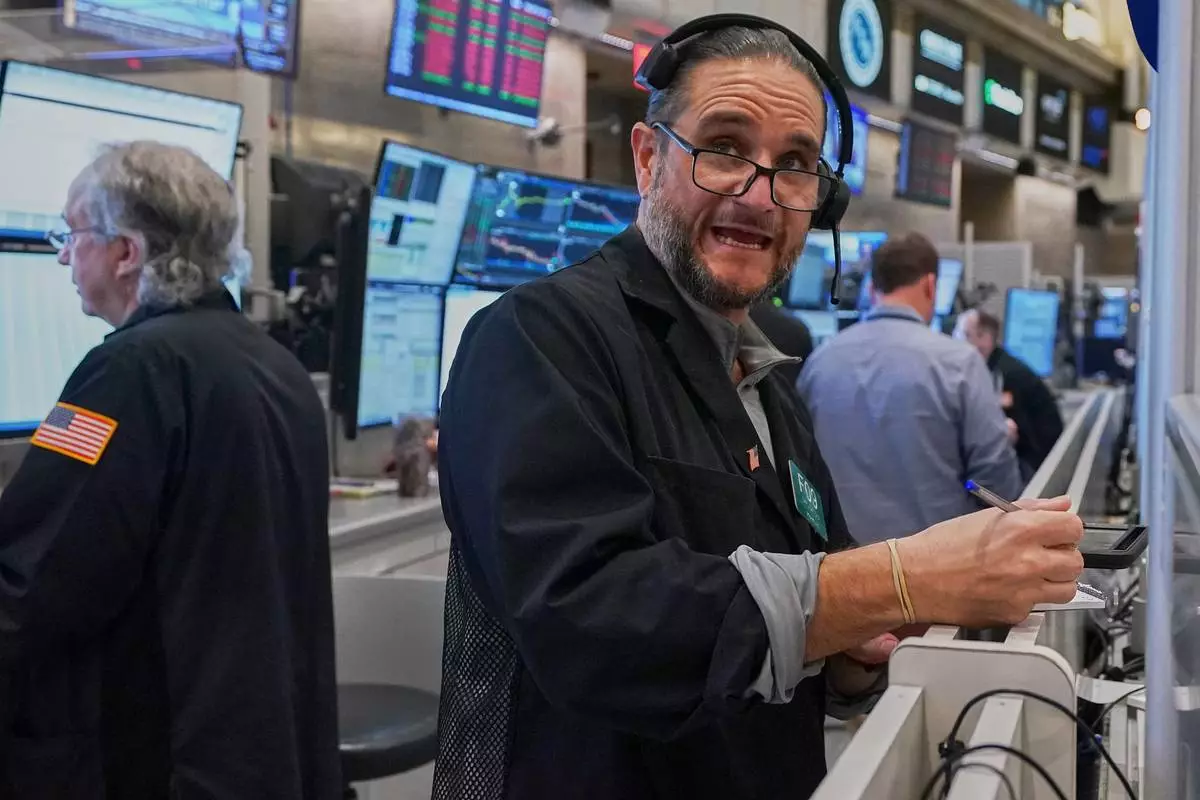
Options trader Chris Dattolo works on the floor of the New York Stock Exchange, Wednesday, May 13, 2026. (AP Photo/Richard Drew)
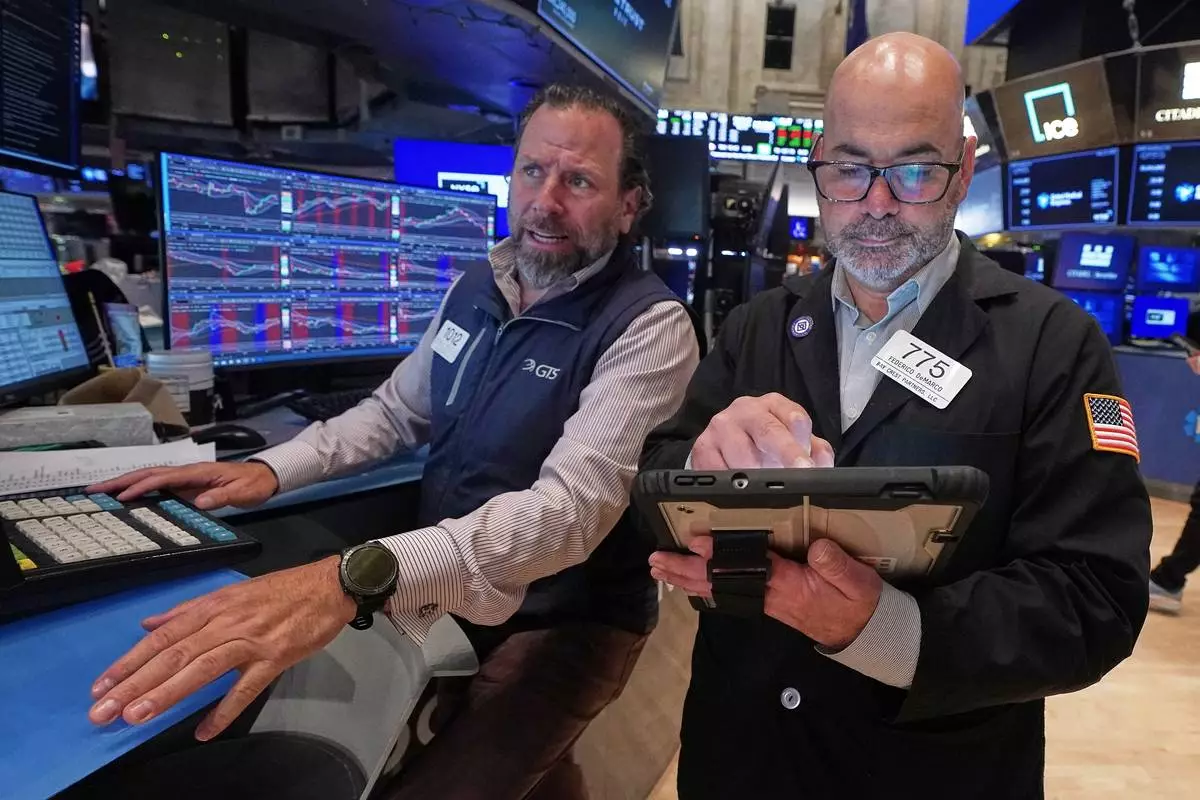
Specialist Michael Pistillo. Left, and trader Fred's Demarco work on the floor of the New York Stock Exchange, Wednesday, May 13, 2026. (AP Photo/Richard Drew)
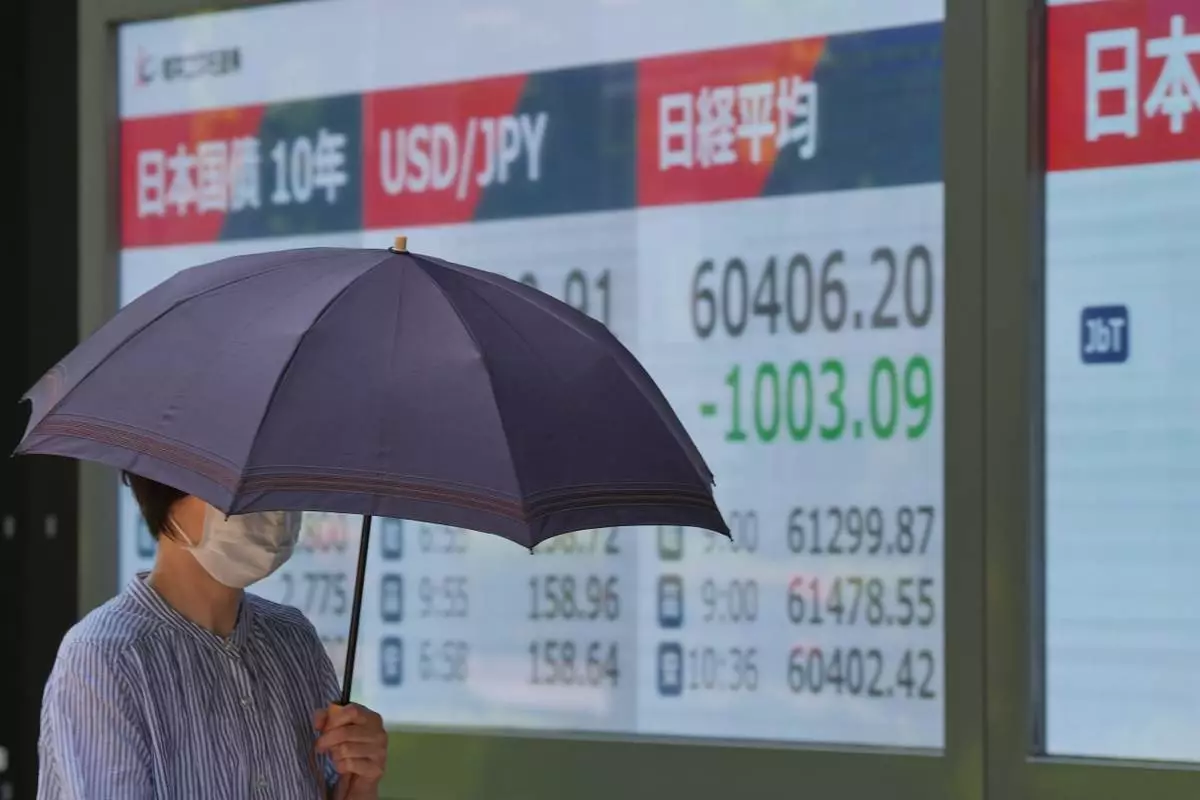
A person walks in front of an electronic stock board showing Japan's Nikkei index at a securities firm Monday, May 18, 2026, in Tokyo. (AP Photo/Eugene Hoshiko)
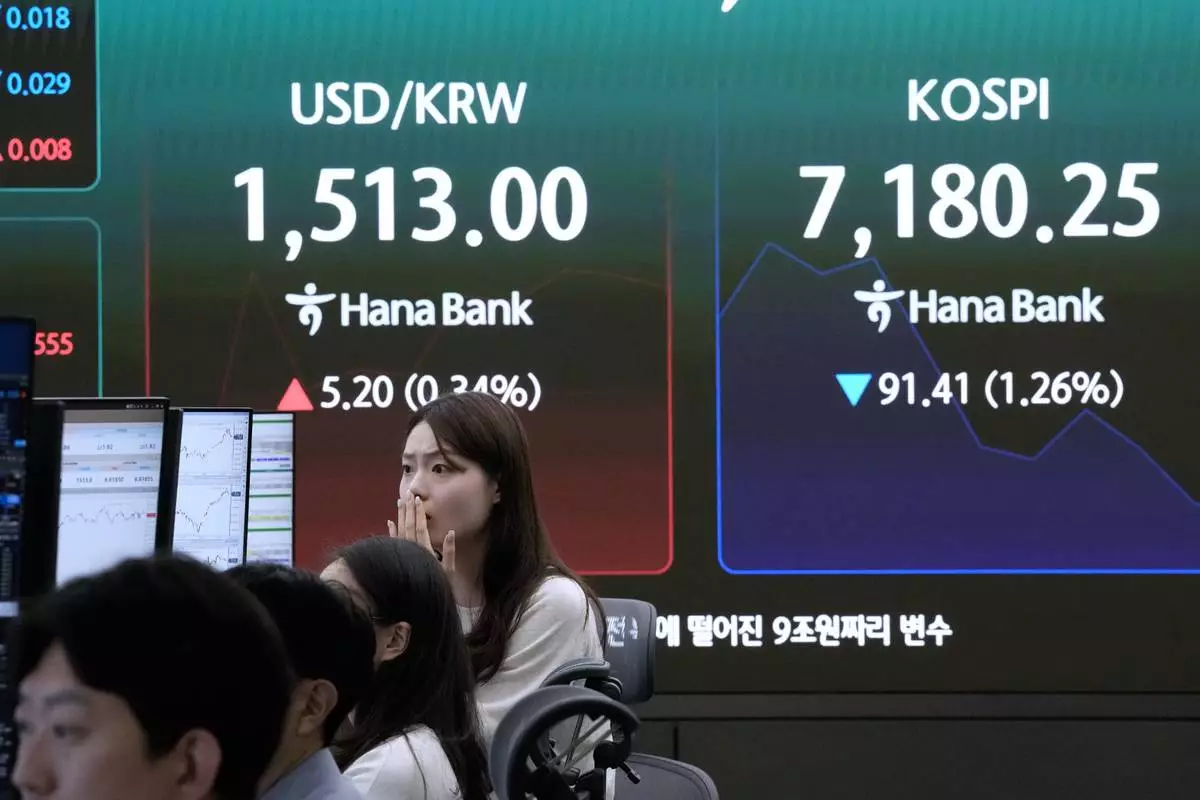
Currency traders watch monitors near a screen showing the Korea Composite Stock Price Index (KOSPI), right, and the foreign exchange rate between U.S. dollar and South Korean won at the foreign exchange dealing room of the Hana Bank headquarters in Seoul, South Korea, Wednesday, May 20, 2026. (AP Photo/Ahn Young-joon)
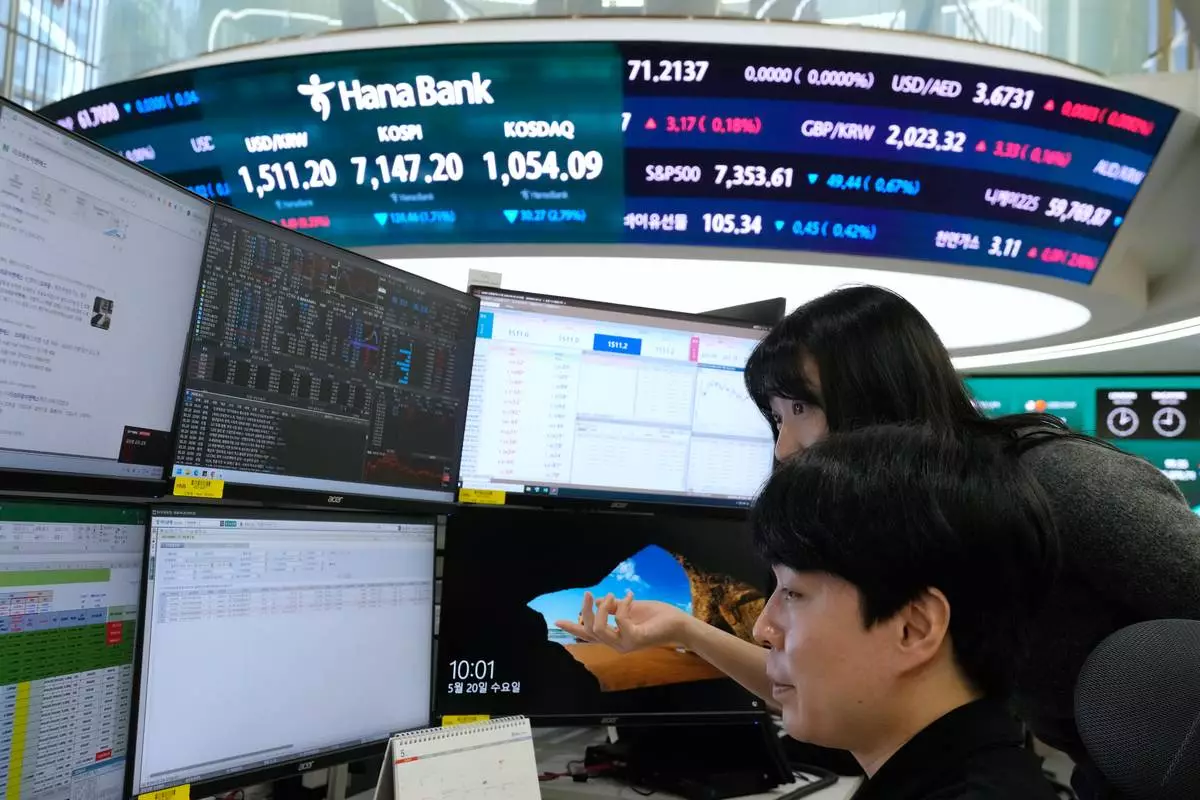
Currency traders watch monitors at the foreign exchange dealing room of the Hana Bank headquarters in Seoul, South Korea, Wednesday, May 20, 2026. (AP Photo/Ahn Young-joon)
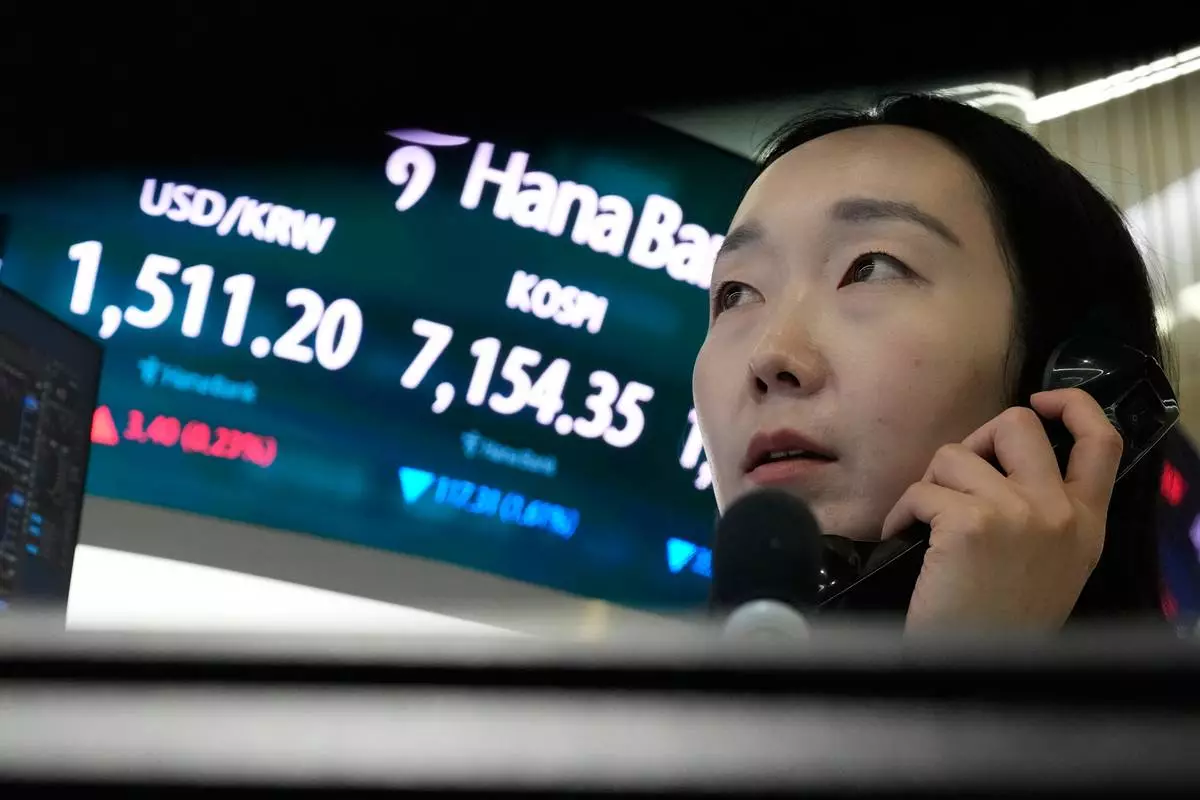
A currency trader talks on the phone near a screen showing the Korea Composite Stock Price Index (KOSPI) and the foreign exchange rate between U.S. dollar and South Korean won, left, at the foreign exchange dealing room of the Hana Bank headquarters in Seoul, South Korea, Wednesday, May 20, 2026. (AP Photo/Ahn Young-joon)