The Navy of Iran's Islamic Revolution Guard Corps (IRGC) said on Wednesday that 26 vessels, including oil tankers, container and commercial ships, passed through the Strait of Hormuz within the past 24 hours in coordination with its forces.
In a statement published on the IRGC's official news outlet, Sepah News, the Navy noted that it ensured the security of the passing vessels.
The statement said that the vessels' passage through the waterway was coordinated and permitted by the IRGC's naval forces.
Iranian Foreign Ministry spokesman Esmaeil Baghaei said on Wednesday that Iran is working with Oman to develop a security mechanism aimed at ensuring the long-term stability and safety of the Strait of Hormuz.
Iran has tightened its grip on the Strait of Hormuz since Feb 28, barring passage for vessels belonging to or affiliated with Israel and the United States following the two countries' joint strikes on its territory.
The United States has also imposed a naval blockade on the strait, banning navigation of ships in and out of Iranian ports through the waterway.
The U.S. Central Command (CENTCOM) on Wednesday confirmed to extend its maritime blockade against Iranian ports.
A U.S. Marine Corps AH-1Z Viper attack helicopter conducted patrols in regional waters and monitored a commercial vessel during the day, it said.
CENTCOM also reported that personnel from the 31st Marine Expeditionary Unit boarded and searched an Iranian-flagged commercial oil tanker in the Gulf of Oman before directing the vessel to alter course.
U.S. officials stated the tanker was suspected of attempting to sail toward an Iranian port in violation of the U.S. blockade.
Since the blockade was implemented on April 13, the U.S. has forced 91 vessels to alter course.
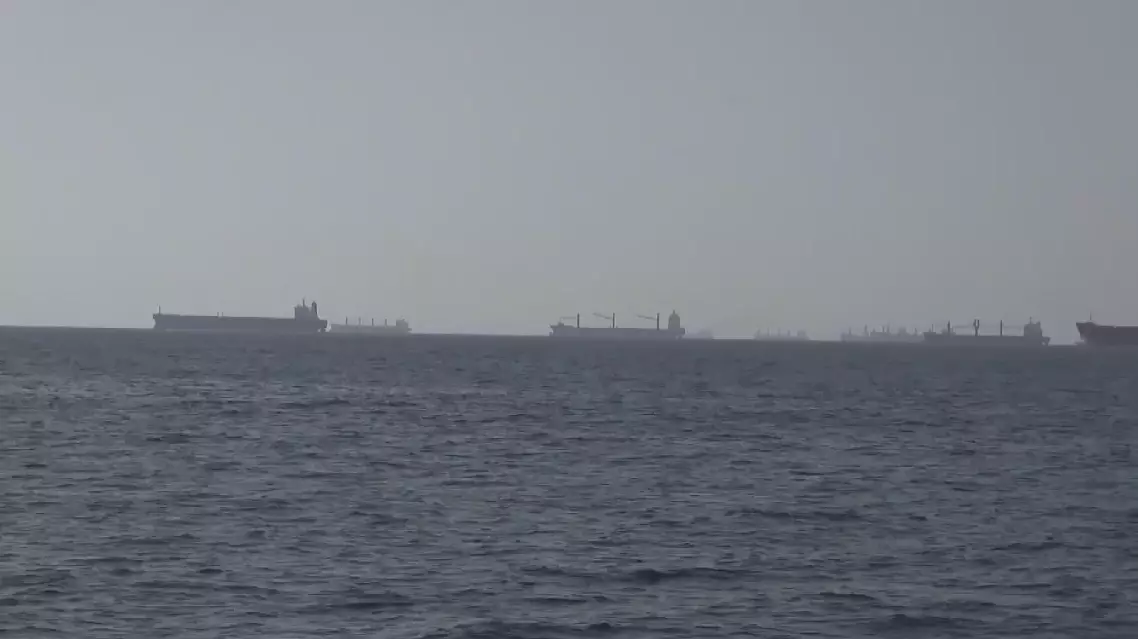
Iran's IRGC Navy says 26 ships pass through Hormuz Strait in past 24 hours
Once confined to the Tibetan plateau as a humble staple, highland barley is now finding its place in China's modern food industry, thanks to the efforts of local young entrepreneurs.
Tashi Norbu, a workshop foreman at Xizang Keyan Agricultural Technology Co., has turned his passion for the crop into a thriving business.
Consulting farmers on harvests and signing contracts early in the season, he ensures steady supplies of the grain that has long sustained Tibetan families.
"I grew up eating tsampa, which is made from highland barley. We eat it for breakfast, lunch, or dinner," said Tashi Norbu.
Last year, the company which Tashi Norbu works for sold three million highland barley products, ranging from cookies to noodles. Spotting a business opportunity, he began visiting various planting bases early this year to sign contracts with farmers.
From the field to the workshop, the transformation of highland barley begins with its refinement through varied processes.
On the traditional water-mill production line, tsampa, butter, and milk residue blend seamlessly, transforming into highland barley cookies suited to modern times.
"I had never imagined before that our highland barley could be transformed into various distinctive products. Now, we can produce fermented foods, specialty noodles, and many other items," said Tashi Norbu.
These products, carrying the flavor of the plateau, are now reaching shelves in big eastern and southern Chinese cities such as Shanghai and Guangzhou, and even have appeared at international food exhibitions.
The company's head Xiaosuodun said that highland barley is not only a product but also a culture, whose flavor evoked home.
"Highland barley is not only a product but also a culture, and its flavor is the flavor of home. Seeking its flavor and promoting its culture will be my lifelong mission," said Xiaosuodun.

Highland barley finds place in China's modern food industry