Skip to Content Facebook Feature Image

12 Hours, From Qinghai's Highlands to Hong Kong's Tables: The Veggie Rush for Fresh Delicacies is On the Way

China

China

China

12 Hours, From Qinghai's Highlands to Hong Kong's Tables: The Veggie Rush for Fresh Delicacies is On the Way

2026-05-21 16:09 Last Updated At:16:09

Can fresh vegetables picked from Qinghai's highlands preserve their crisp texture by the time they reach Hong Kong's tables?

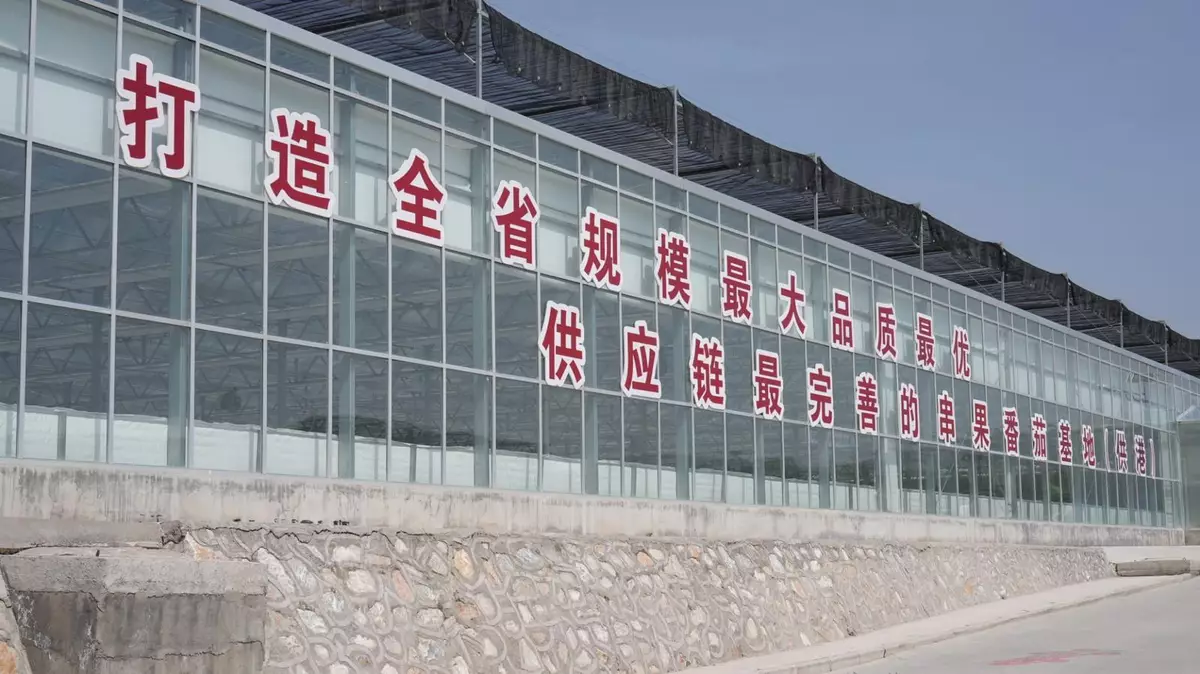
The Hong Kong media delegation discovered the answer during their visit to Xining, the capital of Qinghai Province: high-quality, highland-grown cool-season vegetables are now being shipped steadily from Xining's Datong District to the Guangdong-Hong Kong-Macao Greater Bay Area (GBA). What started as a niche produce category is now boosting local employment, raising farmers' incomes, and bringing the freshest greens from the cold Qinghai-Tibet Plateau to Hong Kong's dining tables.

More Images
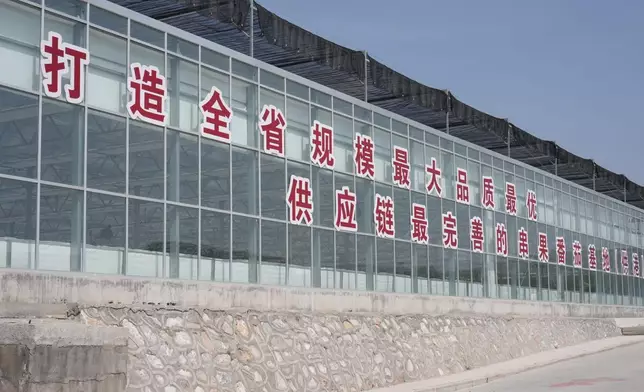
The vegetable production base in Xining, Photo by Bastille Post
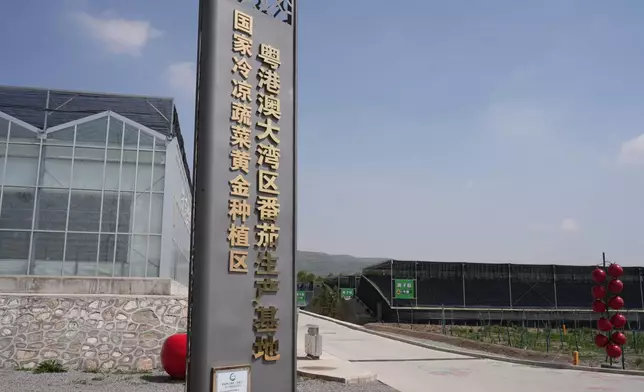
The vegetable production base in Xining, Photo by Bastille Post
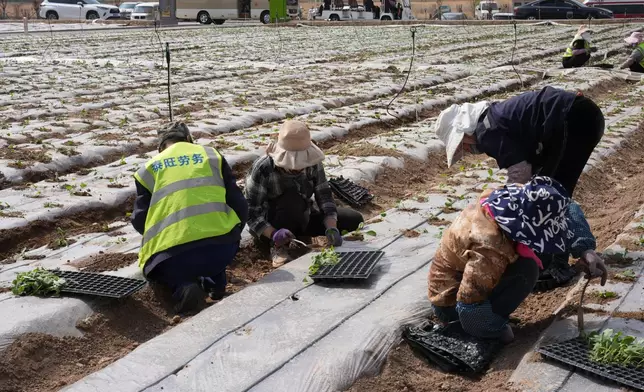
The vegetable production base in Xining, Photo by Bastille Post

The vegetable production base in Xining, Photo by Bastille Post

The workers at the vegetable production base in Xining, Photo by Bastille Post
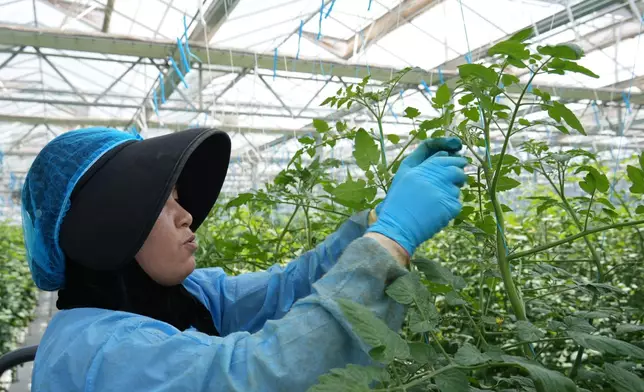
The workers at the vegetable production base in Xining, Photo by Bastille Post
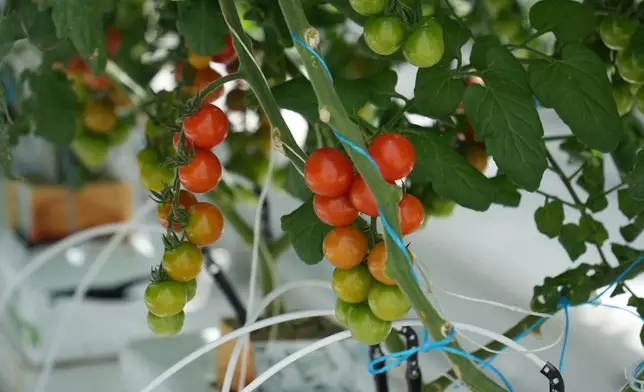
The workers at the vegetable production base in Xining, Photo by Bastille Post

The workers at the vegetable production base in Xining, Photo by Bastille Post

The vegetable products at the production base, Photo by Bastille Post
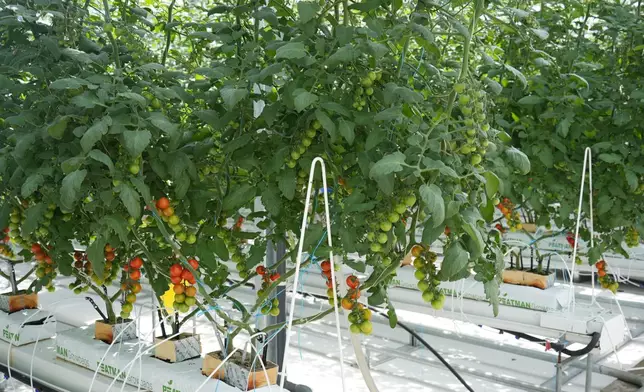
The vegetable products at the production base, Photo by Bastille Post
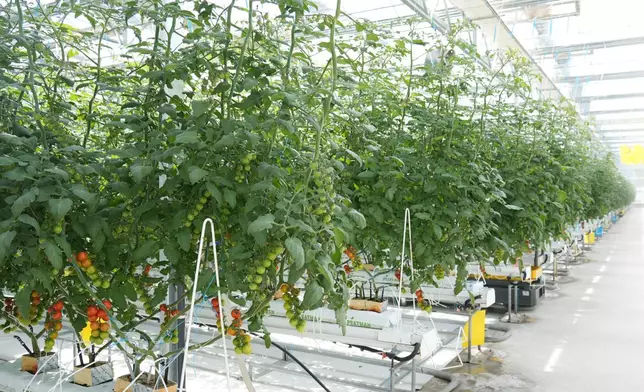
The vegetable products at the production base, Photo by Bastille Post
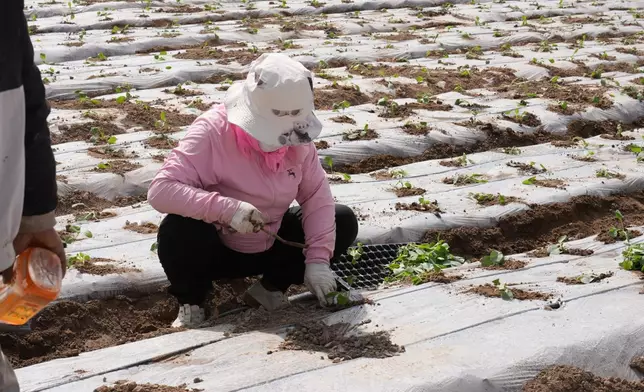
The vegetable products at the production base, Photo by Bastille Post

The vegetable products at the production base, Photo by Bastille Post

The vegetable products at the production base, Photo by Bastille Post

The worker at the vegetable production base in Xining, Photo by Bastille Post
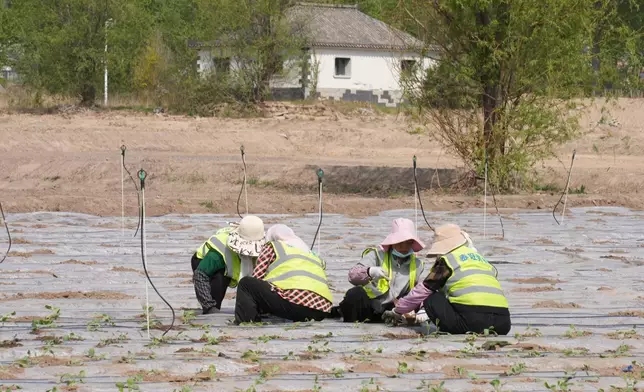
The worker at the vegetable production base in Xining, Photo by Bastille Post

The workers at the vegetable production base in Xining, Photo by Bastille Post
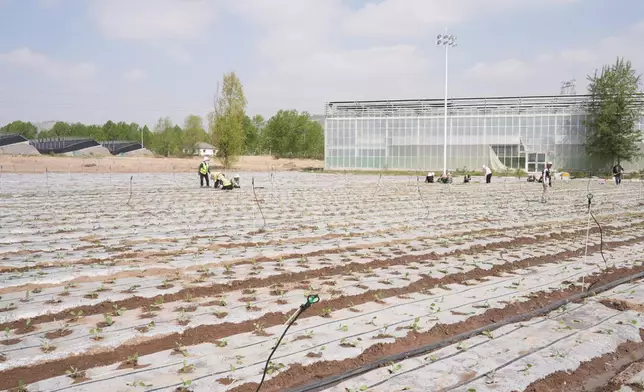
The workers at the vegetable production base in Xining, Photo by Bastille Post

The vegetable production base, Photo by Bastille Post
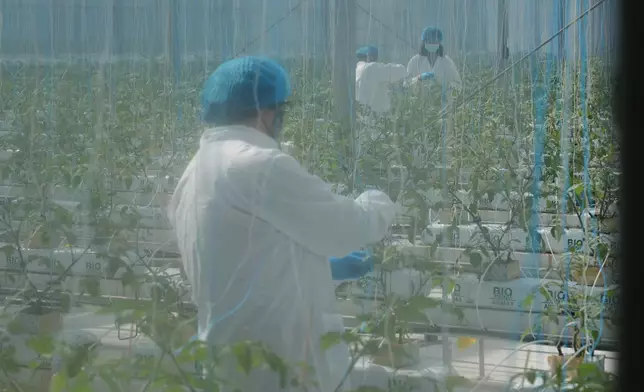
The vegetable production base, Photo by Bastille Post

The researchers at the vegetable production base, Photo by Bastille Post
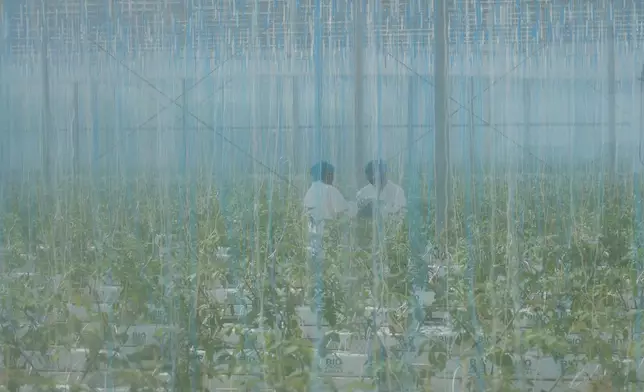
The researchers at the vegetable production base, Photo by Bastille Post
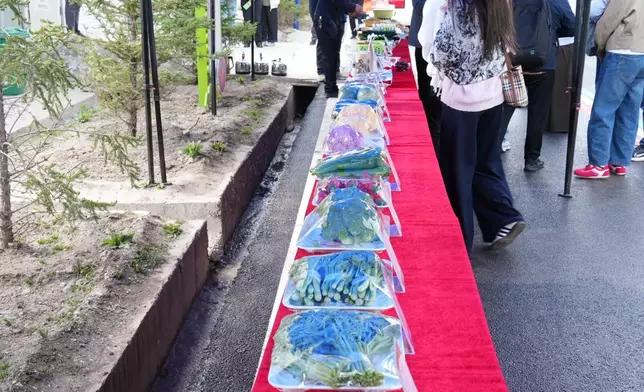
The researchers at the vegetable production base, Photo by Bastille Post

The researchers at the vegetable production base, Photo by Bastille Post

The vegetable products at the production base, Photo by Bastille Post
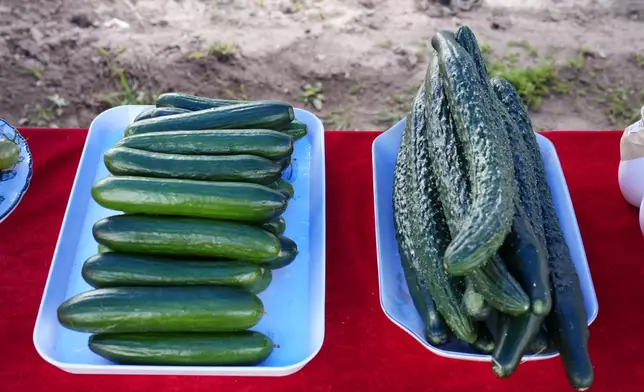
The vegetable products at the production base, Photo by Bastille Post
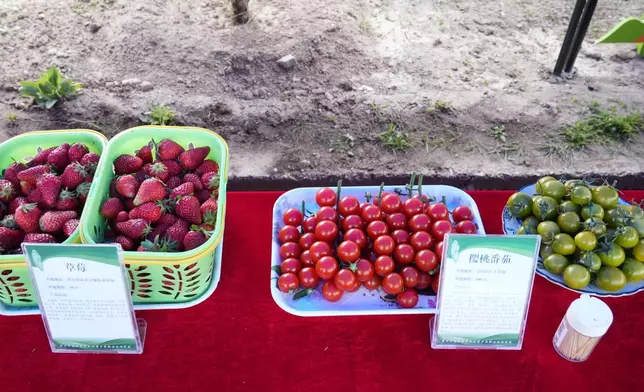
The vegetable products at the production base, Photo by Bastille Post
The vegetable products at the production base, Photo by Bastille Post

The vegetable products at the production base, Photo by Bastille Post

The vegetable products at the production base, Photo by Bastille Post

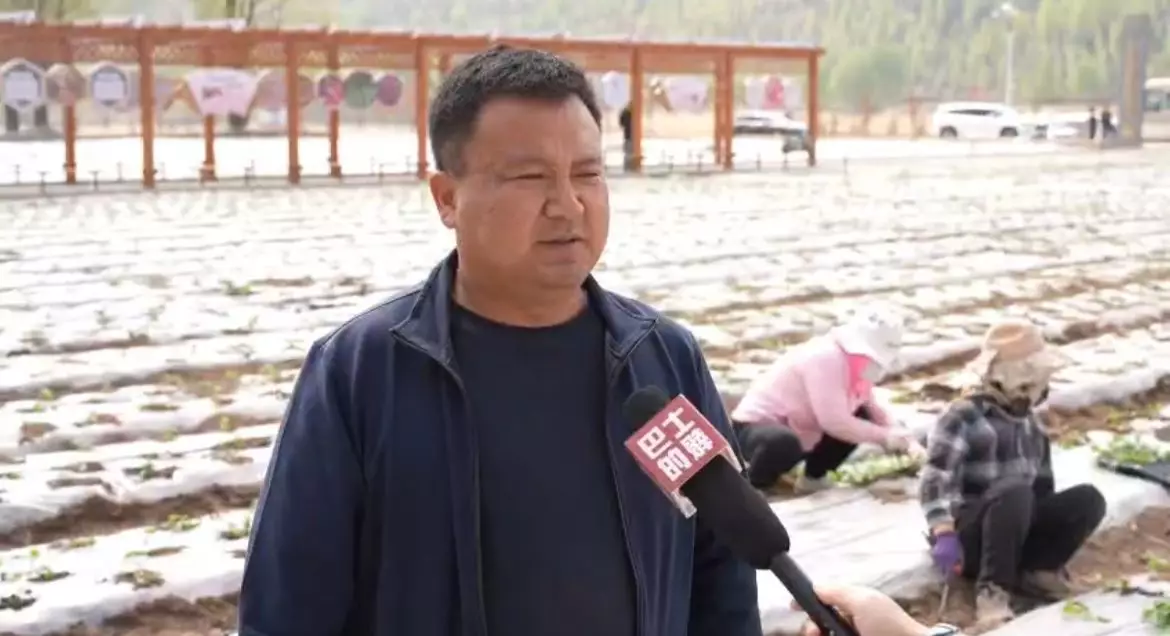
Mr. Bao Shanfei, Photo by Bastille Post
Mr. Bao Shanfei, Photo by Bastille Post

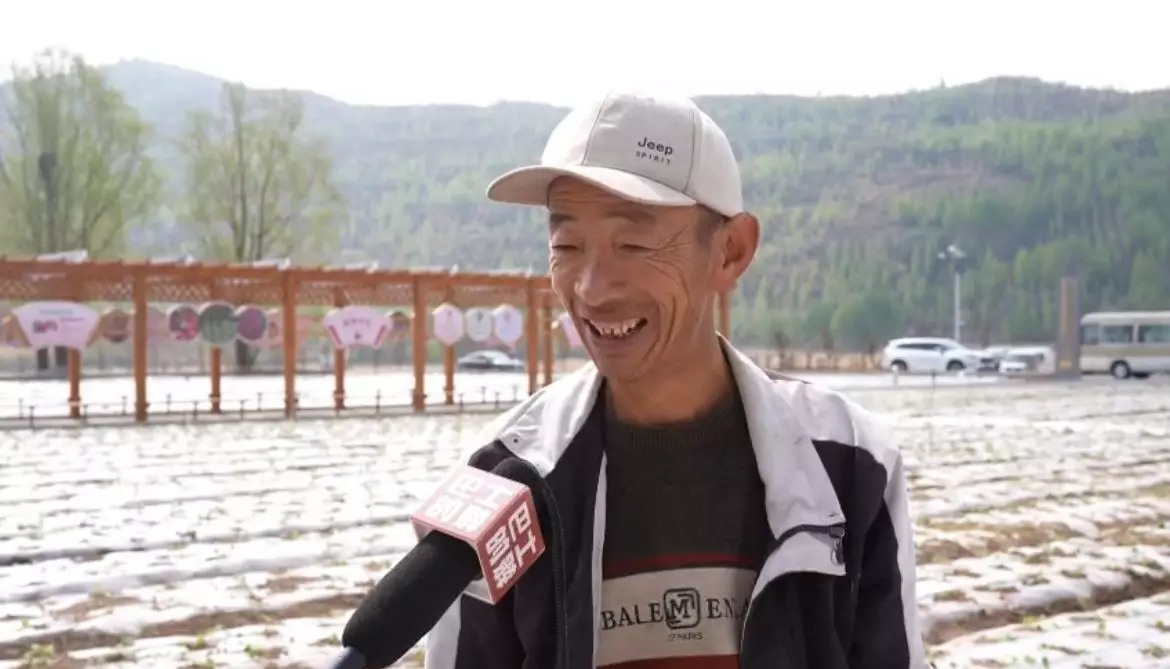
Mr. Ju, Photo by Bastille Post

Mr. Ju, Photo by Bastille Post

Ms. Li, Photo by Bastille Post
Ms. Li, Photo by Bastille Post

The vegetable production base in Xining, Photo by Bastille Post
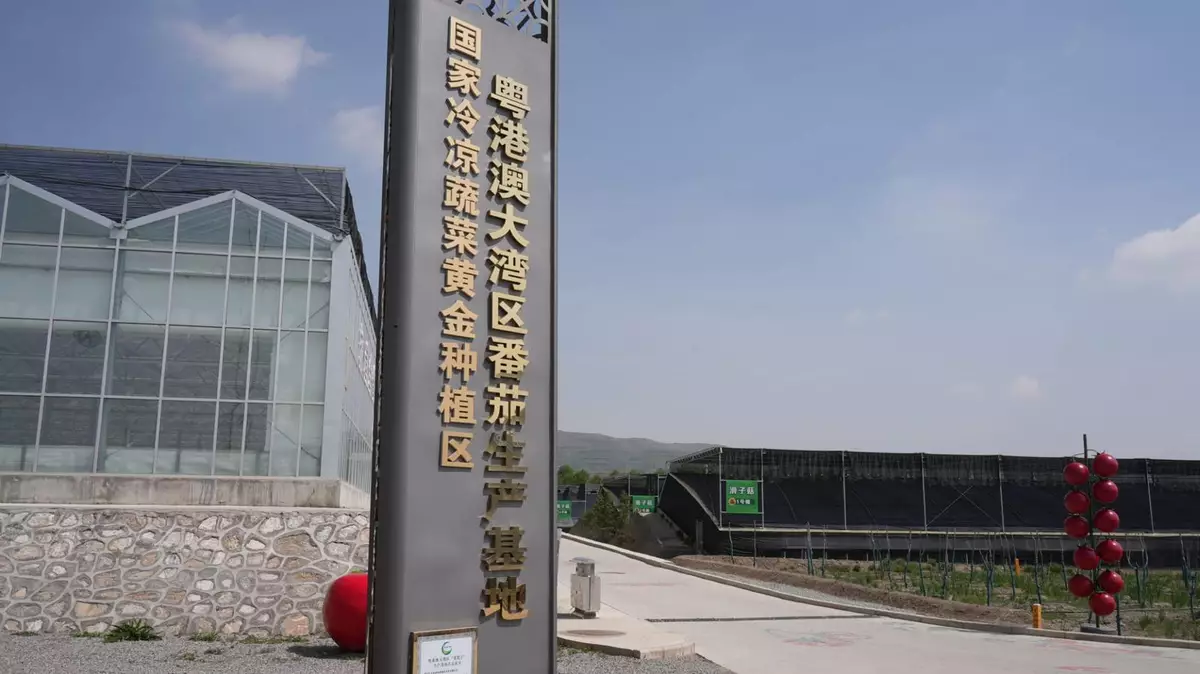
The vegetable production base in Xining, Photo by Bastille Post
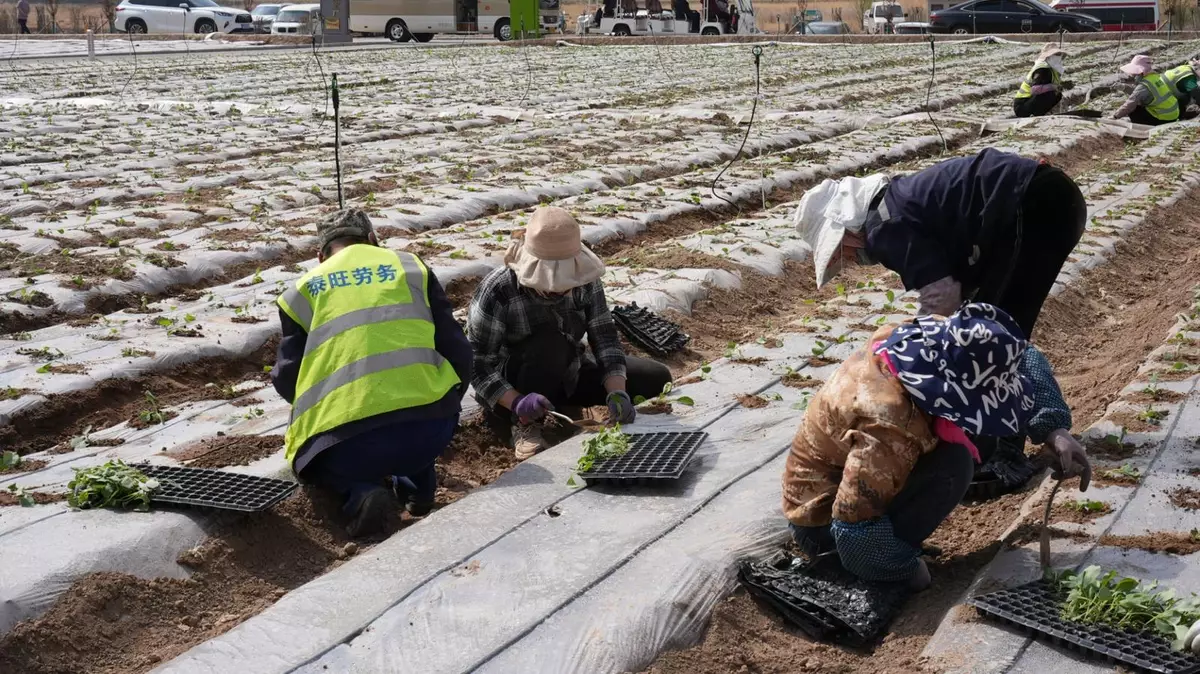
The vegetable production base in Xining, Photo by Bastille Post

The vegetable production base in Xining, Photo by Bastille Post

The workers at the vegetable production base in Xining, Photo by Bastille Post

The workers at the vegetable production base in Xining, Photo by Bastille Post

Cool-season vegetables are typically grown during summer in cooler climates. Often classified as "counter-seasonal" produce, the category includes cabbage, Chinese cabbage, radishes, and broccoli. In recent years, Xining has expanded its cool-season vegetable sector. The city now has a total cultivation area of 262,000 mu (approximately 17,500 hectares), with an output exceeding 710,000 tons. Of that, 38,000 mu are certified for the Hong Kong market. By 2025, Xining has been officially designated as a "Vegetable Basket" production base for the GBA, supplying over 200,000 tons of vegetables to the region annually, including more than 5,000 tons destined for Hong Kong.
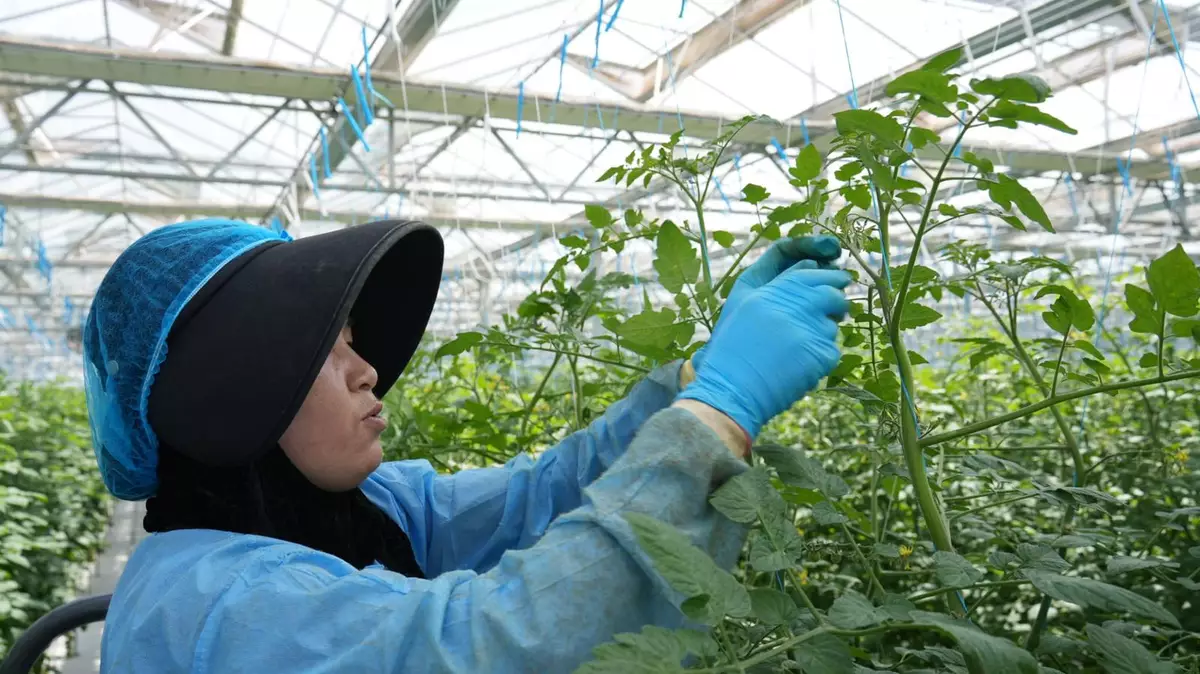
The workers at the vegetable production base in Xining, Photo by Bastille Post
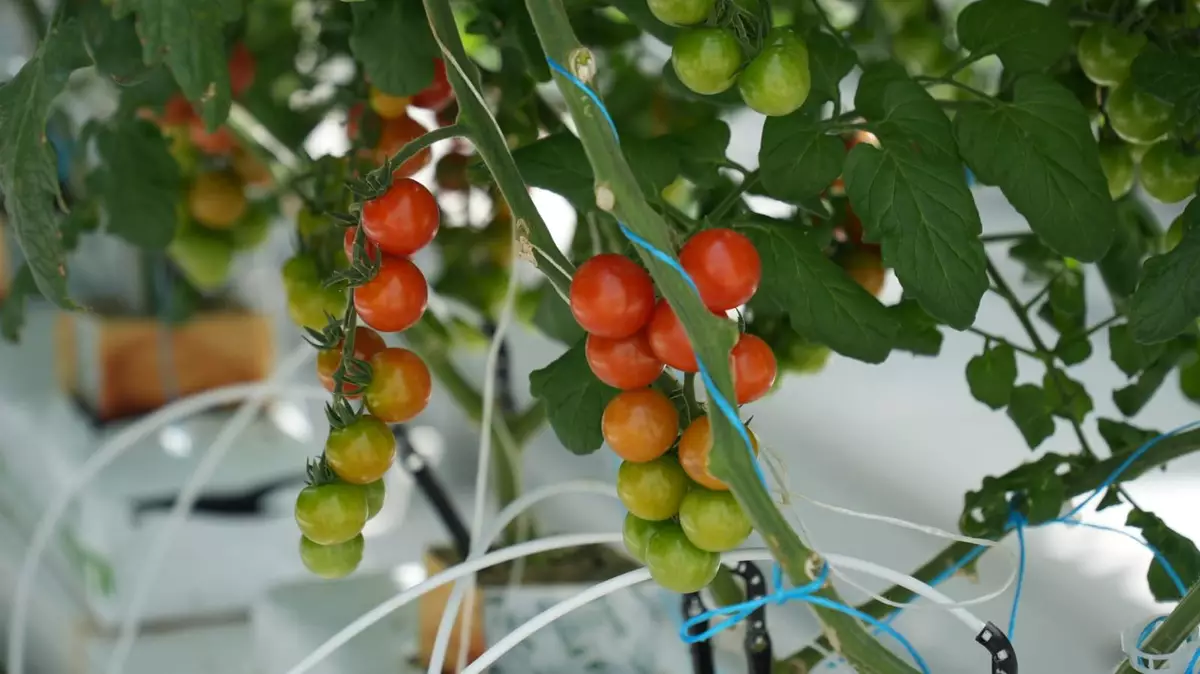
The workers at the vegetable production base in Xining, Photo by Bastille Post

The vegetable products at the production base, Photo by Bastille Post
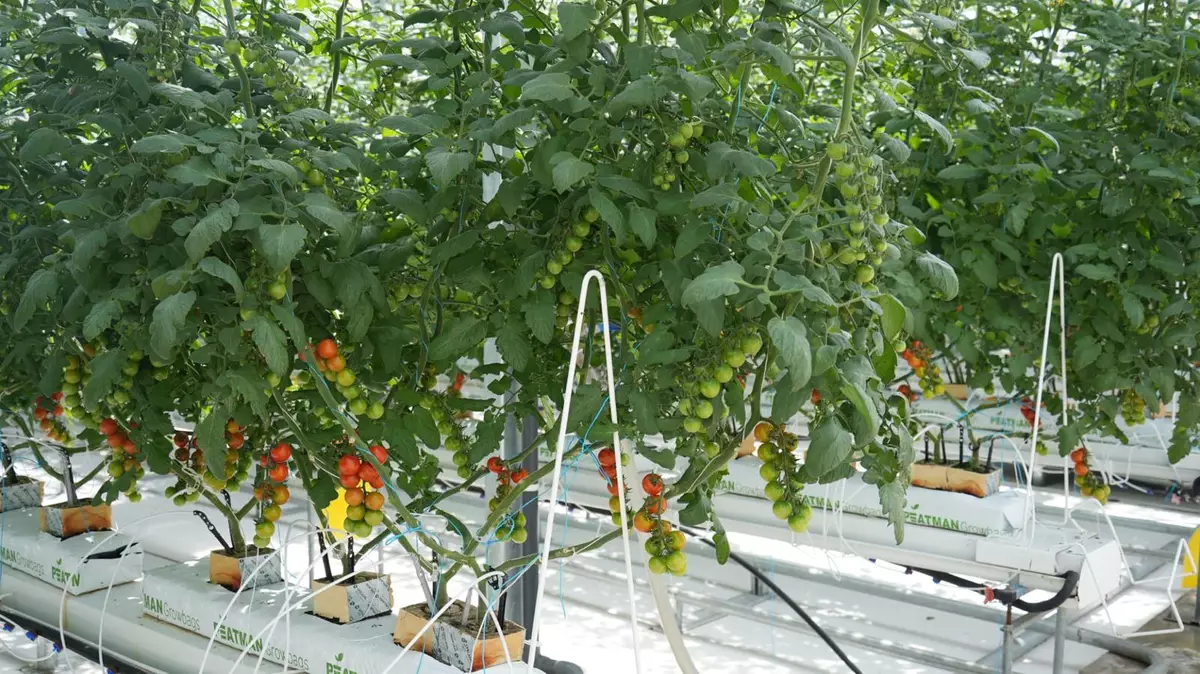
The vegetable products at the production base, Photo by Bastille Post
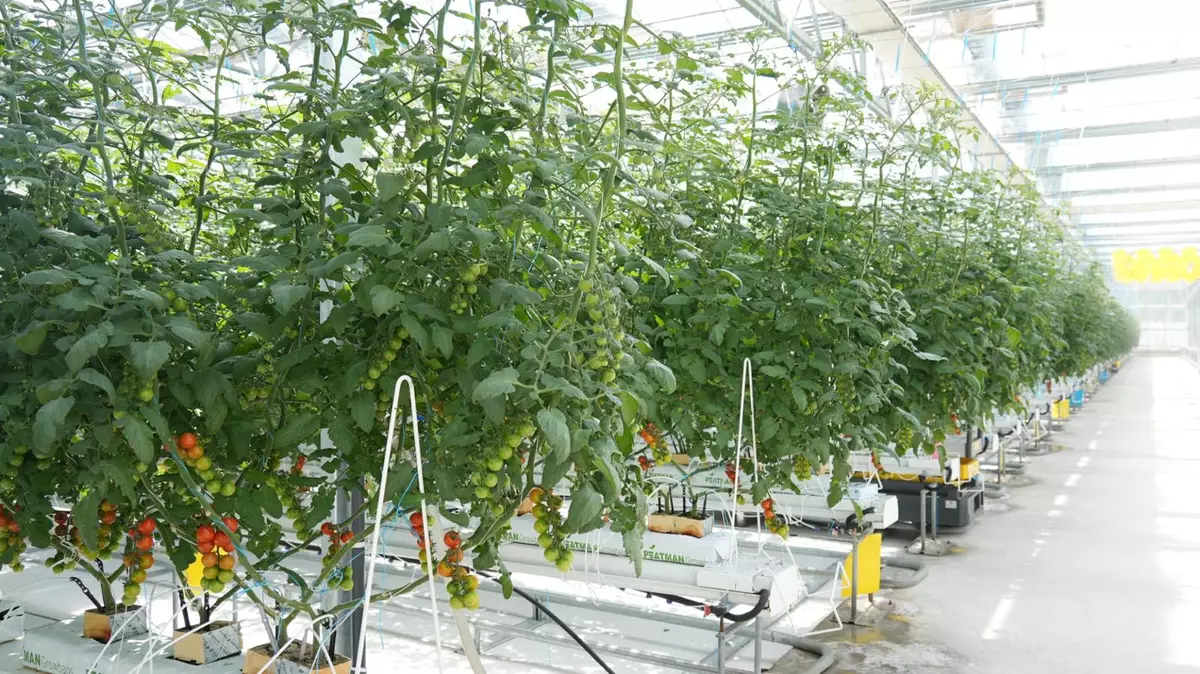
The vegetable products at the production base, Photo by Bastille Post

The vegetable products at the production base, Photo by Bastille Post

The vegetable products at the production base, Photo by Bastille Post

The vegetable products at the production base, Photo by Bastille Post

At the heart of this effort is the Jingyang Town Agricultural Industrial Park in Datong County, which specializes in cultivating premium cool-season vegetables for the GBA. Mr. Bao Shanfei, head of the Datong Jingxing Planting Professional Cooperative Federation, said the cooperative federation grows choy sum, flowering stems, Chinese kale, pea shoots, Hok Tau Pak Choy, and baby Chinese cabbage, etc. Sowing begins centrally in April, with harvests arriving sequentially from mid-June to late September. The cooperative federation has long supplied the GBA, but starting in 2025, it gained direct access to the Hong Kong market, via shipping first to Shenzhen, then onward to locations across Hong Kong, including the New Territories, Tai Wo, Mong Kok, and Sham Shui Po.
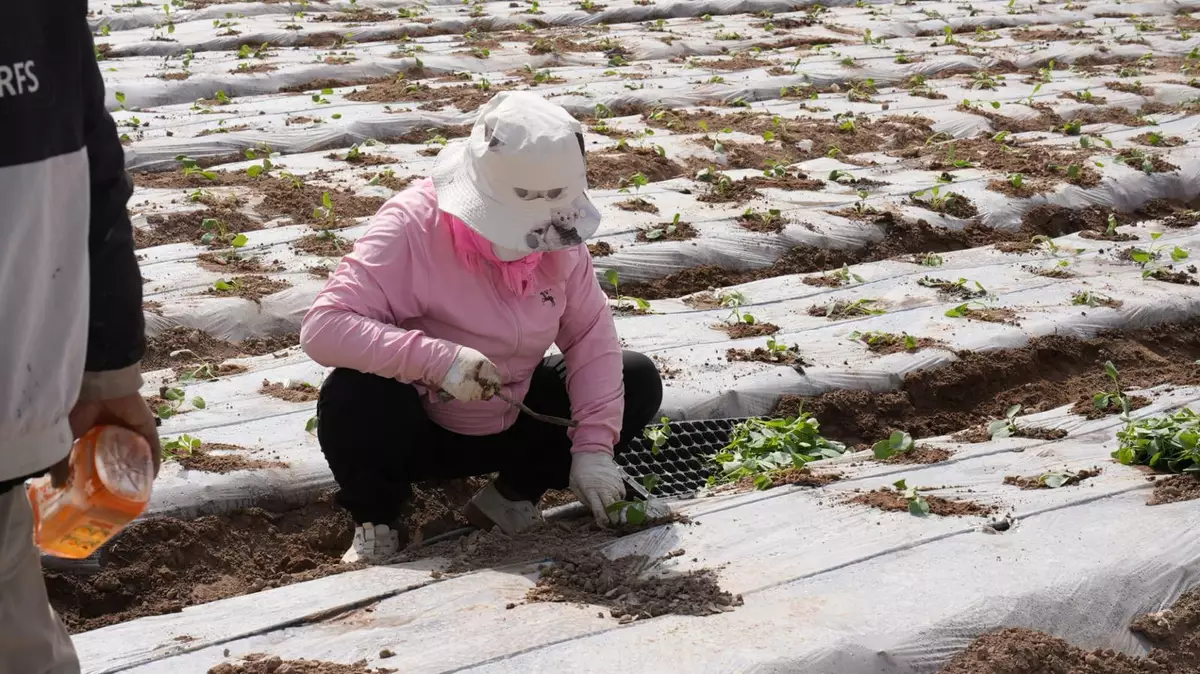
The worker at the vegetable production base in Xining, Photo by Bastille Post
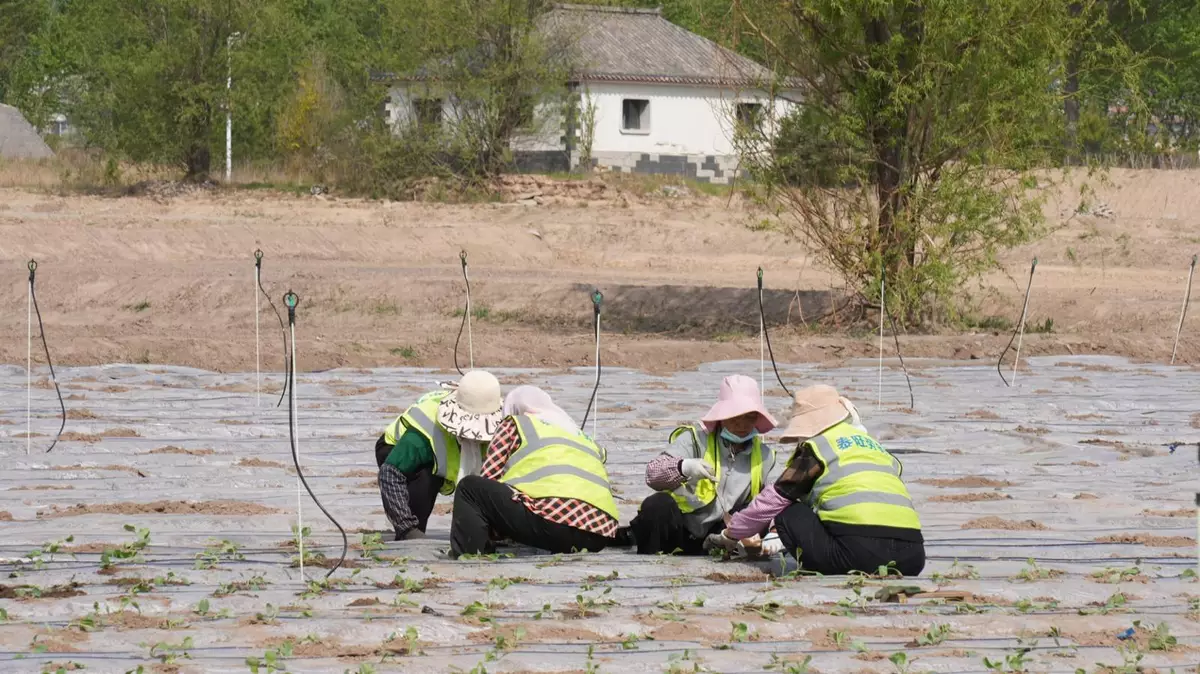
The worker at the vegetable production base in Xining, Photo by Bastille Post

The workers at the vegetable production base in Xining, Photo by Bastille Post
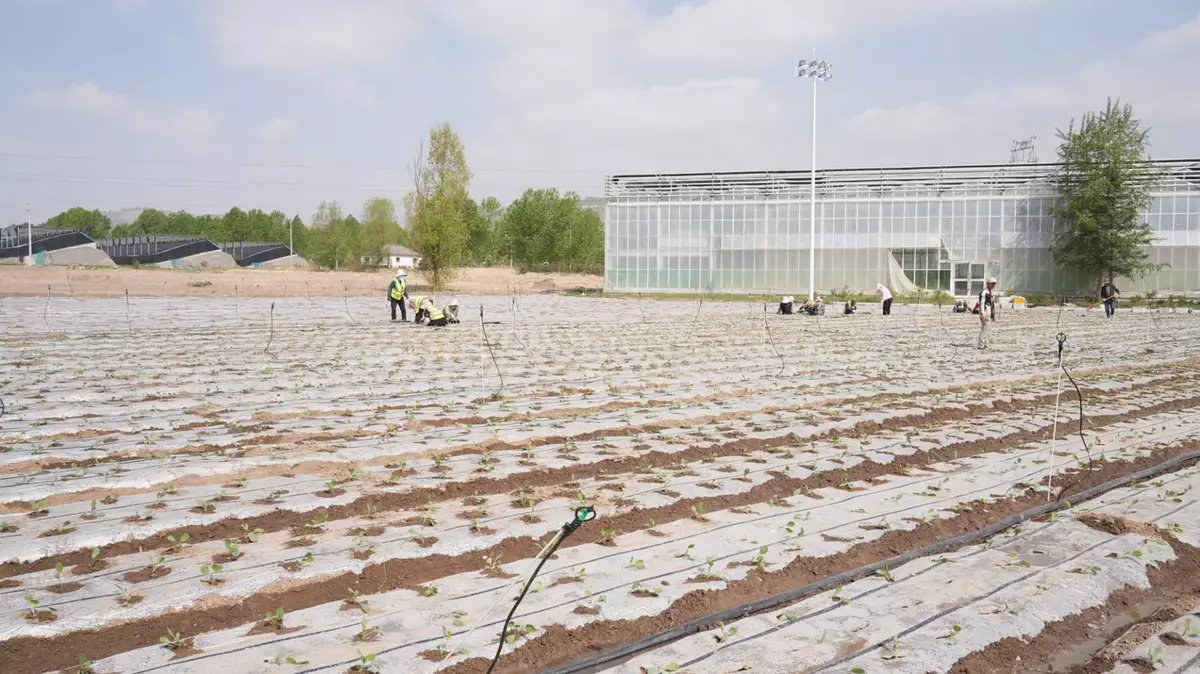
The workers at the vegetable production base in Xining, Photo by Bastille Post

The vegetable production base, Photo by Bastille Post
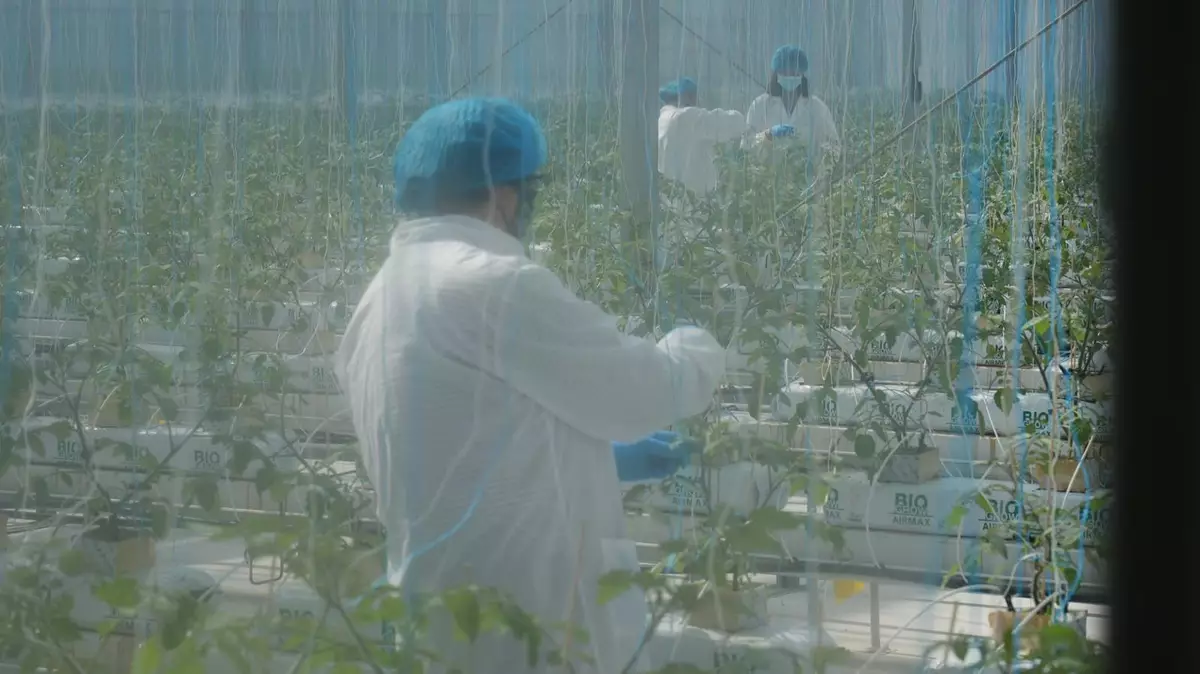
The vegetable production base, Photo by Bastille Post

The researchers at the vegetable production base, Photo by Bastille Post
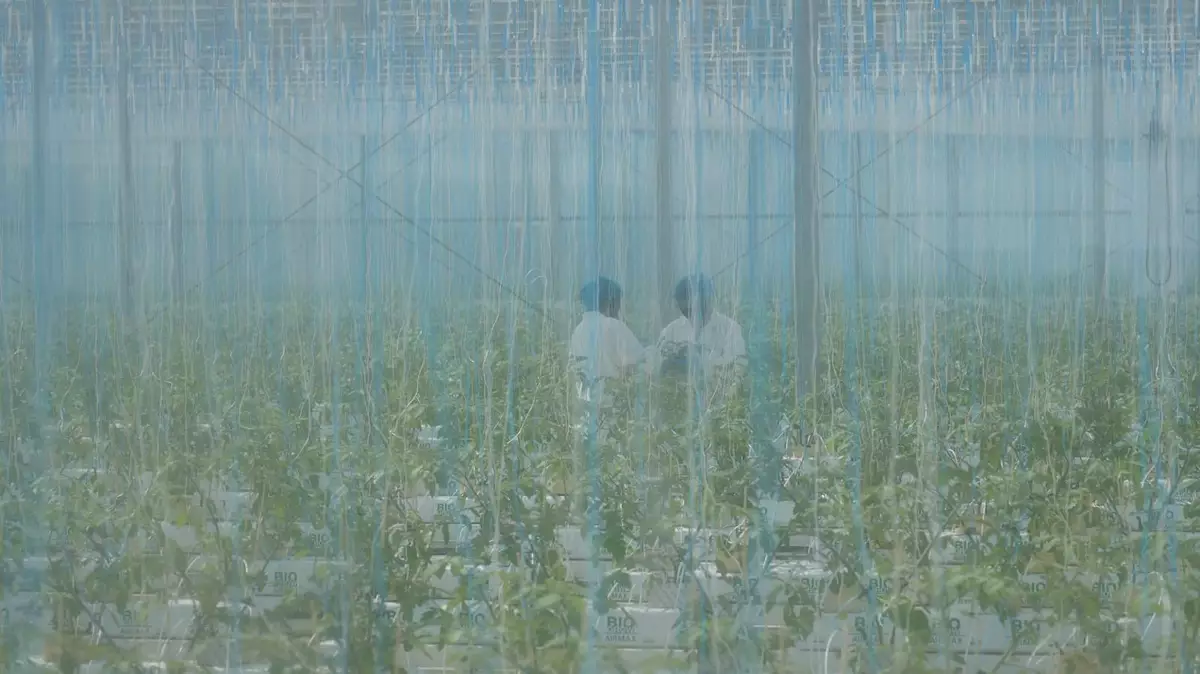
The researchers at the vegetable production base, Photo by Bastille Post

The researchers at the vegetable production base, Photo by Bastille Post

The researchers at the vegetable production base, Photo by Bastille Post

Logistically, Xining has built a robust network of on-site cold storage and cold-chain infrastructure, which allows for rapid pre-cooling right after harvest and fully integrated cold-chain transport. Under ideal conditions, vegetables can travel from Xining's fields to Hong Kong's tables in as little as 12 hours. Standard land-based cold-chain routes typically take merely 42 to 48 hours.
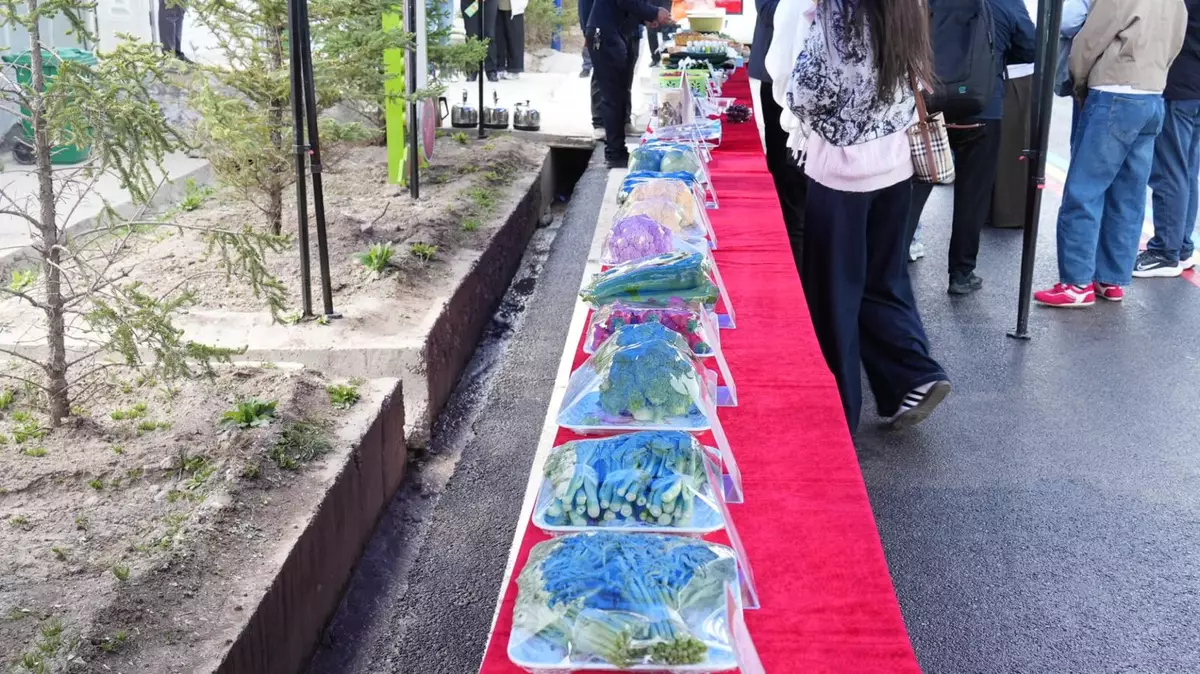
The vegetable products at the production base, Photo by Bastille Post
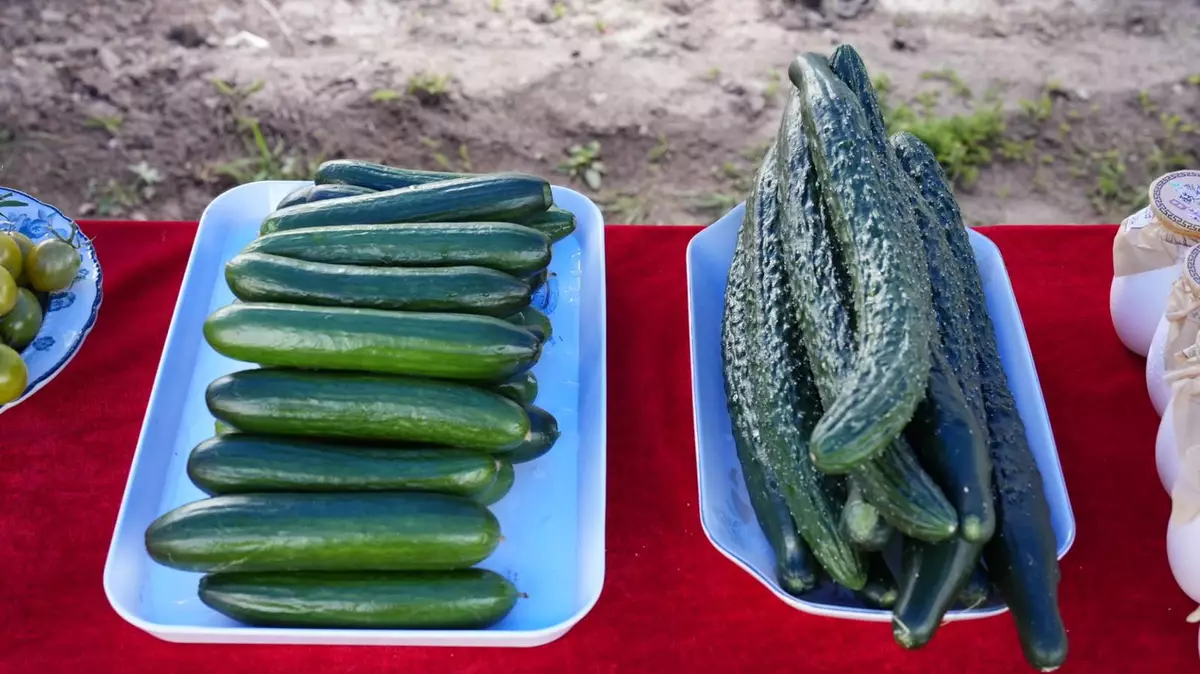
The vegetable products at the production base, Photo by Bastille Post
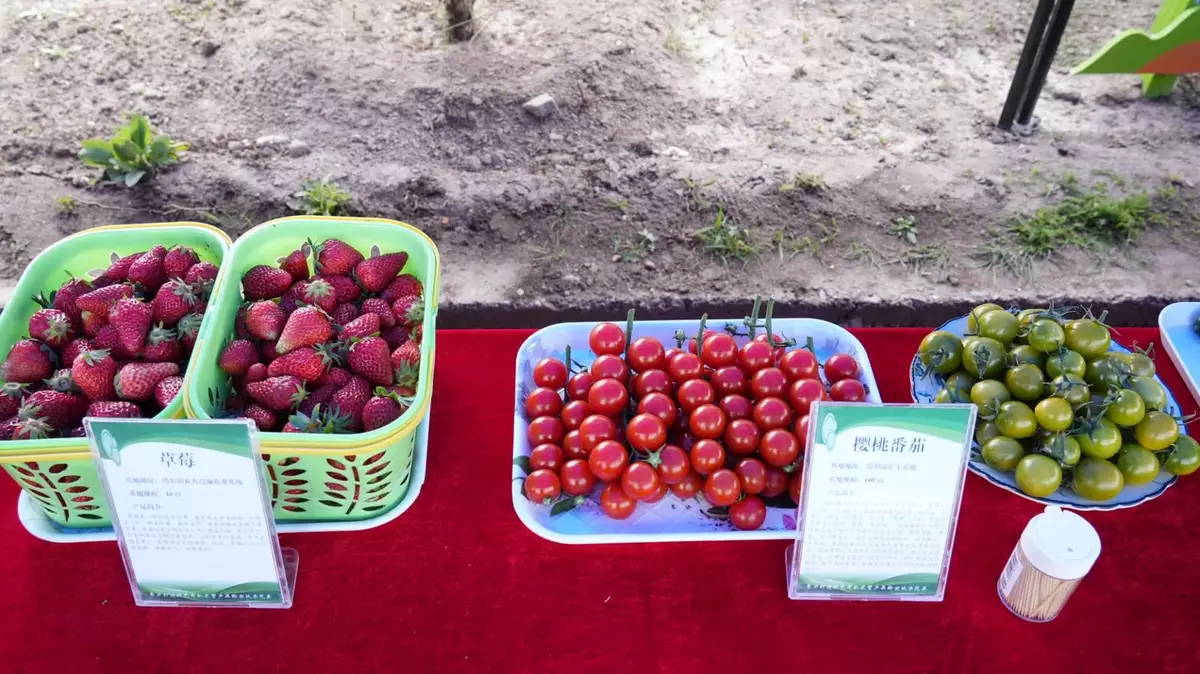
The vegetable products at the production base, Photo by Bastille Post

The vegetable products at the production base, Photo by Bastille Post

The vegetable products at the production base, Photo by Bastille Post

The vegetable products at the production base, Photo by Bastille Post

Mr. Bao noted that last year, the cooperative federation shipped over 300 tons of produce to Hong Kong. This year, agreements are already in place with enterprises in Hong Kong and Shenzhen that supply the Hong Kong market, with projected sales between 1,000 and 2,000 tons. "Hong Kong residents have a clear preference for choy sum and Hok Tau Pak Choy," he said. "Yield per mu is about 1,000,000 grams, and we can plant three cycles a year, giving us an annual output of roughly 3,000,000 grams per mu." Most of the production base's vegetables are also sold to markets in Shenzhen, Dongguan, Guangzhou, and other GBA cities.

Mr. Bao Shanfei, Photo by Bastille Post

Mr. Bao Shanfei, Photo by Bastille Post

Mr. Bao admitted that the biggest pressure isn't production volume. Instead, it's quality assurance. "We have to guarantee that our vegetables are free from technological gimmicks and harsh chemical additives," he said. "We use organic fertilizers instead of chemical ones, and rely on biopesticides and biological pest control to achieve green, healthy vegetable quality. That way, Hong Kong residents can enjoy a worry-free dining."

Mr. Ju, Photo by Bastille Post

Mr. Ju, Photo by Bastille Post

The cool-season vegetable boom has also lifted incomes for local villagers. In addition to local farmhands, Mr. Bao's production base employs a significant number of workers from other areas, such as Huangzhong. For instance, Mr. Ju has been doing vegetable cultivation for a month. Though he had worked in agriculture before, his earnings were meager. Now, earning 3,000 RMB a month, he covers his daily living expenses with ease. "It's more than I made before—I'm happy," he said.

Ms. Li, Photo by Bastille Post

Ms. Li, Photo by Bastille Post

Ms. Li,  a worker from Huangzhong, had been unemployed and staying at home for a long time. Since joining the production base, she has gradually adapted to the work, though she admitted it had been physically demanding at first. "The staff of the production base provides transport to bring us here," she said. "On one hand, I can go out and earn money. On the other hand, it keeps me from feeling stuck at home. My life feels much more fulfilling now."

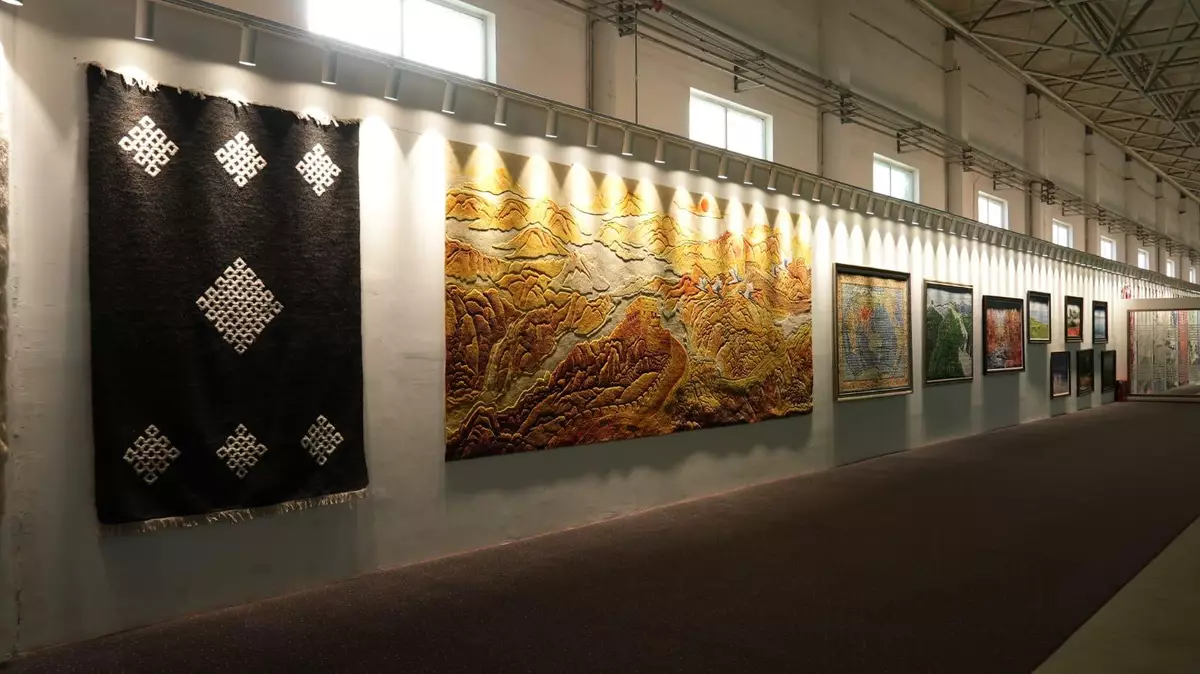
From May 17 to 24, a Hong Kong media delegation visited Qinghai Province to see the region's development vitality firsthand. On the first day of the tour (May 17), the itinerary included Ta'er Temple and several enterprises in the Nanchuan Industrial Park of the Xining Economic and Technological Development Zone, among them Shengyuan Carpet Group and Qinghai Kekexili Food Co., Ltd.

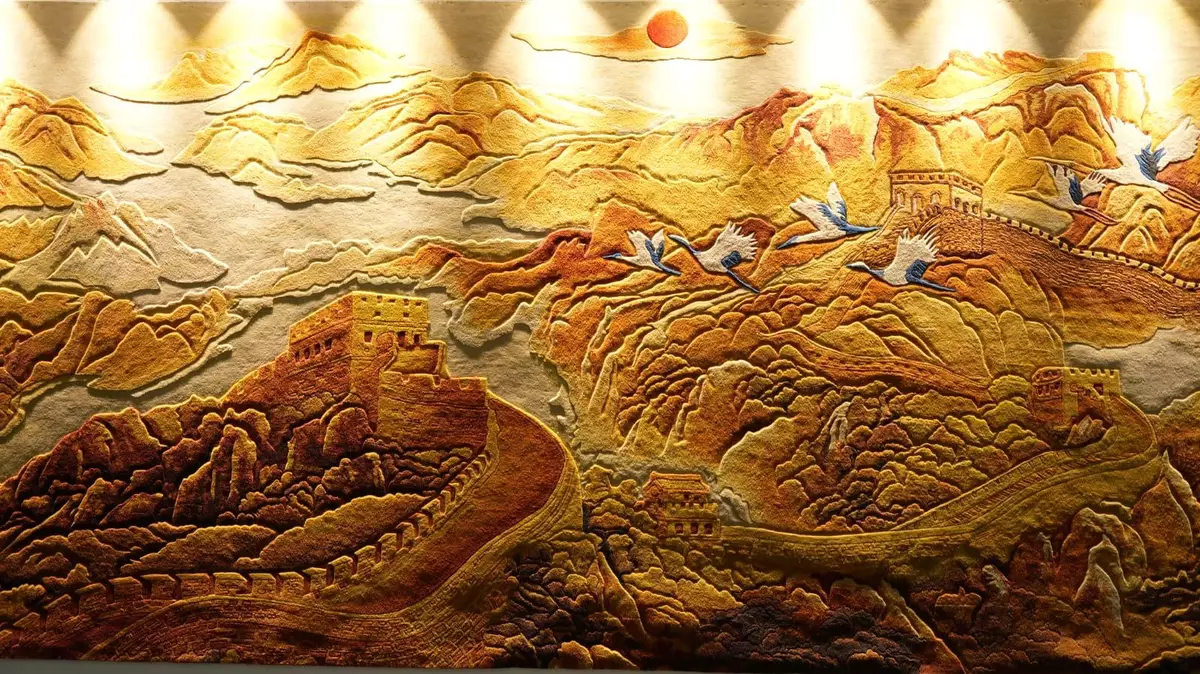
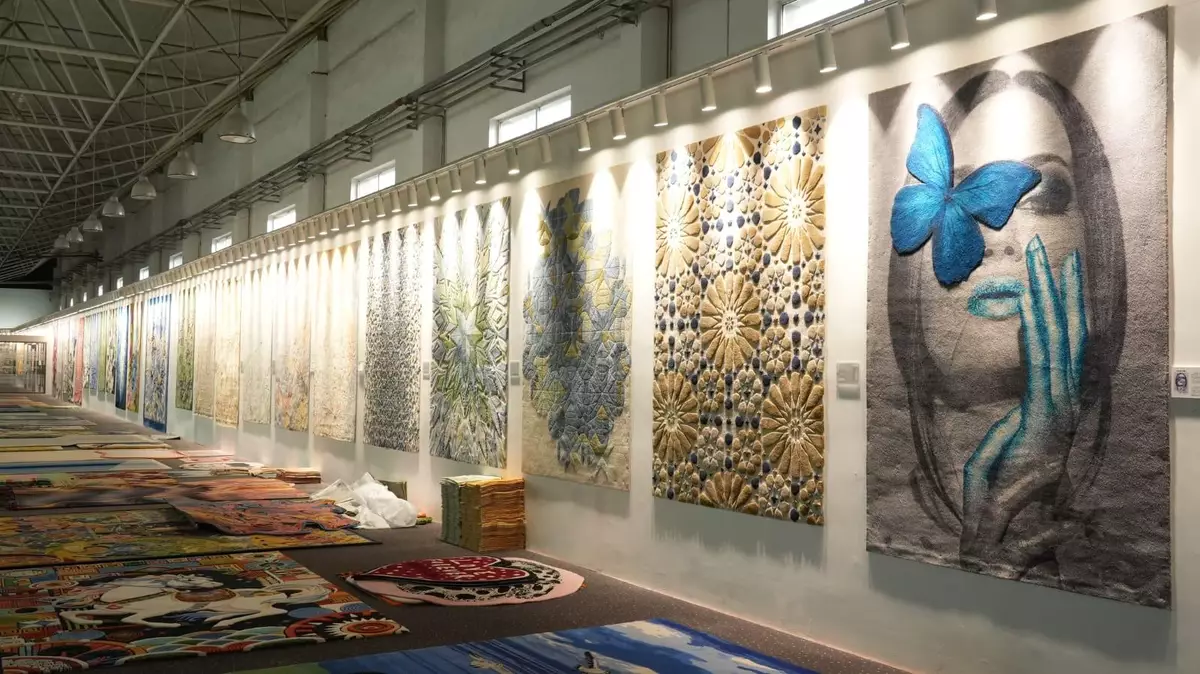
The carpets produced by Shengyuan Carpet Group, Photo by Bastille Post

The carpets produced by Shengyuan Carpet Group, Photo by Bastille Post

Photo by Bastille Post

Photo by Bastille Post

Shengyuan Carpet Group: Weaving a Global Presence

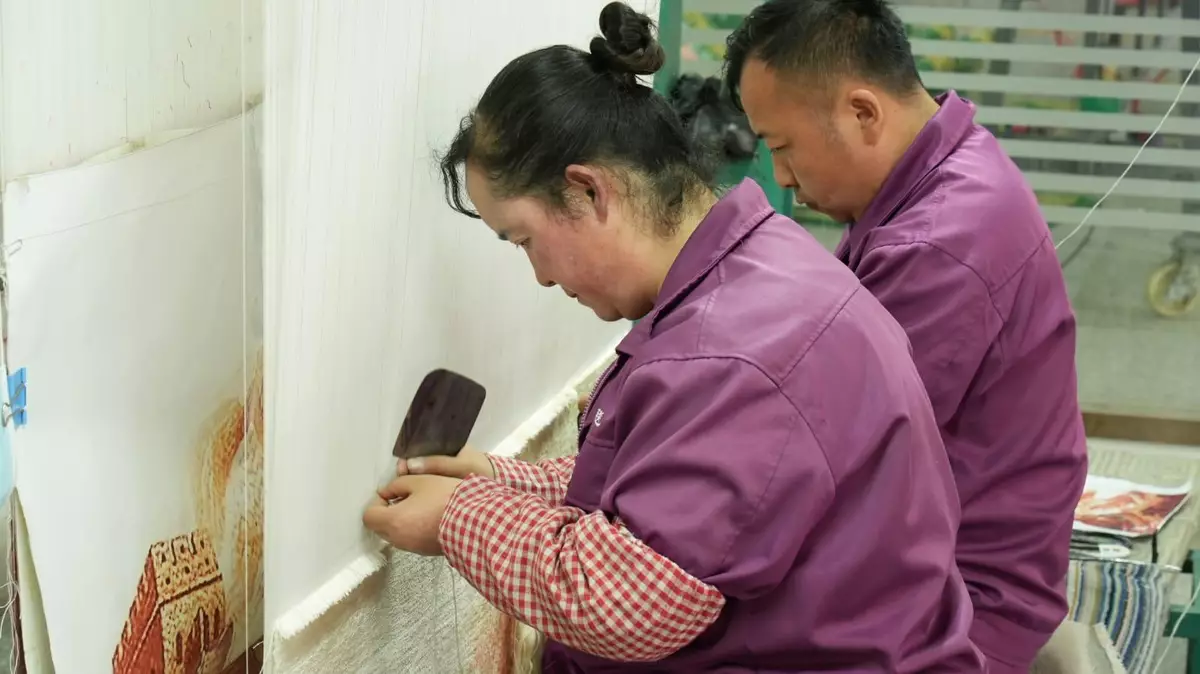
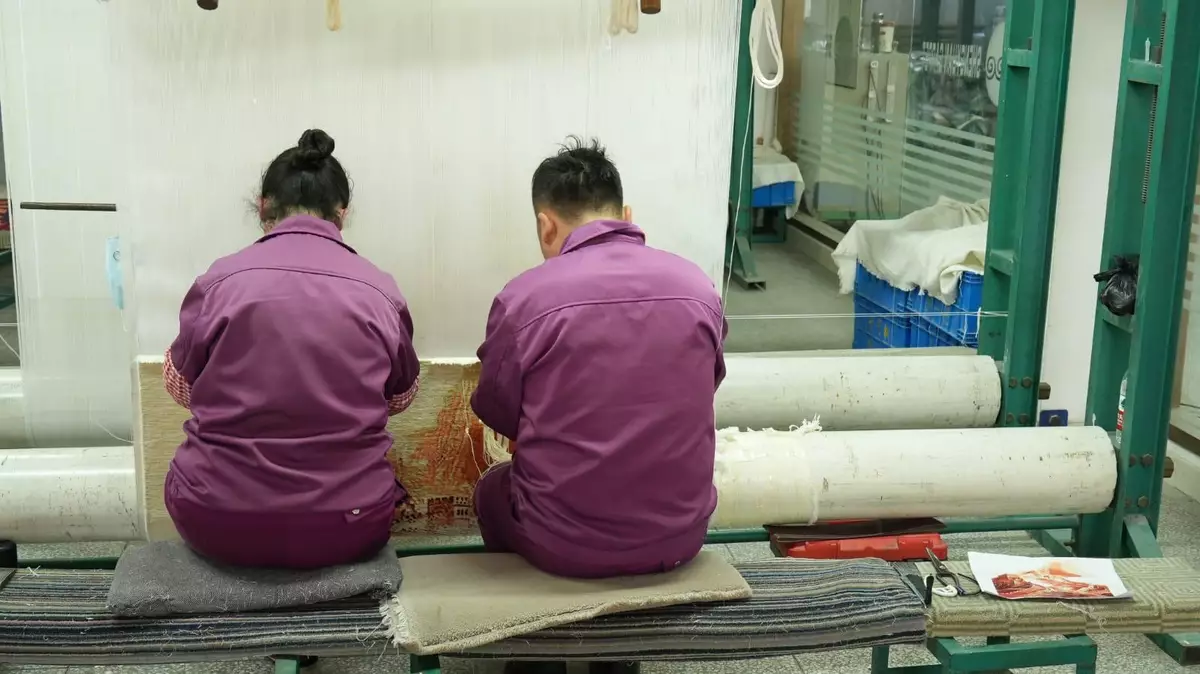
Established in 2007, Shengyuan Carpet Group specializes in high-end commercial carpet production. Its products have long been adopted by internationally renowned hotels and entertainment venues, including Marriott, Hilton, Hyatt, Wynn, and City of Dreams.

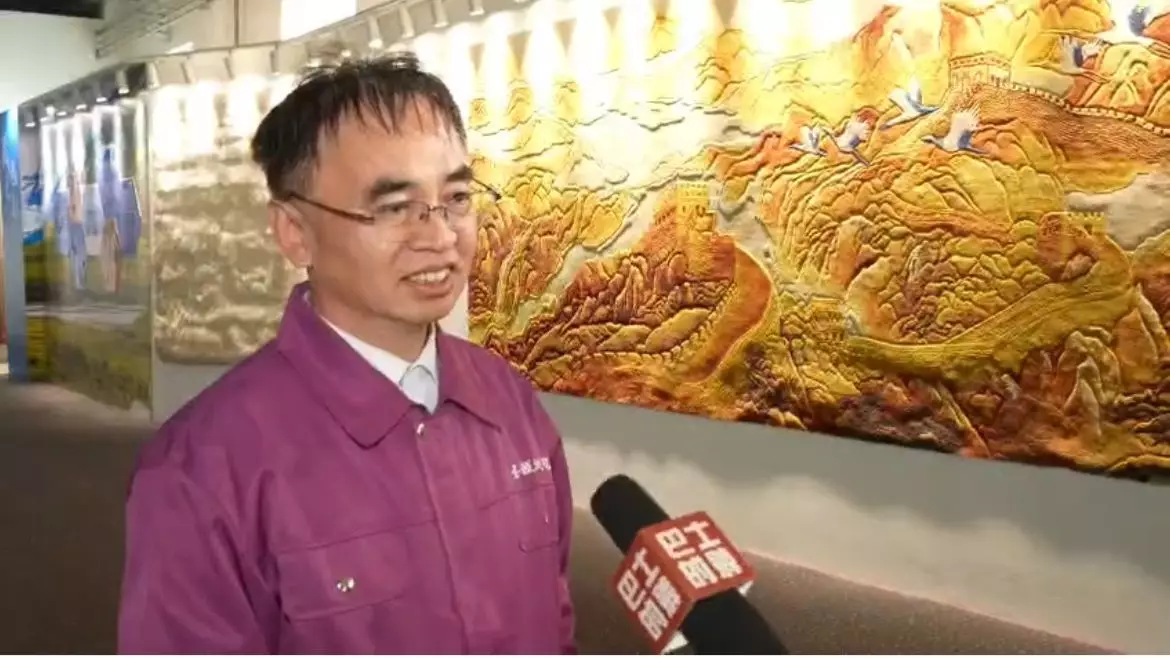
Mr. Wang Shudong, CEO of Shengyuan Carpet Group, Photo by Bastille Post

Mr. Wang Shudong, CEO of Shengyuan Carpet Group, Photo by Bastille Post

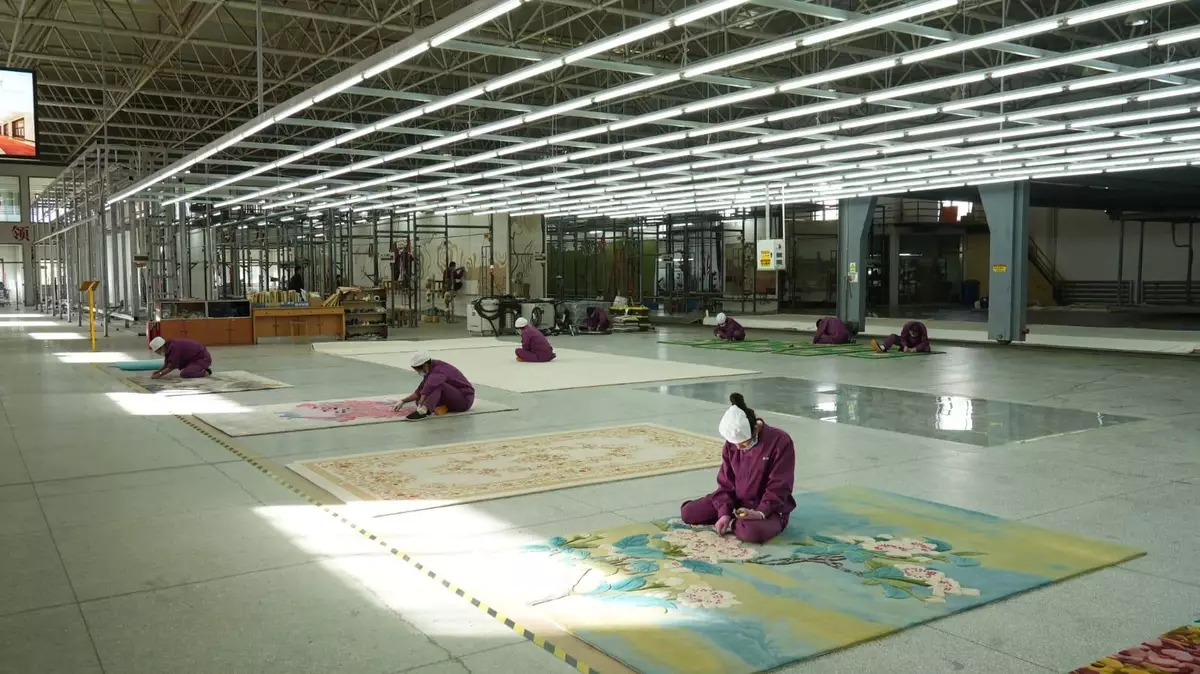
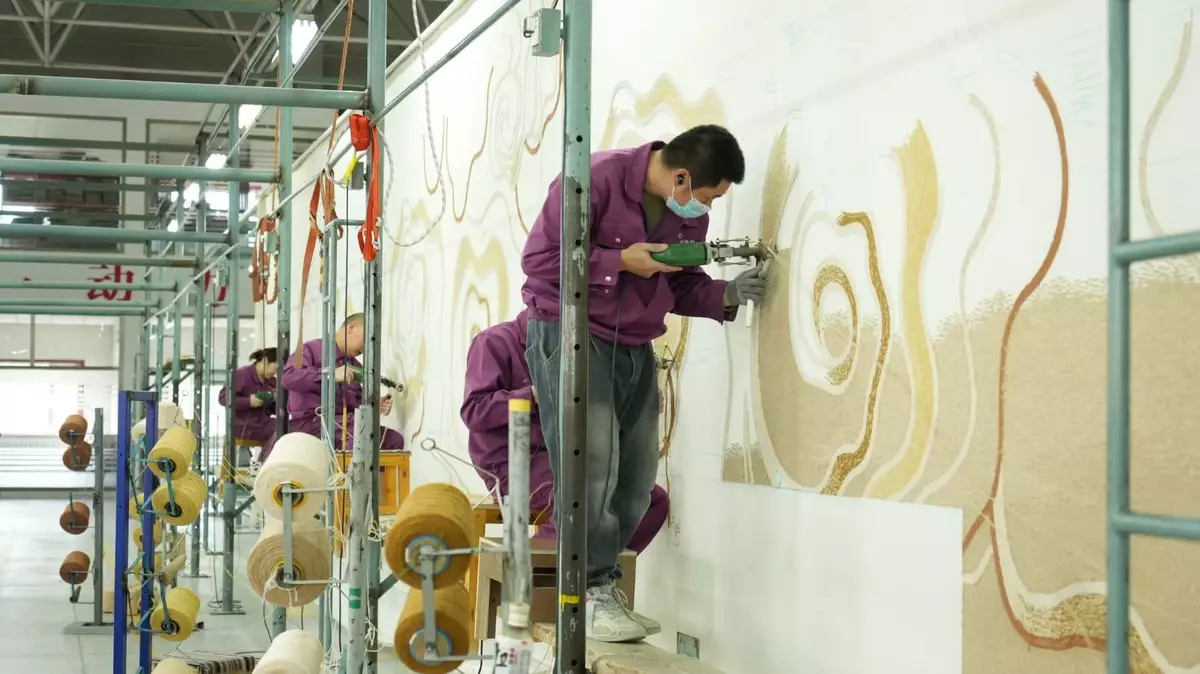
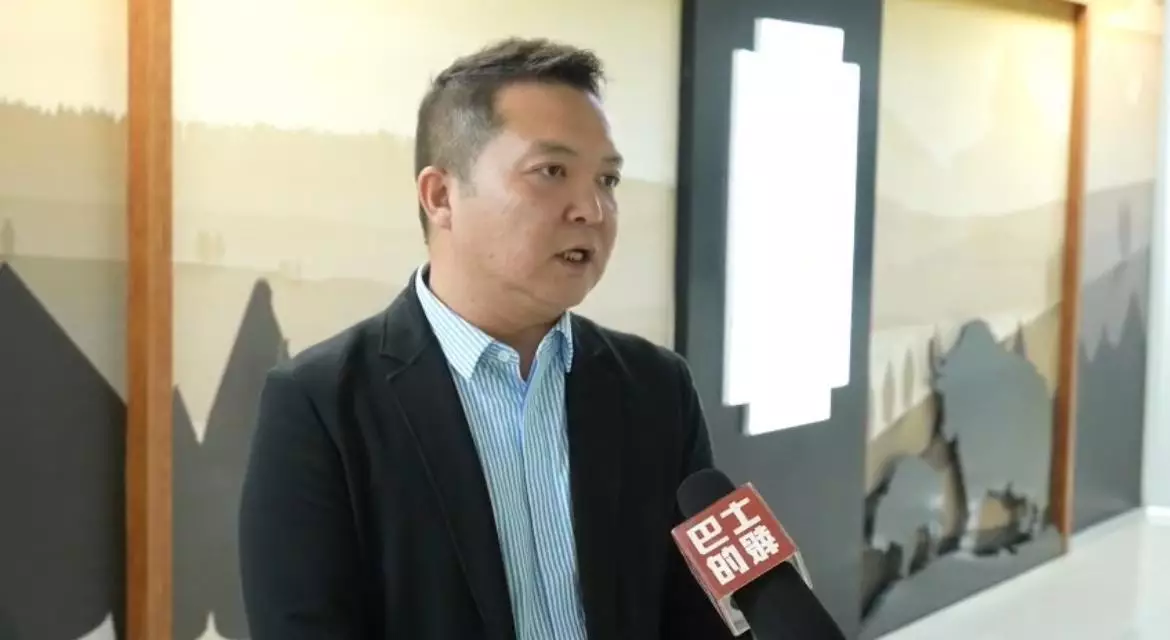
CEO Mr. Wang Shudong said the group's factory is equipped with 10 Axminster looms and a complete industrial chain. Approximately 70% of its output is exported, reaching markets in Europe, the Americas, the Middle East, as well as Hong Kong and Macau. Hotels, casinos, and cruise lines are its main clients. The United States is the group's largest export market, followed by Canada and Italy, with casino clients in Macau alone accounting for more than 60% of sales.

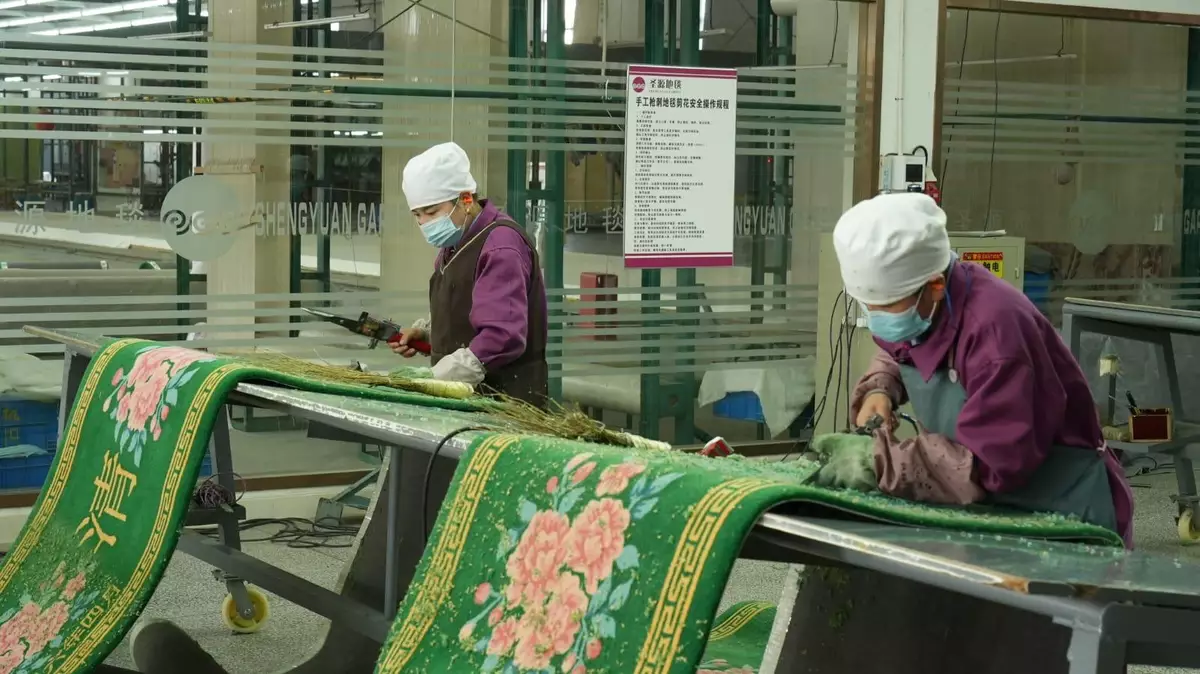
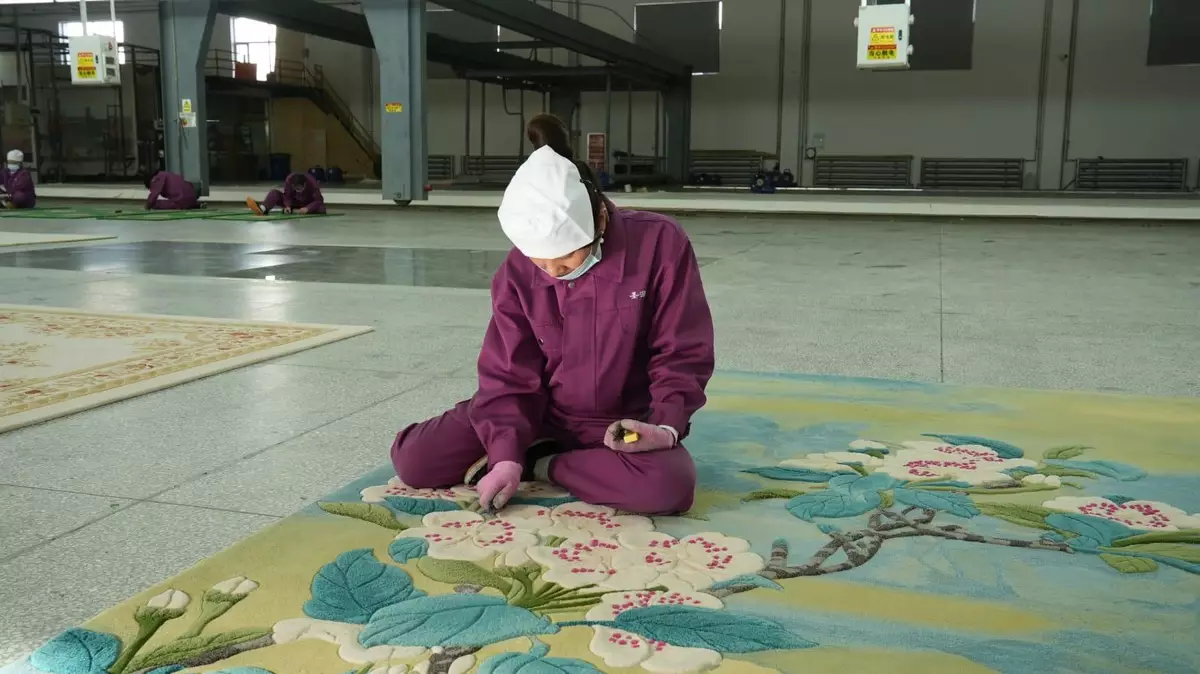
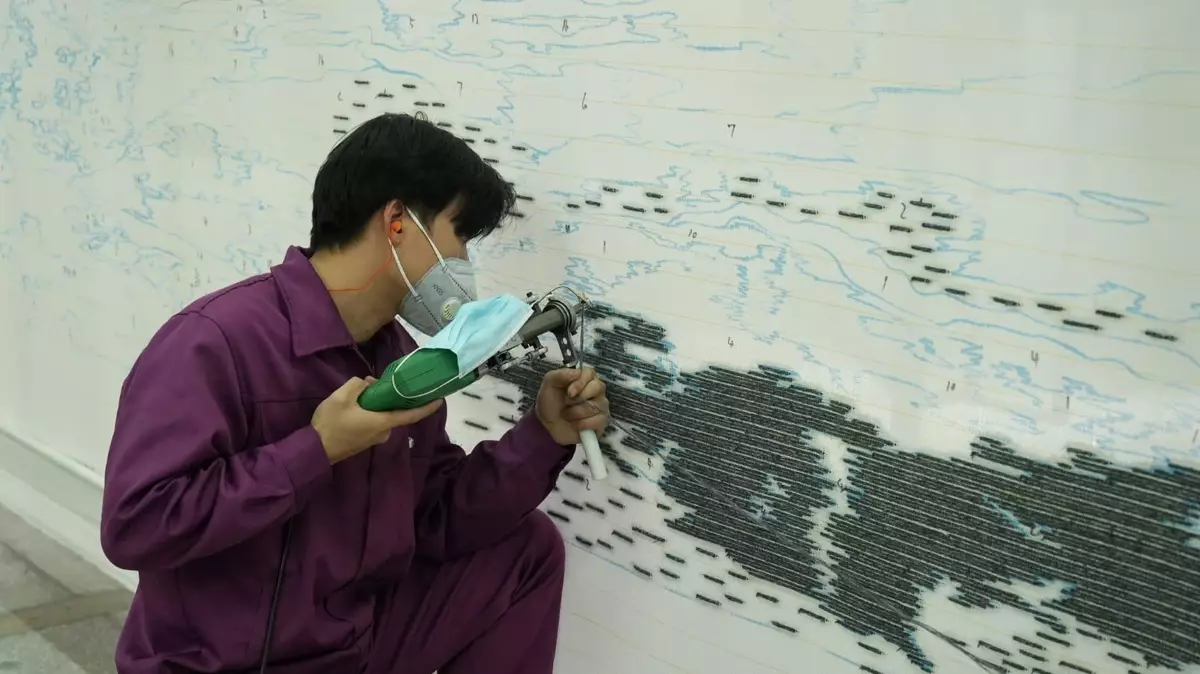
The diligent workers of Shengyuan Carpet Group, Photo by Bastille Post

The diligent workers of Shengyuan Carpet Group, Photo by Bastille Post

Photo by Bastille Post

Photo by Bastille Post

Mr. Wang revealed that the current annual carpet production stands at 800,000 square metres. The group is targeting 850,000 square metres this year, with a longer-term goal of exceeding one million square metres. Nowadays, the group has also integrated AI technology into carpet design, reducing the design cycle from ten days to under a week, reaching an efficiency gain of approximately 30%, with the potential for a nearly 50% increase in the future.

The diligent workers of Shengyuan Carpet Group, Photo by Bastille Post

The diligent workers of Shengyuan Carpet Group, Photo by Bastille Post

Photo by Bastille Post

Photo by Bastille Post

Photo by Bastille Post

Photo by Bastille Post

Photo by Bastille Post

Photo by Bastille Post

In recent years, the group has set its sights on expanding into the Hong Kong market. Mr. Wang noted that the brand first entered Hong Kong in 2008, supplying products mainly to the tourism industry, with five-star hotels as key clients. "We already have a certain market share in Hong Kong, and we believe demand for carpet products will continue to grow," he said.

The diligent workers of Shengyuan Carpet Group, Photo by Bastille Post

The diligent workers of Shengyuan Carpet Group, Photo by Bastille Post

Photo by Bastille Post

Photo by Bastille Post

Photo by Bastille Post

Photo by Bastille Post

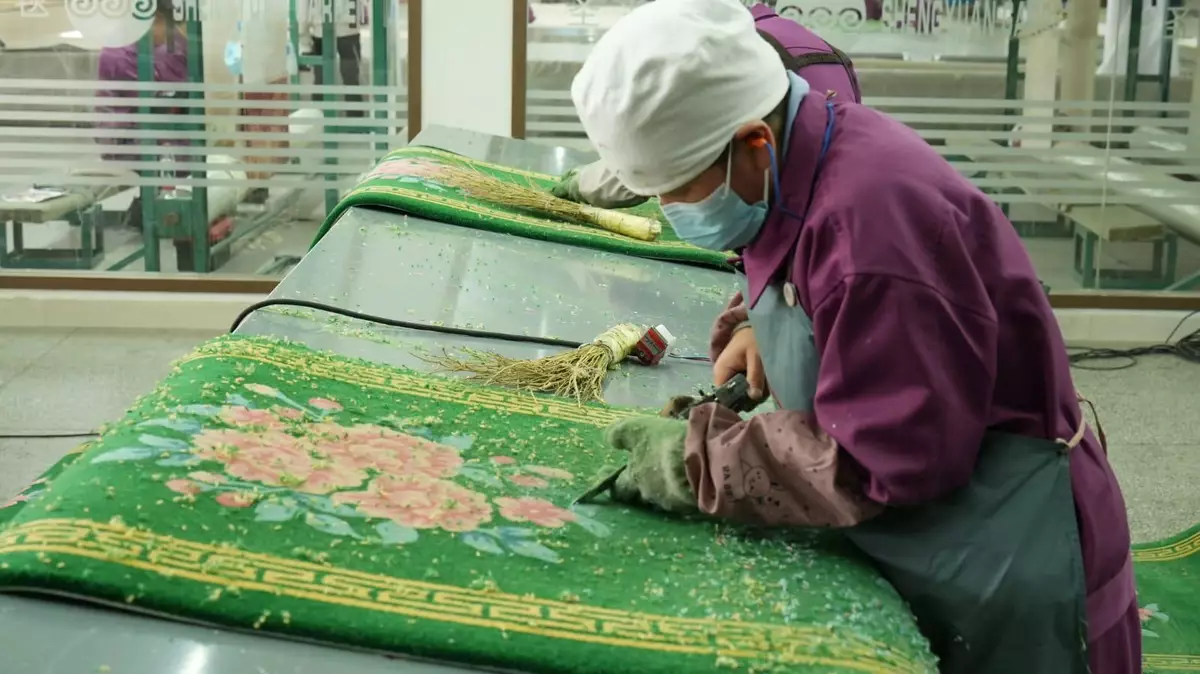
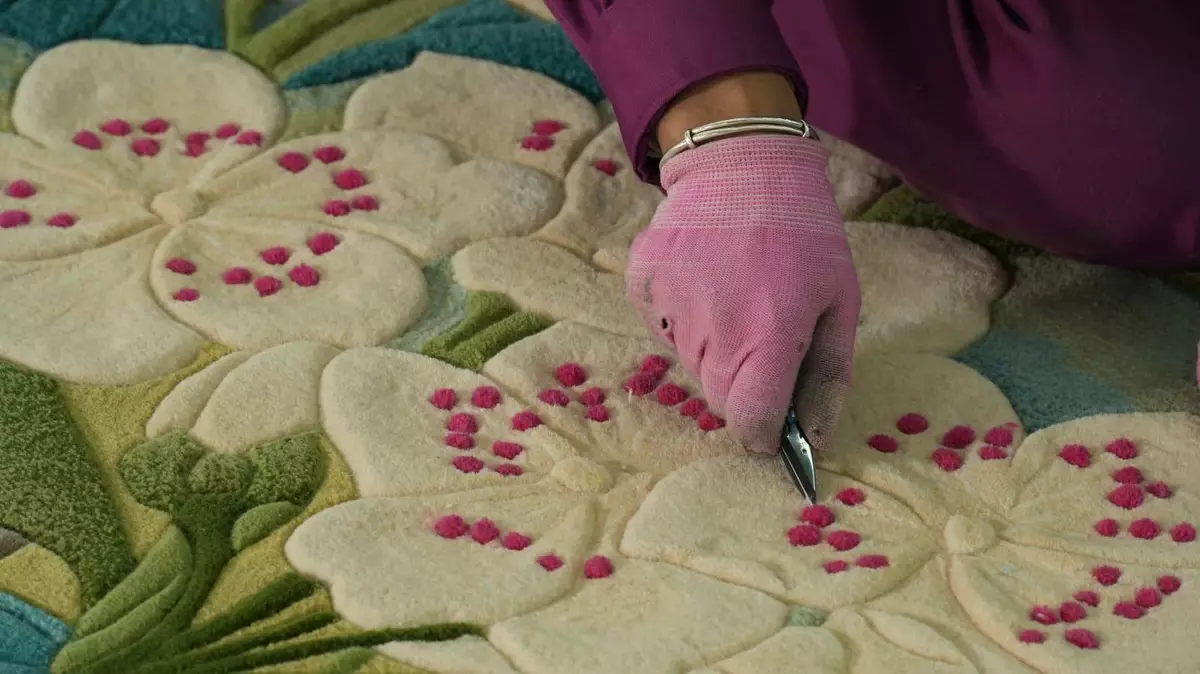
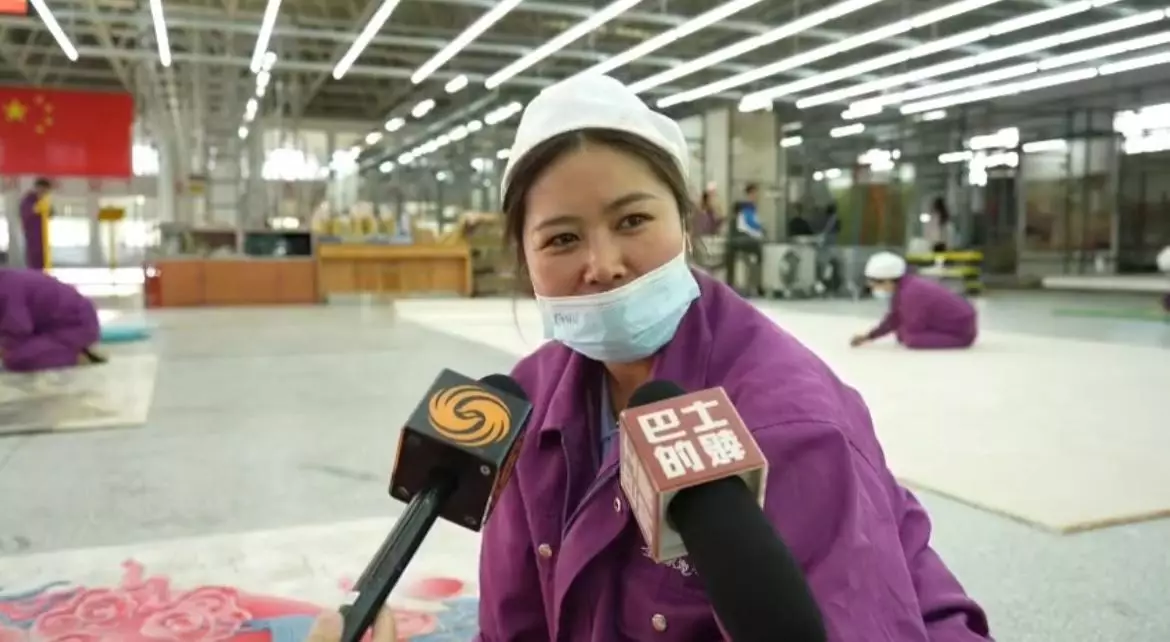
The factory currently employs around 400 people, mostly local ethnic minorities and herders, providing multiple job opportunities. Ms. Li, who has worked at the factory for four years trimming carpet fibres, said she was previously unemployed and stayed home to care for her children. Now with a job, she can earn money to support her family. "The factory is close to my home, so it's convenient to look after my children. I'm also interested in carpets myself. Every household needs carpets, so this job feels meaningful," she said.

Ms. Li, Photo by Bastille Post

Ms. Li, Photo by Bastille Post

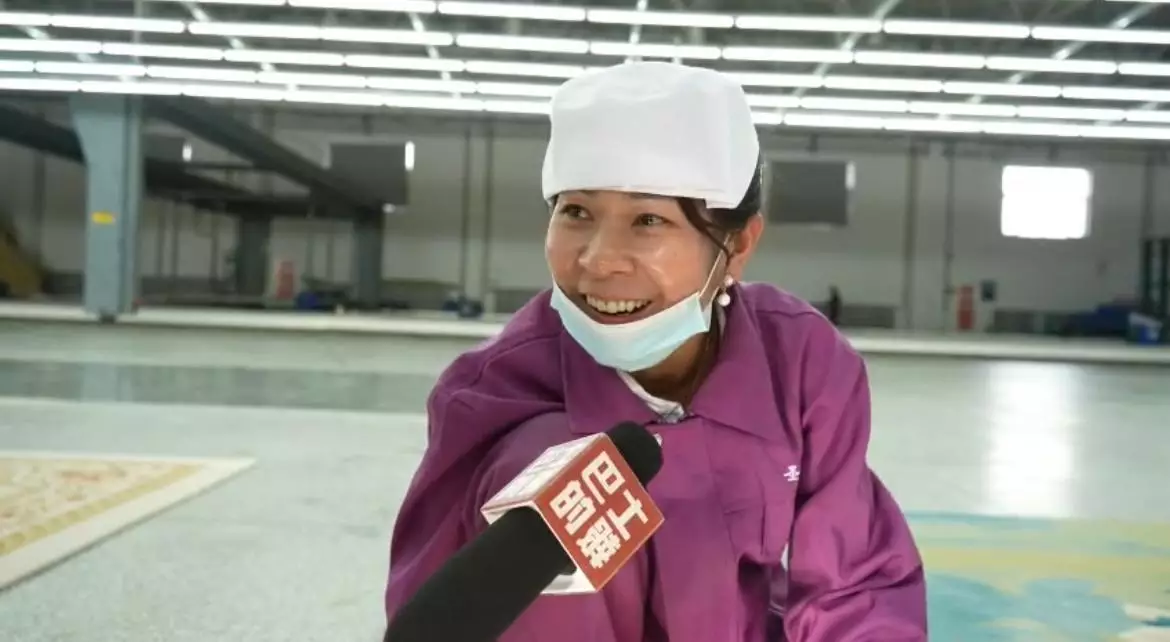
Ms. Zhang, another employee responsible for trimming loose threads, has been with the group for more than three years. She said that once she became skilled, she could complete the process in about a week. "I live nearby, which makes it easy to take care of my elderly parents and my children. I wasn't working before, but now that my children are in school, I have more time to devote to my job," she added.

Ms. Zhang, Photo by Bastille Post

Ms. Zhang, Photo by Bastille Post

The carpets produced by Shengyuan Carpet Group, Photo by Bastille Post

The carpets produced by Shengyuan Carpet Group, Photo by Bastille Post

Kekexili Food Corporation: Bringing Qinghai's Yak Meat to the World

Mr. Ma Wei, project manager for yak meat deep processing and product innovation at Qinghai Kekexili Food Co., Ltd., said the corporation operates under a "farmer + cooperative + enterprise" mode. All yaks are sourced from local farmers and herders and purchased at a premium of one to two RMB per kilogram above the market price. The corporation currently works with 27 cooperatives, involving more than 30,000 residents from farming and herding families. This approach not only generates income for local households, but also ensures stable raw material quality.

Mr. Ma Wei, project manager for yak meat deep processing and product innovation at Qinghai Kekexili Food Co., Ltd., Photo by Bastille Post

Mr. Ma Wei, project manager for yak meat deep processing and product innovation at Qinghai Kekexili Food Co., Ltd., Photo by Bastille Post

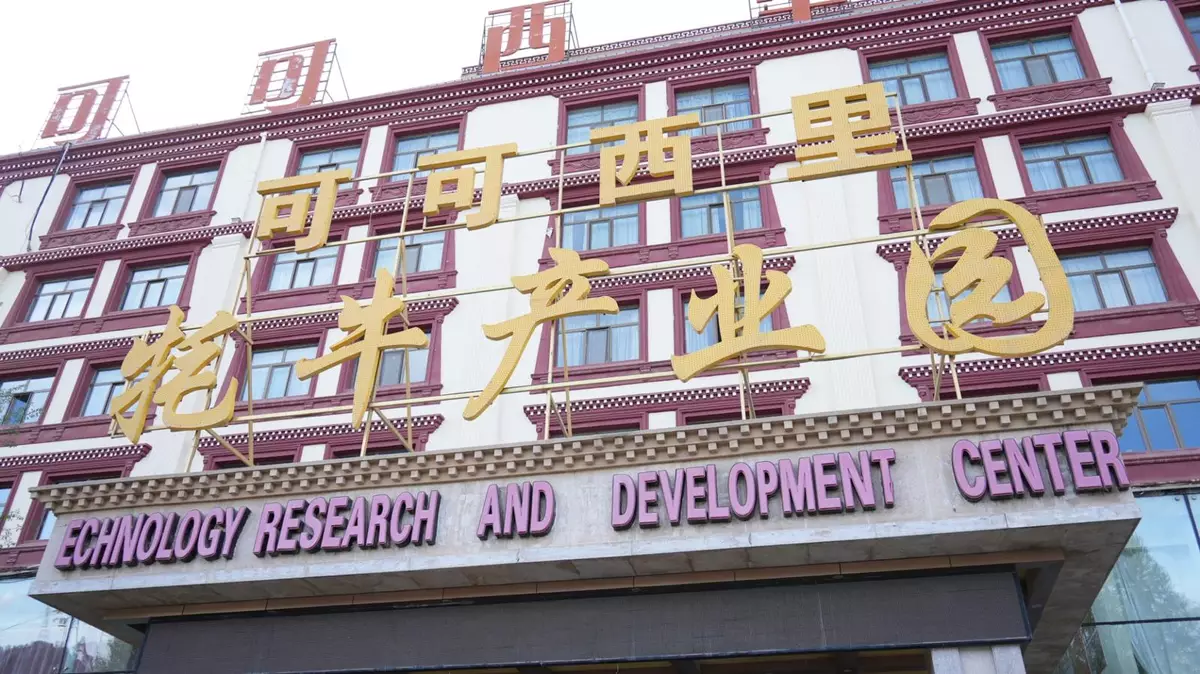
The research and development center of Qinghai Kekexili Food Co., Ltd., Photo by Bastille Post

The research and development center of Qinghai Kekexili Food Co., Ltd., Photo by Bastille Post

The corporation's factory has an annual production capacity of 7,000 tonnes but is currently operating at only one-third of that level, with storage capacity ranging between 2,000 and 2,500 tonnes.

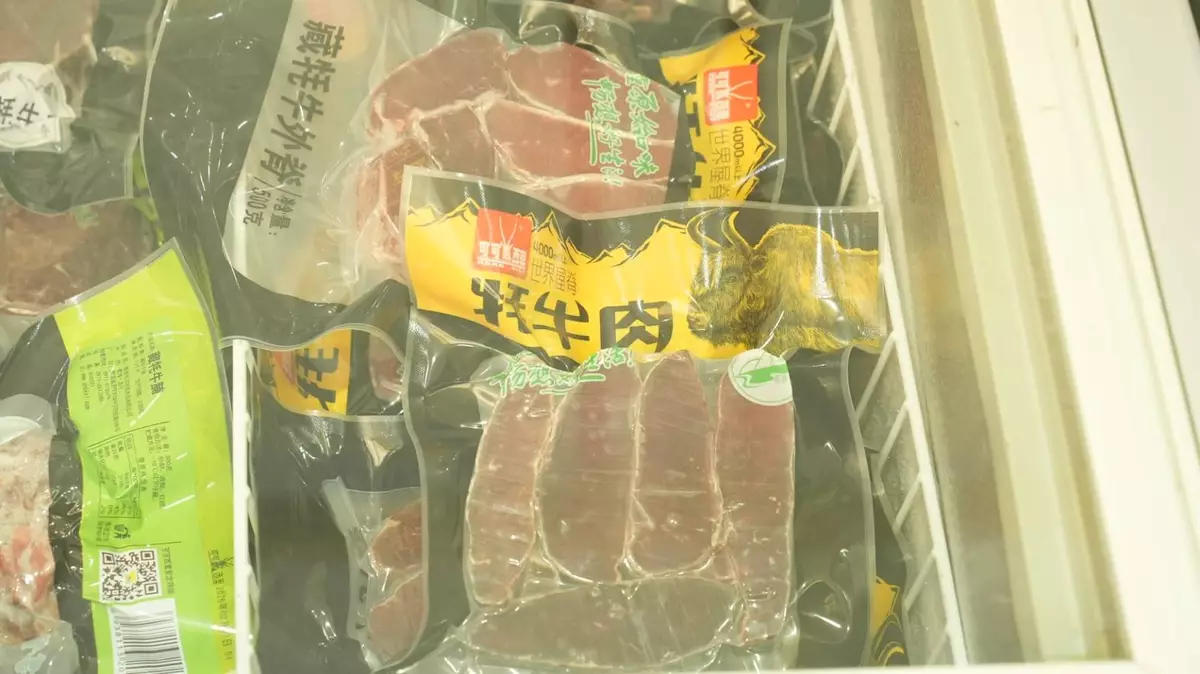
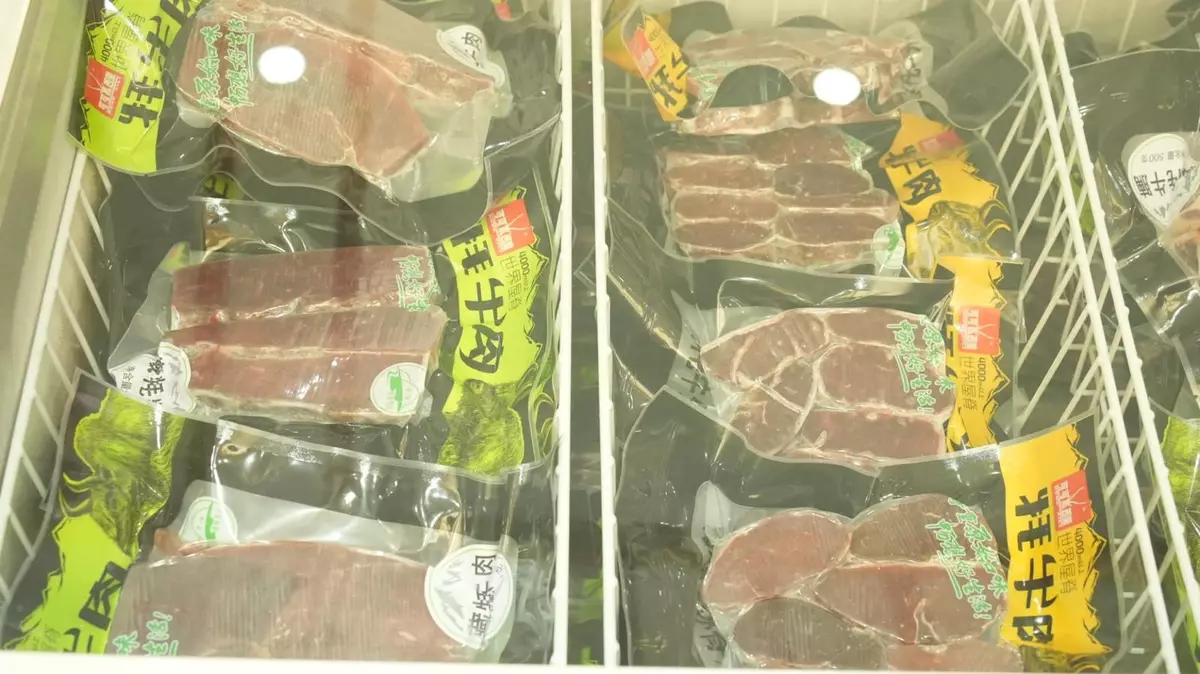
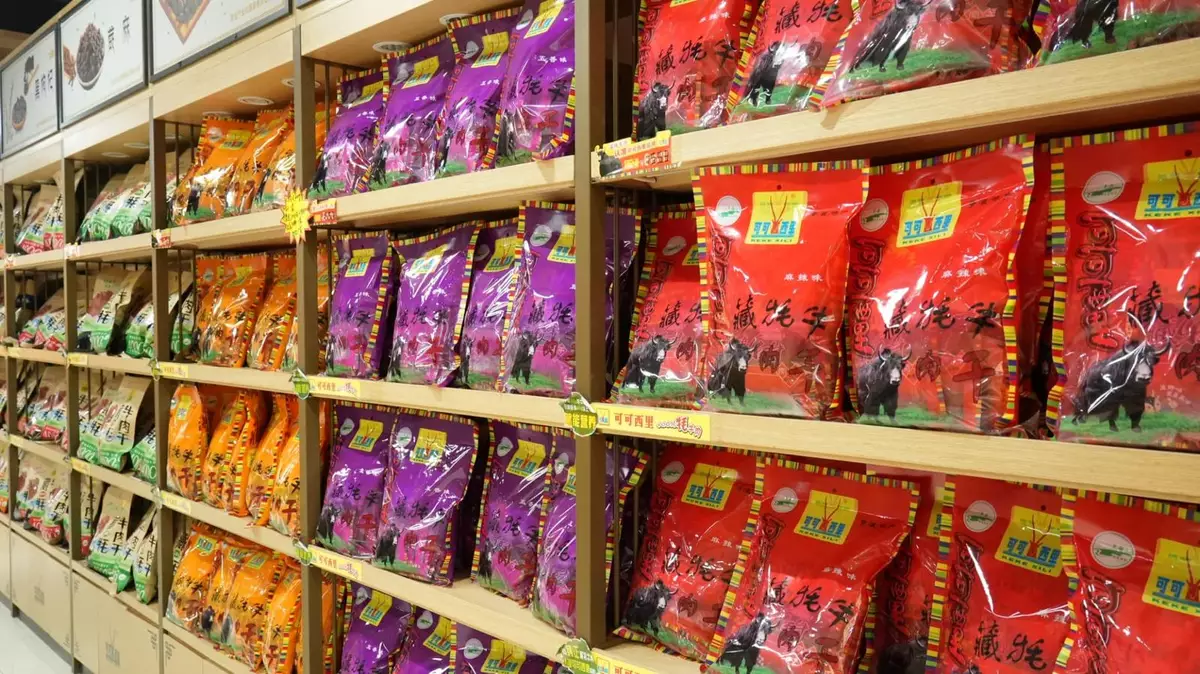
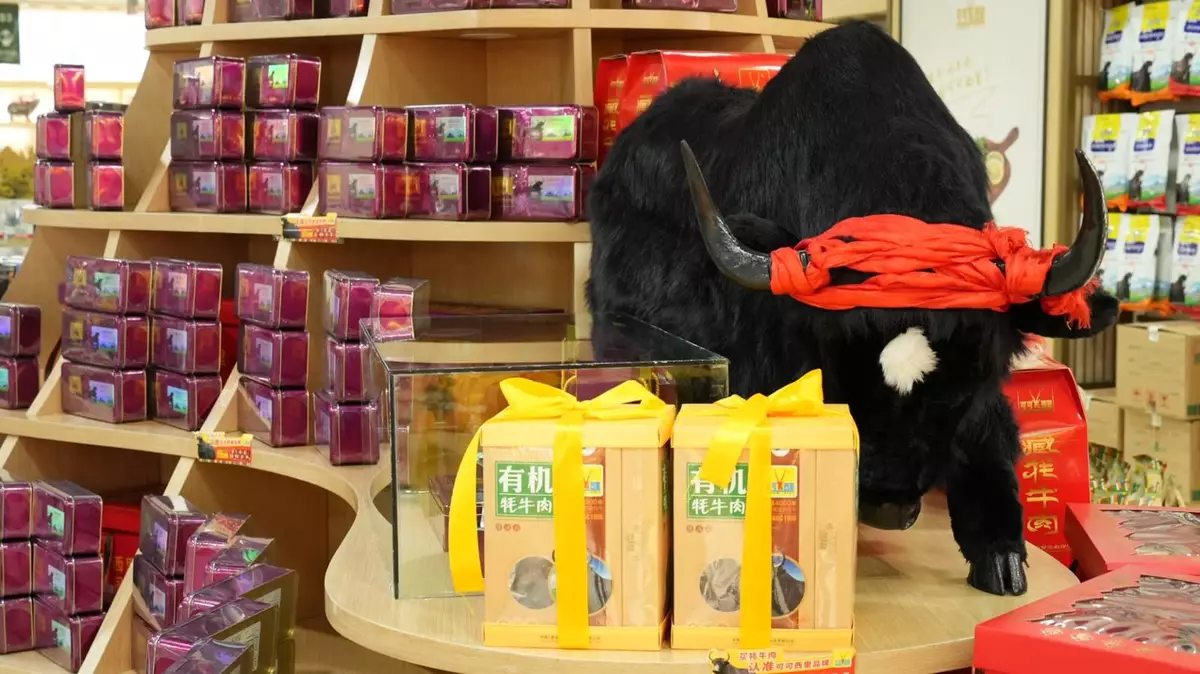
The yak meat products developed by Qinghai Kekexili Food Co., Ltd., Photo by Bastille Post

The yak meat products developed by Qinghai Kekexili Food Co., Ltd., Photo by Bastille Post

The yak meat products developed by Qinghai Kekexili Food Co., Ltd., Photo by Bastille Post

The yak meat products developed by Qinghai Kekexili Food Co., Ltd., Photo by Bastille Post

Mr. Ma also noted that the corporation has previously cooperated with Hong Kong. On one occasion, they organised a Qinghai family banquet featuring a full yak feast, releasing more than 300 yak-based dishes. In his view, the Hong Kong market is quite active. "Qinghai has no shortage of good resources. In fact, Qinghai is a place full of treasures. I believe that through greater economic and trade cooperation in the future, Qinghai's quality products will find their way onto more people's dinner tables," he said.

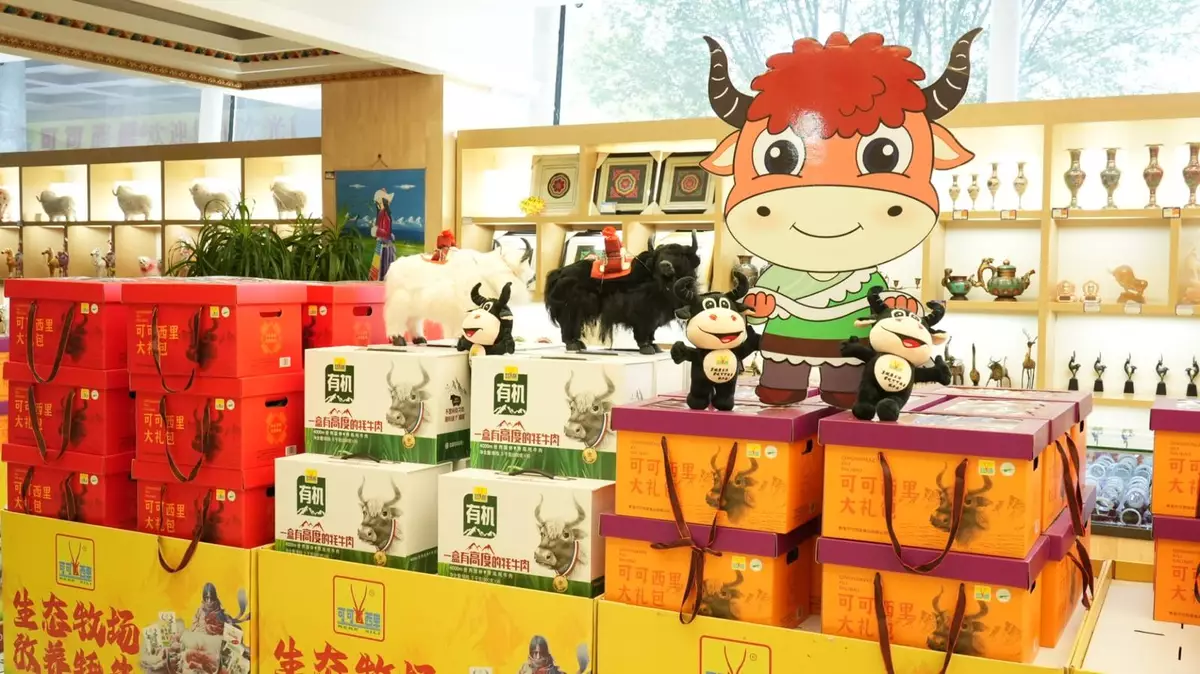
The yak meat products developed by Qinghai Kekexili Food Co., Ltd., Photo by Bastille Post

The yak meat products developed by Qinghai Kekexili Food Co., Ltd., Photo by Bastille Post

The yak meat products developed by Qinghai Kekexili Food Co., Ltd., Photo by Bastille Post

The yak meat products developed by Qinghai Kekexili Food Co., Ltd., Photo by Bastille Post

The yak meat products developed by Qinghai Kekexili Food Co., Ltd., Photo by Bastille Post

The yak meat products developed by Qinghai Kekexili Food Co., Ltd., Photo by Bastille Post

Recommended Articles