The level of trust between China and Russia grows out of people-to-people exchanges which have laid a solid foundation for the two nations to establish a strong and "long-term friendly partnership," said a renowned Russian economist.
Yaroslav Lissovolik, founder and CEO of the BRICS+ Analytics consultancy firm, shared his view on both the historical and future context of bilateral ties between Russia and China in an interview with the China Global Television Network (CGTN).
Ties between the two sides have been in the spotlight this week as Russian President Vladimir Putin wrapped up a two-day state visit to China on Wednesday, which marked his 25th visit to China.
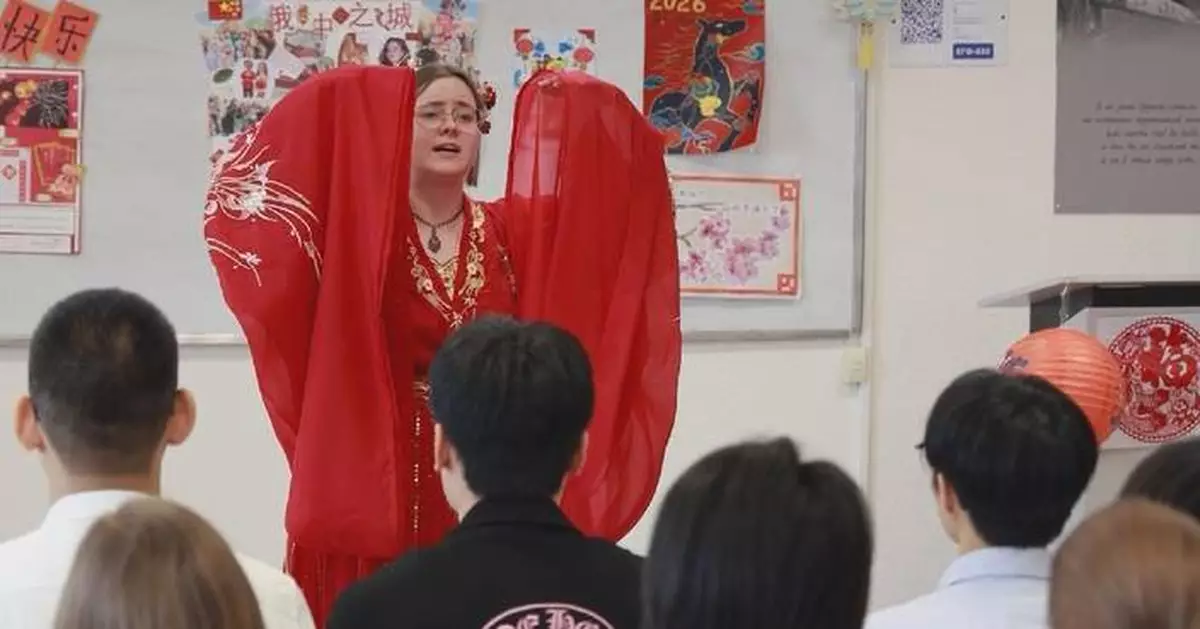
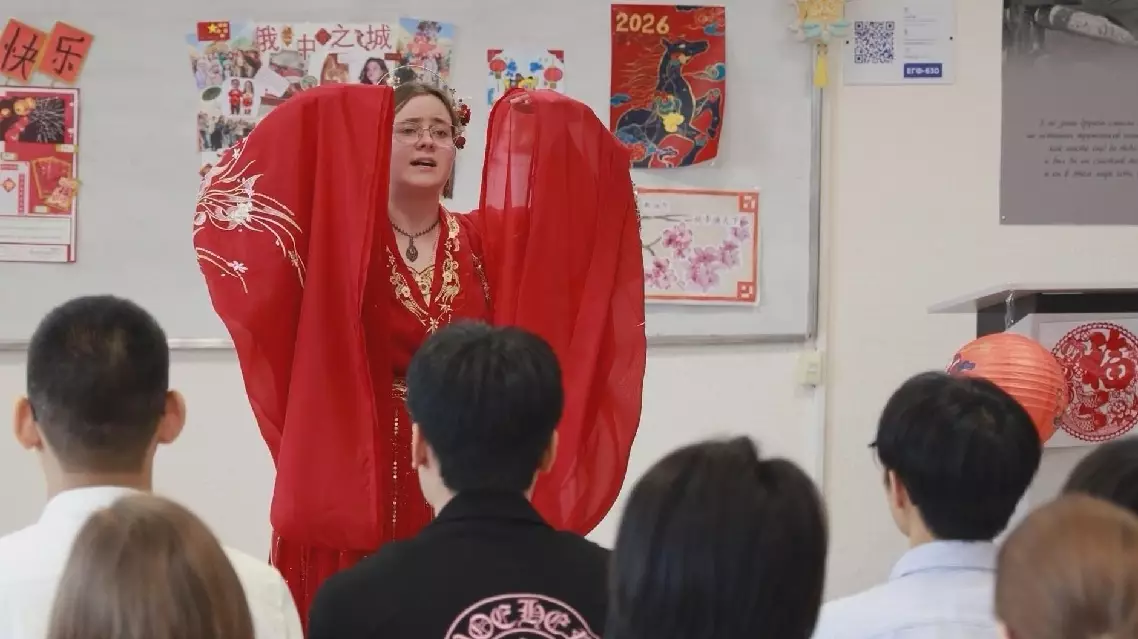
The visit came as the two sides designated 2026 and 2027 as the "China-Russia Years of Education", an initiative which is expected to inject new momentum into bilateral exchanges in education and people-to-people cooperation.
The number of Chinese students studying in Russia is growing rapidly, with official data showing that more than 56,000 are now enrolled in Russian universities. At the same time, over 21,000 Russian students are pursuing their education in China.
The two-way flow of young people between the two countries is laying a strong foundation for their comprehensive strategic partnership of coordination in the new era.
"I think it's tremendously important. These relationships, long-term relationships between countries, they have to be built on trust. And, trust doesn't come out of nowhere. It comes from people-to-people exchanges," Lissovolik said.
Beyond educational exchanges, Lissovolik noted that the mutual visa exemption policy which took effect last year marks another new breakthrough in the relationship between the two sides, which as well as increasing visitor numbers is also boosting bilateral foreign direct investment (FDI) and trade flows.
"This is an area that is developing very intensively between our countries. And, of course, visa-free travel is a major breakthrough in this respect. Empirical research and economic studies clearly shows that lower visa restrictions are conducive, significantly conducive, to greater FDI, to greater trade. Significant visa restrictions reduce mutual trade and FDI by up to 15 to 30 percent, according to some estimates," he said.
"Clearly, this is something that is important for our trade. I would say not just the quantity, but also the quality, if you will. The people-to-people exchange is very important in terms of the bottom-up process of supporting our mutual cooperation -- just like SME (small and medium-sized enterprises) and enterprise development is important at the micro-economic level," said Lissovolik.
People-to-people exchanges key to building trust in bilateral relations: Russian economist