Skip to Content Facebook Feature Image

Indonesia tightens control over key commodities in major trade takeover, influencing global exports

News

Indonesia tightens control over key commodities in major trade takeover, influencing global exports
News

News

Indonesia tightens control over key commodities in major trade takeover, influencing global exports

2026-05-22 15:03 Last Updated At:15:39

JAKARTA, Indonesia (AP) — Indonesia is overhauling its trade policies for key commodities in a sudden move that some experts liken to a hostile takeover of major industries in the resource-rich nation, with global implications.

The new regulation announced to parliament Wednesday by Indonesian President Prabowo Subianto mandates that a recently set up state-owned enterprise will handle the country's exports of coal, palm oil and iron alloys by September.

More Images
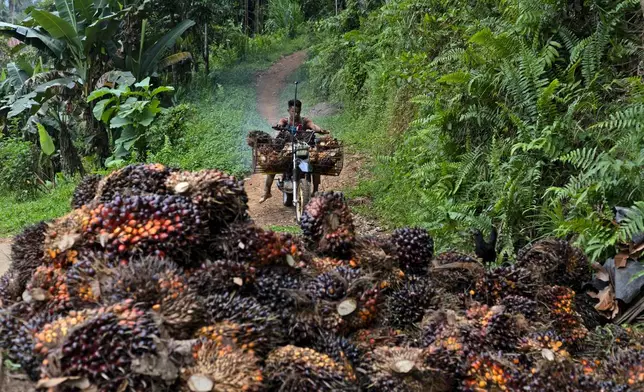
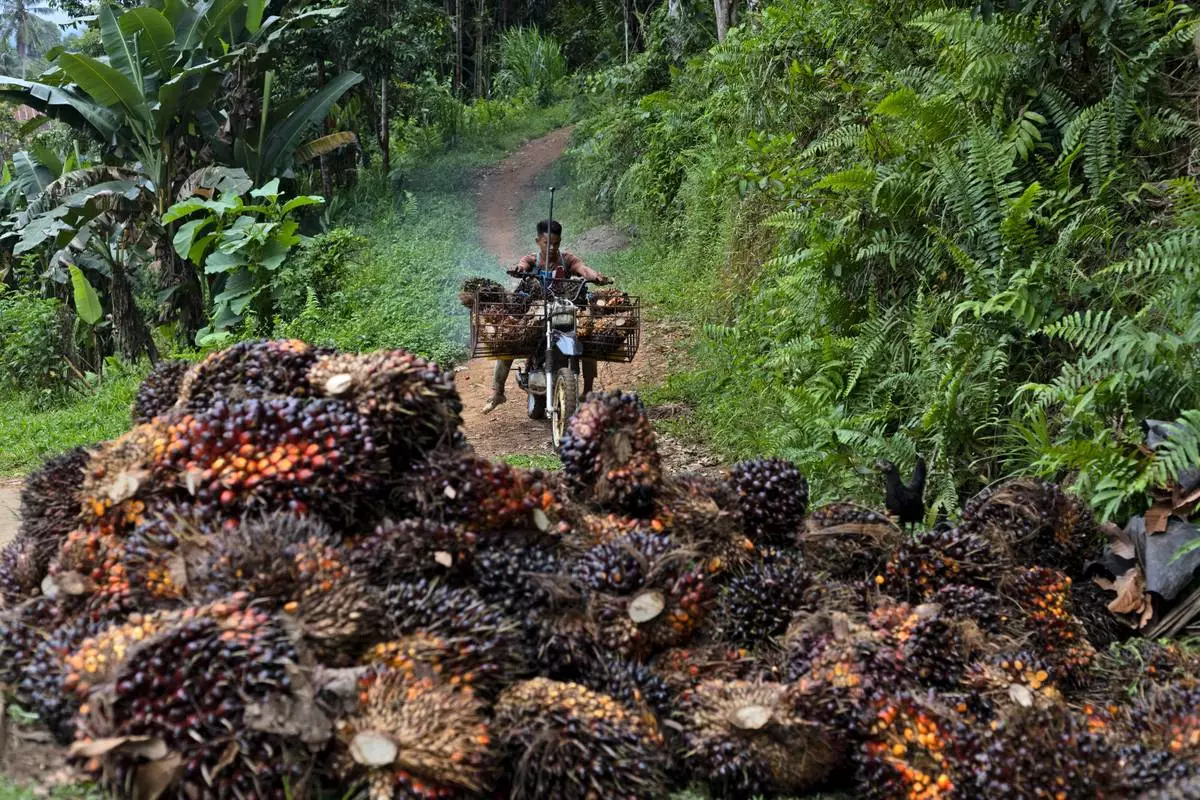
FILE - A man uses a motorcycle to transport palm fruit at a plantation in Polewali Mandar, South Sulawesi, Indonesia, April 21, 2024. (AP Photo/Yusuf Wahil, File)
FILE - A man uses a motorcycle to transport palm fruit at a plantation in Polewali Mandar, South Sulawesi, Indonesia, April 21, 2024. (AP Photo/Yusuf Wahil, File)

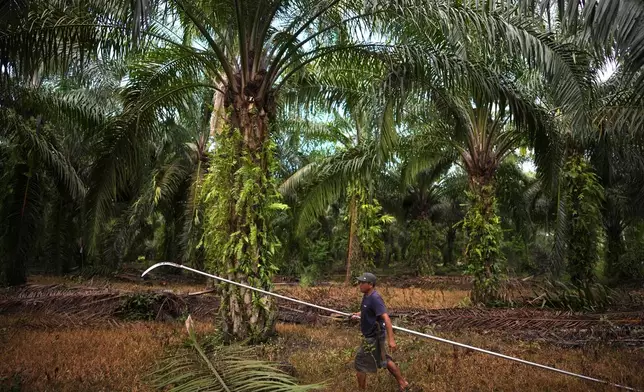
FILE - A farmer walks near palm oil trees at a plantation in Central Mamuju, Sulawesi Island, Indonesia, Feb. 25, 2025. (AP Photo/Dita Alangkara, File)
FILE - A farmer walks near palm oil trees at a plantation in Central Mamuju, Sulawesi Island, Indonesia, Feb. 25, 2025. (AP Photo/Dita Alangkara, File)

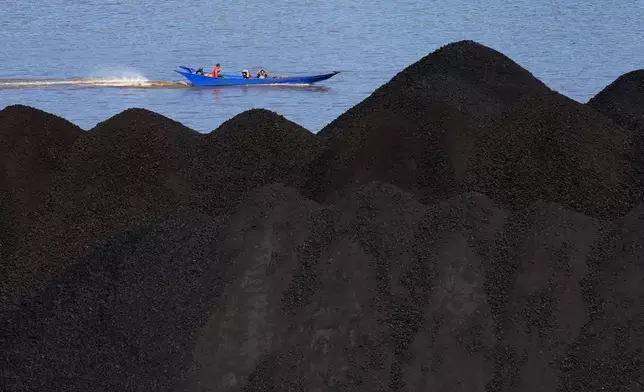
FILE - A boat cruises past a coal piled up on a barge on Mahakam River in Samarinda, East Kalimantan, Indonesia, Dec. 19, 2022. (AP Photo/Dita Alangkara, File)
FILE - A boat cruises past a coal piled up on a barge on Mahakam River in Samarinda, East Kalimantan, Indonesia, Dec. 19, 2022. (AP Photo/Dita Alangkara, File)

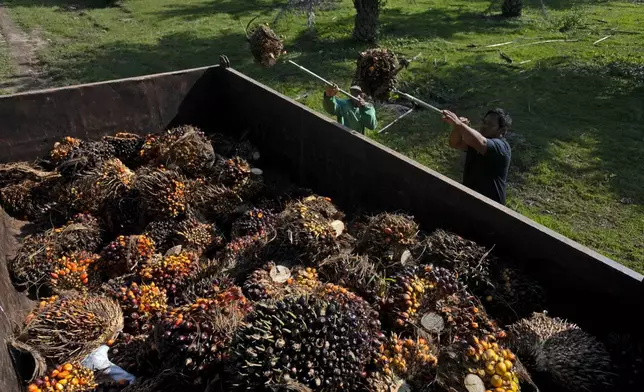
FILE - Men load palm fruit onto a truck at a palm oil plantation in Polewali Mandar, South Sulawesi, Indonesia, April 23, 2024. (AP Photo/Yusuf Wahil, File)
FILE - Men load palm fruit onto a truck at a palm oil plantation in Polewali Mandar, South Sulawesi, Indonesia, April 23, 2024. (AP Photo/Yusuf Wahil, File)

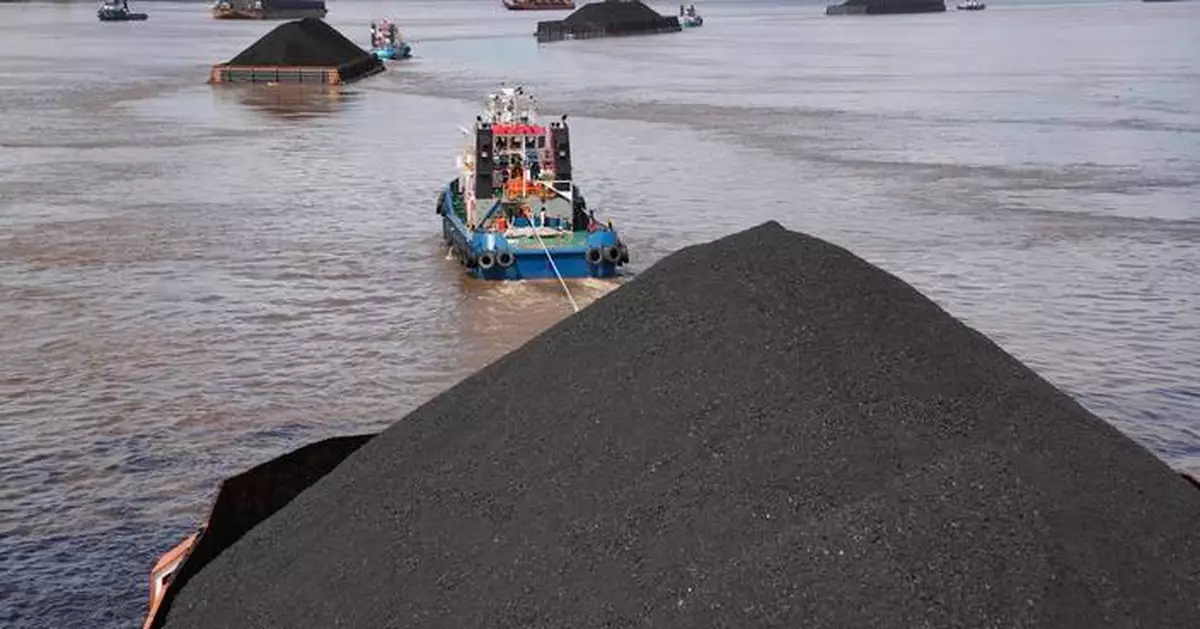
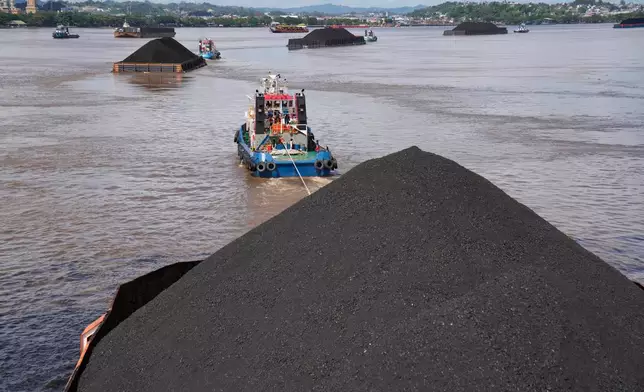
FILE - Tug boats pull barges fully loaded with coal on the Mahakam river in Samarinda, East Kalimantan, Indonesia, on Dec. 19, 2022. (AP Photo/Dita Alangkara, File)

FILE - Tug boats pull barges fully loaded with coal on the Mahakam river in Samarinda, East Kalimantan, Indonesia, on Dec. 19, 2022. (AP Photo/Dita Alangkara, File)

Prabowo said one aim is to increase tax revenues. That would help restore dwindling government reserves that have been exhausted by the energy shocks from the war in Iran. Given Indonesia's role as a major commodities exporter, the new rules likely will ripple across international supply chains.

Indonesia is the largest exporter of thermal coal, which is burned for energy, and palm oil, a key ingredient in everything from cosmetics to biofuels. The Southeast Asian nation of roughly 287 million people also has the world's biggest known reserve of nickel, a mineral needed for electric vehicle batteries and stainless steel.

As Indonesia's largest trading partner, China will feel the brunt of this policy pivot, experts said.

China is closely watching Indonesia’s “initiative to nationalize” and considering “how it would impact China’s further cooperation,” said Lei Xie with the UK-based think tank Third Generation Environmentalism. “The future path that Indonesia is taking is highly important for China.”

The swiftness of the new rule's implementation could affect access to needed resources for China's clean technologies industries, which use Indonesian commodities to supply growing demand for renewable energy. Chinese companies are major investors in many Indonesian industries, including critical minerals.

“Indonesia has become vital to China" since it supplies the commodities that "underpin China’s dominance in electric vehicles, batteries, and industrial manufacturing,” said Li Shuo with the US-based Asia Society Policy Institute’s China Climate Hub. “But the relationship is evolving.”

If handled well, the centralization of Indonesia's trade may also open the door to more American investment, analysts said, as it competes with China for key resources.

“Such a move is a clear signal that U.S. investment is being attracted to come to Indonesia even more,” said Bhima Yudhistira with the Jakarta-based Center of Economic and Law Studies. He called the new policy a “hostile takeover” that will mean every contract in industries controlled by China may be revised.

Prabowo told lawmakers Indonesia had lost as much as $908 billion because exporters underreport their sales to avoid paying taxes and other fees.

“The primary objective of this policy is to strengthen oversight and monitoring — and to combat under-invoicing, transfer pricing and the diversion of export proceeds,” he said.

The new entity taking over Indonesia's exports of these commodities — PT Danantara Sumberdaya Indonesia — was officially registered the day before Prabowo's announcement. It is 99% owned by Danantara, the sovereign wealth fund the president launched last year, and will strengthen the government's influence on setting the price of its commodities.

This “represents a governance reform, a step toward strengthening our credibility in managing strategic commodity trade in an orderly and accountable manner,” said Yvonne Mewengkang with Indonesia’s Ministry of Foreign Affairs.

From June to August, private companies are expected to turn over their import and export transactions to Danantara, which by September should manage all trade transactions with foreign buyers.

“There will be an explanation for investors later, so that stakeholders will be informed before June 1," said Airlangga Hartarto, the coordinating economic minister in Indonesia. “After all, in the initial phase, we are focusing on transparency in reporting.”

Trade analysts are skeptical that the government will be able to seamlessly take over trade in all those industries within less than four months.

China is Indonesia's top trading partner and one of its biggest sources of foreign direct investment.

Chinese firms dominate Indonesia's nickel industry and China is a top importer of the resources affected by the trade takeover.

Other major importers of Indonesian palm oil, coal and nickel include the U.S. and the European Union. India, Japan and South Korea and neighboring Malaysia, Vietnam and the Philippines would also be affected.

Under Prabowo, the government has been increasing control over strategically important commodities, cracking down on unauthorized mining operations, taking over plantations and pushing for the development of a domestic refining industry for critical minerals.

Even before Prabowo's announcement, the China Chamber of Commerce in Indonesia sent a five-page protest letter last week highlighting investors' concerns about Indonesia's unstable business climate.

Chinese enterprises recently have faced “excessively stringent regulation, over-enforcement, and even corruption and extortion by competent authorities,” the letter said. This has “severely disrupted normal business operations" and “undermined long-term investment confidence."

“Prabowo didn’t listen to the complaint from these Chinese companies and then did something very, very shocking with this new body to control the export,” said Yudhistira with CELIOS.

By exerting state control over key industries, Indonesia is trying to diversify its investors, according to Yudhistira. Reducing Chinese control may attract interest from others, like the U.S.

This will only intensify the race for resources between the two superpowers, he warned.

Whether this new policy does attract new investors, however, will depend on the transparency of its implementation, said Syahdiva Moezbar with the Finland-based Centre for Research on Energy and Clean Air in Jakarta.

Private businesses say they are still in the dark.

Danantara's impact on small-volume trade, specialized product exports and downstream industries still needs to be spelled out, according to Eddy Martono, chairman of the Indonesian Palm Oil Association.

“Exporters usually already have their own established markets," he said. “We must ensure we do not lose these markets if they are not managed properly.”

Delgado reported from Bangkok.

The Associated Press’ climate and environmental coverage receives financial support from multiple private foundations. The AP is solely responsible for all content. Find AP’s standards for working with philanthropies, a list of supporters and funded coverage areas at AP.org.
FILE - A man uses a motorcycle to transport palm fruit at a plantation in Polewali Mandar, South Sulawesi, Indonesia, April 21, 2024. (AP Photo/Yusuf Wahil, File)
FILE - A man uses a motorcycle to transport palm fruit at a plantation in Polewali Mandar, South Sulawesi, Indonesia, April 21, 2024. (AP Photo/Yusuf Wahil, File)

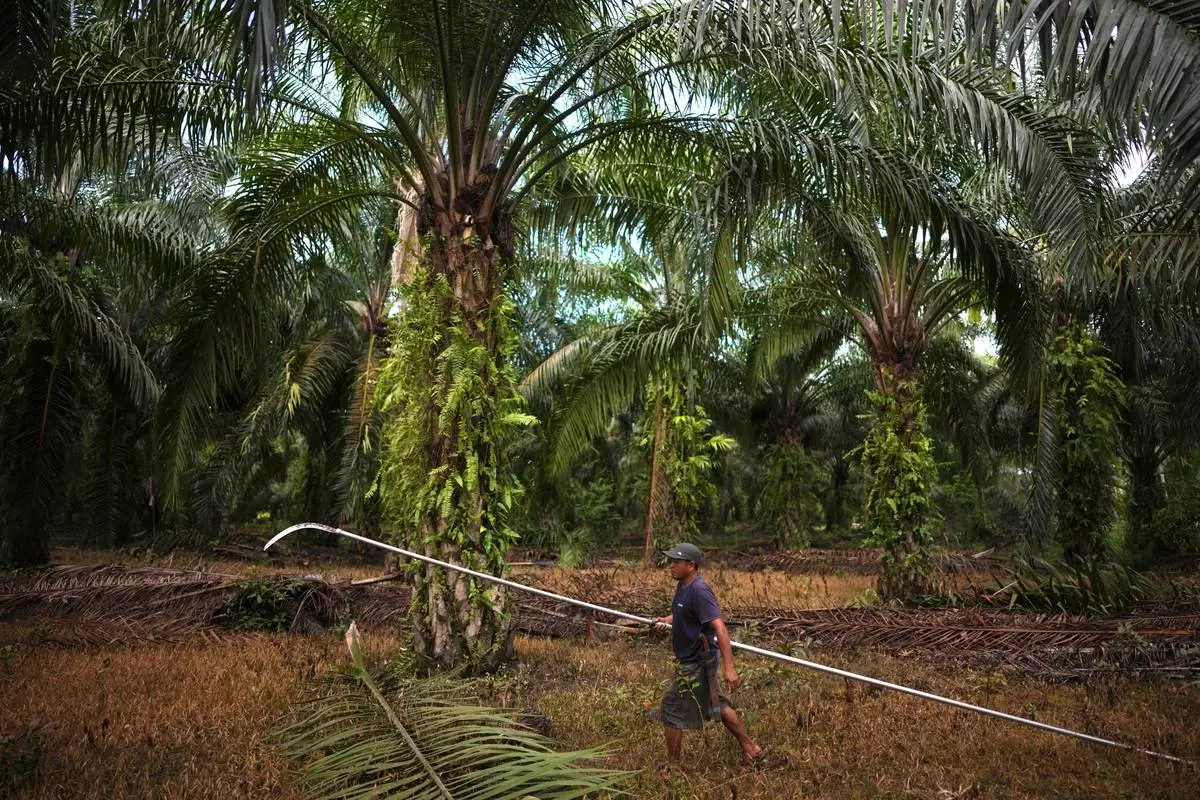
FILE - A farmer walks near palm oil trees at a plantation in Central Mamuju, Sulawesi Island, Indonesia, Feb. 25, 2025. (AP Photo/Dita Alangkara, File)
FILE - A farmer walks near palm oil trees at a plantation in Central Mamuju, Sulawesi Island, Indonesia, Feb. 25, 2025. (AP Photo/Dita Alangkara, File)

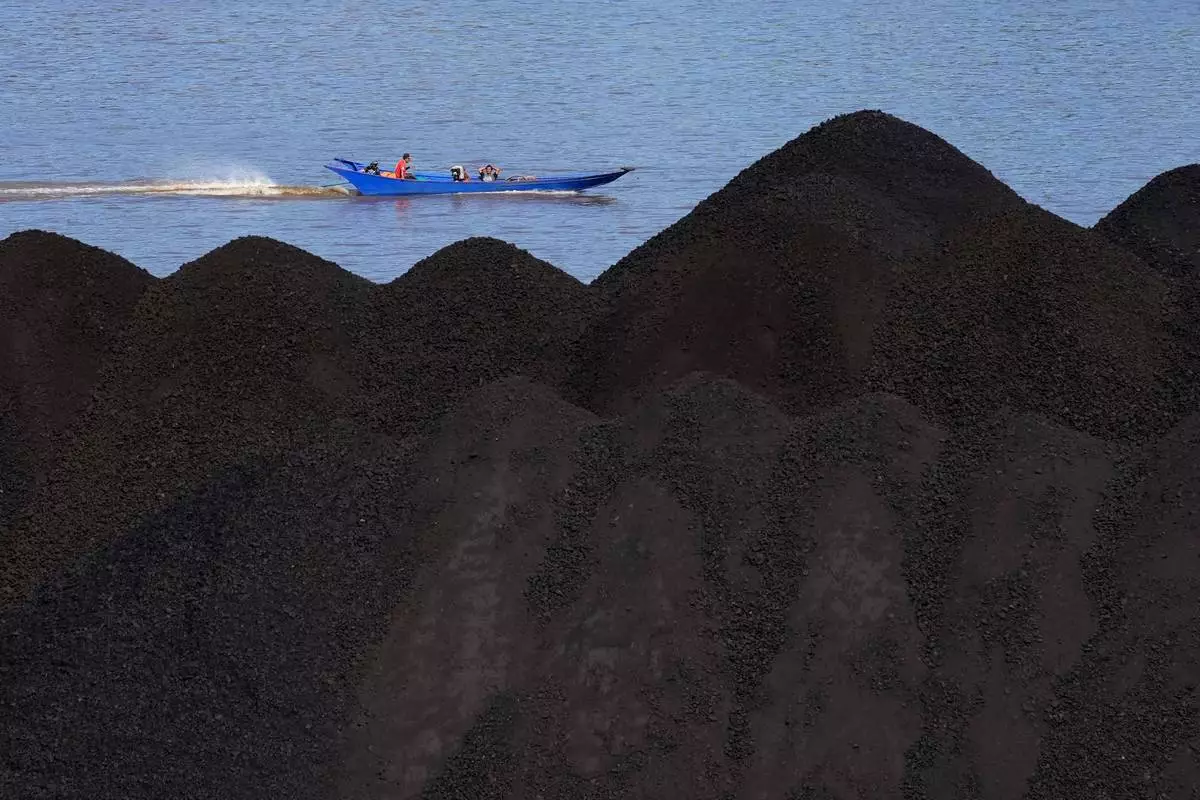
FILE - A boat cruises past a coal piled up on a barge on Mahakam River in Samarinda, East Kalimantan, Indonesia, Dec. 19, 2022. (AP Photo/Dita Alangkara, File)
FILE - A boat cruises past a coal piled up on a barge on Mahakam River in Samarinda, East Kalimantan, Indonesia, Dec. 19, 2022. (AP Photo/Dita Alangkara, File)

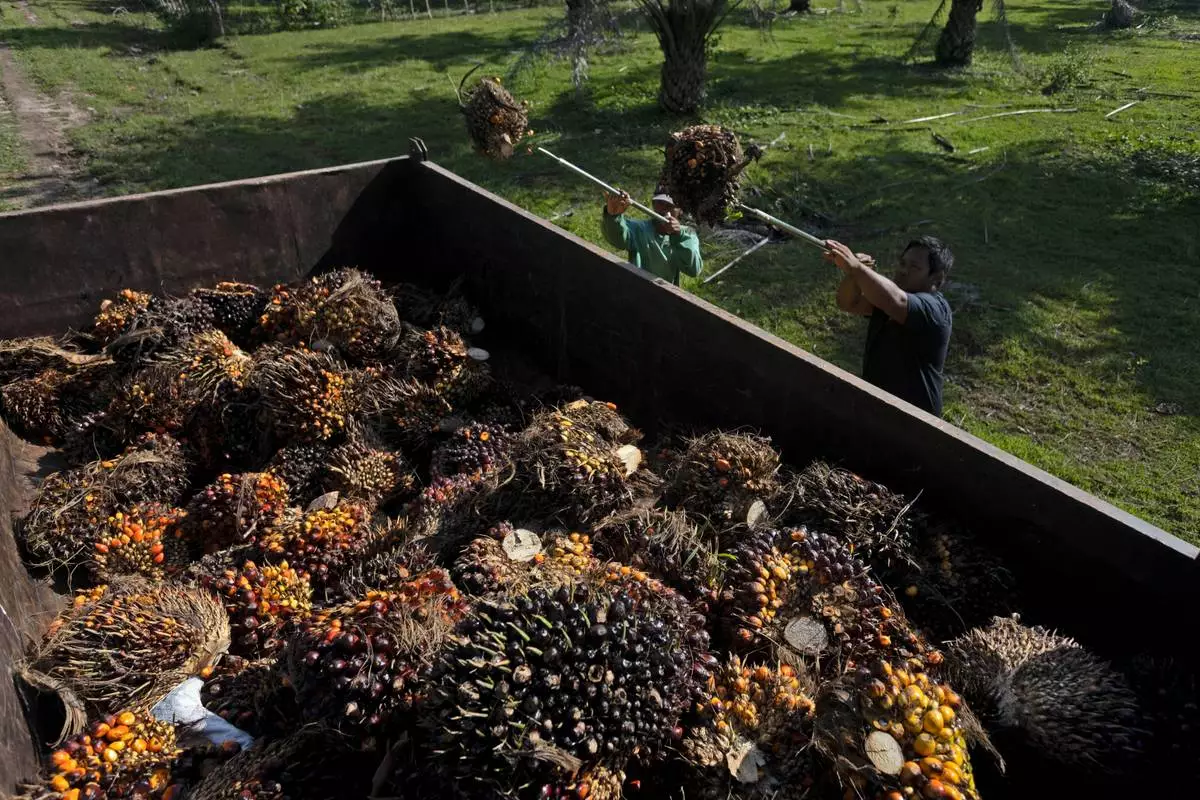
FILE - Men load palm fruit onto a truck at a palm oil plantation in Polewali Mandar, South Sulawesi, Indonesia, April 23, 2024. (AP Photo/Yusuf Wahil, File)
FILE - Men load palm fruit onto a truck at a palm oil plantation in Polewali Mandar, South Sulawesi, Indonesia, April 23, 2024. (AP Photo/Yusuf Wahil, File)

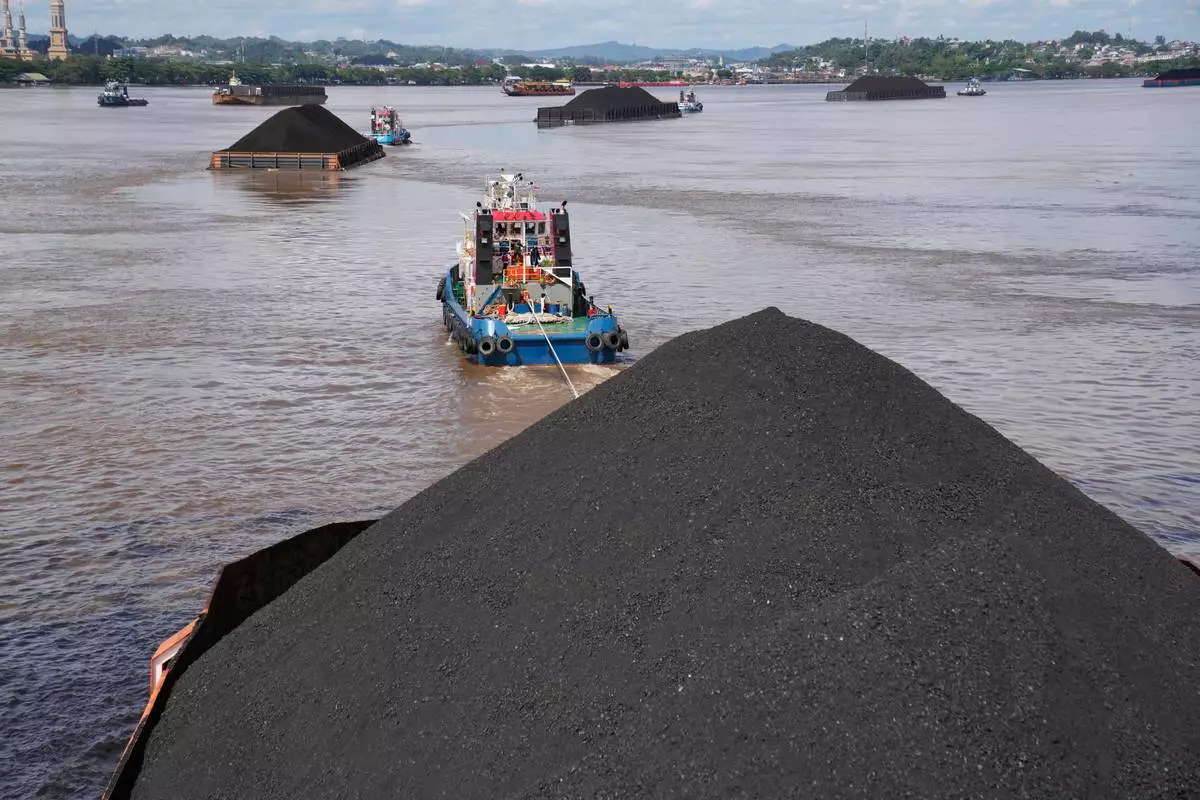
FILE - Tug boats pull barges fully loaded with coal on the Mahakam river in Samarinda, East Kalimantan, Indonesia, on Dec. 19, 2022. (AP Photo/Dita Alangkara, File)

FILE - Tug boats pull barges fully loaded with coal on the Mahakam river in Samarinda, East Kalimantan, Indonesia, on Dec. 19, 2022. (AP Photo/Dita Alangkara, File)
KHARTOUM, Sudan (AP) — It was a classic husband's phone call. He was done for the day and would stop at the market before coming home. But he was returning from war, not work.

Fahmy al-Fateh never made it home. His wife, Azaher Abdallah, started calling friends and family, then turned to his colleagues in Sudan 's army. Her husband was last seen leaving a military base in the capital, Khartoum, on a motorcycle. That was over a year ago.

Now the couple's 3-year-old son shouts at every passing motorcycle, thinking it's his father, Abdallah said.

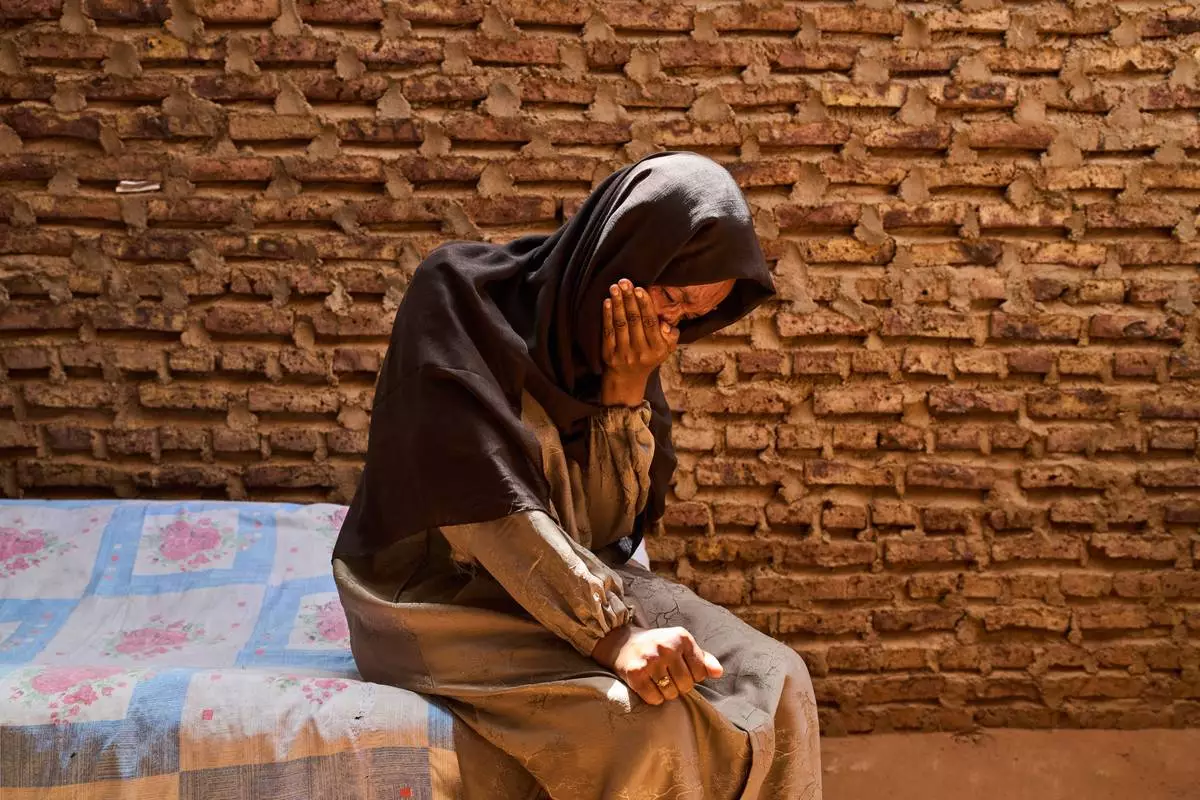
“He was the most precious thing in my life," she said, sobbing and burying her face in her hands. “I would feel more at peace if I knew something. It’s better than not knowing what happened to him, whether he's alive or dead.”

Her husband is one of more than 8,000 people who have gone missing during Sudan's three years of war, according to the International Committee of the Red Cross. The conflict has torn families apart. People have been separated while fleeing, or gone missing during fighting. Others are quietly detained, leaving friends and relatives in agony trying to learn their fate.

Many of those missing in Khartoum state are thought to be in unmarked graves where tens of thousands of bodies have been found since Sudan's army retook the capital last year from paramilitary fighters.

It was often too dangerous to bury bodies in cemeteries while fighting raged. People dug graves wherever they could.

Driving through the city last month, Associated Press reporters saw soccer fields and cemeteries overflowing with the dead. Mounds of dirt beside a defunct gas station had makeshift signs with names and dates, but many were unmarked.

A member of the military media accompanied the AP during the visit, including during interviews. The AP retains full editorial control of its content.

The ICRC said it had resolved over 1,000 cases of the missing but would not say how many were alive or dead.

Abdallah was sleeping when her husband left the house before sunrise last January. Al-Fateh, a 38-year-old farmer and merchant, had joined Sudan's army when the war began. That day, he was helping to retake Khartoum from the paramilitary Rapid Support Forces.

Since then, the 30-year-old Abdallah has combed the city, visited hospital morgues and asked the army for help. Her husband's unit said they'd try to find him. If she didn't hear anything, they said, consider him missing.

At home on the outskirts of Khartoum, she scrolls through photos of him in uniform, still believing that one day he'll return.

“That is what my heart tells me," she said.

Psychologists say the uncertainty surrounding missing loved ones can cause years of profound distress.

“Families of missing persons experience additional layers of vulnerabilities due to hostilities, displacement and ambiguous loss,” said Nathalie Nyamukeba, a psychologist with the ICRC.

Some families in Sudan say the only way to deal with it is to keep searching.

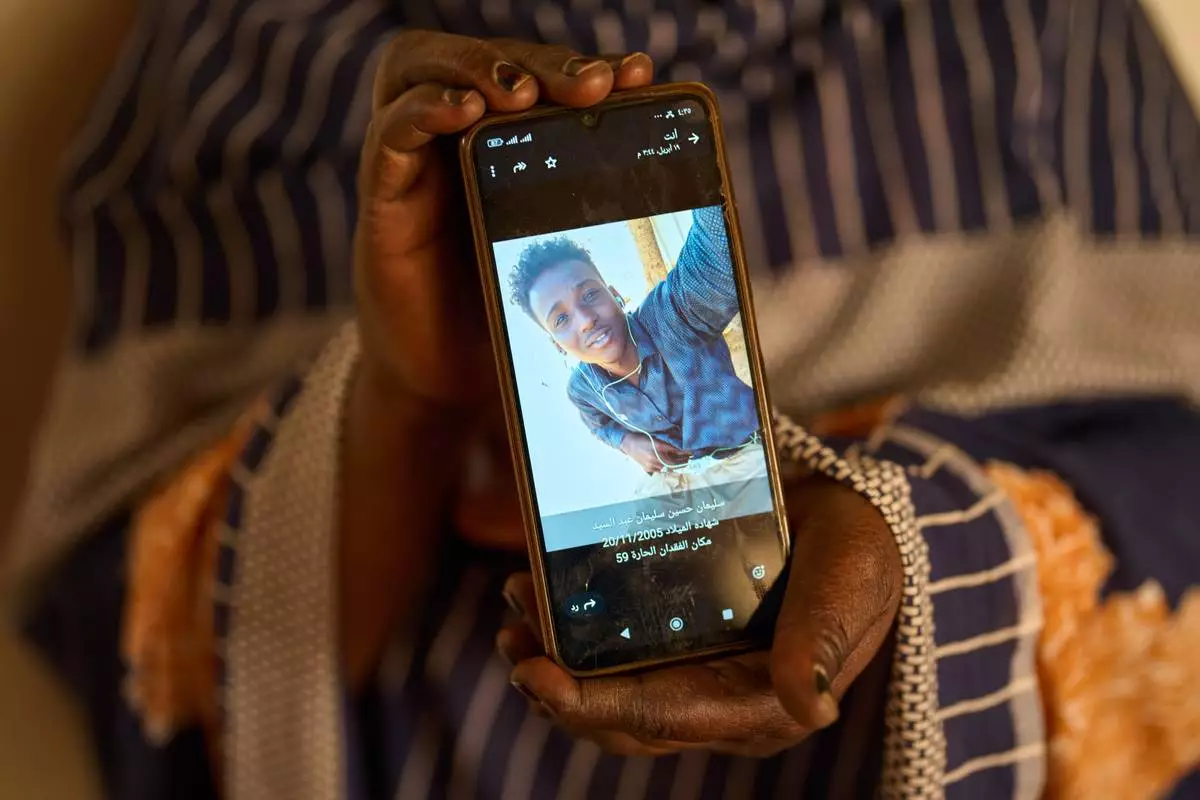
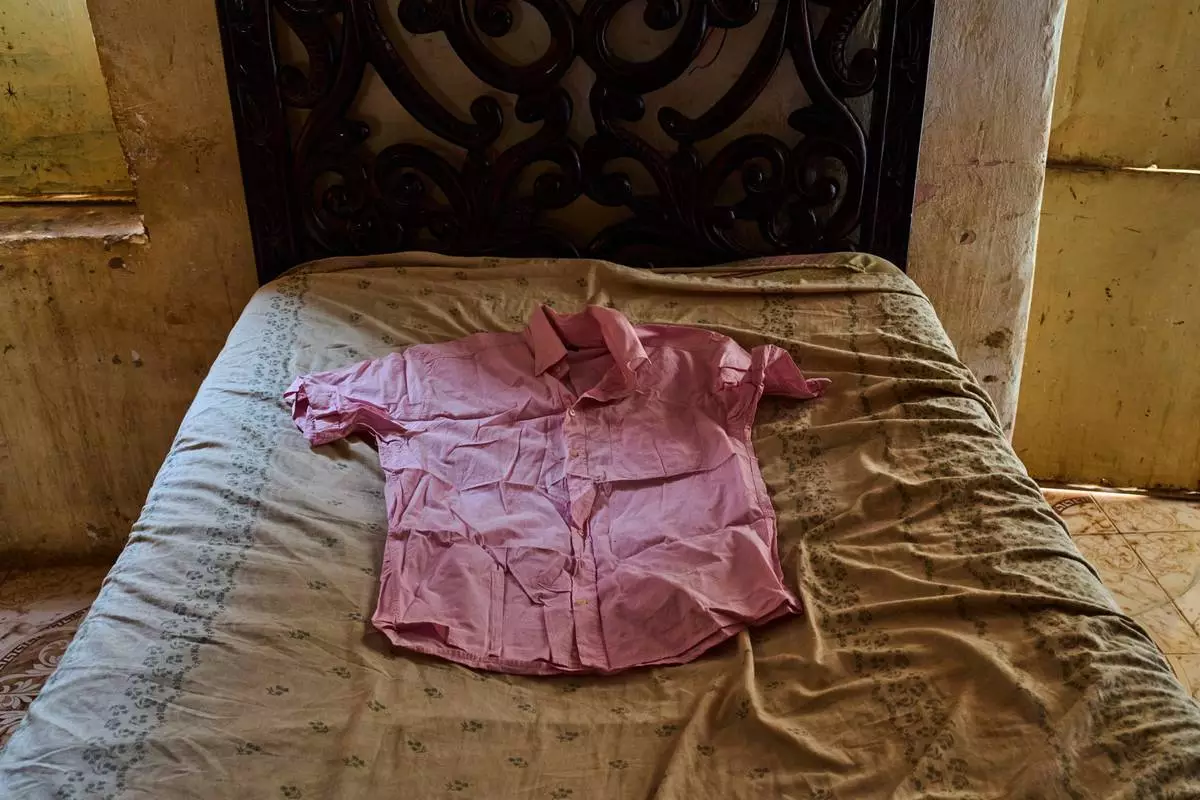
Sulafa Mustafa's son went missing two years ago. A shy boy, 18-year-old Suleiman Abdalsid went to a friend’s house near Khartoum and never came home.

His mother tirelessly traveled through the streets, even as the sounds of shelling echoed, going door to door. She has visited hospitals and prisons, and showed countless strangers his photo.

She has even rented a microphone to shout his name.

“I haven’t lost faith in finding you,” she said, and covered her face with her hands.

Finding people alive or dead is challenging in Sudan, especially as the war continues. Labs that could have been used for DNA testing have been destroyed, and few forensic specialists remain.

In Khartoum state, authorities have moved nearly 30,000 bodies — of some 50,000 — that had been hastily buried near houses, in sports fields or by the road when the RSF controlled the area. Their work continues.

About 10% of bodies that have been reburied are unidentified.

Hisham Zienalabdien, director general of the forensic medicine department for Khartoum state, said they are saving DNA from unidentified bodies in hopes of one day being able to match it with relatives.

For families who have found loved ones but can't properly bury them, there is a different kind of pain.

Abubakar Alswai waited more than a year to move his 73-year-old brother, Mohamed, from where he had been buried in front of his house into a public cemetery.

The RSF had killed Mohamed but waited three weeks before granting a neighbor permission to bury his bullet-hit and decomposing remains. In Islamic tradition, largely followed in Sudan, funerals take place as quickly as possible, ideally within 24 hours.

Alswai wiped tears from his cheeks as he watched grave diggers remove his brother's remains. At least now Mohamed will get the dignified burial he deserves, he said, and his family will have some peace.

“What happened had left a mark on my heart," he said.

For more on Africa and development: https://apnews.com/hub/africa-pulse

The Associated Press receives financial support for global health and development coverage in Africa from the Gates Foundation. The AP is solely responsible for all content. Find AP’s standards for working with philanthropies, a list of supporters and funded coverage areas at AP.org.

A shirt belonging to Suleiman Abdelsaid, who went missing in 2024 at age 18, is displayed on a bed at his family home in Omdurman, Sudan, Tuesday, April 21, 2026. (AP Photo/Bernat Armangue)

A shirt belonging to Suleiman Abdelsaid, who went missing in 2024 at age 18, is displayed on a bed at his family home in Omdurman, Sudan, Tuesday, April 21, 2026. (AP Photo/Bernat Armangue)

Azaher Abdallah, who has been searching for her husband, Fahani Al Fateh, for over a year, becomes emotional during an interview with The Associated Press in Omdurman, Sudan, Sunday, April 19, 2026. (AP Photo/Bernat Armangue)

Azaher Abdallah, who has been searching for her husband, Fahani Al Fateh, for over a year, becomes emotional during an interview with The Associated Press in Omdurman, Sudan, Sunday, April 19, 2026. (AP Photo/Bernat Armangue)

Sulafa Mustafa shows a photograph of her missing son, Suleiman Abdelsaid, in Omdurman, Sudan, Tuesday, April 21, 2026. (AP Photo/Bernat Armangue)

Sulafa Mustafa shows a photograph of her missing son, Suleiman Abdelsaid, in Omdurman, Sudan, Tuesday, April 21, 2026. (AP Photo/Bernat Armangue)

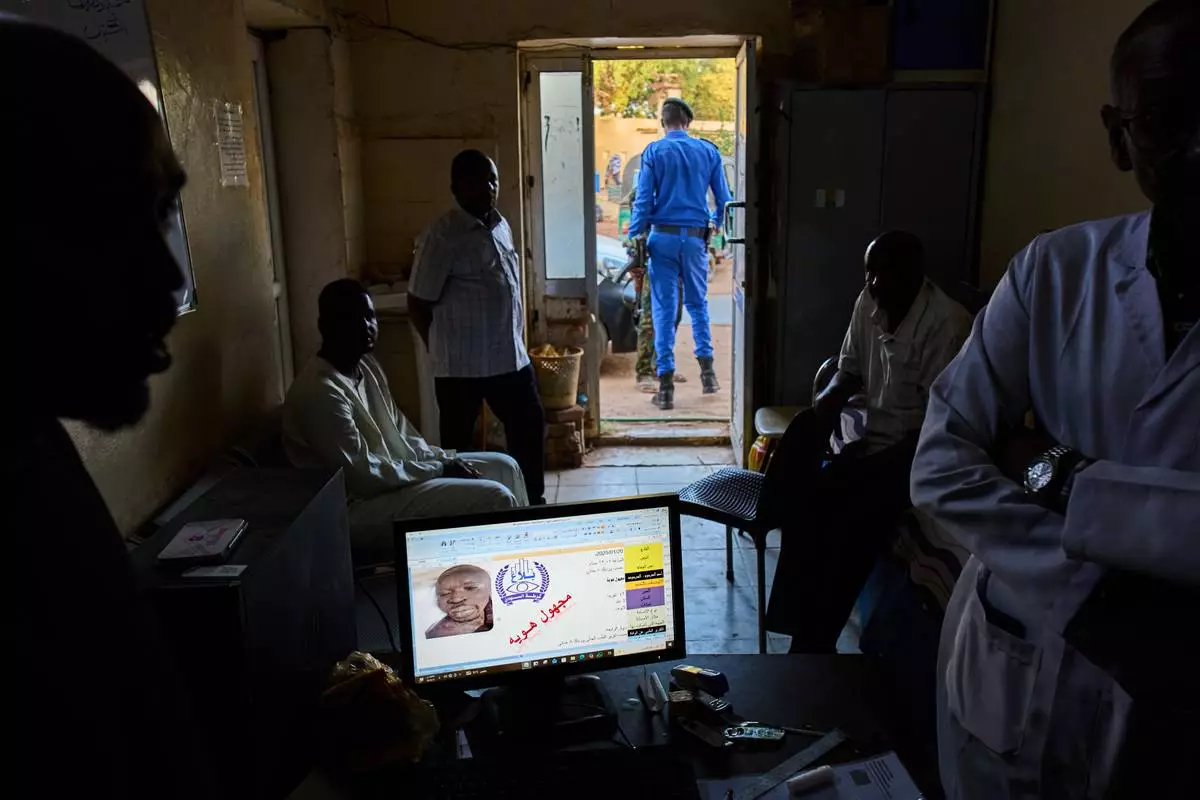
A computer screen displays a record of an unidentified body in the missing persons database at Al Nao Hospital in Omdurman, Sudan, Saturday, April 18, 2026. (AP Photo/Bernat Armangue)

A computer screen displays a record of an unidentified body in the missing persons database at Al Nao Hospital in Omdurman, Sudan, Saturday, April 18, 2026. (AP Photo/Bernat Armangue)

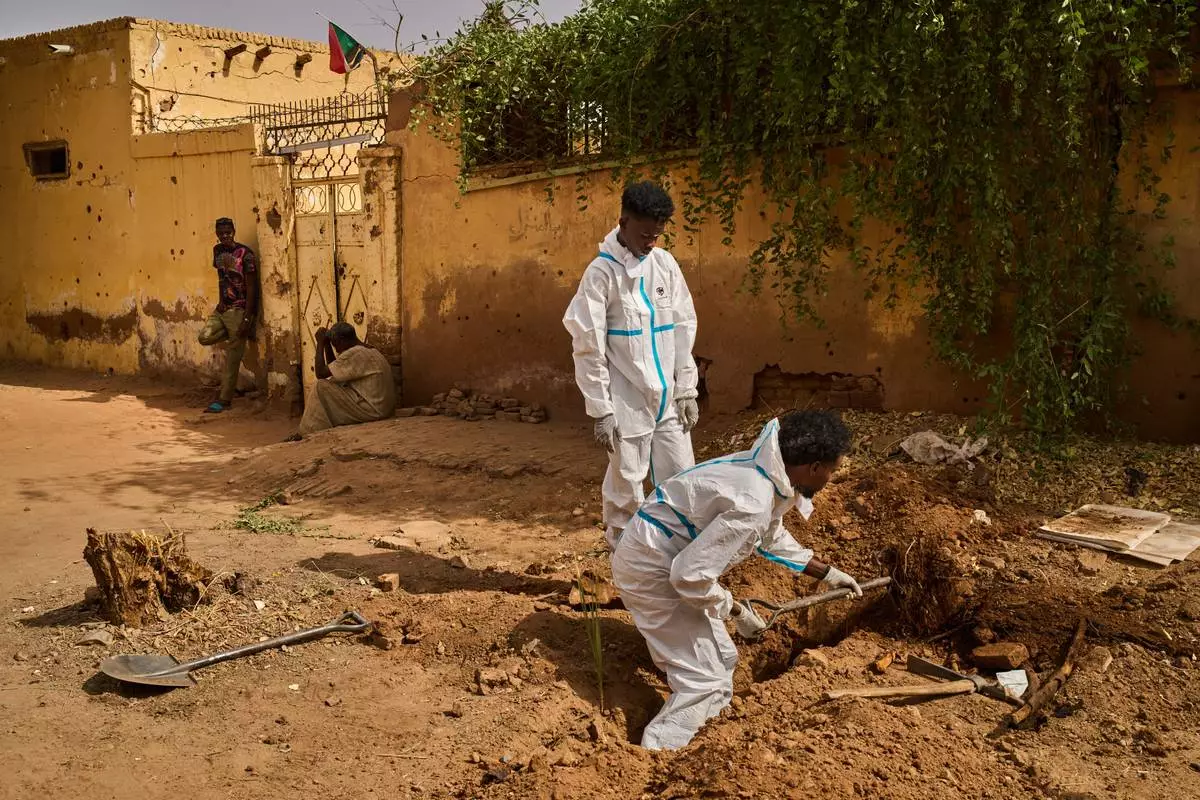
Staff from Sudan's Forensic Medicine Corporation exhume the body of Mohammed Alsawi, 73, who was killed in 2023 by the paramilitary Rapid Support Forces, or RSF, in Omdurman, Sudan, Monday, April 20, 2026. (AP Photo/Bernat Armangue)

Staff from Sudan's Forensic Medicine Corporation exhume the body of Mohammed Alsawi, 73, who was killed in 2023 by the paramilitary Rapid Support Forces, or RSF, in Omdurman, Sudan, Monday, April 20, 2026. (AP Photo/Bernat Armangue)

Recommended Articles