Khaled El-Enany, director-general of the United Nations Educational, Scientific and Cultural Organization (UNESCO), praised China's strides in digital education and artificial intelligence (AI) while stressing the need for a human-centered and ethical approach to AI.
The UNESCO chief visited China last week. This was his first visit to China since he was elected in November 2025.
During an interview with China Media Group (CMG) that aired on Friday, he said China's experience in using AI and other smart technologies to improve education is worth learning from.
"I think the whole world needs to learn from the Chinese experience and the exceptional progress that your country made during the last few years on digital education and the use of AI, [particularly] the smart education platform of China that allowed hundreds of millions of children around the world to have access to education," said El-Enany.
While affirming that technologies make education more accessible, he stressed the need to avoid its harmful risks of AI and called for ethical balance.
"We all agreed that AI will have a very positive impact on education. It will make education more accessible, more attractive, more tailored to children, to regions. But in the same time, we need to avoid the harmful part of AI and to make it inclusive and ethical. It will never replace the teachers, but it can help the teachers to acquire more skills. And this is the equilibrium that we need to reach," he said.
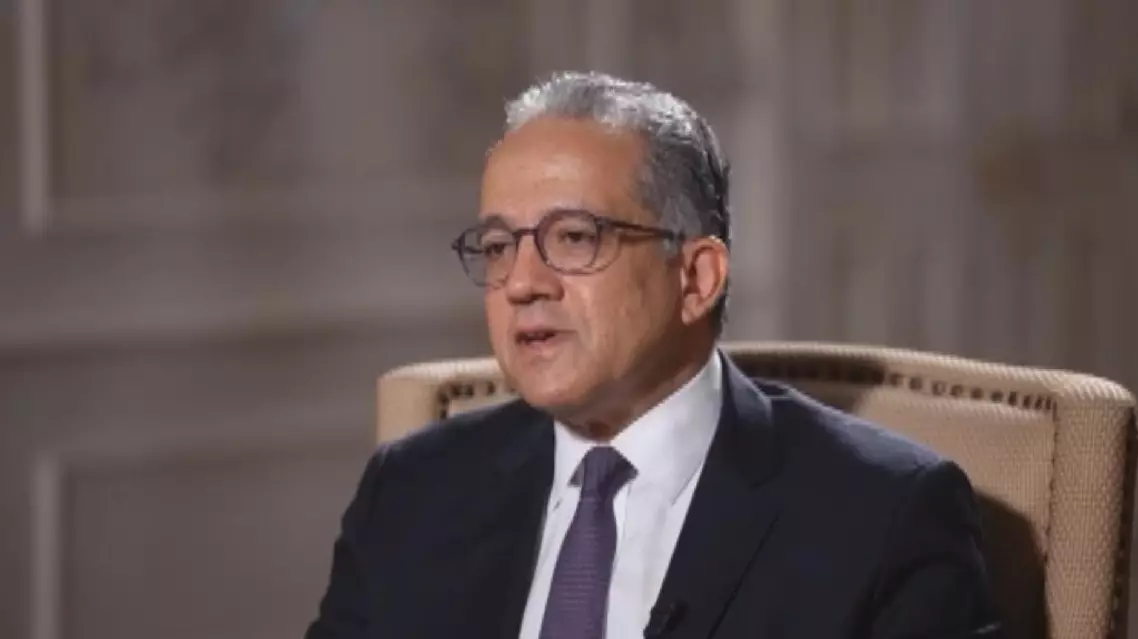
UNESCO chief praises China’s progress in integrating AI, digital tech into education