Japan's economy is facing mounting challenges as uncertainty surrounding international crude oil and petroleum product supplies continues to weigh on an already strained economic landscape, said a Japanese expert on Thursday in Tokyo.
Mitsunami Kohei, Associate Professor at Teikyo University's Department of Business Administration, noted that Japan's domestic crude oil supply situation remains severe.
Despite the Japanese government's efforts to ease market pressure through the release of national petroleum reserves, the impact has been limited. Driven by market risk-aversion, Japanese enterprises are experiencing persistently rising production and logistics costs, while commodity markets face significant supply pressure, he added.
"If the market believes this situation will continue, then enterprises will increase inventory in advance out of concern for the future. Additionally, marine insurance premiums continue to rise. Enterprises feel uneasy about future uncertainty. I believe this is the main characteristic of the current situation," he said.
The Strait of Hormuz has yet to show any signs of reopening to shipping traffic, while Japan's domestic crude oil supply remains heavily dependent on the Middle East region.
In an effort to stabilize domestic fuel prices and alleviate living cost pressures on households, the Japanese government has reinstated fuel subsidy policies.
However, Mitsunami pointed out that this stabilization measure carries distinct limitations and is unlikely to resolve the crisis at its root.
"If gasoline subsidies are removed, ordinary households' daily fuel expenditures will rise. As a result, residents may reduce other consumption expenditures, thereby leading to an overall weakening of consumption, further compressing domestic demand, and bringing downward pressure on the economy. On the other hand, if hundreds of billions of yen in subsidies are invested every month on a sustained basis, this will likely place considerable pressure on Japan's public finances in the long term," he said.
The professor also highlighted the broader industrial impact of the current international situation. The supply of naphtha, a critical industrial raw material, has fallen into a state of uncertainty. This has placed simultaneous pressure on both the supply and demand sides of downstream industries that rely on naphtha as a core input, including plastic products and printing ink manufacturing.
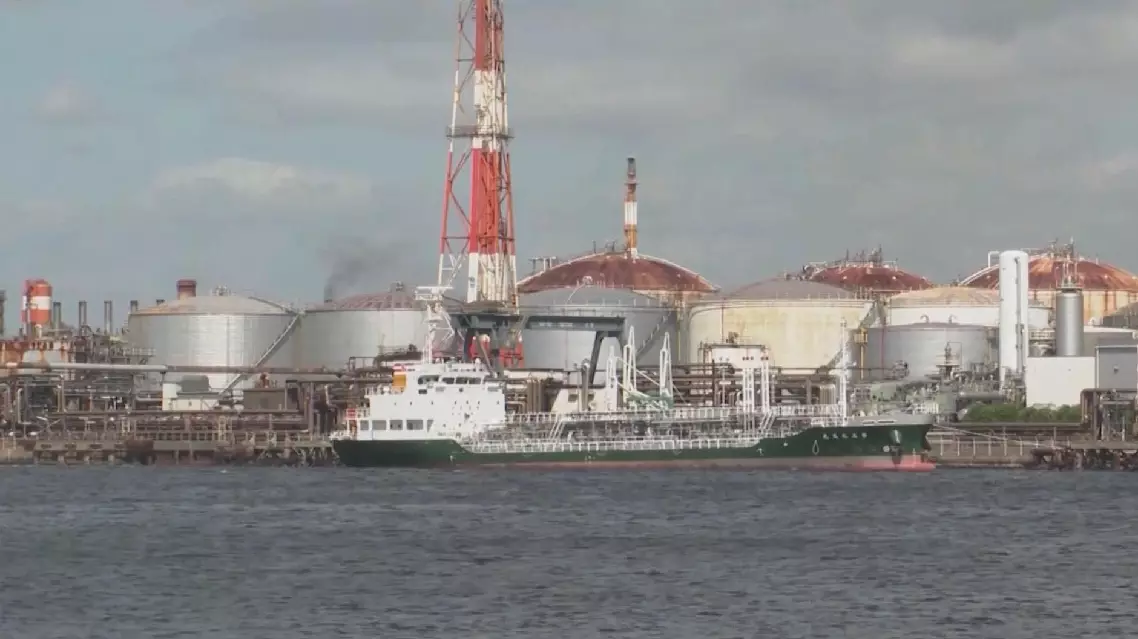
Japan's economy strained by oil supply uncertainty: expert