Chief Executive John Lee will lead a trade mission to Kazakhstan and Uzbekistan in June, courting openings beyond traditional markets, while Hong Kong Trade Development Council (HKTDC) Chairman Frederick Ma is optimistic the visit will deliver.
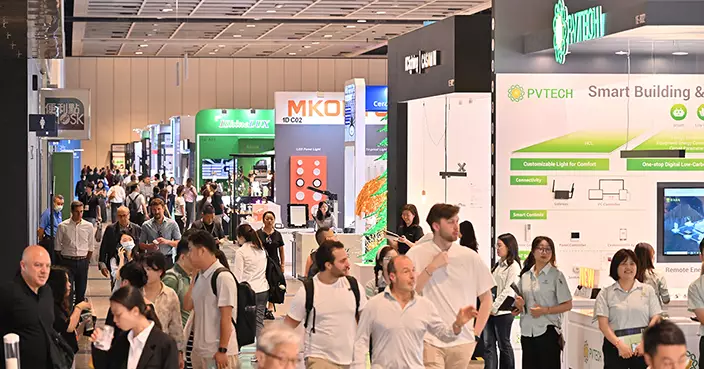
Global connection: The HKTDC currently has offices in 51 locations across multiple countries, maintaining close ties with the political and business sectors in these areas to identify business opportunities for Mainland and Hong Kong enterprises. Image source: www.news.gov.hk
Kazakhstan stands as Central Asia’s most developed economy and regional powerhouse, boasting an impressive gross domestic product that soared past US$300 billion in 2025.
Click to Gallery
Global connection: The HKTDC currently has offices in 51 locations across multiple countries, maintaining close ties with the political and business sectors in these areas to identify business opportunities for Mainland and Hong Kong enterprises. Image source: www.news.gov.hk
Hong Kong taps Central Asia growth. Image source: www.news.gov.hk
Hong Kong taps Central Asia growth. Image source: www.news.gov.hk
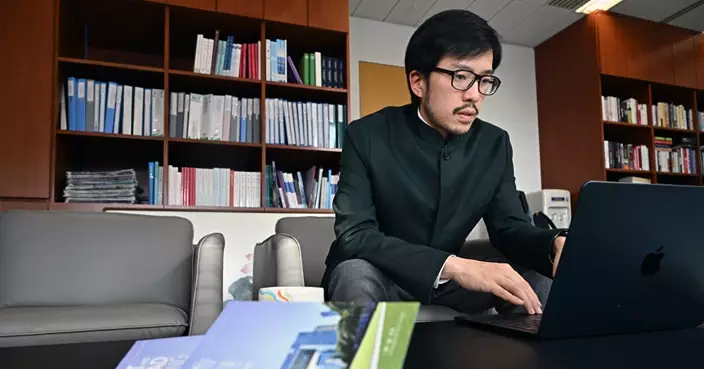
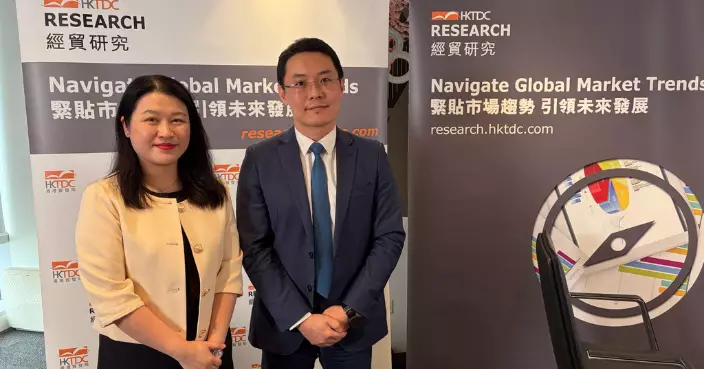
Beneficial trip: Hong Kong Trade Development Council (HKTDC) Chairman Frederick Ma says the Chief Executive’s delegation can boost financial co-operation between Hong Kong and Kazakhstan, while Hong Kong and Mainland companies can go global together to explore this emerging market. Image source: www.news.gov.hk
Leading the region in both economic output and purchasing power, Kazakhstan serves as a vital business and logistics hub bridging China and Europe.
In this diverse nation, Kazakh and Russian are the predominant languages, while Islam and Christianity represent the major religions.
Meanwhile, Uzbekistan claims the title of the region’s most populous country, strategically positioned at the heart of Central Asia and sharing borders with all its neighbouring nations.
With a storied past as a crucial segment of the ancient Silk Road trade routes, Uzbekistan has cultivated an environment ideal for stable economic growth, consistently achieving over 5% growth each year.
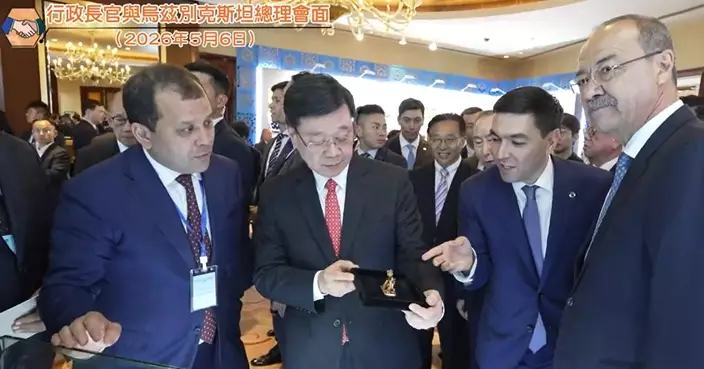
Hong Kong taps Central Asia growth. Image source: www.news.gov.hk
The growth trajectory positions Uzbekistan as a prime entry point for businesses eager to tap into the expansive Central Asian market.
A delegation led by Chief Executive John Lee will visit both countries in June.
Booming economy
HKTDC Chairman Frederick Ma said the trip will be highly beneficial, with a broad cross‑sector delegation expected to drive deals.
Kazakhstan is Hong Kong’s largest trading partner and a key export market in Central Asia. Hong Kong’s investment there is substantial; as of January 2026, Hong Kong ranked fourth among Asian net investors. Financial links are deepening, with the first dual listing last year spanning Hong Kong and Kazakhstan.
Kazakhstan is also rolling out large-scale data centre projects, aiming to be the region’s leading digital hub. Mr Ma and his colleagues expect Mainland technology, especially artificial intelligence (AI) firms to see strong outbound opportunities via Hong Kong into this emerging market.
HKTDC Director of Research Bruce Pang explained Hong Kong can provide financial and professional services. As companies build AI platforms and lean on data centres, he noted, fundraising and financing become pivotal - and that is where Hong Kong can step in with solutions.
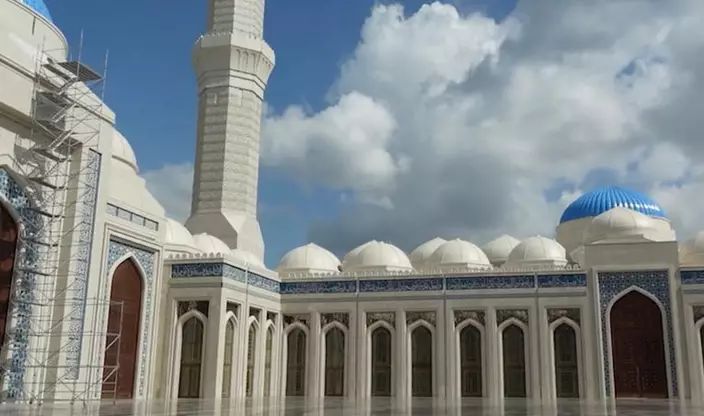
Hong Kong taps Central Asia growth. Image source: www.news.gov.hk
Embracing transformation
In Uzbekistan, a nation with a population exceeding 38 million, abundant resources such as gold and cotton bolster its growth prospects. The country has made significant strides in enhancing its investment climate, gradually liberalising its foreign exchange market.
Moreover, Uzbekistan has streamlined customs and trade procedures, embraced digital transformation, and improved its legal and institutional frameworks. The HKTDC identifies substantial potential in Uzbekistan's infrastructure and logistics sectors, alongside opportunities for trade co-operation.
“Hong Kong firms can seize a first‑mover advantage by setting up or partnering with factories in Uzbekistan to develop products on the ground. Tashkent’s push to build a ‘Made in Uzbekistan’ brand can give Hong Kong companies a springboard into Central Asia and ultimately, European markets,” HKTDC Principal Economist Alice Tsang said.
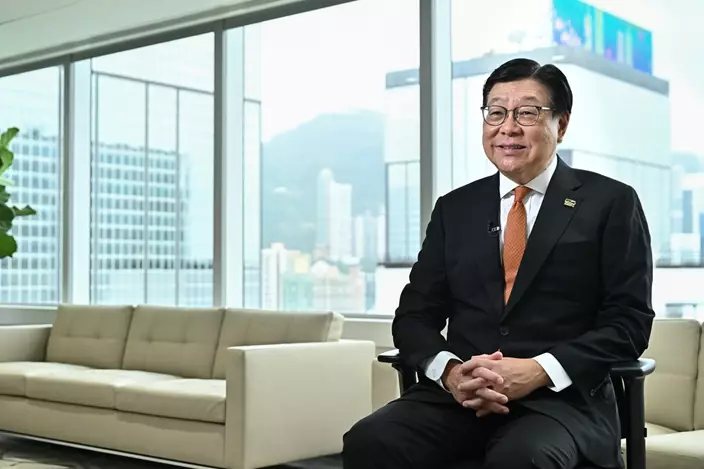
Beneficial trip: Hong Kong Trade Development Council (HKTDC) Chairman Frederick Ma says the Chief Executive’s delegation can boost financial co-operation between Hong Kong and Kazakhstan, while Hong Kong and Mainland companies can go global together to explore this emerging market. Image source: www.news.gov.hk
With the Mainland as Uzbekistan’s largest trading partner, accounting for over 20% of its total foreign trade turnover, and Kazakhstan as the Mainland’s economic anchor in Central Asia, closing 2025 with bilateral trade volume of US$48.8 billion, accounting for 46% of the Mainland’s trade turnover with the region, the HKTDC noted Central Asia’s appeal to Mainland capital is rising, signalling stronger demand for Hong Kong’s financial and professional services, from cross‑border financing and wealth management to legal and compliance, positioning the city as a key intermediary.
Hong Kong Science and Technology Parks Corporation (HKSTP),in collaboration with InvestHK as co-organiser, the Hong Kong Trade Development Council (HKTDC) as supporting organisation, and five renowned local universities - The University of Hong Kong, The Chinese University of Hong Kong, The Hong Kong University of Science and Technology, The Hong Kong Polytechnic University and City University of Hong Kong - to form the city’s largest-ever delegation of life and health technology innovators to the BIO International Convention 2026 (BIO 2026) in San Diego, from June 22 to 25.
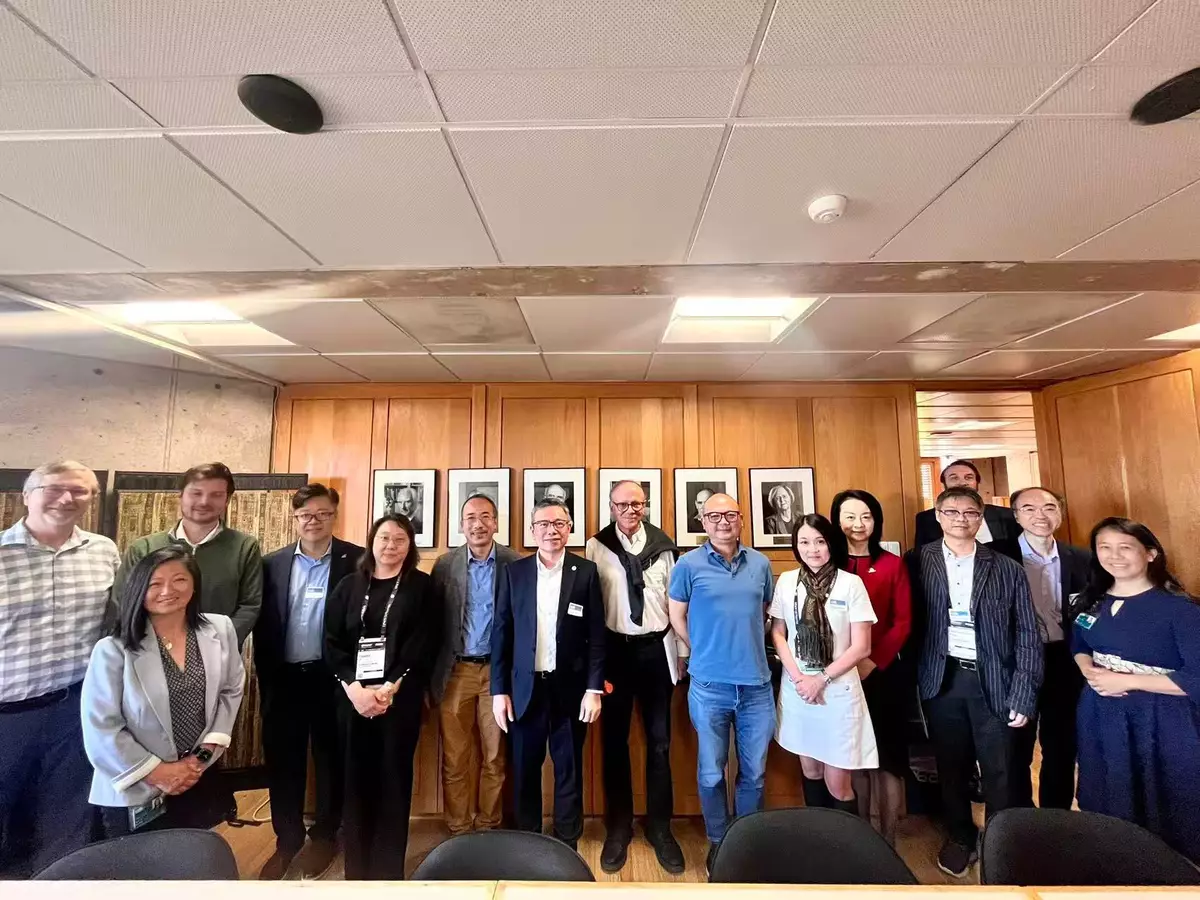
HKSTP CEO Terry Wong (6th from left back row in photo 6 and 4th from right in photo 7) and five Hong Kong university delegates visited the Salk Institute, home to six Nobel Laureates during BIO 2026 to explore partnerships and shape global biotech momentum through collaborative platforms.
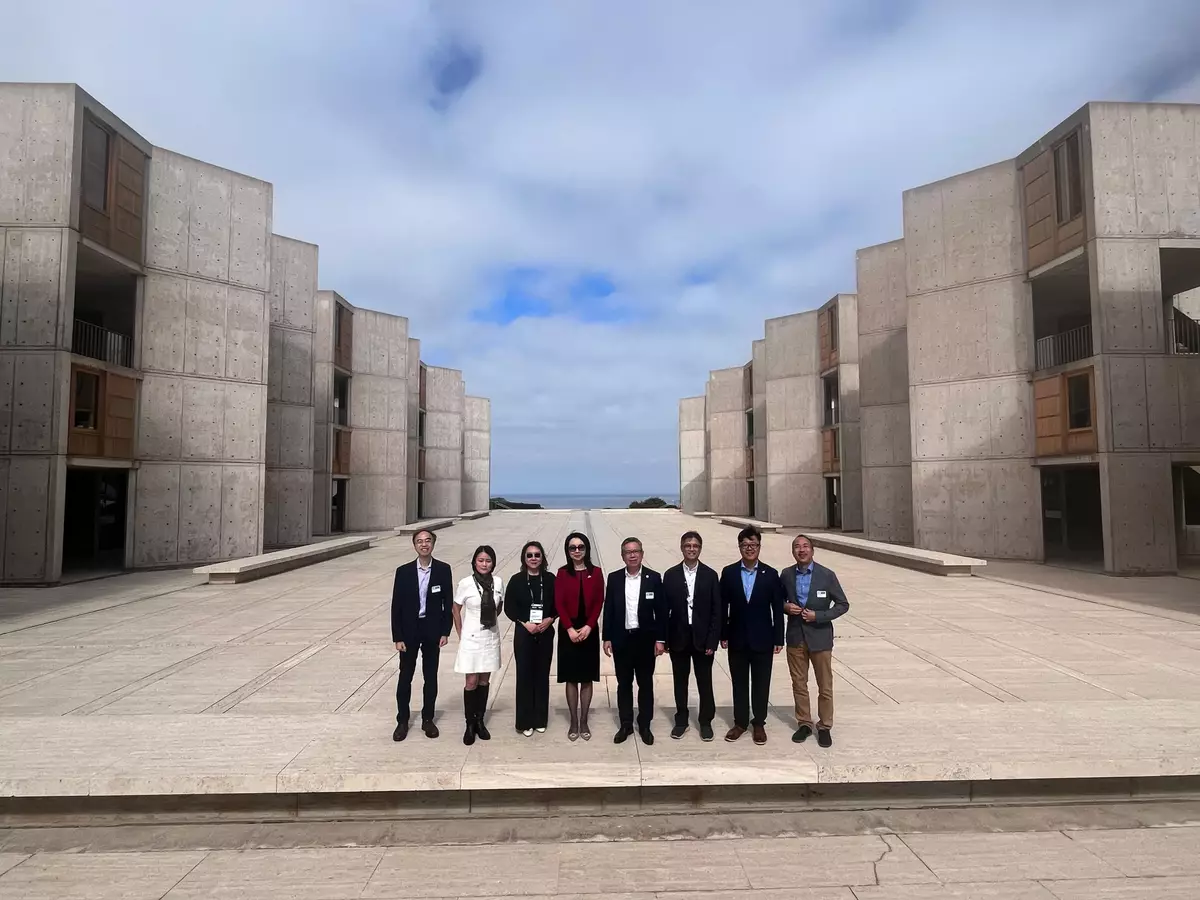
HKSTP CEO Terry Wong (6th from left back row in photo 6 and 4th from right in photo 7) and five Hong Kong university delegates visited the Salk Institute, home to six Nobel Laureates during BIO 2026 to explore partnerships and shape global biotech momentum through collaborative platforms.
Building on last year’s momentum, the 2026 Hong Kong delegation doubled the size of the Hong Kong Pavilion, expanding to a record of 41 organisations from HKSTP, including partner companies, research institutes, and for the first time with top five universities spin-offs. This landmark presence showcased Hong Kong’s deep strength across AI-enabled biotech, therapeutics, diagnostics, and pharma innovation, with potential outstanding "First-in-Class" and "Best-in-Class" assets. The delegation underscores the city’s leading role as Asia’s largest and the world’s second largest fundraising hub for the biotechnology sector.
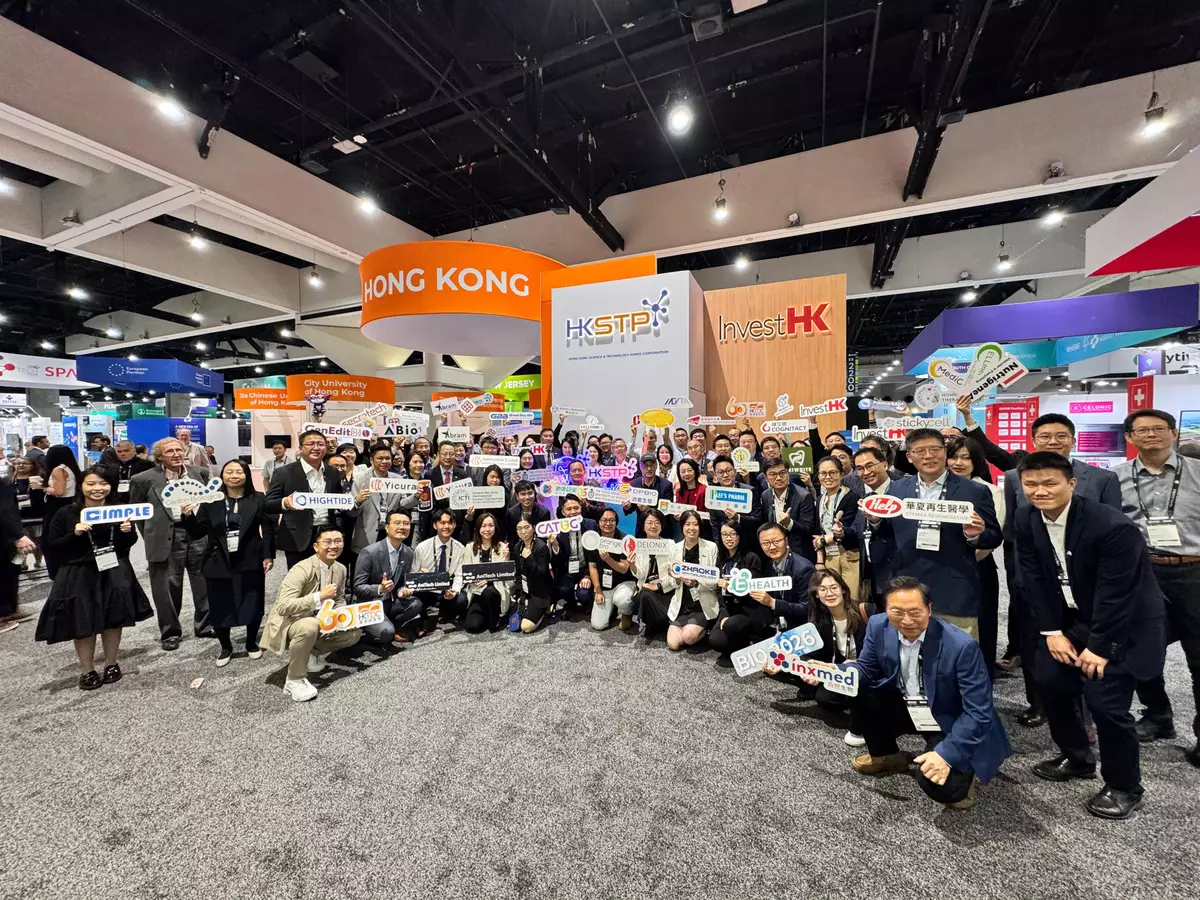
In collaboration with InvestHK and HKTDC, HKSTP led a delegation of 41 park companies,institutes and spin-offs from five renowned local universities to showcase the Hong Kong’s life and health technology innovations at BIO 2026 in San Diego.
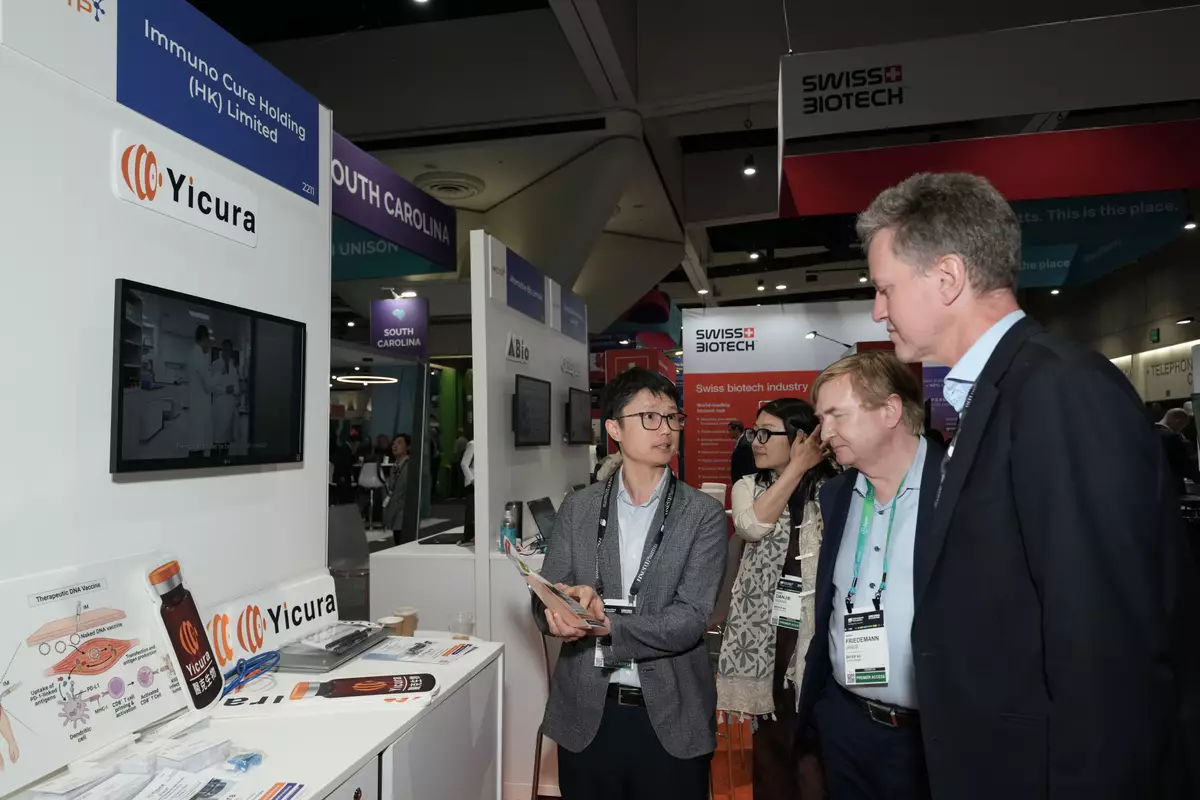
IIn collaboration with InvestHK and HKTDC, HKSTP led a delegation of 41 park companies,institutes and spin-offs from five renowned local universities to showcase the Hong Kong’s life and health technology innovations at BIO 2026 in San Diego.
Mr. Terry Wong, CEO of HKSTP, said, “BIO 2026 is a premier platform to showcase Hong Kong’s groundbreaking innovation, deepen partnerships, and open new pathways into global healthcare markets. As a super-connector, Hong Kong is uniquely positioned to bridge global innovators with opportunities across Asia and beyond. With strong R&D capabilities backed by world-class universities—five ranked among the QS Top 100, including two with medical schools now placed in the global top 20—Hong Kong’s biotech and medical research excellence is increasingly recognised worldwide. As the city’s innovation ecosystem orchestrator, HKSTP brings together talent, capital, research institutions, clinical partners, and industry leaders to accelerate the journey from discovery to impact. We will continue to empower life and health technology ventures, translating innovation breakthroughs into life-changing solutions that benefit communities around the world.”
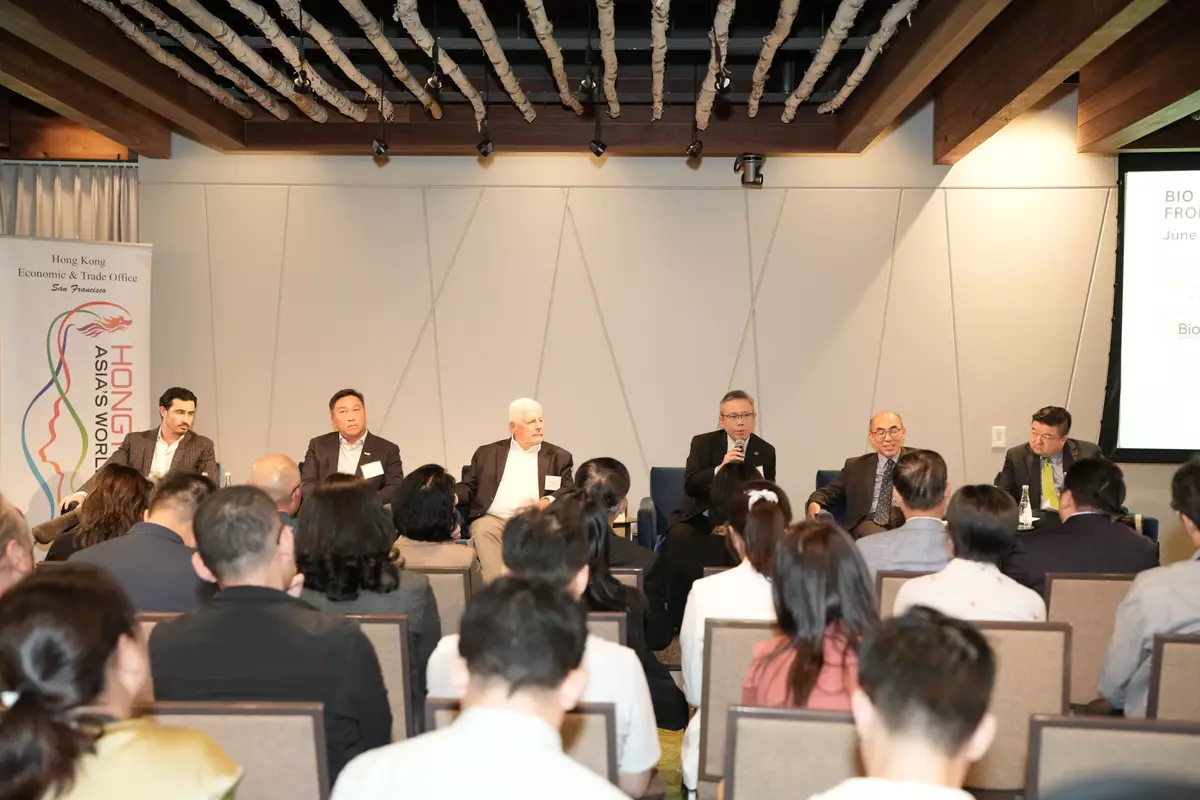
Terry Wong, CEO of HKSTP (3rd from right), introduced Hong Kong’s vibrant life and health technology ecosystem to local partners and investors at the fireside chat moderated by Director of HKETO, D.C. Cheung (2nd from right) during the “Bio Nexus HK: From Showcase to Partnership” event organised by the Hong Kong Economic and Trade Office in San Francisco (HKETO San Francisco) and HKTDC. Other speakers included: Joe Panetta, President Emeritus of Biocom (3rd from left); Andy Wong, Head of Innovation & Technology and Life & Health Sciences of InvestHK (2nd from left); Byron Lee, Associate Director, Service Promotion of HKTDC (1st from right); and Lucas Coleman, Director of World Trade Center San Diego (1st from left).
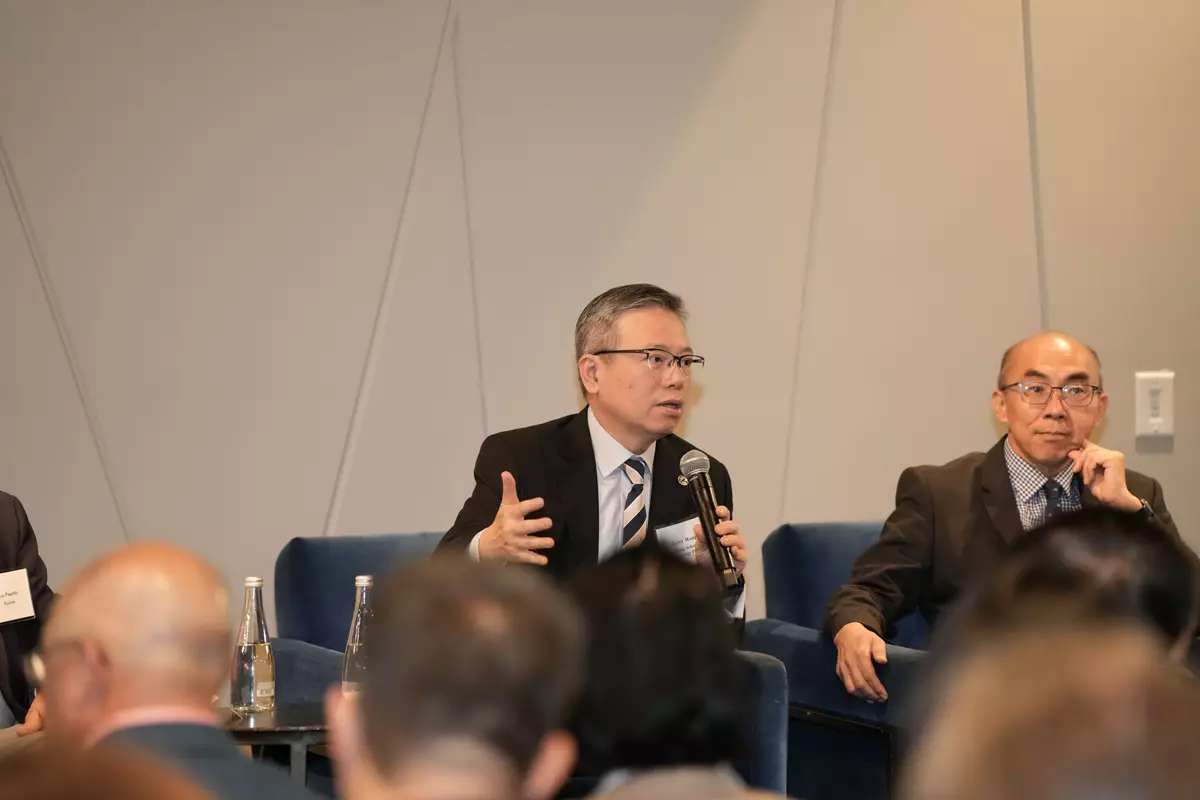
Terry Wong, CEO of HKSTP (3rd from right), introduced Hong Kong’s vibrant life and health technology ecosystem to local partners and investors at the fireside chat moderated by Director of HKETO, D.C. Cheung (2nd from right) during the “Bio Nexus HK: From Showcase to Partnership” event organised by the Hong Kong Economic and Trade Office in San Francisco (HKETO San Francisco) and HKTDC. Other speakers included: Joe Panetta, President Emeritus of Biocom (3rd from left); Andy Wong, Head of Innovation & Technology and Life & Health Sciences of InvestHK (2nd from left); Byron Lee, Associate Director, Service Promotion of HKTDC (1st from right); and Lucas Coleman, Director of World Trade Center San Diego (1st from left).
HKSTP and Park Companies Advanced in Cross-border Innovation and Market Expansion
A key highlight of BIO 2026 is witnessing the signing of three major strategic partnerships:
• LabCentral -- HKSTP signed an MOU with one of the largest global non-profit biotech incubators, supporting life sciences startups with high-impact lab infrastructure and scientific community programmes. The collaboration will deepen ties between the U.S. and Hong Kong life sciences ecosystems through startup support, ecosystem engagement, and co-developed programmes, events and strategic initiatives. It will also help connect startups, investors, corporate partners and research institutions, creating stronger pathways for cross-border innovation and commercialisation.
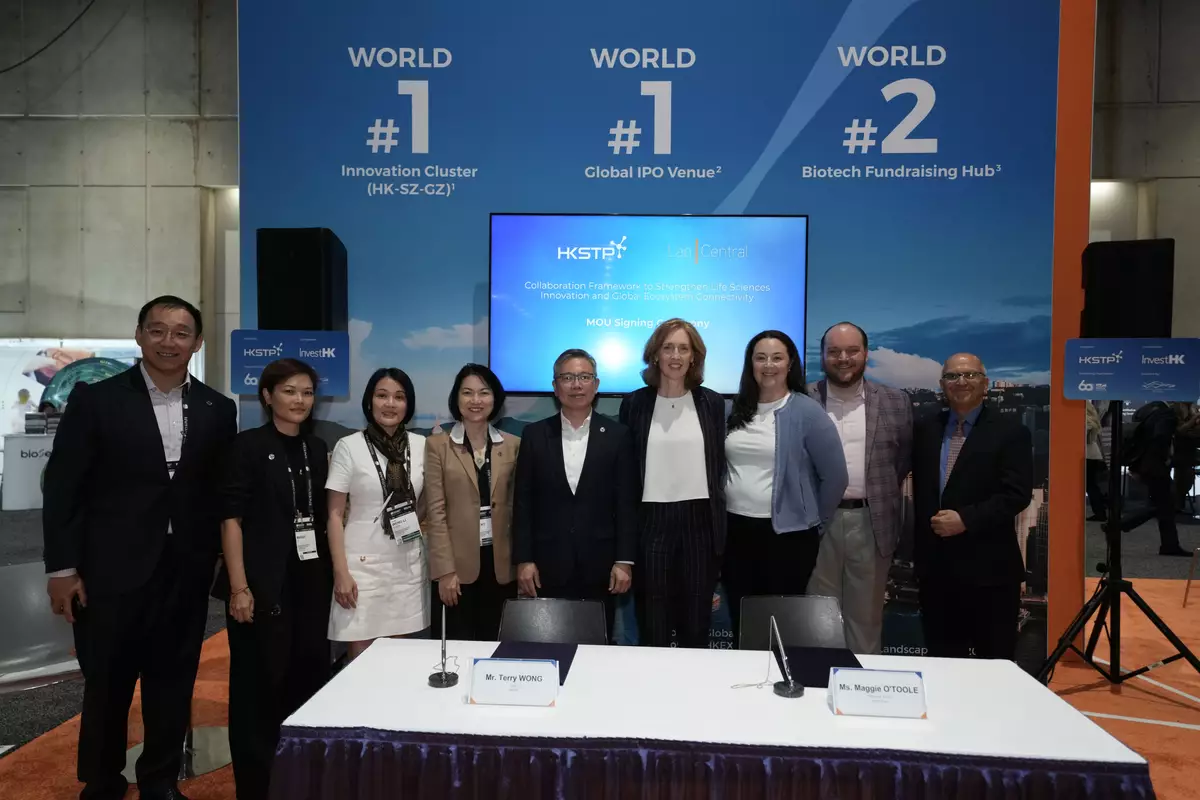
HKSTP and LabCentral signed an MoU at BIO 2026 to strengthen ties and foster cross-border collaboration in life sciences ecosystem in both regions.
• Immuno Cure – the developer of the first-in-human novel therapeutic HIV vaccine ICVAX – announced its collaboration with OPIS, an international Contract Research Organization (CRO), at BIO 2026. Leveraging OPIS's full-service, multi-country clinical trial expertise and regulatory knowledge, the partnership will support overseas clinical trial execution and establish a global framework to prepare for international expansion.
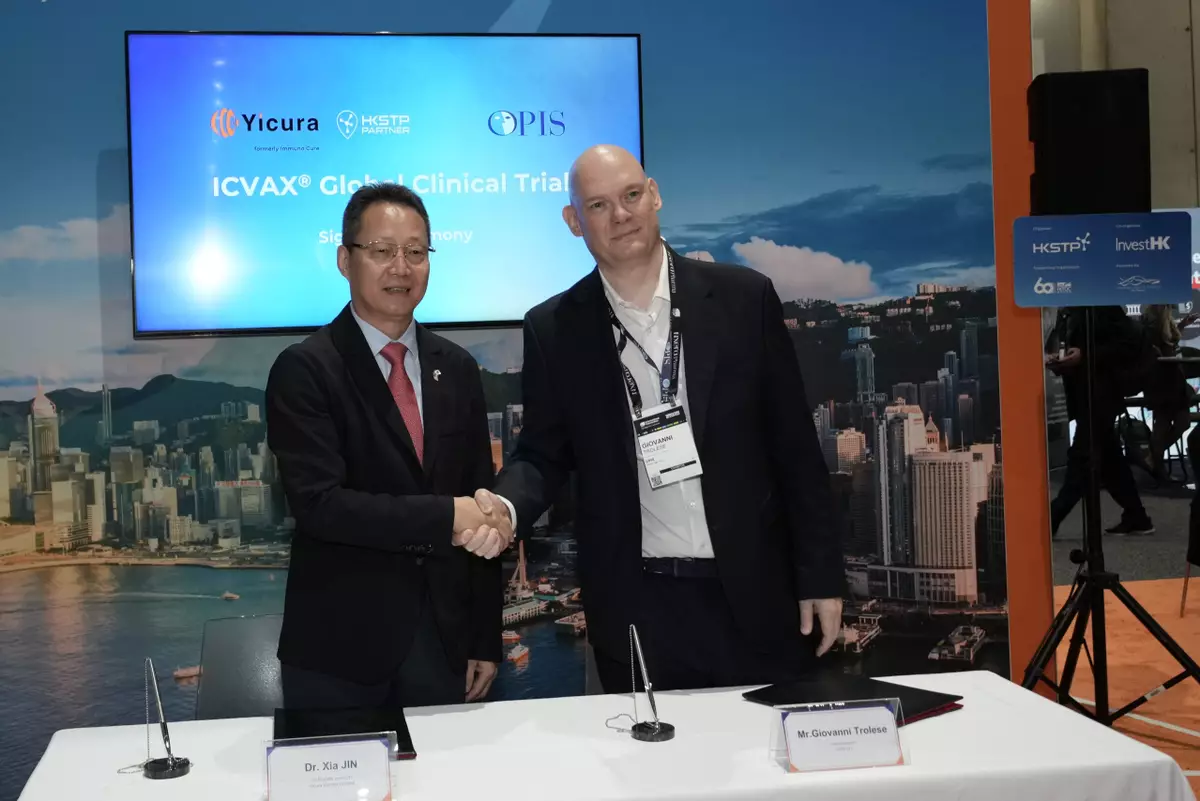
Immuno Cure – the developer of the first-in-human novel therapeutic HIV vaccine ICVAX –announced its collaboration with OPIS, an international Contract Research Organization (CRO), at BIO 2026
• Zhaoke Ophthalmology signed an MOU with Laboratório Teuto, the first company to produce generic medicines and OTCs (Over the Counter – Prescription Exempt Medicines) in Brazil, to explore cross-border cooperation in ophthalmology. This is Zhaoke's first strategic MOU in Brazil market. Leveraging its innovative pipeline and Teuto's commercial network in Brazil, the partnership aims to bring advanced eye care treatments to Latin American patients while demonstrating the globalisation of Hong Kong-born biotech innovation.
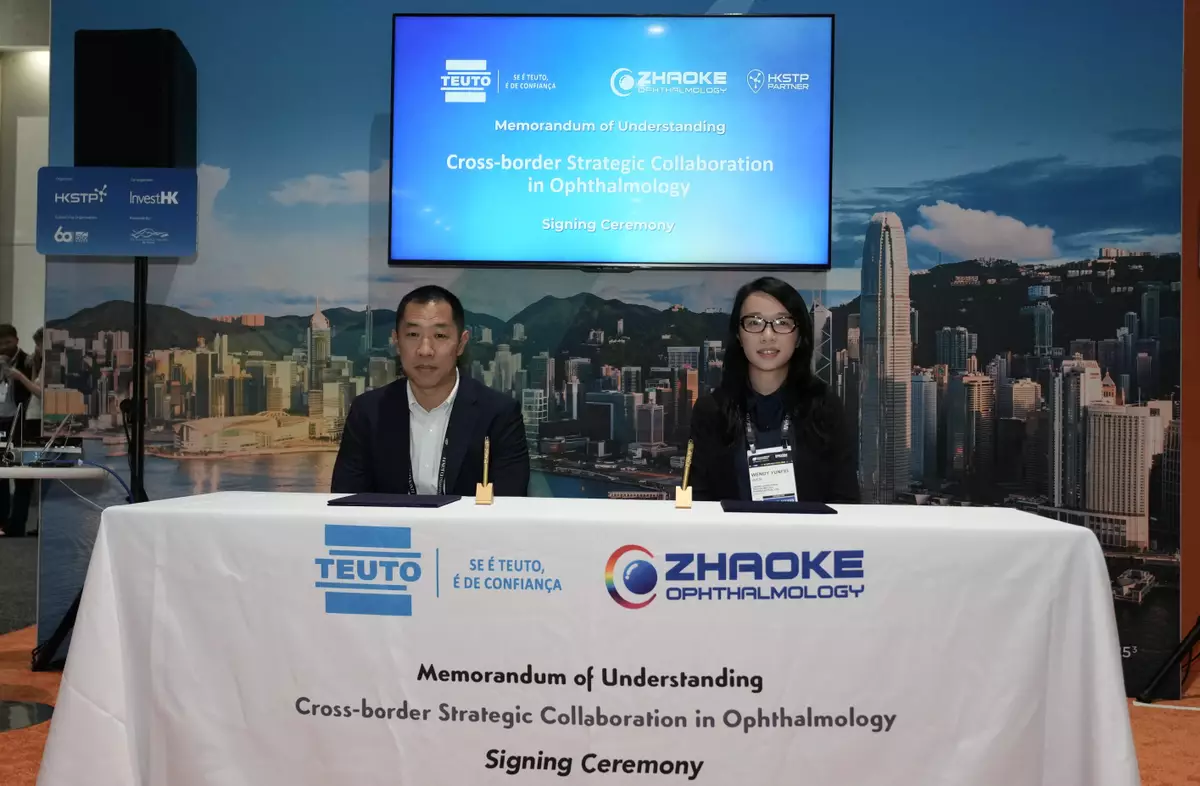
Zhaoke Ophthalmology signed an MOU with Laboratório Teuto to explore cross-border cooperation in ophthalmology.
Beyond the BIO 2026 Hong Kong Pavilion, HKSTP CEO Mr Terry Wong attended the "Translating Innovation Across Borders: Creating Global Gateways for Biotech Startups" panel sharing session. Mr. Wong shared his insights on cutting-edge biotech trends, Hong Kong’s strengths on life and health tech development, and HKSTP’s role in building a global bridge for nurturing global startup expansion, sustainable innovation and collaboration.
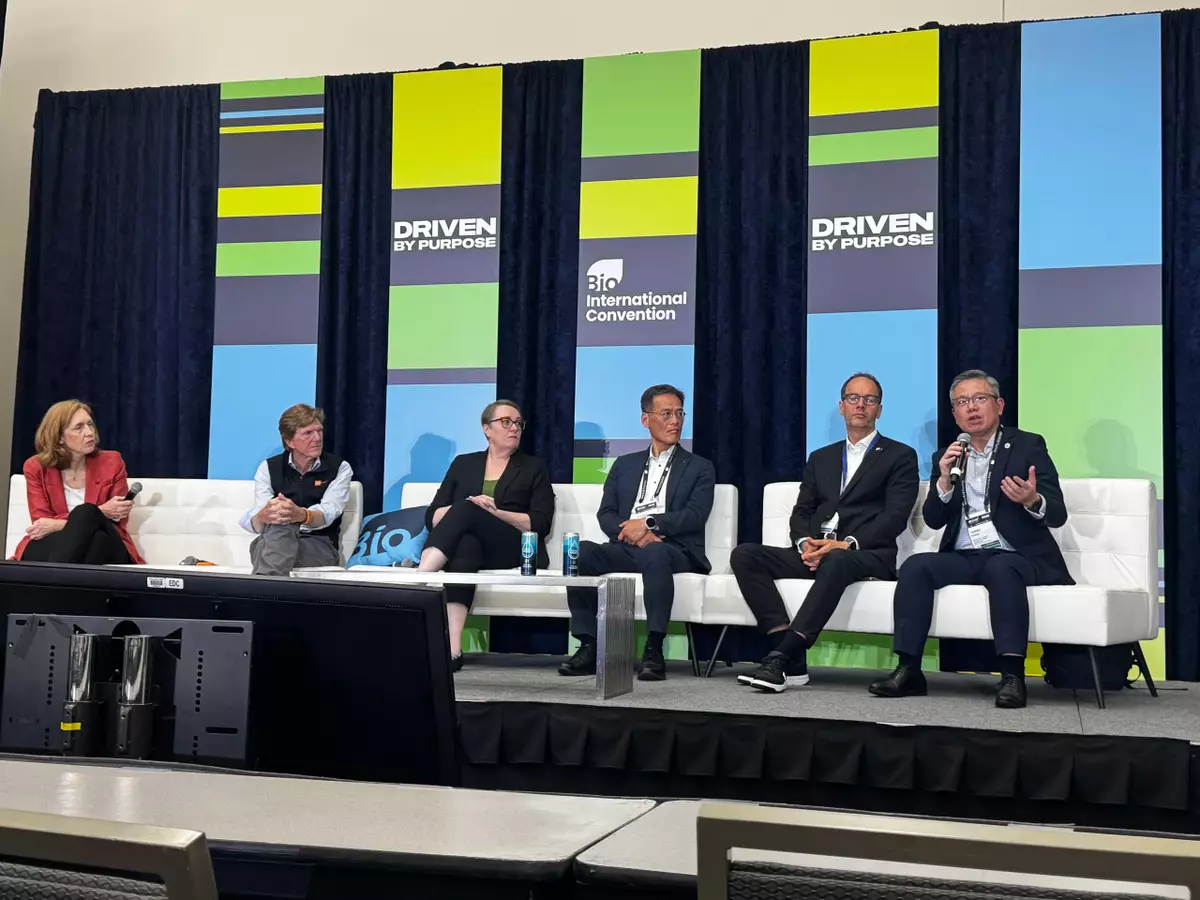
HKSTP CEO Mr Terry Wong (1st from right) attended the "Translating Innovation Across Borders: Creating Global Gateways for Biotech Startups" panel sharing session at BIO 2026.
Furthermore, HKSTP and five Hong Kong university delegates visited the Salk Institute, home to six Nobel Laureates during BIO 2026 to explore partnerships and shape global biotech momentum through collaborative platforms. HKSTP, in collaboration with InvestHK as co-organiser, HKTDC as the supporting organisation, and powered by the Hong Kong Economic and Trade Office in San Francisco, hosted a Global Mixer during the exhibition. Industry leaders, incubators, and venture capital firms – including Bayer Pharmaceuticals, Johnson & Johnson Innovation, LabCentral, Roche, Simcere Pharmaceutical, and T.Rx Capital – were invited to join the judging panel for startup pitching sessions. The Pavilion also featured executive sharing and curated networking events for commercialisation, licensing, partnerships, investment and international market expansion.
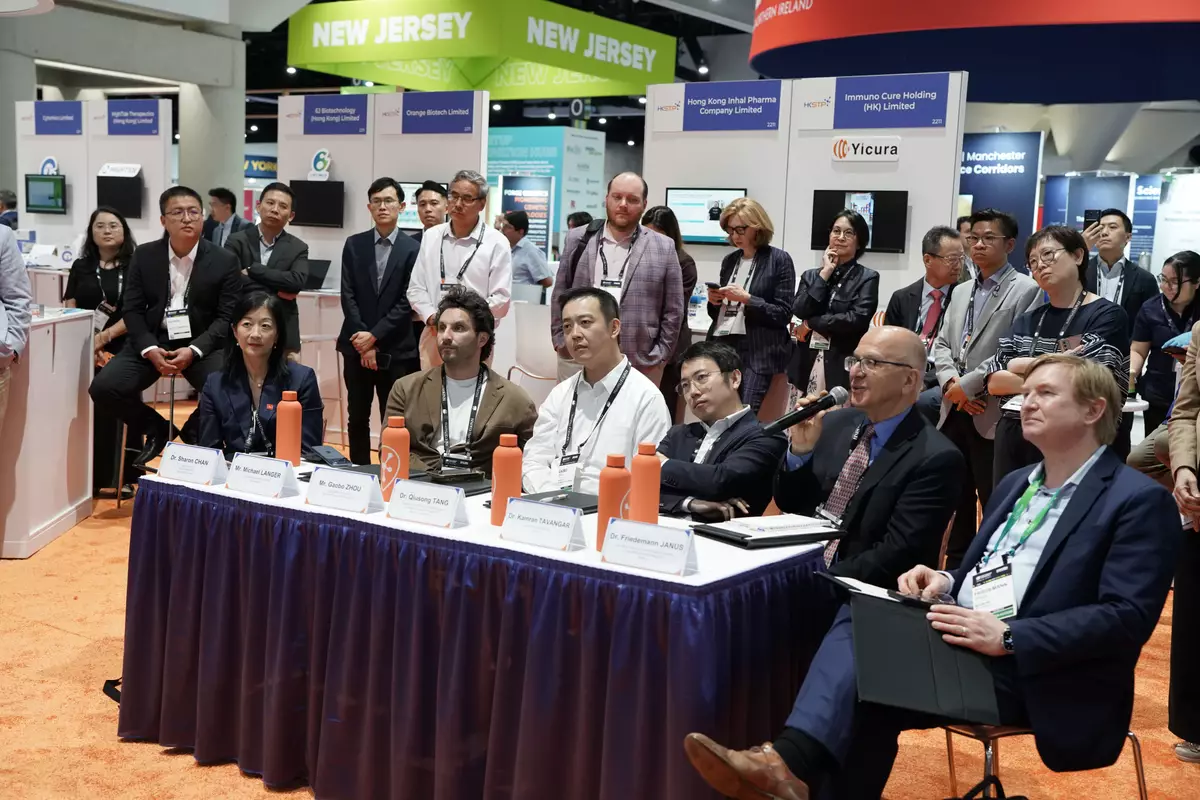
Industry leaders, incubators, and venture capital firms – including Bayer Pharmaceuticals, Johnson & Johnson Innovation, LabCentral, Roche, Simcere Pharmaceutical, and T.Rx Capital – were invited to join the judging panel for startup pitching sessions.
Global recognition at Biomedical Pitch Competition
In the lead-up to BIO 2026, HKSTP actively drove engagement across the biotech sector and co-organised the 2026 Biomedical Pitch Competition with the Boston Capital Investment Club in Boston on May 23 and 24. Competing against around 170 biotechnology companies worldwide, HKSTP park company Meta Pharmaceuticals (HK) Limited won Third Place for its next-generation autoimmune therapeutics. The recognition underscores the strength of Hong Kong’s biotech pipeline and HKSTP’s commitment to translational medicine, commercialisation and globally scalable healthcare solutions.
HK’s biotech ecosystem rises to another level
Hong Kong continues to expand its global healthcare footprint as the world’s second-largest biotech fundraising hub. As Hong Kong’s flagship innovation and technology ecosystem, HKSTP is home to more than 300 life and health technology companies and helps innovators turn pioneering ideas into real-world impact. Its ecosystem connects capital, talent, infrastructure and market access across the biotech innovation journey.