A delegation led by Chief Executive John Lee will visit Kazakhstan and Uzbekistan in June to establish new trade routes for Hong Kong.
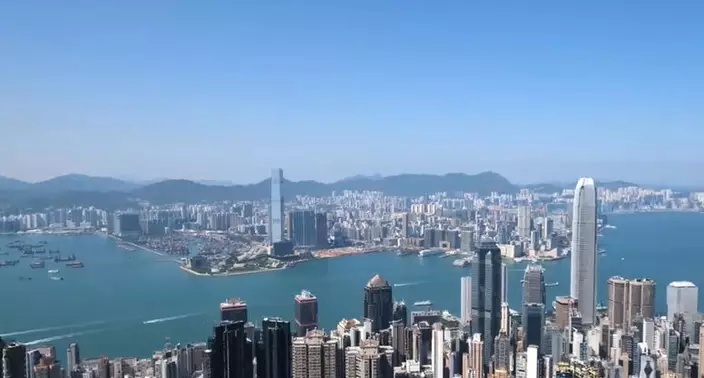
Harnessing Central Asia’s potential. Image source: www.news.gov.hk
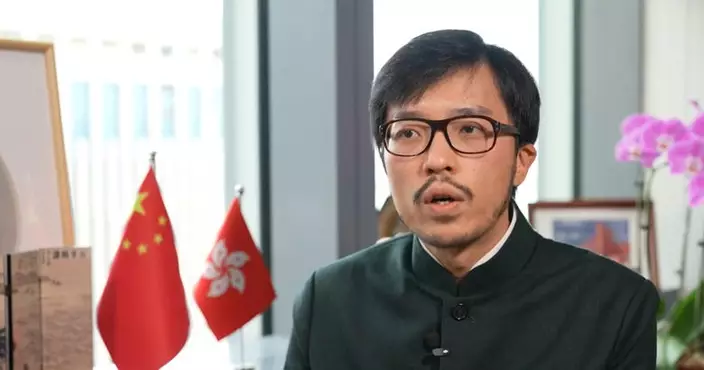
Commissioner for Belt & Road Nicholas Ho believes that Hong Kong and Central Asian countries have significant bilateral development potential.
Click to Gallery
Harnessing Central Asia’s potential. Image source: www.news.gov.hk
Harnessing Central Asia’s potential. Image source: www.news.gov.hk
Harnessing Central Asia’s potential. Image source: www.news.gov.hk
Trading hub: Commissioner for Belt & Road Nicholas Ho says Hong Kong is the ideal Belt & Road trading hub. Compared with 2020, Hong Kong’s total merchandise trade with Central Asia had increased by 27% in 2025. Image source: www.news.gov.hk
Mr Ho said there are areas of co-operation that Hong Kong and Central Asia can further explore.
“Number one is natural resources. These state-owned companies are looking for a platform, a market to list their companies and to fundraise. Hong Kong can empower that.
“Second is green development. Hong Kong has a comprehensive green economic engine, from green finance to green industry, green technologies, green standards, and green professional services; with these, we can help Central Asian countries to reach carbon neutrality a lot sooner.
“Third is digital economy. Many Central Asian countries are driving artificial intelligence and digital development, and they are hoping that Hong Kong can help them get there faster.
“Fourth is tourism infrastructure. Central Asia has a lot of rich tourism assets, and Hong Kong service providers and hospitality brands can help invest and develop Central Asian countries to unlock these tourism treasures.”
Harnessing Central Asia’s potential. Image source: www.news.gov.hk
Opening doors
Mr Ho added that Hong Kong is the ideal Belt & Road trading hub. Compared with 2020, Hong Kong's total merchandise trade with Central Asia had increased by 27% in 2025.
He expressed confidence that the Chief Executive's visits will further promote economic and trade development between Hong Kong and Kazakhstan and Uzbekistan.
“For this mission, we are hoping to first expand into new markets. Second is to build these communication mechanisms.
“We are hoping that this mission will open big doors between government to government, and also chamber to chamber, business to business. These are important communication channels.
“Third is the hub to hub model, we hope that Hong Kong can be Central Asian companies’ hub to access the Greater Bay Area (GBA), the Chinese Mainland, the Association of Southeast Asian Nations (ASEAN), and beyond. And in return, we are hoping that Kazakhstan and Uzbekistan can be Hong Kong companies, GBA companies and ASEAN companies’ hub to access into Central Asia.”
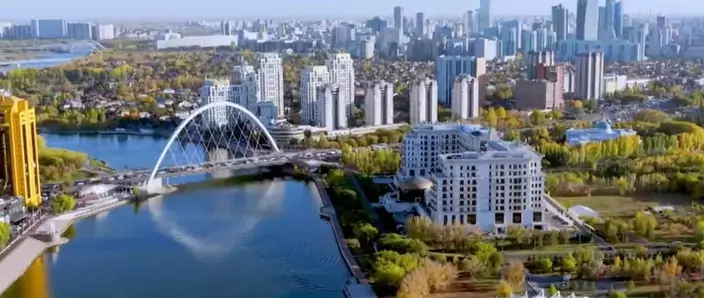
Harnessing Central Asia’s potential. Image source: www.news.gov.hk
Trading partners
Kazakhstan has the most developed economy in Central Asia and is rich in oil resources. In 2025, Kazakhstan was Hong Kong’s largest trading partner and the leading export market in the region.
Hong Kong has also made a significant investment in Kazakhstan, with the city ranked as the country’s 10th largest net-investor globally and its fourth largest Asian net-investor as of January 2026.
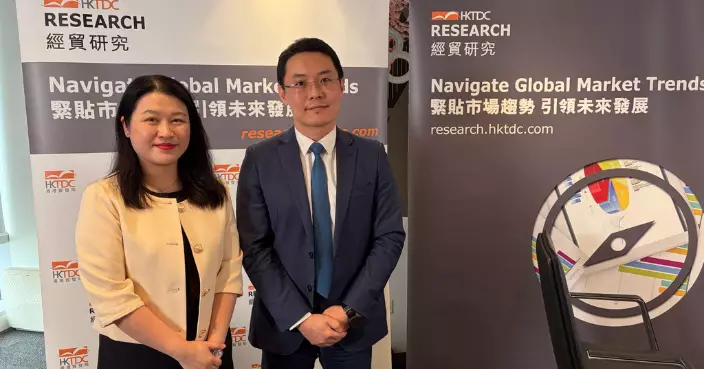
Hong Kong Trade Development Council (HKTDC) Principal Economist Alice Tsang said the council tracks the development of this emerging market closely because there is always new potential.
“We can see that more Kazakhstan companies are actually seeking for listing in Hong Kong, as well as (organisations) like the Development Bank of Kazakhstan also have a 'dim sum' bonds issuance in Hong Kong, so we can see that in the services sector there will be huge potential; in particular, there are 14 Hong Kong companies already registered in the Astana International Financial Centre.
“We believe that there are more Hong Kong businessmen or companies that are interested in these new Central Asian markets.”
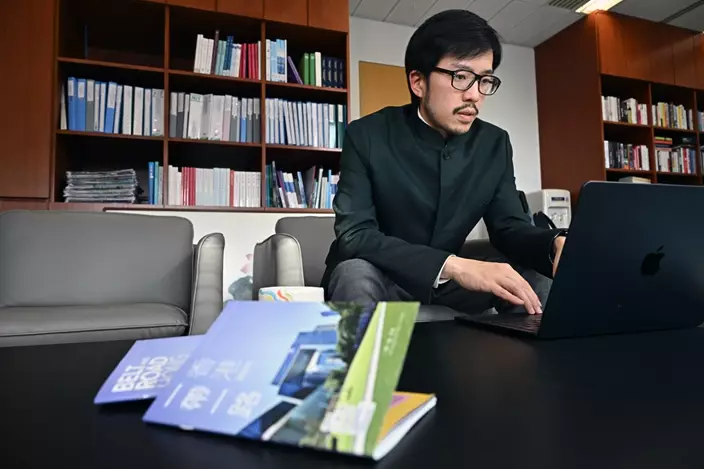
Trading hub: Commissioner for Belt & Road Nicholas Ho says Hong Kong is the ideal Belt & Road trading hub. Compared with 2020, Hong Kong’s total merchandise trade with Central Asia had increased by 27% in 2025. Image source: www.news.gov.hk
Rail links
The most populous Central Asian country, Uzbekistan is home to more than 38 million people. It also boasts a diverse range of natural resources, including hydrocarbons, gold and cotton.
In 2025, Uzbekistan was Hong Kong’s third largest trading partner in Central Asia.
Uzbekistan is actively working to open and integrate into international transport corridors, with the China-Kyrgyzstan-Uzbekistan railway as one of its top priorities. Once completed, the railway will provide Kyrgyzstan and Uzbekistan with their first direct rail connections to China.
HKTDC Director of Research Bruce Pang noted that some of the countries have introduced serious economic reforms.
“They want to diversify their economy. Like Uzbekistan, the policy-makers vow to better upgrade their light industry. So we may expect more imported products from their light industries.”
Hong Kong Science and Technology Parks Corporation (HKSTP),in collaboration with InvestHK as co-organiser, the Hong Kong Trade Development Council (HKTDC) as supporting organisation, and five renowned local universities - The University of Hong Kong, The Chinese University of Hong Kong, The Hong Kong University of Science and Technology, The Hong Kong Polytechnic University and City University of Hong Kong - to form the city’s largest-ever delegation of life and health technology innovators to the BIO International Convention 2026 (BIO 2026) in San Diego, from June 22 to 25.
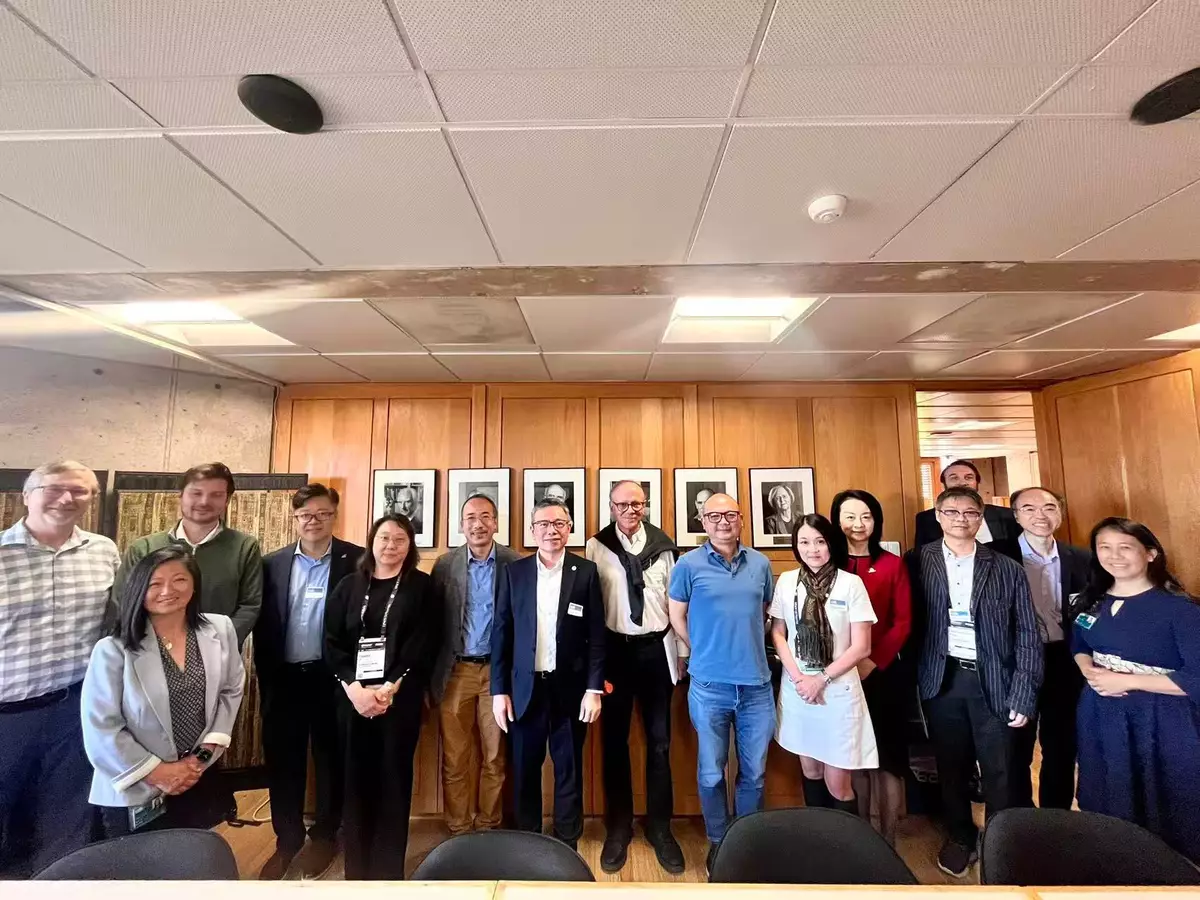
HKSTP CEO Terry Wong (6th from left back row in photo 6 and 4th from right in photo 7) and five Hong Kong university delegates visited the Salk Institute, home to six Nobel Laureates during BIO 2026 to explore partnerships and shape global biotech momentum through collaborative platforms.
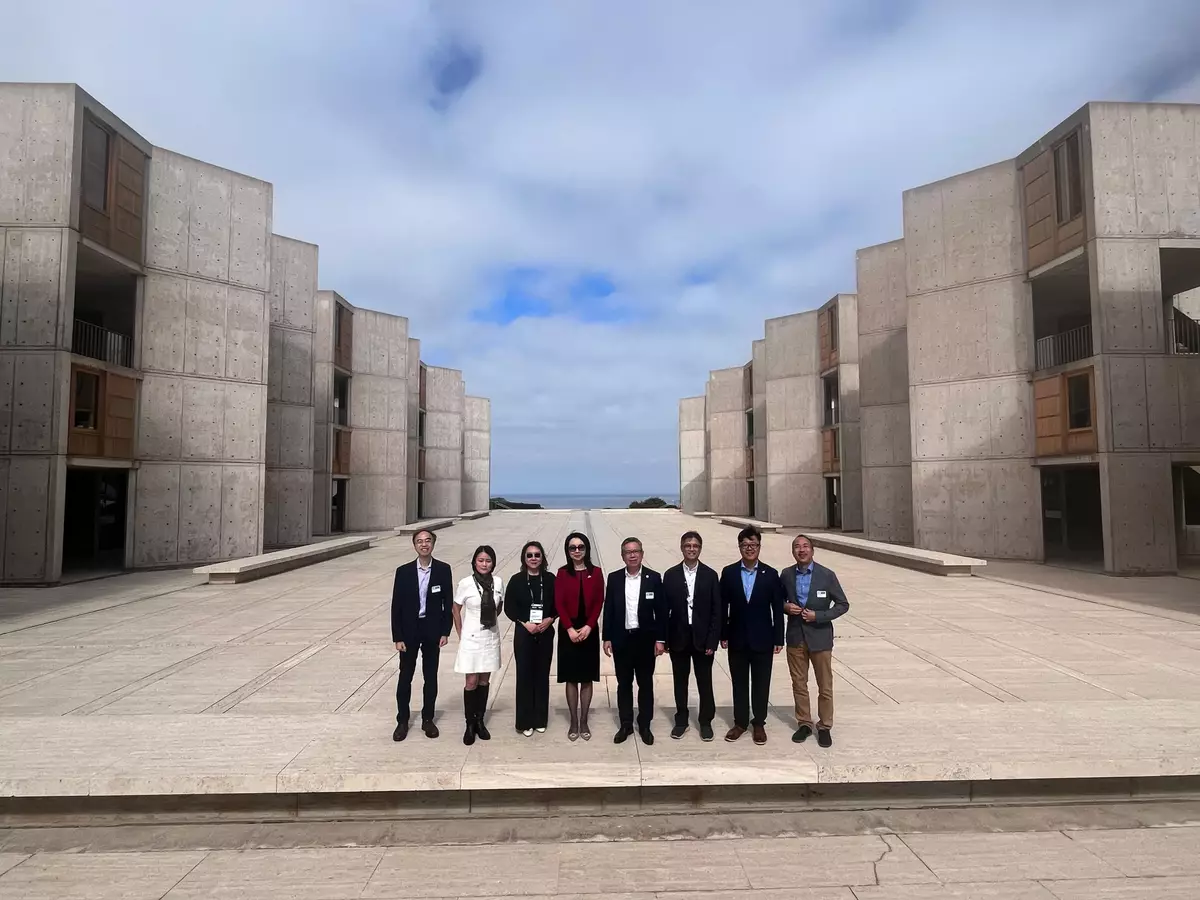
HKSTP CEO Terry Wong (6th from left back row in photo 6 and 4th from right in photo 7) and five Hong Kong university delegates visited the Salk Institute, home to six Nobel Laureates during BIO 2026 to explore partnerships and shape global biotech momentum through collaborative platforms.
Building on last year’s momentum, the 2026 Hong Kong delegation doubled the size of the Hong Kong Pavilion, expanding to a record of 41 organisations from HKSTP, including partner companies, research institutes, and for the first time with top five universities spin-offs. This landmark presence showcased Hong Kong’s deep strength across AI-enabled biotech, therapeutics, diagnostics, and pharma innovation, with potential outstanding "First-in-Class" and "Best-in-Class" assets. The delegation underscores the city’s leading role as Asia’s largest and the world’s second largest fundraising hub for the biotechnology sector.
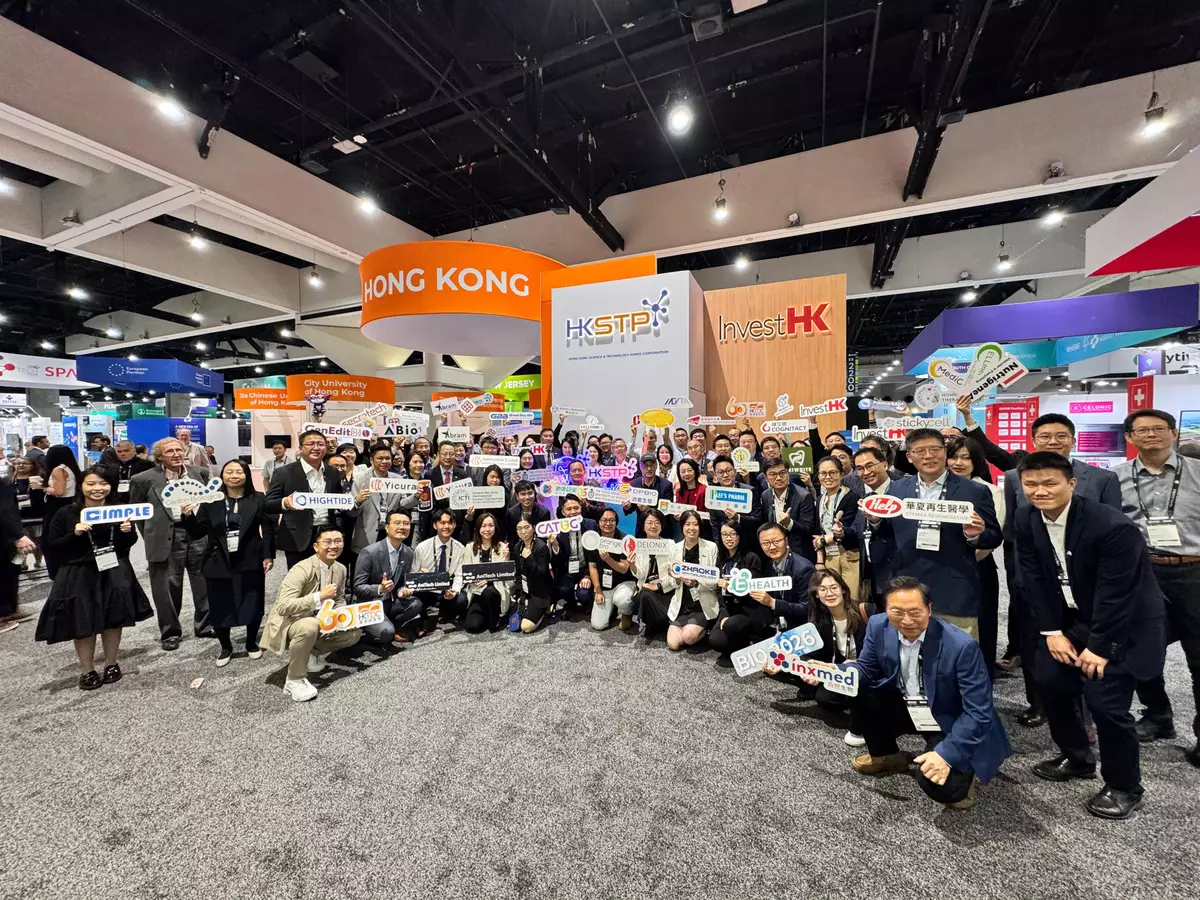
In collaboration with InvestHK and HKTDC, HKSTP led a delegation of 41 park companies,institutes and spin-offs from five renowned local universities to showcase the Hong Kong’s life and health technology innovations at BIO 2026 in San Diego.
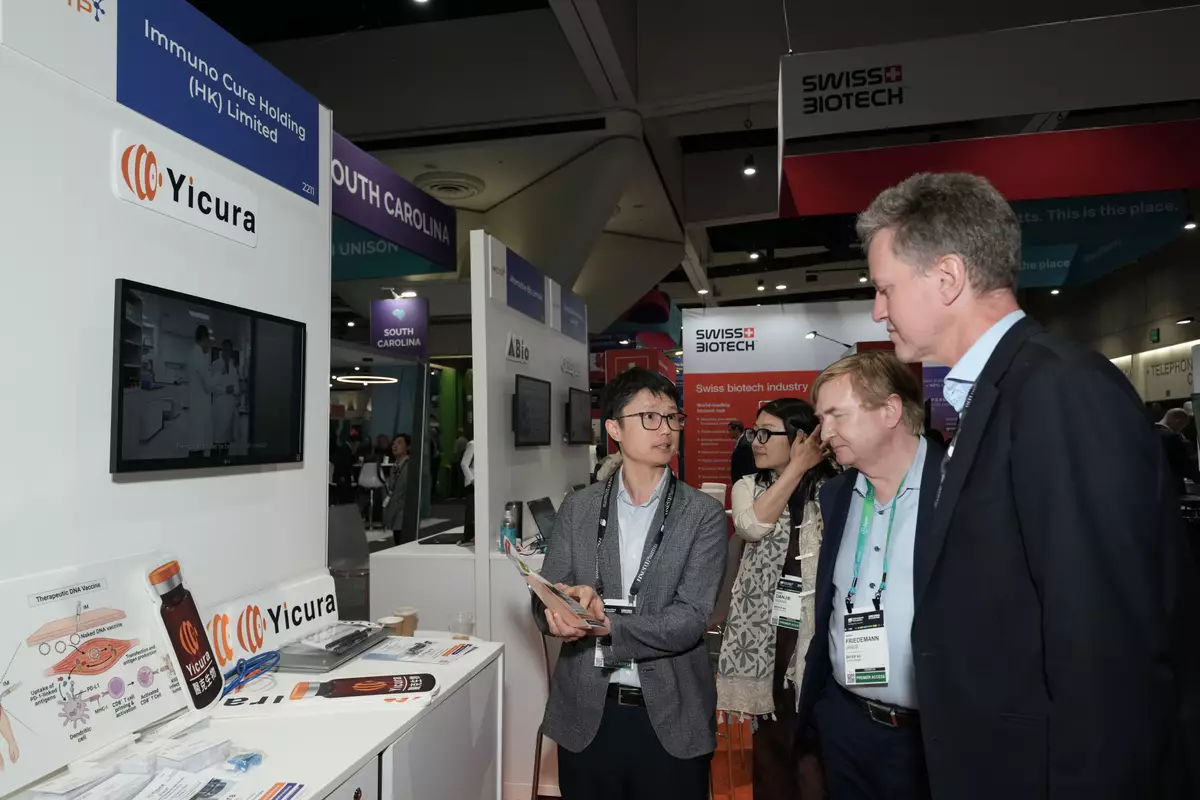
IIn collaboration with InvestHK and HKTDC, HKSTP led a delegation of 41 park companies,institutes and spin-offs from five renowned local universities to showcase the Hong Kong’s life and health technology innovations at BIO 2026 in San Diego.
Mr. Terry Wong, CEO of HKSTP, said, “BIO 2026 is a premier platform to showcase Hong Kong’s groundbreaking innovation, deepen partnerships, and open new pathways into global healthcare markets. As a super-connector, Hong Kong is uniquely positioned to bridge global innovators with opportunities across Asia and beyond. With strong R&D capabilities backed by world-class universities—five ranked among the QS Top 100, including two with medical schools now placed in the global top 20—Hong Kong’s biotech and medical research excellence is increasingly recognised worldwide. As the city’s innovation ecosystem orchestrator, HKSTP brings together talent, capital, research institutions, clinical partners, and industry leaders to accelerate the journey from discovery to impact. We will continue to empower life and health technology ventures, translating innovation breakthroughs into life-changing solutions that benefit communities around the world.”
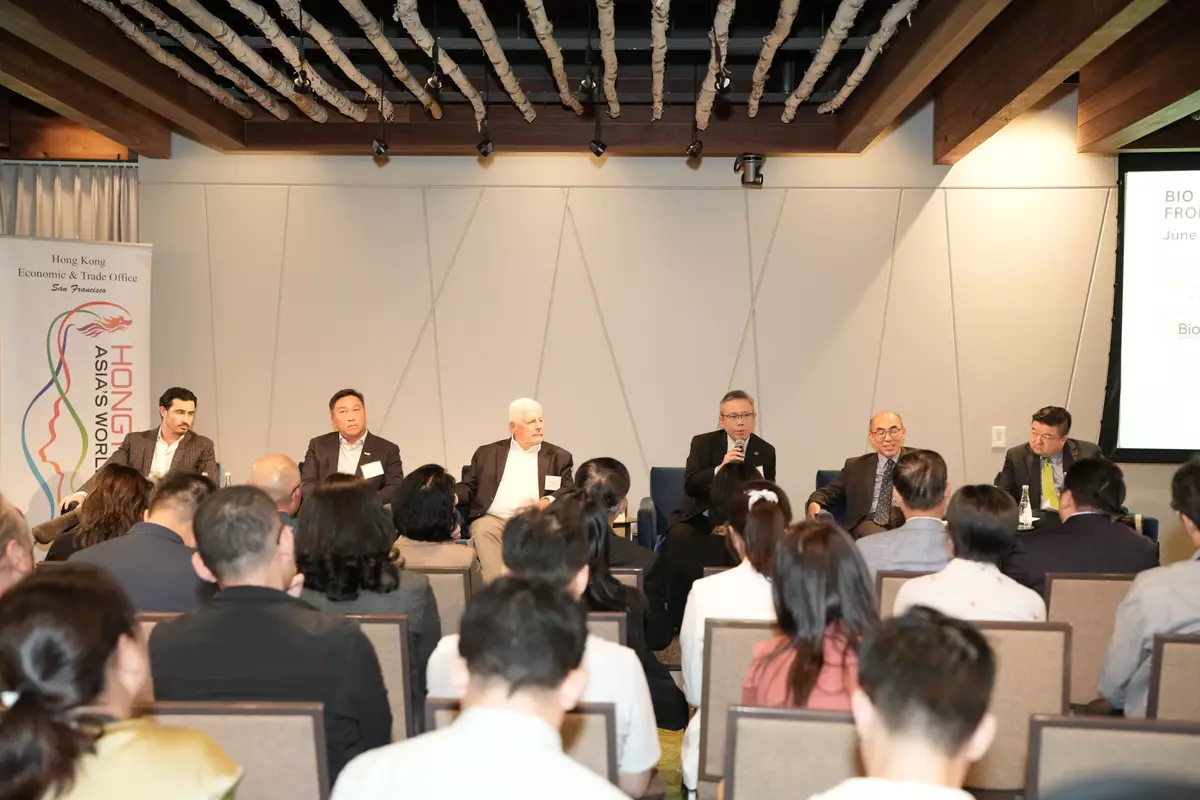
Terry Wong, CEO of HKSTP (3rd from right), introduced Hong Kong’s vibrant life and health technology ecosystem to local partners and investors at the fireside chat moderated by Director of HKETO, D.C. Cheung (2nd from right) during the “Bio Nexus HK: From Showcase to Partnership” event organised by the Hong Kong Economic and Trade Office in San Francisco (HKETO San Francisco) and HKTDC. Other speakers included: Joe Panetta, President Emeritus of Biocom (3rd from left); Andy Wong, Head of Innovation & Technology and Life & Health Sciences of InvestHK (2nd from left); Byron Lee, Associate Director, Service Promotion of HKTDC (1st from right); and Lucas Coleman, Director of World Trade Center San Diego (1st from left).
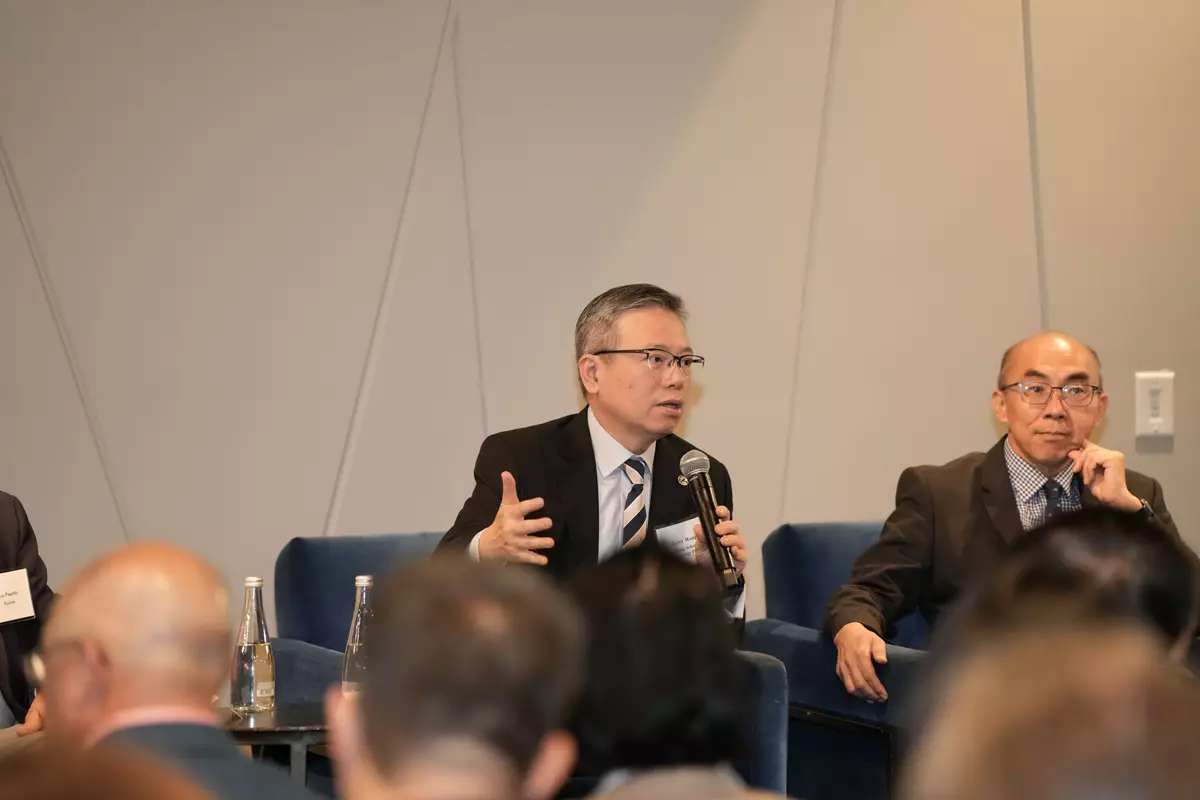
Terry Wong, CEO of HKSTP (3rd from right), introduced Hong Kong’s vibrant life and health technology ecosystem to local partners and investors at the fireside chat moderated by Director of HKETO, D.C. Cheung (2nd from right) during the “Bio Nexus HK: From Showcase to Partnership” event organised by the Hong Kong Economic and Trade Office in San Francisco (HKETO San Francisco) and HKTDC. Other speakers included: Joe Panetta, President Emeritus of Biocom (3rd from left); Andy Wong, Head of Innovation & Technology and Life & Health Sciences of InvestHK (2nd from left); Byron Lee, Associate Director, Service Promotion of HKTDC (1st from right); and Lucas Coleman, Director of World Trade Center San Diego (1st from left).
HKSTP and Park Companies Advanced in Cross-border Innovation and Market Expansion
A key highlight of BIO 2026 is witnessing the signing of three major strategic partnerships:
• LabCentral -- HKSTP signed an MOU with one of the largest global non-profit biotech incubators, supporting life sciences startups with high-impact lab infrastructure and scientific community programmes. The collaboration will deepen ties between the U.S. and Hong Kong life sciences ecosystems through startup support, ecosystem engagement, and co-developed programmes, events and strategic initiatives. It will also help connect startups, investors, corporate partners and research institutions, creating stronger pathways for cross-border innovation and commercialisation.
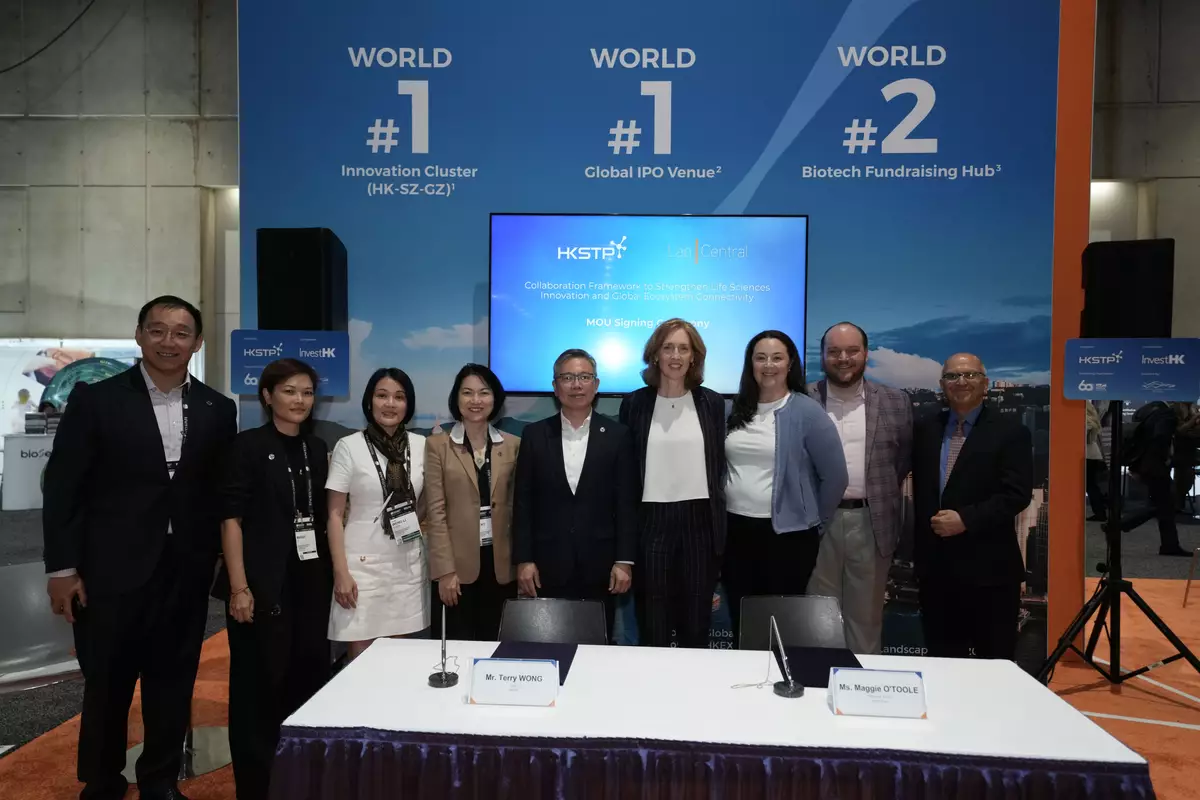
HKSTP and LabCentral signed an MoU at BIO 2026 to strengthen ties and foster cross-border collaboration in life sciences ecosystem in both regions.
• Immuno Cure – the developer of the first-in-human novel therapeutic HIV vaccine ICVAX – announced its collaboration with OPIS, an international Contract Research Organization (CRO), at BIO 2026. Leveraging OPIS's full-service, multi-country clinical trial expertise and regulatory knowledge, the partnership will support overseas clinical trial execution and establish a global framework to prepare for international expansion.
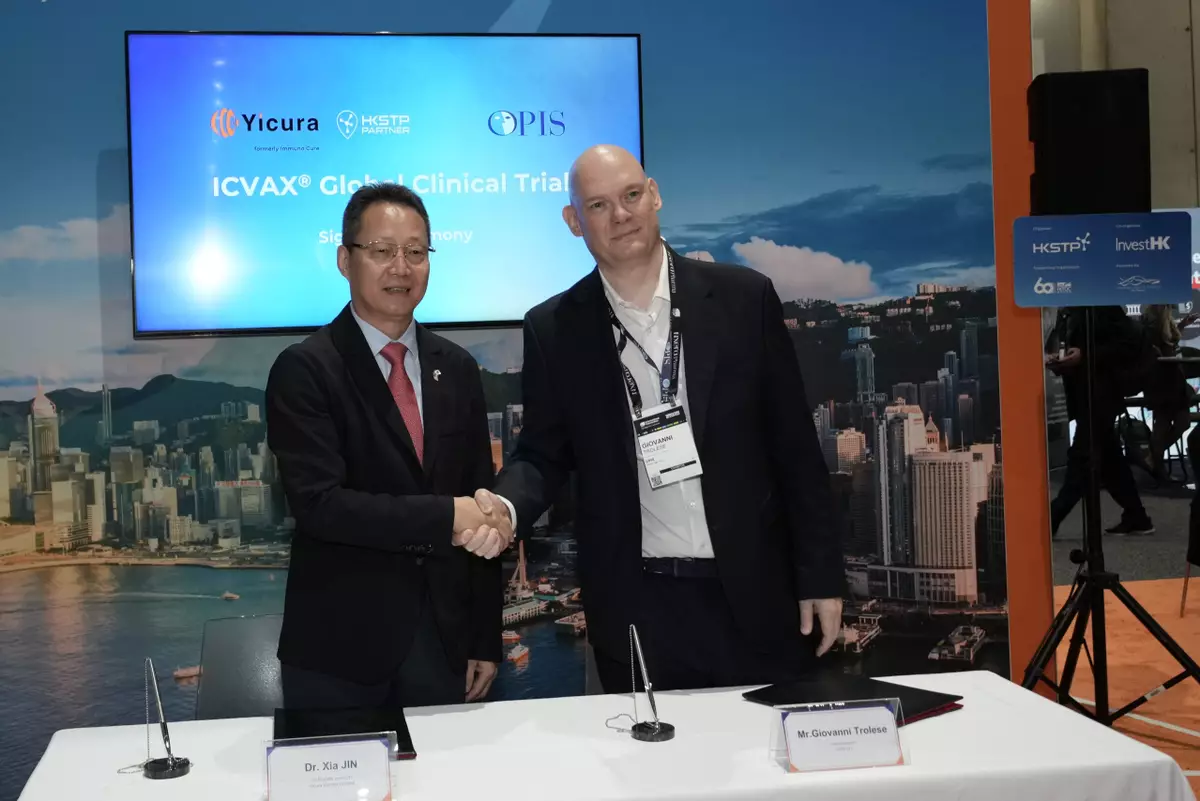
Immuno Cure – the developer of the first-in-human novel therapeutic HIV vaccine ICVAX –announced its collaboration with OPIS, an international Contract Research Organization (CRO), at BIO 2026
• Zhaoke Ophthalmology signed an MOU with Laboratório Teuto, the first company to produce generic medicines and OTCs (Over the Counter – Prescription Exempt Medicines) in Brazil, to explore cross-border cooperation in ophthalmology. This is Zhaoke's first strategic MOU in Brazil market. Leveraging its innovative pipeline and Teuto's commercial network in Brazil, the partnership aims to bring advanced eye care treatments to Latin American patients while demonstrating the globalisation of Hong Kong-born biotech innovation.
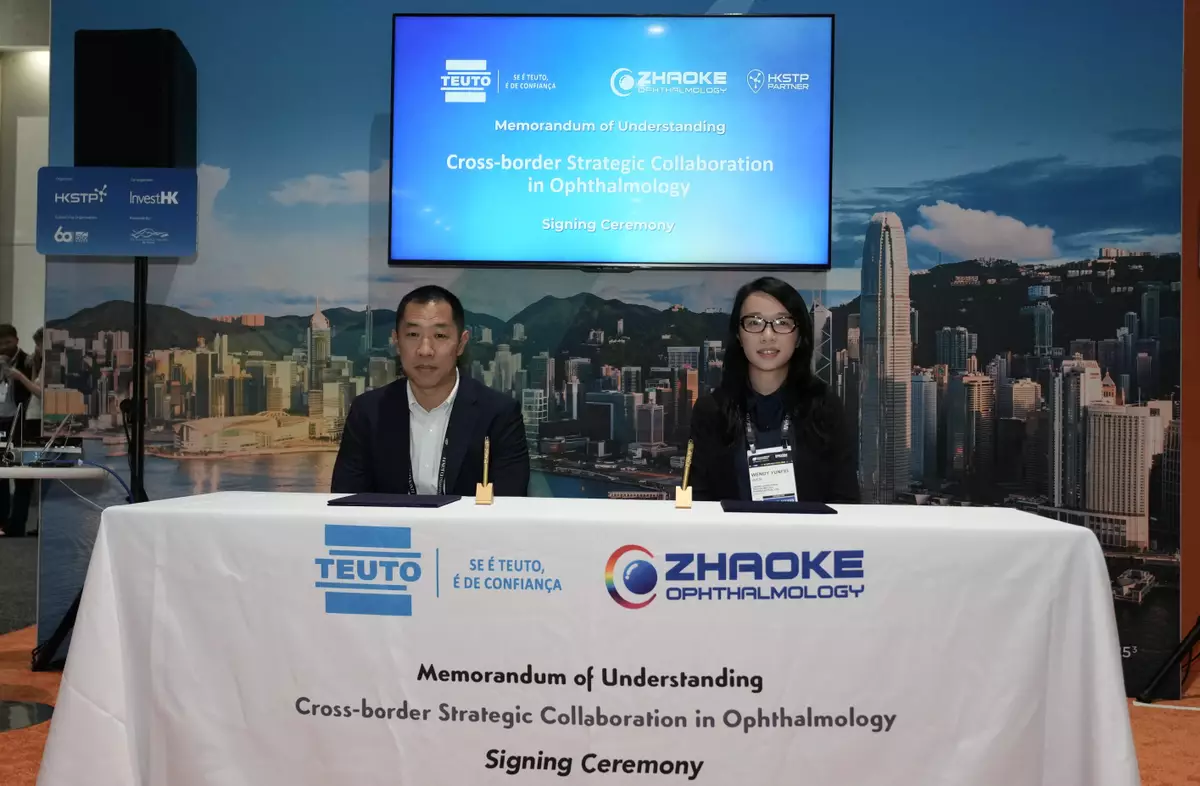
Zhaoke Ophthalmology signed an MOU with Laboratório Teuto to explore cross-border cooperation in ophthalmology.
Beyond the BIO 2026 Hong Kong Pavilion, HKSTP CEO Mr Terry Wong attended the "Translating Innovation Across Borders: Creating Global Gateways for Biotech Startups" panel sharing session. Mr. Wong shared his insights on cutting-edge biotech trends, Hong Kong’s strengths on life and health tech development, and HKSTP’s role in building a global bridge for nurturing global startup expansion, sustainable innovation and collaboration.
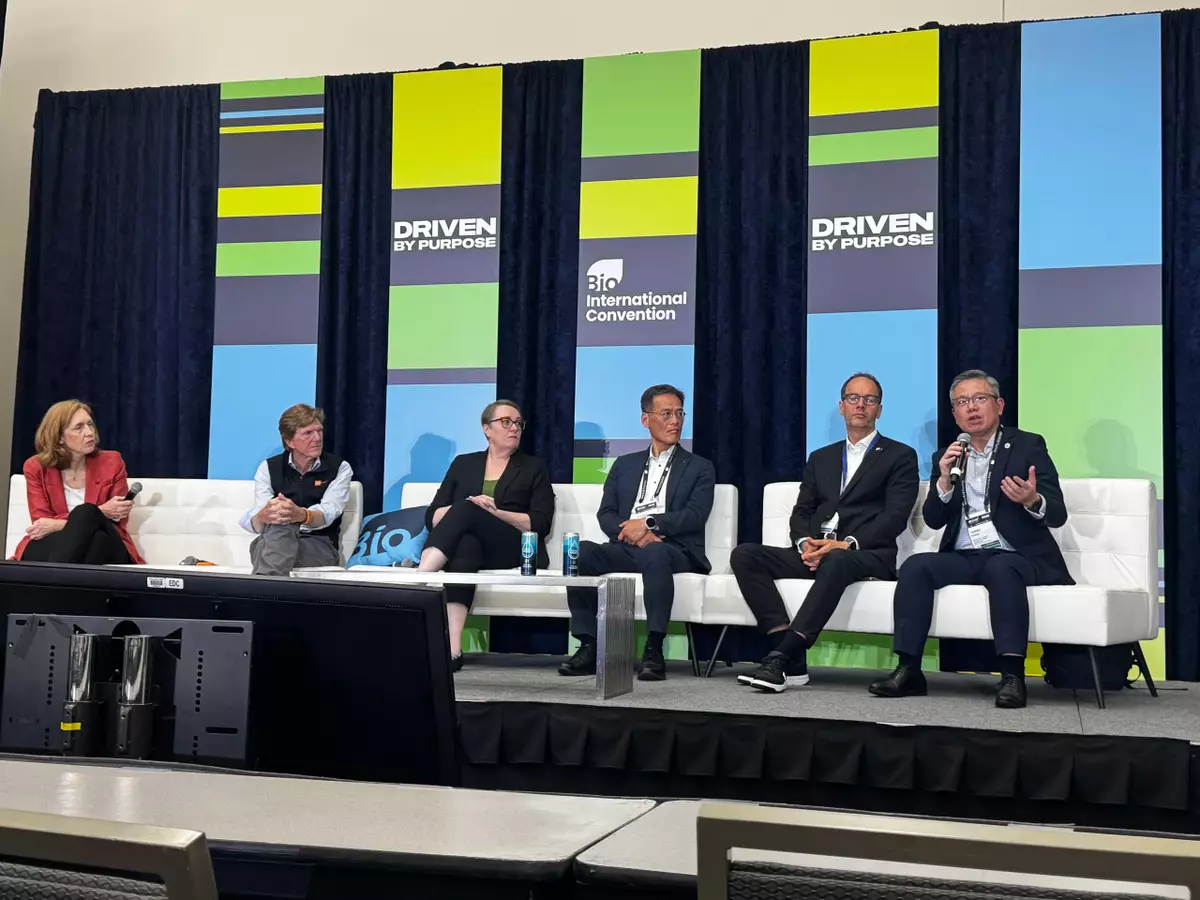
HKSTP CEO Mr Terry Wong (1st from right) attended the "Translating Innovation Across Borders: Creating Global Gateways for Biotech Startups" panel sharing session at BIO 2026.
Furthermore, HKSTP and five Hong Kong university delegates visited the Salk Institute, home to six Nobel Laureates during BIO 2026 to explore partnerships and shape global biotech momentum through collaborative platforms. HKSTP, in collaboration with InvestHK as co-organiser, HKTDC as the supporting organisation, and powered by the Hong Kong Economic and Trade Office in San Francisco, hosted a Global Mixer during the exhibition. Industry leaders, incubators, and venture capital firms – including Bayer Pharmaceuticals, Johnson & Johnson Innovation, LabCentral, Roche, Simcere Pharmaceutical, and T.Rx Capital – were invited to join the judging panel for startup pitching sessions. The Pavilion also featured executive sharing and curated networking events for commercialisation, licensing, partnerships, investment and international market expansion.
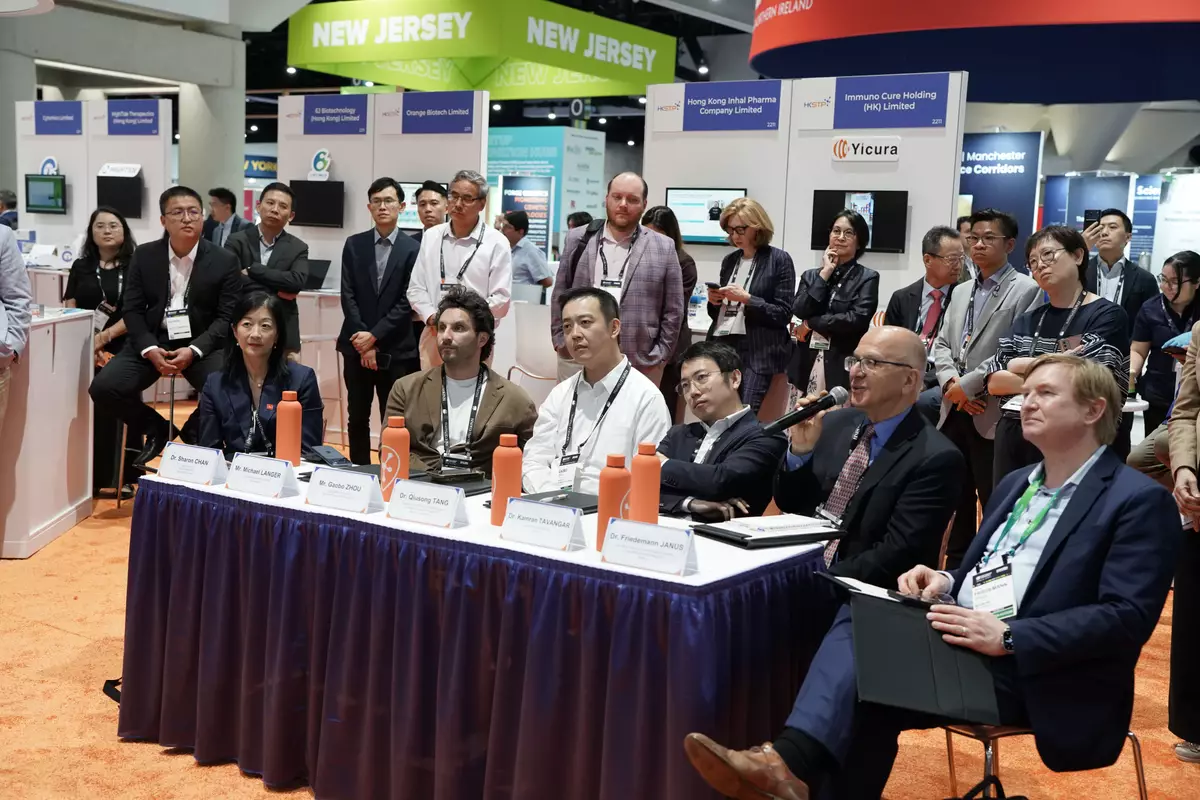
Industry leaders, incubators, and venture capital firms – including Bayer Pharmaceuticals, Johnson & Johnson Innovation, LabCentral, Roche, Simcere Pharmaceutical, and T.Rx Capital – were invited to join the judging panel for startup pitching sessions.
Global recognition at Biomedical Pitch Competition
In the lead-up to BIO 2026, HKSTP actively drove engagement across the biotech sector and co-organised the 2026 Biomedical Pitch Competition with the Boston Capital Investment Club in Boston on May 23 and 24. Competing against around 170 biotechnology companies worldwide, HKSTP park company Meta Pharmaceuticals (HK) Limited won Third Place for its next-generation autoimmune therapeutics. The recognition underscores the strength of Hong Kong’s biotech pipeline and HKSTP’s commitment to translational medicine, commercialisation and globally scalable healthcare solutions.
HK’s biotech ecosystem rises to another level
Hong Kong continues to expand its global healthcare footprint as the world’s second-largest biotech fundraising hub. As Hong Kong’s flagship innovation and technology ecosystem, HKSTP is home to more than 300 life and health technology companies and helps innovators turn pioneering ideas into real-world impact. Its ecosystem connects capital, talent, infrastructure and market access across the biotech innovation journey.