Omani officials, led by Foreign Minister Sayyid Badr bin Hamad Al Busaidi, held talks on Sunday with an Iranian delegation headed by Deputy Foreign Minister Kazem Gharibabadi on freedom of navigation through the Strait of Hormuz and the latest regional developments.
According to a statement by Oman's Foreign Ministry, the two sides discussed the principles governing freedom of navigation in the strategic waterway in accordance with international law.
The statement said that both sides exchanged views in light of recent developments and discussed ways to strengthen the safety of maritime navigation, trade flows, and supply chains.
During the meeting, Al Busaidi received a verbal message from Iranian Foreign Minister Seyed Abbas Araghchi regarding the ongoing Iranian-U.S. talks being conducted through Pakistani mediation.
The message highlighted the commitment of both countries to restoring freedom of navigation through the Strait of Hormuz in a safe and sustainable manner.
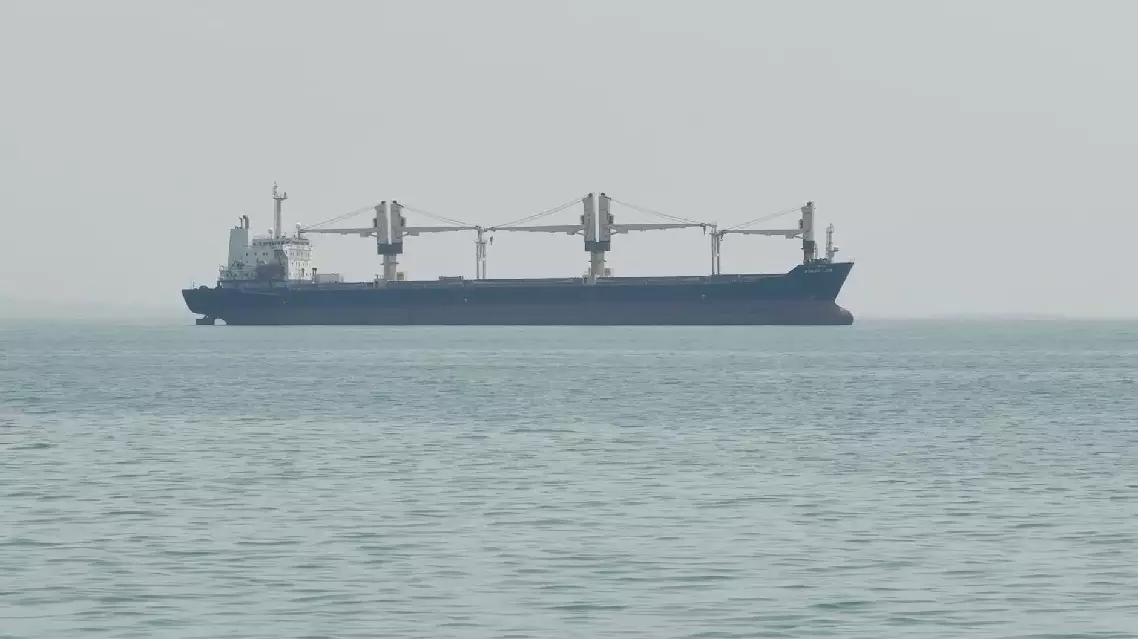
Omani, Iranian officials discuss Strait of Hormuz navigation, regional developments
The Navy of Iran's Islamic Revolution Guard Corps (IRGC) on Sunday said 33 moremvessels had passed through the Strait of Hormuz within the past 24 hours in coordination with and after obtaining permission from its forces.
It made the announcement in a statement published by the IRGC's official news outlet, saying the vessels included oil tankers and commercial and container ships, and that they crossed the strait while their security was ensured by its forces.
The IRGC Navy added that it is exercising smart control over the Strait of Hormuz with strength in the aftermath of the insecurity caused in the waterway following U.S. "aggression" against Iran.
According to the IRGC Navy, a total of 117 vessels had crossed the strait between Tuesday and Saturday. It has stressed that vessels' passage through the strait must be coordinated with and approved by its forces.
On Sunday, Mohsen Rezaei, a senior military advisor to Iran's supreme leader, said that managing the Strait of Hormuz is Iran's "legal right" to ensure national security.
Iran's management of the strait is not meant to block free trade, but to prevent military invasion, Rezaei added.
Also on Sunday, Ebrahim Rezaei, spokesperson for the Iranian parliament's National Security and Foreign Policy Committee, said that the management of the Strait of Hormuz will not fully return to its pre-war status.
The strait is currently under Iran's control, and Iran can facilitate the passage of ships once the state of war ends, said Rezaei.
The spokesperson added that the country's uranium enrichment is non-negotiable, and that the U.S. has no choice but to accept Iran's terms.
Iran tightened its grip on the strait beginning Feb 28 -- the day when U.S. and Israel launched massive military strikes on Iran, when it barred safe passage of vessels belonging to or affiliated with Israel and the United States following their joint strikes on Iranian territory.
The United States has also imposed a naval blockade on the strait, preventing ships traveling to and from Iranian ports from transiting the waterway.
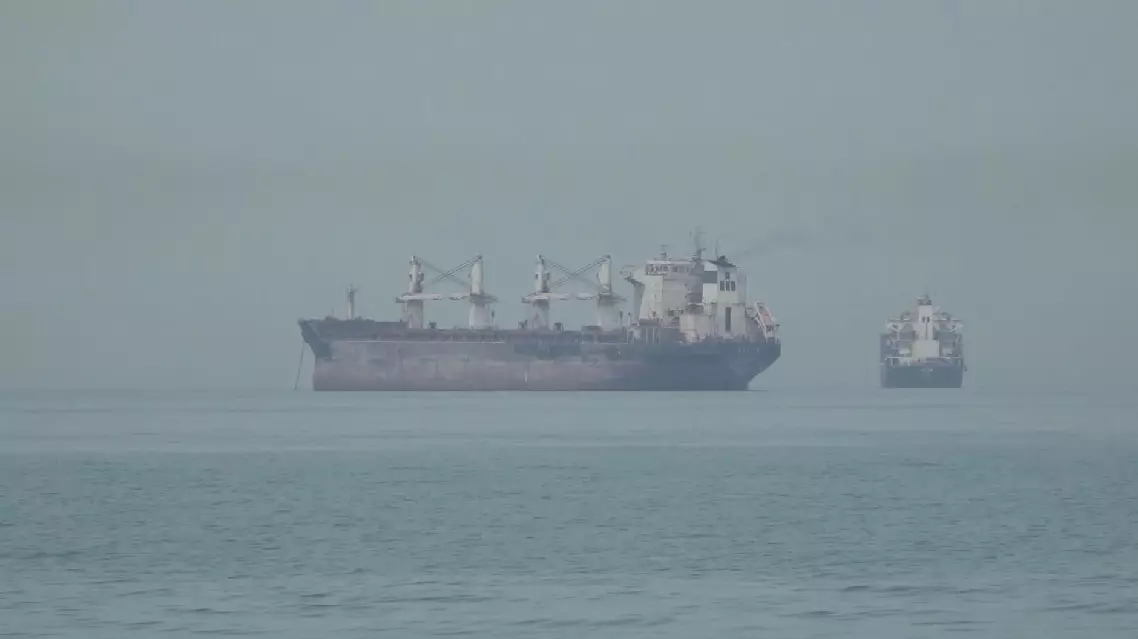
33 more ships cross Hormuz Strait in past 24 hours: Iran's navy