Britain, France and three other members of the North Atlantic Treaty Organization (NATO) have voiced opposition to a proposal that each member state contribute 0.25 percent of its gross domestic product (GDP) to military aid for Ukraine, according to a report by a British media outlet on Sunday.
The plan was raised by NATO Secretary General Mark Rutte during the just-concluded foreign ministers' meeting, held from May 21 to May 22.
Rutte had intended to push the proposal for formal approval at the upcoming NATO summit in Türkiy's Ankara, but it failed to gain consensus.
The alliance chief said that contributions to Ukraine have been uneven, asserting that countries have not been contributing enough to support for Ukraine.
According to the report, much of the criticism within NATO has centered on countries such as France, Spain, Italy and Canada, which have often been accused of not contributing enough to Ukraine.
The report noted that three of these nations rank among Europe's largest economies, yet their level of assistance has lagged behind that of several smaller allies.
An inside source told the media platform that at least seven member states, all of which already devote more than 0.25 percent of GDP to military aid for Ukraine, had voiced support for the proposal.
Citing data compiled by Germany's Kiel Institute, the report added that the Netherlands, Poland, and a number of Nordic and Baltic countries are among those meeting or exceeding the 0.25 percent benchmark.
Analysts estimate that if adopted, the plan could triple NATO's annual military aid to Ukraine to about 143 billion U.S. dollars. The estimate comes after Washington sharply reduced its assistance, shifting more of the burden to European allies.
Russia has repeatedly warned that supplying weapons to Ukraine will hinder resolution of the conflict and directly draw NATO countries into it.
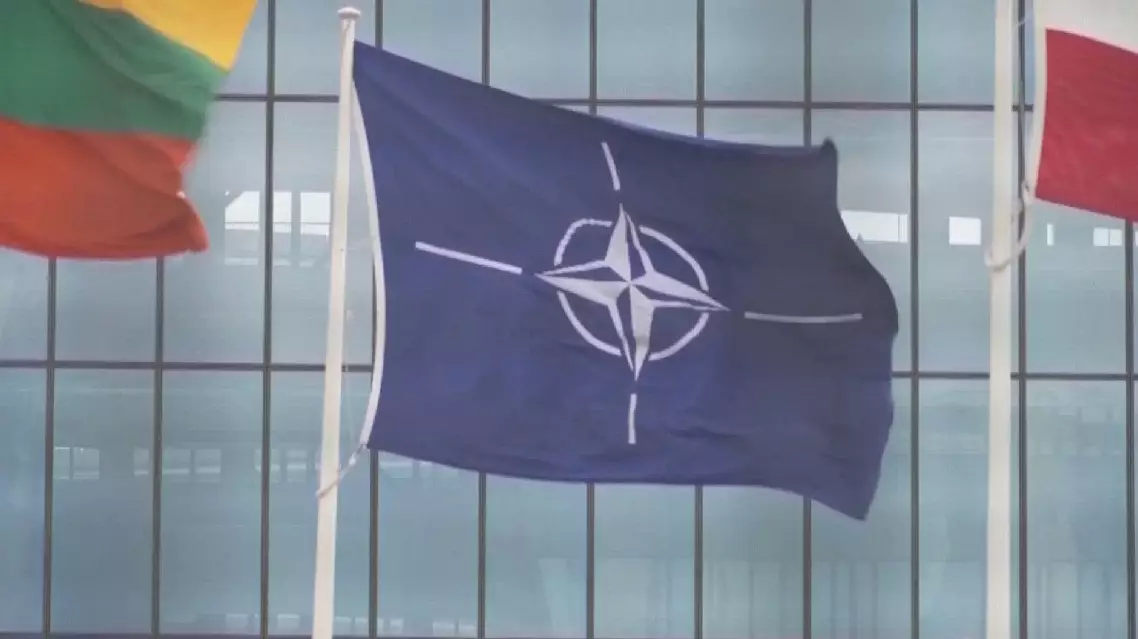
Five NATO members oppose proposal to allocate 0.25 pct of GDP for Ukraine aid
Farmers in Gaza have been forced to find innovative ways to keep their livelihoods ticking over following the devastating conflict, with many now growing vegetables inside recycled tin cans after losing their land during the war.
Inside temporary greenhouses in southern Gaza, Palestinian farmers are growing mint and vegetables inside empty food cans recycled from aid supplies, after suffering severe shortages of essential agricultural materials.
Local farmers say they have been searching for simple alternatives to continue farming amid the widespread destruction, with many seeing their land and crop fields decimated.
"The idea came from the shortage of nylon in Gaza. We started using empty vegetable cans left behind by charity kitchens. We use them as an alternative to nylon and plant inside them," said Mohammad Zaarab, a Palestinian farmer.
Israel's designation of what Palestinians call the 'yellow zone' has swallowed up most of Gaza's available farmland, reducing usable agricultural land to only around six percent, while farmers continue to face the risk of Israeli fire during their work.
"We are exposed to gunfire in this area. Whenever they shoot at us, we hide until the firing stops. We work in fear and risk our lives while farming," said Shadi Zaarab, another farmer.
According to the United Nations, agriculture made up around 10 percent of Gaza's economy before the war, with more than 560,000 Palestinians relying on farming, livestock, or fishing for their livelihoods.
Gaza's Ministry of Agriculture says reusing empty food cans has become one of the few remaining ways for farmers to continue growing and providing food after the war that began in 2023 devastated much of the agricultural sector.
"Since October 7 [2023], about 86 percent of Gaza's agricultural land has been destroyed by the [Israeli] occupation. Farmers have turned to alternatives, especially for growing aromatic plants that Gaza's farmers traditionally relied on for production," said Ali Abu Amer, director of the Khan Younis Governorate under Palestine's Ministry of Agriculture.
The recycled can practice adopted by farmers also has some positive knock-on effect, as collecting and preparing empty food cans has also created limited work opportunities for unemployed youth amid the Israeli blockade.
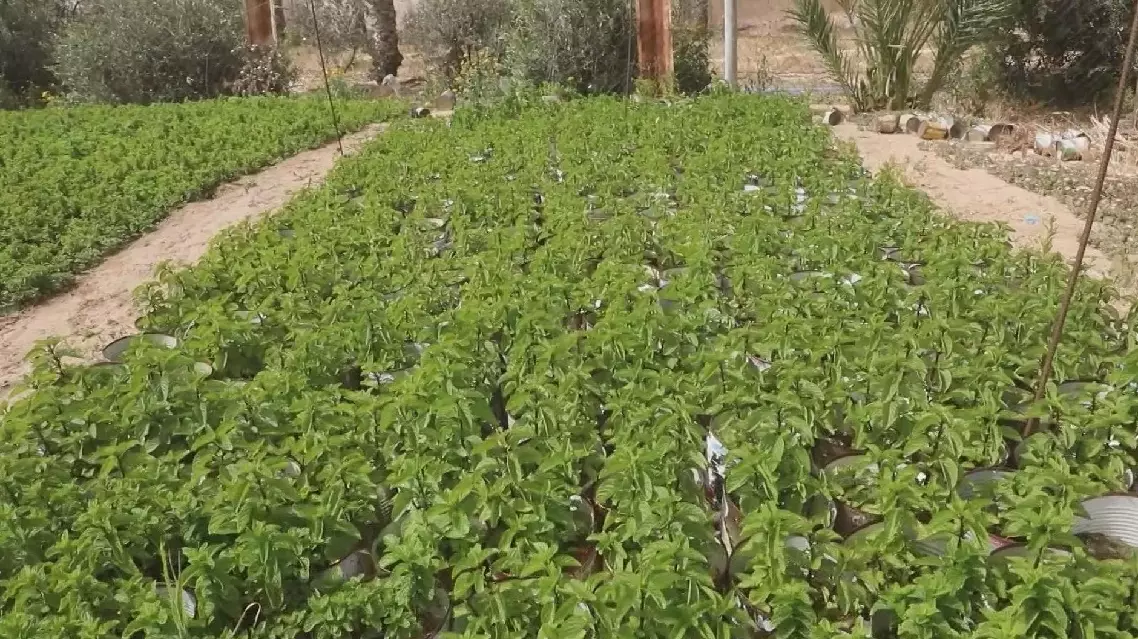
Gaza farmers turn to growing vegetables in recycled tin cans after losing land