The Wang Fuk Court Fire has exposed multiple vulnerabilities in construction site management. In response, a Hong Kong startup has developed a smart safety system tailored to the unique challenges of local construction sites. The system uses AI image analysis to detect smoking on site, check whether workers are wearing proper safety gear, and even assess the structural safety of bamboo scaffolding, which has already been adopted by government departments, including the Water Supplies Department.
In an interview with Bastille Post, Mr. Chris Man, Consulting Manager of Smart Site System, said the company's self-developed NexSite smart safety platform leverages proprietary AI and IoT technologies to shift the focus from post-accident response to pre-accident prevention.
Click to Gallery
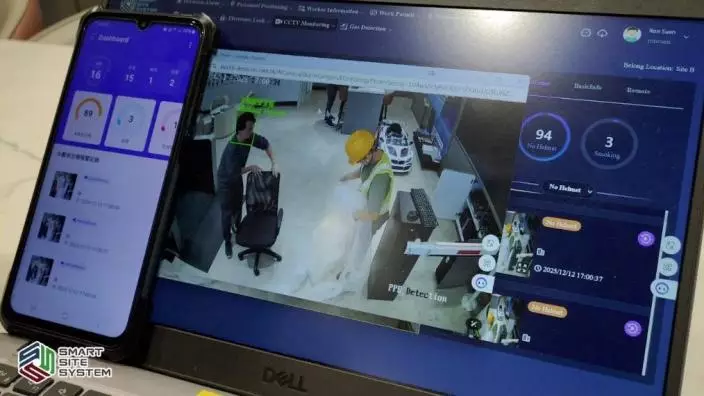
One of NexSite's standout features is its AI image analysis system, which can identify smoking in no-smoking areas by detecting smoke trails and hand gestures. Photo source: Smart Site System
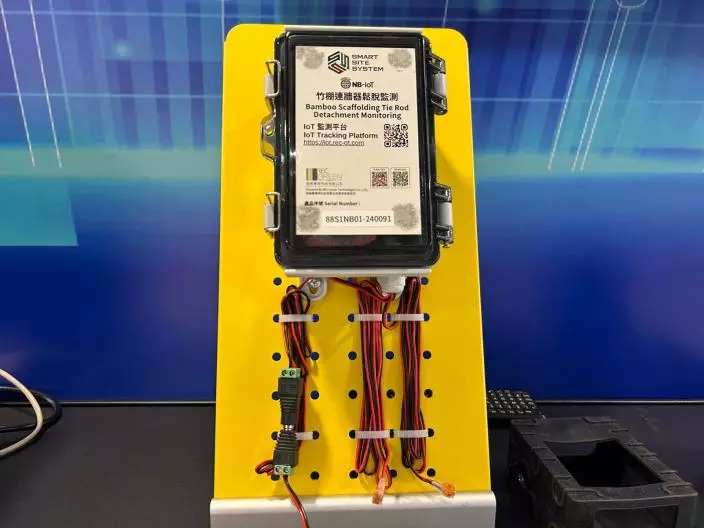
NexSite has also developed an IoT-based monitoring system for scaffolding structures. Photo by Bastille Post
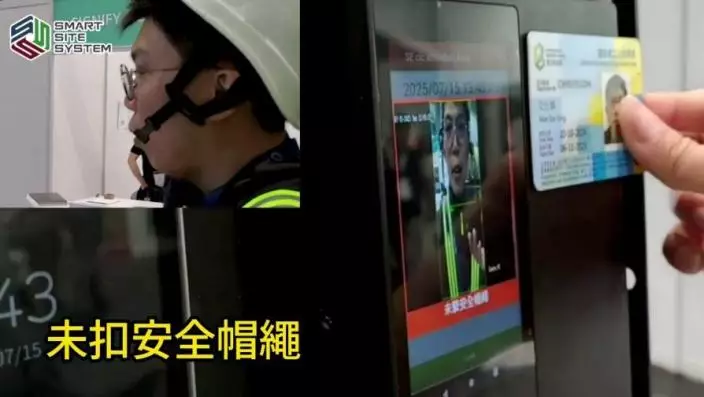
All core technologies of the system are developed entirely in-house. Photo source: Smart Site System
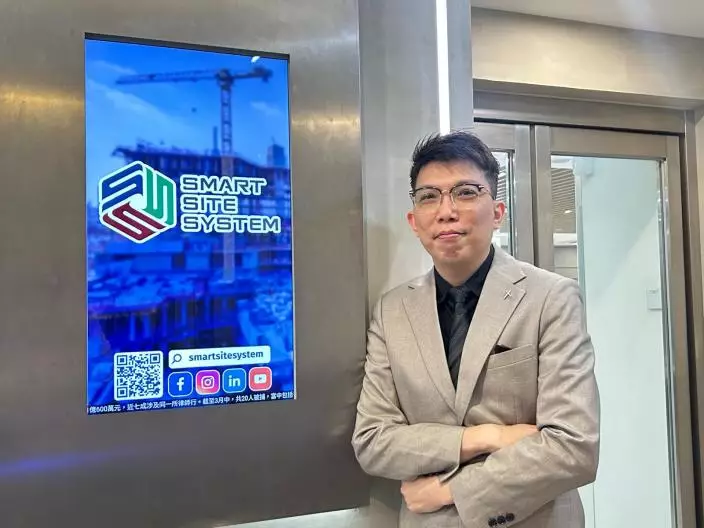
Mr. Chris Man, Consulting Manager of Smart Site System, Photo by Bastille Post
AI-Powered Detection Captures Unsafe Behavior
One of NexSite's standout features is its AI image analysis system, which can identify smoking in no-smoking areas by detecting smoke trails and hand gestures. It can also instantly flag risky behaviors, such as workers using mobile phones or security guards leaving their posts, and send out real-time alerts. In addition, the system checks whether workers are wearing safety helmets and whether the chin straps are properly fastened in line with Hong Kong safety standards, thereby elevating site safety management from "investigating after an accident" to "preventing before an accident."
One of NexSite's standout features is its AI image analysis system, which can identify smoking in no-smoking areas by detecting smoke trails and hand gestures. Photo source: Smart Site System
Chris explained that the AI can be trained to recognise helmets in any colour — purple, pink, or otherwise — as well as different types of reflective vests, as long as the relevant image data is provided.
IoT System Monitors Bamboo Scaffolding
Given the widespread use of bamboo scaffolding on Hong Kong construction sites, NexSite has also developed an IoT-based monitoring system for scaffolding structures. Sensors are installed at key load-bearing points on the scaffolding and connected to electronic circuits. If the scaffolding becomes loose, experiences abnormal vibrations, or is overloaded, the system will detect the anomaly and interrupt the circuit. Alerts are then sent to site managing staff via cloud platform, mobile phone, WhatsApp, and SMS, enabling rapid on-site inspection and repair, helping to prevent scaffolding collapse accidents.
NexSite has also developed an IoT-based monitoring system for scaffolding structures. Photo by Bastille Post
In extreme weather conditions, the system can also monitor water levels and rainfall in real time, providing early warnings for low-lying areas, which shifts construction site safety from reactive to proactive.
Successfully Deployed in Multiple WSD Projects
Chris noted that NexSite has been deployed in several water distribution reservoir projects under the Water Supplies Department (WSD), including those at Ngau Tam Mei and O Tau, etc. Given the dispersed locations and limited space of the sites, the company team adopted a lightweight, flexible deployment strategy, including setting up mobile live-streaming cameras in confined spaces along with tripods and waterproof casings, and providing technical training to on-site personnel. The system supports fixed cameras, portable lenses, and even body cameras worn by workers, all transmitting real-time footage via 4G networks. Electronic locks and 360-degree cameras are also used to monitor the surroundings of heavy machinery.
Chris noted that the government is actively promoting the adoption of "Smart Site System." His team brings together expertise in both IT and construction technology, giving them a clear understanding of the blind spots and delays inherent in traditional manual site inspections.
He pointed out that the biggest difference between NexSite and other solutions on the market is that all core technologies are developed entirely in-house, which allows the system to be rapidly optimized in response to changes in government policy or evolving site needs, offering far greater flexibility than solutions that rely on third-party vendors.
All core technologies of the system are developed entirely in-house. Photo source: Smart Site System
As for the biggest challenge in promoting the system, Chris said it has been the low acceptance of new technology among construction site workers, who tend to rely on traditional manual management methods.
When asked whether the system's continuous monitoring might raise privacy concerns, Chris said he did not believe it would be a major issue. He explained that the system operates similarly to Hong Kong's existing CCTV networks, with the primary focus on worker safety rather than personal surveillance. Moreover, the company clearly explains the system's purpose to contractors and workers, and most workers understand and accept it, as everyone wants to reduce workplace accidents.
Mr. Chris Man, Consulting Manager of Smart Site System, Photo by Bastille Post
Currently, NexSite is being used on about 10 construction sites in Hong Kong. Chris revealed plans to incorporate robotic surveillance, additional AI analysis modules, and a wider range of IoT sensors. The company is now in discussions with a railway project to use robots to monitor worker activity and lighting conditions inside tunnels, ensuring tunnel safety and further expanding the applications of smart safety management.