MINA, Saudi Arabia (AP) — Masses of pilgrims in Saudi Arabia threw pebbles at a large pillar in a symbolic ritual on Wednesday, one of the final days of the Hajj as Muslims around the world started celebrating the Islamic holiday of Eid al-Adha.
Pilgrims in Mina, Saudi Arabia, at the annual Islamic pilgrimage chanted “Allahu akbar,” or God is great, while throwing pebbles in a ritual seen as a symbolic stoning of the devil. The act also is seen as a symbol of rejecting evil and a commemoration of the Prophet Ibrahim’s rejection of temptation when the devil tried to dissuade him from submitting to God’s will.
Click to Gallery
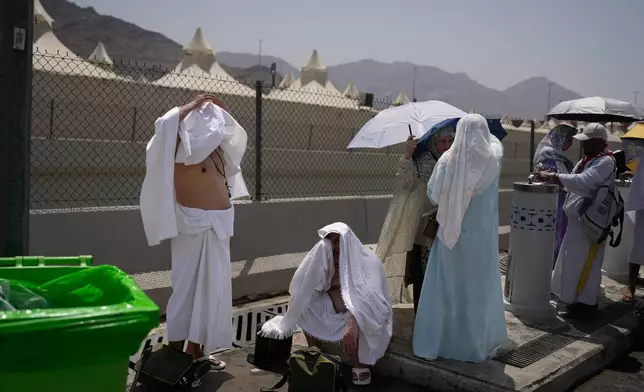
Muslim pilgrims cover their heads to avoid sunlight as they rest while on their way to cast pebbles at pillars in the symbolic stoning of the devil, the last rite of the annual Hajj, in Mina near the holy city of Mecca, Saudi Arabia, Wednesday, May 27, 2026. (AP Photo/Altaf Qadri)
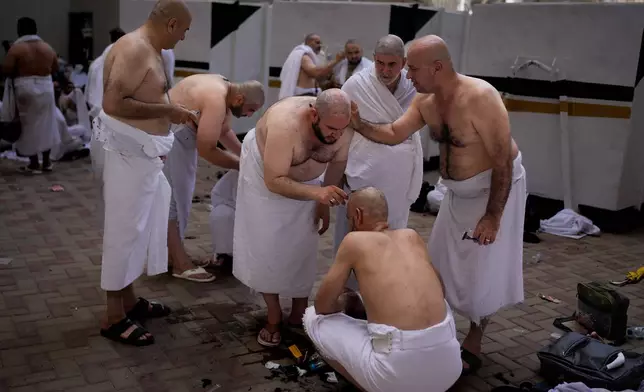
Muslim pilgrims shave each other's heads, during a ritual known as "halq," marking the completion of Hajj after the symbolic stoning of the devil in Mina near the holy city of Mecca, Saudi Arabia, Wednesday, May 27, 2026. (AP Photo/Altaf Qadri)
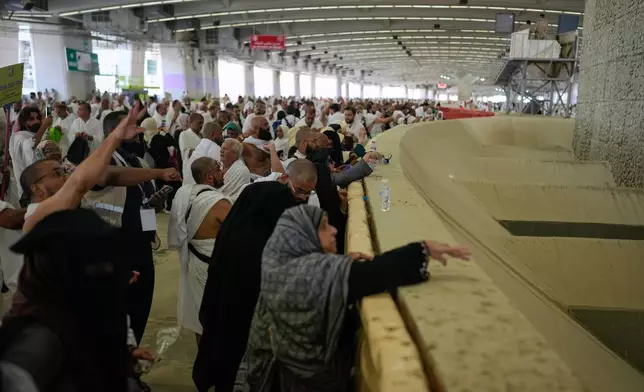
Muslim pilgrims pray after they cast pebbles at pillars in the symbolic stoning of the devil, the last rite of the annual Hajj, in Mina near the holy city of Mecca, Saudi Arabia, Wednesday, May 27, 2026. (AP Photo/Altaf Qadri)
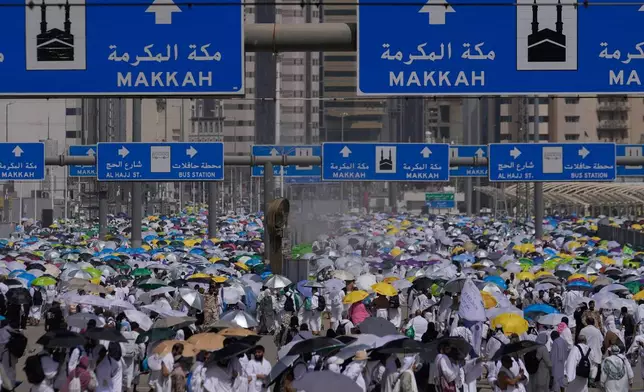
Muslim pilgrims leave after casting pebbles at pillars in the symbolic stoning of the devil, the last rite of the annual Hajj, in Mina near the holy city of Mecca, Saudi Arabia, Wednesday, May 27, 2026. (AP Photo/Altaf Qadri)
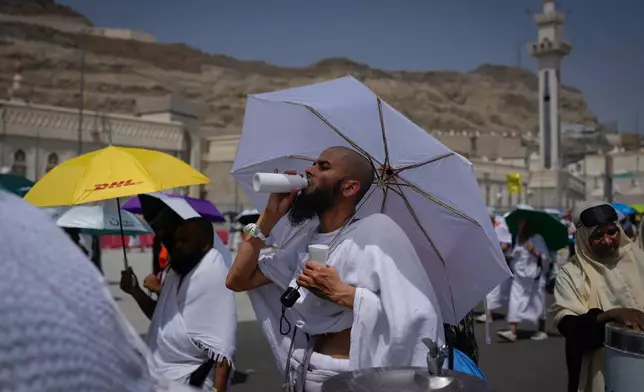
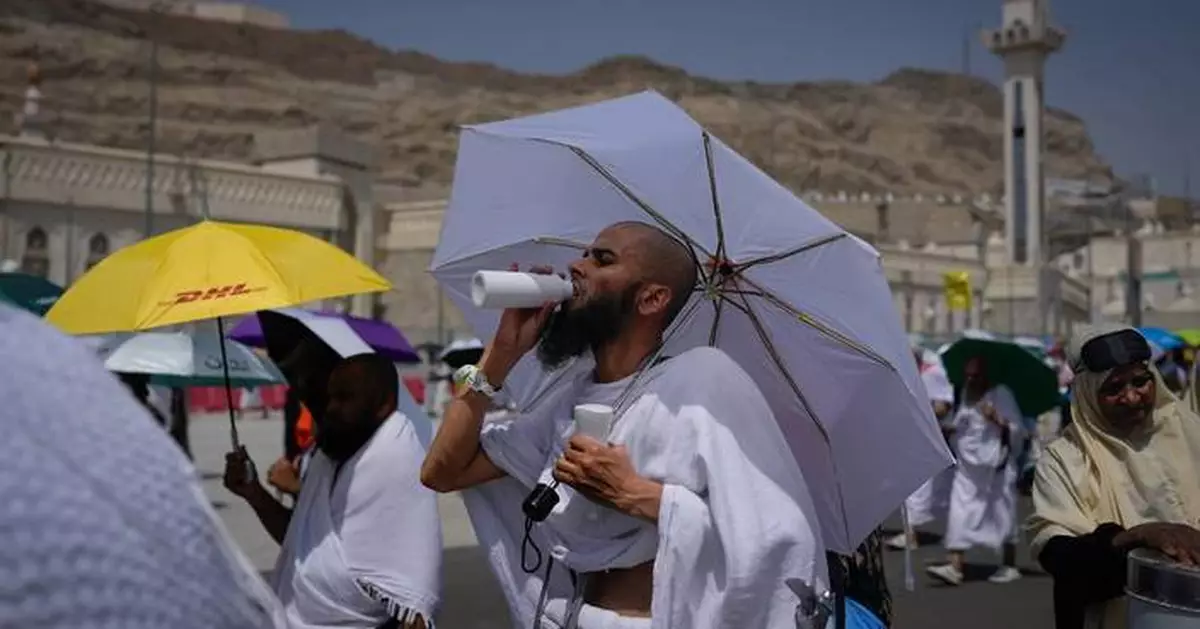
A Muslim pilgrim drinks water as pilgrims walk on their way to cast pebbles at pillars in the symbolic stoning of the devil, the last rite of the annual Hajj, in Mina near the holy city of Mecca, Saudi Arabia, Wednesday, May 27, 2026. (AP Photo/Altaf Qadri)
Large crowds of pilgrims moved through the sprawling Jamarat complex after arriving from Muzdalifah, where they collected pebbles overnight following a day of worship and prayer at Arafat on Tuesday.
Pakistani pilgrim Aamar Shakur said he saw the pebble throwing as a symbol of confronting personal struggles in which he was “throwing the stone to my own devil.”
The last days of the Hajj in Saudi Arabia coincide with Eid al-Adha, or “Feast of Sacrifice,” which marks the willingness of Ibrahim, known as Abraham to Christians and Jews, to sacrifice his son. During the holiday, Muslims typically slaughter sheep or cattle and distribute some of the meat to poor people.
The Hajj, one of the Five Pillars of Islam, is required once in a lifetime of every Muslim who can afford it and is physically able. Performed over several days, the Hajj can be a deeply moving spiritual experience and a chance to seek God’s forgiveness.
This year, the physically demanding Hajj has been held in intense heat, which appeared to take a toll on some as they moved between holy sites. Medical teams stationed across Mina were seen treating several pilgrims.
Many poured water over their heads and faces to cool themselves under the scorching sun, while others carried umbrellas. Some pushed elderly relatives and loved ones in wheelchairs through the crowds toward the pillars so they could complete the ritual.
More than 1.5 million pilgrims have arrived from abroad, a Saudi official said Friday.
This year's Hajj takes place against the backdrop of a tenuous ceasefire in the Iran war and related uncertainty throughout the region.
Fam reported from Winter Park, Florida.
Associated Press religion coverage receives support through the AP’s collaboration with The Conversation US, with funding from Lilly Endowment Inc. The AP is solely responsible for this content.
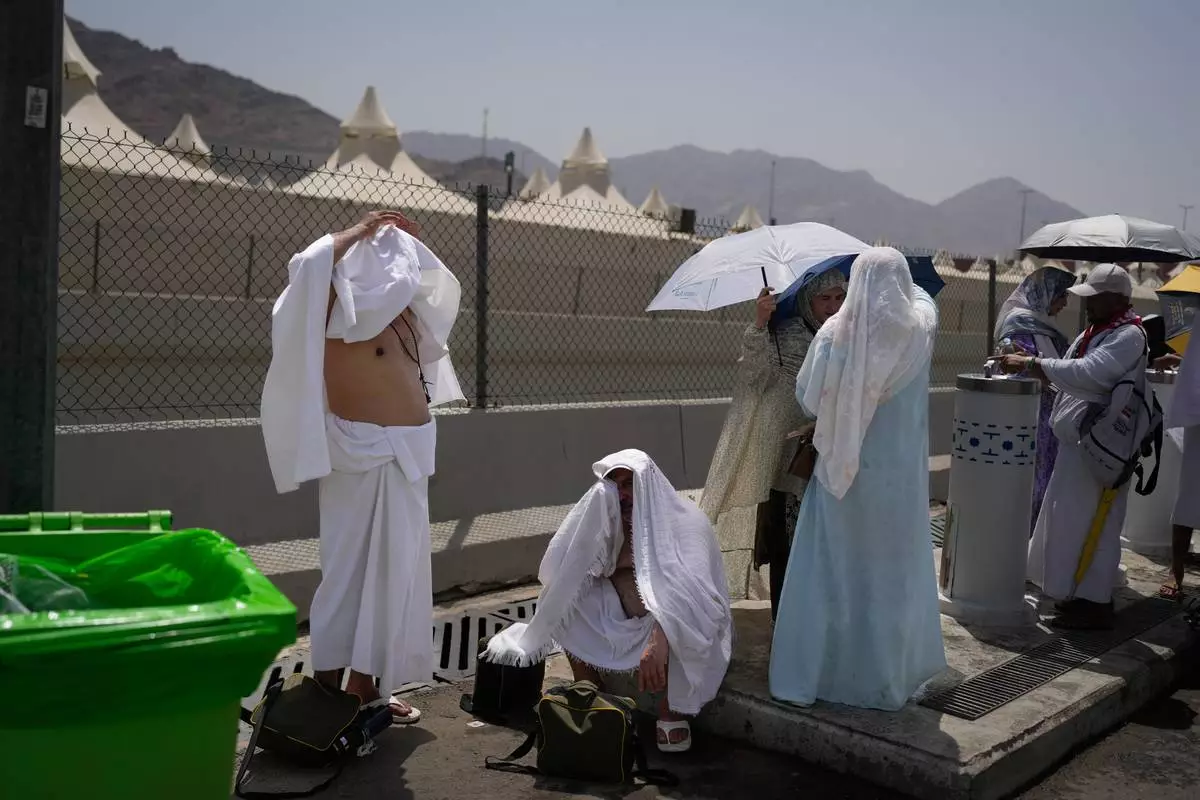
Muslim pilgrims cover their heads to avoid sunlight as they rest while on their way to cast pebbles at pillars in the symbolic stoning of the devil, the last rite of the annual Hajj, in Mina near the holy city of Mecca, Saudi Arabia, Wednesday, May 27, 2026. (AP Photo/Altaf Qadri)
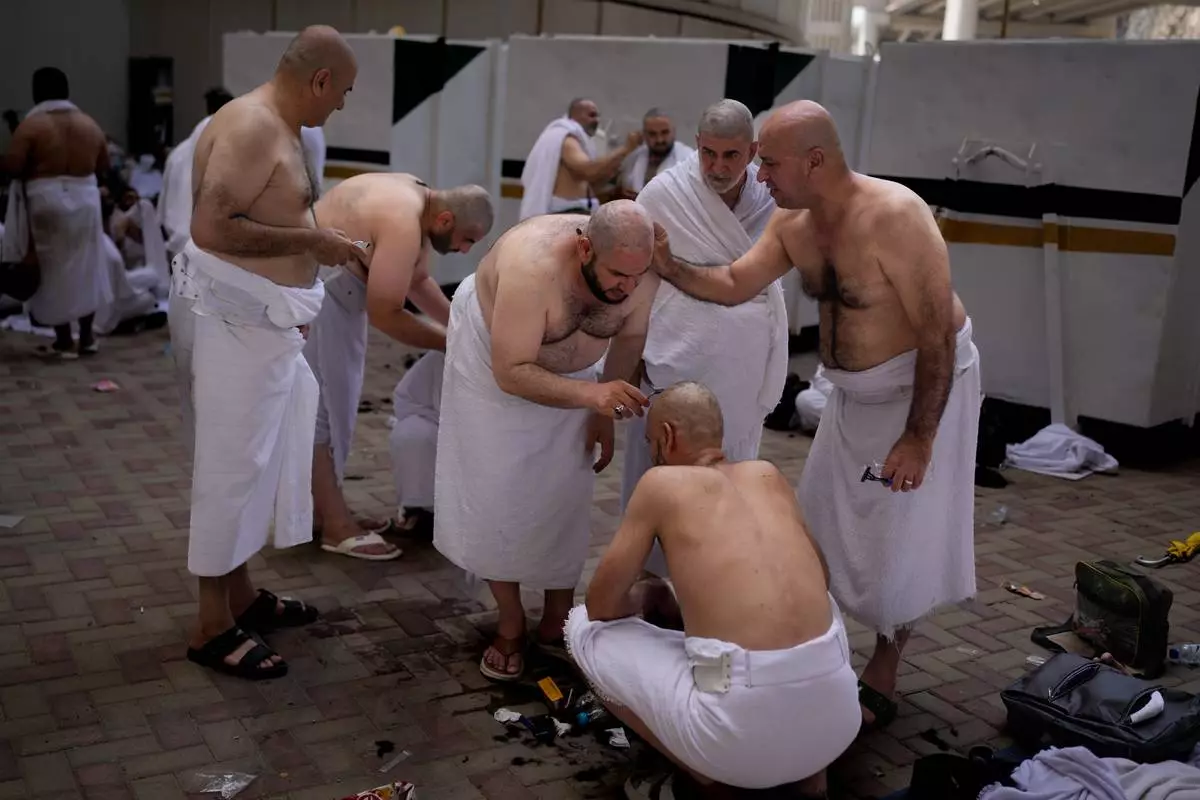
Muslim pilgrims shave each other's heads, during a ritual known as "halq," marking the completion of Hajj after the symbolic stoning of the devil in Mina near the holy city of Mecca, Saudi Arabia, Wednesday, May 27, 2026. (AP Photo/Altaf Qadri)
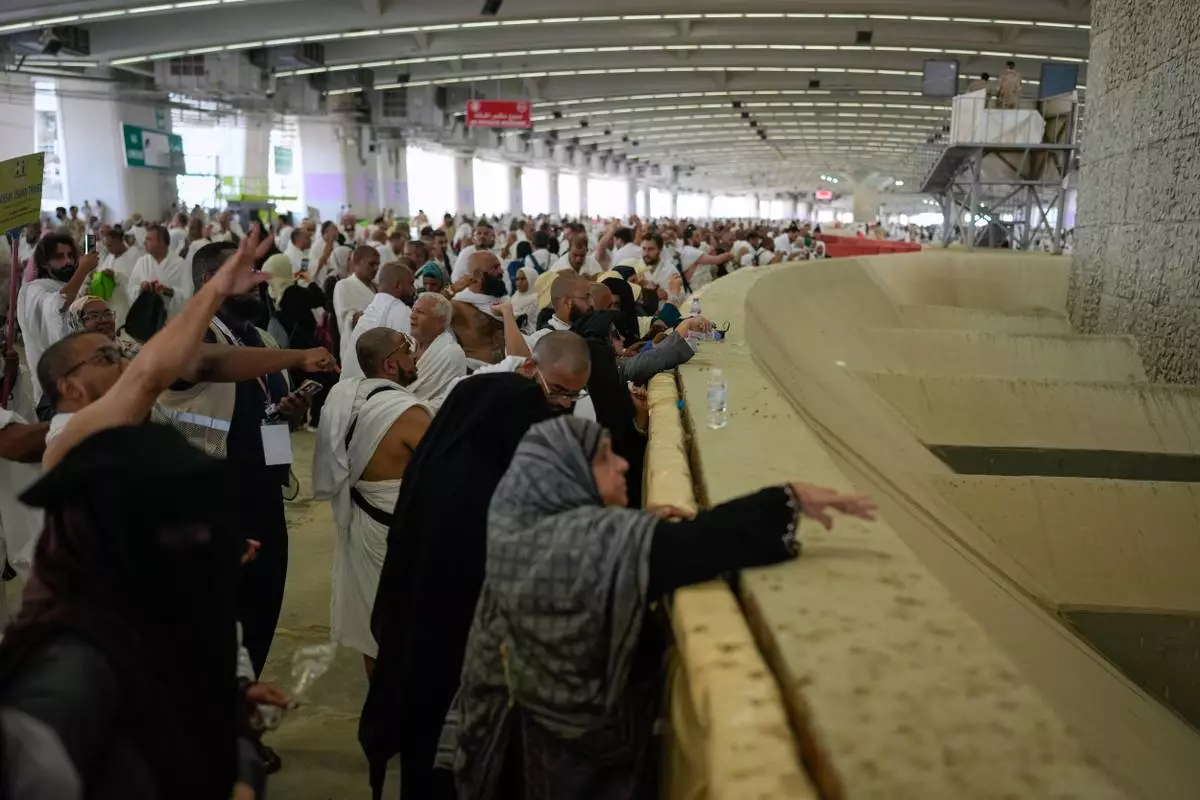
Muslim pilgrims pray after they cast pebbles at pillars in the symbolic stoning of the devil, the last rite of the annual Hajj, in Mina near the holy city of Mecca, Saudi Arabia, Wednesday, May 27, 2026. (AP Photo/Altaf Qadri)
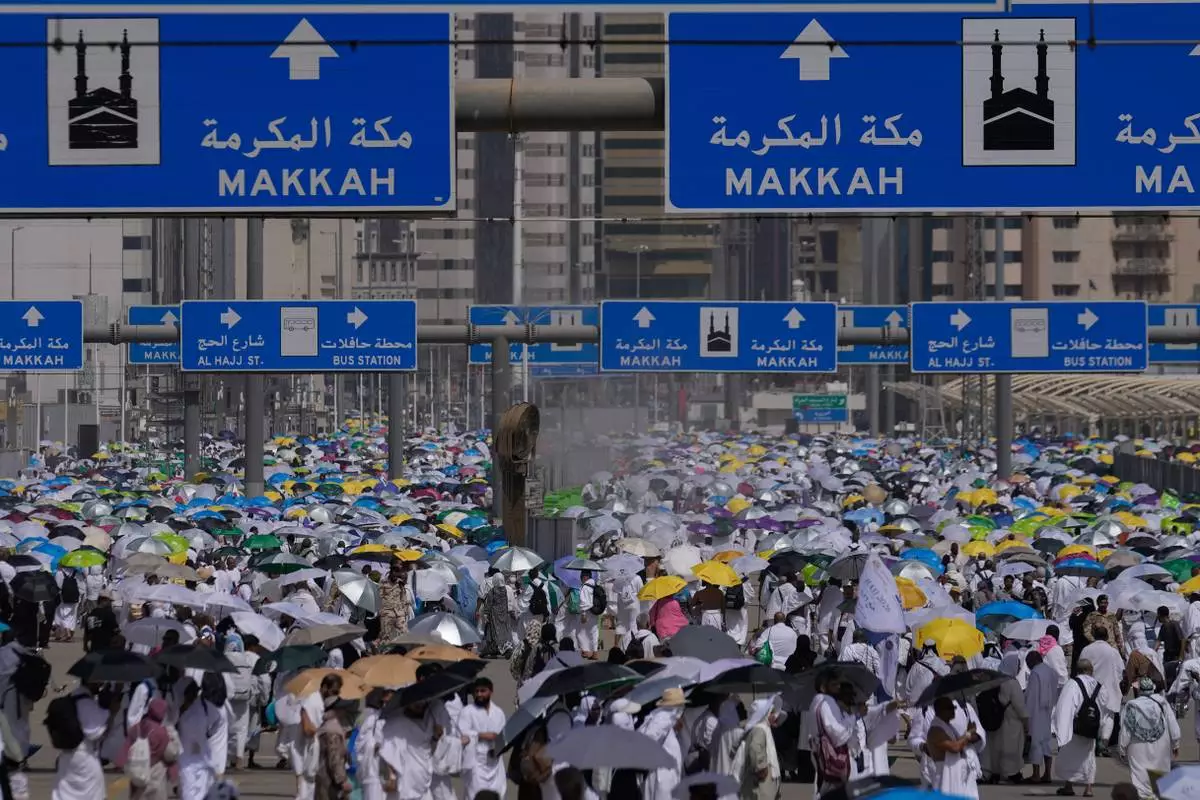
Muslim pilgrims leave after casting pebbles at pillars in the symbolic stoning of the devil, the last rite of the annual Hajj, in Mina near the holy city of Mecca, Saudi Arabia, Wednesday, May 27, 2026. (AP Photo/Altaf Qadri)
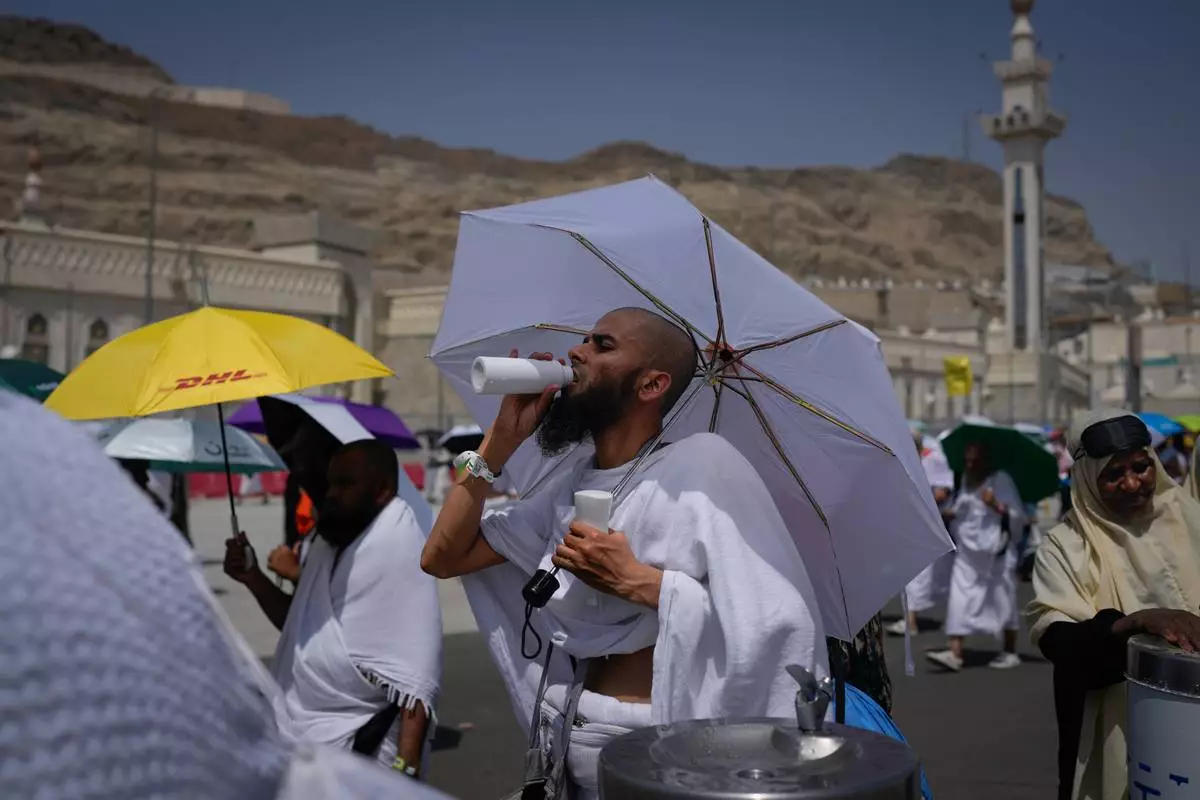
A Muslim pilgrim drinks water as pilgrims walk on their way to cast pebbles at pillars in the symbolic stoning of the devil, the last rite of the annual Hajj, in Mina near the holy city of Mecca, Saudi Arabia, Wednesday, May 27, 2026. (AP Photo/Altaf Qadri)