Greece is bracing for a challenging peak tourism season, as surging oil prices resulting from the Iran war and disruptions in the Strait of Hormuz drive up costs and threaten one of the country's most lucrative economic sectors.
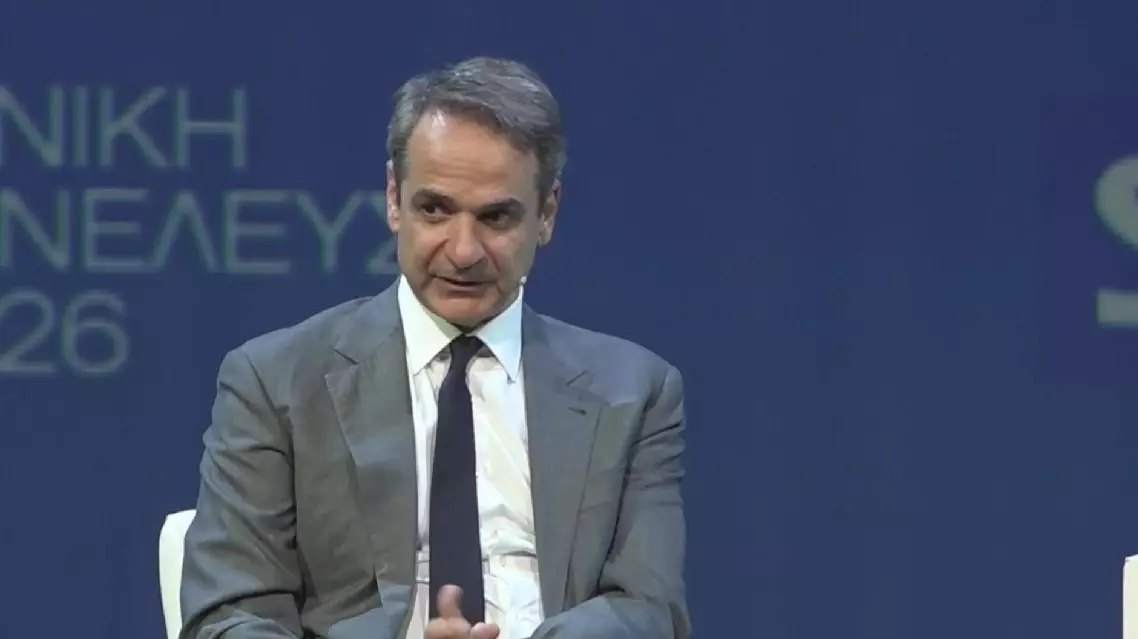
At the Stavros Niarchos Foundation Cultural Center in Athens on May 18, tourism leaders gathered for the 34th General Assembly of the Greek Tourism Confederation (SETE), with Prime Minister Kyriakos Mitsotakis calling for cooperation to cope with the challenges ahead.
"We have proven in the past that through cooperation between the State and the Greek Tourism Confederation, we can overcome great adversities. We did so during the years of the pandemic," Mitsotakis said.
As global oil prices remain elevated and instability in the Middle East disrupts shipping, Greek officials warned that these pressures are already being felt across the industry, affecting airline fares, ferry ticket prices, and hotel operating costs.
"Greek tourism today shows strong momentum, but also resilience, in an environment of intense competition, through crises and conditions of uncertainty," said Olga Kefalogianni, the Greek tourism minister.
The situation is especially acute on the islands, where essential goods and visitors all arrive by sea or air, meaning even minor price hikes have an immediate impact.
"If the overall pie shrinks, we must be the country that suffers less from this crisis. This may also create some additional opportunities for Greek tourism. Therefore, adaptability, speed of reaction, and absolute coordination in dealing with any crisis are now an institutional skill in our relations with the world of tourism," Mitsotakis said.
For Greece, the focus this summer will be on preserving travel demand and safeguarding a cornerstone of its economy, even as oil prices and global instability cast new shadows over the sun and sea.
Energy price hikes, geopolitical tensions hit Greek tourism