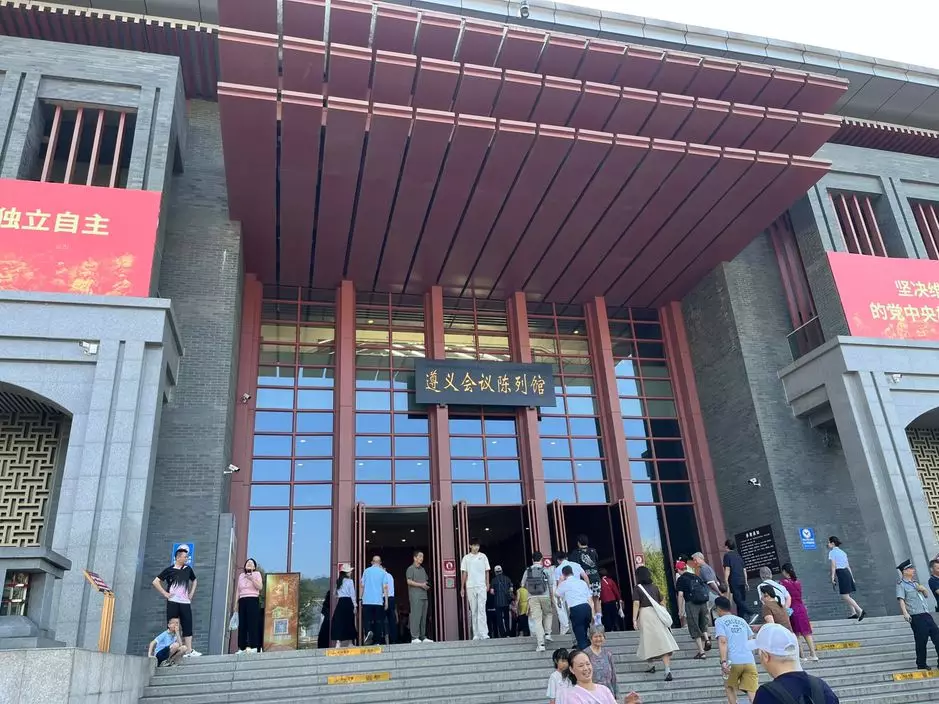
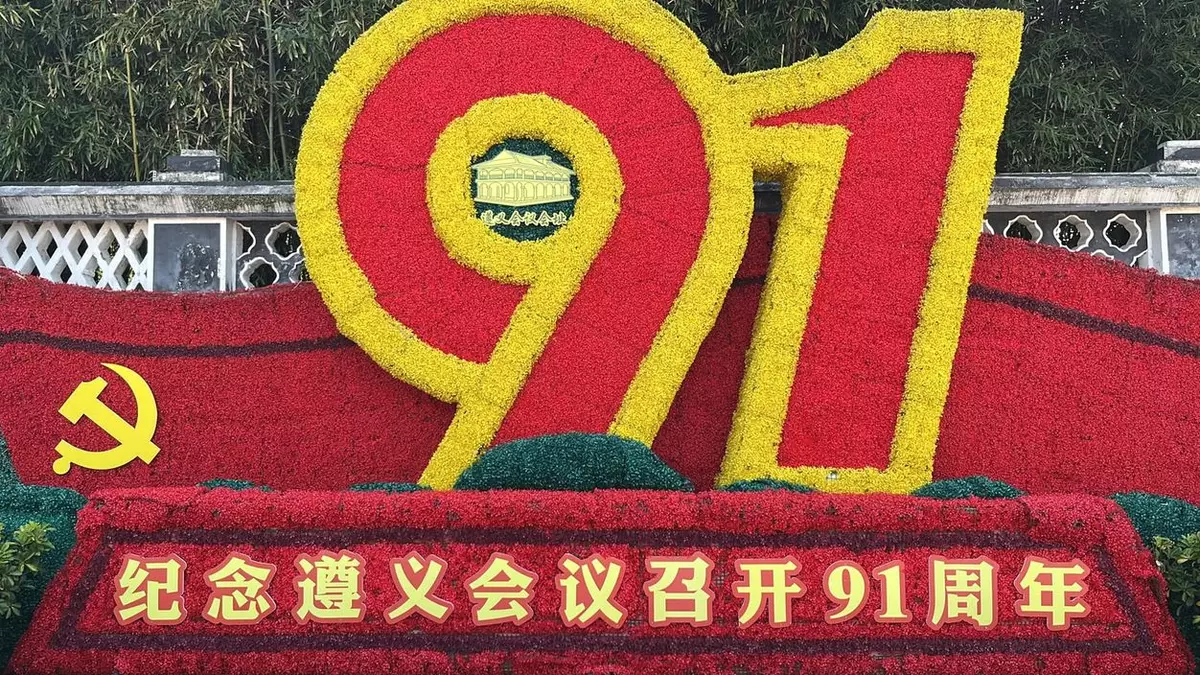
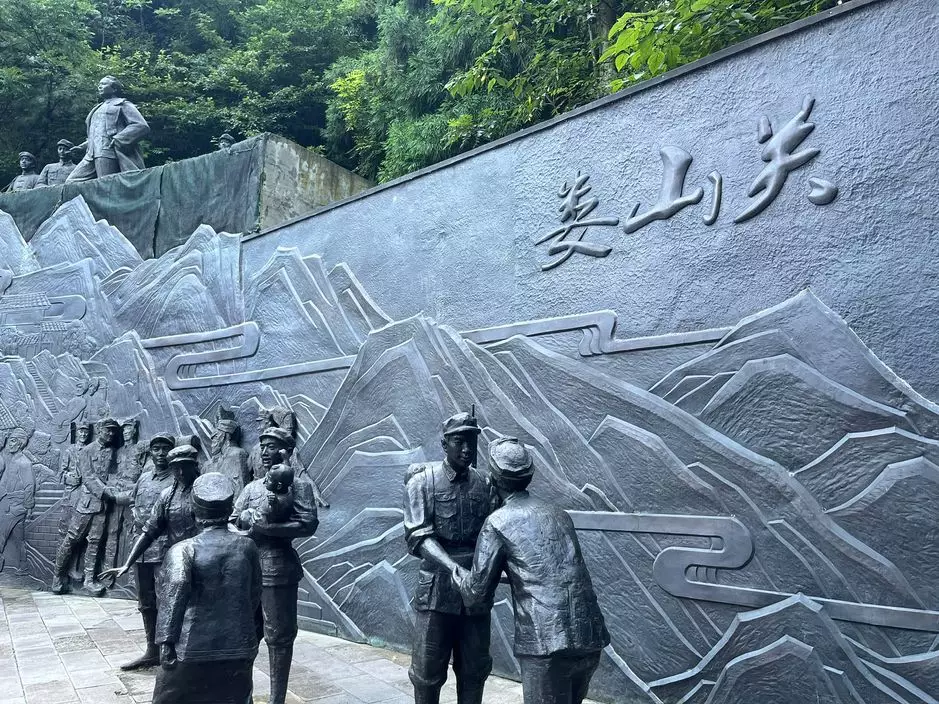
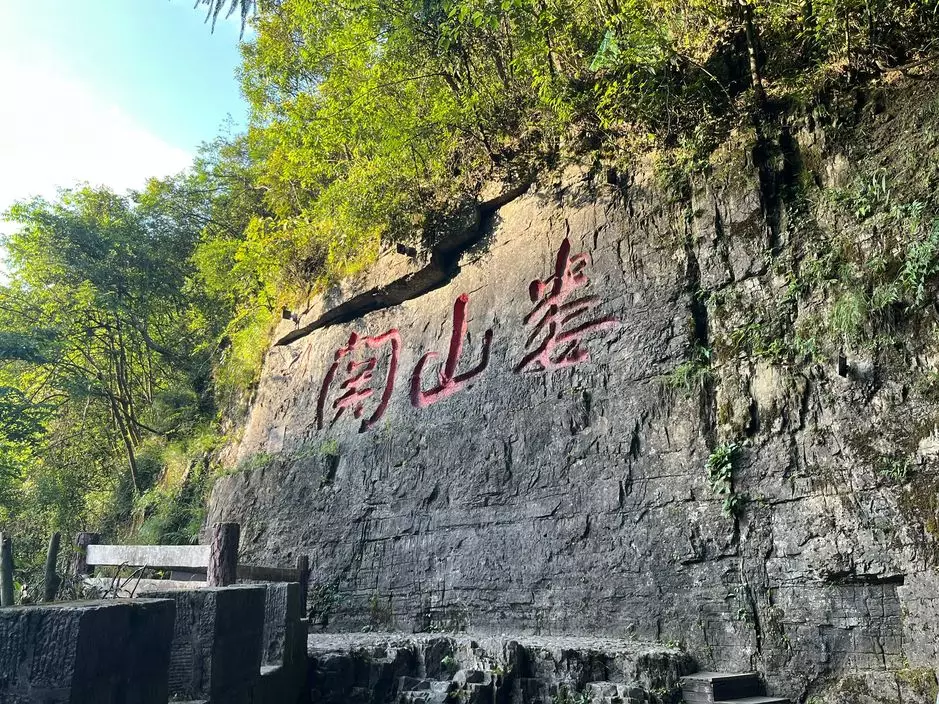
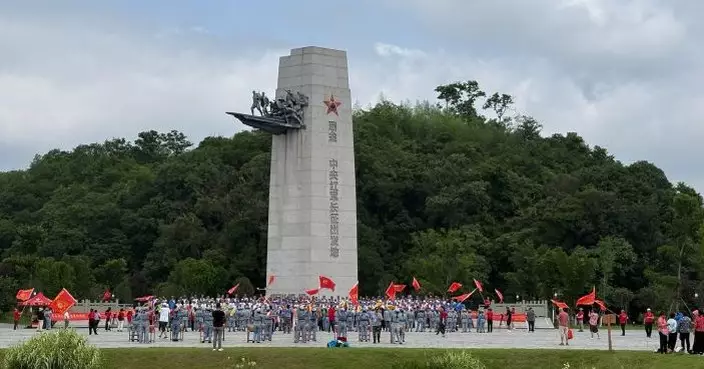
This year marks the 90th anniversary of the Red Army's Long March victory. The arduous journey of the Red Army soldiers in pursuit of faith and ideals has become a precious spiritual legacy, inspiring generations of Chinese people to bravely move forward and serving as a cultural story worth passing down through the ages.
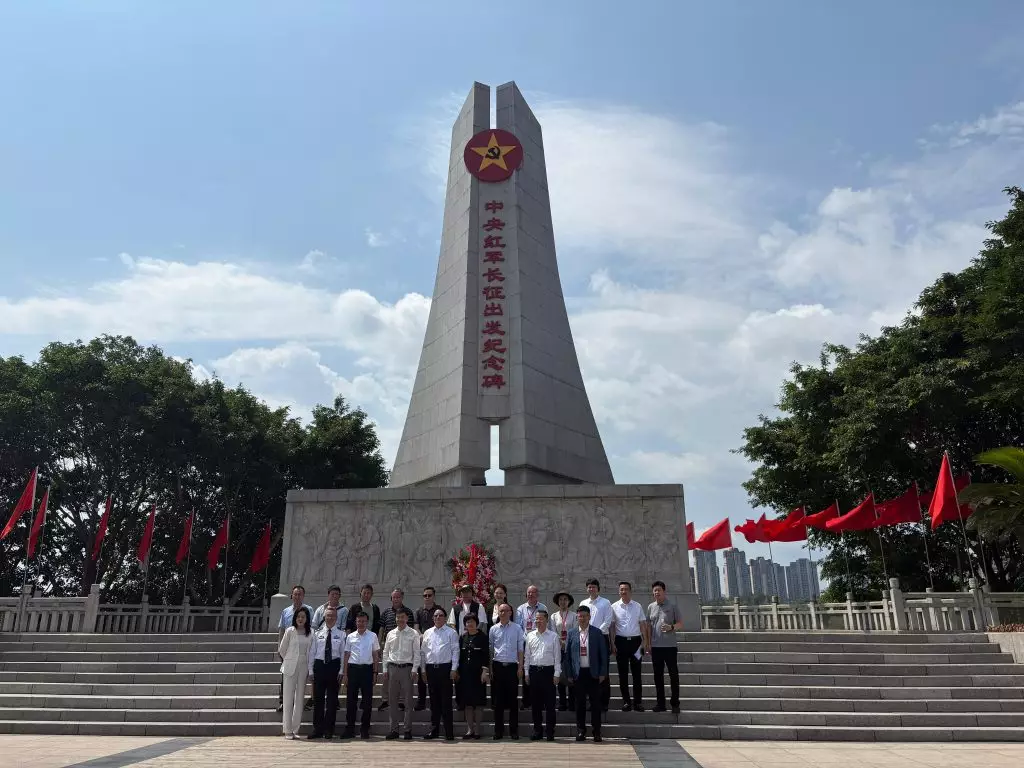
Photo by Bastille Post
On the morning of May 27, the media delegation from Guangdong-Hong Kong-Macao Greater Bay Area arrived in Yudu County, Ganzhou City, Jiangxi Province, to begin the first stop of the themed interview series retracing the Long March route.
Click to Gallery
Photo by Bastille Post
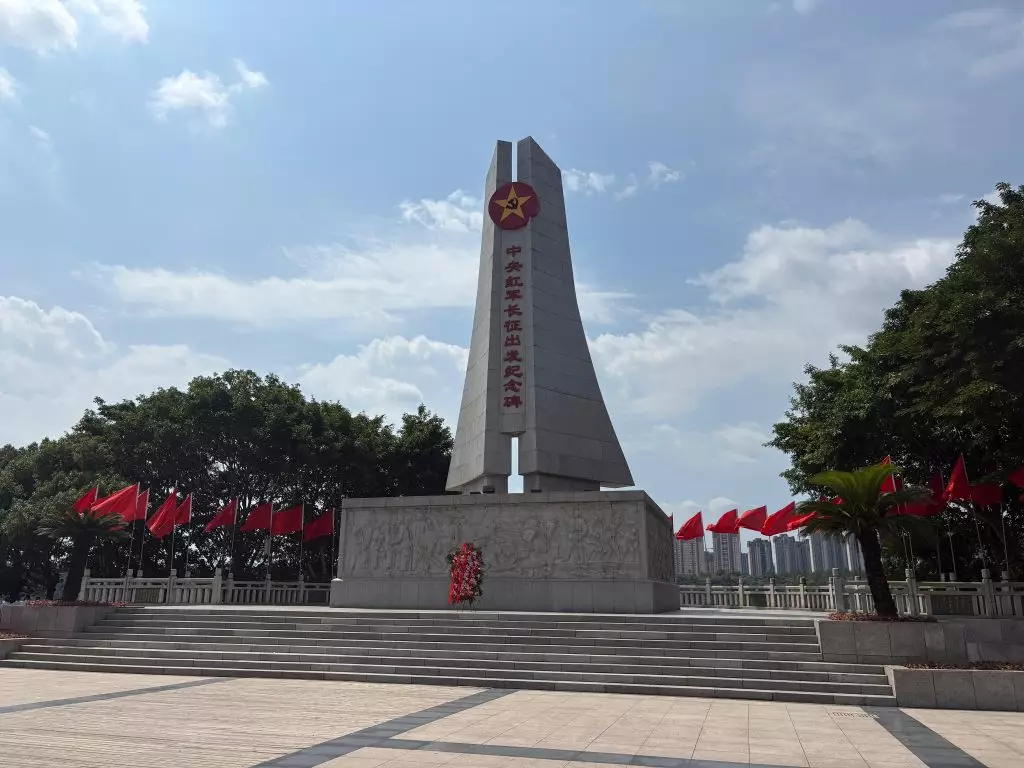
The Central Red Army Long March Starting Place Memorial Park, Photo by Bastille Post
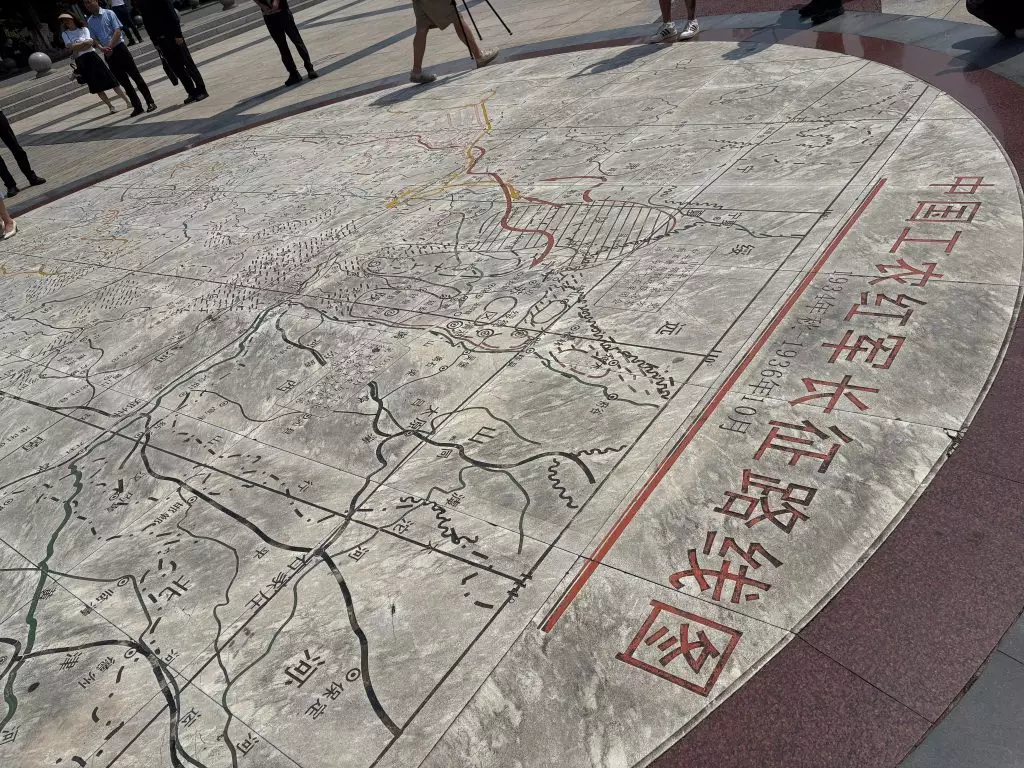
The Central Red Army Long March Starting Place Memorial Park, Photo by Bastille Post
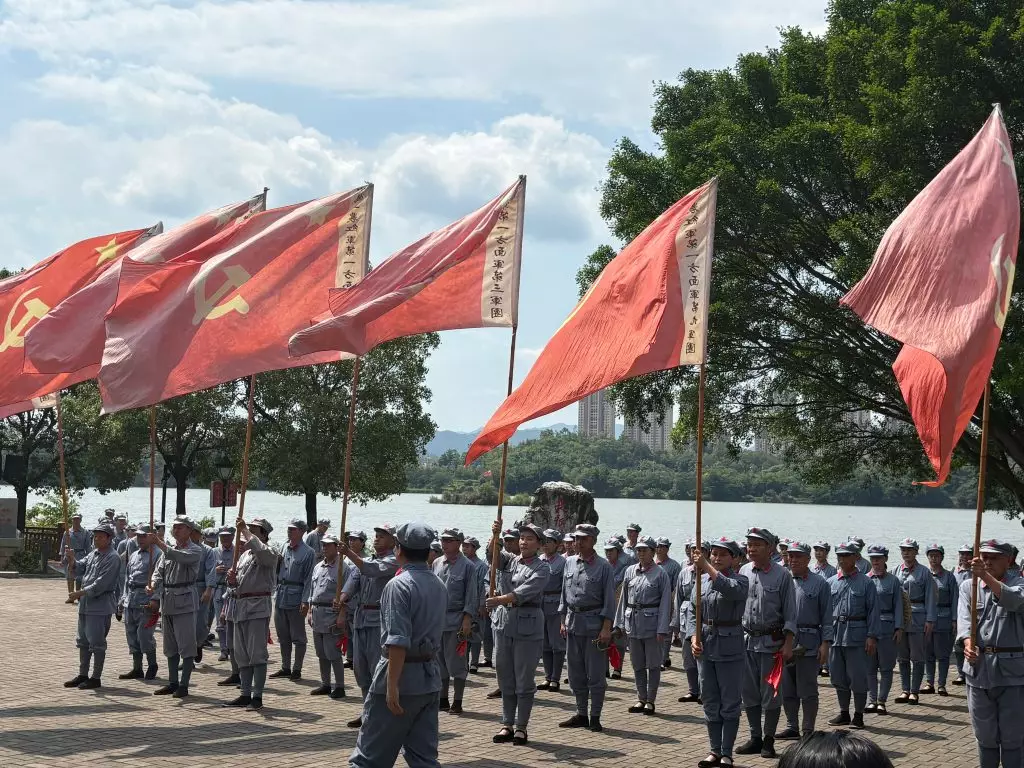
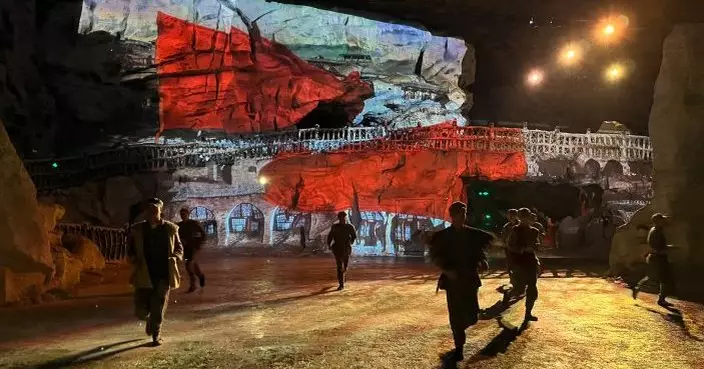
The dramatic performance, "Farewell," Photo by Bastille Post
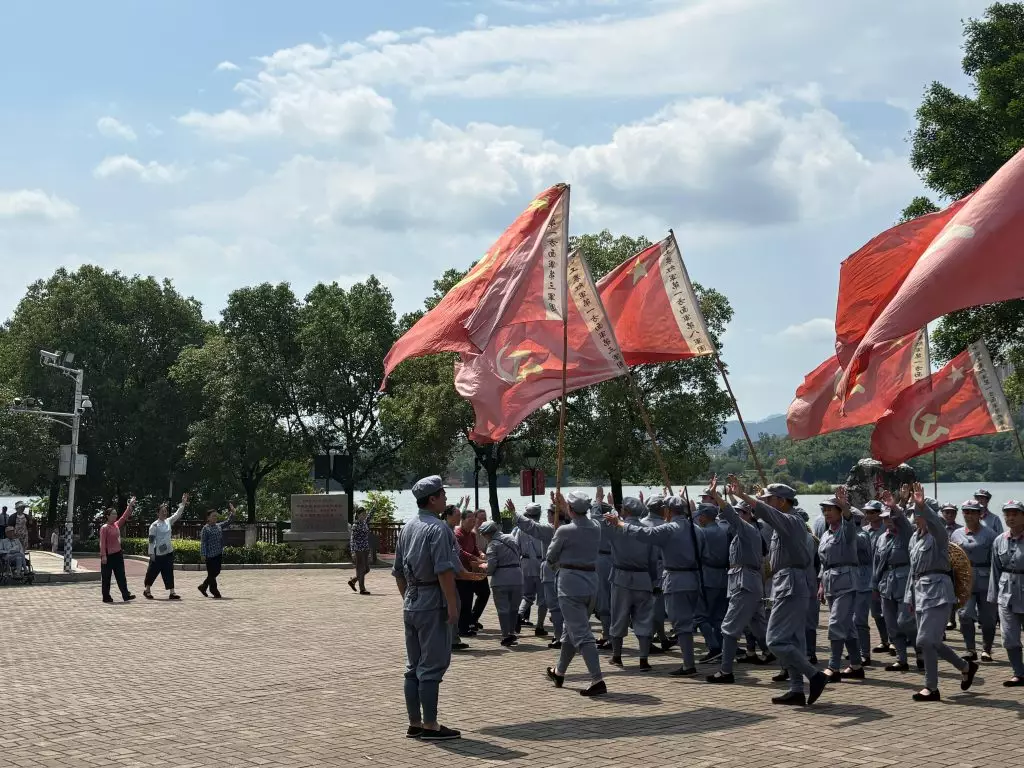
The dramatic performance, "Farewell," Photo by Bastille Post
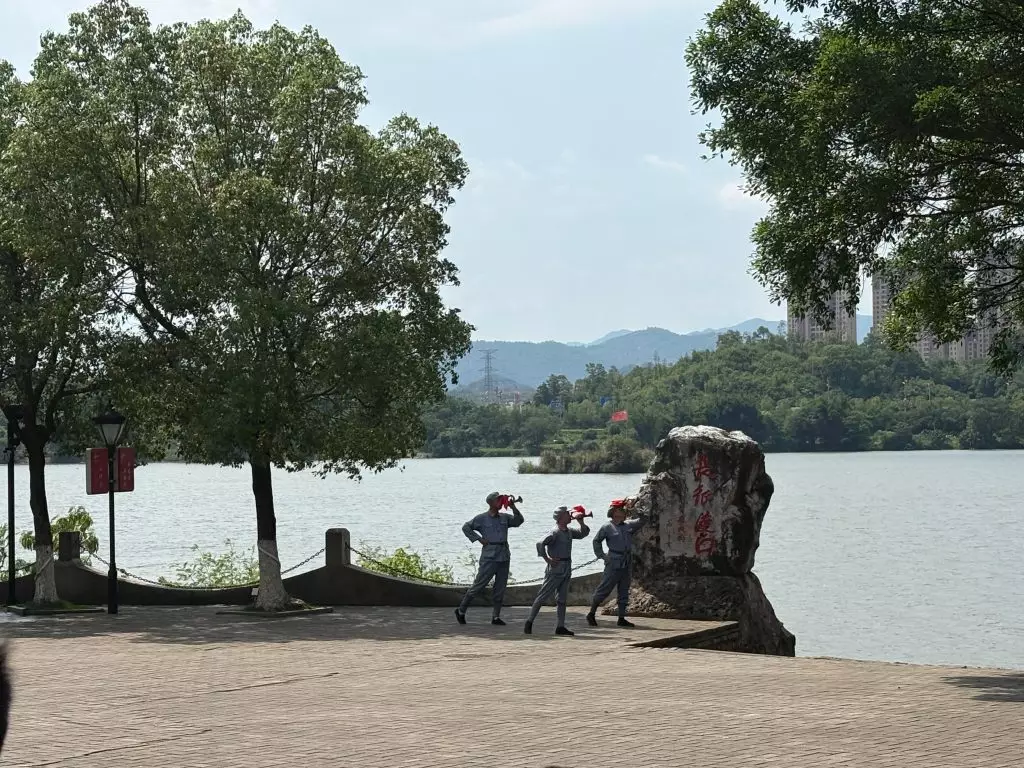
The dramatic performance, "Farewell," Photo by Bastille Post
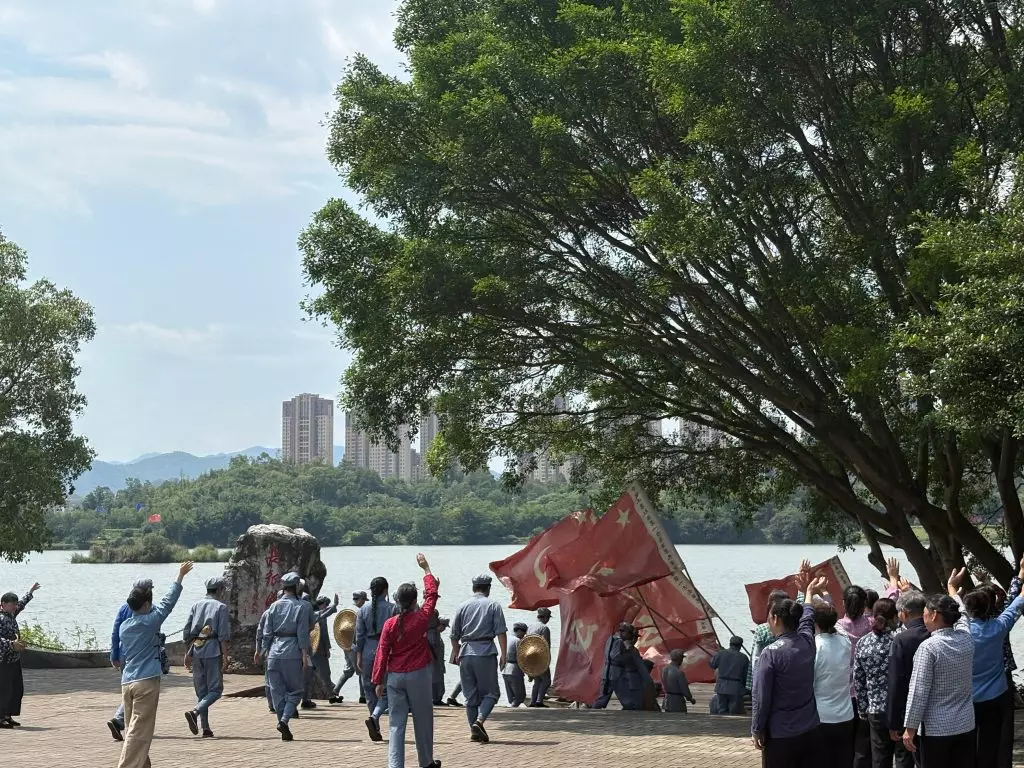
The dramatic performance, "Farewell," Photo by Bastille Post
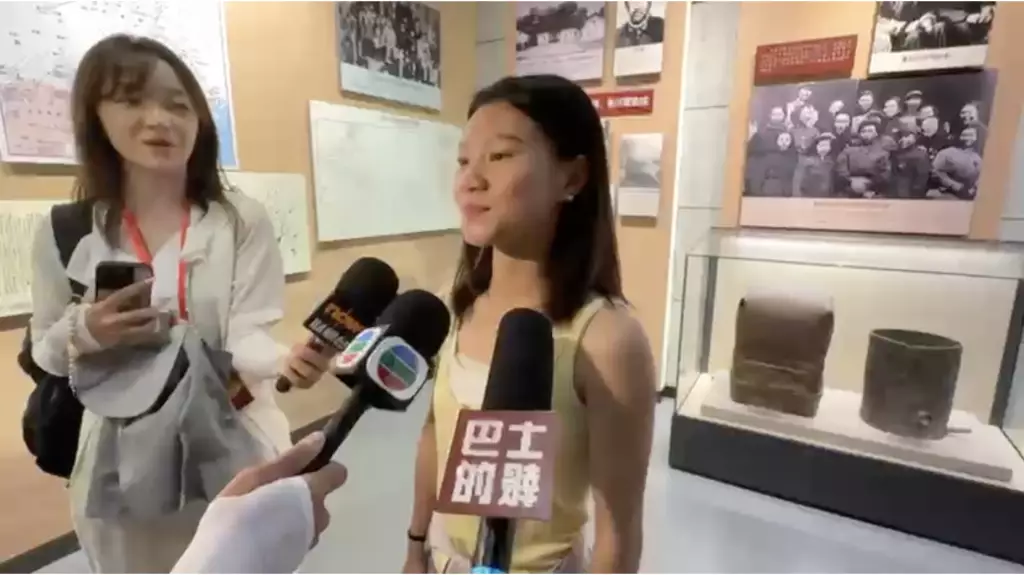
Ms. Chen, Photo by Bastille Post
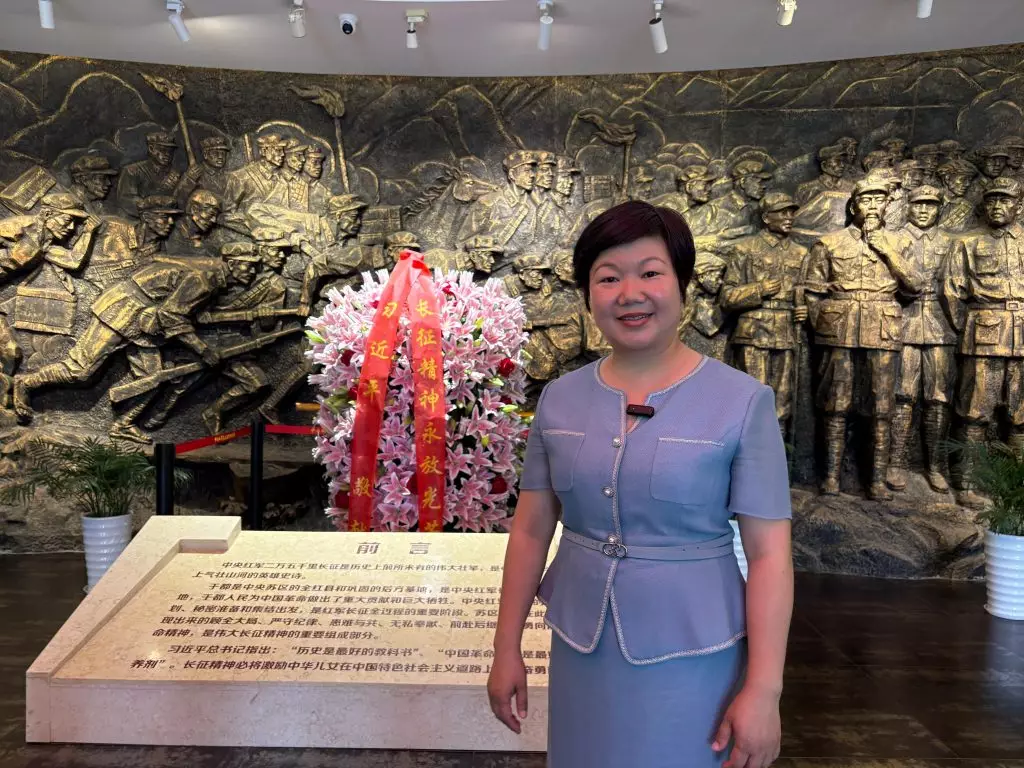
Ms. Zhong Min, Photo by Bastille Post
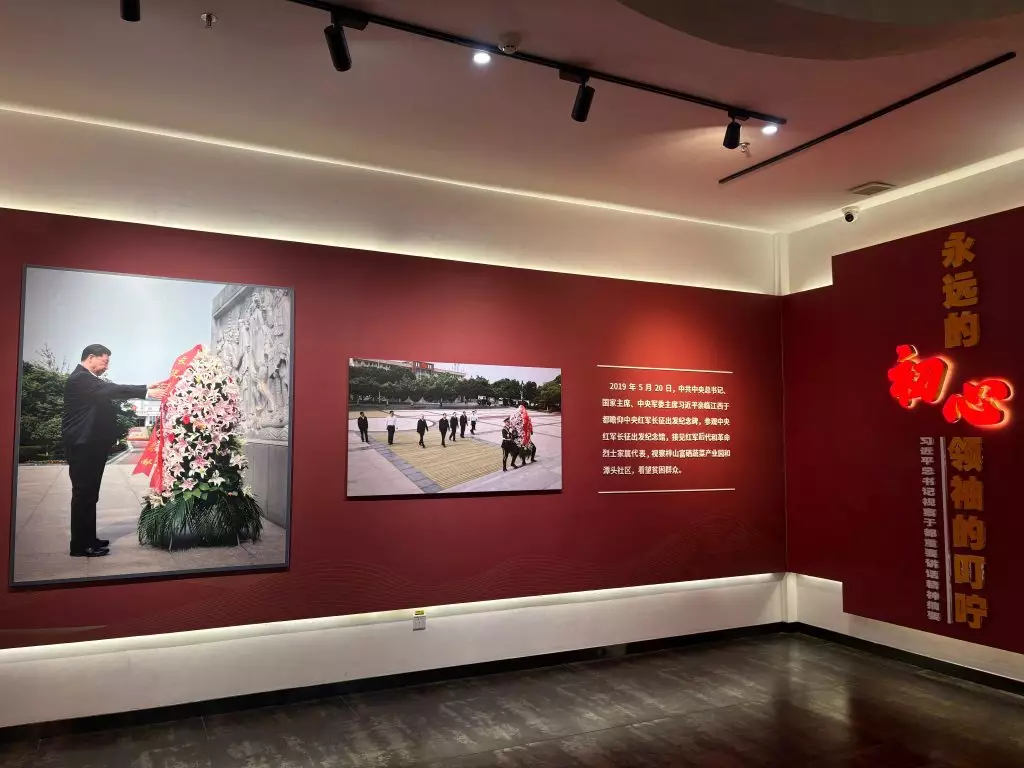
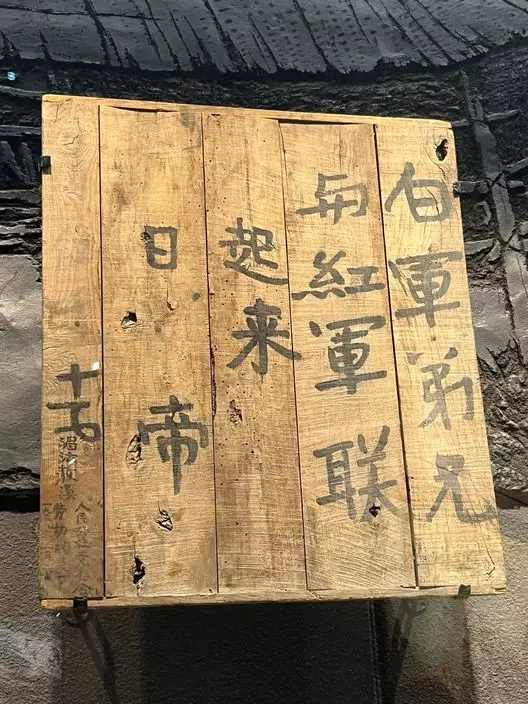
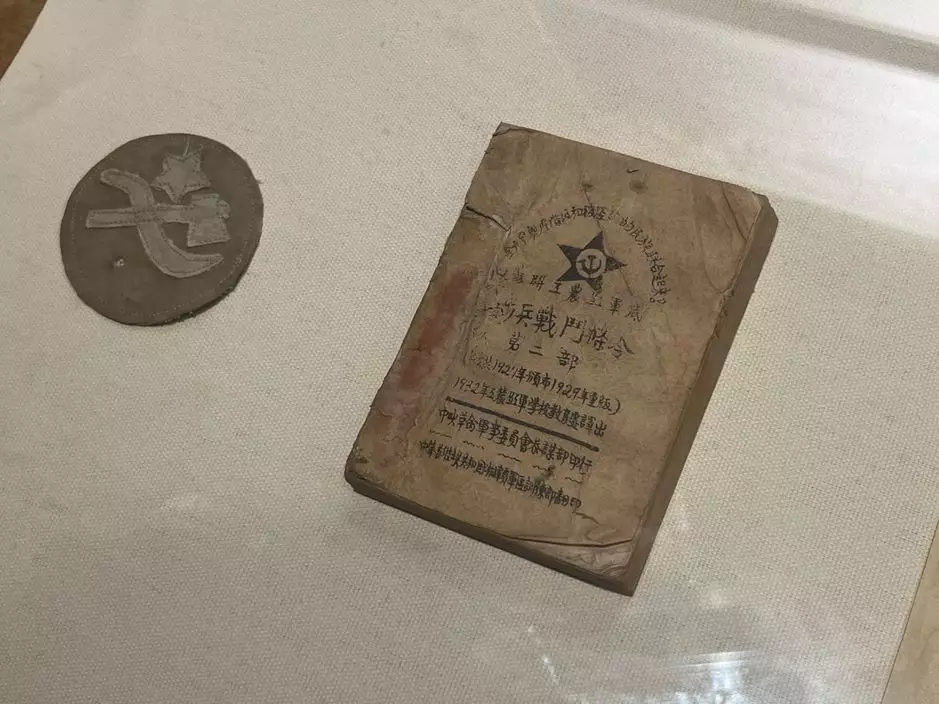
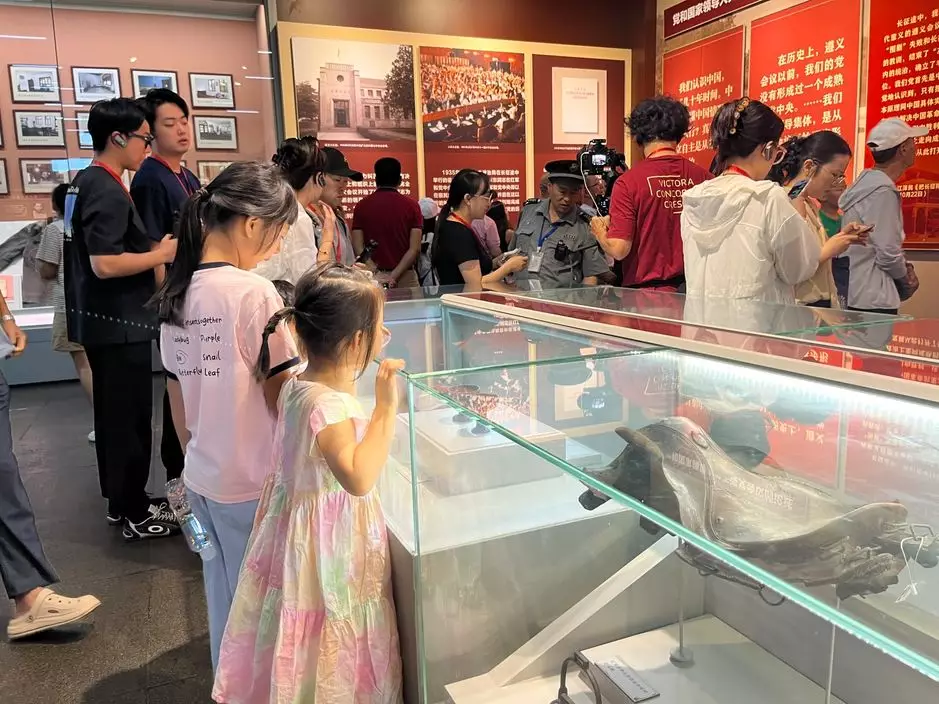
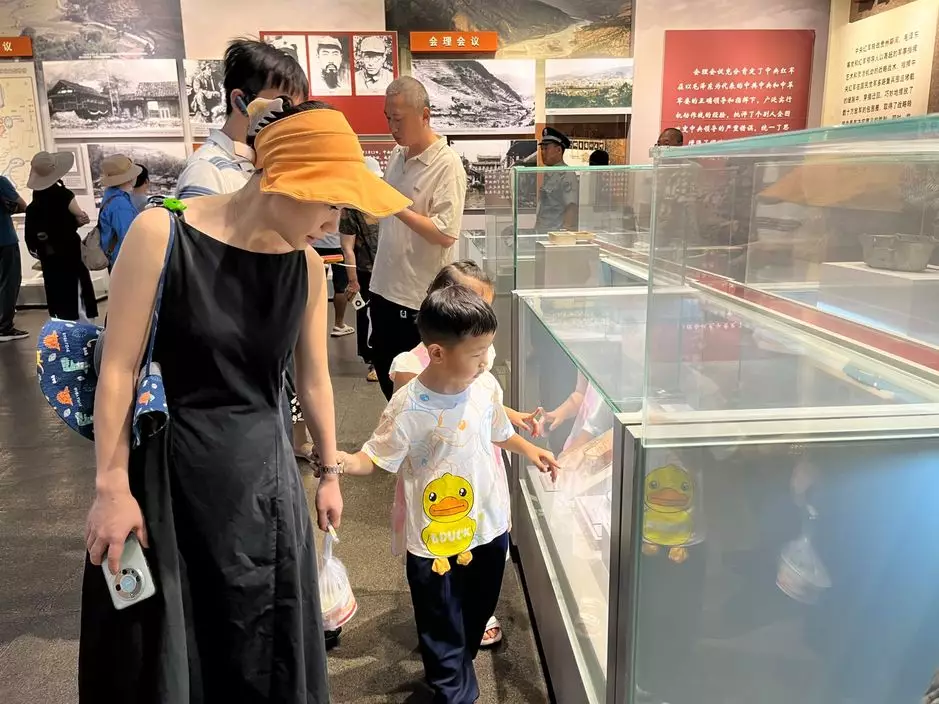
The Memorial Hall of the Long March of the Central Red Army, Photo by Bastille Post
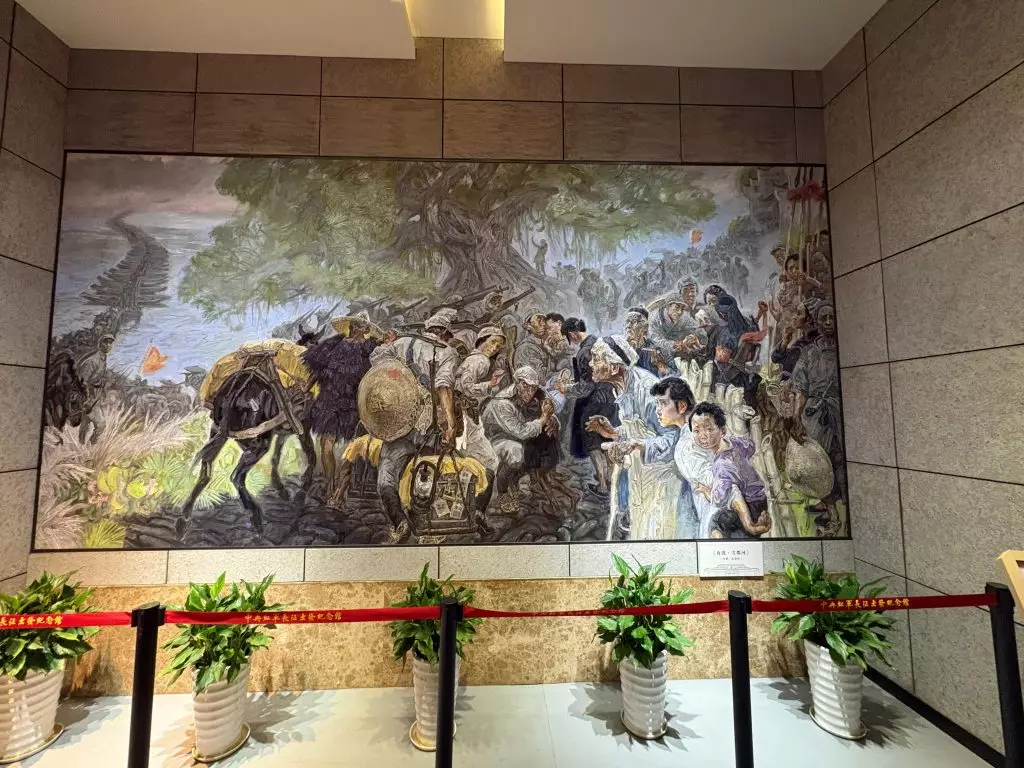
The Memorial Hall of the Long March of the Central Red Army, Photo by Bastille Post
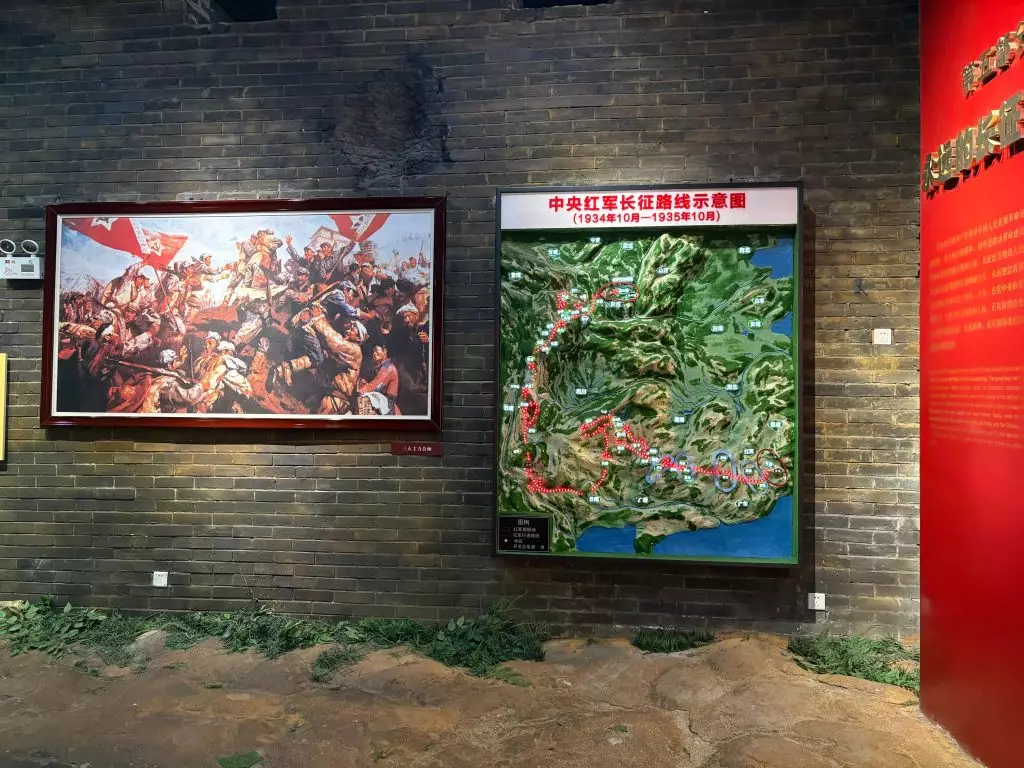
The Memorial Hall of the Long March of the Central Red Army, Photo by Bastille Post
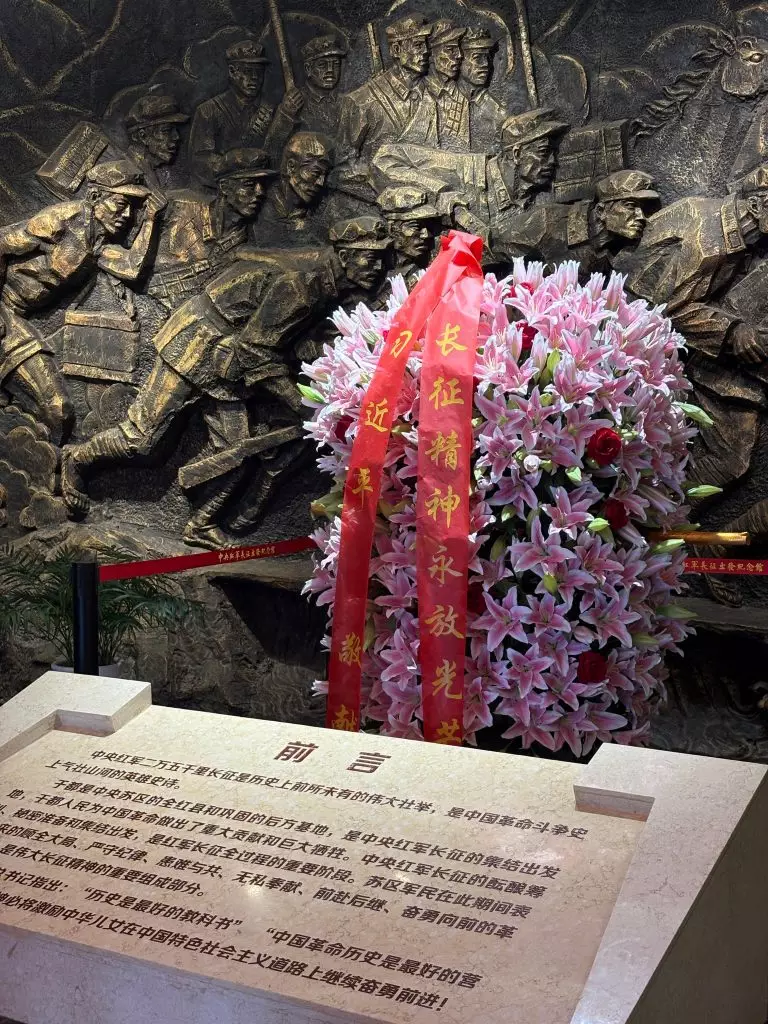
The Memorial Hall of the Long March of the Central Red Army, Photo by Bastille Post
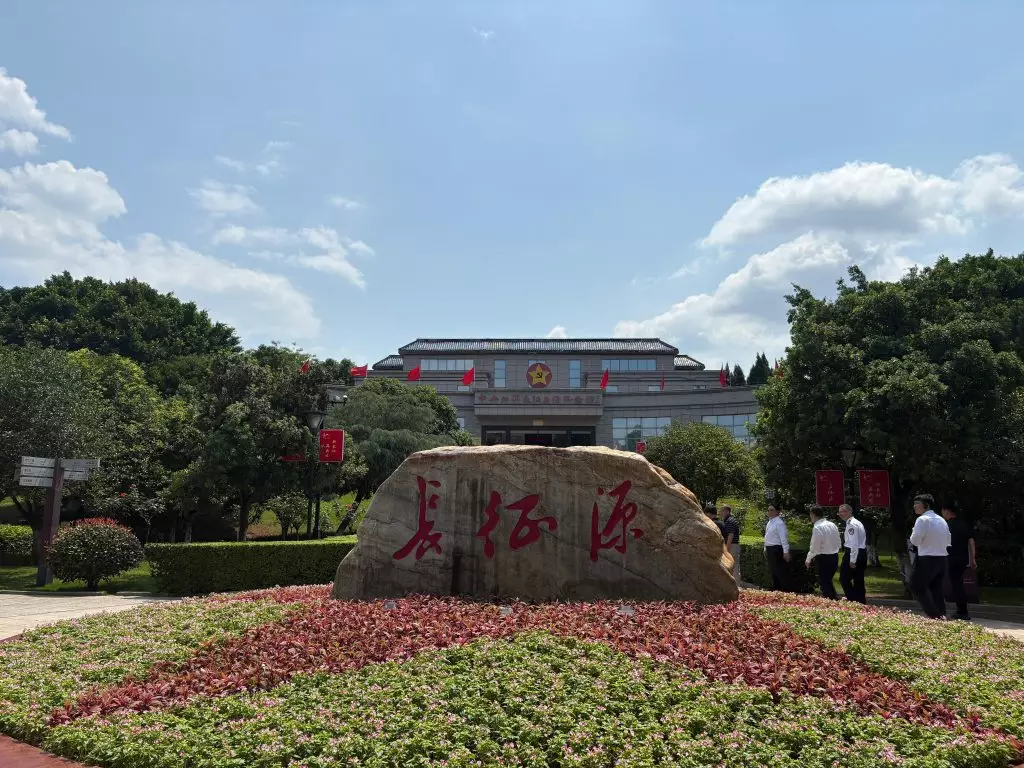
Photo by Bastille Post
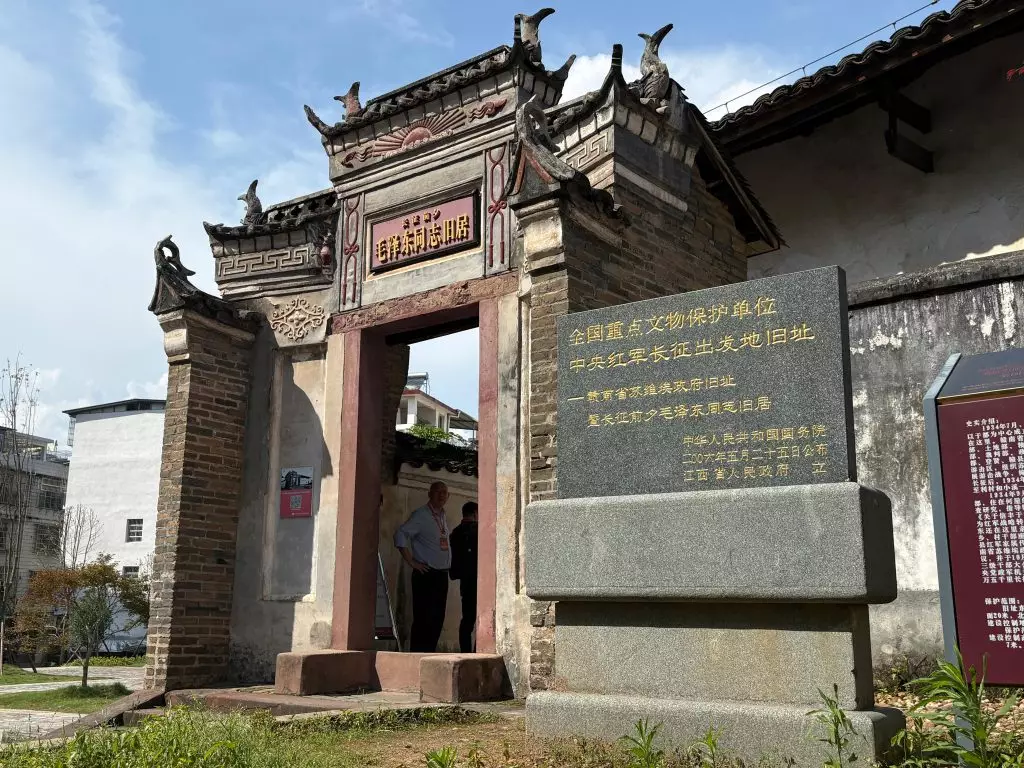
The former site of the Southern Jiangxi Provincial Soviet Government and the former residence of Mao Zedong on the eve of the Long March, Photo by Bastille Post
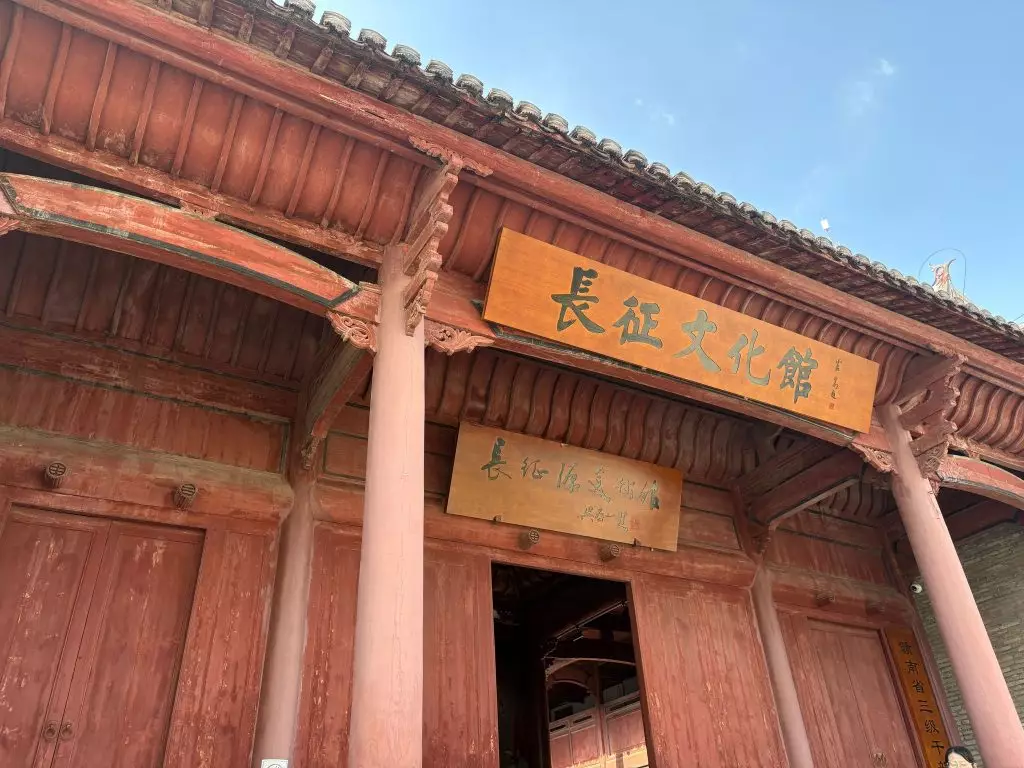
The Long March Cultural Museum, Photo by Bastille Post
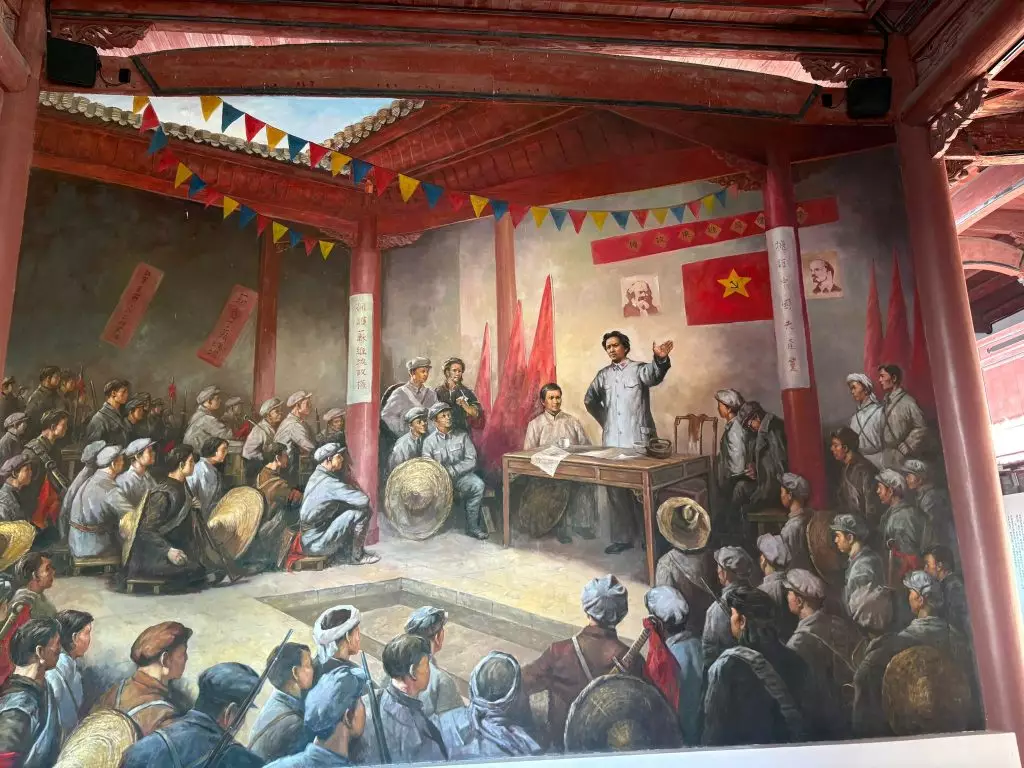
Photo by Bastille Post
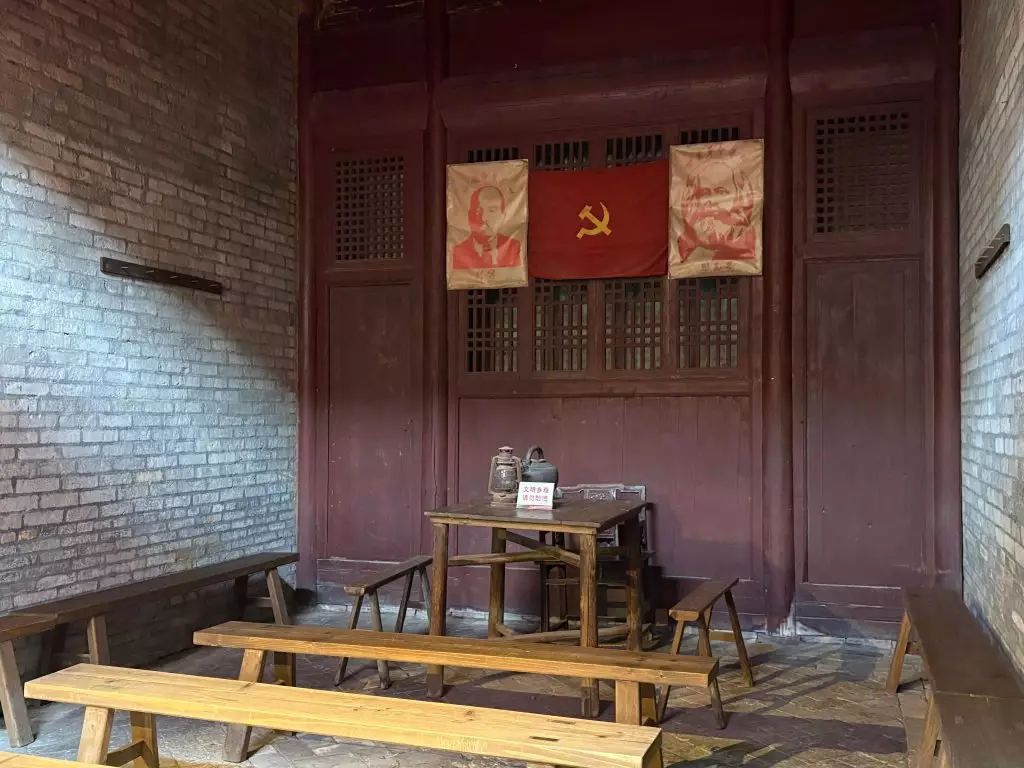
The former site of the Southern Jiangxi Provincial Soviet Government and the former residence of Mao Zedong on the eve of the Long March, Photo by Bastille Post
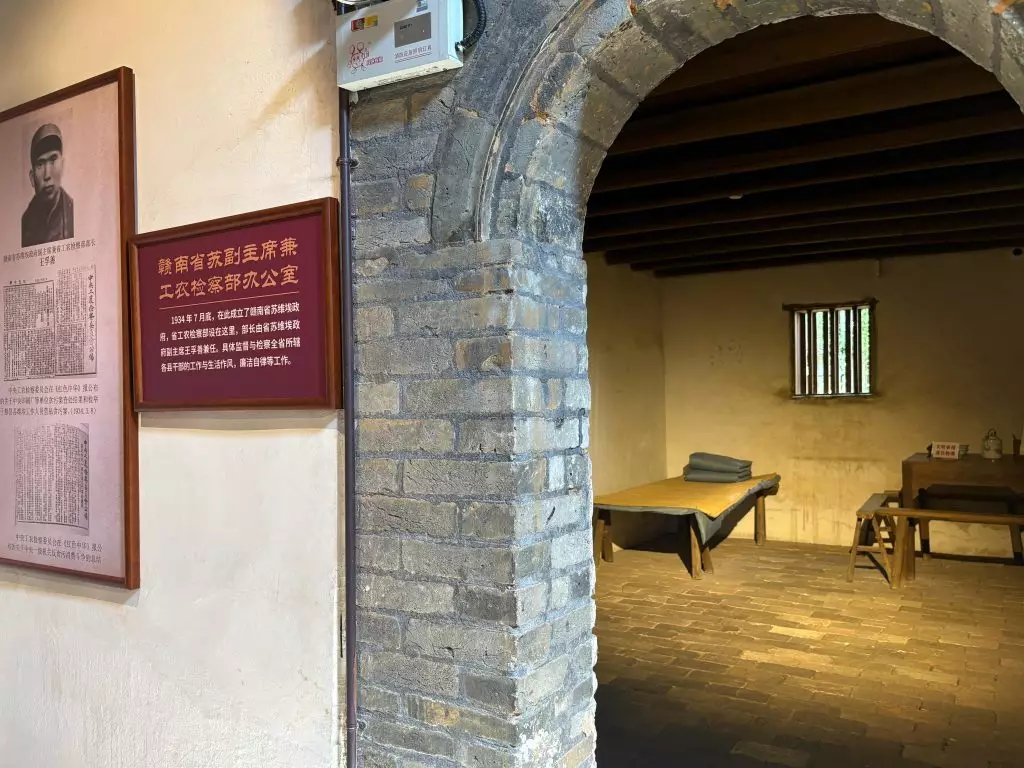
The former site of the Southern Jiangxi Provincial Soviet Government and the former residence of Mao Zedong on the eve of the Long March, Photo by Bastille Post
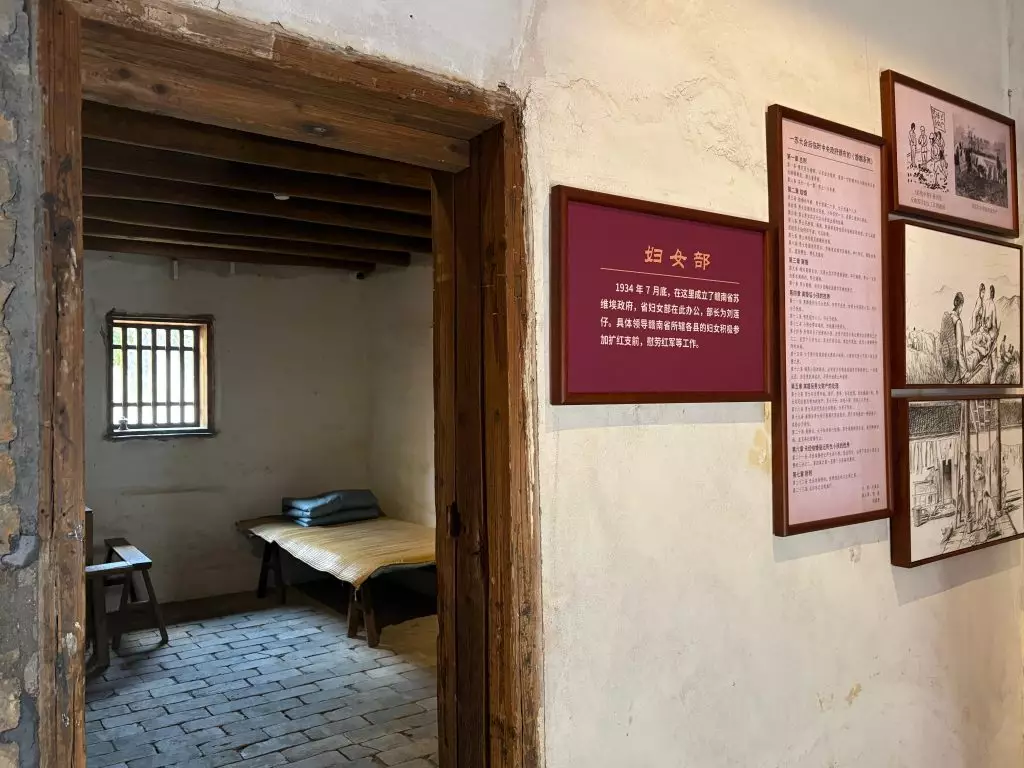
The former site of the Southern Jiangxi Provincial Soviet Government and the former residence of Mao Zedong on the eve of the Long March, Photo by Bastille Post
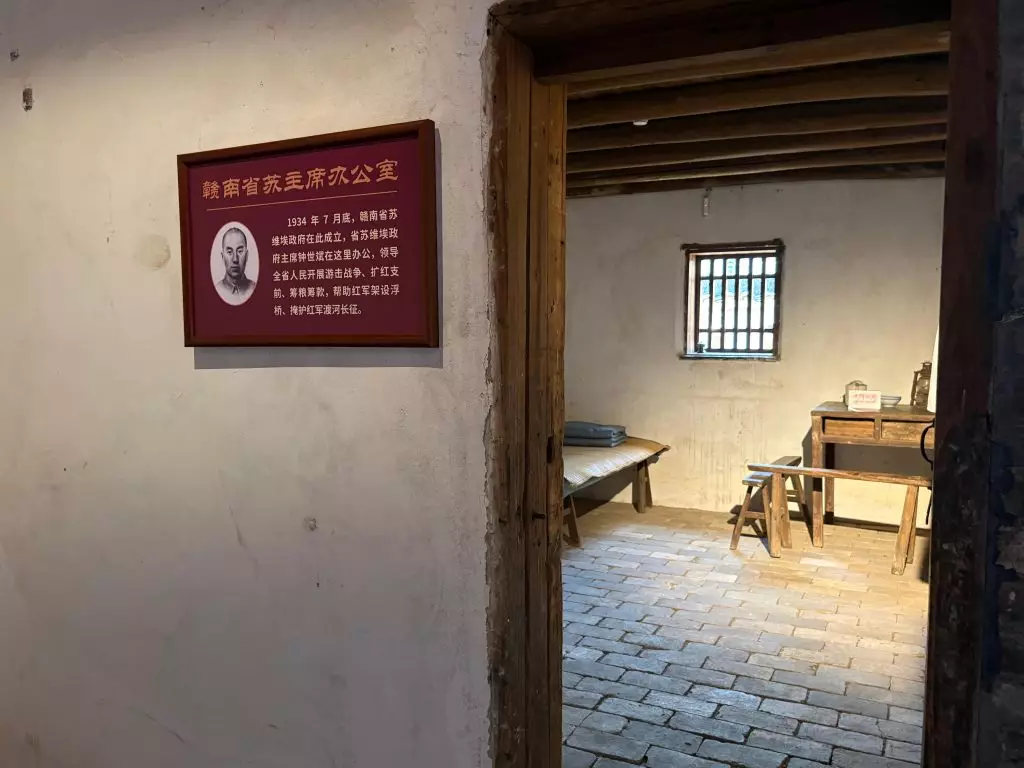
The former site of the Southern Jiangxi Provincial Soviet Government and the former residence of Mao Zedong on the eve of the Long March, Photo by Bastille Post
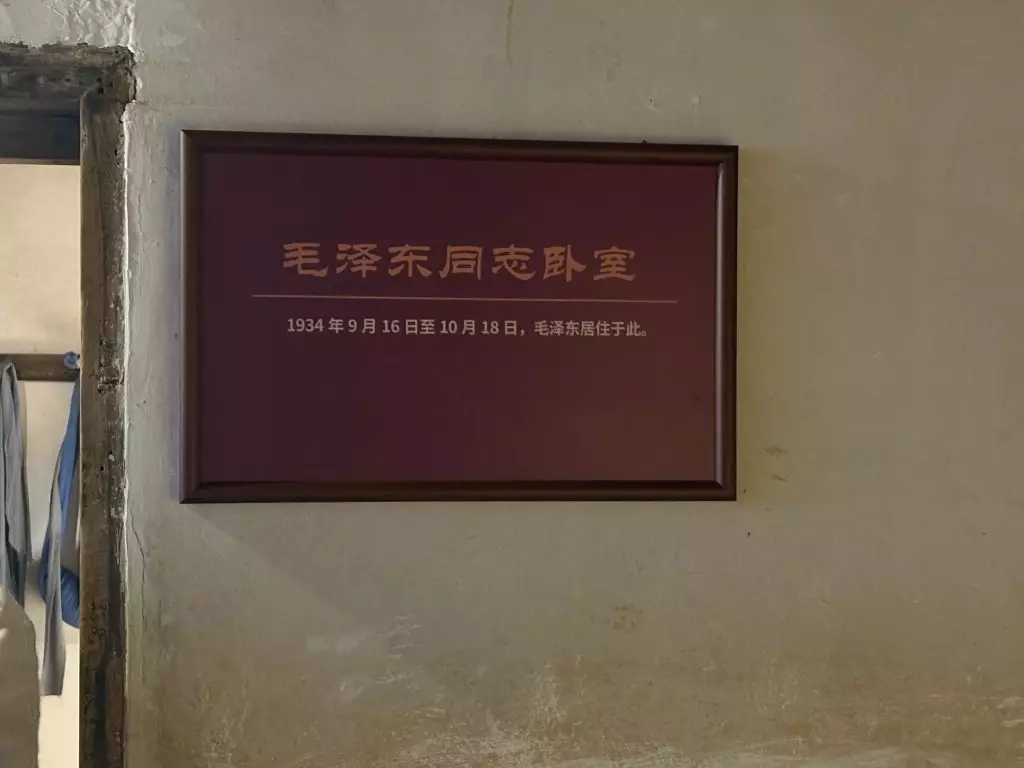
The bedroom of Mao Zedong, Photo by Bastille Post
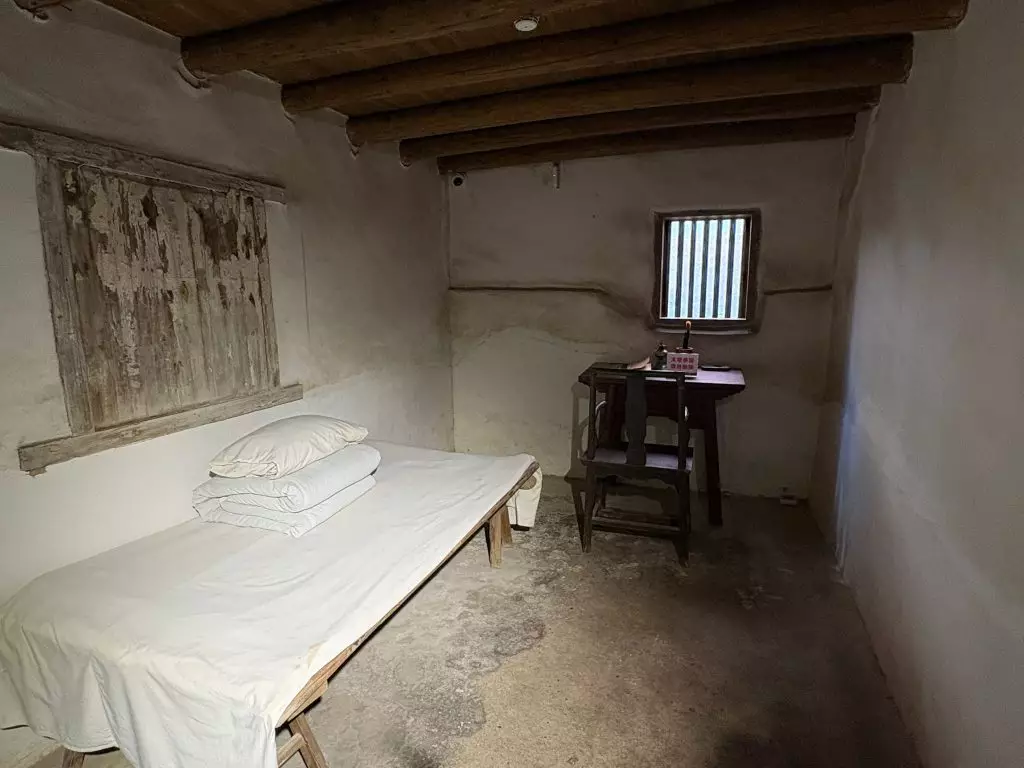
The bedroom of Mao Zedong, Photo by Bastille Post
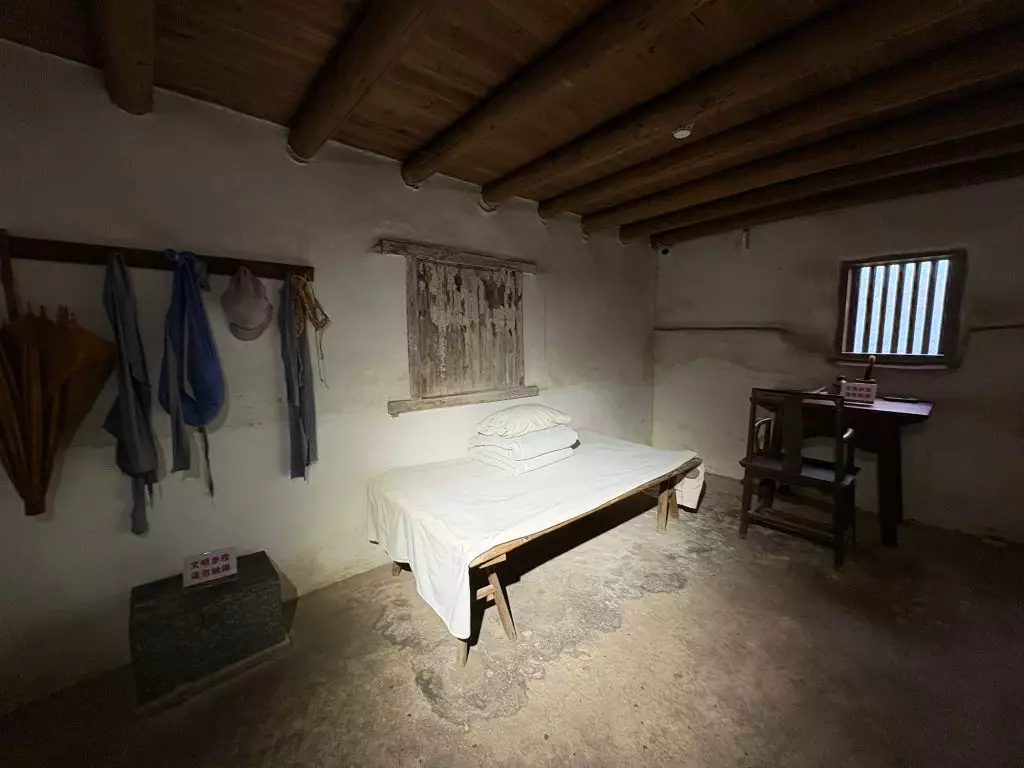
The bedroom of Mao Zedong, Photo by Bastille Post
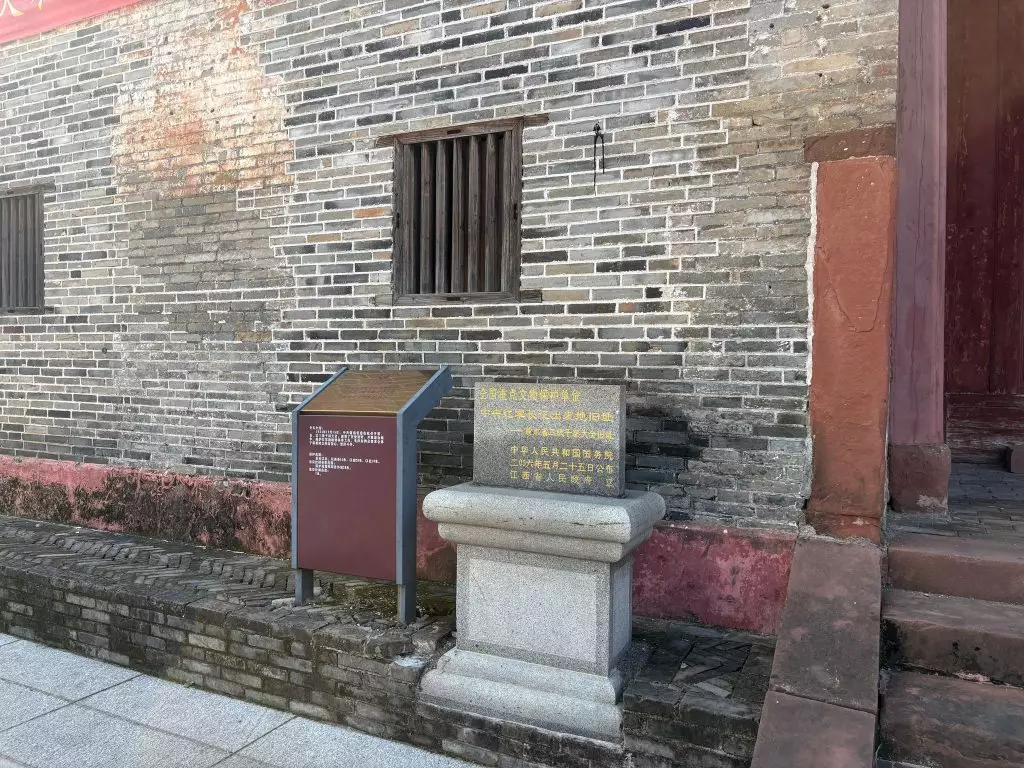
The site of the Three-Level Cadre Meeting in Southern Jiangxi Province has been renovated and opened to the public free of charge. Photo by Bastille Post
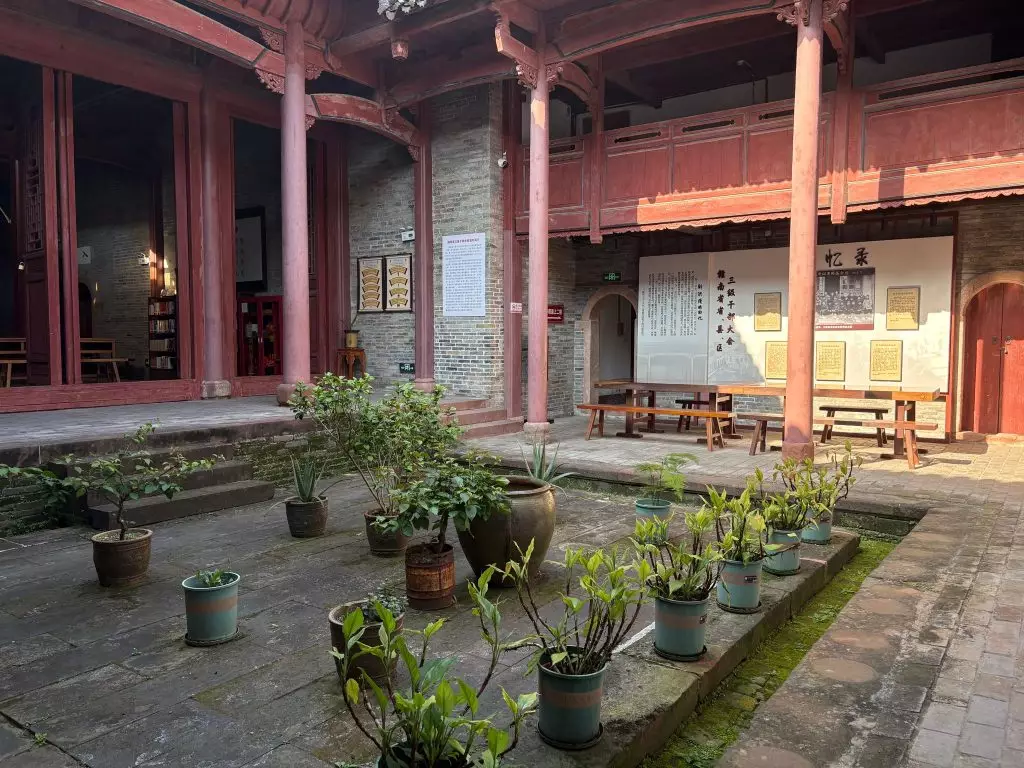
Photo by Bastille Post
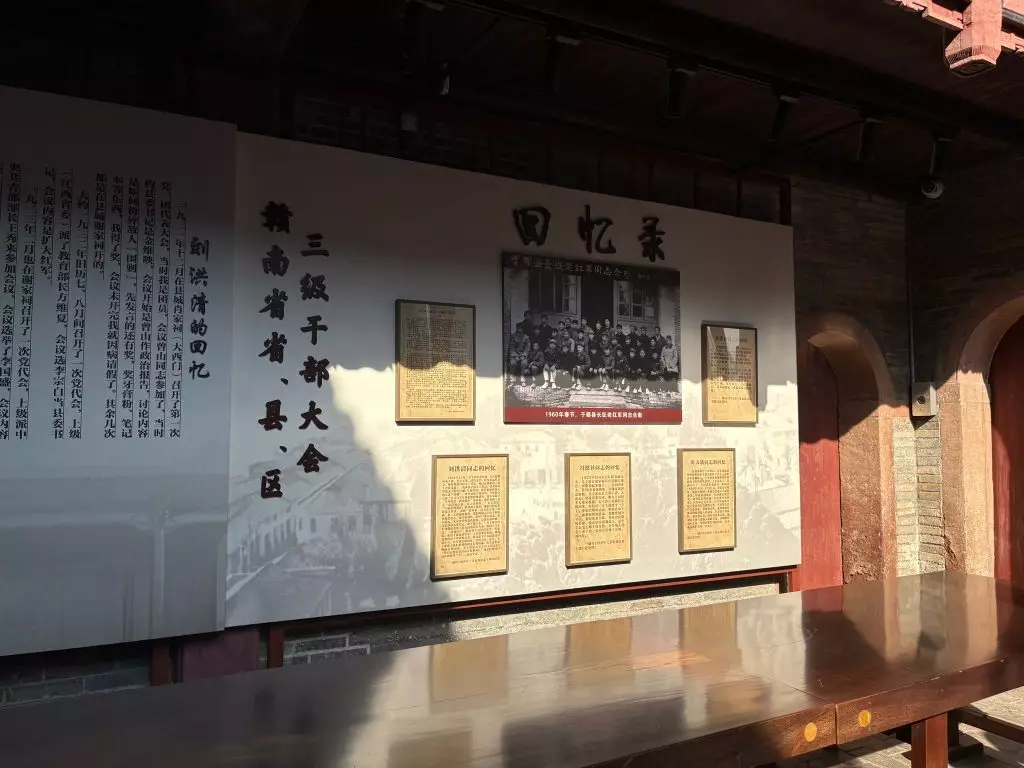
Photo by Bastille Post
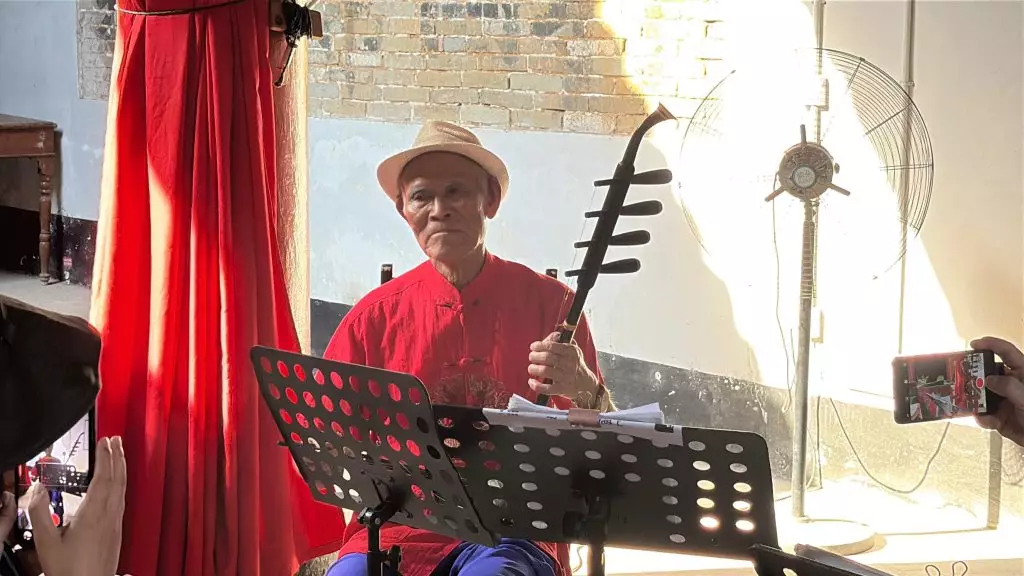
Mr. Xiao Qiulin, an inheritor of traditional Chinese music, performed live for the delegation. Photo by Bastille Post
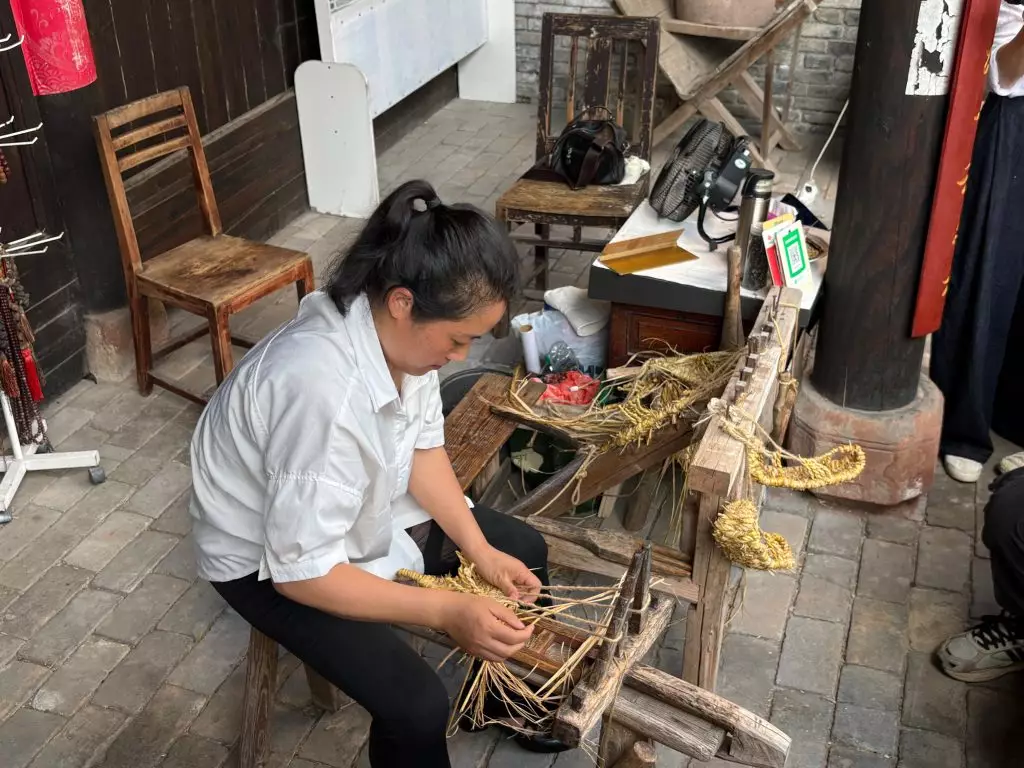
The former Red Army headquarters now provides visitors with a chance to experience traditional folk activity of weaving straw sandals. Photo by Bastille Post
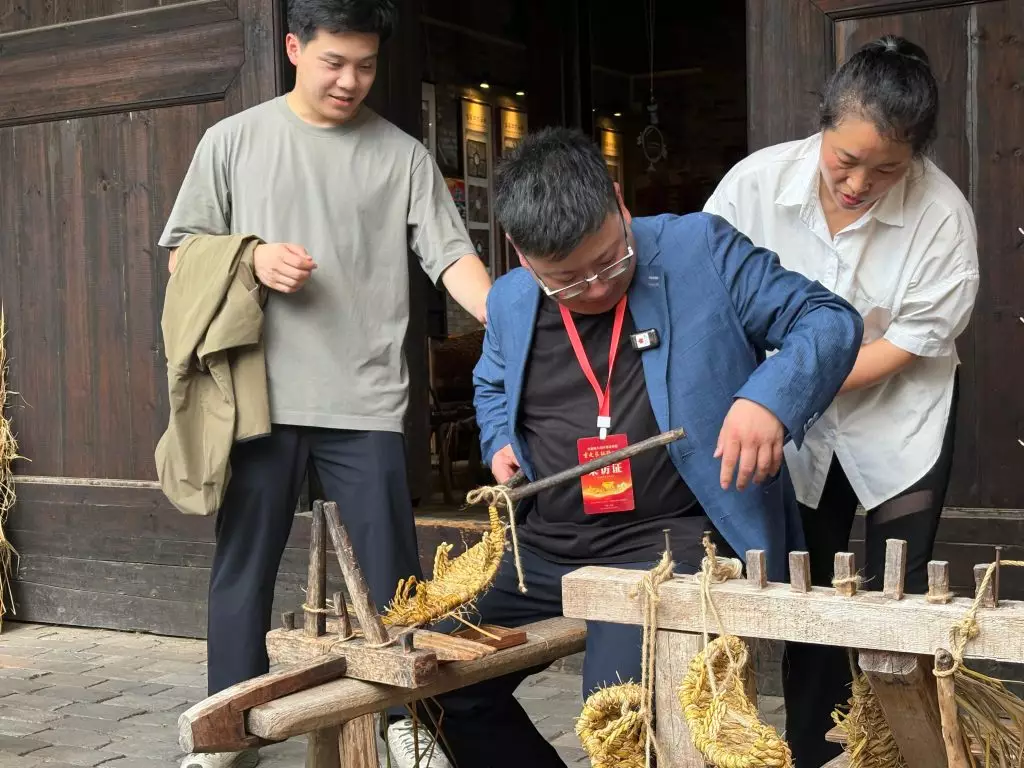
The former Red Army headquarters now provides visitors with a chance to experience traditional folk activity of weaving straw sandals. Photo by Bastille Post
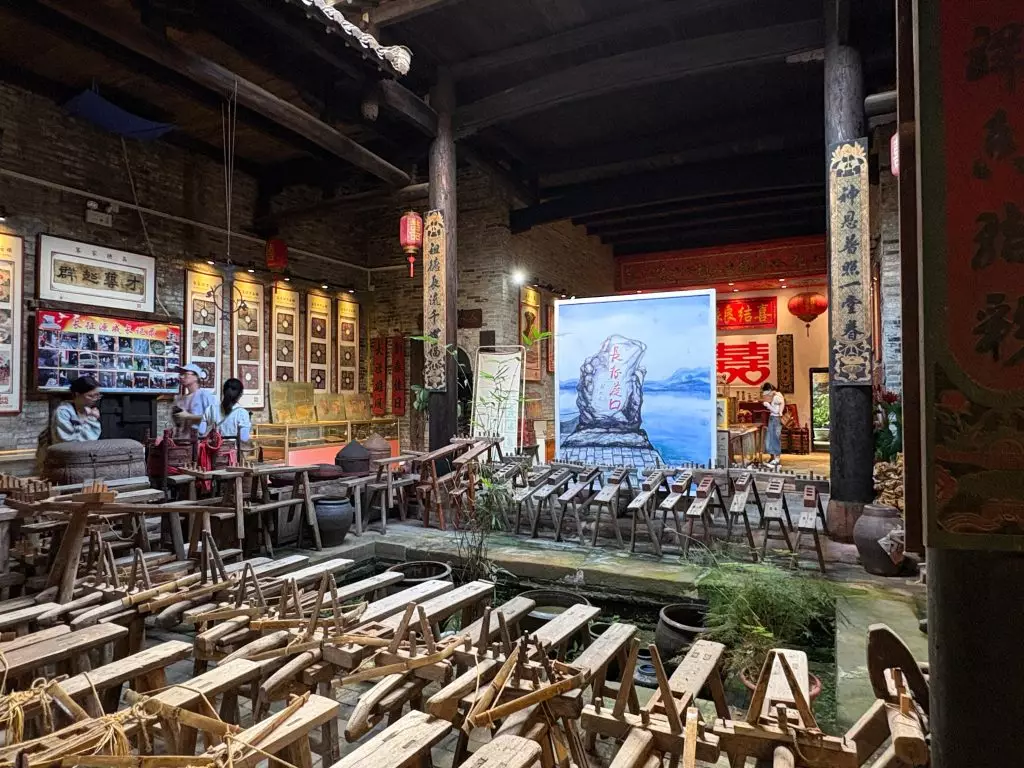
Photo by Bastille Post
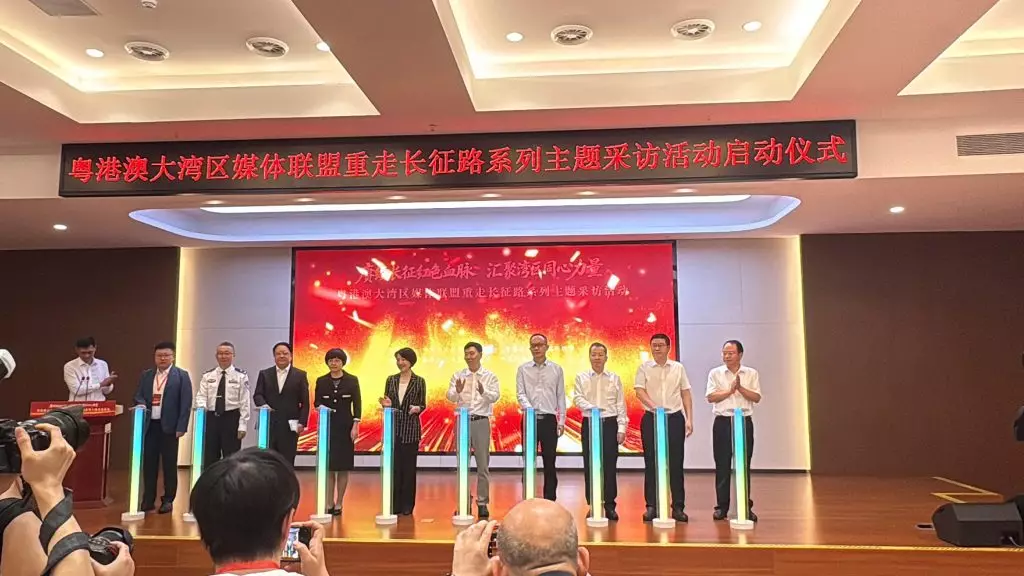
The launching ceremony of the themed interview series, Photo by Bastille Post
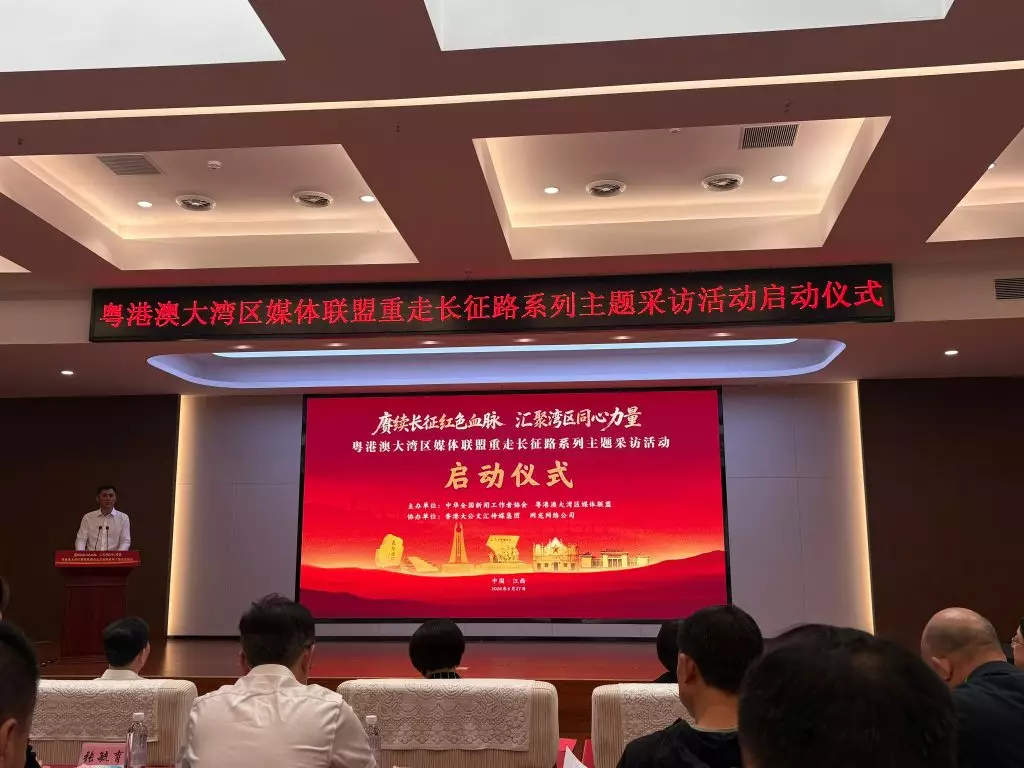
The launching ceremony, Photo by Bastille Post
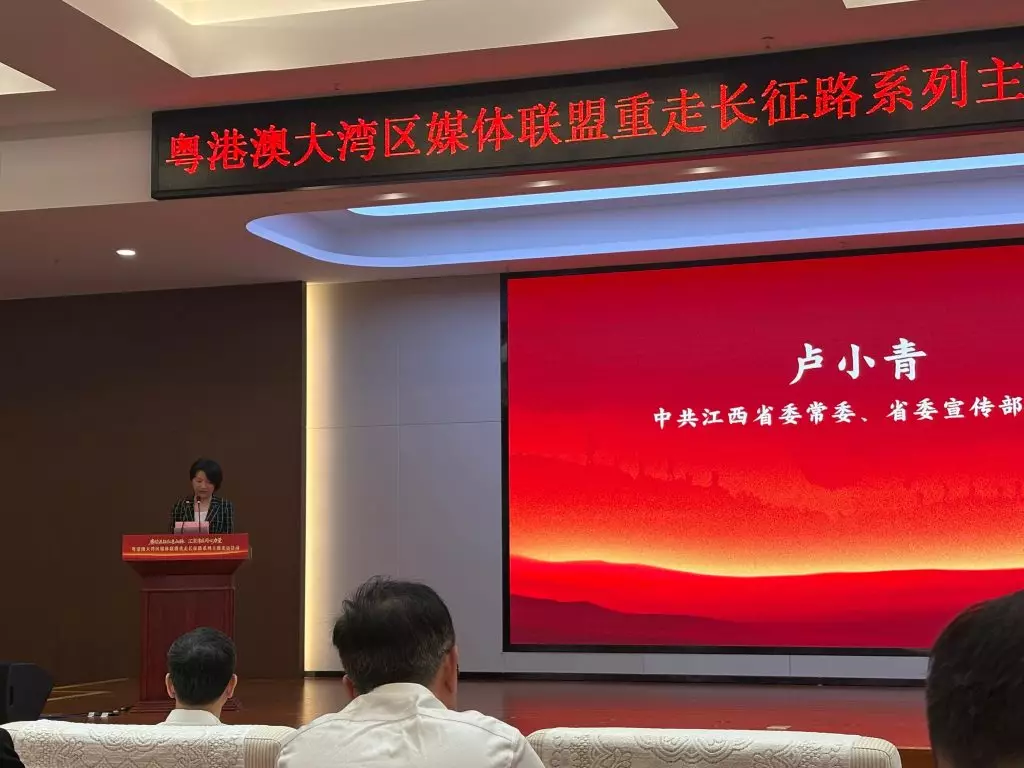
Ms. Lu Xiaoqing, Photo by Bastille Post
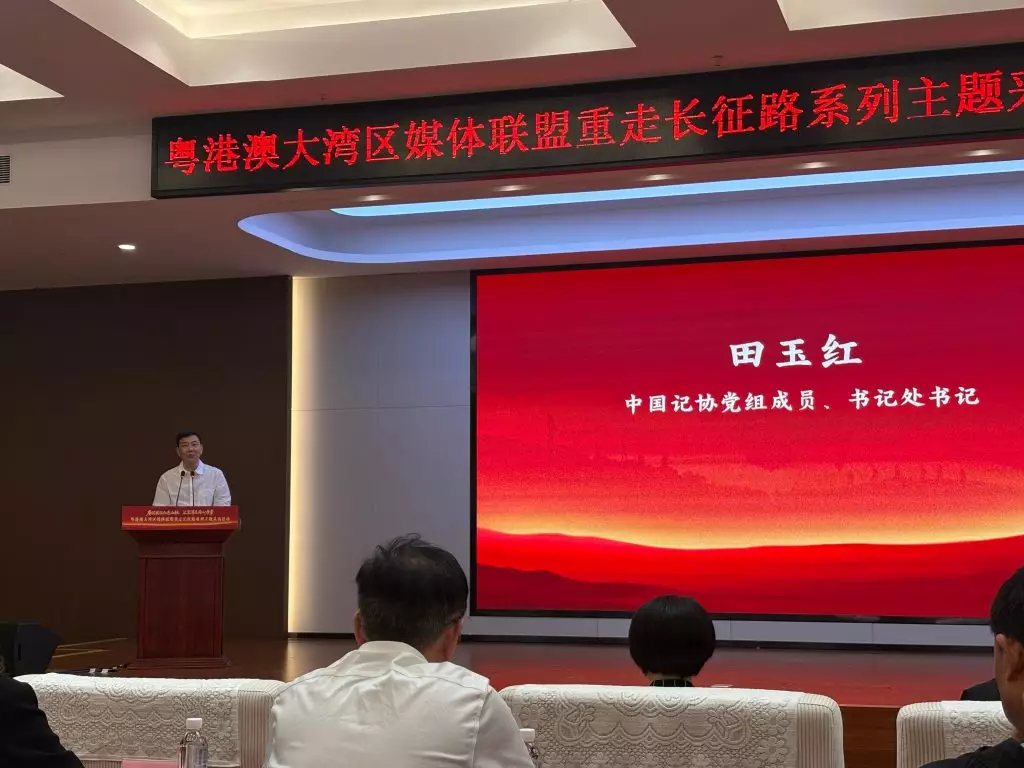
The attendee of the launching ceremony, Mr. Tian Yuhong, member of the Party Leadership Group and secretary of the Secretariat of the All-China Journalists' Association, Photo by Bastille Post
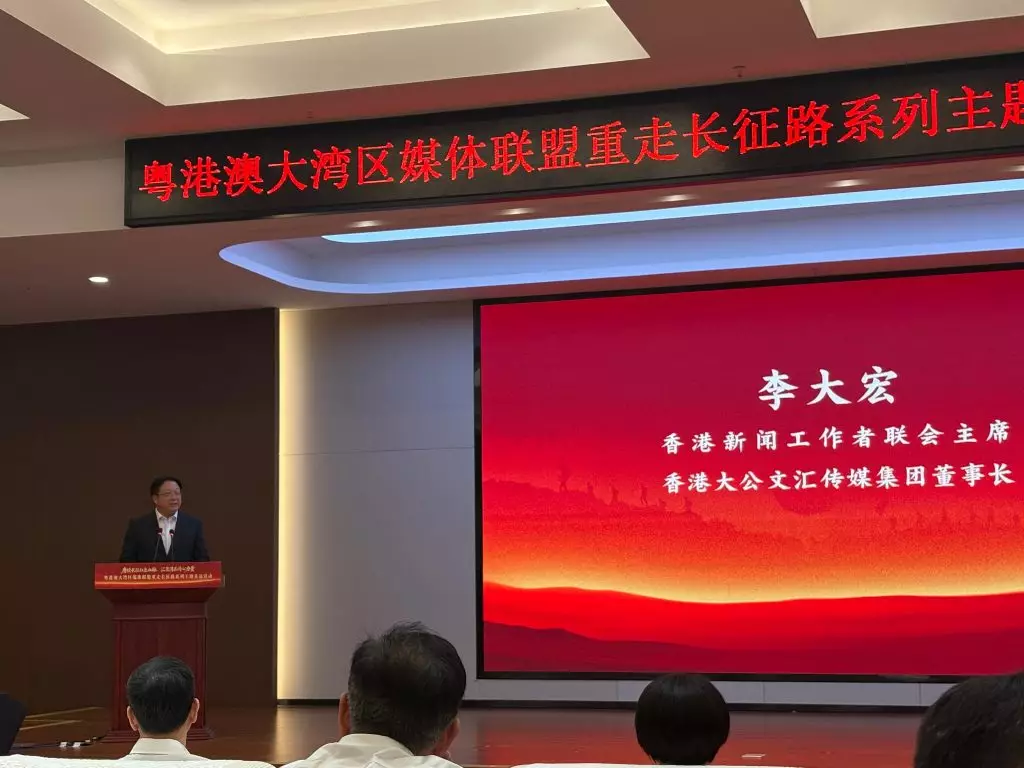
The attendee of the launching ceremony, Mr. Li Dahong, President of the Hong Kong Federation of Journalists and Chairman of Hong Kong Ta Kung Wen Wei Media Group, Photo by Bastille Post
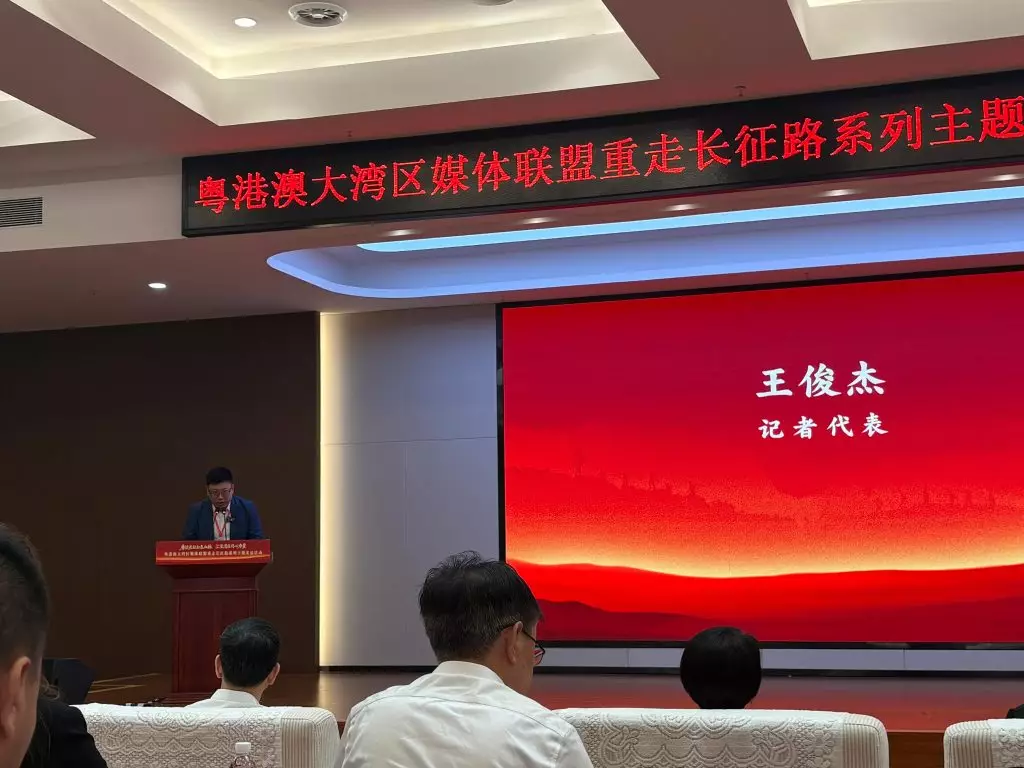
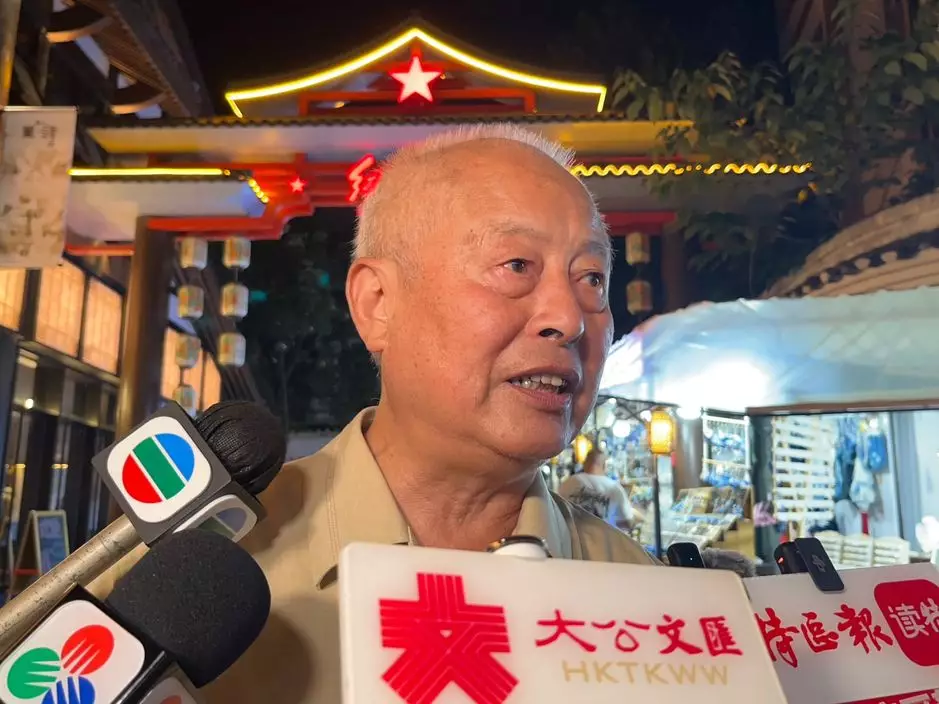
The attendee of the launching ceremony, Mr. Wong Chun Kit, the journalist representative from Hong Kong Ta Kung Wen Wei Media Group, Photo by Bastille Post
Yudu County: Start of the Red Army's Epic Journey
The delegation visited the Central Red Army Long March Starting Place Memorial Park and watched a dramatic performance, Farewell. They then toured the Memorial Hall of the Long March of the Central Red Army.
The Central Red Army Long March Starting Place Memorial Park, Photo by Bastille Post
The Central Red Army Long March Starting Place Memorial Park, Photo by Bastille Post
The dramatic performance, "Farewell," Photo by Bastille Post
The dramatic performance, "Farewell," Photo by Bastille Post
The dramatic performance, "Farewell," Photo by Bastille Post
The dramatic performance, "Farewell," Photo by Bastille Post
Ms. Chen, a resident of Shicheng County, Ganzhou City, who was also visiting the memorial, said what impressed her most was a worn-out sheepskin coat, which had been the only warm clothing for Zeng Guanghua, a veteran Red Army soldier from Yudu County who fought for the revolution for 18 years, during the Long March. Ms. Chen noted, "The history weighs heavily on my heart. Understanding the stories of the older generation of revolutionaries allows me to spread the story of my hometown better, no matter where I am."
Ms. Chen, Photo by Bastille Post
In 1934, more than 86,000 people from Yudu County set out on the Long March. It's said that one in every five Red Army soldiers was from Yudu, and 16,356 recorded martyrs from the county sacrificed their lives for the revolution.
Ms. Zhong Min, Photo by Bastille Post
Ms. Zhong Min, a guide at the Memorial Hall of the Long March of the Central Red Army, said in an interview with Bastille Post that Yudu County is dotted with Red Army historic sites, and that every family has a Red Army veteran in its lineage. She herself is a descendant of Red Army soldiers: her great-grandfather joined the Red Army in 1933 and died the following year during an anti-encirclement campaign.
The Memorial Hall of the Long March of the Central Red Army, Photo by Bastille Post
The Memorial Hall of the Long March of the Central Red Army, Photo by Bastille Post
Ms. Zhong said, "Every year, 20 to 30 groups from Hong Kong and Macau visit Yudu. We hope to help them understand this epic history through vivid storytelling. I still remember students from Hong Kong and Macau shedding tears after hearing the story of 'Mother's Storm Lantern.' I believe our outreach has left a deep resonance in their hearts."
The Memorial Hall of the Long March of the Central Red Army, Photo by Bastille Post
The Memorial Hall of the Long March of the Central Red Army, Photo by Bastille Post
Photo by Bastille Post
Searching for Red Army's Steps in Historic Sites
In the urban area of Yudu County, the delegation visited the former site of the Southern Jiangxi Provincial Soviet Government and the former residence of Mao Zedong on the eve of the Long March. During his stay there, Mao Zedong conducted local surveys and research, held in-depth talks with local officials and residents, and then embarked on the Long March.
The former site of the Southern Jiangxi Provincial Soviet Government and the former residence of Mao Zedong on the eve of the Long March, Photo by Bastille Post
The Long March Cultural Museum, Photo by Bastille Post
Photo by Bastille Post
The former site of the Southern Jiangxi Provincial Soviet Government and the former residence of Mao Zedong on the eve of the Long March, Photo by Bastille Post
The former site of the Southern Jiangxi Provincial Soviet Government and the former residence of Mao Zedong on the eve of the Long March, Photo by Bastille Post
The former site of the Southern Jiangxi Provincial Soviet Government and the former residence of Mao Zedong on the eve of the Long March, Photo by Bastille Post
The former site of the Southern Jiangxi Provincial Soviet Government and the former residence of Mao Zedong on the eve of the Long March, Photo by Bastille Post
The bedroom of Mao Zedong, Photo by Bastille Post
The bedroom of Mao Zedong, Photo by Bastille Post
The bedroom of Mao Zedong, Photo by Bastille Post
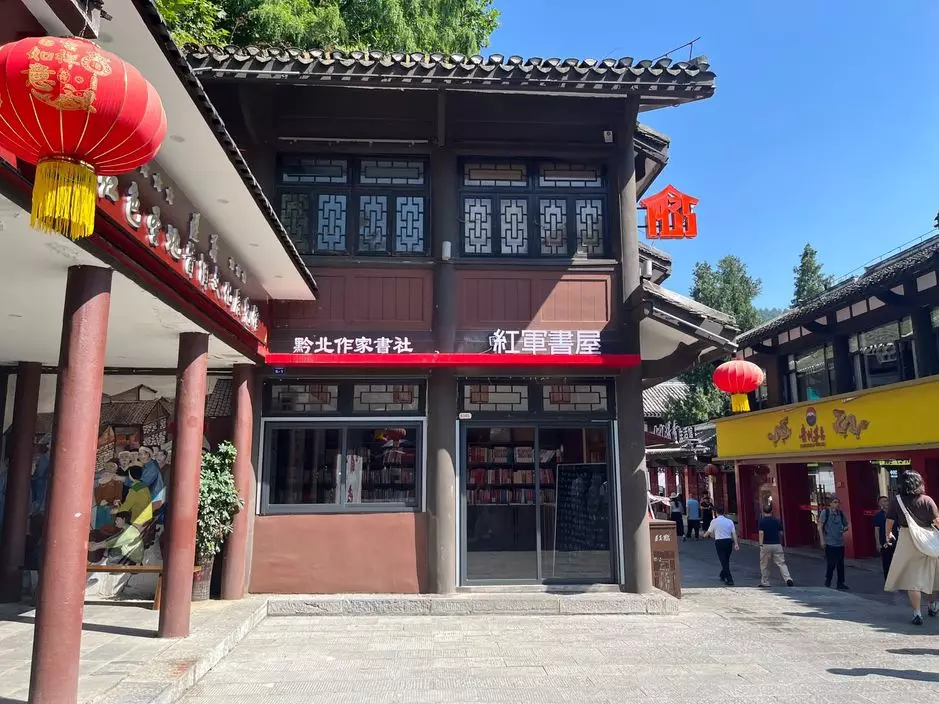
Upon arriving at Yudu Ancient Street, the delegation found that the former headquarters of the Red Army and the site of the Three-Level Cadre Meeting in Southern Jiangxi Province have been integrated into the daily lives of local residents, blending revolutionary culture with local traditions. In addition to showcasing history, the former Red Army headquarters now provides visitors with a chance to learn about and experience traditional folk activities in Yudu. Meanwhile, the site of the Three-Level Cadre Meeting in Southern Jiangxi Province has been renovated and opened to the public free of charge, serving as a space for both historical and artistic exhibitions.
The site of the Three-Level Cadre Meeting in Southern Jiangxi Province has been renovated and opened to the public free of charge. Photo by Bastille Post
Photo by Bastille Post
Photo by Bastille Post
Mr. Xiao Qiulin, an inheritor of traditional Chinese music, performed live for the delegation. Photo by Bastille Post
The former Red Army headquarters now provides visitors with a chance to experience traditional folk activity of weaving straw sandals. Photo by Bastille Post
The former Red Army headquarters now provides visitors with a chance to experience traditional folk activity of weaving straw sandals. Photo by Bastille Post
Photo by Bastille Post
The themed interview series is hosted by the All-China Journalists' Association and the Media Alliance of Guangdong-Hong Kong-Macao Greater Bay Area, and co-organized by Hong Kong Ta Kung Wen Wei Media Group and NetDragon Websoft Holdings Limited, with the theme "Continuing the Red Legacy of the Long March and Gathering the Strength of the Greater Bay Area."
The launching ceremony of the themed interview series, Photo by Bastille Post
At the launch ceremony, Ms. Lu Xiaoqing, member of the Standing Committee of the Jiangxi Provincial Party Committee and Minister of the Publicity Department of the Jiangxi Provincial Party Committee, delivered a speech reviewing the great contributions made by the people of Jiangxi Province to the victory of the Long March. She said that Jiangxi Province and the Guangdong-Hong Kong-Macao Greater Bay Area have close exchanges and have formed a new pattern of coordinated development. She hoped that the media delegation would act as inheritors of the red revolutionary culture, connectors of the Greater Bay Area, and promoters of the revitalization of old revolutionary base areas, so as to carry forward the spirit of the Long March in the new era.
The launching ceremony, Photo by Bastille Post
Ms. Lu Xiaoqing, Photo by Bastille Post
The attendee of the launching ceremony, Mr. Tian Yuhong, member of the Party Leadership Group and secretary of the Secretariat of the All-China Journalists' Association, Photo by Bastille Post
The attendee of the launching ceremony, Mr. Li Dahong, President of the Hong Kong Federation of Journalists and Chairman of Hong Kong Ta Kung Wen Wei Media Group, Photo by Bastille Post
The attendee of the launching ceremony, Mr. Wong Chun Kit, the journalist representative from Hong Kong Ta Kung Wen Wei Media Group, Photo by Bastille Post