To commemorate the 90th anniversary of the Red Army's Long March victory, the second thematic reporting trip of the "Retracing the Long March" series in Guizhou and Yunnan, organized by the Guangdong-Hong Kong-Macao Greater Bay Area Media Alliance, was officially launched on July 19 in Guiyang, Guizhou Province.
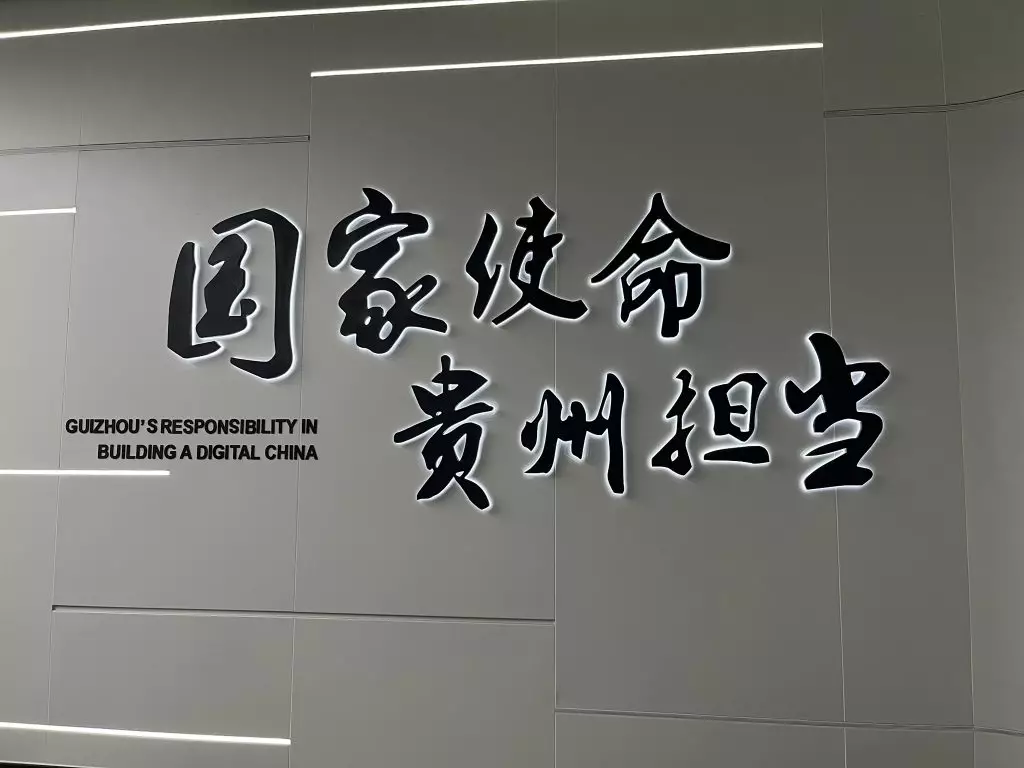
A banner reads: "Guizhou's responsibility in Building a digital China." Photo by Bastille Post
The All-China Journalists Association and the Guangdong-Hong Kong-Macao Greater Bay Area Media Alliance jointly organize the event. More than 30 journalists from the Greater Bay Area, Guizhou, and Yunnan will visit key historical sites along the Central Red Army's Long March route through Guizhou and Yunnan from July 19 to 25.
Click to Gallery
A banner reads: "Guizhou's responsibility in Building a digital China." Photo by Bastille Post
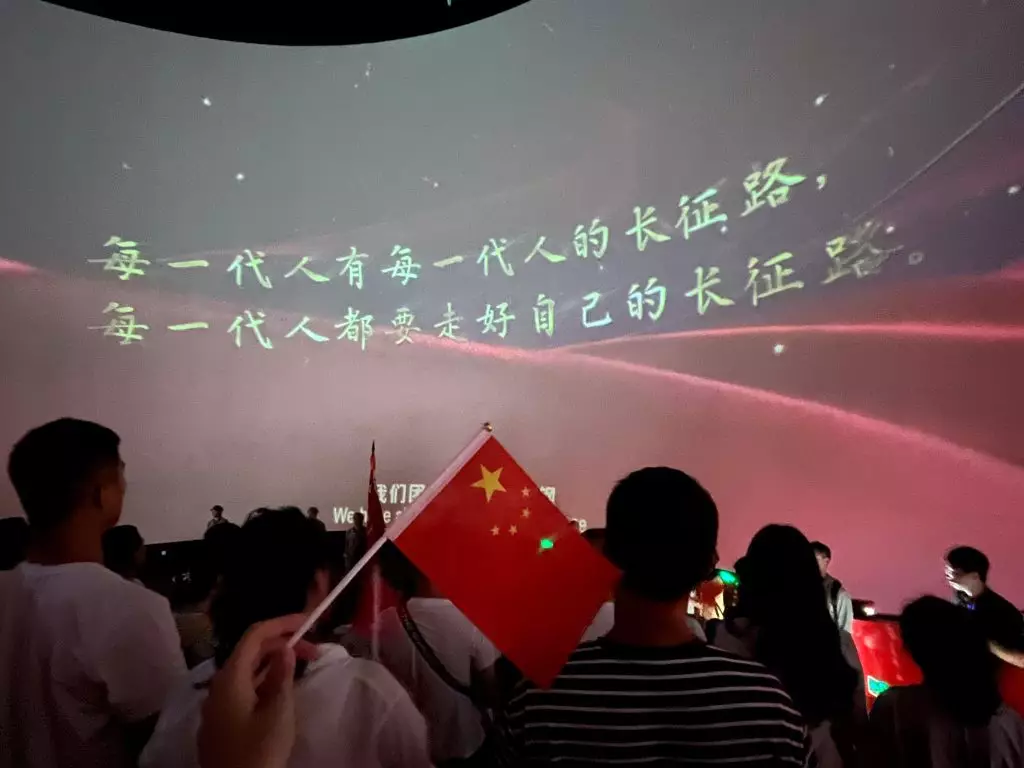
As a crucial strategic hub on the Central Red Army's Long March route, Guizhou played a pivotal role. Photo by Bastille Post
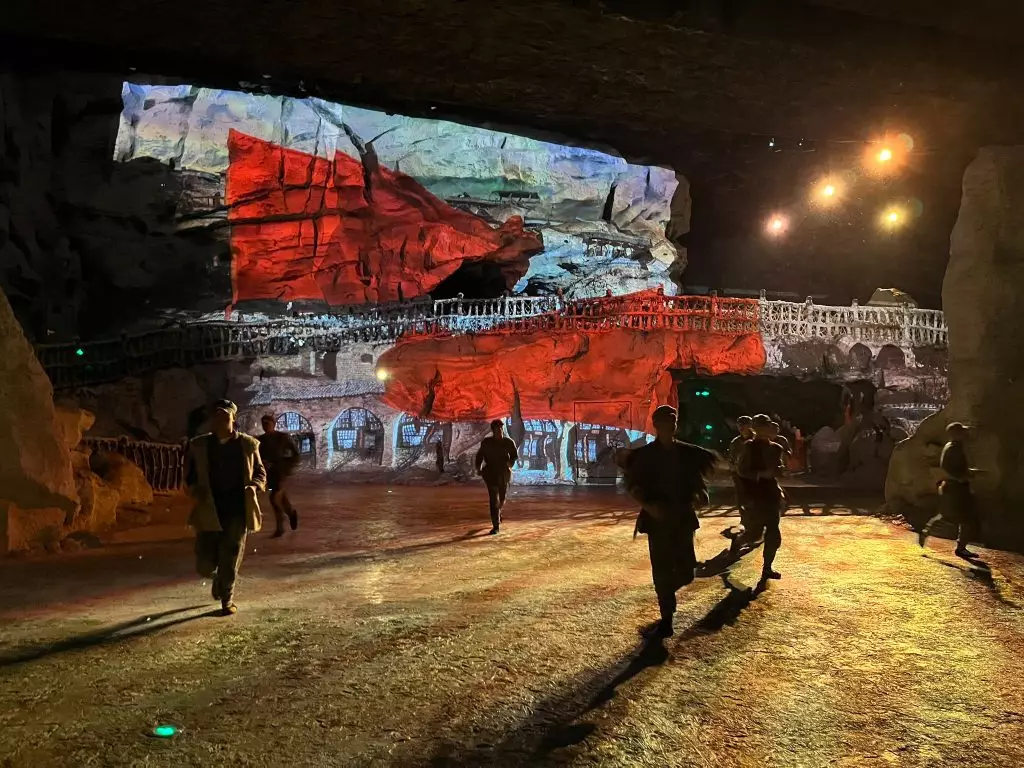
In the new era, the spirit of the Long March is being "brought to life" by technology. Photo by Bastille Post

The digitally recreated Zunyi Conference, Photo by Bastille Post
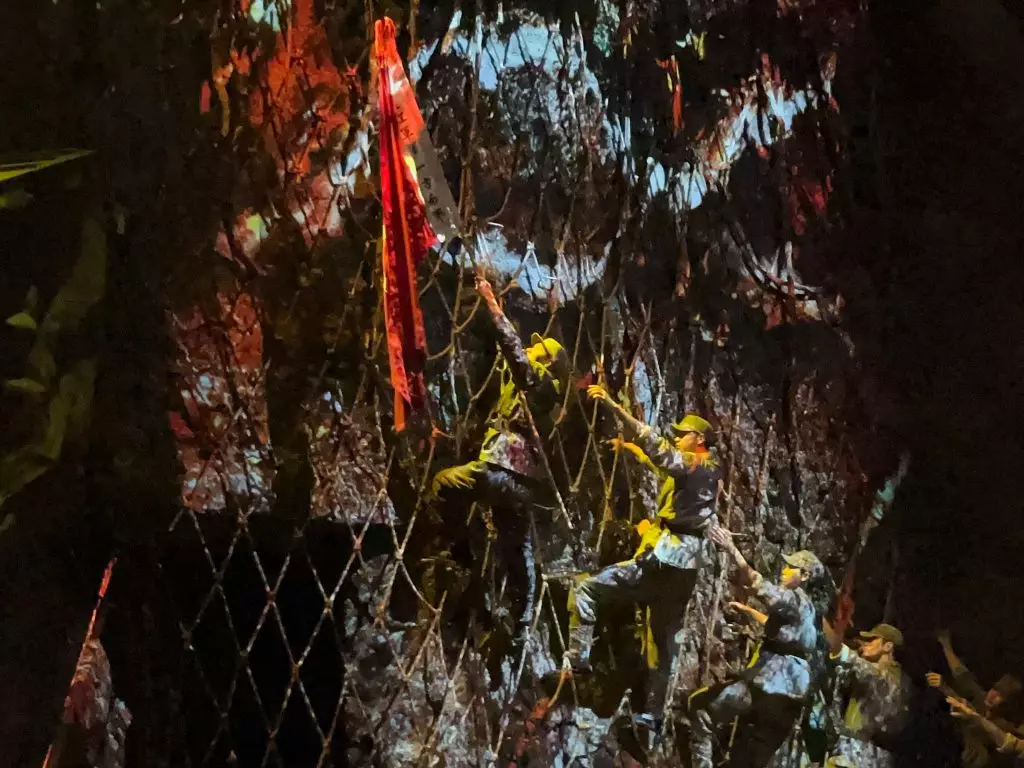
The digitally reconstructed major battles, Photo by Bastille Post

Actors recreated the Red Army soldiers crossing snow‑covered mountains in straw sandals, a testament to the extreme material shortages they endured during the Long March. Photo by Bastille Post

The young visitor surnamed Xu, Photo by Bastille Post

Xu's mother, Photo by Bastille Post
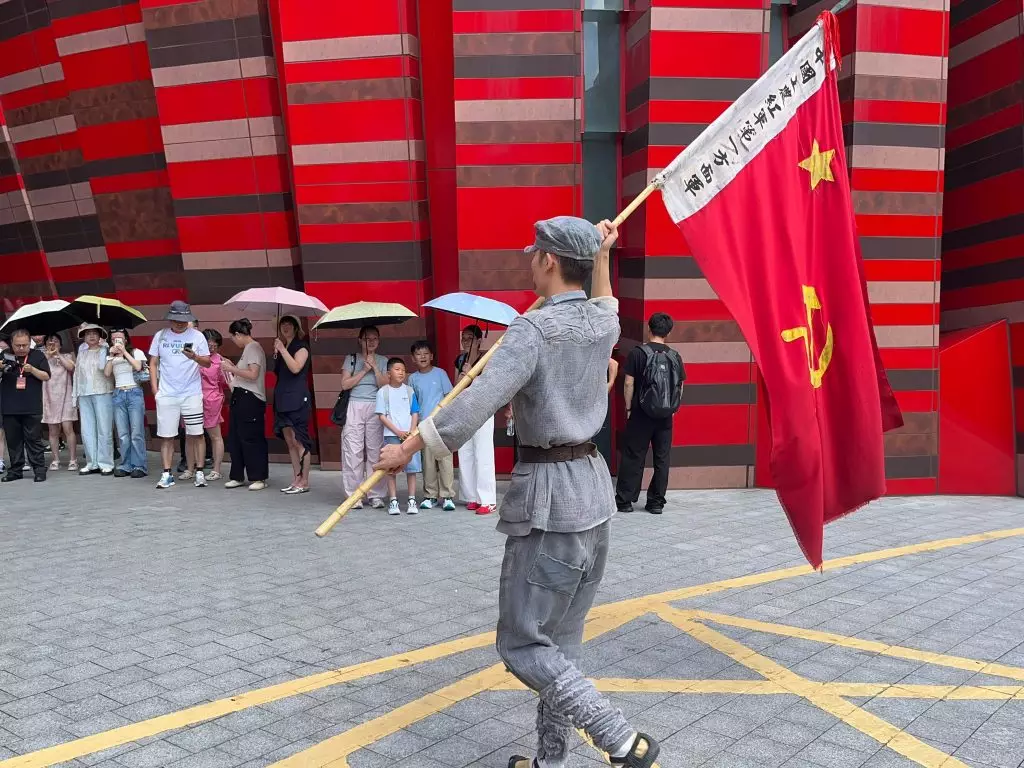
An actor, holding high the Red Army flag, leads visitors into "The Great Journey." Photo by Bastille Post

"Fly Over Guizhou" is the province's first 8K cinematic-grade flying theater, equipped with multi-degree-of-freedom suspended dynamic seats that give visitors the sensation of soaring over Guizhou's magnificent mountains and rivers. Photo by Bastille Post

Photo by Bastille Post

Photo by Bastille Post

Mr. Liu Qiyang, Photo by Bastille Post
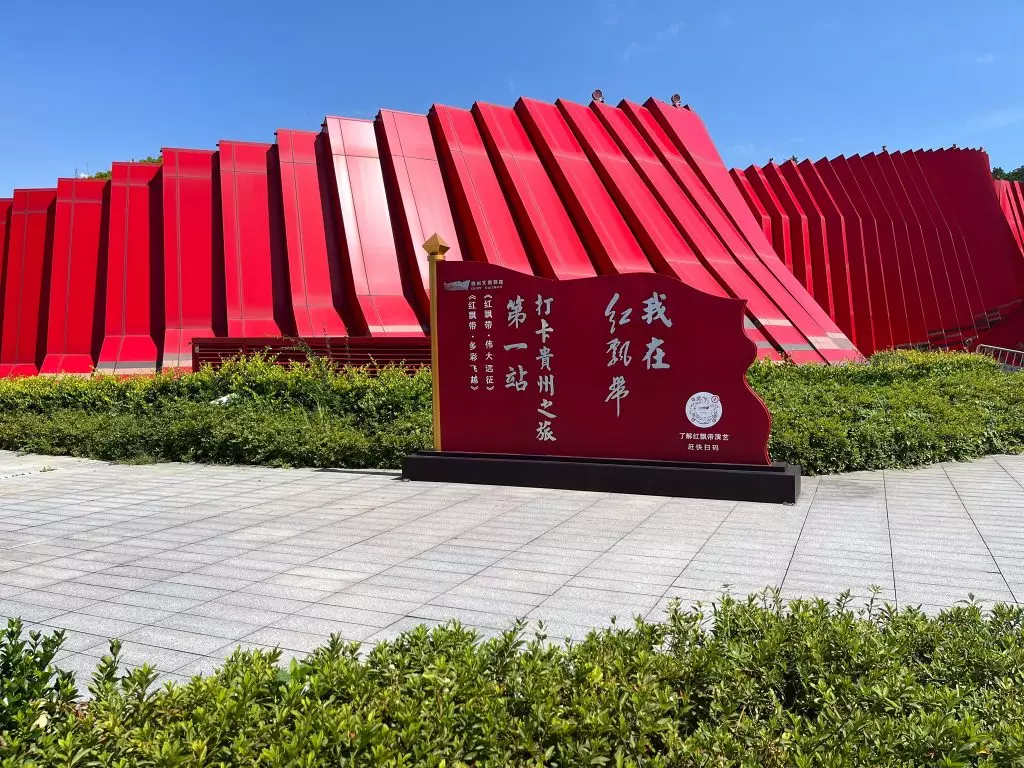
The innovative "technology + red culture" experience is drawing a growing number of young people to actively engage with the history of the Long March. Photo by Bastille Post
As a crucial strategic hub on the Central Red Army's Long March route, Guizhou played a pivotal role: it hosted the Zunyi Conference, a historic turning point in the Red Army's history, and witnessed legendary battles such as the Four Crossings of the Chishui River and the Crossing of the Jinsha River, all of which took place on its soil. It was here that the Red Army achieved its strategic turnaround and broke through enemy encirclement.
As a crucial strategic hub on the Central Red Army's Long March route, Guizhou played a pivotal role. Photo by Bastille Post
Today, Guizhou has leveraged its cool climate, abundant energy resources, and the "East Data, West Computing" Project to become a key node in China's national computing network. Take the domestic animated blockbuster Ne Zha as an example: over 40% of its visual effects rendering was powered by the Gui'an New Area Supercomputing Center. To date, Gui'an has provided high-performance computing services for more than 150 film and television productions, including The Wandering Earth 2 and The Battle at Lake Changjin, injecting sustained momentum into the digital transformation of various industries.
In the new era, the spirit of the Long March is being "brought to life" by technology. Photo by Bastille Post
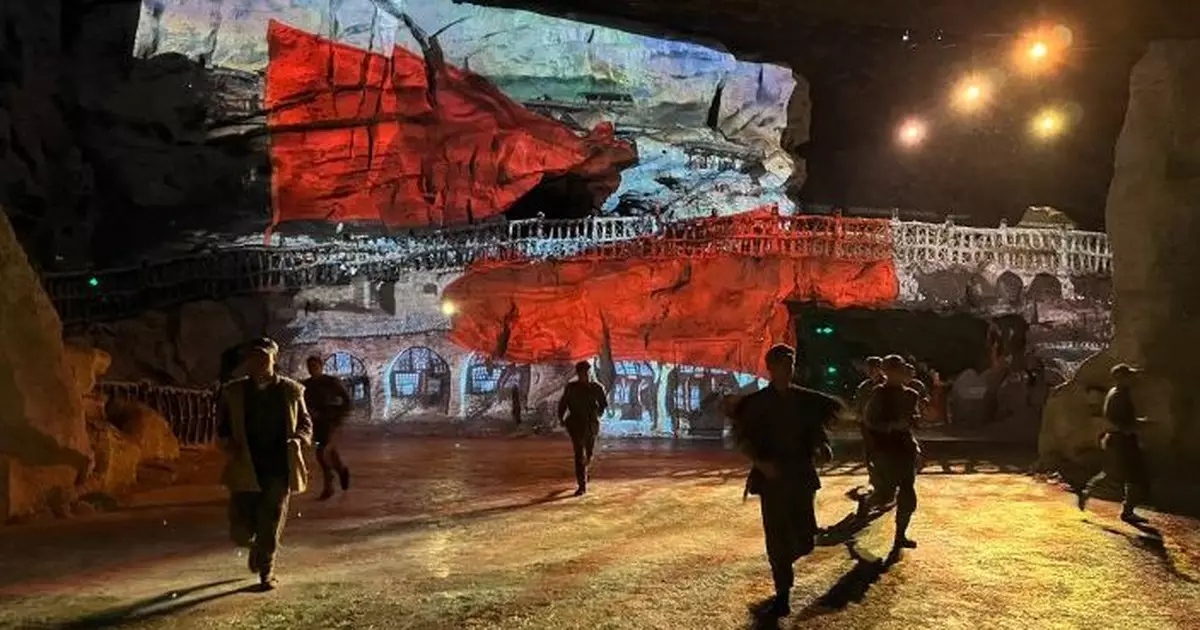
In the new era, the spirit of the Long March is being "brought to life" by technology. The Guizhou Long March Cultural Digital Art Museum (Red Ribbon) provides an immersive journey across time and space for visitors. The museum uses cutting-edge technologies, such as AI virtual interaction, holographic imaging, virtual reality, and 3D sound fields, to recreate pivotal scenes, including the Zunyi Conference and the Liping Conference, as well as digitally reconstruct major battles, such as the Battle of Loushan Pass and the Battle of Zunyi.
The digitally recreated Zunyi Conference, Photo by Bastille Post
The digitally reconstructed major battles, Photo by Bastille Post
On the screens, Red Army soldiers come to life before visitors' eyes, their voices and stories of sacrifice resonating through the space, as though history itself is unfolding in real time. In a simulated snow‑covered setting, visitors walk slowly alongside their Red Army "comrades": With every step, they tread upon the snow of the past, which is an immersive encounter with the hardships of the Long March, and a quiet invitation to reflect on how its spirit continues to inspire the present.
Actors recreated the Red Army soldiers crossing snow‑covered mountains in straw sandals, a testament to the extreme material shortages they endured during the Long March. Photo by Bastille Post
A young visitor surnamed Xu said that China today is a wonderful place, so he wanted to revisit the glorious years of the Red Army. He believes the Red Army soldiers were very brave, and he learned from them not to give up after a single setback. Xu's mother added that "The Great Journey", a key immersive experience at the Red Ribbon museum, is unlike anything found in a typical exhibition hall.
The young visitor surnamed Xu, Photo by Bastille Post
Xu's mother, Photo by Bastille Post
The Red Ribbon Museum is divided into two main experiences: "The Great Journey" and "Fly Over Guizhou." "The Great Journey" comprises six chapters: Nameless Heroes, Baptism of Blood and Fire, Great Turn, Forging Ahead on the Journey, Monument of Victory, and New Era, New Long March. "Fly Over Guizhou" is the province's first 8K cinematic-grade flying theater, equipped with multi-degree-of-freedom suspended dynamic seats that give visitors the sensation of soaring over Guizhou's magnificent mountains and rivers.
An actor, holding high the Red Army flag, leads visitors into "The Great Journey." Photo by Bastille Post
"Fly Over Guizhou" is the province's first 8K cinematic-grade flying theater, equipped with multi-degree-of-freedom suspended dynamic seats that give visitors the sensation of soaring over Guizhou's magnificent mountains and rivers. Photo by Bastille Post
Photo by Bastille Post
Photo by Bastille Post
The museum is managed by Guizhou Cultural Tourism Technology Co., Ltd. Mr. Liu Qiyang, the company's deputy general manager, said that since its trial operation in 2023, it has hosted over 24,000 performances. He added that during the summer vacation, many student groups have come to visit.
Mr. Liu Qiyang, Photo by Bastille Post
Mr Liu noted that the Red Ribbon Museum breaks away from traditional exhibition methods that rely primarily on text, images, and video. Taking the "Fly Over Guizhou" project as an example, he explained that each frame, rendered at 60 frames per second, requires substantial computing power for modelling and rendering. "Modelling just one frame takes 16 hours," he said. He acknowledged that the museum's smooth operation was made possible by Guizhou's local big-data advantages; without it, the museum, whose operator, Guizhou Cultural Tourism Technology Co., Ltd., was established in 2021, would have struggled to launch trial operations by 2023.
The innovative "technology + red culture" experience is drawing a growing number of young people to actively engage with the history of the Long March. Photo by Bastille Post
He also noted that this innovative "technology + red culture" experience is drawing a growing number of young people to actively engage with the history of the Long March.