Skip to Content Facebook Feature Image

Hong Kong Media's Guizhou Tour: Home to the World’s Largest Tea Sea, Meitan Charts a Matcha-Led Future

China

China

China

Hong Kong Media's Guizhou Tour: Home to the World’s Largest Tea Sea, Meitan Charts a Matcha-Led Future

2026-04-27 17:47 Last Updated At:17:48

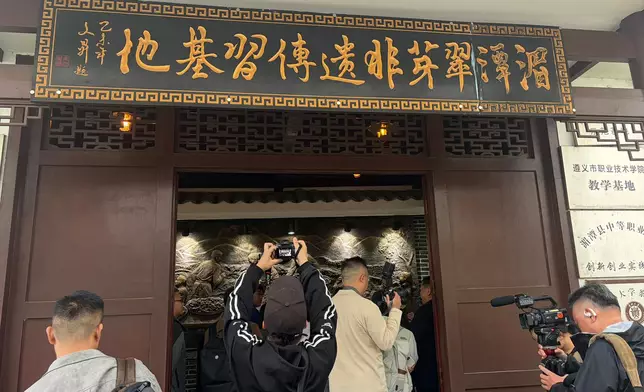
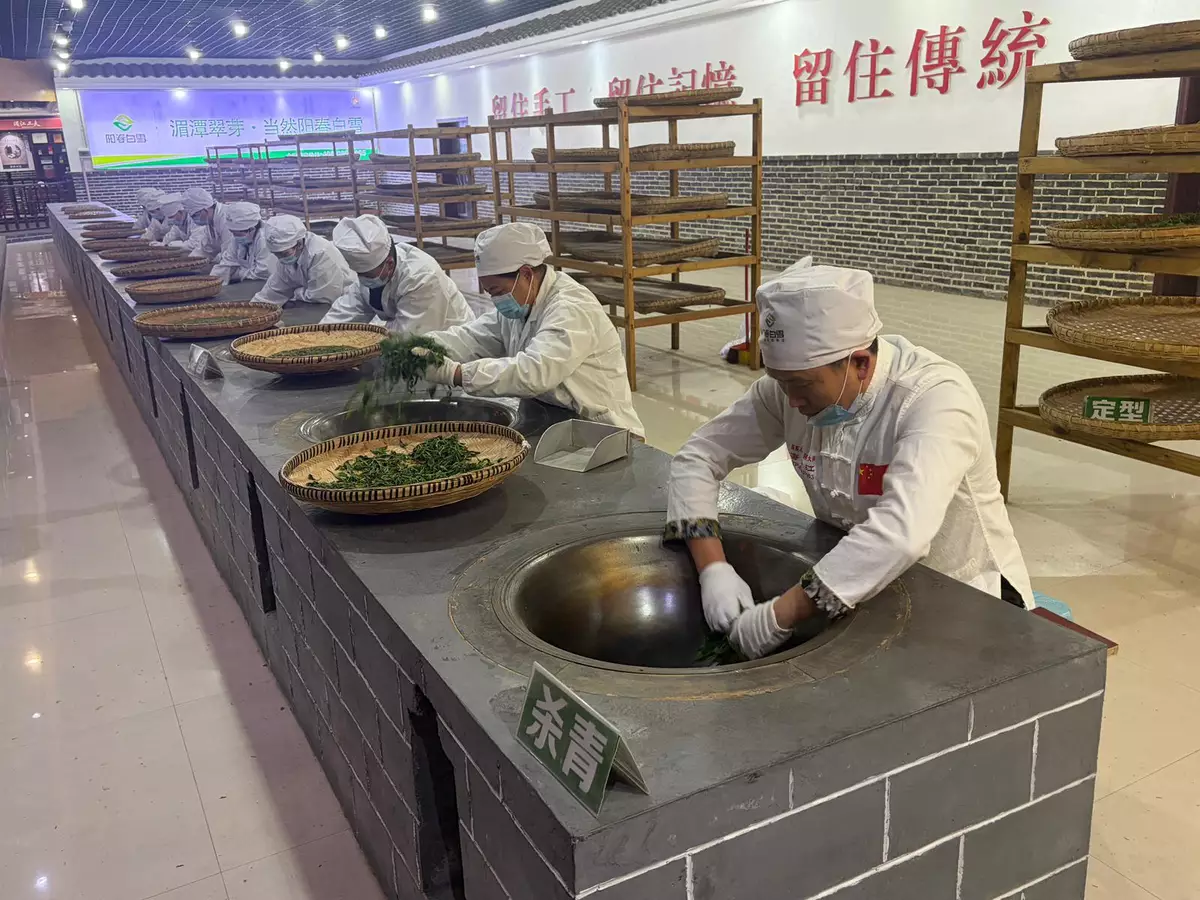
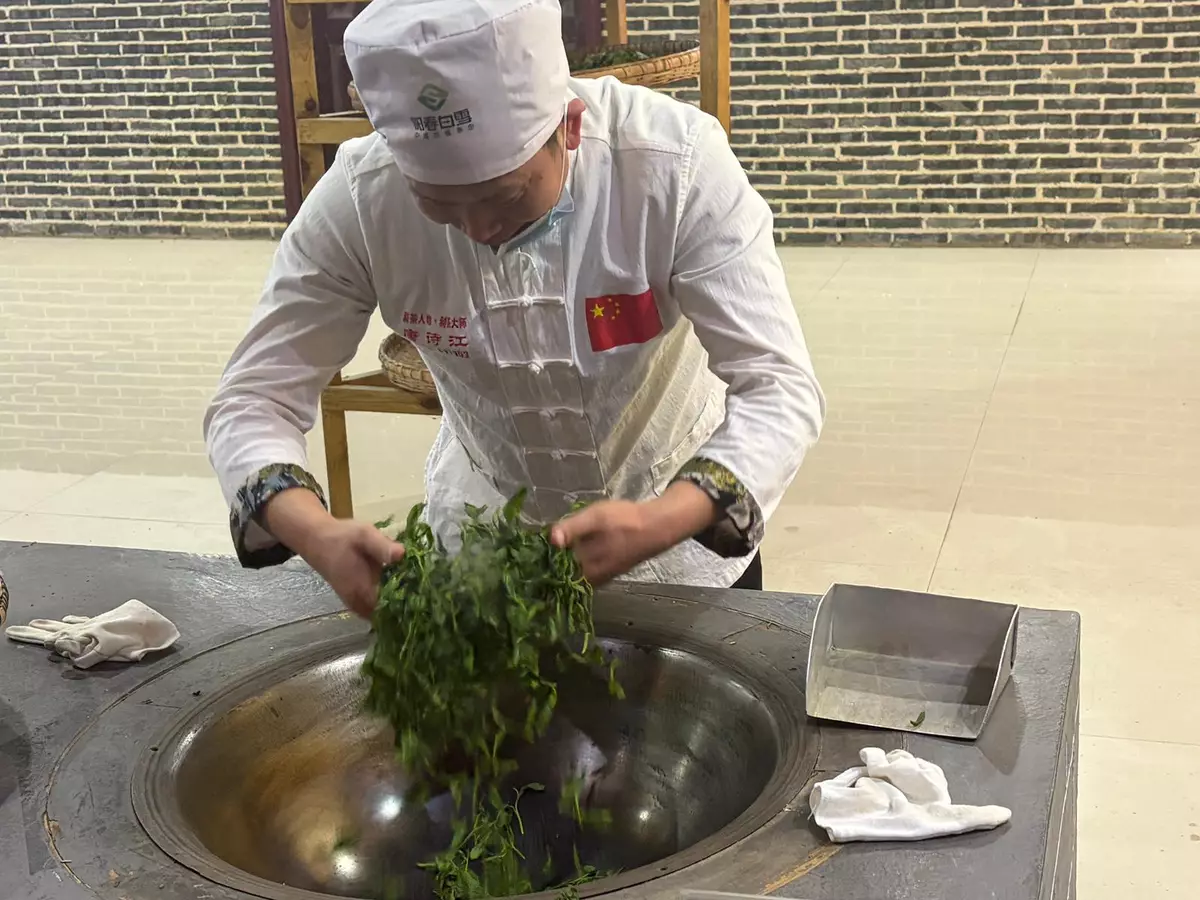
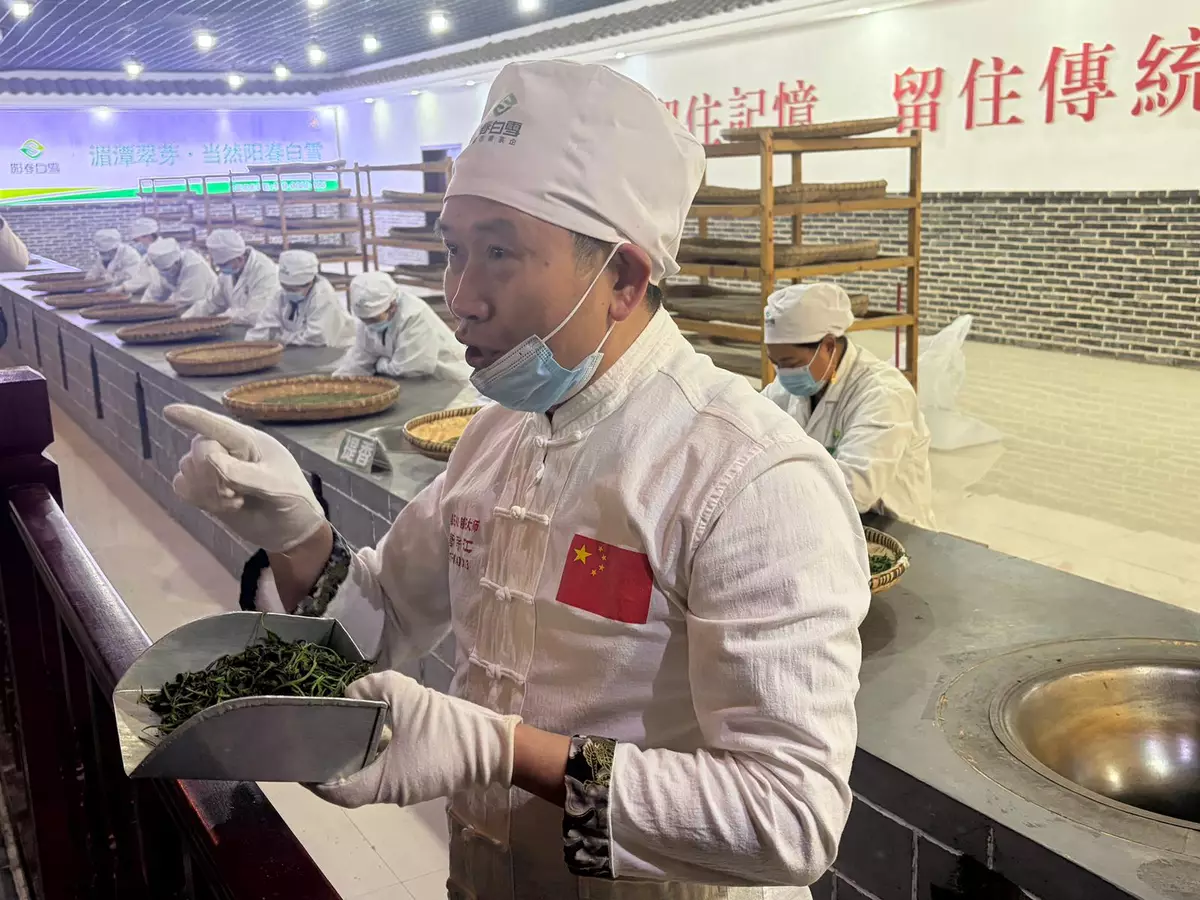
On the third day of the delegation's Guizhou tour (April 24), the members visited the Cuiya Tea Intangible Cultural Heritage Inheritance Base in Meitan County, Zunyi City in the morning, to learn about the tea-making process. Through demonstrations of "killing green" (shaqing) and "extracting aroma" by Chinese tea master Mr. Tang Shijiang, the delegation deepened their understanding of high-quality tea processing techniques.
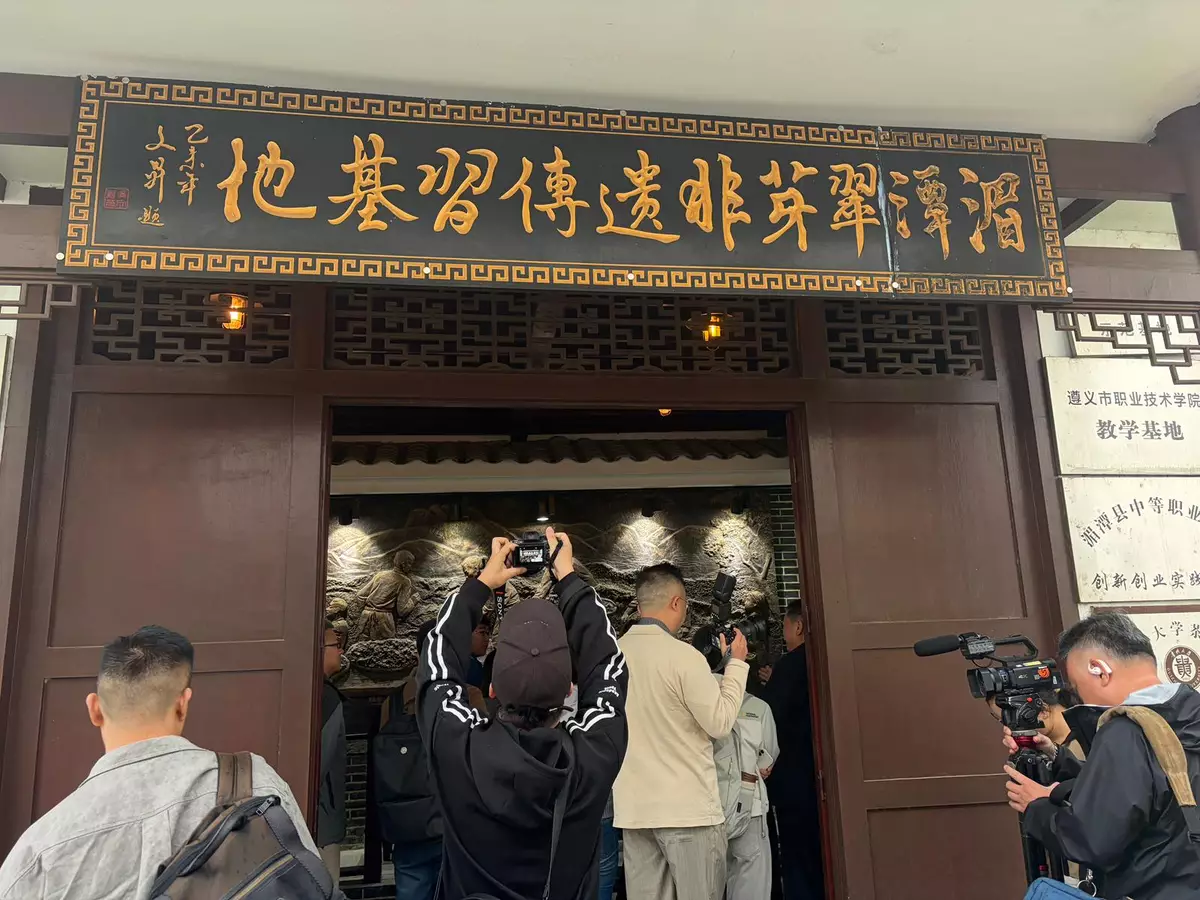
The Cuiya Tea Intangible Cultural Heritage Inheritance Base in Meitan County, Zunyi City, Photo by Bastille Post
The Cuiya Tea Intangible Cultural Heritage Inheritance Base in Meitan County, Zunyi City, Photo by Bastille Post
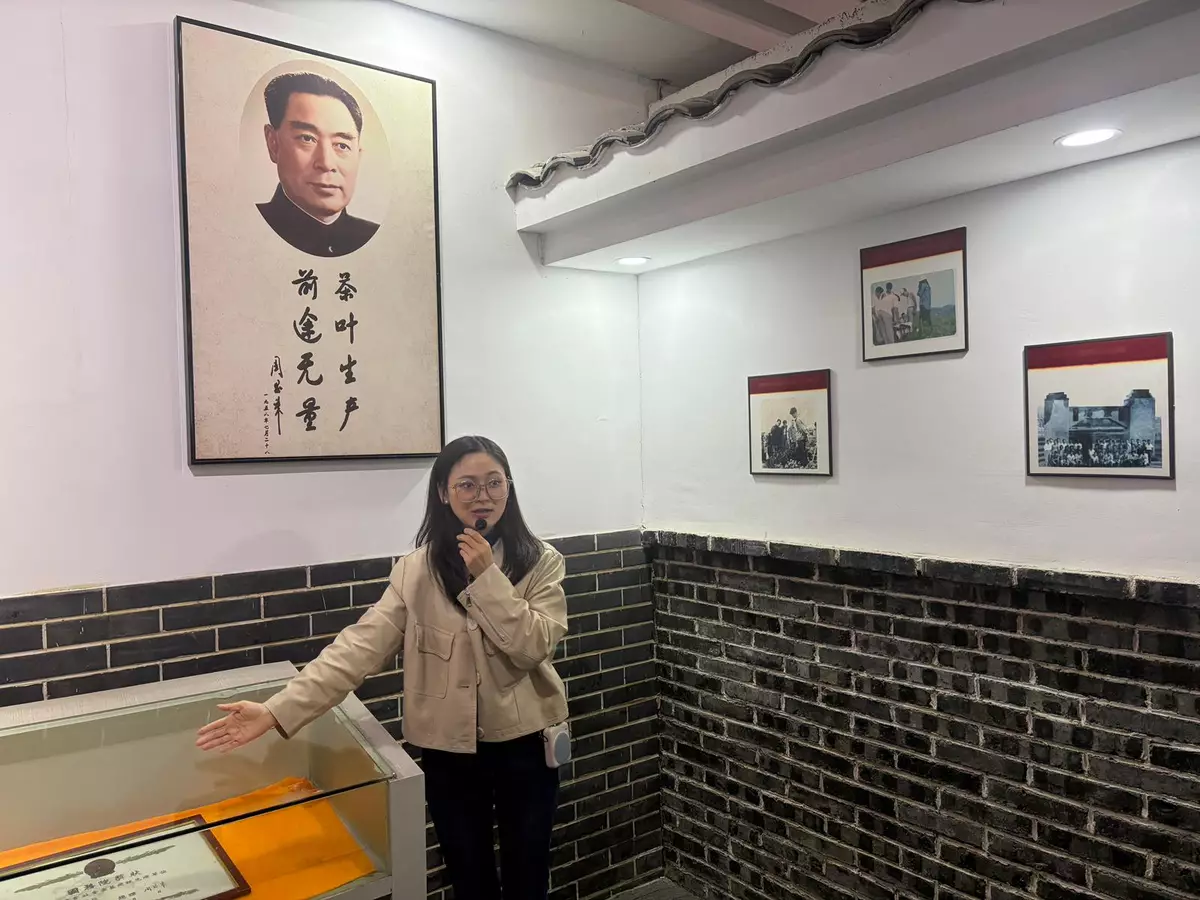
The introduction of the staff on site, Photo by Bastille Post
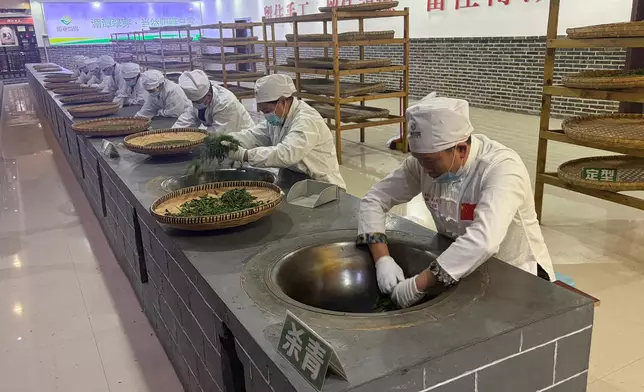
The introduction of the staff on site, Photo by Bastille Post

Meitan County stands as the largest and most outstanding tea-producing county in Guizhou Province and has ranked first among China's top 100 tea-producing counties for five consecutive years. The county boasts 600,000 mu (approximately 40,000 hectares) of tea plantations. Having earned titles such as "Hometown of Famous Chinese Tea", "Hometown of Chinese Tea Culture", and "Top Ten National Tea Industry Transformation and Upgrading Demonstration Counties", etc., Meitan County is famous for its flagship tea brands, "Meitan Cuiya" and "Zunyi Hong", which are also the key tea brands developed by Guizhou Province and have both won the prestigious "Centennial World Expo China Famous Tea Gold Award".

More Images
The Cuiya Tea Intangible Cultural Heritage Inheritance Base in Meitan County, Zunyi City, Photo by Bastille Post

The Cuiya Tea Intangible Cultural Heritage Inheritance Base in Meitan County, Zunyi City, Photo by Bastille Post

The introduction of the staff on site, Photo by Bastille Post

The introduction of the staff on site, Photo by Bastille Post

Firing tea, Photo by Bastille Post
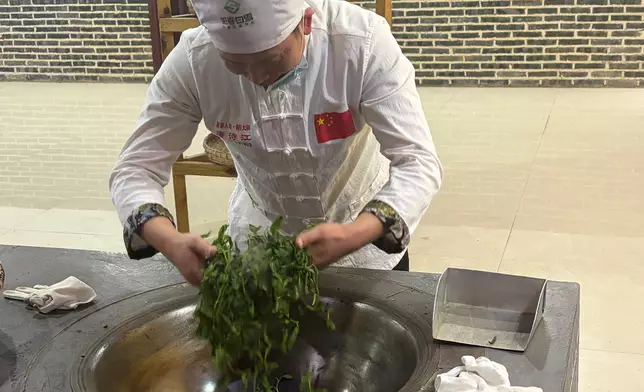
Firing tea, Photo by Bastille Post

"Killing green" (shaqing) and "extracting aroma" by Chinese tea master Mr. Tang Shijiang, Photo by Bastille Post
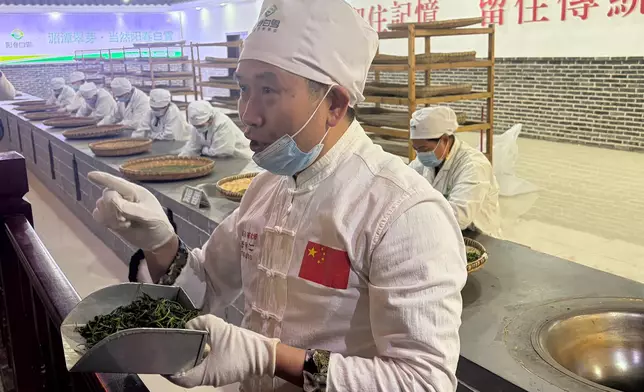
"Killing green" (shaqing) and "extracting aroma" by Chinese tea master Mr. Tang Shijiang, Photo by Bastille Post

The Chinese tea master, Mr. Tang Shijiang, Photo by Bastille Post

The Chinese tea master, Mr. Tang Shijiang, Photo by Bastille Post

Mr, Huang Chaoyou, General Manager of Guizhou Yangchun Baixue Tea Industry Co., Ltd., Photo by Bastille Post
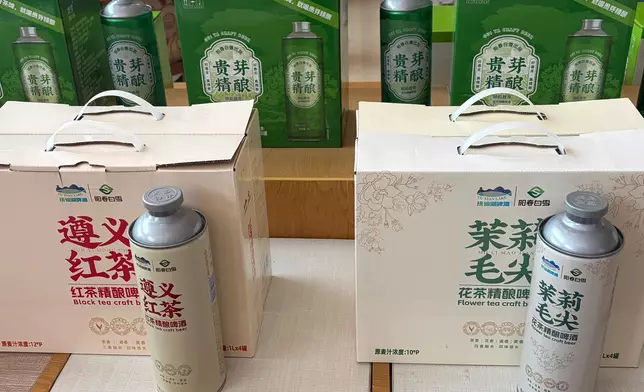
Mr, Huang Chaoyou, General Manager of Guizhou Yangchun Baixue Tea Industry Co., Ltd., Photo by Bastille Post

Tea beer products, Photo by Bastille Post

Tea beer products, Photo by Bastille Post

The China Tea Sea, Photo by Bastille Post

The China Tea Sea, Photo by Bastille Post

The China Tea Sea, Photo by Bastille Post
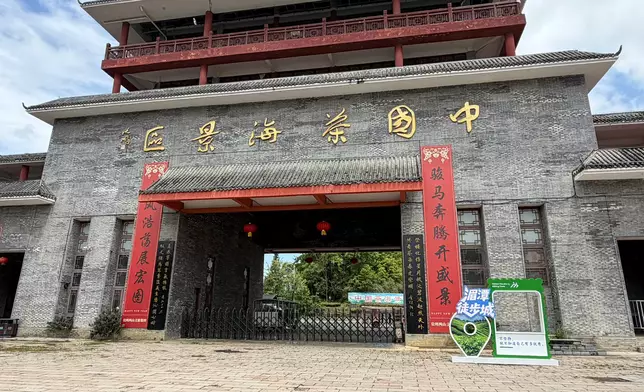
The China Tea Sea, Photo by Bastille Post

The China Tea Sea, Photo by Bastille Post

The China Tea Sea, Photo by Bastille Post

The China Tea Sea Scenic Spot, Photo by Bastille Post
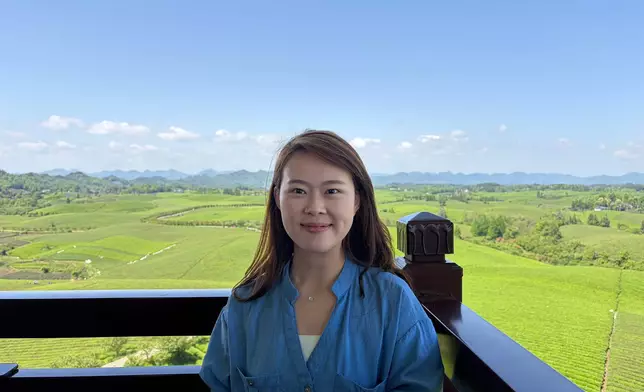
The China Tea Sea Scenic Spot, Photo by Bastille Post

Ms. Liu Danni, Marketing Manager of the China Tea Sea Scenic Spot, Photo by Bastille Post
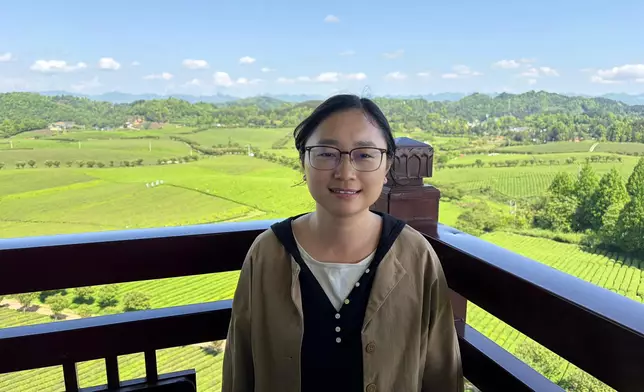
Ms. Liu Danni, Marketing Manager of the China Tea Sea Scenic Spot, Photo by Bastille Post

Ms. Li Yanli, Deputy Director of the Meitan County Tea Industry Development Center, Photo by Bastille Post
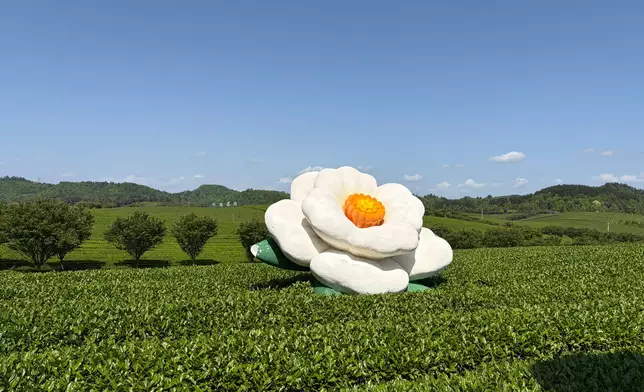
Ms. Li Yanli, Deputy Director of the Meitan County Tea Industry Development Center, Photo by Bastille Post

Photo by Bastille Post
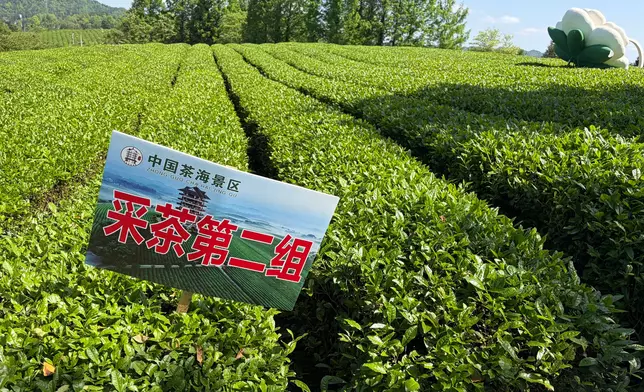
Photo by Bastille Post

The China Tea Sea, Photo by Bastille Post

The China Tea Sea, Photo by Bastille Post

Maotai Town, Photo by Bastille Post

Maotai Town, Photo by Bastille Post
Maotai Town, Photo by Bastille Post

Maotai Town, Photo by Bastille Post

Firing tea, Photo by Bastille Post
Firing tea, Photo by Bastille Post

"Killing green" (shaqing) and "extracting aroma" by Chinese tea master Mr. Tang Shijiang, Photo by Bastille Post
"Killing green" (shaqing) and "extracting aroma" by Chinese tea master Mr. Tang Shijiang, Photo by Bastille Post

The Chinese tea master, Mr. Tang Shijiang, Photo by Bastille Post

The Chinese tea master, Mr. Tang Shijiang, Photo by Bastille Post

Mr, Huang Chaoyou, General Manager of Guizhou Yangchun Baixue Tea Industry Co., Ltd., said Meitan County's flagship tea products are "Meitan Cuiya" and "Zunyi Hong". He admitted that green and black tea drinkers have traditionally been middle-aged or older, while young people generally "didn't like drinking tea much". But since 2024, his corporation has been exploring ways to appeal to younger consumers by launching tea-infused mooncakes for the Mid-Autumn Festival, tea rice dumplings for the Dragon Boat Festival, and even "tea noodles" as well as other innovations.

Mr, Huang Chaoyou, General Manager of Guizhou Yangchun Baixue Tea Industry Co., Ltd., Photo by Bastille Post

Mr, Huang Chaoyou, General Manager of Guizhou Yangchun Baixue Tea Industry Co., Ltd., Photo by Bastille Post

Mr. Huang specifically highlighted the tea beer launched in 2024, designed to appeal to young people's preference for beer by "incorporating tea into beer". He believes tea offers a "refreshing and invigorating" taste that lets young consumers enjoy the glamour of drinking tea. The tea beer currently comes in three flavors: Meitan Cuiya, Zunyi Hong, and Jasmine Maojian.

Moreover, the corporation is also collaborating with milk tea shops to produce "raw tea", naming ChaPanda among its potential partners. Mr. Huang said the corporation is developing a wide range of "tea beverage" products, including tea rice wine, with plans to possibly launch canned Zunyi Hong beverages and other drinks in the future.
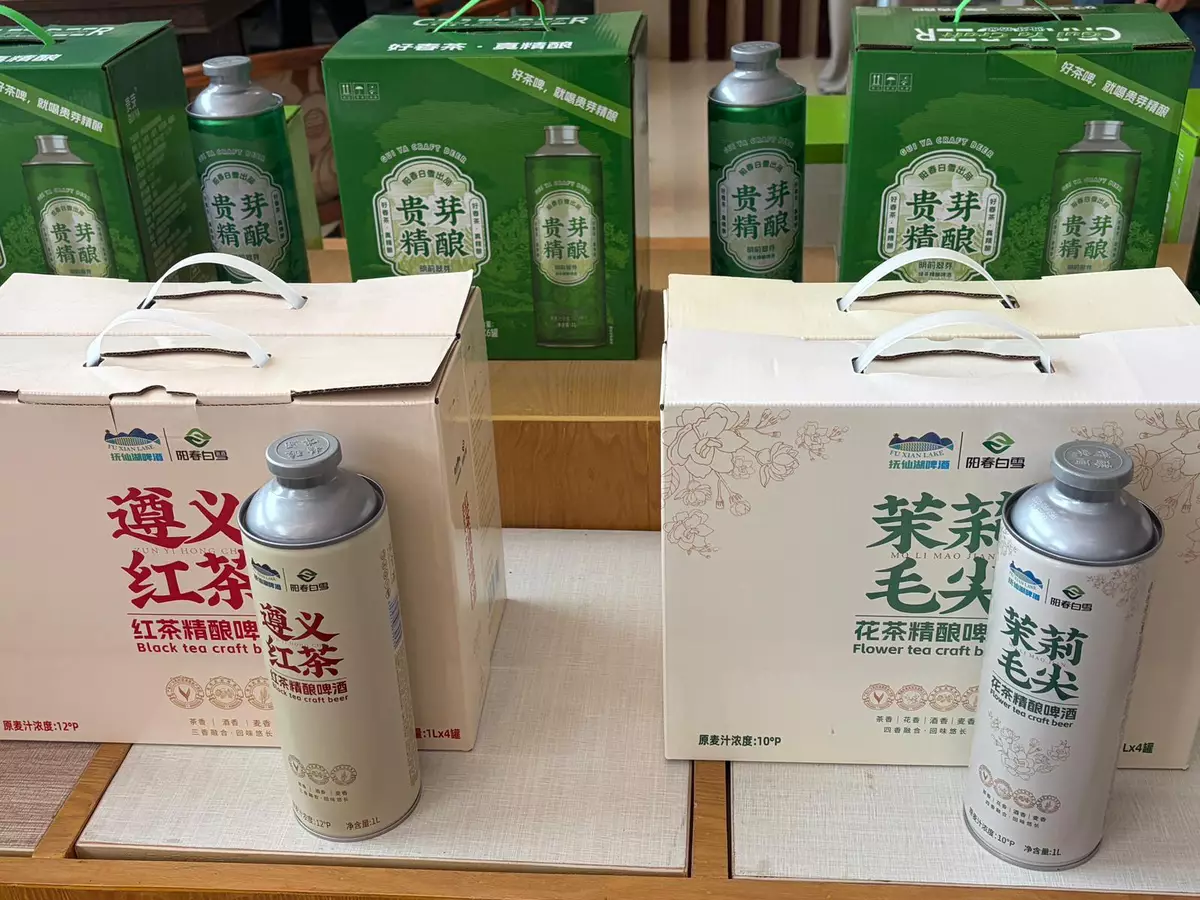
Tea beer products, Photo by Bastille Post

Tea beer products, Photo by Bastille Post

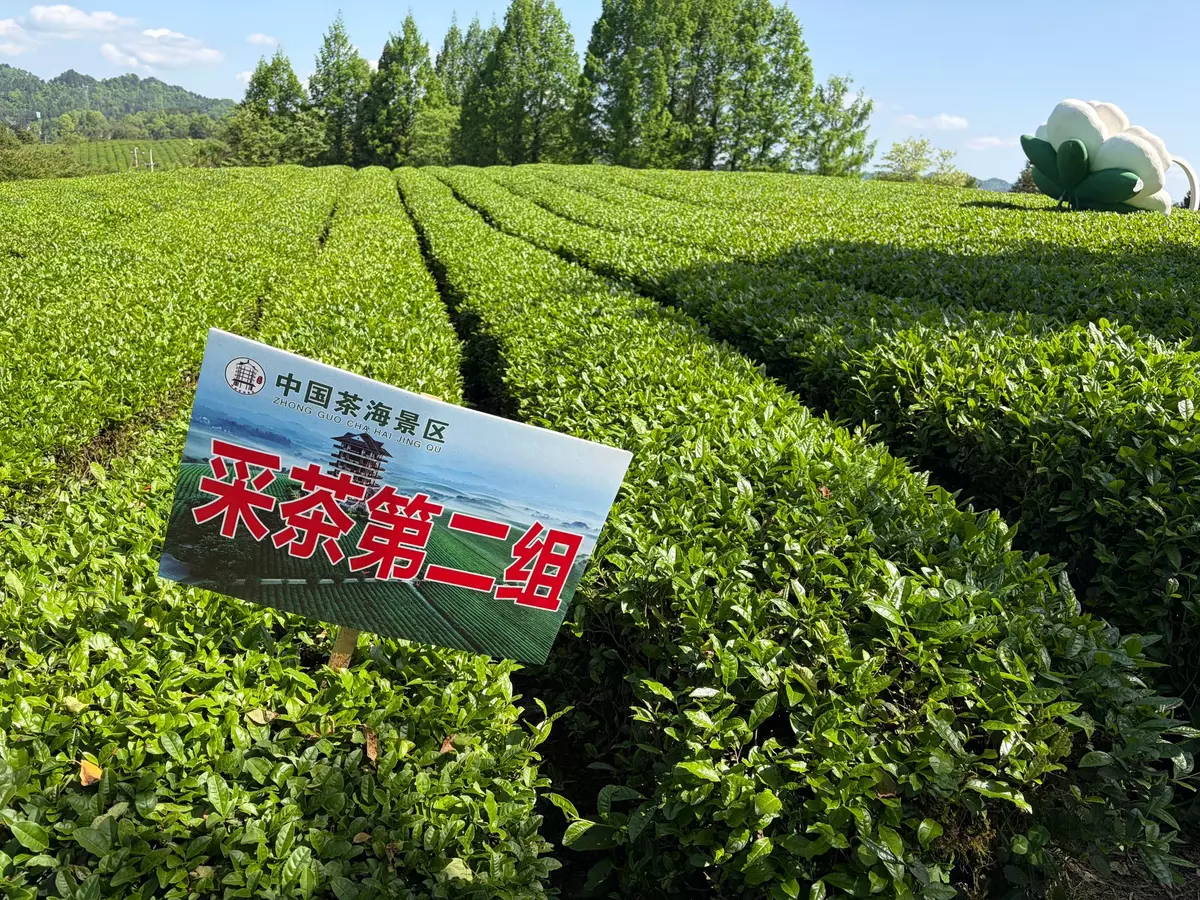
After noon, the delegation arrived at the China Tea Sea, also known as the "Ten Thousand Mu Tea Sea", in Meitan County. It is currently the world's largest contiguous tea plantation, covering 43,000 mu (approximately 3,533 hectares).
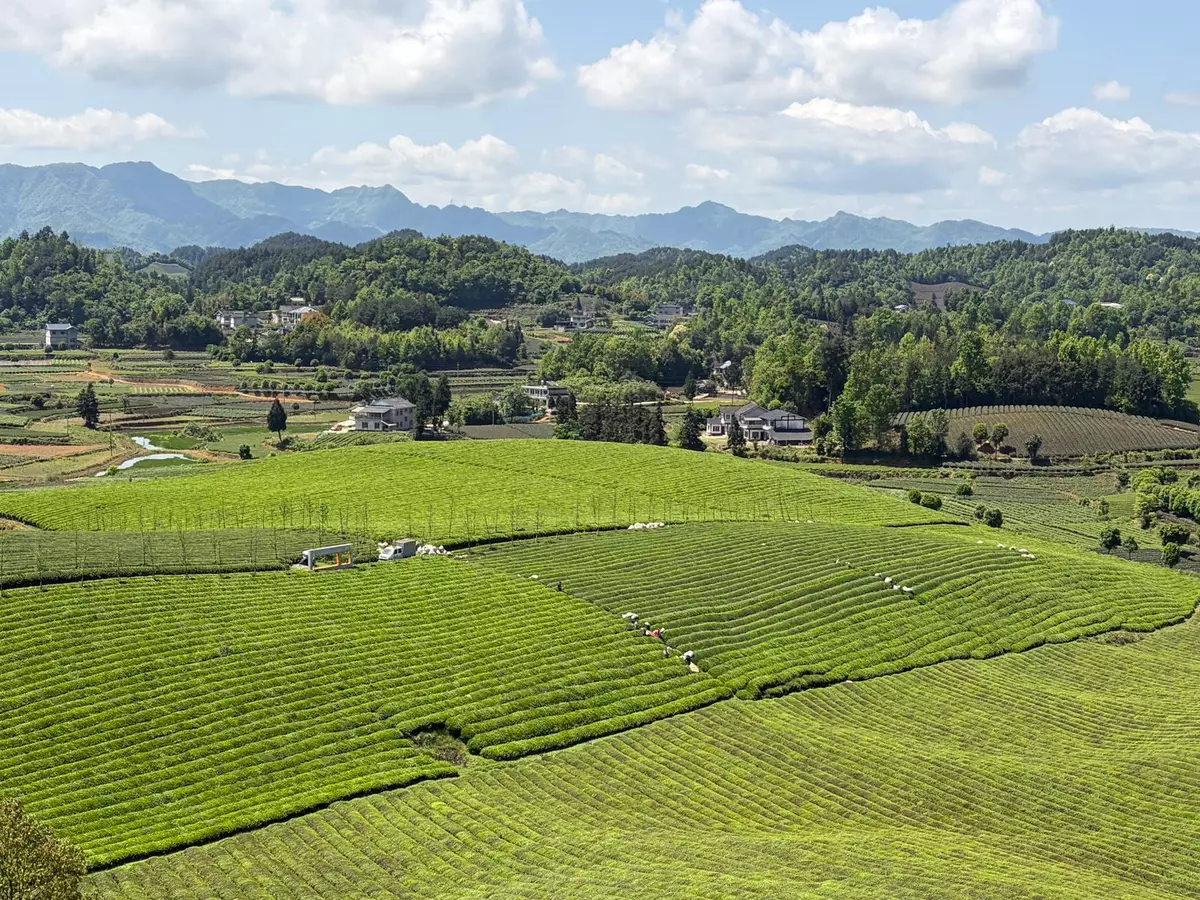
The China Tea Sea, Photo by Bastille Post

The China Tea Sea, Photo by Bastille Post

As a unique ecological leisure, vacation, and health-oriented tea scenic spot, the China Tea Sea follows a "tourism and tea production promote each other" model, integrating tea sea sightseeing, tea culture experiences, camping, a large canopy, outdoor cycling, and business conferences, etc.
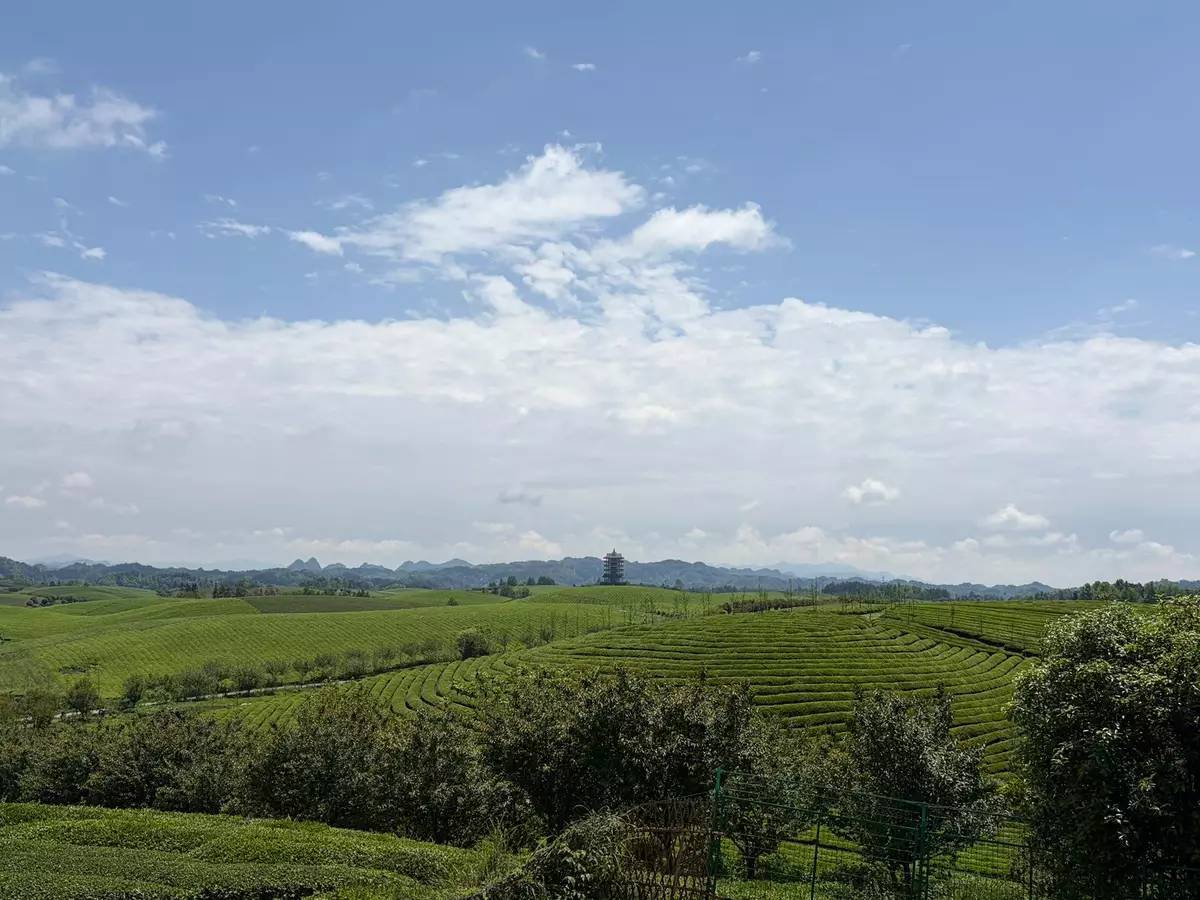
The China Tea Sea, Photo by Bastille Post

The China Tea Sea, Photo by Bastille Post

While developing its tea industries, Meitan County has steadily promoted the integrated development of tea production and tourism, establishing iconic attractions as the China Tea Sea, the World's First Largest Teapot Tea Culture Park, the Cuiya 27 Degrees Tea Tourism Ecological Park, the Tea Industry Museum, the Guizhou Tea Culture Ecological Museum, and the Xiangshan Tea Expo Garden, etc., drawing domestic and international tourists to visit.
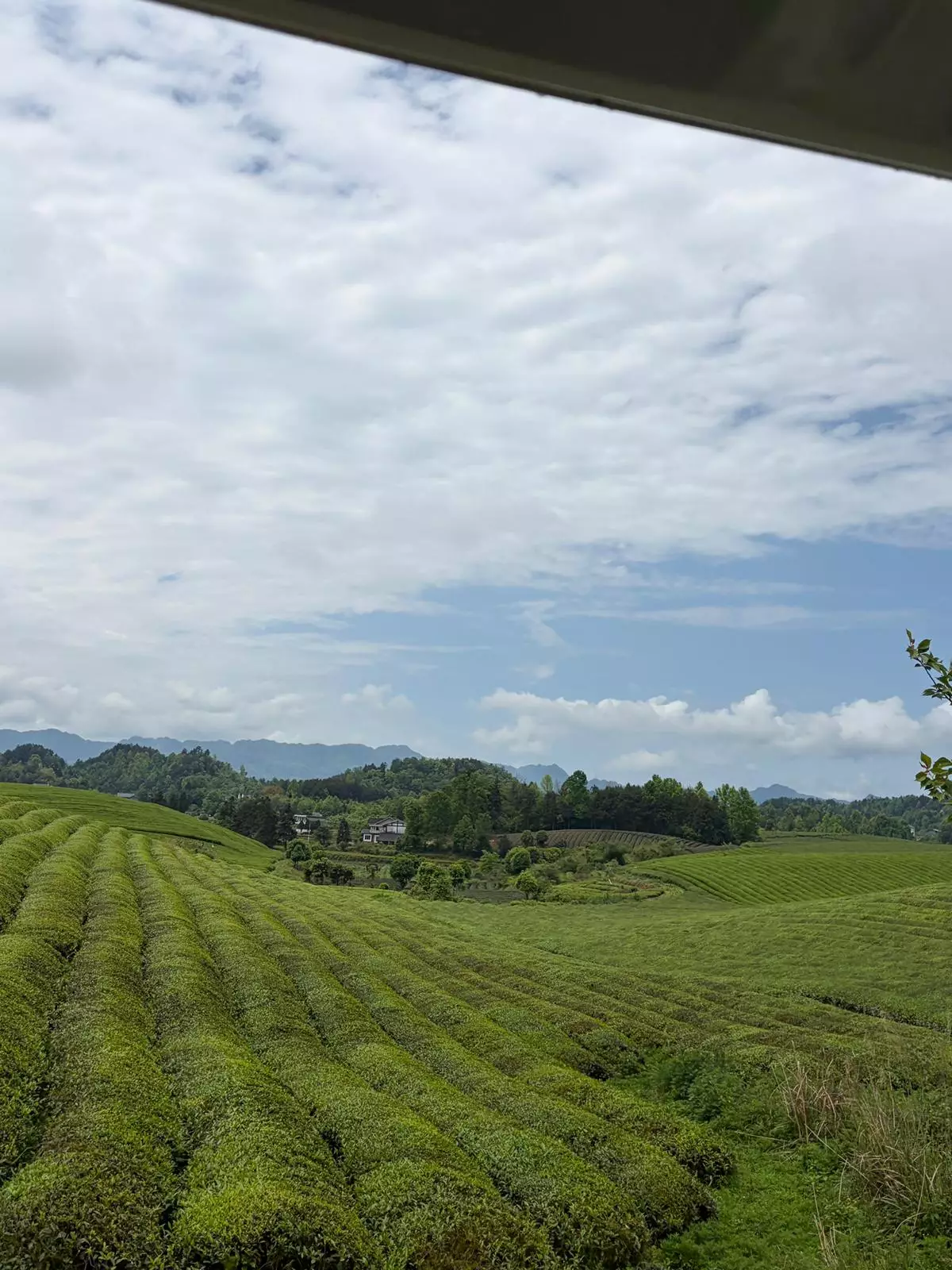
The China Tea Sea, Photo by Bastille Post

The China Tea Sea, Photo by Bastille Post

"The vast tea sea is boundless to behold." Stepping into Meitan's expansive tea sea, visitors find themselves surrounded by lush greenery and fresh air infused with the rich aroma of tea, which is a truly invigorating experience, like immersing oneself in a green ocean.
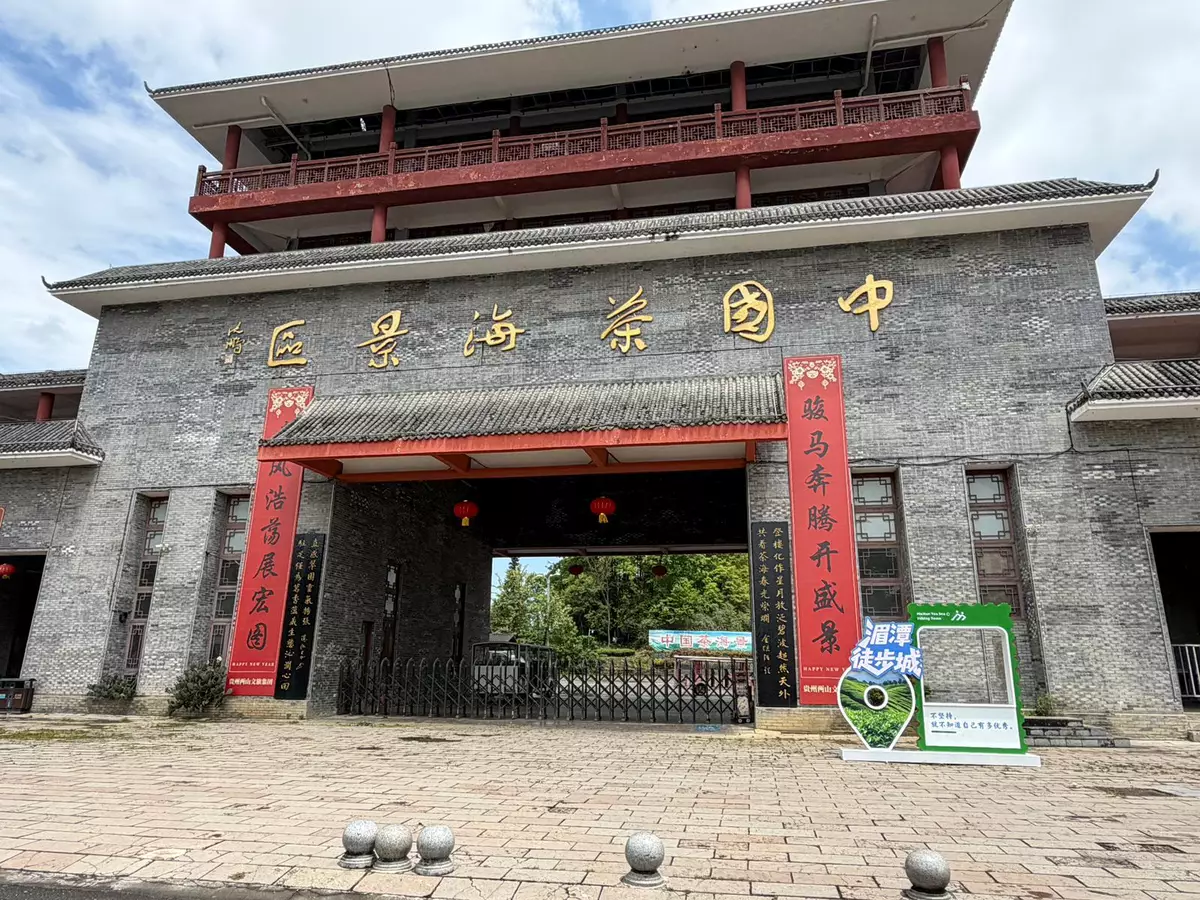
The China Tea Sea Scenic Spot, Photo by Bastille Post

The China Tea Sea Scenic Spot, Photo by Bastille Post

Ms. Liu Danni, Marketing Manager of the China Tea Sea Scenic Spot, noted that Meitan County has been praised as the "Number One Tea-Producing County" for five consecutive years. In 2025, the China Tea Sea's output reached 80,000 tons, with an annual output value of 6.451 billion RMB. As for Meitan County's tea exports, it reaches more than 40 countries and regions, with core markets concentrated in five major regions: Russia, the EU, Africa, Southeast Asia, and Central Asia, as well as primary products including broken black tea, green tea, and matcha.
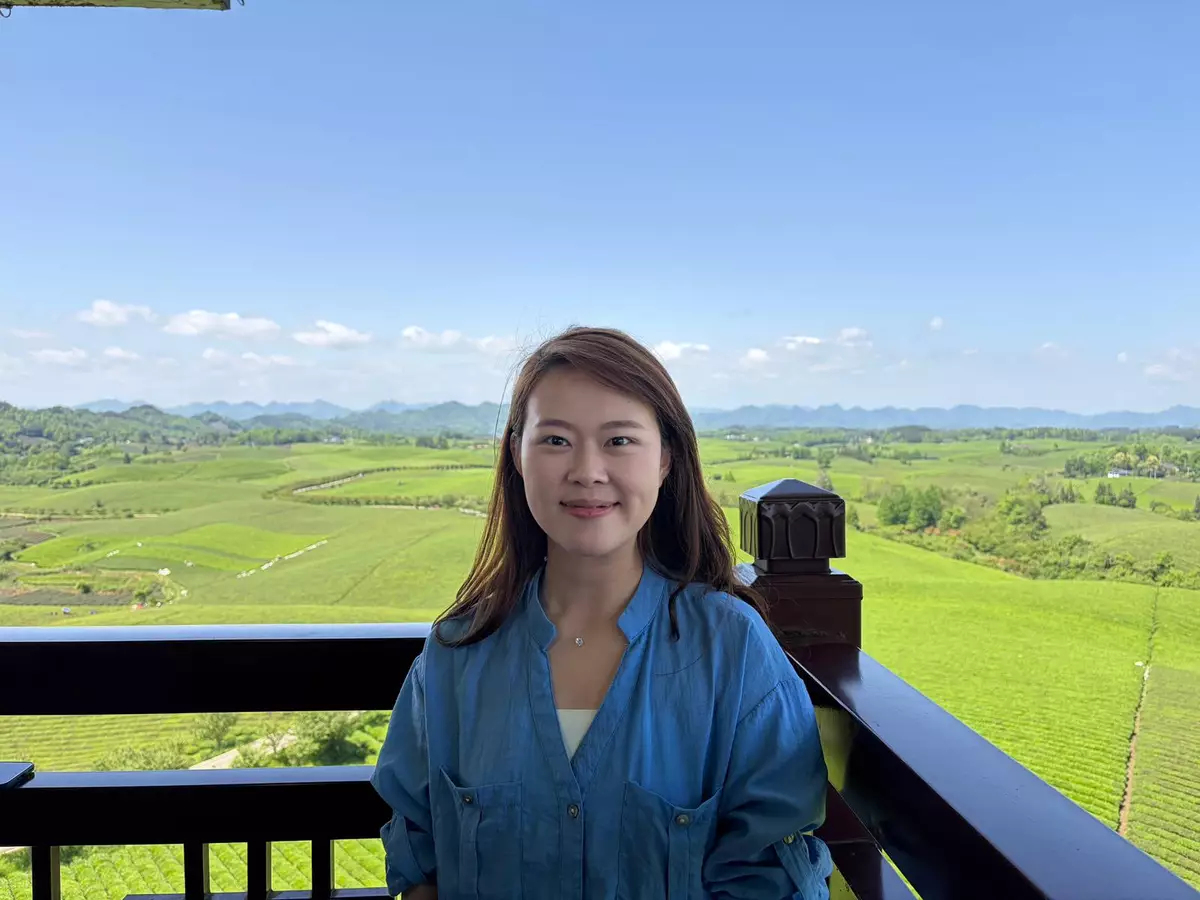
Ms. Liu Danni, Marketing Manager of the China Tea Sea Scenic Spot, Photo by Bastille Post

Ms. Liu Danni, Marketing Manager of the China Tea Sea Scenic Spot, Photo by Bastille Post

Ms. Liu said the China Tea Sea has approximately 14,000 mu (about 933 hectares) of visible tea gardens, of which about 8,000 mu (about 533 hectares) are state-managed, while the remaining area is contracted to farmers. She noted that China is home to over 160 tea tree varieties, and the China Tea Sea features 106 varieties, including specialty cultivars such as Qianmei 601 and Fuding tea.

Regarding Guizhou Province's successful entry into the ranks of "world matcha factories", Ms. Li Yanli, Deputy Director of the Meitan County Tea Industry Development Center, said Guizhou Province views matcha as an important direction for promoting the transformation and upgrading of its tea industry, emphasizing that the shift is driven by strong market demands and the aging of the traditional hand-picking workforce. Matcha, she noted, is better suited to mechanized picking, making it a sustainable industry direction. She also observed that the matcha planting area in the China Tea Sea has "developed rapidly" over the past two years.
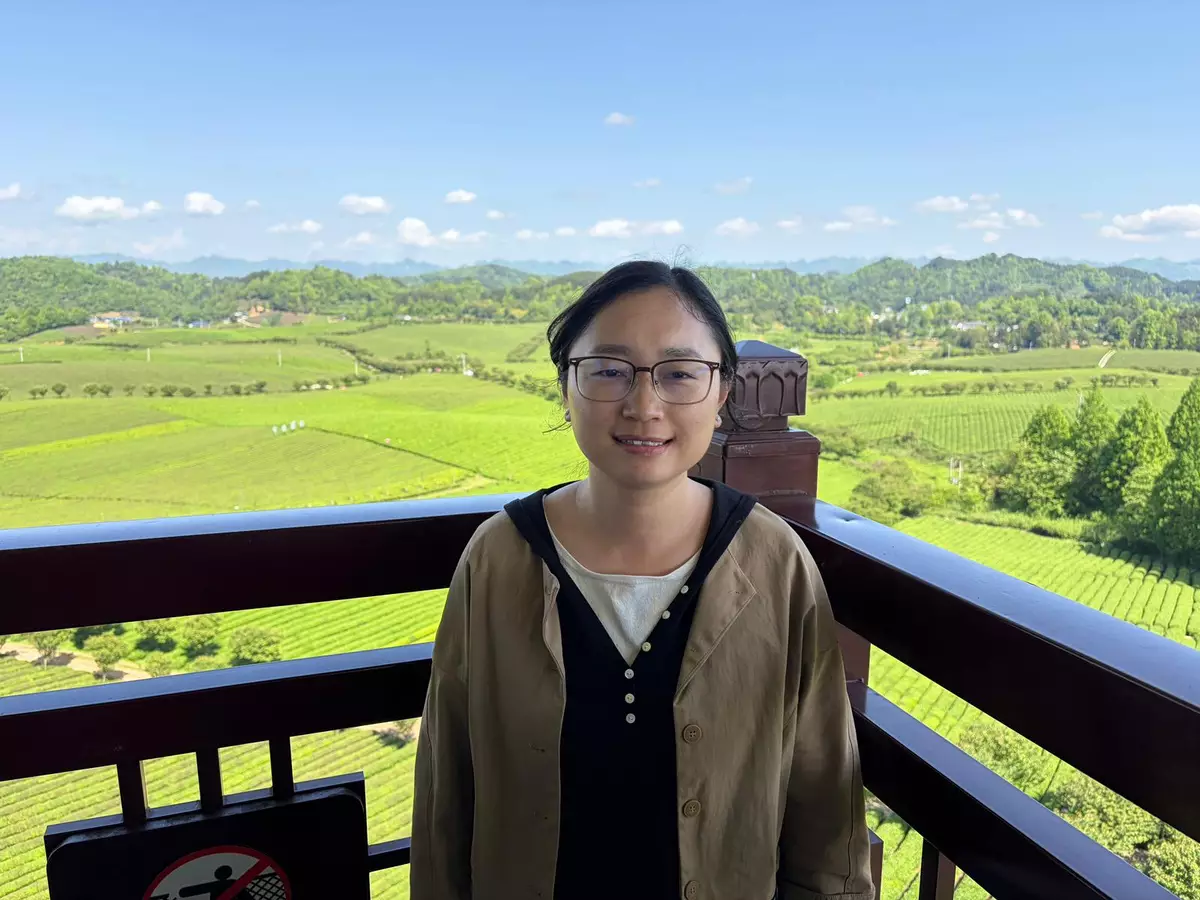
Ms. Li Yanli, Deputy Director of the Meitan County Tea Industry Development Center, Photo by Bastille Post

Ms. Li Yanli, Deputy Director of the Meitan County Tea Industry Development Center, Photo by Bastille Post

Currently, the tea plantations in the China Tea Sea have about a dozen matcha production lines. Ms. Li plans to add 10 to 20 more lines in 2027 and 2028. She also stated that special funding is available this year to help tea farmers establish matcha bases, with plans to continue adding bases next year. "The matcha currently produced in Meitan County is mainly used as raw material for new tea drinks, tea desserts, tea foods, and matcha powder, etc," she said.
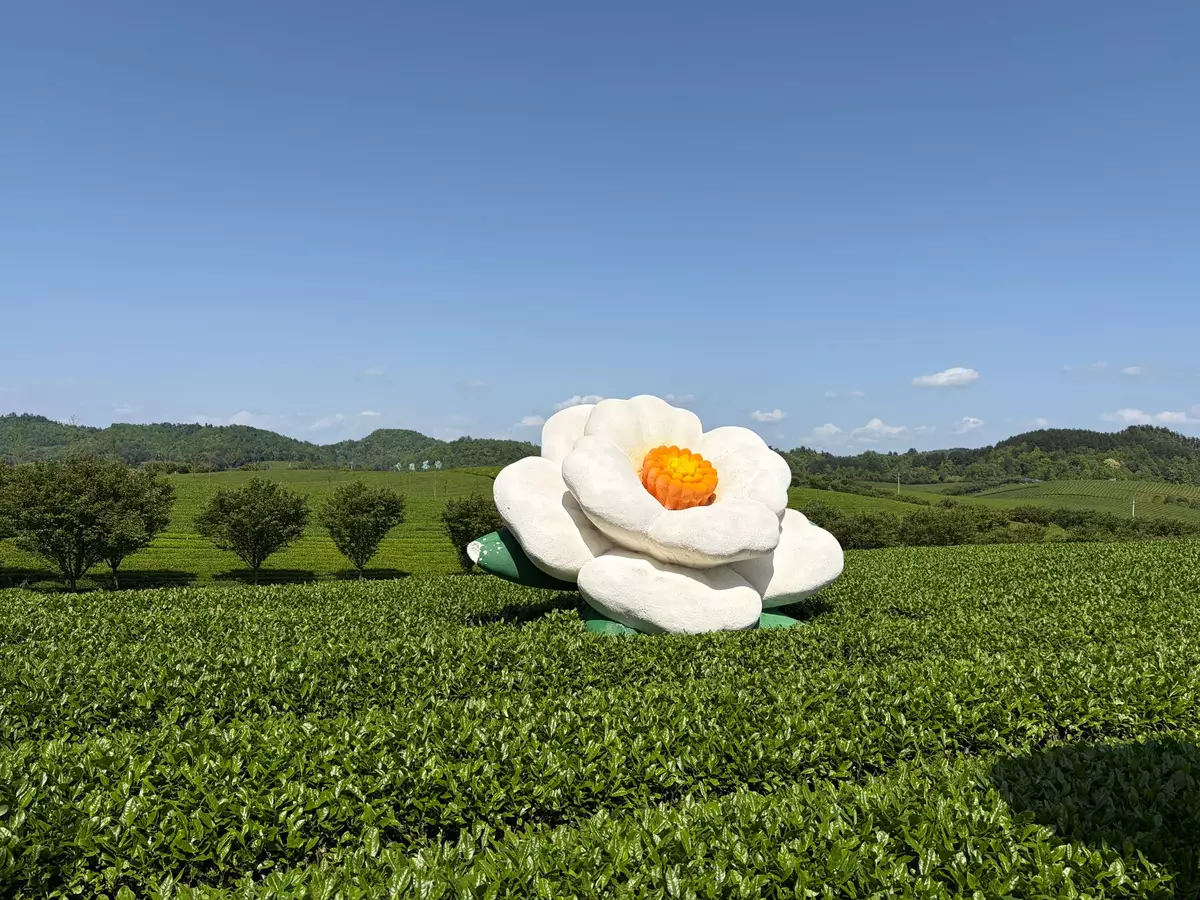
Photo by Bastille Post

Photo by Bastille Post

When asked about the advantages of Guizhou's matcha, Ms. Li emphasized that the selling point lies in "clean" raw materials, promoting it with the slogan: "Clean Guizhou Tea, Shared Globally". She also stated that the raw materials are "very safe" in terms of quality and source, and stressed the need to ensure that they meet EU standards and are well controlled.

Regarding how Guizhou Province can surpass competing countries in matcha production, Ms. Li highlighted two key strategies:

First, tea variety selection: She suggested breeding new varieties with high yields and high chlorophyll content (for better color), which would improve raw material quality and reduce costs. If these conditions are met, planting and maintenance costs could be lowered, potentially even eliminating the need for shading nets, further reducing investment.

Second, improving processing standards: Ms. Li stated that Chinese matcha processing techniques will be "further improved", establishing higher standards to enhance the overall competitiveness of Chinese matcha in international markets.
The China Tea Sea, Photo by Bastille Post

The China Tea Sea, Photo by Bastille Post

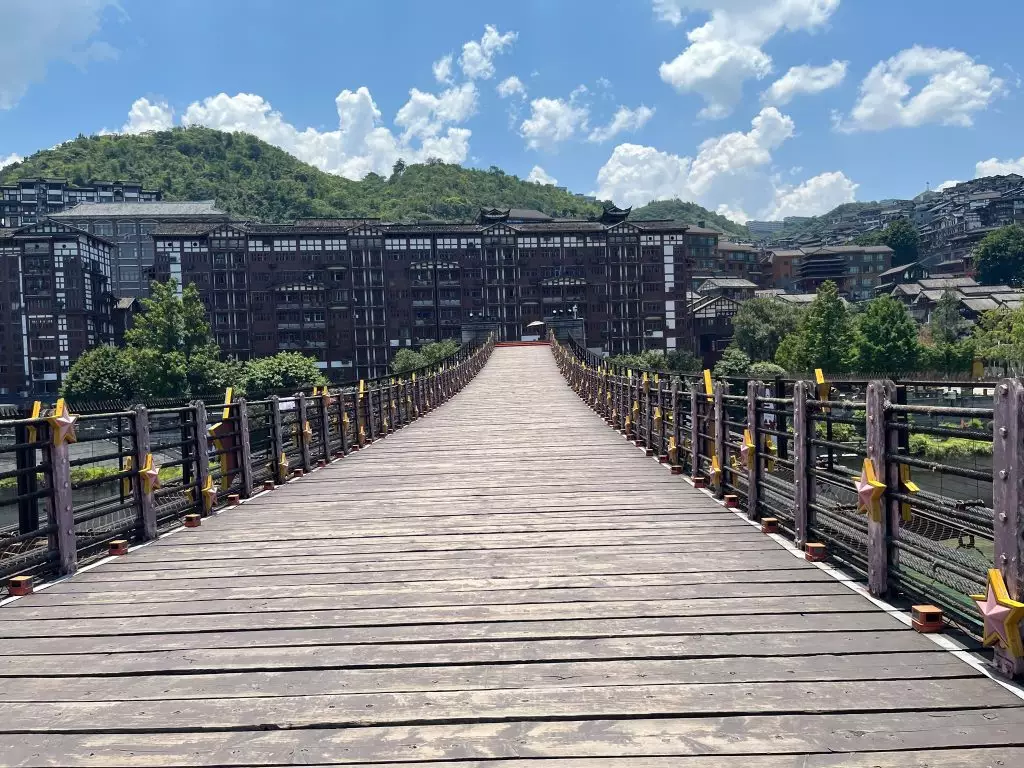
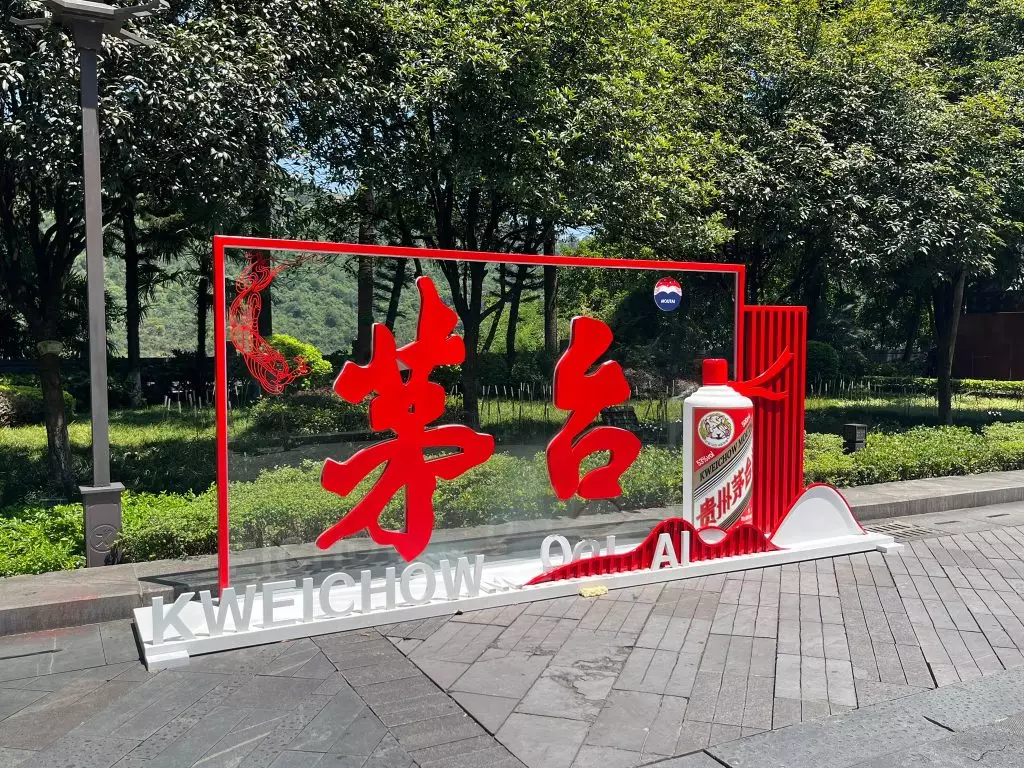
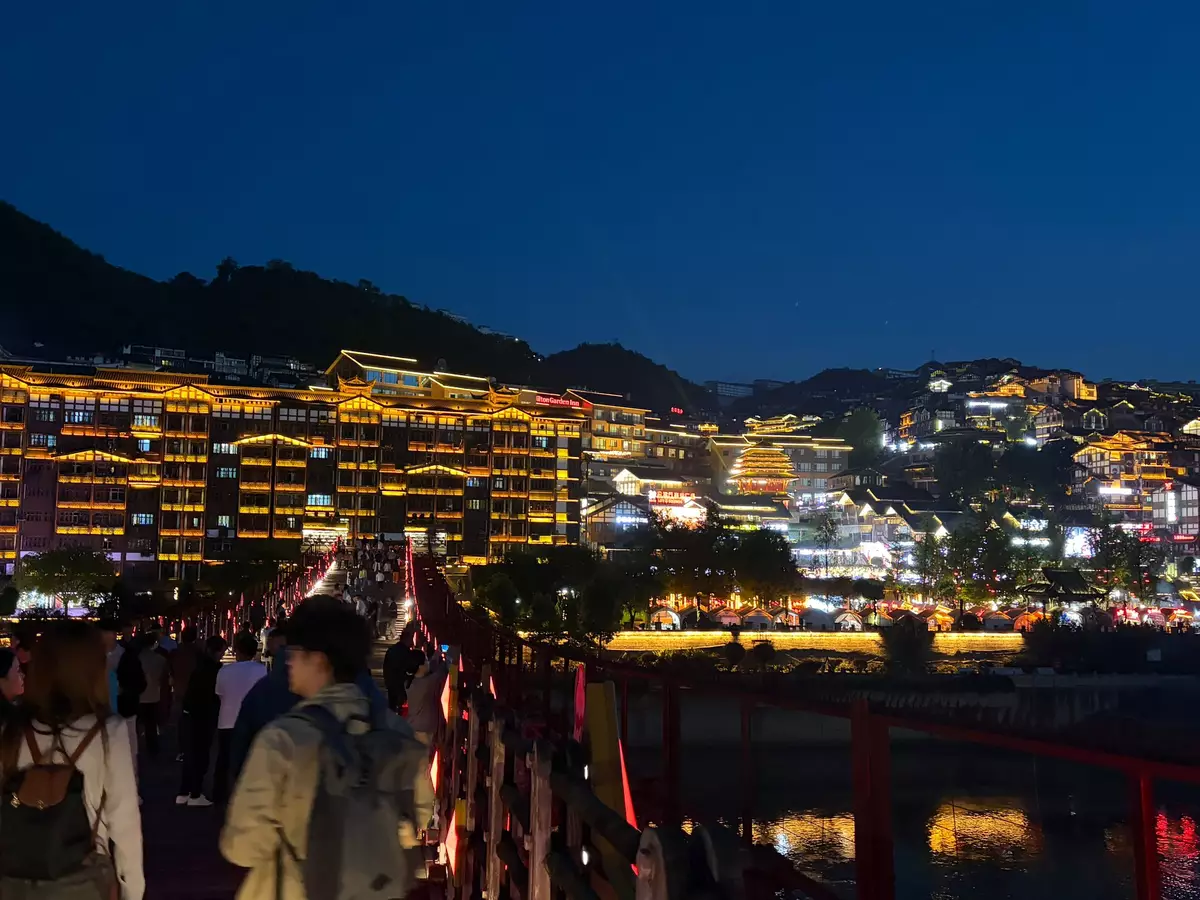
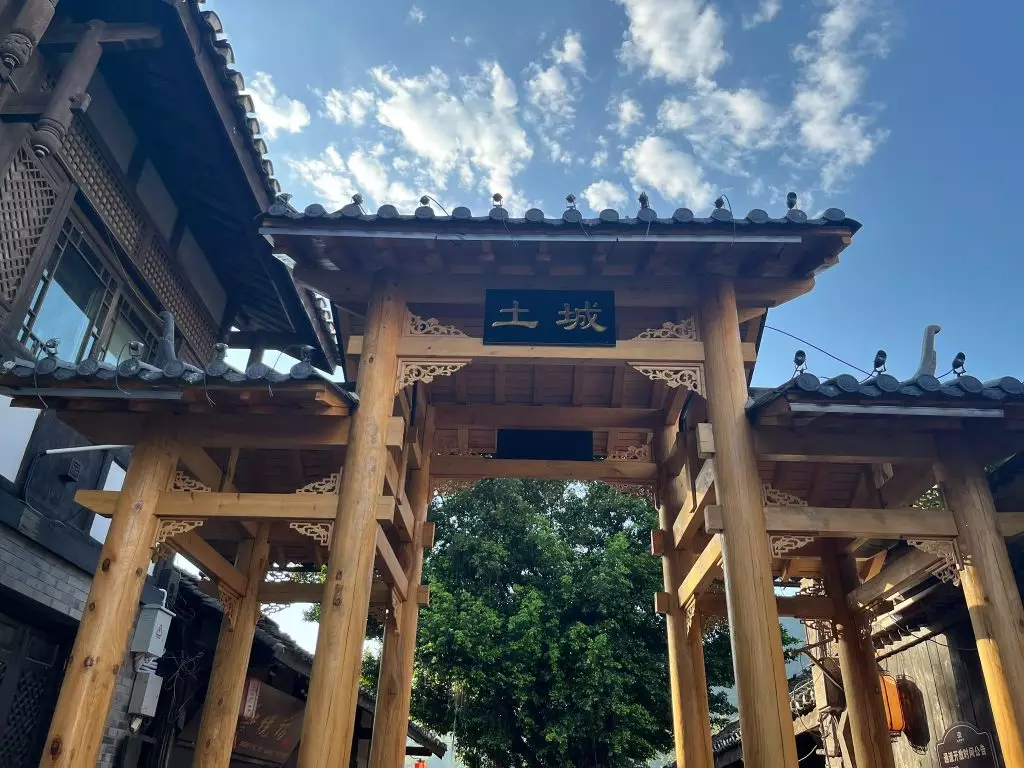
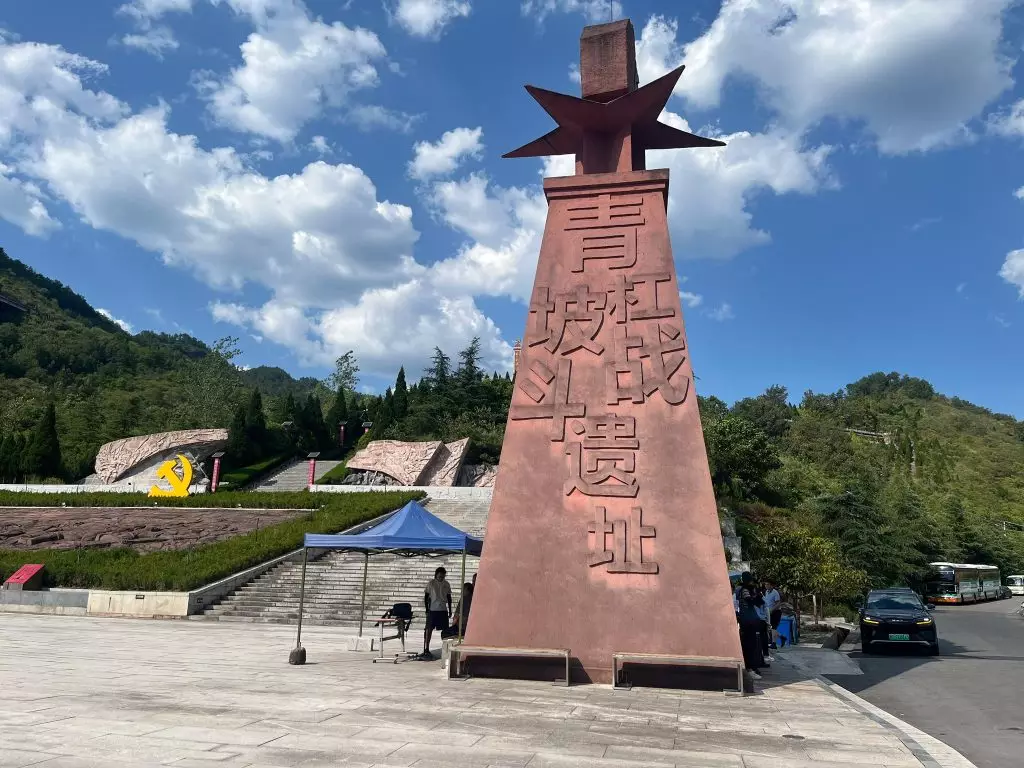
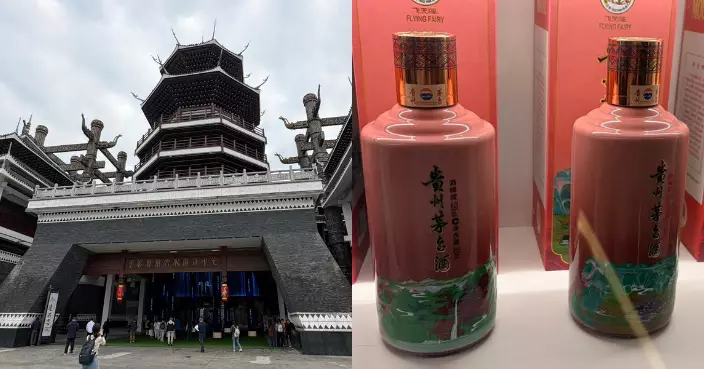
In the evening, the delegation visited Maotai Town, located on the banks of the Chishui River in Renhuai City, to admire the beautiful night views. Bordering the historic Zunyi City to the north and Luzhou, Sichuan, to the south, Maotai Town is the birthplace of Maotai liquor and the site of three crossings of the Chishui River during the Long March of the Red Army.

Maotai Town, Photo by Bastille Post

Maotai Town, Photo by Bastille Post

Maotai Town boasts a long and rich history, integrating revolutionary culture, Maotai liquor culture, and salt transport culture. Covering 225.09 square kilometers, it administers 28 villages (communities), with a registered population of 116,400 and a resident population of 163,200. The town and the Maotai Ancient Town Cultural Industry Park operate under a unified management system. In 2017, a national 4A-level tourist attraction site was established and has since won prestigious titles such as "National Sanitary Town" and "National Civilized Town", etc.

Maotai Town adheres to the strategy of "establishing, vitalizing, and strengthening the town through liquor" to promote high-quality development of its liquor industry. It ranked 27th among China's top 100 towns in comprehensive competitiveness in 2025 and 1st among western China's top 100 towns in comprehensive competitiveness in 2025.
Maotai Town, Photo by Bastille Post

Maotai Town, Photo by Bastille Post
On the second day of the delegation's Guizhou tour (April 23), the members visited two standout scenic spots: a popular karst cave coffee shop, "Xiu Coffee" in the morning, hailed as a daytime utopia for visitors; and the Wujiang Village International Tourism Resort, widely praised as the pinnacle of Guizhou's nighttime scenery in the afternoon.

In the morning, the delegation visited "Xiu Coffee" nestled within a cave in Xiangbahu Village, Jingyang Street, Xiuwen County, Guiyang City, surrounded by verdant mountains. With its unique coffee culture in the karst cave landscape, the coffee shop offers visitors an escape from the hustle and bustle of the city.

Xiu Coffee, Photo by Bastille Post

Xiu Coffee, Photo by Bastille Post

Located inside a natural cave, Xiu Coffee retains its original outlook, creating an authentic and immersive natural scenery experience. Promoting a "one-day trip" concept, the coffee shop offers visitors an unforgettable travelling experience that combines cave coffee, local cuisine, guesthouses, and pastures. Moreover, based on its convenient transportation and surrounding tourism resources, Xiu Coffee has become a popular weekend getaway for both tourists and locals.

Ms. Xu Hui, Deputy General Manager of Guizhou Shanyou Cultural Tourism Resources Development and Operation Co., Ltd., Photo by Bastille Post

Ms. Xu Hui, Deputy General Manager of Guizhou Shanyou Cultural Tourism Resources Development and Operation Co., Ltd., Photo by Bastille Post

Ms. Xu Hui, Deputy General Manager of Guizhou Shanyou Cultural Tourism Resources Development and Operation Co., Ltd., said that the name of the coffee shop is derived from the Chinese character "岫", which carries the imagery of a "cave". She revealed that Xiu Coffee opened on August 8 last year, with an investment of approximately 2 million to 2.3 million RMB.

Xiu Coffee, Photo by Bastille Post

Xiu Coffee, Photo by Bastille Post

She explained that the coffee shop sets "young people's preference for coffee" as the starting point of its business. The goal is not simply to attract customers "just for a cup of coffee", but rather to draw them to the coffee shop and let them experience the overall scene, environment, and atmosphere. Xiu Coffee's core operation messages are: "Relaxing is the right thing to do" and "Wasting time on worthwhile things". She hopes to encourage customers to spend "a whole day" there, feeling relaxed, unwinded, and cared for from the "emotional value" that Xiu Coffee provides.

Xiu Coffee, Photo by Bastille Post

Xiu Coffee, Photo by Bastille Post

The coffee shop's signature coffee is called the "Xiuwen Americano", which is actually a kiwi coffee. As Xiuwen County is famous for its high-quality, sweet kiwis, the coffee shop combines local ingredients with coffee to create this signature drink, which has received much praise since its launch.

Xiu Coffee, Photo by Bastille Post

Xiu Coffee, Photo by Bastille Post

Tracing back to the initial development of the coffee shop's surroundings, Ms. Xiu stated that the bottom line was "no destruction, no hardening". Only lighting and a few small decorative ornaments (such as sofas and paintings) were added to highlight the cave's inherent beauty, making its contours more three-dimensional and easier to appreciate. She admitted that the biggest challenge was balancing the desire to "implement more ideas" with "not damaging natural resources", making conservation and minimal disturbance the most important constraints. Ms. Xu pointed out that the cave is a national resource, while a large amount of land outside the cave still belongs to local villagers. The overall development and successful opening of Xiu Coffee relied on the support of the local government in coordinating land and village affairs.

Xiu Coffee, Photo by Bastille Post

Xiu Coffee, Photo by Bastille Post

According to Ms. Xu, the coffee shop currently operates on a reservation system and has already attracted over 100,000 members through its mini digital program, serving over 44,000 customers. According to last year's mini-program data, she stated that 40% of tourists come from other provinces and countries, with many from Guangdong since "it's very convenient to come now," she said.

Xiu Coffee, Photo by Bastille Post

Xiu Coffee, Photo by Bastille Post

In the afternoon, the delegation visited the Wujiang Village International Tourism Resort in Bozhou District, Zunyi City. Spanning 5.08 square kilometers of mountains and water, the resort organically blends history, culture, nature, environment, and humanities, combining sightseeing and relaxation to create a comprehensive tourism complex.

The Wujiang Village International Tourism Resort, Photo by Bastille Post

The Wujiang Village International Tourism Resort, Photo by Bastille Post

The Wujiang Village International Tourism Resort, Photo by Bastille Post

The Wujiang Village International Tourism Resort, Photo by Bastille Post

From its inclusion in the 4th batch of the State Protection List of Chinese Traditional Villages in 2016 to its transformation into the Wujiang Village International Tourism Resort in 2022, the village has undergone six years of upgrading and development, turning into a "new landmark of Guizhou tourism" with praise from Chinese National Geography as "the pinnacle of Guizhou's night views".

The Wujiang Village International Tourism Resort at night, Photo by Bastille Post

The Wujiang Village International Tourism Resort at night, Photo by Bastille Post

The Wujiang Village International Tourism Resort at night, Photo by Bastille Post

The Wujiang Village International Tourism Resort at night, Photo by Bastille Post

The Wujiang Village International Tourism Resort in the daytime, Photo by Bastille Post

The Wujiang Village International Tourism Resort in the daytime, Photo by Bastille Post

The Wujiang Village International Tourism Resort in the daytime, Photo by Bastille Post

The Wujiang Village International Tourism Resort in the daytime, Photo by Bastille Post

The delegation interviewed two Hong Kong residents traveling with a Guizhou tour group. Ms. Yip said it was her first time visiting Guizhou. She had thought of Guizhou as relatively less developed and not as bustling as big cities, but she found that the quality of its scenery exceeded her expectations, especially the visual impression, which reminded her of Guilin's landscapes.

Mr. Ng, Photo by Bastille Post

Mr. Ng, Photo by Bastille Post

Mr. Ng stated that most consumers "choose to spend in the Chinese Mainland" because high-speed rail reduces travel time and cost, while also offering more city choices for travelers. He revealed that his spending in Guizhou has already reached 1,000 RMB up to now.

In addition, the Wujiang Village International Tourism Resort also houses a studio specializing in intangible cultural heritage - pith-stacking painting, founded by a local who lived there before the resort was built.

Ms. Yang Ran, Photo by Bastille Post
Ms. Yang Ran, Photo by Bastille Post

Ms. Yang Ran, a local resident of the resort and an inheritor of the art of pith-stacking painting, said that this craft has a history of over a hundred years. Artists cut pith paper into shapes and then carve them into various petals to create artwork. She noted that the art form is not limited to flowers; three-dimensional creations such as "animals, figures, and architectures" can also be made, along with various other forms.

She mentioned that the resort had previously held an "investment promotion event". Considering pith-stacking painting was listed as a provincial-level intangible cultural heritage in Guizhou Province in 2007, she realized that making flowers from pith paper not only fit the investment requirements, but also carried intangible cultural heritage attributes, prompting her to sign up for the event's selection and conceive the goal of "developing this craft".

The art of pith-stacking painting, Photo by Bastille Post

The art of pith-stacking painting, Photo by Bastille Post

She said that her studio is currently "basically fully booked with orders", along with many "reservations" for future experiential sessions. Compared to her previous experience of running a flower shop, where she earned only about 100,000 to 200,000 RMB a year, her current income from making pith-stacking paintings can "easily exceed one million RMB."

The art of pith-stacking painting, Photo by Bastille Post

The art of pith-stacking painting, Photo by Bastille Post

Regarding the ratio of domestic to international visitors, Ms. Yang stated that it is 1:1. She has observed that young people in China are increasingly passionate about intangible cultural heritage and are willing to learn and experience it. She plans to make her experiential courses more in-depth, including having tourists go up the mountain to cut and slice pith, and then create pith paper flowers or paintings by hand, allowing young people to gain a deeper impression and a greater sense of accomplishment in making intangible cultural heritage.

Recommended Articles