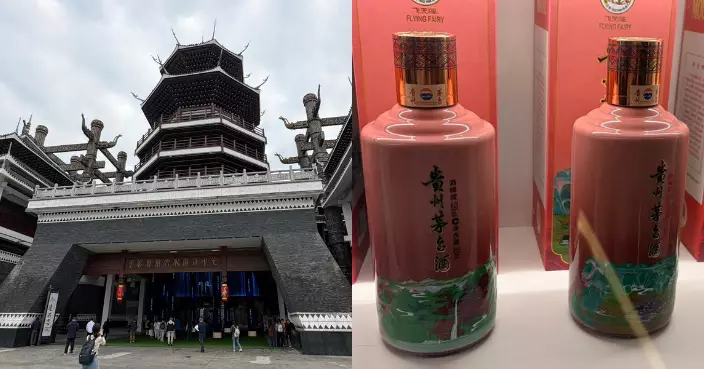
On the second day of the delegation's Guizhou tour (April 23), the members visited two standout scenic spots: a popular karst cave coffee shop, "Xiu Coffee" in the morning, hailed as a daytime utopia for visitors; and the Wujiang Village International Tourism Resort, widely praised as the pinnacle of Guizhou's nighttime scenery in the afternoon.
In the morning, the delegation visited "Xiu Coffee" nestled within a cave in Xiangbahu Village, Jingyang Street, Xiuwen County, Guiyang City, surrounded by verdant mountains. With its unique coffee culture in the karst cave landscape, the coffee shop offers visitors an escape from the hustle and bustle of the city.
Click to Gallery
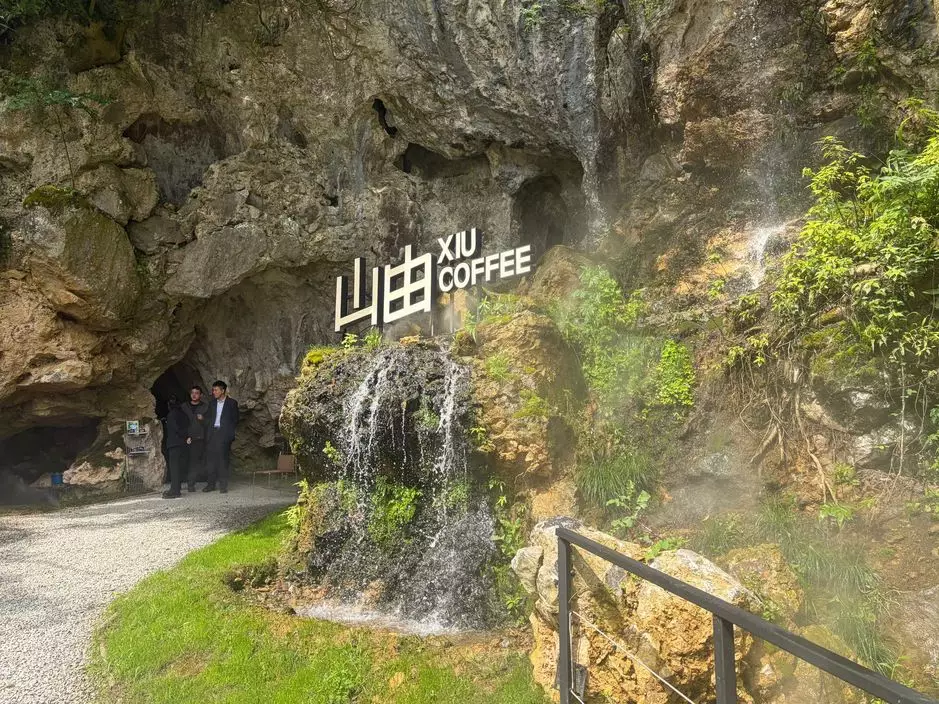
Xiu Coffee, Photo by Bastille Post
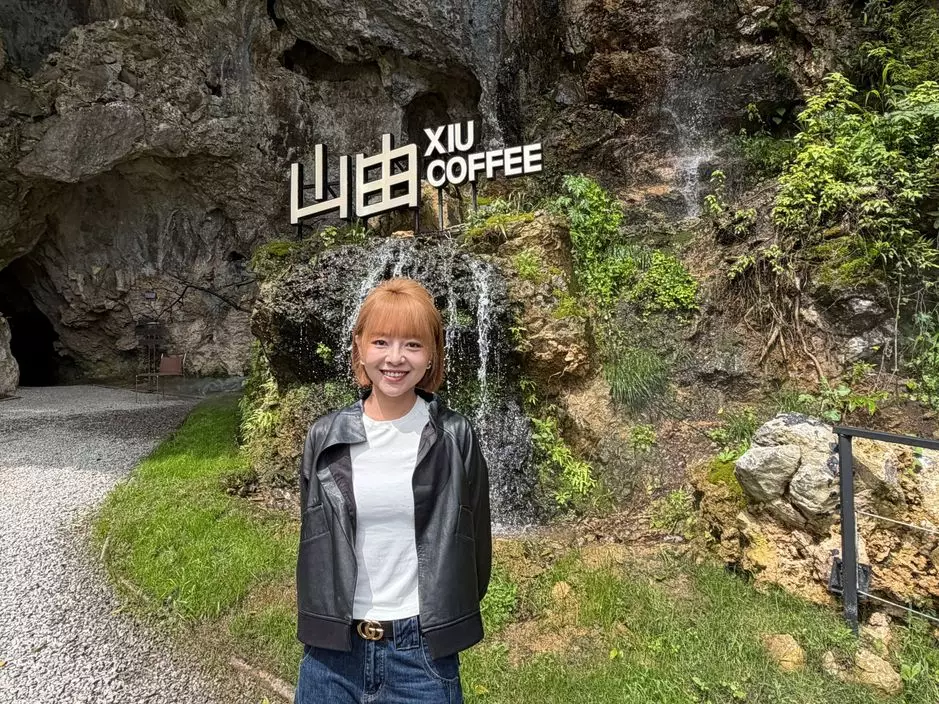
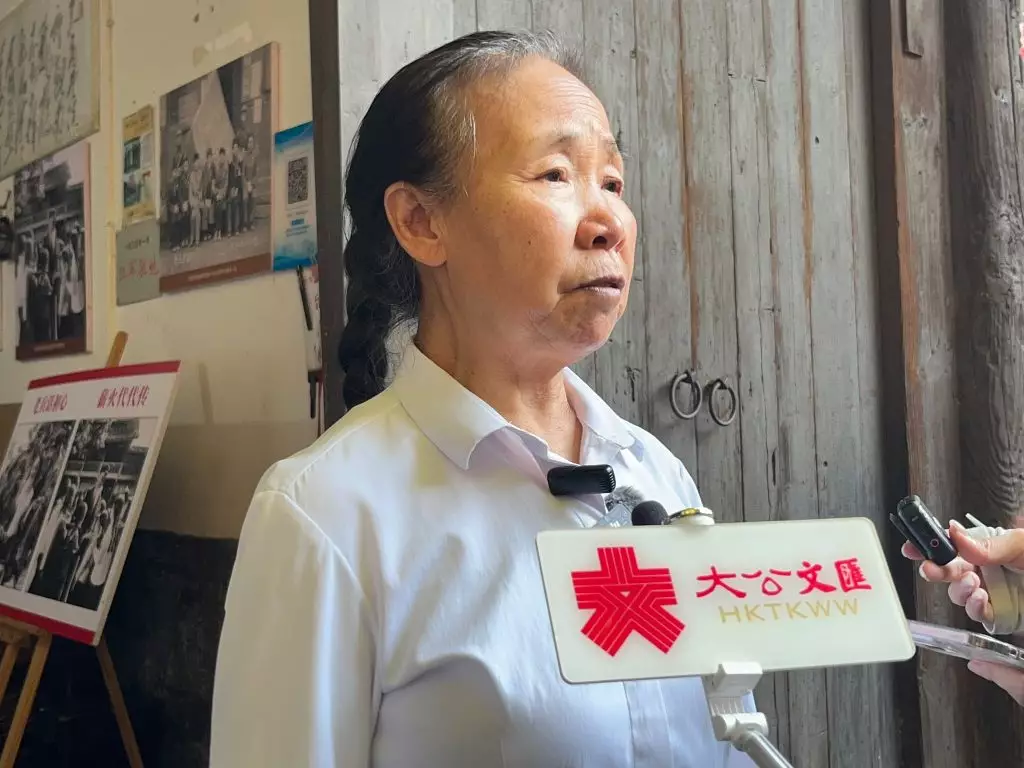
Ms. Xu Hui, Deputy General Manager of Guizhou Shanyou Cultural Tourism Resources Development and Operation Co., Ltd., Photo by Bastille Post
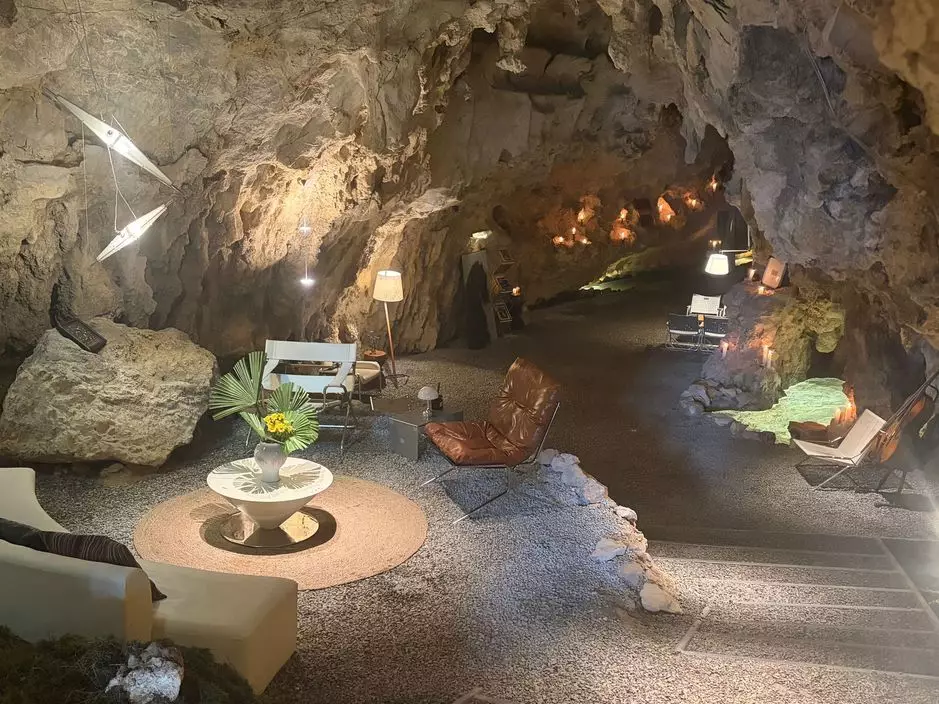
Xiu Coffee, Photo by Bastille Post
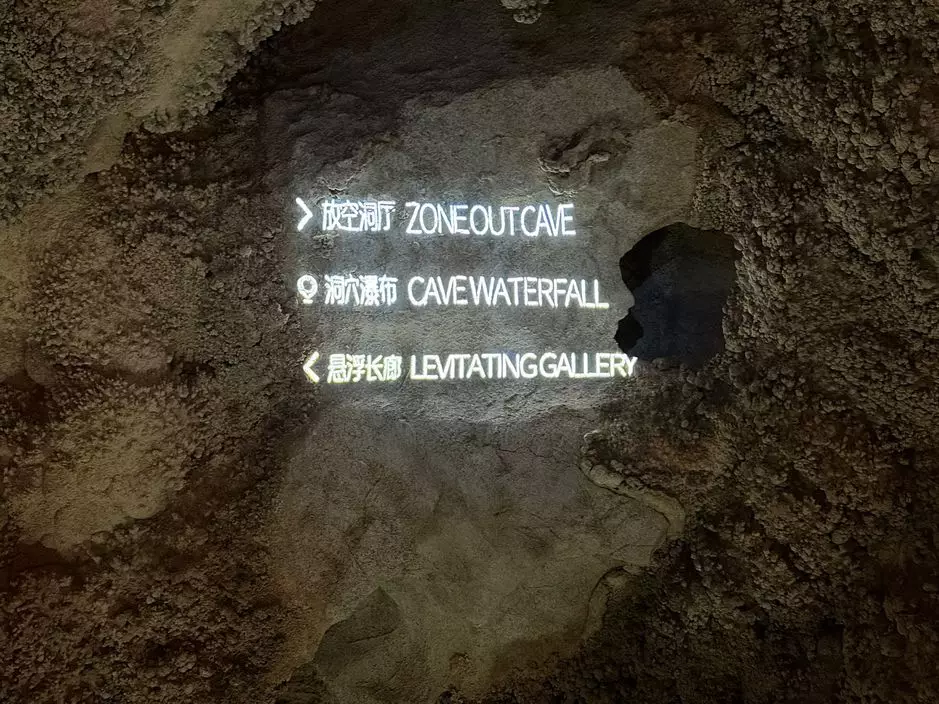
Xiu Coffee, Photo by Bastille Post
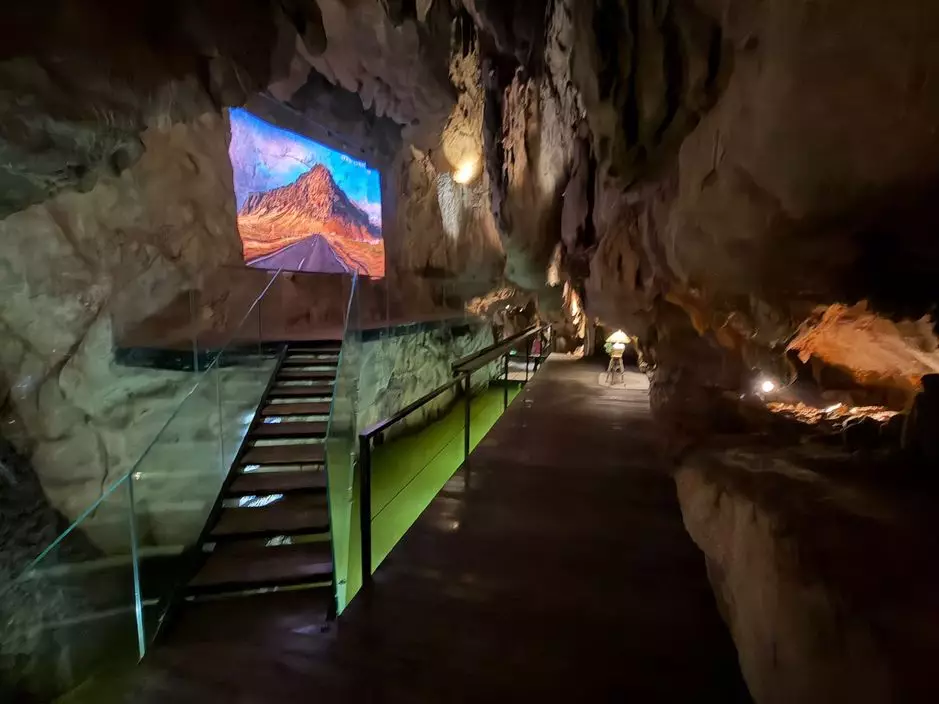
Xiu Coffee, Photo by Bastille Post
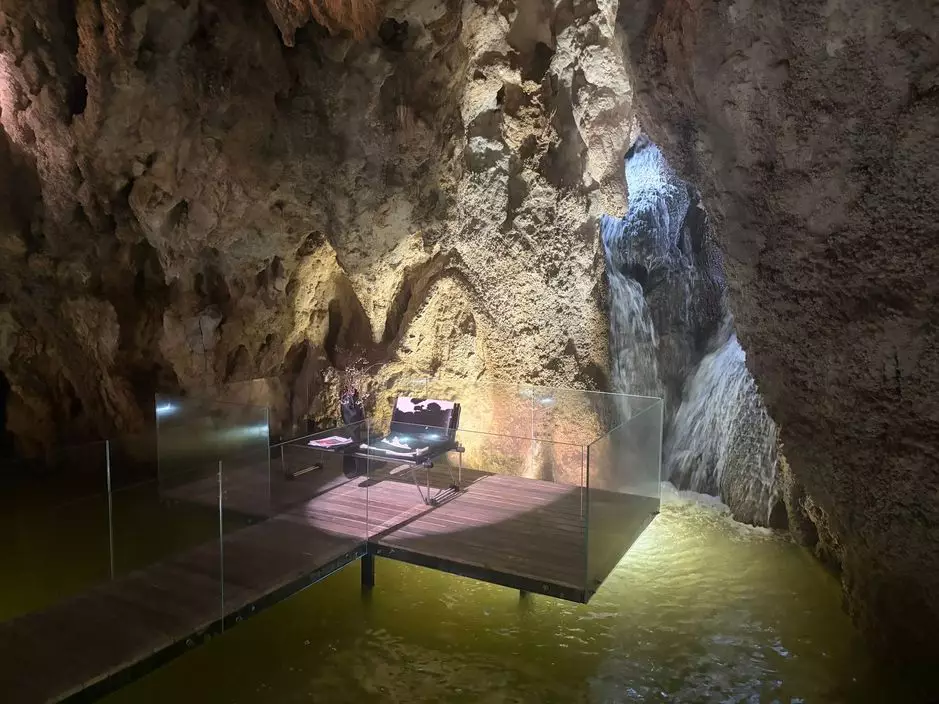
Xiu Coffee, Photo by Bastille Post
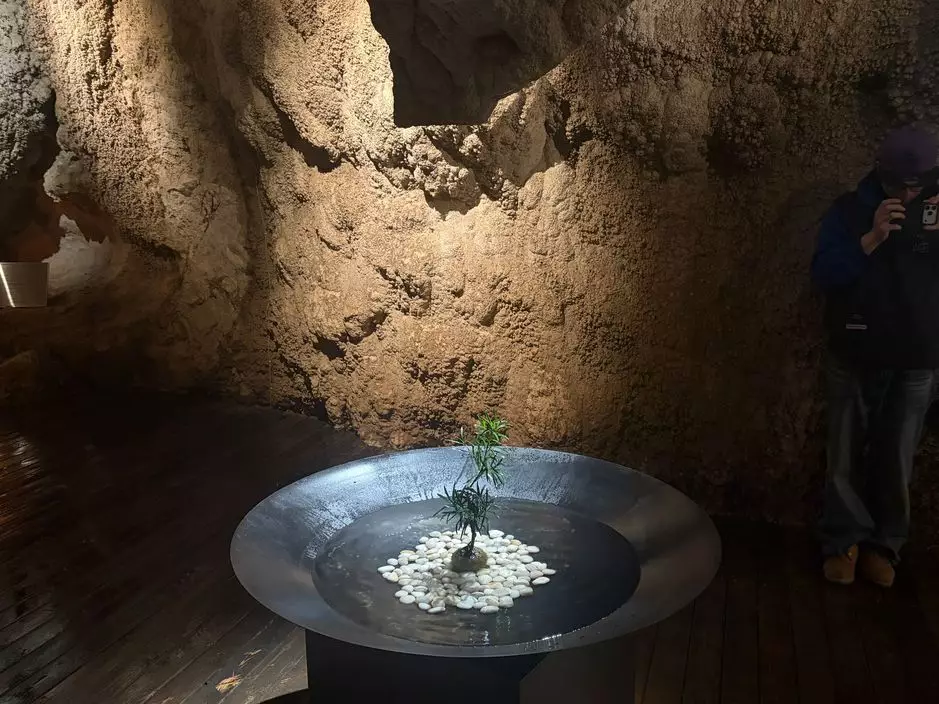
Xiu Coffee, Photo by Bastille Post
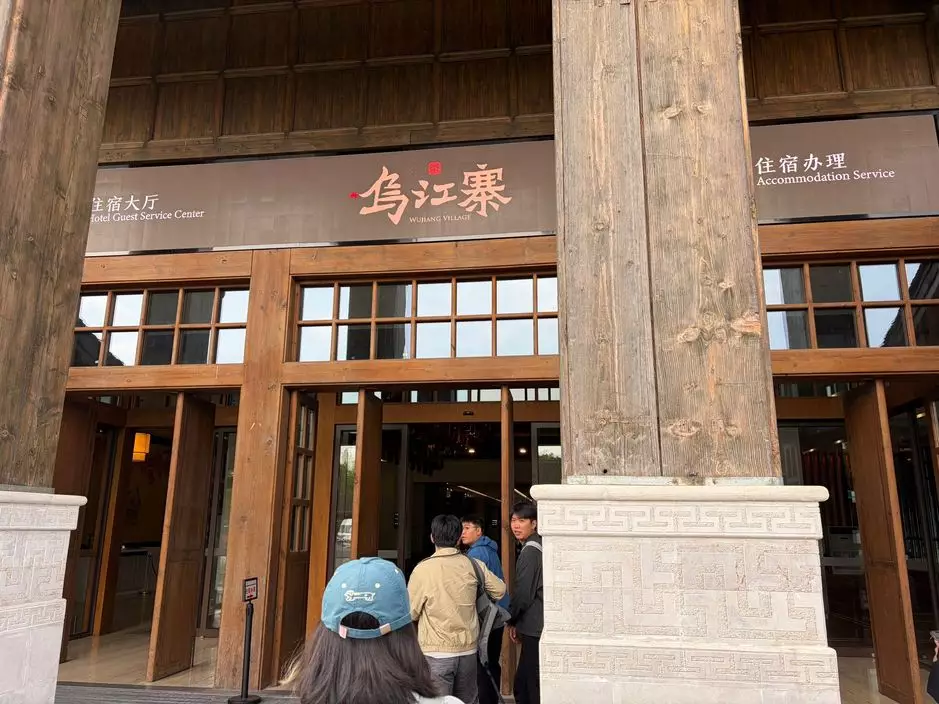
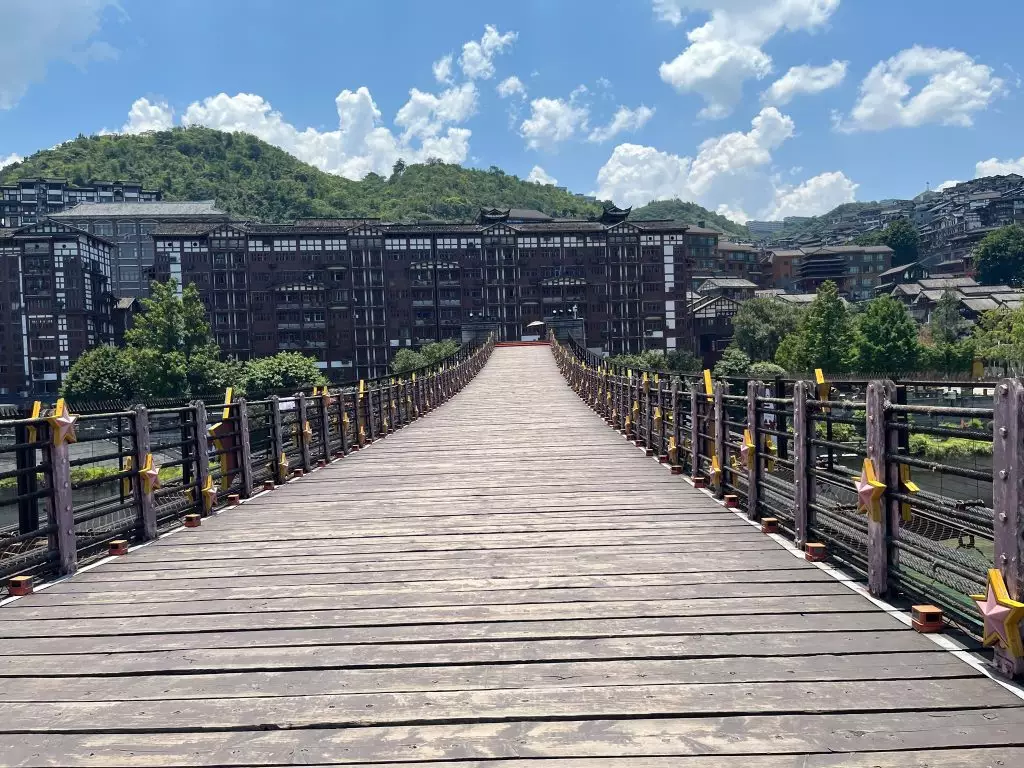
The Wujiang Village International Tourism Resort, Photo by Bastille Post
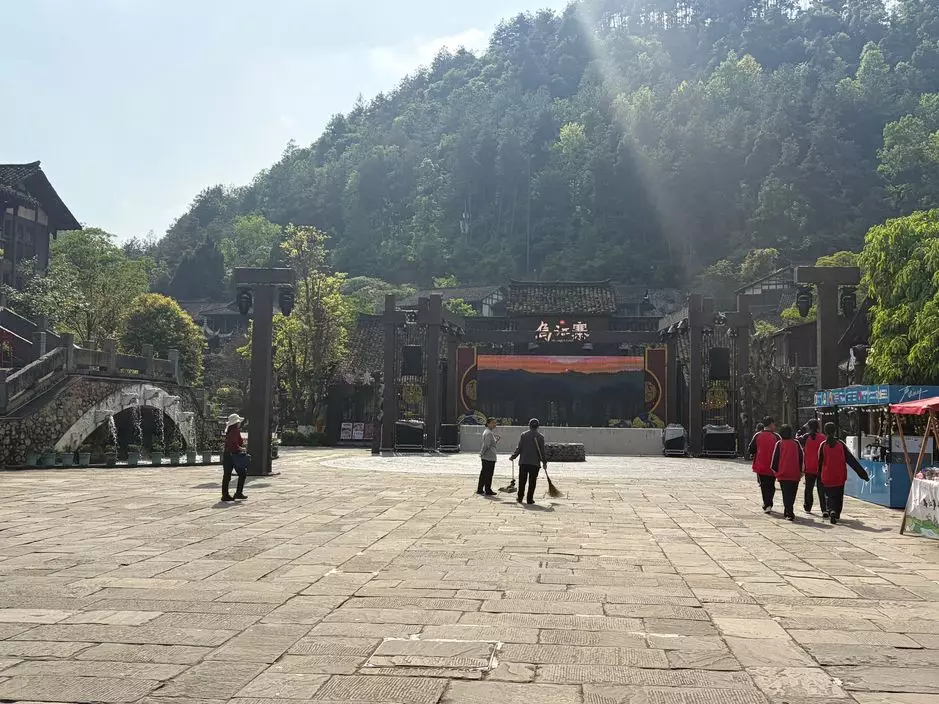
The Wujiang Village International Tourism Resort, Photo by Bastille Post
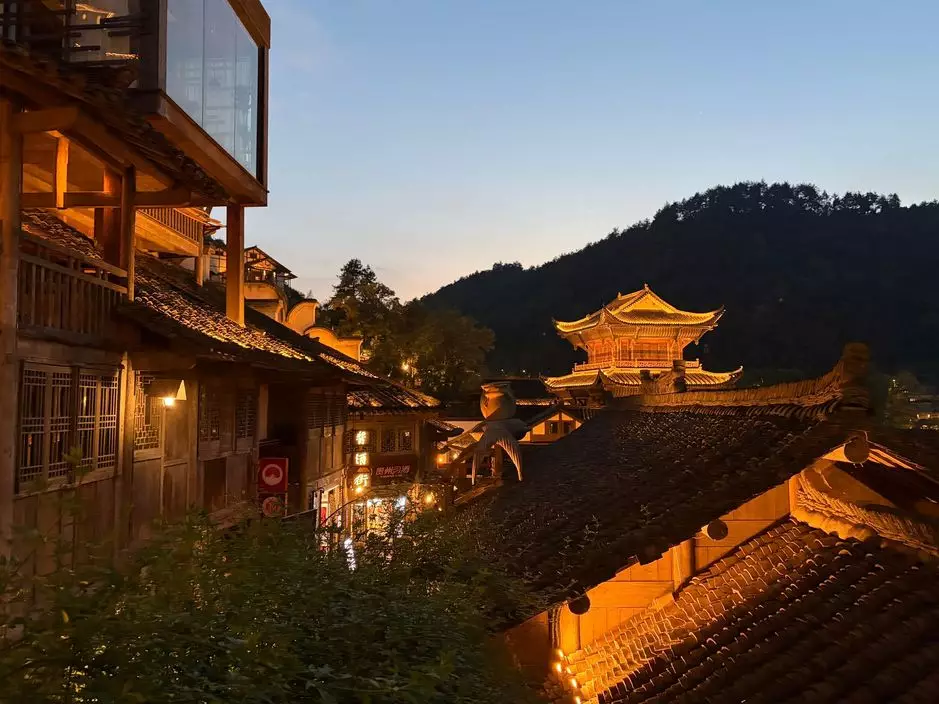
The Wujiang Village International Tourism Resort at night, Photo by Bastille Post
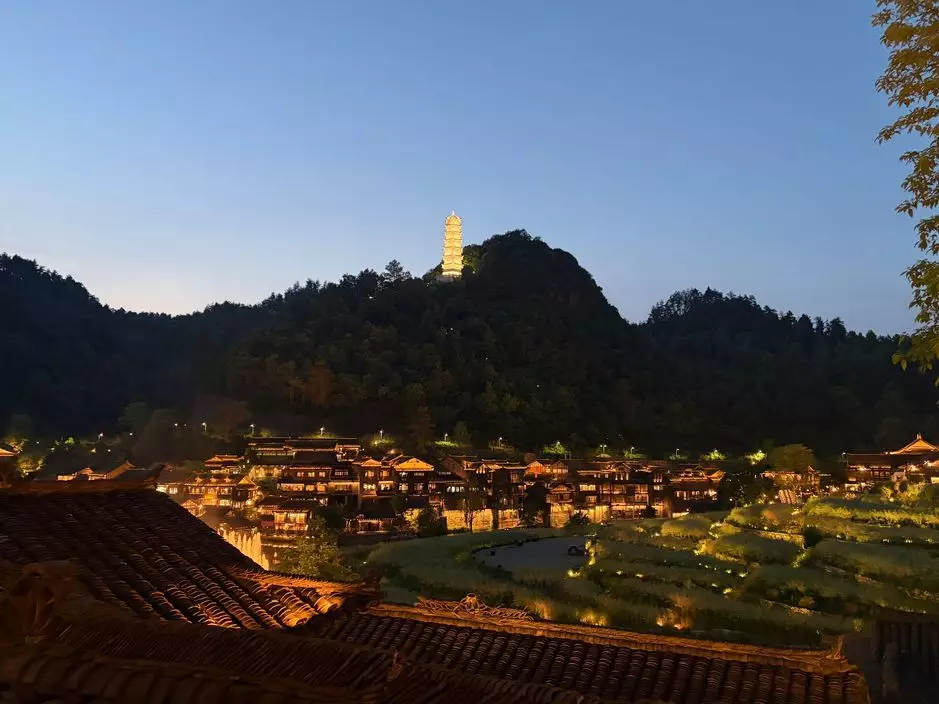
The Wujiang Village International Tourism Resort at night, Photo by Bastille Post
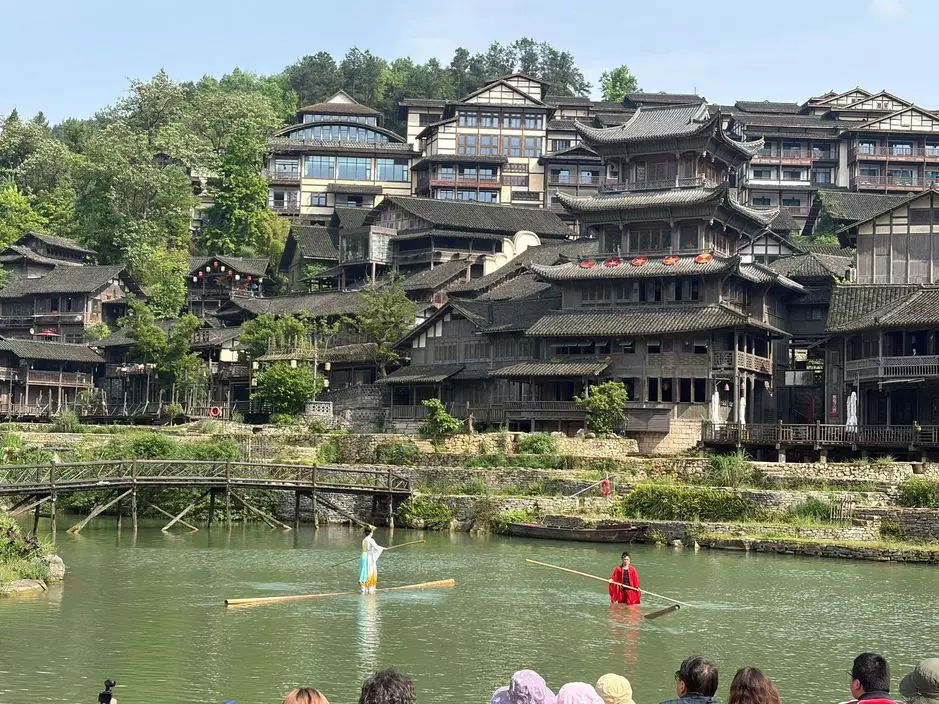
The Wujiang Village International Tourism Resort in the daytime, Photo by Bastille Post
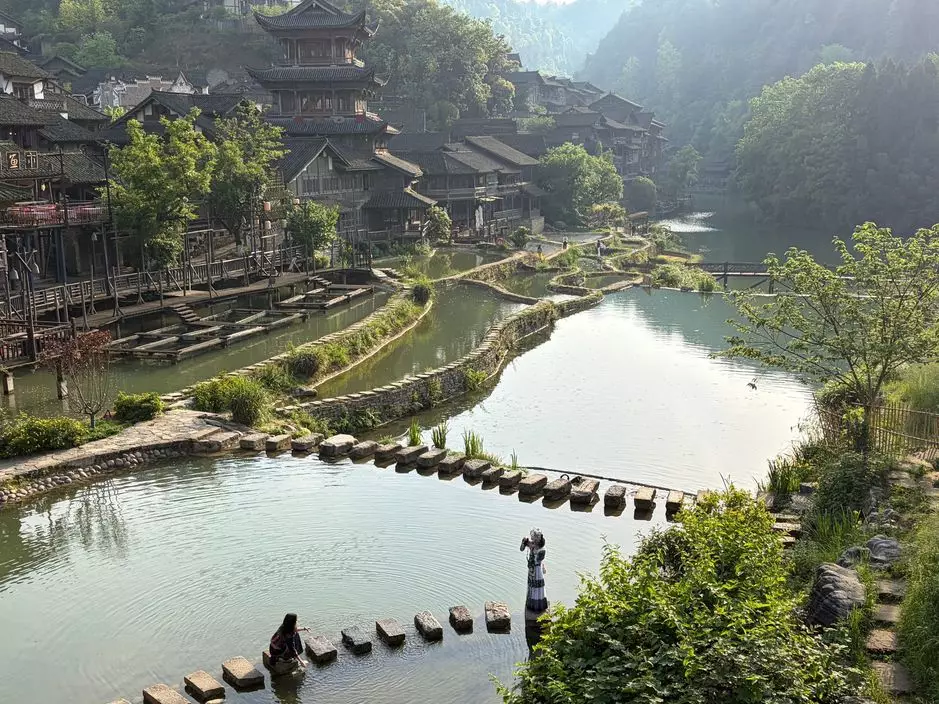
The Wujiang Village International Tourism Resort in the daytime, Photo by Bastille Post
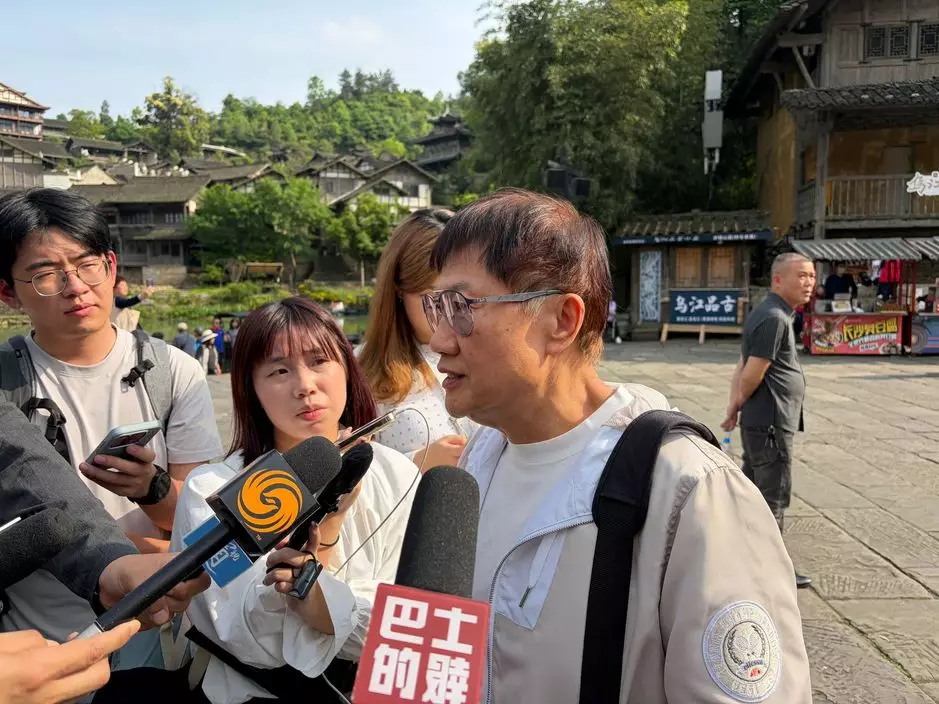
Mr. Ng, Photo by Bastille Post
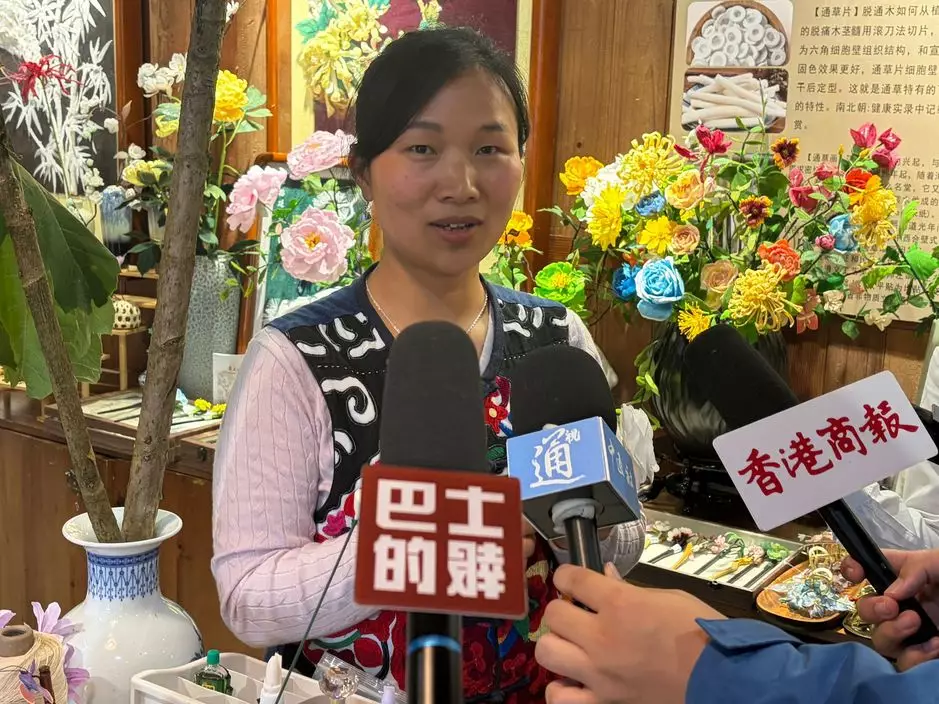
Ms. Yang Ran, Photo by Bastille Post
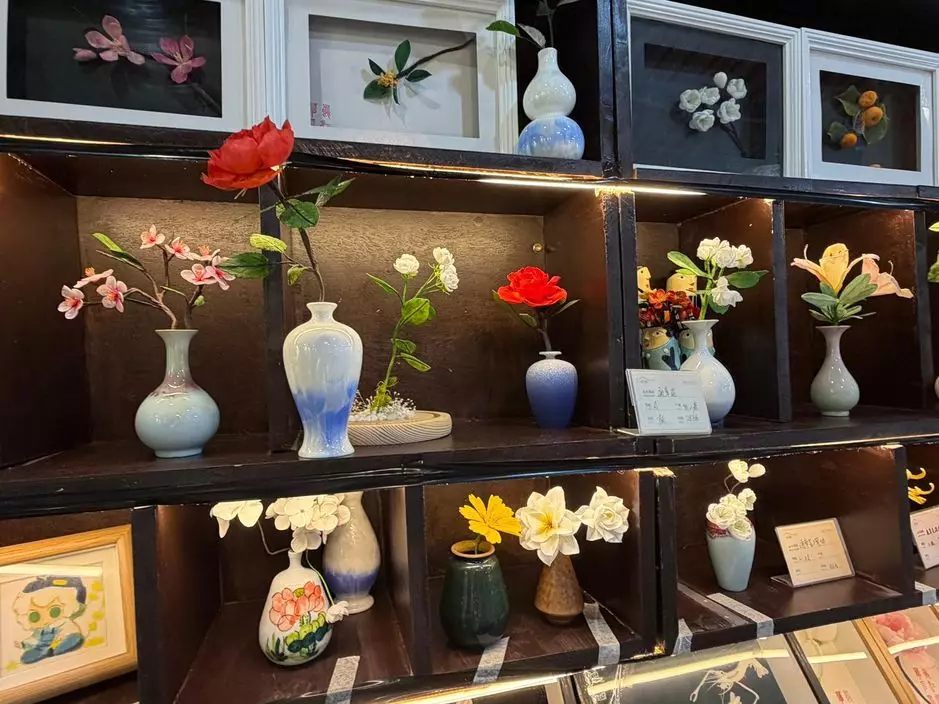
The art of pith-stacking painting, Photo by Bastille Post
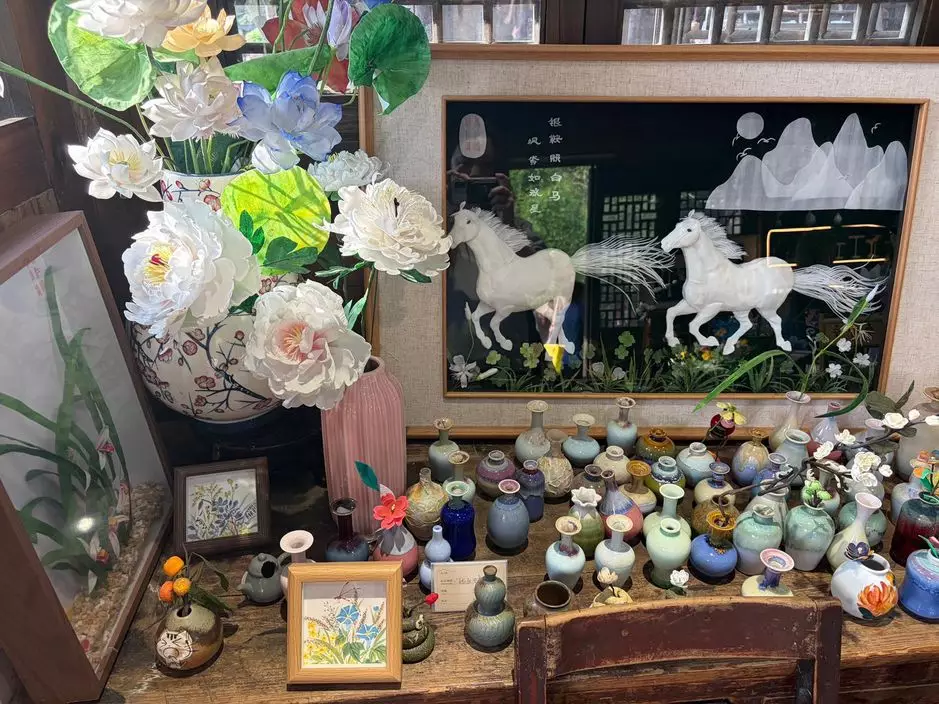
The art of pith-stacking painting, Photo by Bastille Post
Xiu Coffee, Photo by Bastille Post
Located inside a natural cave, Xiu Coffee retains its original outlook, creating an authentic and immersive natural scenery experience. Promoting a "one-day trip" concept, the coffee shop offers visitors an unforgettable travelling experience that combines cave coffee, local cuisine, guesthouses, and pastures. Moreover, based on its convenient transportation and surrounding tourism resources, Xiu Coffee has become a popular weekend getaway for both tourists and locals.
Ms. Xu Hui, Deputy General Manager of Guizhou Shanyou Cultural Tourism Resources Development and Operation Co., Ltd., Photo by Bastille Post
Ms. Xu Hui, Deputy General Manager of Guizhou Shanyou Cultural Tourism Resources Development and Operation Co., Ltd., said that the name of the coffee shop is derived from the Chinese character "岫", which carries the imagery of a "cave". She revealed that Xiu Coffee opened on August 8 last year, with an investment of approximately 2 million to 2.3 million RMB.
Xiu Coffee, Photo by Bastille Post
She explained that the coffee shop sets "young people's preference for coffee" as the starting point of its business. The goal is not simply to attract customers "just for a cup of coffee", but rather to draw them to the coffee shop and let them experience the overall scene, environment, and atmosphere. Xiu Coffee's core operation messages are: "Relaxing is the right thing to do" and "Wasting time on worthwhile things". She hopes to encourage customers to spend "a whole day" there, feeling relaxed, unwinded, and cared for from the "emotional value" that Xiu Coffee provides.
Xiu Coffee, Photo by Bastille Post
The coffee shop's signature coffee is called the "Xiuwen Americano", which is actually a kiwi coffee. As Xiuwen County is famous for its high-quality, sweet kiwis, the coffee shop combines local ingredients with coffee to create this signature drink, which has received much praise since its launch.
Xiu Coffee, Photo by Bastille Post
Tracing back to the initial development of the coffee shop's surroundings, Ms. Xiu stated that the bottom line was "no destruction, no hardening". Only lighting and a few small decorative ornaments (such as sofas and paintings) were added to highlight the cave's inherent beauty, making its contours more three-dimensional and easier to appreciate. She admitted that the biggest challenge was balancing the desire to "implement more ideas" with "not damaging natural resources", making conservation and minimal disturbance the most important constraints. Ms. Xu pointed out that the cave is a national resource, while a large amount of land outside the cave still belongs to local villagers. The overall development and successful opening of Xiu Coffee relied on the support of the local government in coordinating land and village affairs.
Xiu Coffee, Photo by Bastille Post
According to Ms. Xu, the coffee shop currently operates on a reservation system and has already attracted over 100,000 members through its mini digital program, serving over 44,000 customers. According to last year's mini-program data, she stated that 40% of tourists come from other provinces and countries, with many from Guangdong since "it's very convenient to come now," she said.
Xiu Coffee, Photo by Bastille Post
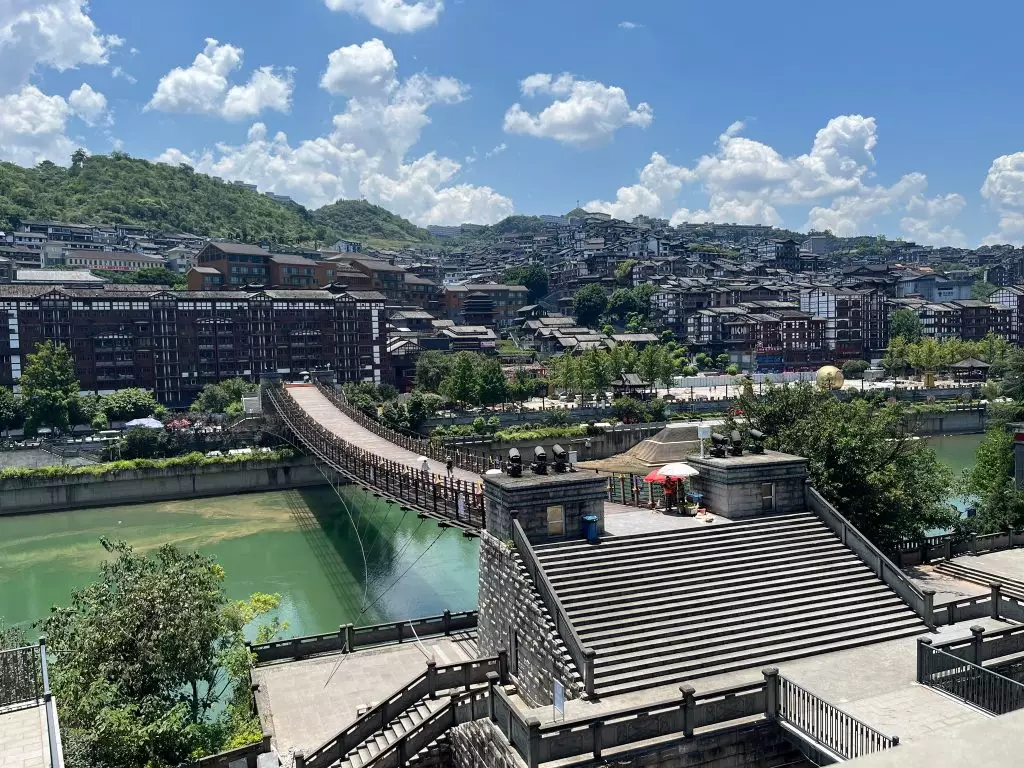
In the afternoon, the delegation visited the Wujiang Village International Tourism Resort in Bozhou District, Zunyi City. Spanning 5.08 square kilometers of mountains and water, the resort organically blends history, culture, nature, environment, and humanities, combining sightseeing and relaxation to create a comprehensive tourism complex.
The Wujiang Village International Tourism Resort, Photo by Bastille Post
The Wujiang Village International Tourism Resort, Photo by Bastille Post
From its inclusion in the 4th batch of the State Protection List of Chinese Traditional Villages in 2016 to its transformation into the Wujiang Village International Tourism Resort in 2022, the village has undergone six years of upgrading and development, turning into a "new landmark of Guizhou tourism" with praise from Chinese National Geography as "the pinnacle of Guizhou's night views".
The Wujiang Village International Tourism Resort at night, Photo by Bastille Post
The Wujiang Village International Tourism Resort at night, Photo by Bastille Post
The Wujiang Village International Tourism Resort in the daytime, Photo by Bastille Post
The Wujiang Village International Tourism Resort in the daytime, Photo by Bastille Post
The delegation interviewed two Hong Kong residents traveling with a Guizhou tour group. Ms. Yip said it was her first time visiting Guizhou. She had thought of Guizhou as relatively less developed and not as bustling as big cities, but she found that the quality of its scenery exceeded her expectations, especially the visual impression, which reminded her of Guilin's landscapes.
Mr. Ng, Photo by Bastille Post
Mr. Ng stated that most consumers "choose to spend in the Chinese Mainland" because high-speed rail reduces travel time and cost, while also offering more city choices for travelers. He revealed that his spending in Guizhou has already reached 1,000 RMB up to now.
In addition, the Wujiang Village International Tourism Resort also houses a studio specializing in intangible cultural heritage - pith-stacking painting, founded by a local who lived there before the resort was built.
Ms. Yang Ran, Photo by Bastille Post
Ms. Yang Ran, a local resident of the resort and an inheritor of the art of pith-stacking painting, said that this craft has a history of over a hundred years. Artists cut pith paper into shapes and then carve them into various petals to create artwork. She noted that the art form is not limited to flowers; three-dimensional creations such as "animals, figures, and architectures" can also be made, along with various other forms.
She mentioned that the resort had previously held an "investment promotion event". Considering pith-stacking painting was listed as a provincial-level intangible cultural heritage in Guizhou Province in 2007, she realized that making flowers from pith paper not only fit the investment requirements, but also carried intangible cultural heritage attributes, prompting her to sign up for the event's selection and conceive the goal of "developing this craft".
The art of pith-stacking painting, Photo by Bastille Post
She said that her studio is currently "basically fully booked with orders", along with many "reservations" for future experiential sessions. Compared to her previous experience of running a flower shop, where she earned only about 100,000 to 200,000 RMB a year, her current income from making pith-stacking paintings can "easily exceed one million RMB."
The art of pith-stacking painting, Photo by Bastille Post
Regarding the ratio of domestic to international visitors, Ms. Yang stated that it is 1:1. She has observed that young people in China are increasingly passionate about intangible cultural heritage and are willing to learn and experience it. She plans to make her experiential courses more in-depth, including having tourists go up the mountain to cut and slice pith, and then create pith paper flowers or paintings by hand, allowing young people to gain a deeper impression and a greater sense of accomplishment in making intangible cultural heritage.