On July 21, the media delegation from the Guangdong-Hong Kong-Macao Greater Bay Area continued the "Retracing the Long March" reporting trip through Zunyi, arriving in Maotai Town and Tucheng Town to trace the historic route of the Red Army's legendary "Four Crossings of the Chishui River" and experience the deep-rooted wine culture along its banks.
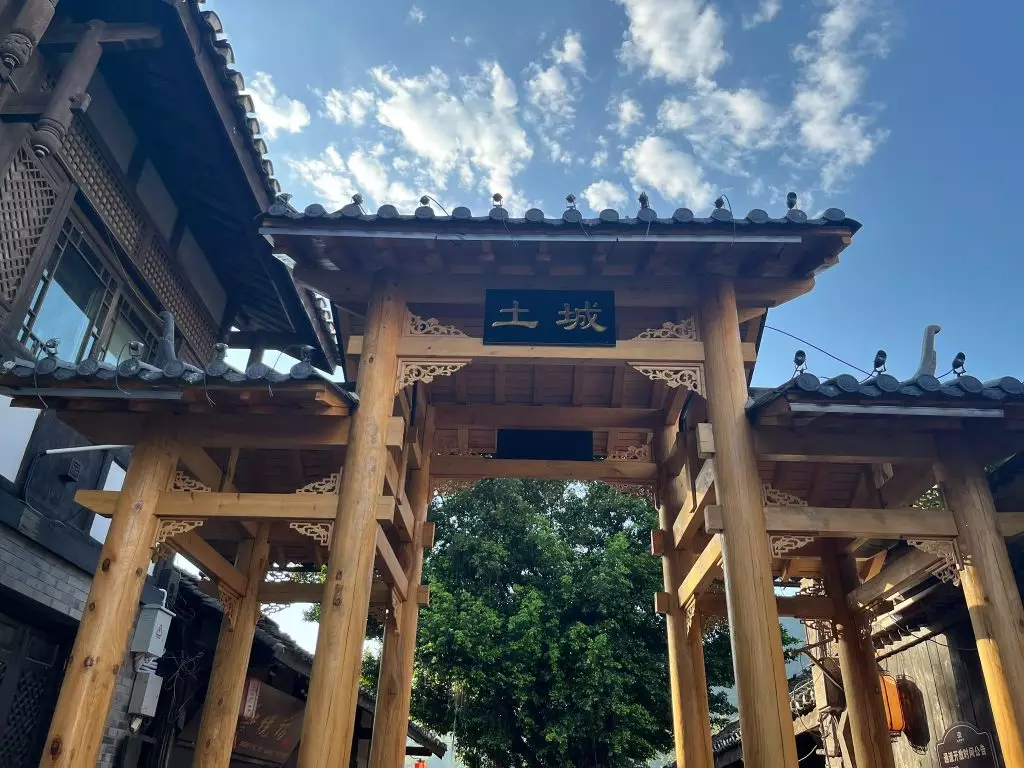
Tucheng Town, Photo by Bastille Post
The first crossing of the Chishui was born out of the Red Army's setback at the Battle of Qinggangpo in Tucheng. Having originally planned to cross the Yangtze River northward, the Red Army encountered fierce resistance from the Sichuan forces at Qinggangpo. To avoid encirclement, the Central Revolutionary Military Commission decisively abandoned the northward plan and instead moved westward across the Chishui. With help from local residents who contributed doors and planks, the Red Army built pontoon bridges overnight at locations including Tucheng and Yuanhou, marking the beginning of the Four Crossings.
Click to Gallery
Tucheng Town, Photo by Bastille Post
The memorial site of the Battle of Qinggangpo in Tucheng, Photo by Bastille Post
The memorial site of the Battle of Qinggangpo in Tucheng, Photo by Bastille Post
The message appealing for peace at the memorial site, Photo by Bastille Post
Lin Chengying, Photo by Bastille Post
The portrait of He Mulin, Photo by Bastille Post
The film "Crossing," produced to mark the 90th anniversary of the Long March victory, was shot on location in Tucheng Town. Photo by Bastille Post
The newly built Red Army Bridge at the river, Photo by Bastille Post
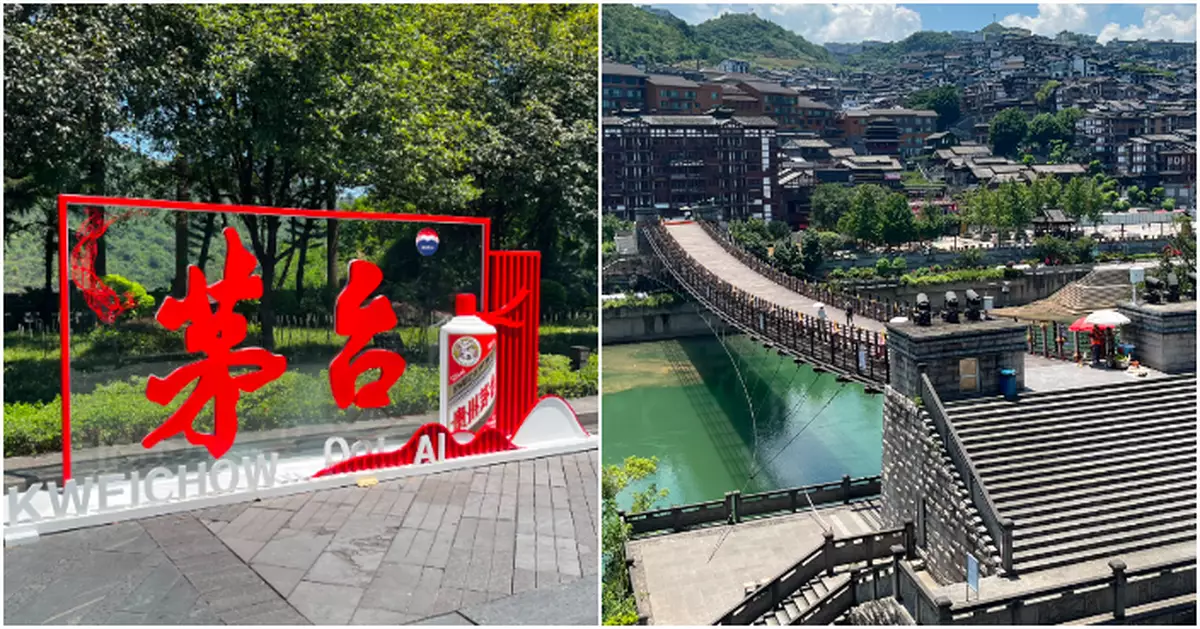
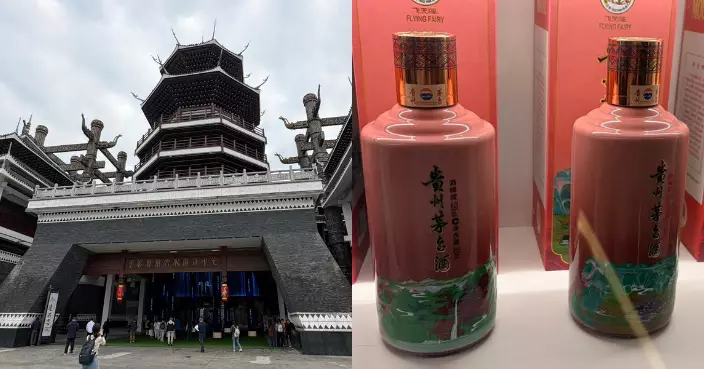
The Moutai Chinese Liquor Culture City, Photo by Bastille Post
The Moutai cartoon mascot, Photo by Bastille Post
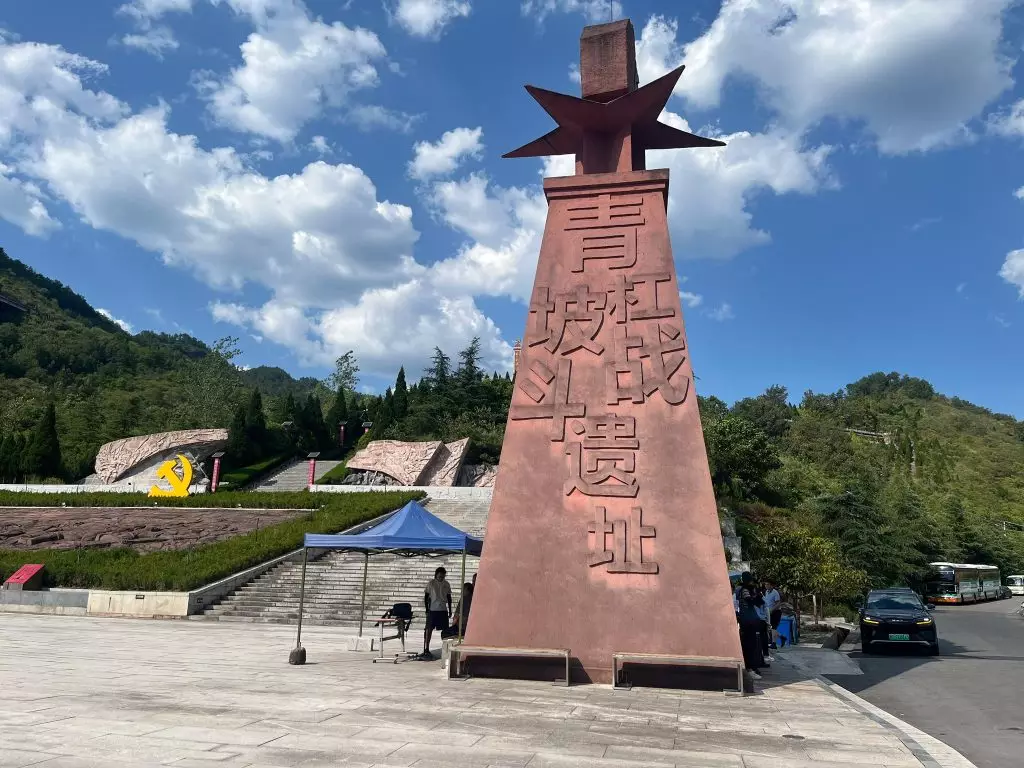
The memorial site of the Battle of Qinggangpo in Tucheng, Photo by Bastille Post
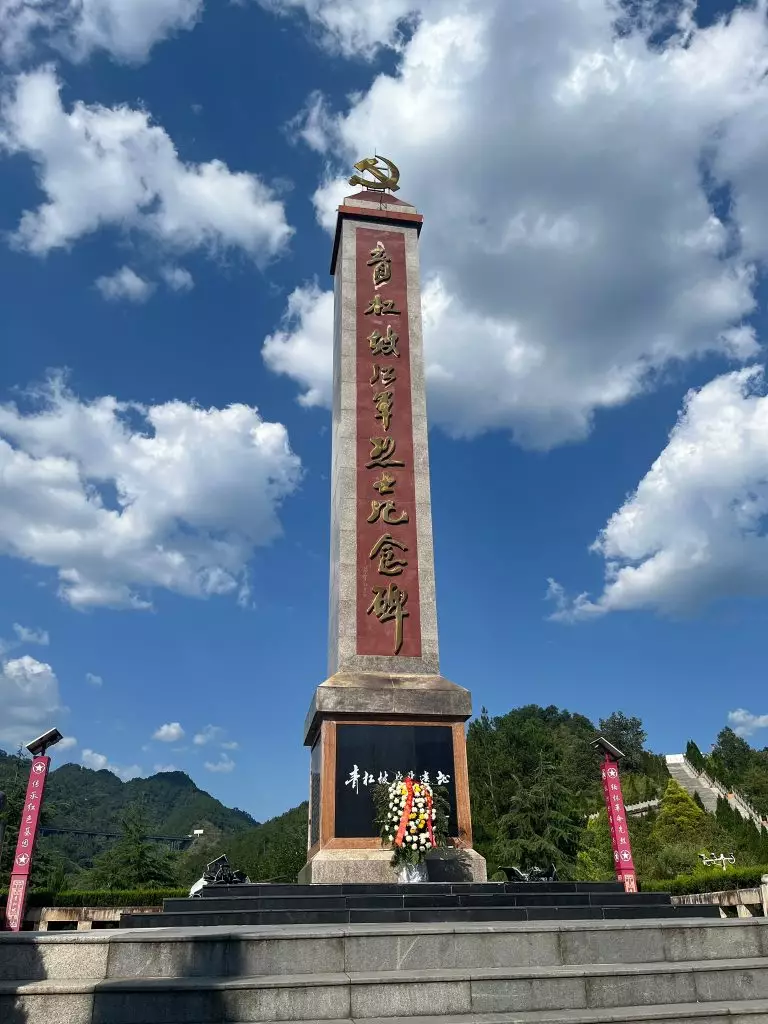
The memorial site of the Battle of Qinggangpo in Tucheng, Photo by Bastille Post
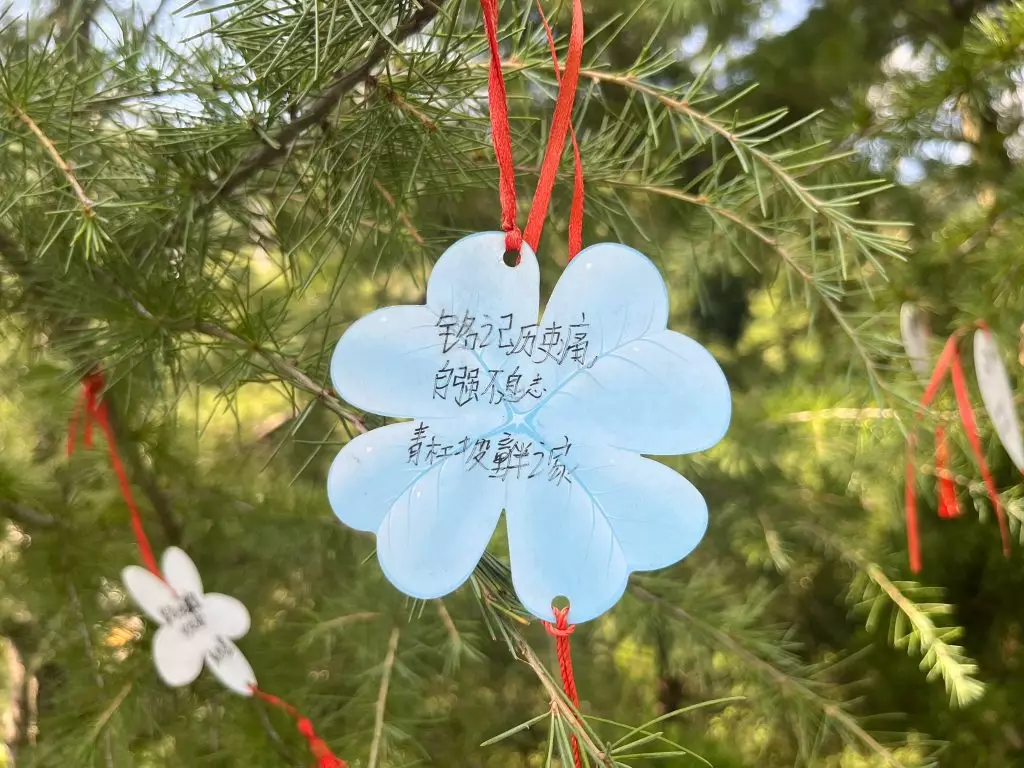
The message appealing for peace at the memorial site, Photo by Bastille Post
Lin Chengying, daughter-in-law of veteran Red Army soldier He Mulin, recalled that after He Mulin was wounded at Qinggangpo, he remained in Tucheng Town. But because his Jiangxi accent made him immediately recognisable, he was forced to pretend to be deaf and mute for 14 years to protect the villagers who had sheltered him.
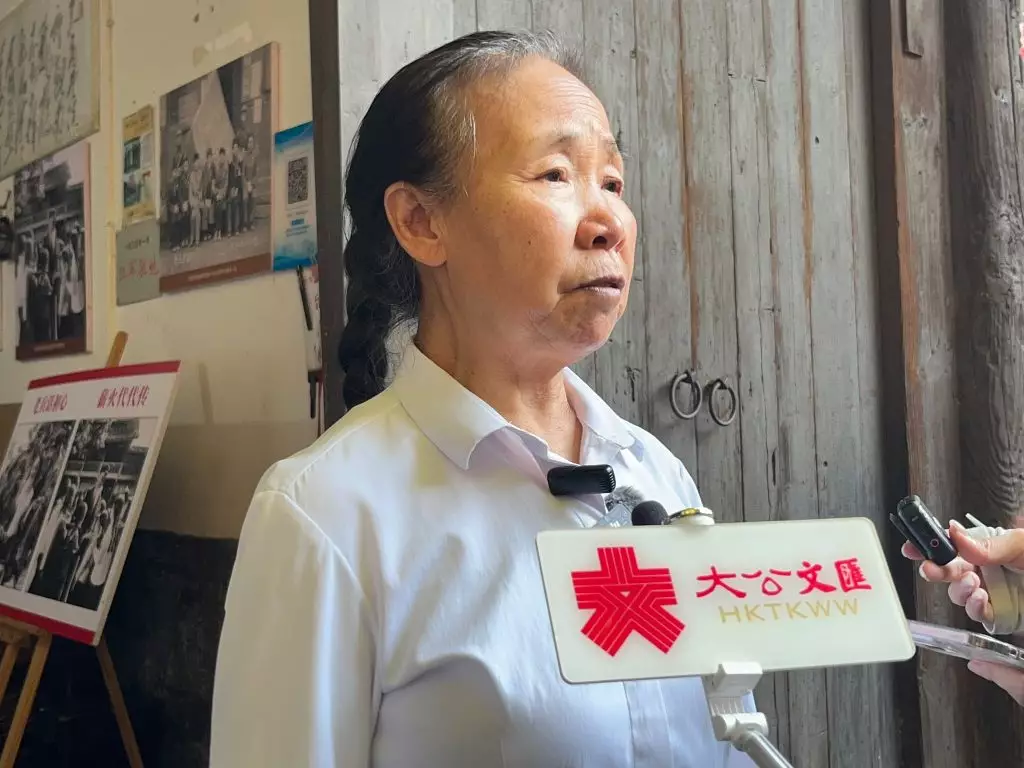
Lin Chengying, Photo by Bastille Post
She said He Mulin only began speaking again after the founding of the People's Republic of China. But after years of silence, his vocal cords had weakened, making fluent speech difficult. He then practised by the Chishui River for four years, like a child learning to speak, until he gradually regained his speech ability. In the years that followed, he devoted himself to spreading the Long March spirit at the Qinggangpo battlefield site and the Chishui ferry crossing.
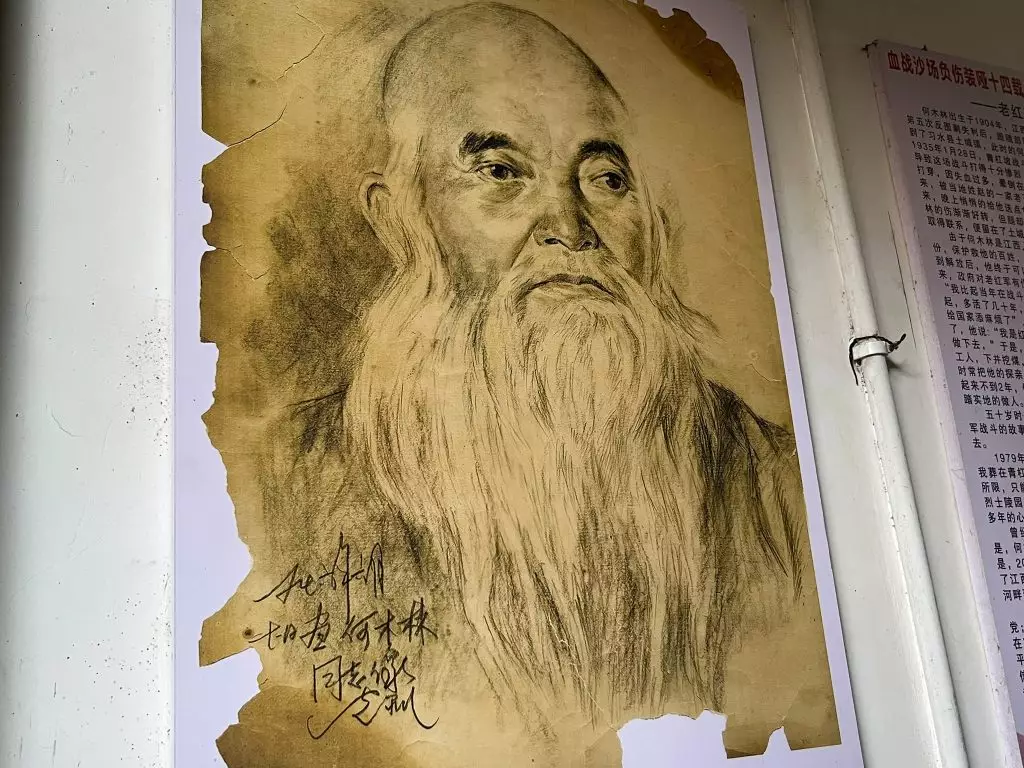
The portrait of He Mulin, Photo by Bastille Post
Under his influence, Lin Chengying not only committed to memorizing the Red Army stories he told, but also learned to sing Red Army songs. After He Mulin's passing in 1979, she made it her daily schedule to open her door and share those stories with passing tourists.
The film Crossing, produced to mark the 90th anniversary of the Long March victory, was shot on location in Tucheng Town, drawing visitors to its ancient red walls, black-tiled roofs and old streets. Whenever tourists paused, Lin Chengying would "set aside whatever she's doing and start telling stories," determined that the legacy of the Red Army should endure on this soil.
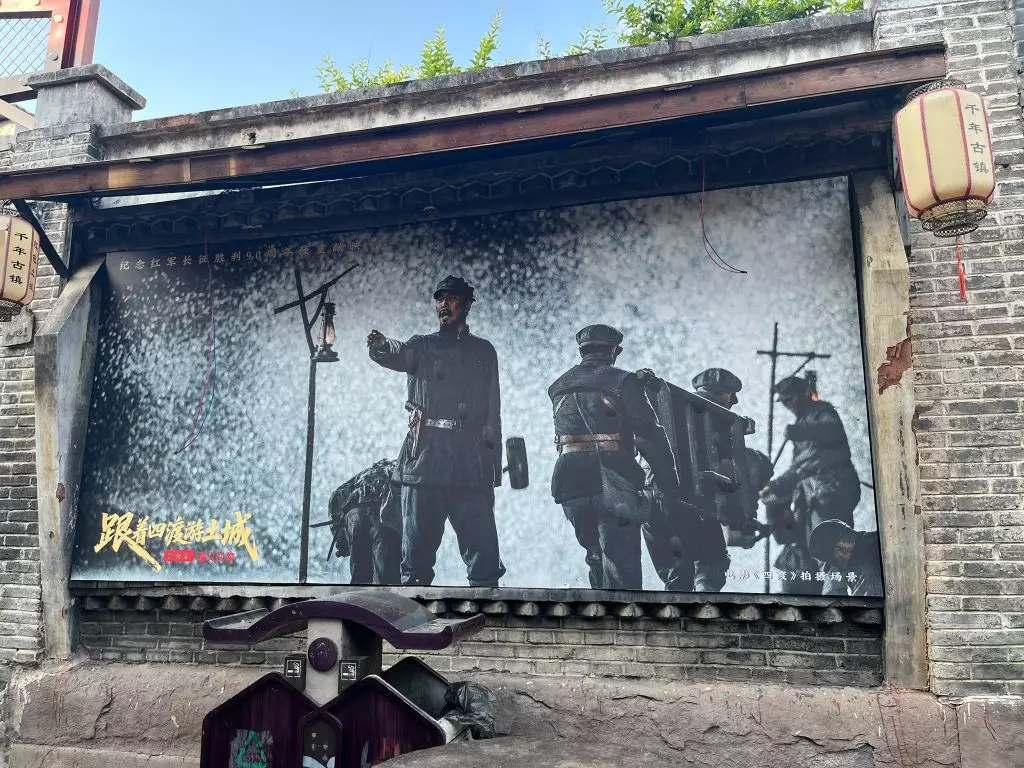
The film "Crossing," produced to mark the 90th anniversary of the Long March victory, was shot on location in Tucheng Town. Photo by Bastille Post
That same day, the media delegation also visited Moutai Town, tracing the Red Army's three crossings of the Chishui. While the first crossing was a reluctant move forced by circumstances, the other three actions were deliberate strategic manoeuvres. At the time, the Red Army was encircled by hundreds of thousands of troops in Zunyi, with no hope of breaking through directly. So they made a show of crossing the river at Moutai Town, feigning a northward march to Sichuan, drawing the main enemy force away, and exploiting the weakened defences of Guizhou to cross the Chishui for a fourth time, successfully breaking the encirclement.
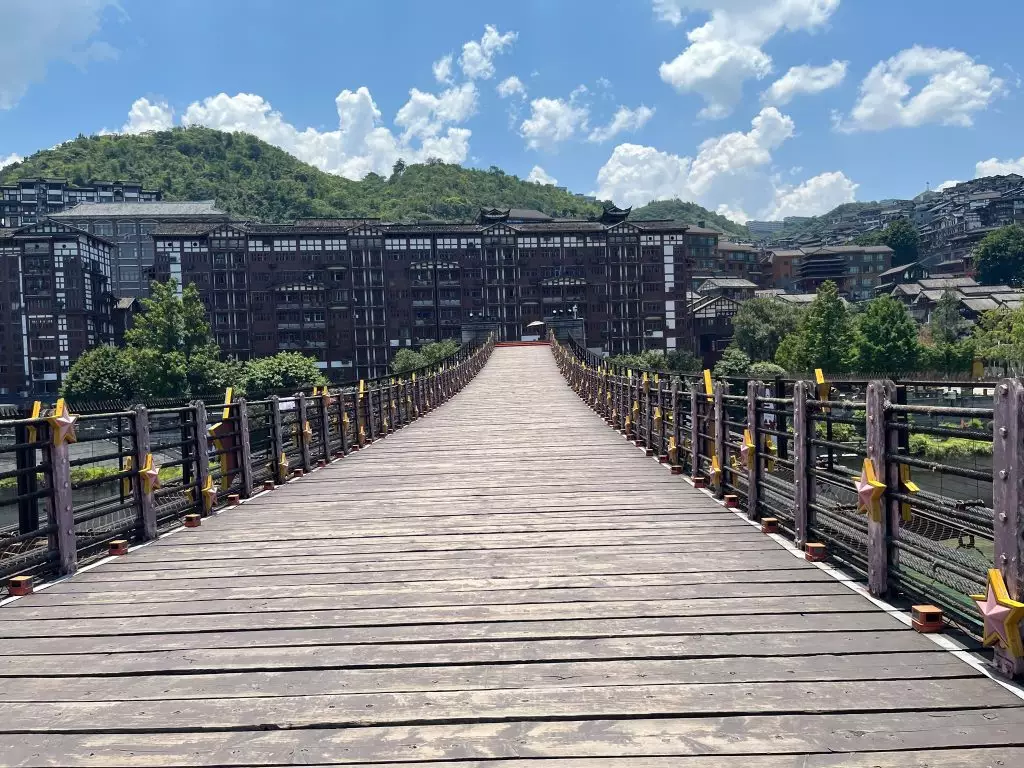
The newly built Red Army Bridge at the river, Photo by Bastille Post
Before stepping into the Moutai Chinese Liquor Culture City, the air was thick with the aroma of Moutai. The garden-style exhibition hall, with sections representing the Han, Tang, Song, Yuan, Ming, Qing dynasties and the modern era, traces the development of China's wine industry over millennia and reveals a little-known story linking Moutai with the Red Army.
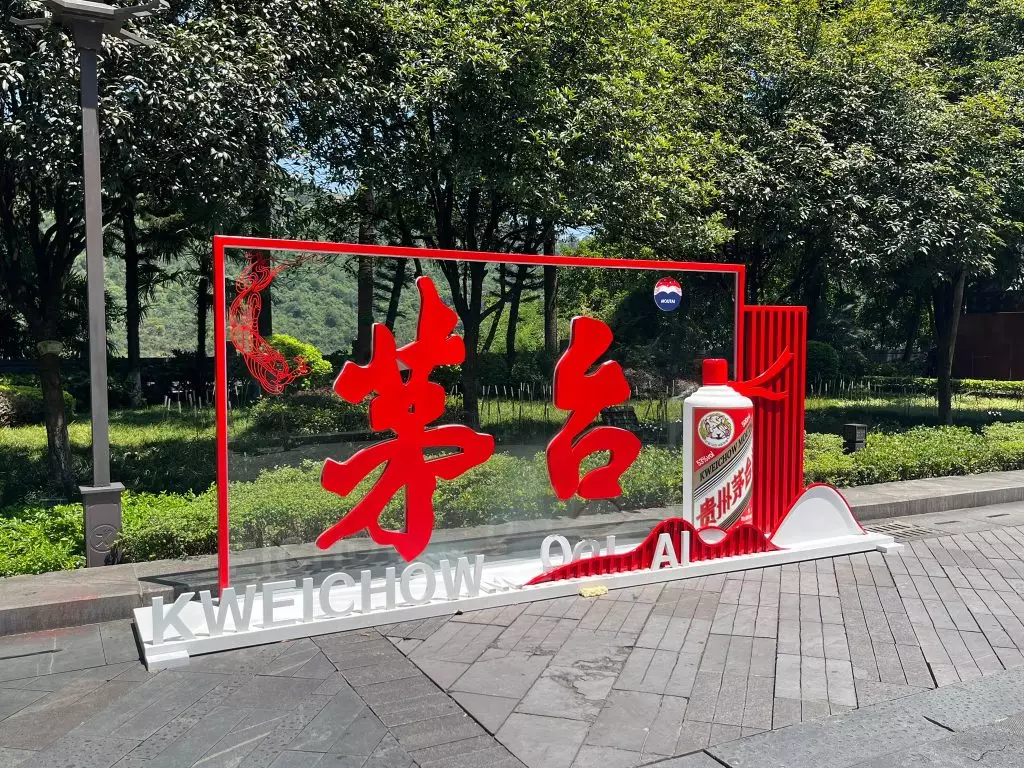
The Moutai Chinese Liquor Culture City, Photo by Bastille Post
During the Long March, the Red Army was short of medical supplies. Many soldiers suffered from foot ulcers and infected wounds. The sauce-aroma baijiu produced in Maotai Town, with its high alcohol content and strong antibacterial properties, was temporarily requisitioned for disinfection. Soldiers used cloth soaked in the liquor to clean wounds or rub swollen feet to relieve fatigue. Leaders including Zhou Enlai and Deng Yingchao later recalled on many occasions that Moutai "made a great contribution" during the Long March.
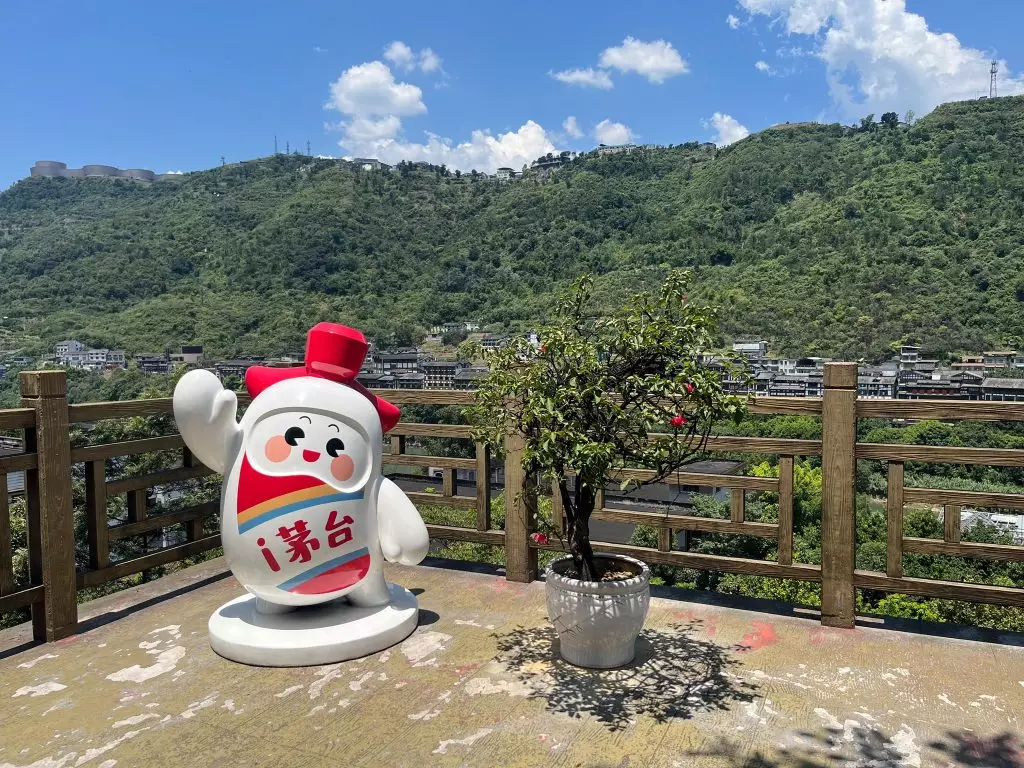
The Moutai cartoon mascot, Photo by Bastille Post
Leaving the exhibition hall, the delegation arrived at the Maotai Ferry, walked onto the Red Army Bridge, and gazed down at the flowing Chishui River, gaining a deeper appreciation of the immense challenge posed by the "Four Crossings." Just as Moutai undergoes nine distillations, eight fermentations and seven extractions, taking more than five years to reach maturity, the Long March, too, was a journey of endurance and resilience, step by step over time.
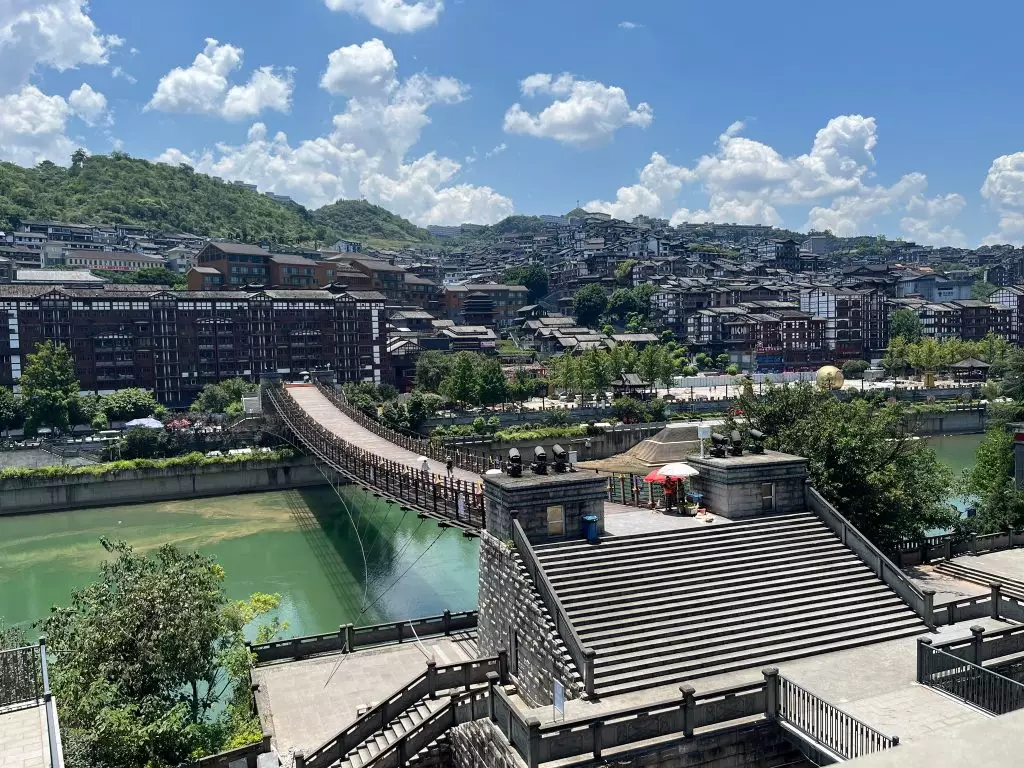
Photo by Bastille Post
In support of the HKSAR Government’s Strive and Rise Programme, The Hong Kong Jockey Club and its Charities Trust have approved a cumulative donation of HK$41 million since its launch to support the implementation of all four cohorts. Following a positive response to the programme’s two Club-supported summer study tours over the past two years, the Club is once again supporting 100 mentees from the fourth cohort to take part in a six-day study tour to Guizhou this summer.
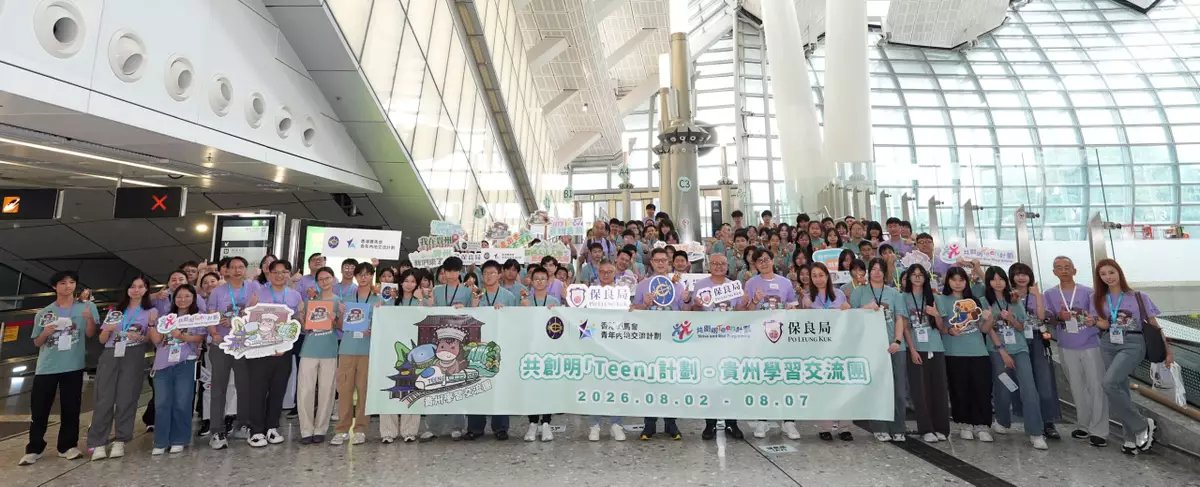
Freely Cheng, the Club’s Head of External Affairs (first row, 11th right); Sr Tony Wan, Chief Executive Officer of Po Leung Kuk (first row, 10th right); and the Club’s mentors and other participants at West Kowloon Station before departing to Guizhou. Photo source: HKJC
The Club's continued support for the programme and the study tour reflects the Club’s commitment to youth development. It is also aligned with the National 15th Five-Year Plan and the goals set out in the Government's Youth Development Blueprint, which seek to nurture a new generation of young people equipped with a global perspective, a positive mindset, and affection for Hong Kong and the country.
A welcome dinner was held last night (3 August), attended by Chris Sun, Secretary for Labour and Welfare of the HKSAR Government; Shi Peixin, Director of the CPPCC Guizhou Provincial Committee for Hong Kong, Macao, Taiwan and Overseas Chinese Affairs; Raymond Tam, the Club’s Executive Director, Corporate Affairs; Dr Jenny Tam, Chairman of Po Leung Kuk; and other guests, including three Club mentors.
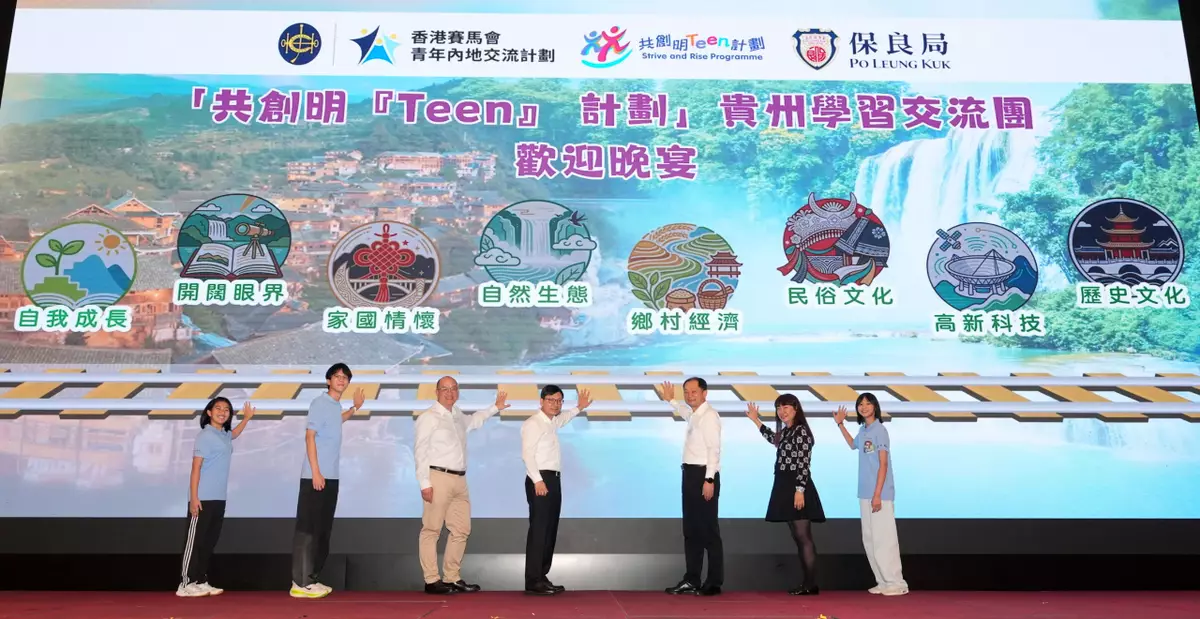
Chris Sun, Secretary for Labour and Welfare of the HKSAR Government (4th left); Shi Peixin, Director of the CPPCC Guizhou Provincial Committee for Hong Kong, Macao, Taiwan and Overseas Chinese Affairs (3rd right); Raymond Tam, the Club’s Executive Director, Corporate Affairs (3rd left); Dr Jenny Tam, Chairman of Po Leung Kuk (2nd right); and other guests attended the Strive and Rise Programme Guizhou study tour welcome dinner. Photo source: HKJC
Speaking at the dinner, Chris Sun, Secretary for Labour and Welfare, expressed his appreciation to the Club for its ongoing support of the Strive and Rise Programme in its capacity as Vice-chairperson of the Partners’ Board. He highlighted the Club’s contributions to all four cohorts, including the sponsorship of the Guizhou study tour and the nomination of mentors. He noted that these initiatives help broaden young people’s horizons, enhance their learning and strengthen their confidence, and encouraged participants to make the most of the exchange by learning more about the country’s development and planning for their future aspirations.
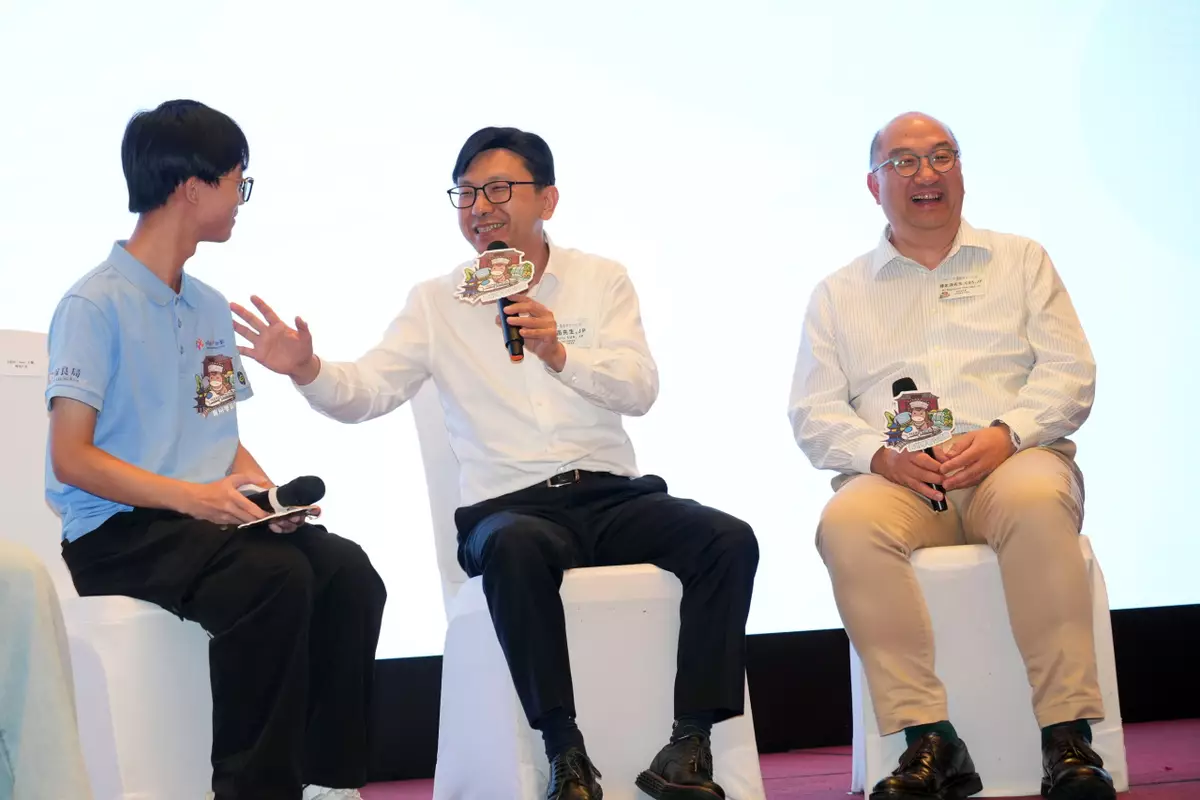
Chris Sun, Secretary for Labour and Welfare of the HKSAR Government (middle); and Raymond Tam, the Club’s Executive Director, Corporate Affairs (right), engage with mentees during the dinner. Photo source: HKJC
Nurturing children and youth in families is one of the key impact programmes of the Club’s charities strategy. Raymond Tam, the Club’s Executive Director, Corporate Affairs, said the Club believes that investing in young people is an investment in the future of Hong Kong and the nation. Over the years, the Club has continuously supported Hong Kong youngsters to participate in exchange and learning programmes in the Chinese Mainland. Through field visits and first-hand experiences, participants can deepen their understanding of the nation’s development, broaden their horizons and advance their personal development. The Strive and Rise Programme’s Chinese Mainland study tour is a key initiative supported by the Club. Over the past two years, study tours to Hangzhou and Sichuan received widespread positive feedback. The Club is pleased to also be supporting this year’s Guizhou study tour. In addition to providing sponsorship, the Club has also contributed to tour programme planning and arranged for Club mentors and their mentees to take part together.
He added that Guizhou has made remarkable achievements in recent years, particularly in rural revitalisation and the integration of culture and tourism. He believes that, over the coming days, participants will not only experience the province’s spectacular natural landscapes but also witness first-hand the vibrancy and momentum of the nation’s development. The tour promises to be a rare and rewarding learning journey. Beyond gaining knowledge and building friendships, participants will develop a broader outlook, while gaining confidence and courage to embrace the future.
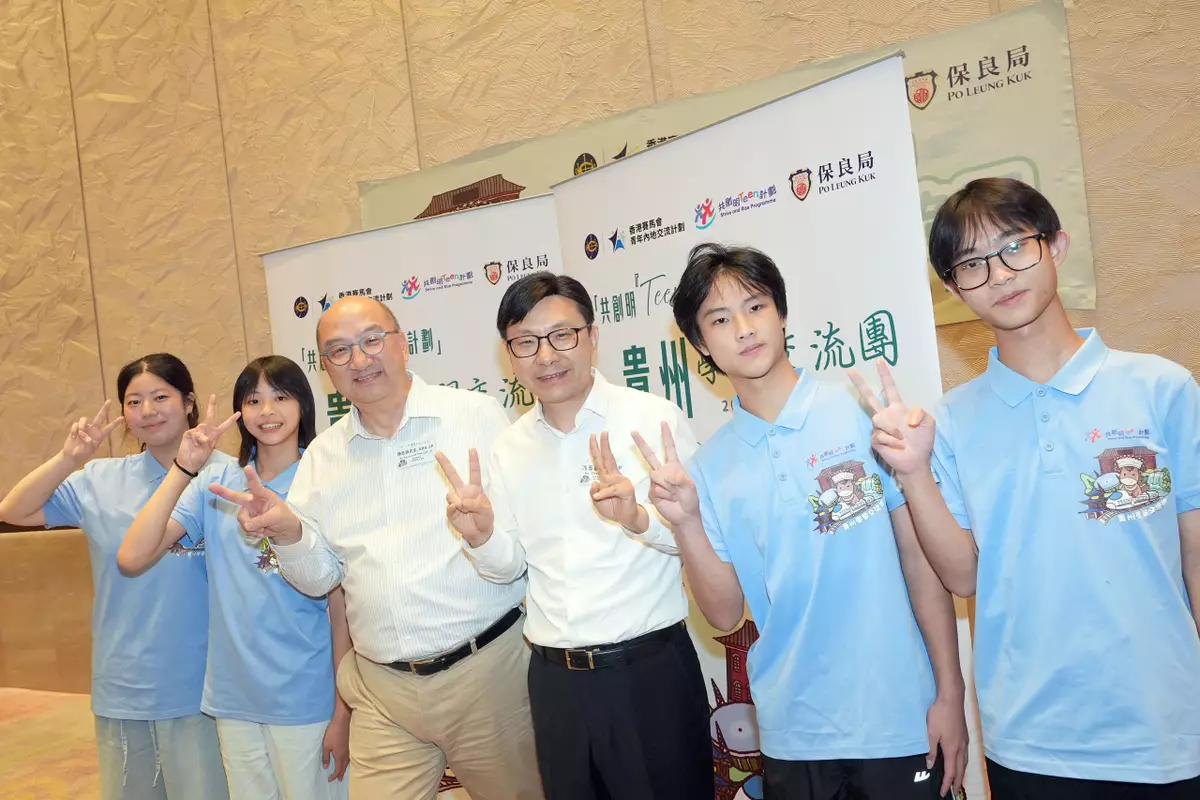
Chris Sun, Secretary for Labour and Welfare of the HKSAR Government (3rd from the right); and Raymond Tam, the Club’s Executive Director, Corporate Affairs (3rd from the left), engage with mentees during the dinner. Photo source: HKJC
During the six-day visit to Guizhou, the mentees will visit FAST (the Five-hundred-meter Aperture Spherical radio Telescope), the world's largest single-dish radio telescope, and the National Big Data (Guizhou) Comprehensive Pilot Zone Communication and Experience Center. These visits will provide insights into the province's development in innovation and technology, the digital economy, aerospace science, and transport infrastructure. The mentees will also visit places like Xijiang Qianhu Miao Village to experience the region's ethnic minority culture, and the Zunyi Conference Site to deepen their understanding of the nation's history. They will also have the opportunity to watch the popular "Village T" fashion showcase to learn how innovative cultural initiatives can contribute to rural revitalisation.
The first cohort of the Strive and Rise Programme was launched in 2022. Through tripartite collaboration with the HKSAR Government, the business sector and the community, the programme aims to help secondary one to four school students set goals for the future and strive for upward mobility. As one of the Vice-Chairpersons of the Programme’s Partners’ Board, the Club has not only provided financial support but also nominated its employees, together with the Jockey Club scholars and fellows, to become volunteer mentors.
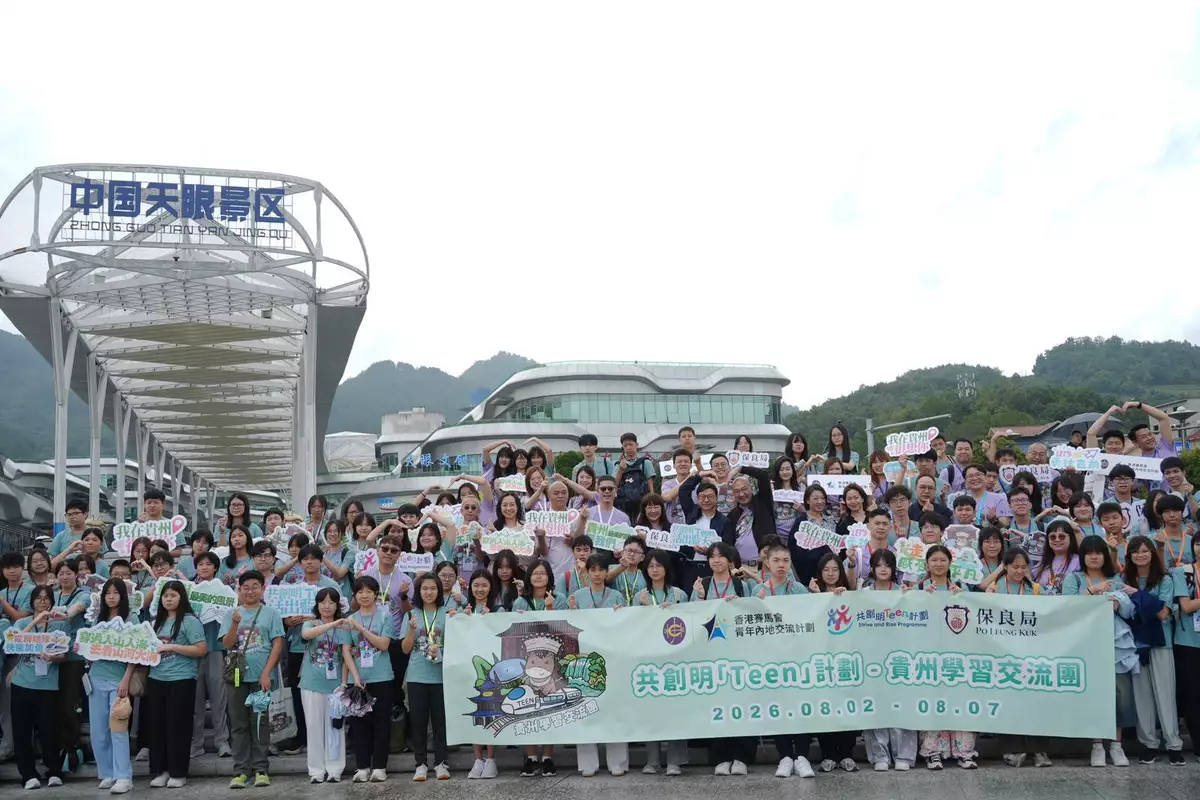
Mentees visit FAST (the Five-hundred-meter Aperture Spherical radio Telescope), the world's largest single-dish radio telescope, to learn about the country's achievements in astronomy and scientific innovation. Photo source: HKJC
Across the first three cohorts of the programme, over 110 people were nominated. This year, more than 45 individuals have been nominated as mentors for the programme's fourth cohort. In addition, mentees are invited to visit Club facilities, including Tai Kwun, the Jockey Club Kau Sai Chau Public Golf Course, the Equine Hospital and Tuen Mun Public Riding School.
The Club has also provided complimentary tickets for programme mentors and mentees to attend events supported by the Club. These included activities under the Club’s Year of the Horse campaign, such as the Hong Kong premiere of Horse Power documentary film and The Hong Kong Jockey Club Presents: Dance Drama Cavalry.
The Club’s support for the Strive and Rise Programme, like all its charity and community donations, is made possible by its unique business model through which racing and responsible sports wagering generate substantial tax contributions, charity support and employment opportunities for Hong Kong.
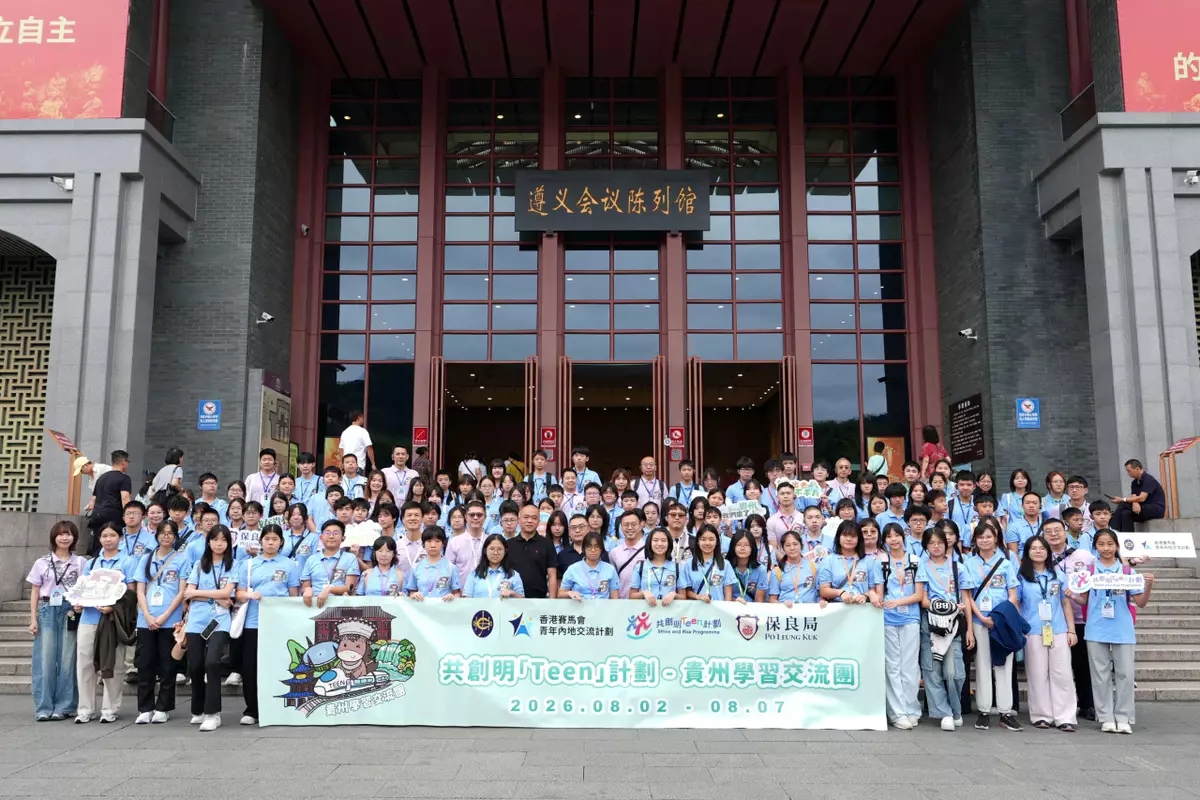
Mentees visit Zunyi Conference Site to deepen their understanding of the nation's history. Photo source: HKJC