A delegation from the Publicity Department of the Guizhou Provincial Committee, along with more than ten Hong Kong media representatives, embarked on a six-day media tour of Guizhou starting April 22 to explore innovation in the integration of the province's cultural and tourism industries.
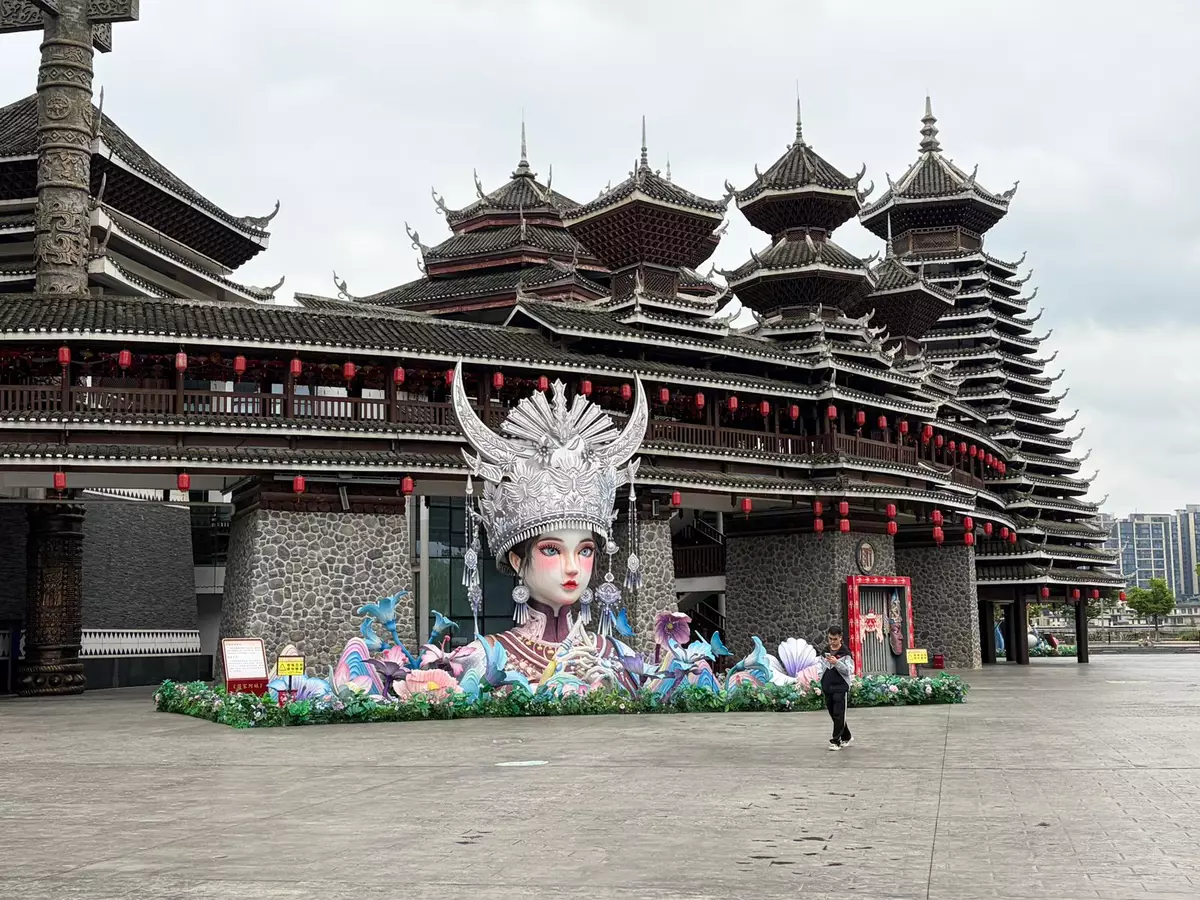
Colorful Guizhou City, Photo by Bastille Post
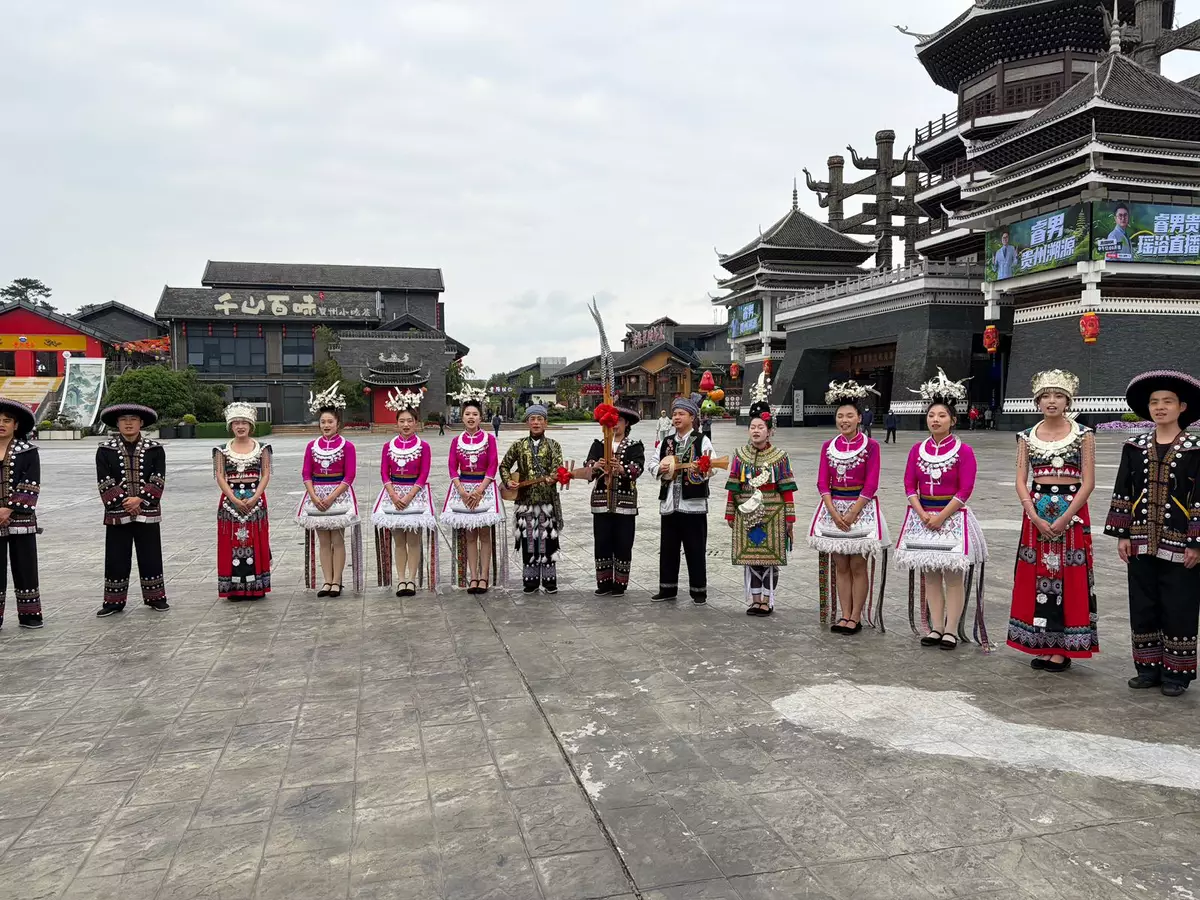
Colorful Guizhou City, Photo by Bastille Post
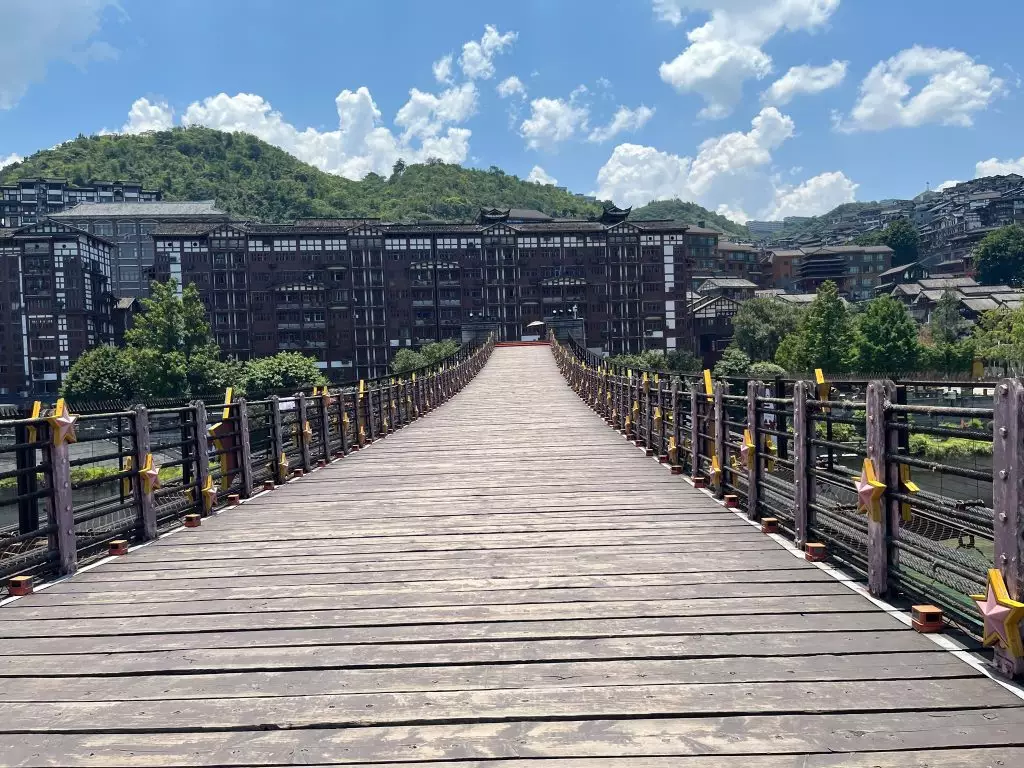
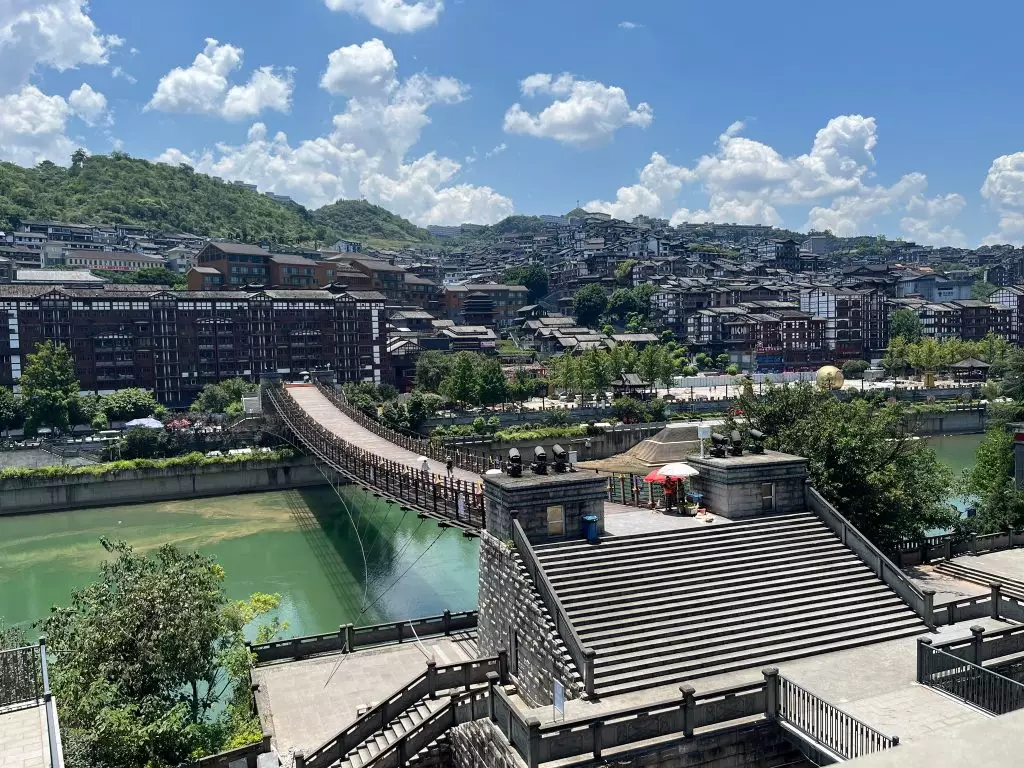
On the first afternoon, the delegation visited Colorful Guizhou City, a 4A-level scenic spot and a comprehensive tourism destination in Guiyang that integrates culture, commerce, sports, and tourism. Positioned as "the pearl of colorful Guizhou's scenery, the living room of refreshing Guiyang, and a dazzling city that never sleeps," Colorful Guizhou City aims to offer tourists a one-stop experience of Guizhou's culinary and shopping delights, making it a must-visit destination within the province and a top attraction for out-of-province visitors. The site has been recognised as a "Guizhou Provincial Cultural Industry Demonstration Base," a "Provincial-Level Commercial Pedestrian Street in Guizhou," and a "Benchmark Project Presenting Guiyang's Cultural, Commercial, and Tourism Integration."
Click to Gallery
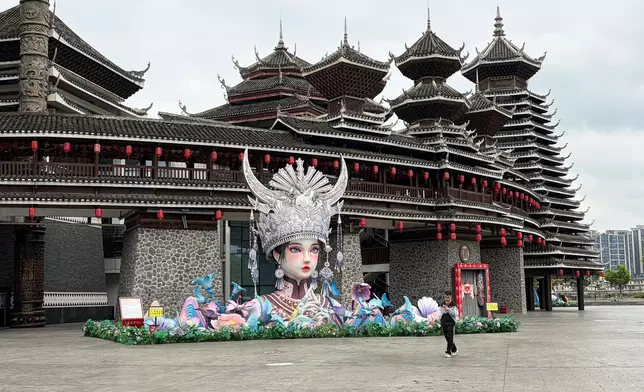
Colorful Guizhou City, Photo by Bastille Post
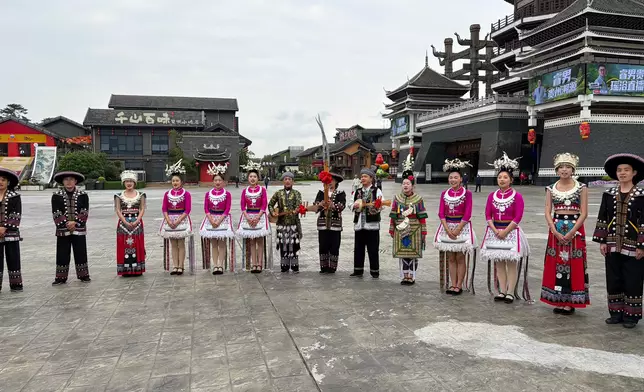
Colorful Guizhou City, Photo by Bastille Post
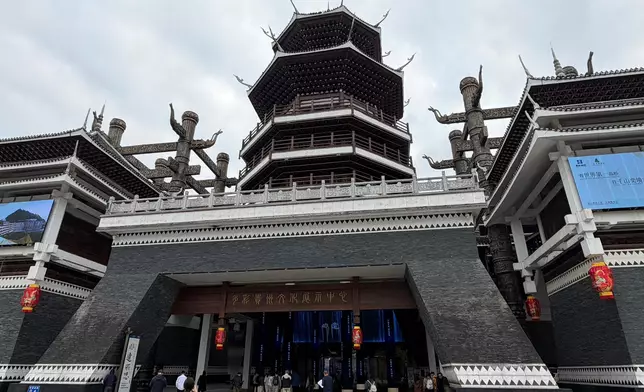
Colorful Guizhou City, Photo by Bastille Post
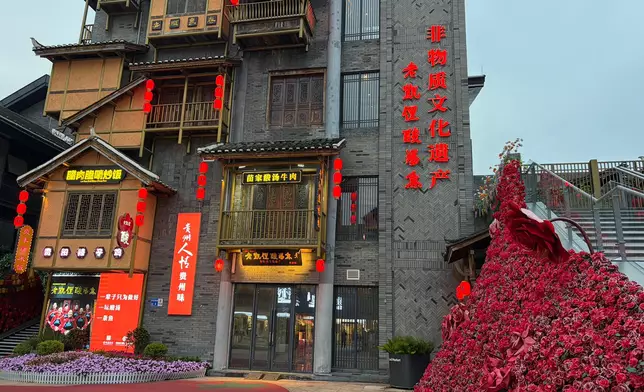
Colorful Guizhou City, Photo by Bastille Post
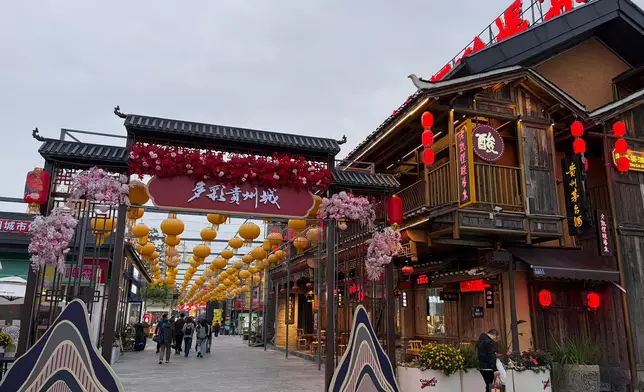
Colorful Guizhou City, Photo by Bastille Post
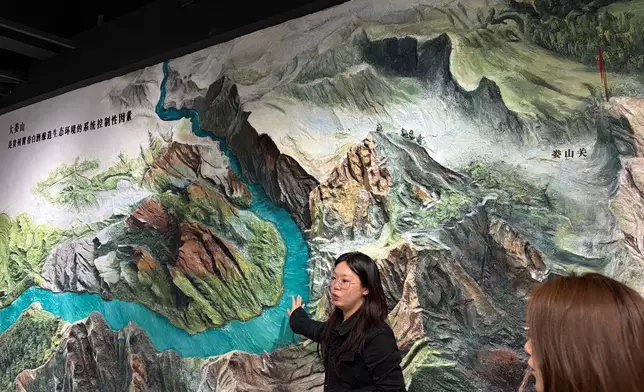
The introduction of the staff of the exhibition centre, Photo by Bastille Post
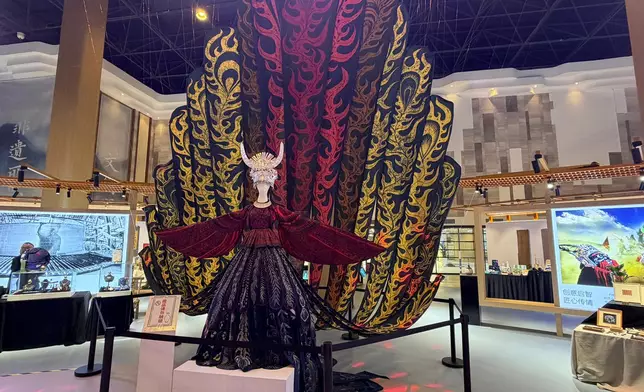
"The Spirit of the Golden Pheasant", Photo by Bastille Post
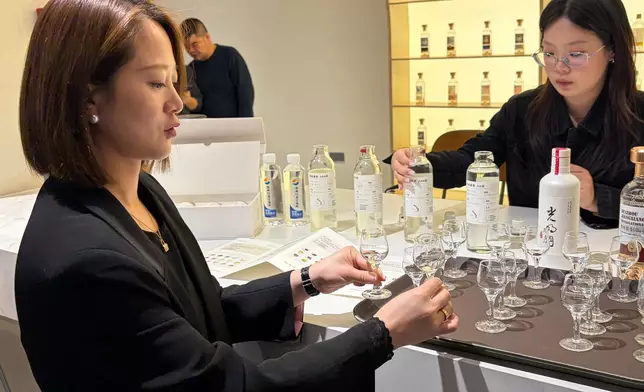
Four types of sauce-aroma baijiu can be sampled at the Sauce Aroma International Club. Photo by Bastille Post
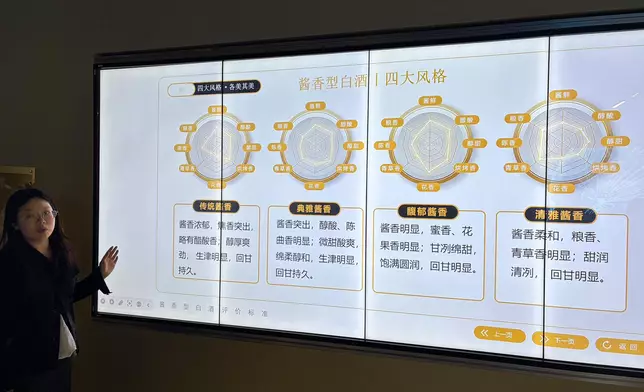
Four types of sauce-aroma baijiu, Photo by Bastille Post
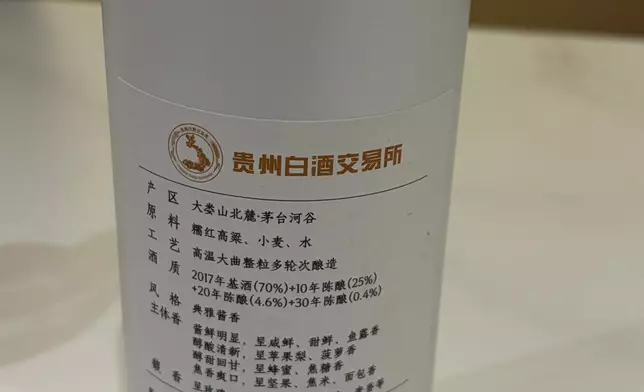
The baijiu produced in Guizhou Province, Photo by Bastille Post
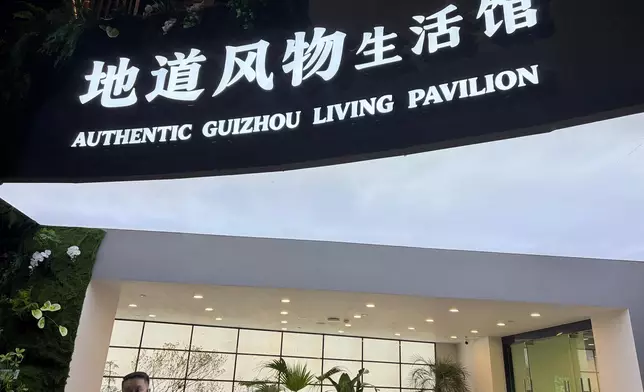
Authentic Guizhou Living Pavilion, Photo by Bastille Post
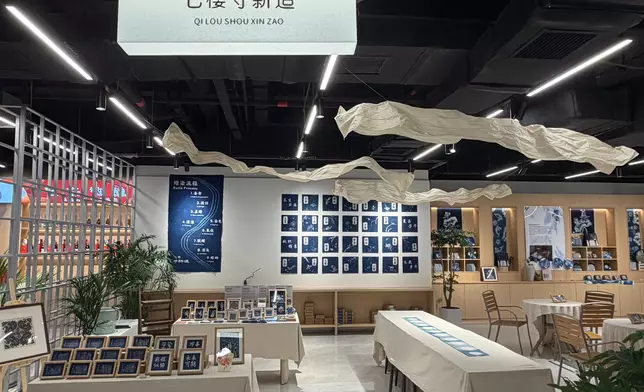
Photo by Bastille Post
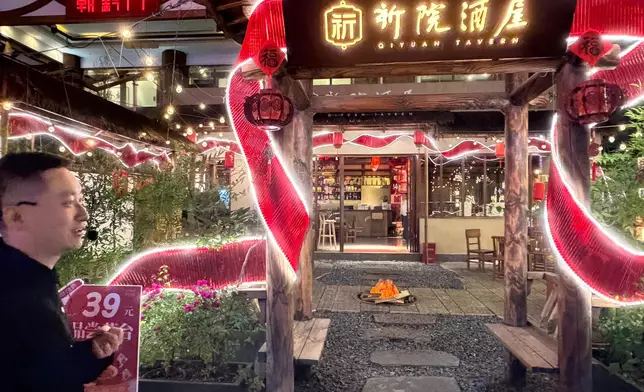
The wine house on the site, Photo by Bastille Post
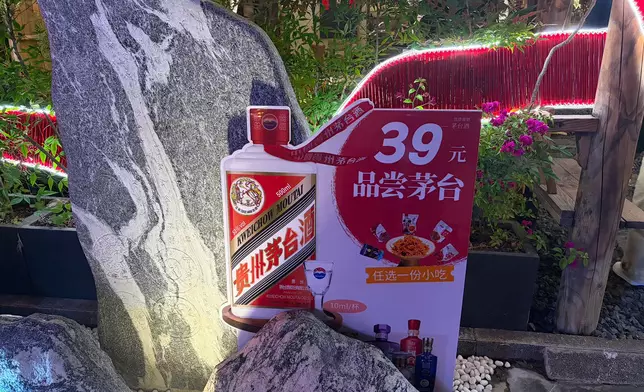
Visitors can sample different wines, including famous Chinese Moutai, at the wine house. Photo by Bastille Post
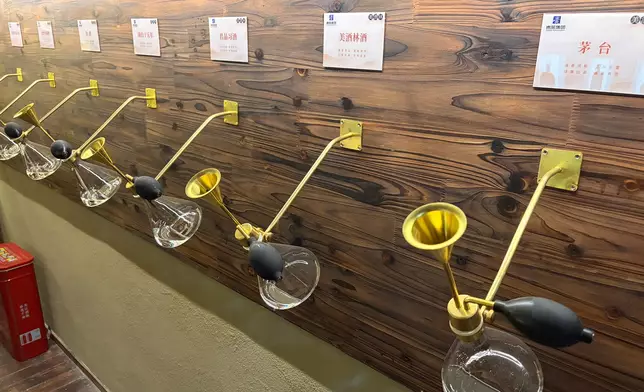
The wine aroma experience area, Photo by Bastille Post
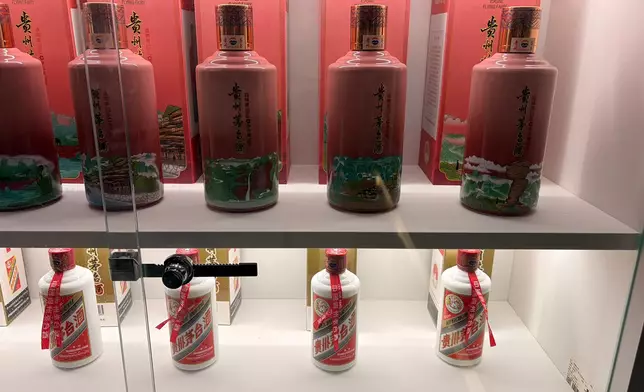
The special version of Moutai displayed at the wine house (upper row), Photo by Bastille Post
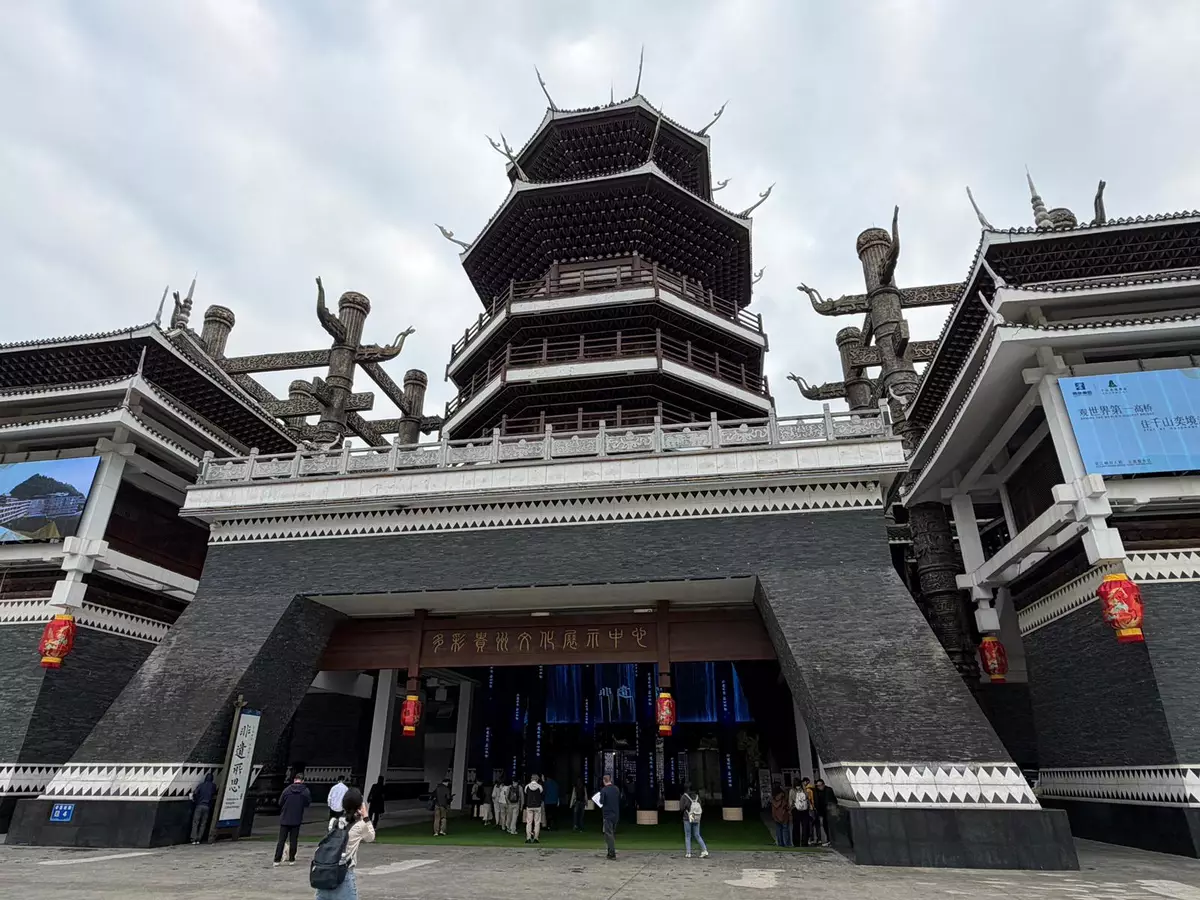
Colorful Guizhou City, Photo by Bastille Post
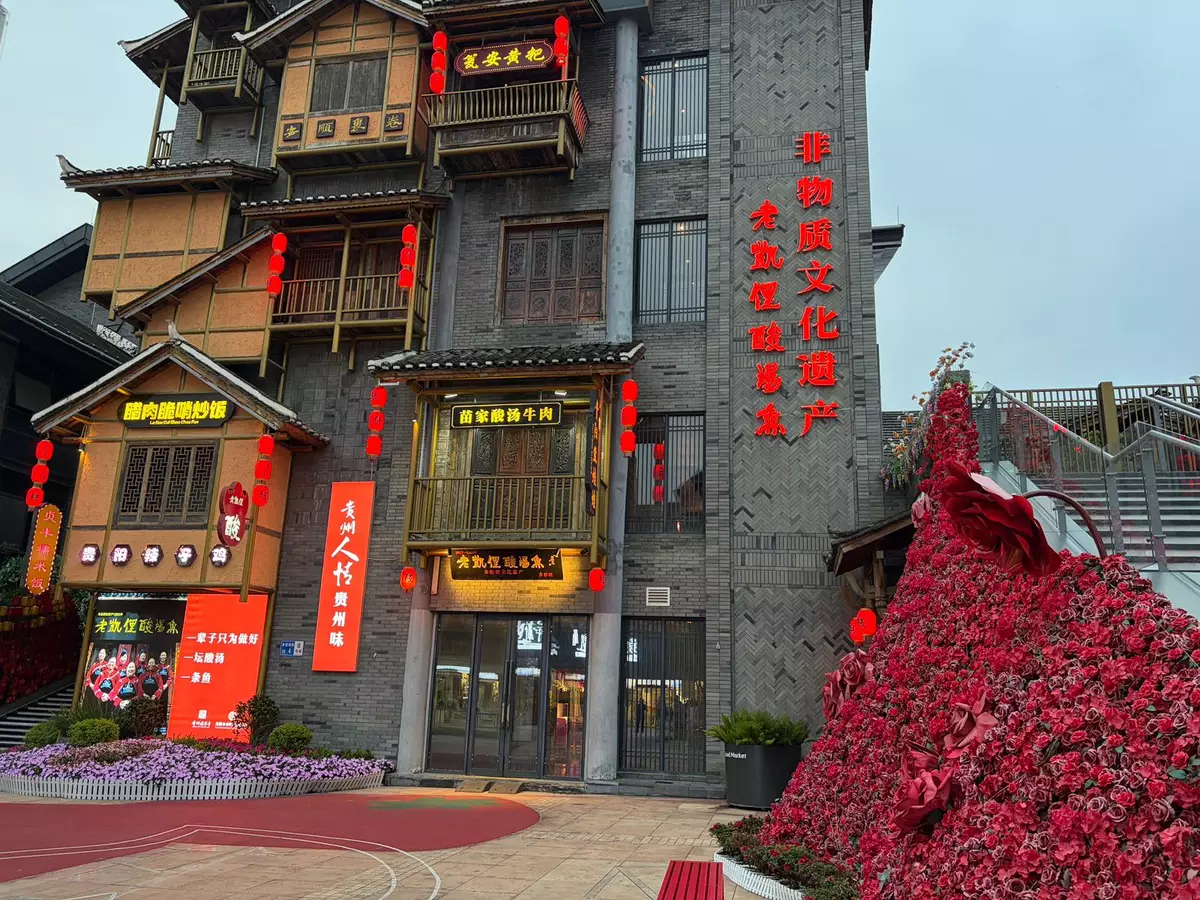
Colorful Guizhou City, Photo by Bastille Post
The core area of Colorful Guizhou City includes the Colorful World and the 1958 Cultural and Creative Park, covering approximately 243 mus, with a total commercial area of about 100,000 square metres. Focused on the goal of "one-stop shopping and dining in Guizhou," the site emphasises attracting businesses in four key sectors: specialty coffee, craft beer, fine dining, and innovative cultural and creative products. Currently, 123 businesses have settled in, attracting over 1.6 million visitors last year.
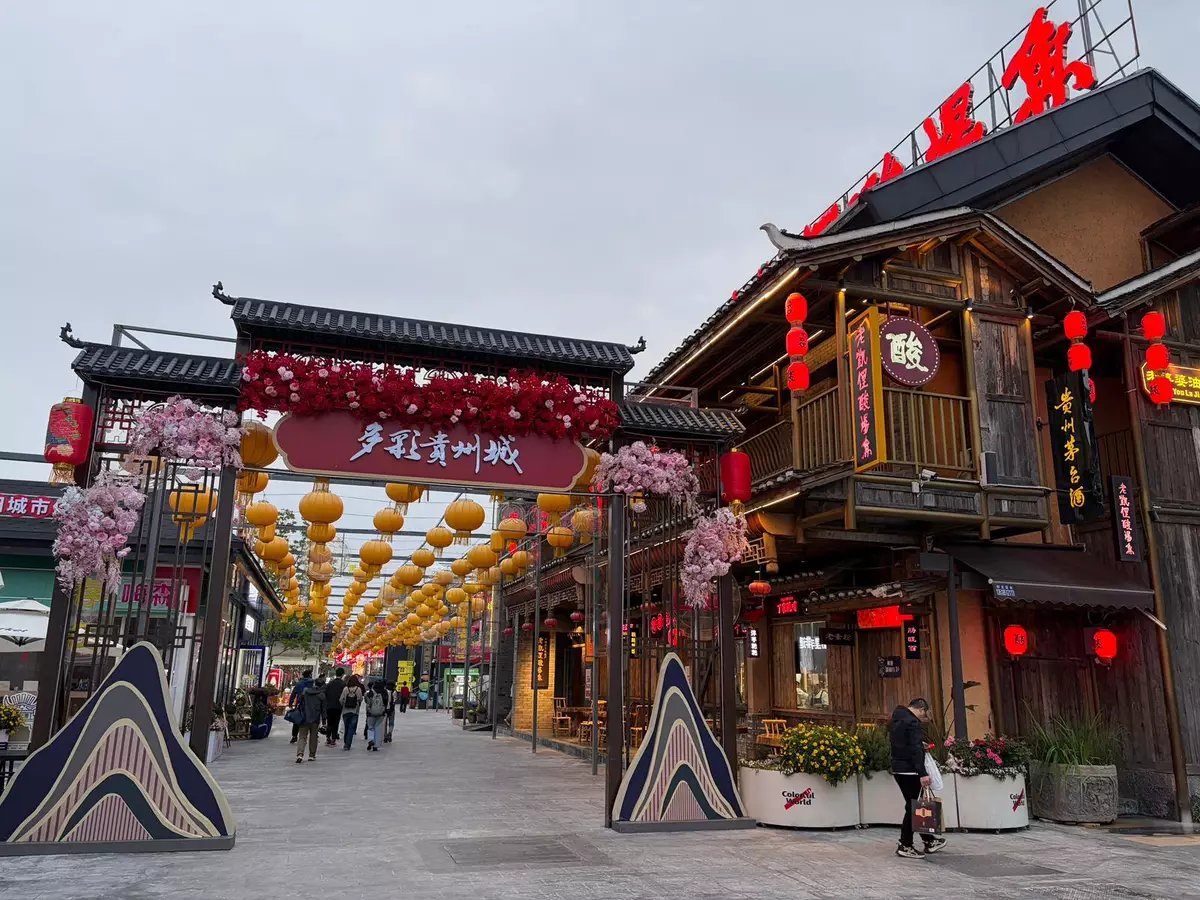
Colorful Guizhou City, Photo by Bastille Post
The Colorful Guizhou Cultural Exhibition Centre, located within the site, features exhibits themed around "dyeing, weaving, creation, culture, artefacts, and embroidery," showcasing the intangible cultural heritage techniques of Guizhou's ethnic minorities, including indigo dyeing and embroidery.
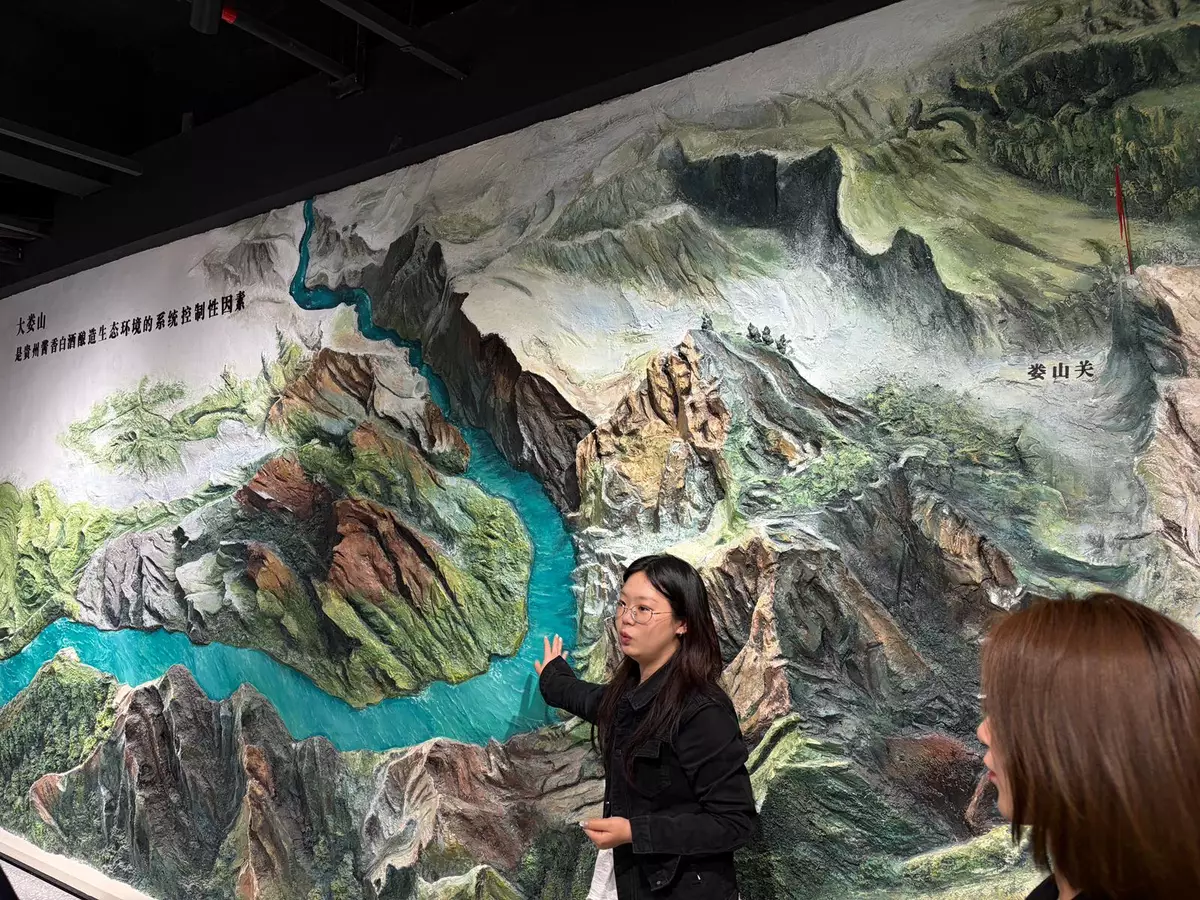
The introduction of the staff of the exhibition centre, Photo by Bastille Post
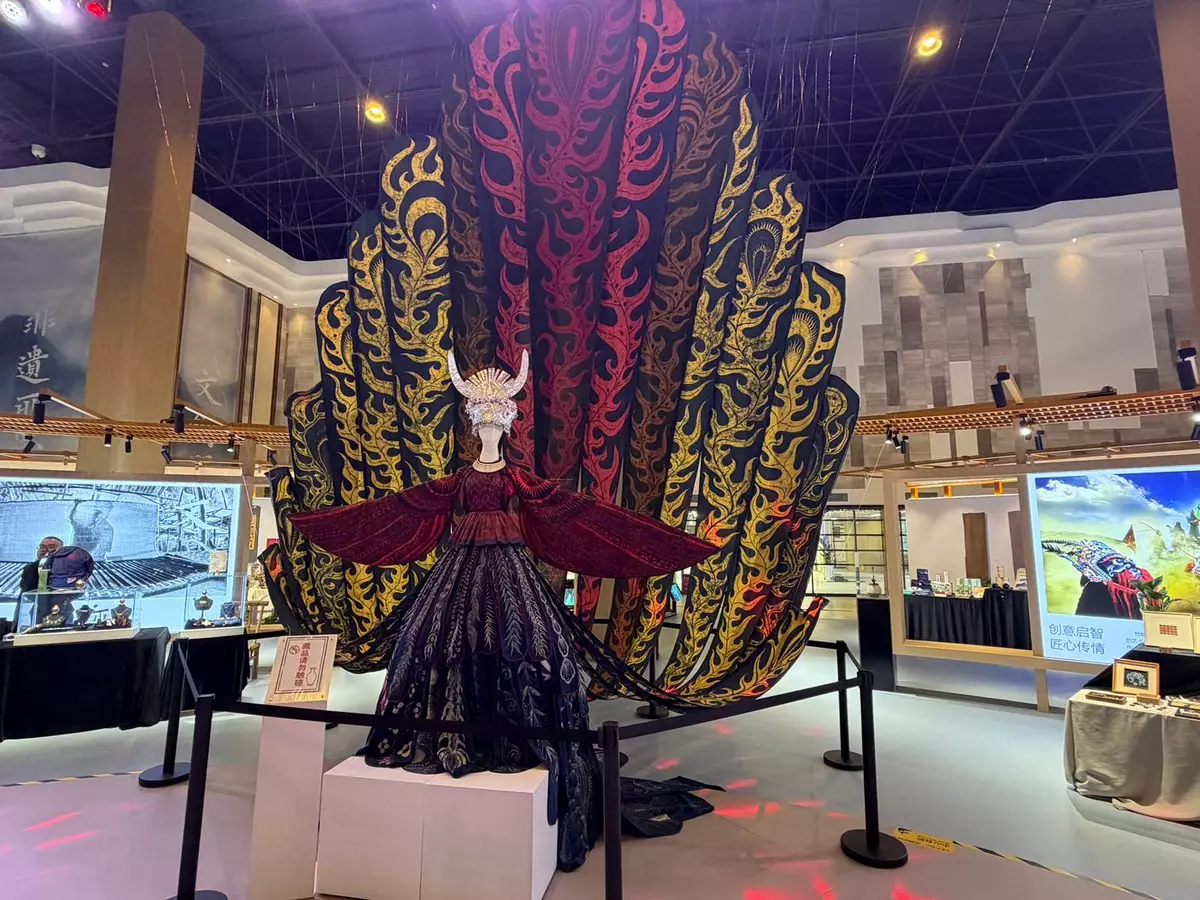
"The Spirit of the Golden Pheasant", Photo by Bastille Post
According to the staff of the exhibition centre, "The Spirit of the Golden Pheasant" is the signature item of the exhibition, which was the closing piece at London Fashion Week in 2020, elevating the work from a local cultural expression to an international aesthetic masterpiece. The staff noted that "The Spirit of the Golden Pheasant" was created by 48 artisans from Ninghang Batik in Danzhai of Guizhou, and took three months to complete. Its most distinctive feature is a 15-metre-long "fish tail."
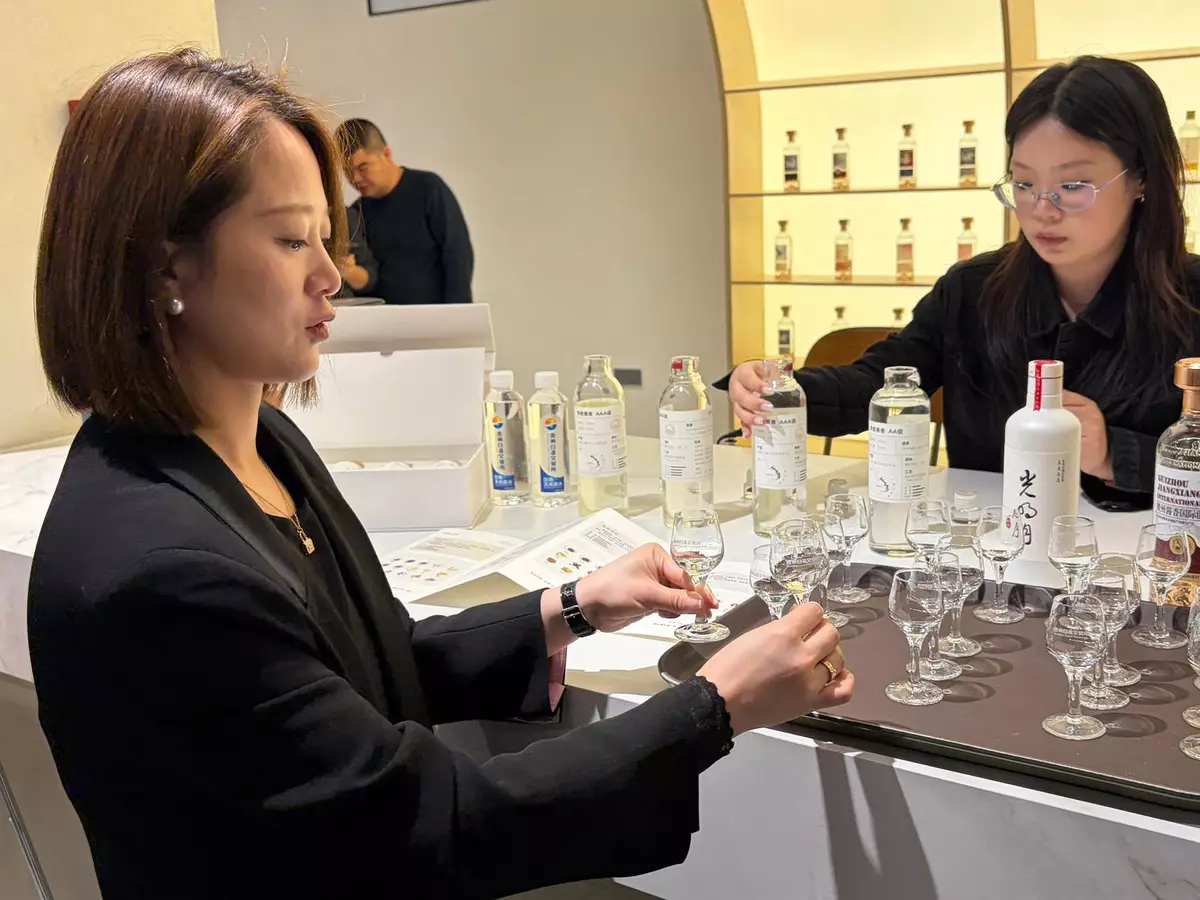
Four types of sauce-aroma baijiu can be sampled at the Sauce Aroma International Club. Photo by Bastille Post
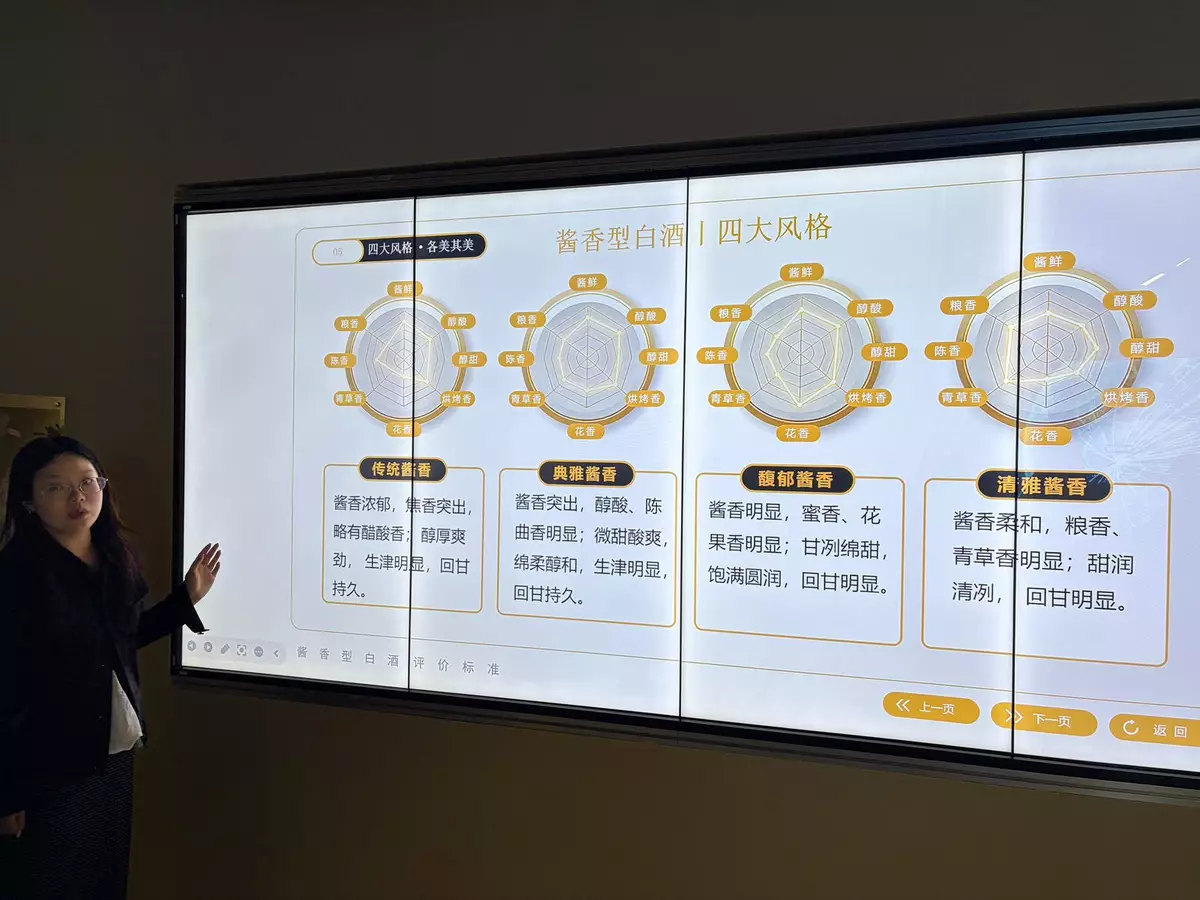
Four types of sauce-aroma baijiu, Photo by Bastille Post
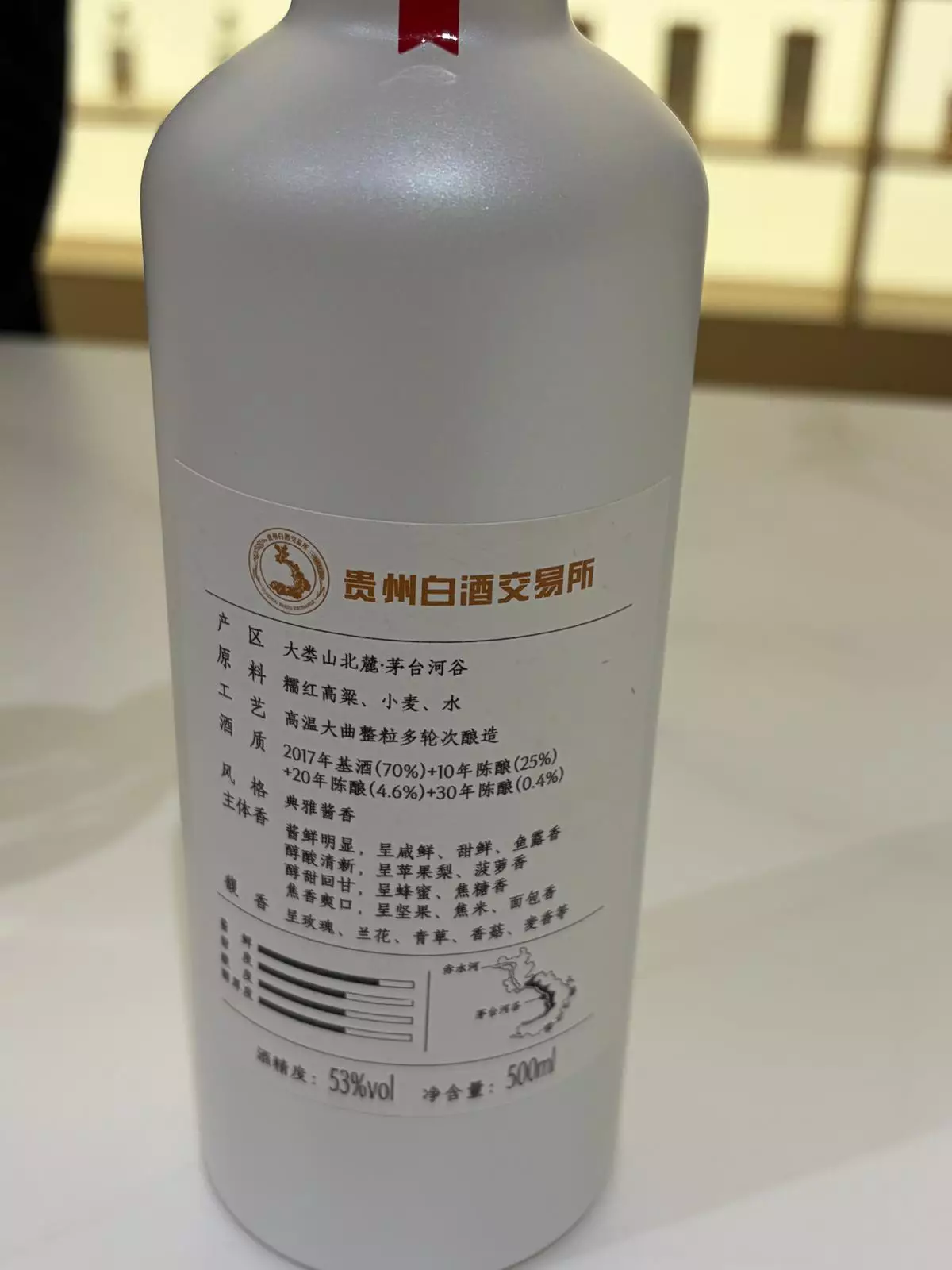
The baijiu produced in Guizhou Province, Photo by Bastille Post
The delegation later visited the Sauce Aroma International Club to learn about the origins and main production areas of baijiu, and sampled four types of sauce-aroma baijiu: traditional, elegant, rich, and light. The person in charge of the club said that locals in Guizhou Province prefer the traditional type, while visitors from other provinces tend to favour the lighter version, appreciating its pronounced grassy aroma. Tasting the traditional type firsthand, the reporter noted a noticeable warmth upon swallowing. Despite the alcohol content being 53 per cent, the liquor does not leave drinkers feeling intoxicated.
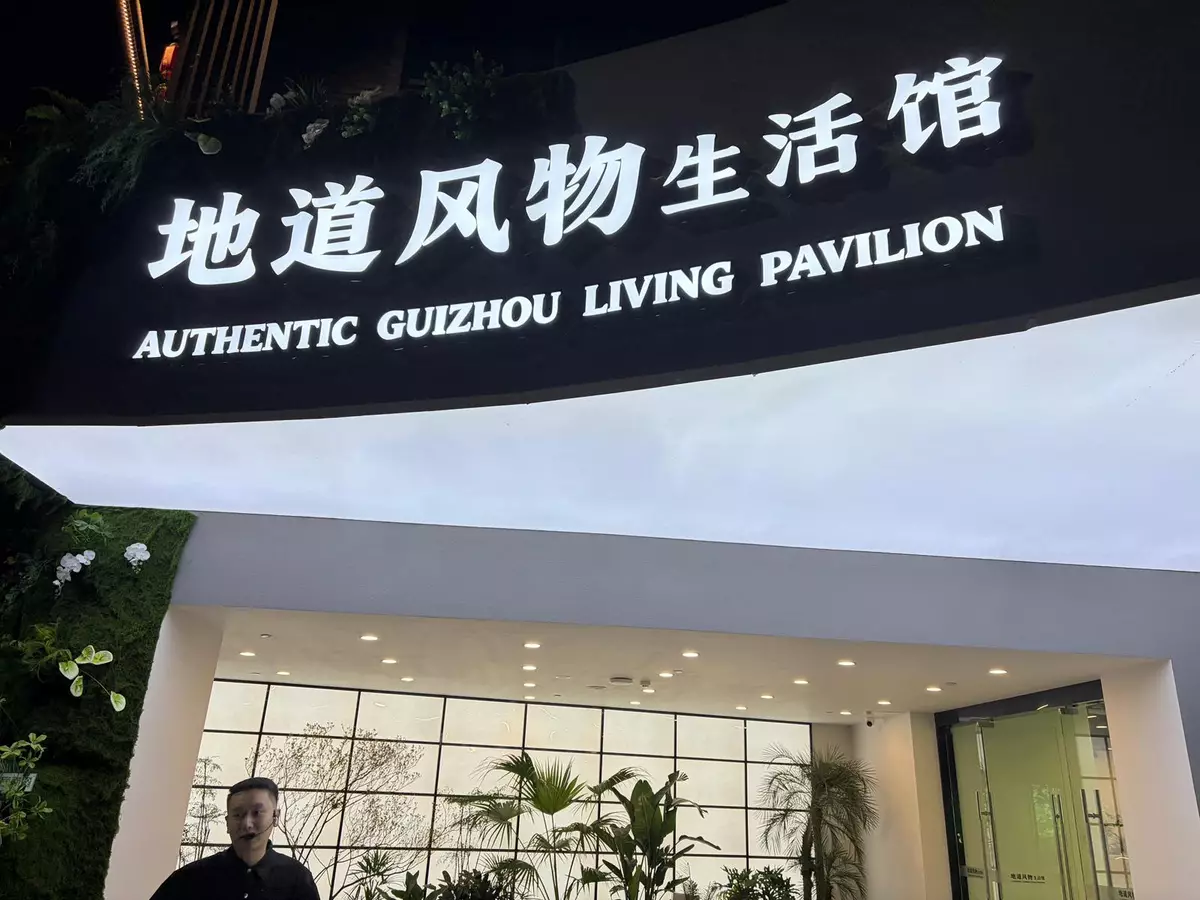
Authentic Guizhou Living Pavilion, Photo by Bastille Post
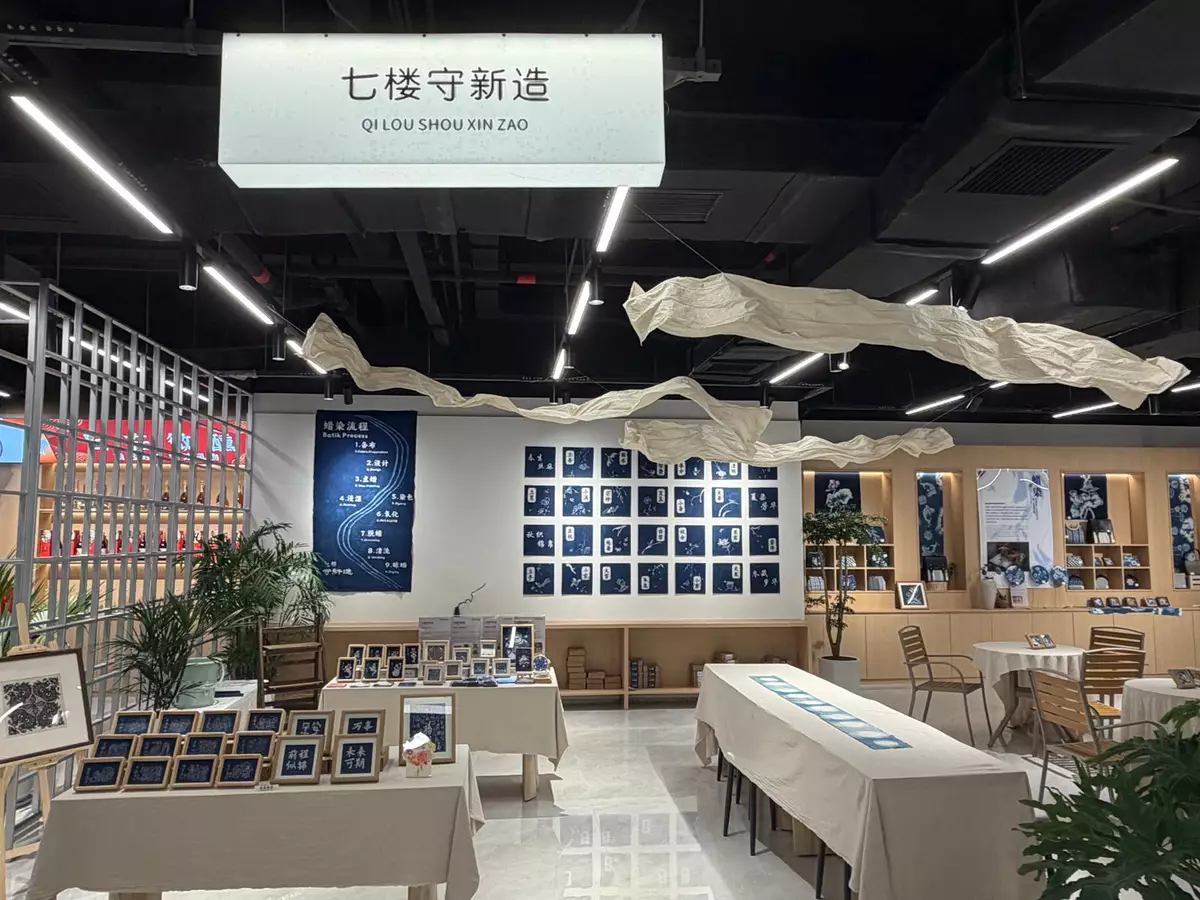
Photo by Bastille Post
Colorful Guizhou City also features the Authentic Guizhou Living Pavilion, which sells batik products, tea, perfumes, and other specialties. Additionally, the wine house on the site has a wine aroma experience area, where visitors can smell and even sample different wines.
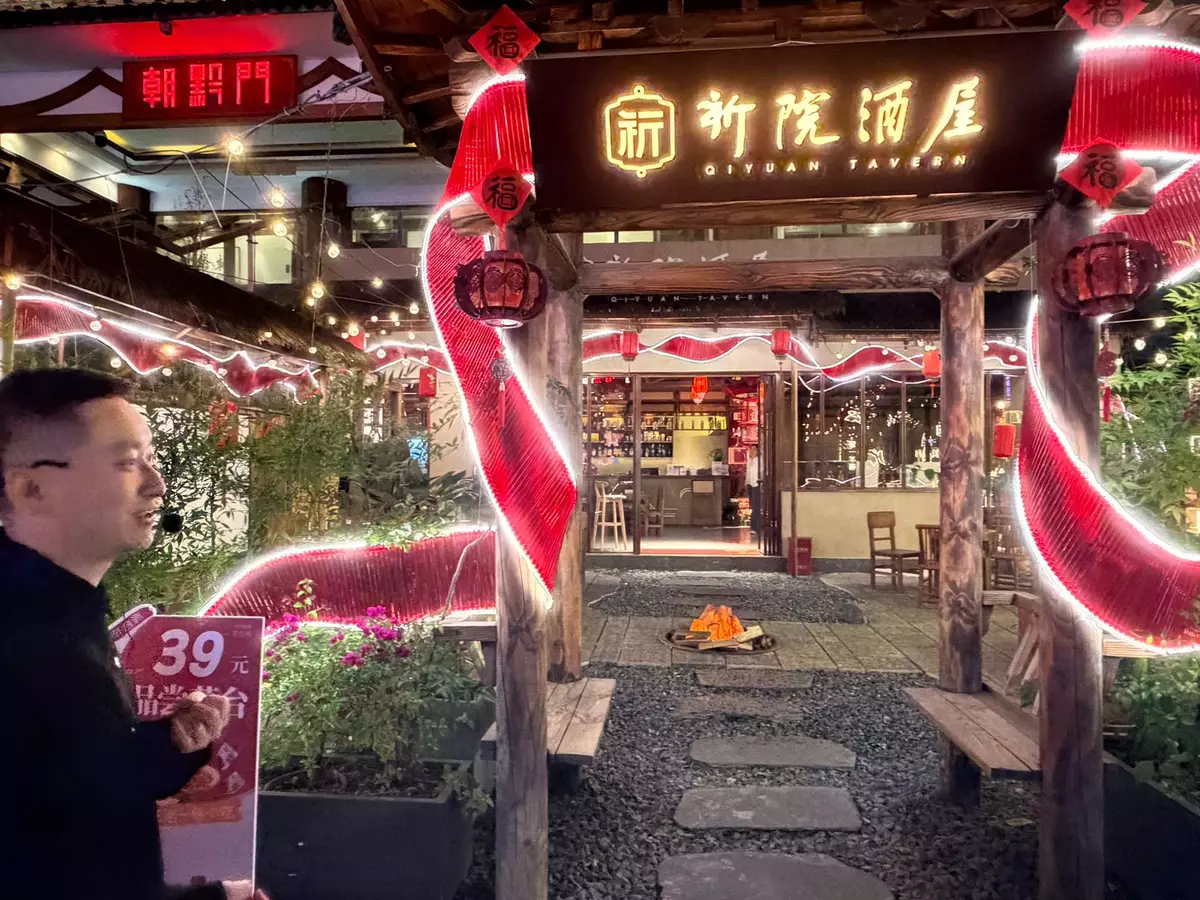
The wine house on the site, Photo by Bastille Post
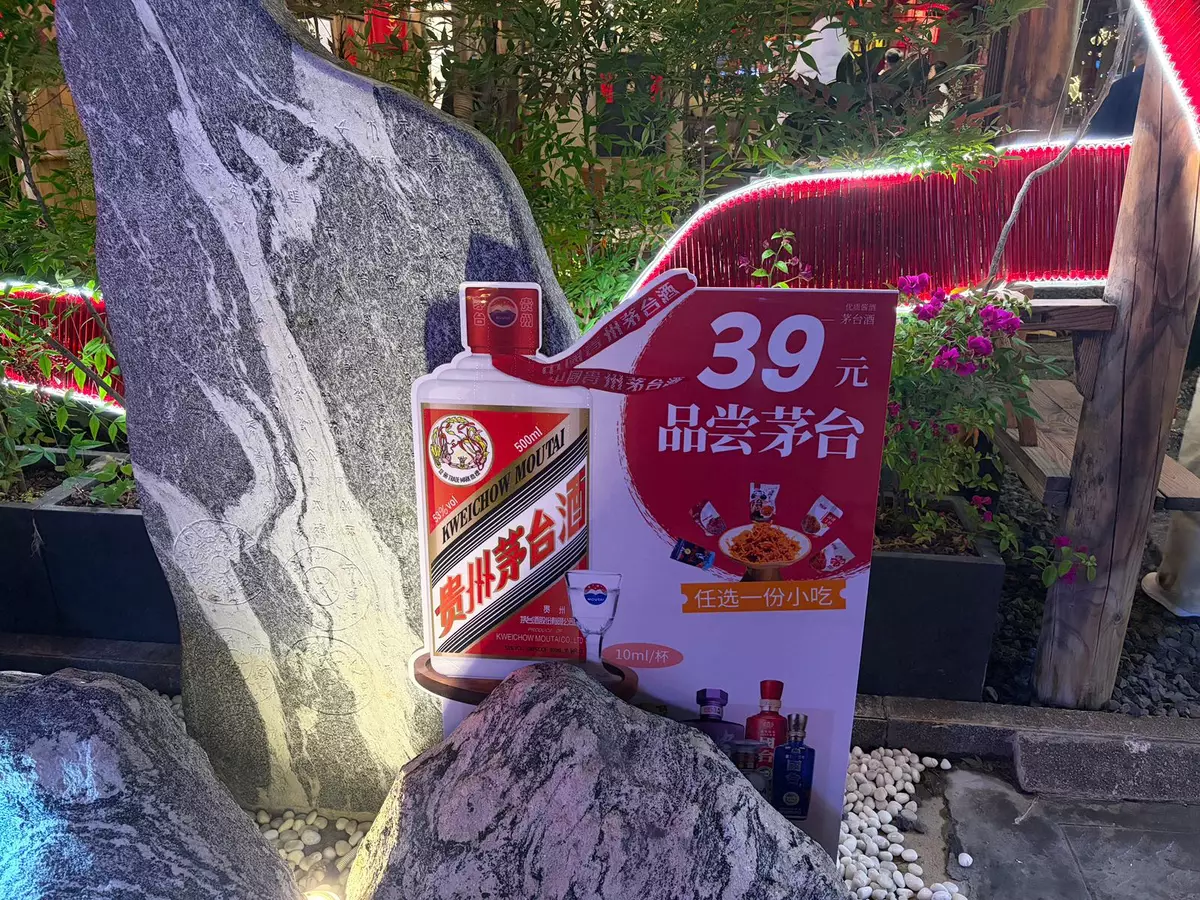
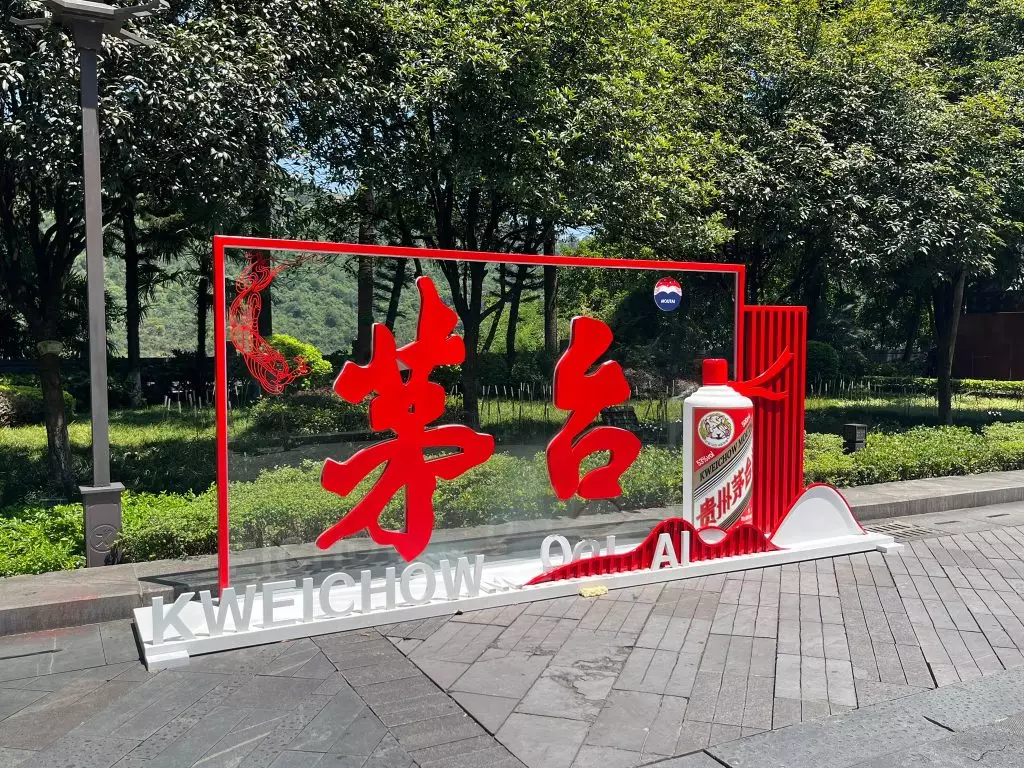
Visitors can sample different wines, including famous Chinese Moutai, at the wine house. Photo by Bastille Post
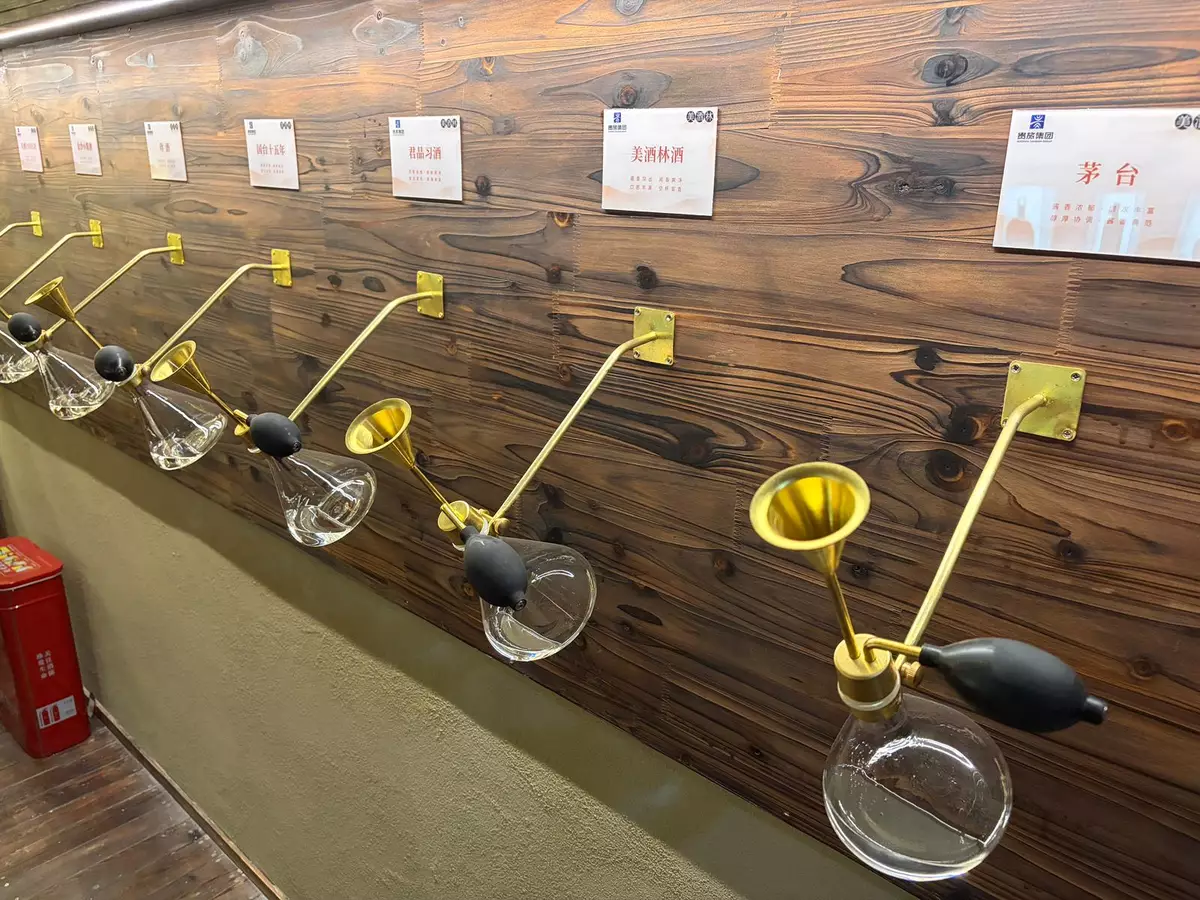
The wine aroma experience area, Photo by Bastille Post
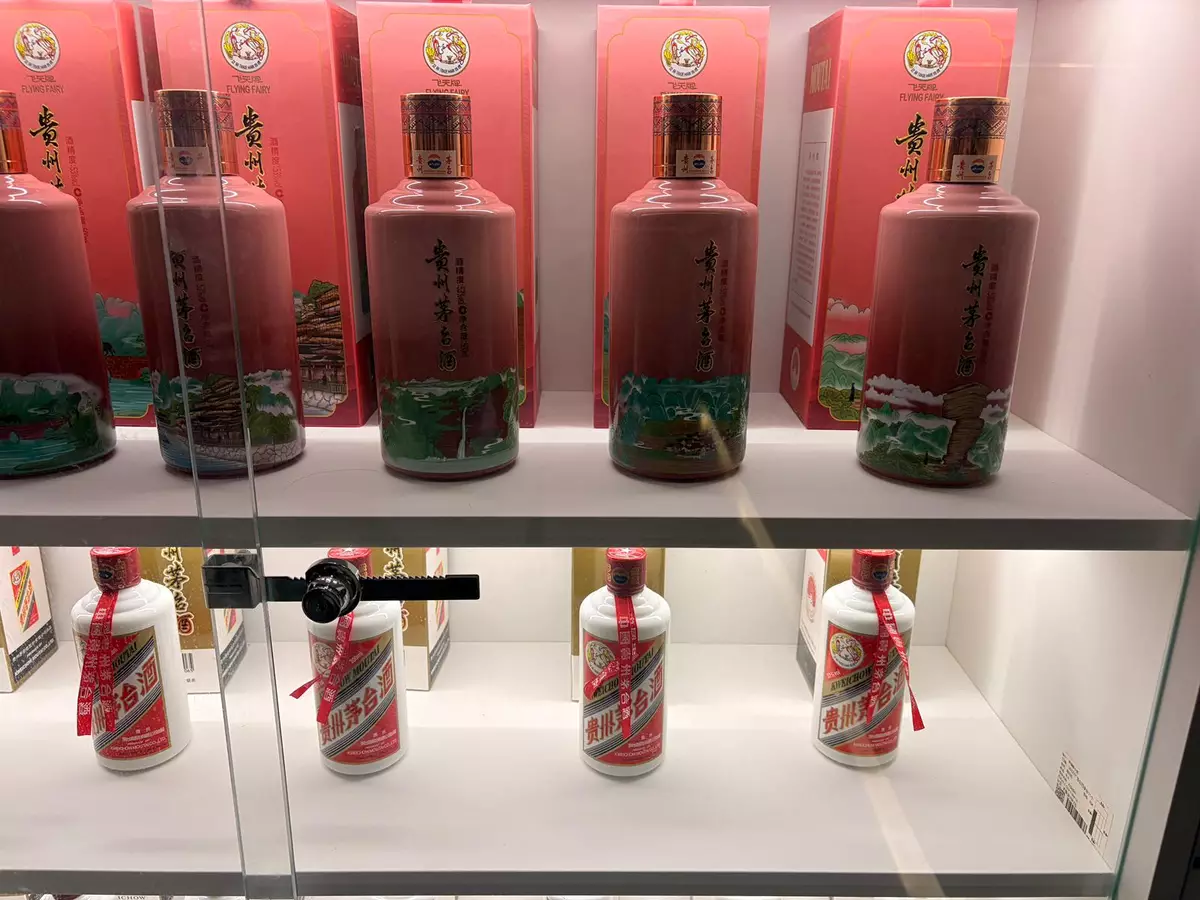
The special version of Moutai displayed at the wine house (upper row), Photo by Bastille Post