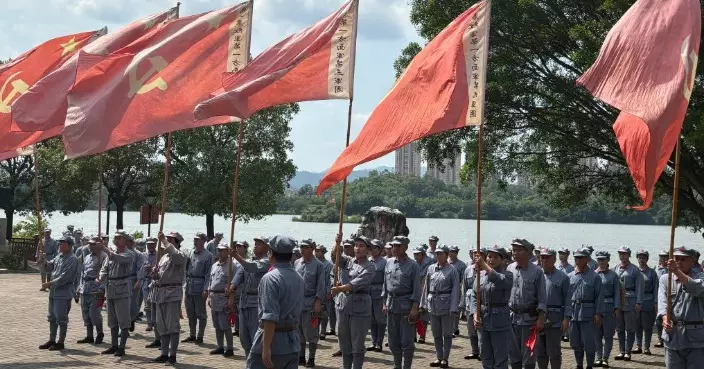
On September 21, the Gansu media interview team of the Media Alliance of the Guangdong-Hong Kong-Macao Greater Bay Area’s "Retracing the Long March" joint interview tour series visited the Red Army Long March Victory Memorial Hall and the Monument to the Red Army's Victory and Reunion in Huining, and watched the stage play Grandpa's Long March, the first theatrical production specially created to commemorate the 90th anniversary of the Red Army’s Long March victory. The visit offered the delegation a deeper understanding of the historic reunion of the Red Army at Huining.
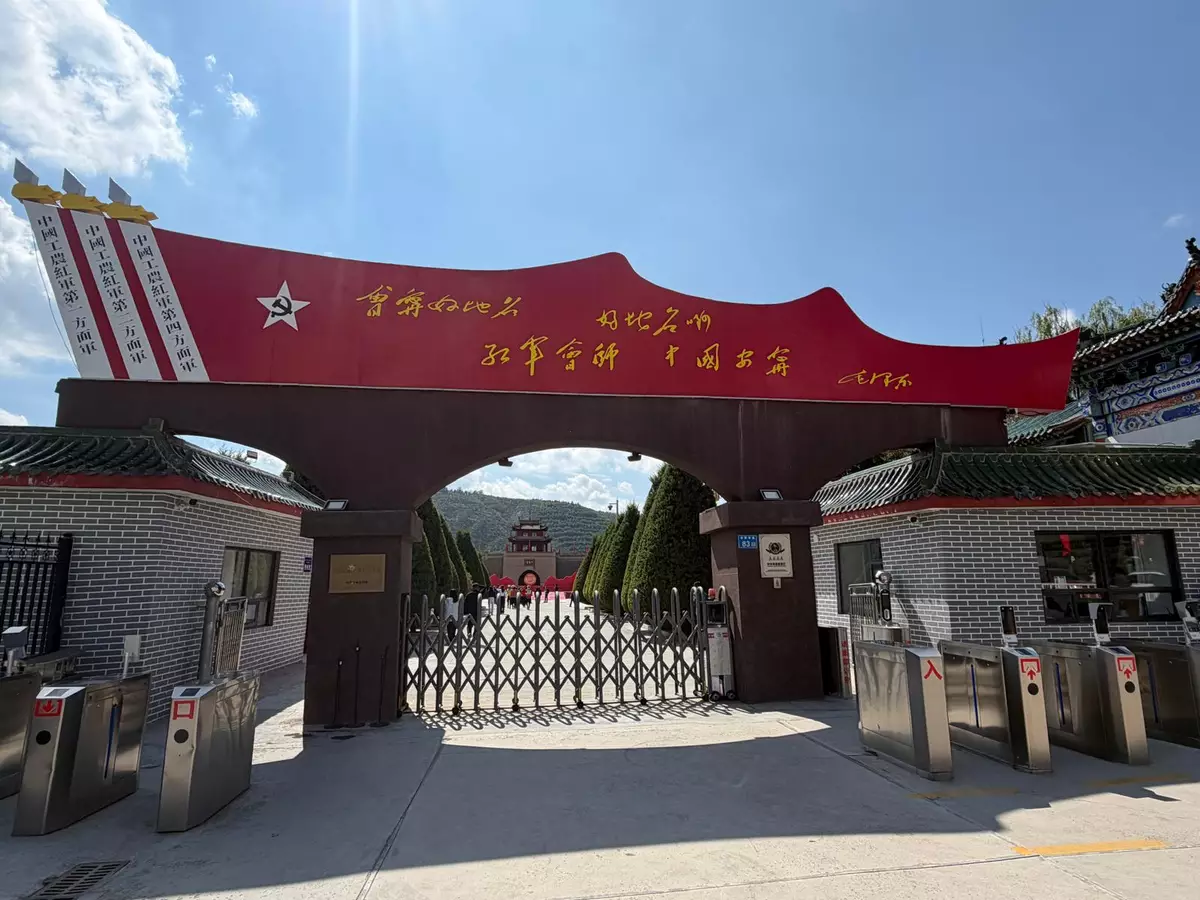
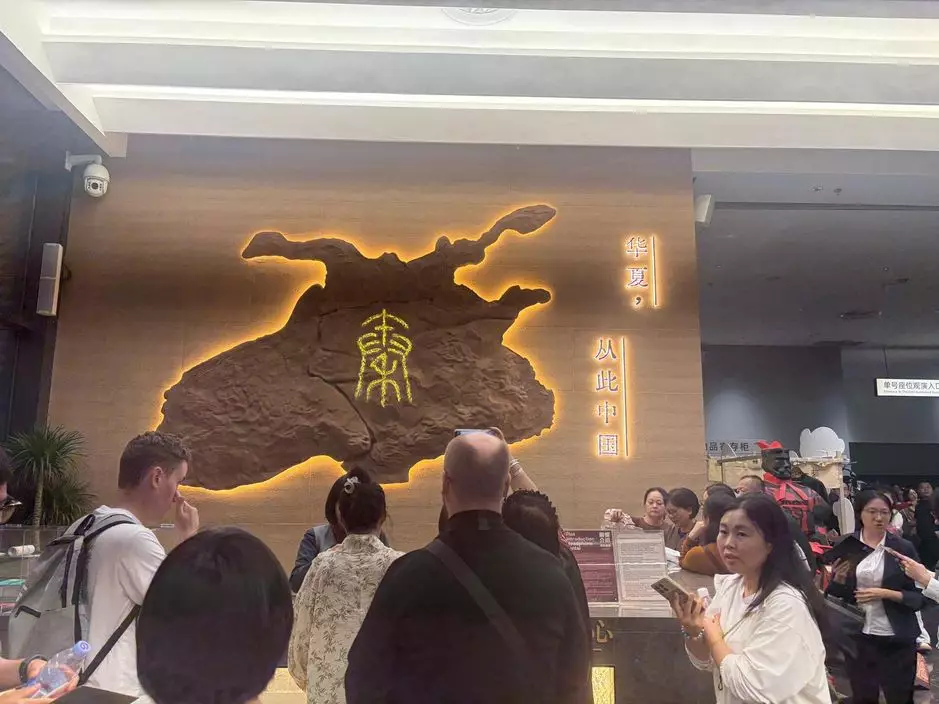
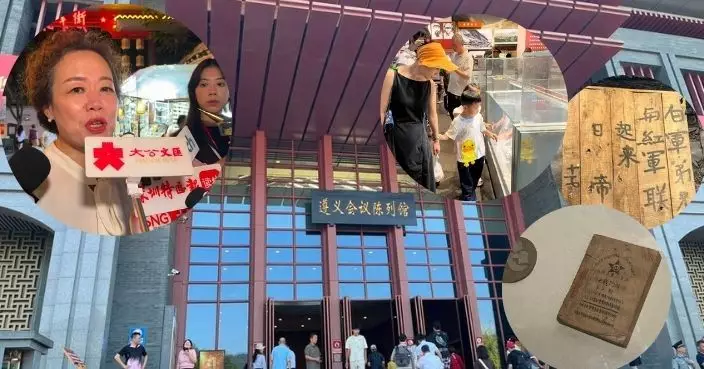
The Red Army Long March Victory Memorial Hall in Huining, Photo by Bastille Post
To mark the 90th anniversary of the victory of the Red Army’s Long March, the Hong Kong Federation of Journalists, the All-China Journalists Association, the Guangdong Journalists Association and the Macao Journalists Association have launched a joint interview tour series titled “Retracing the Long March.” Following the Jiangxi tour and the Guizhou-Yunnan tour, the Shaanxi-Gansu tour is being held from September 18 to 24 in Gansu and Shaanxi provinces under the theme “Carrying Forward the Red Legacy of the Long March, Uniting the Synergy of the Greater Bay Area.”
Click to Gallery
The Red Army Long March Victory Memorial Hall in Huining, Photo by Bastille Post
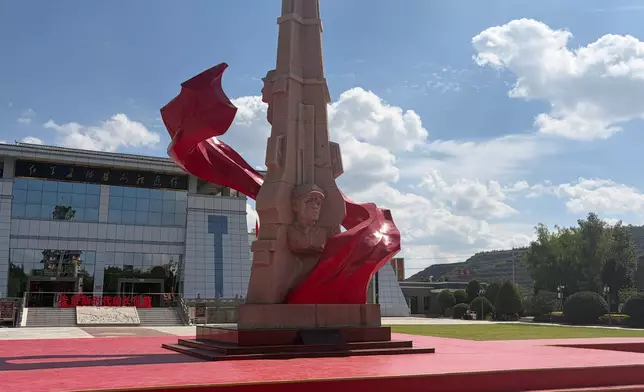
The Red Army Long March Victory Memorial Hall in Huining, Photo by Bastille Post
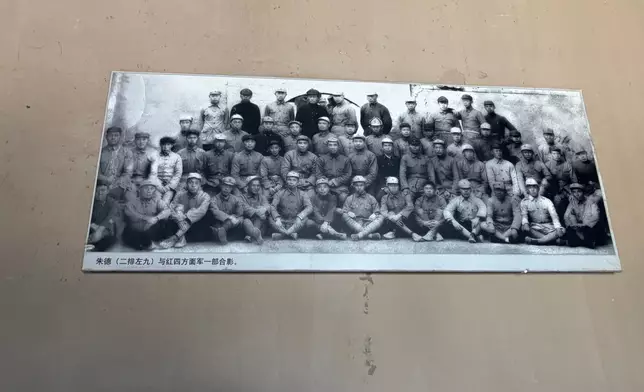
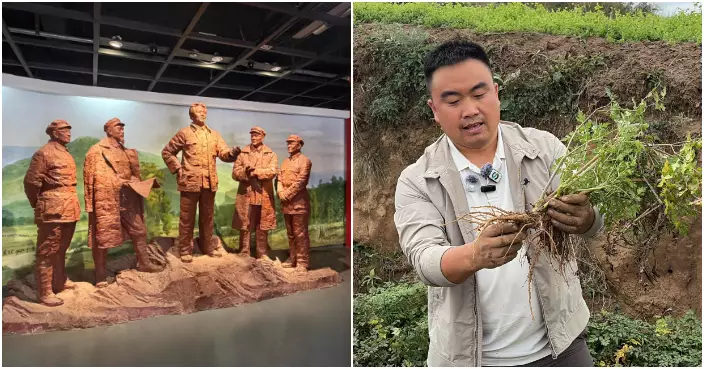
Exhibits at the Red Army Long March Victory Memorial Hall in Huining, Photo by Bastille Post
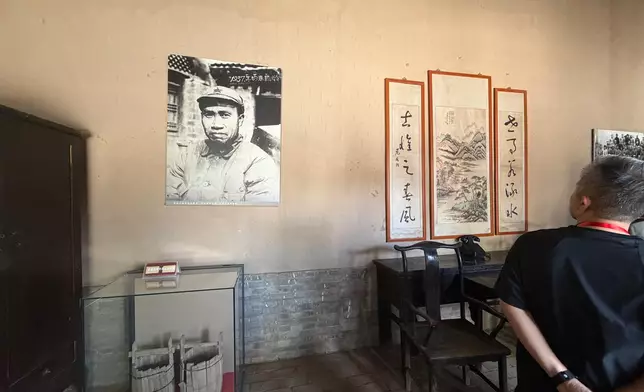
Exhibits at the Red Army Long March Victory Memorial Hall in Huining, Photo by Bastille Post
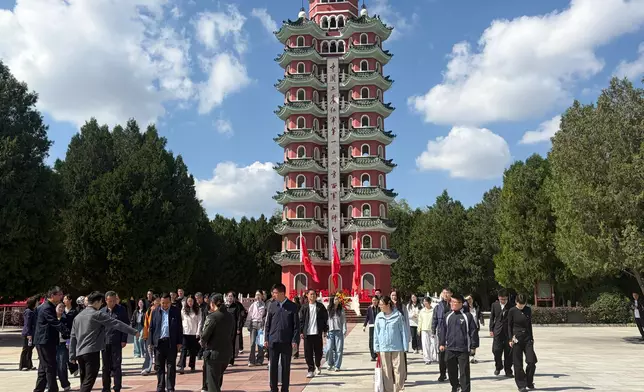
The Monument to the Red Army's Victory and Reunion in Huining, Photo by Bastille Post
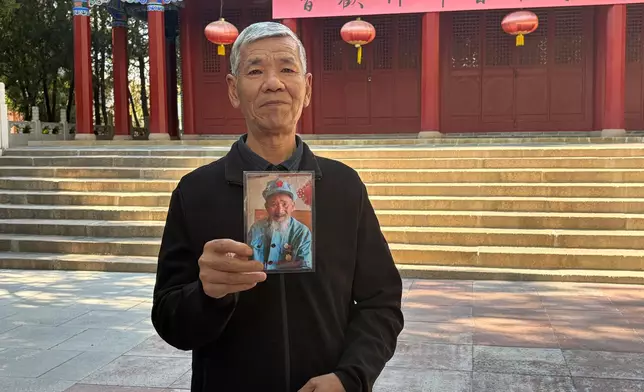
He Fangjun shows a photograph of his father, He Delin. Photo by Bastille Post
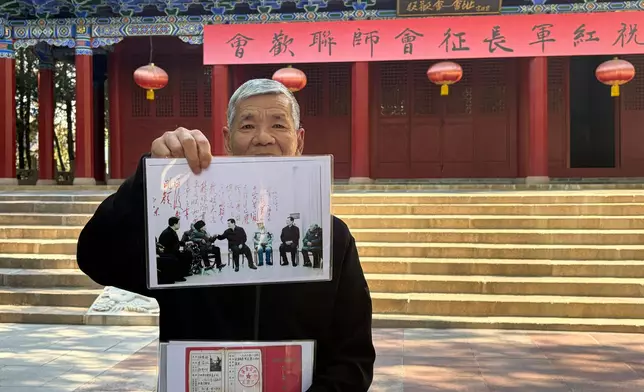
He Fangjun displays a photo of Former President Hu Jintao (third from left) and his father He Delin (second from left). Photo by Bastille Post
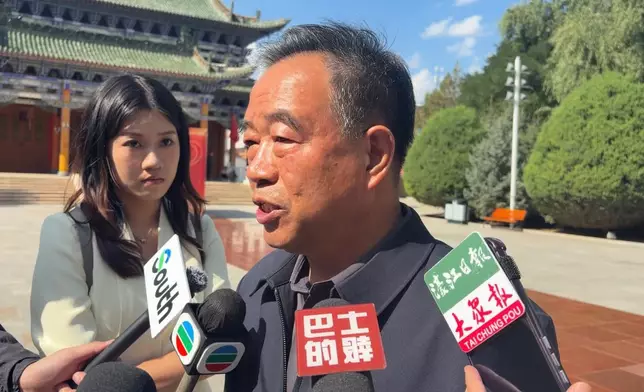
Du Yongsheng, former director of the Administrative Committee of the Red Army's Reunion Site in Huining and a docent of the CPC History, Photo by Bastille Post
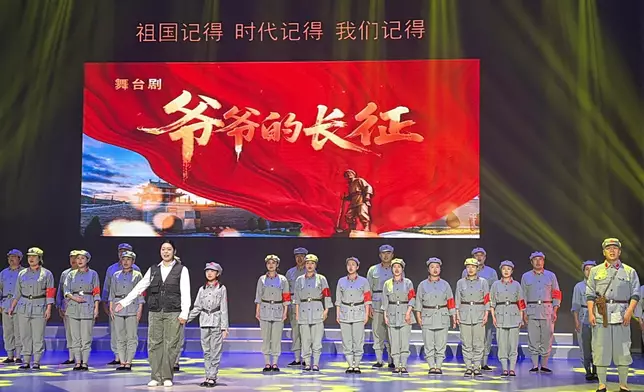
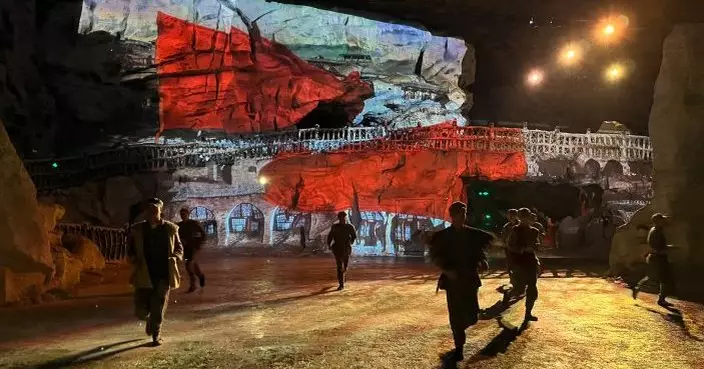
The stage play "Grandpa’s Long March," Photo by Bastille Post
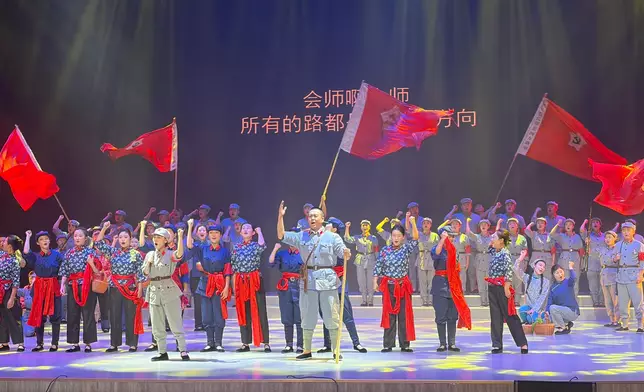
The stage play "Grandpa’s Long March," Photo by Bastille Post
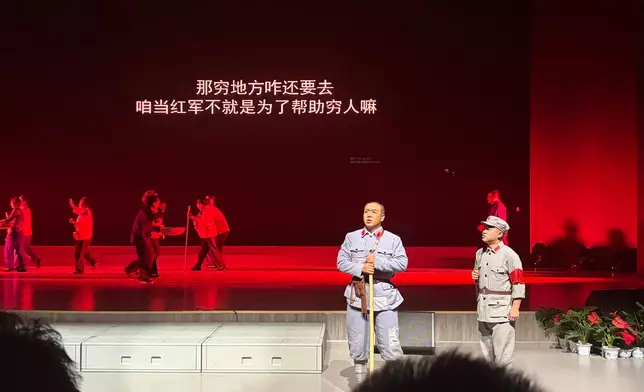
The stage play "Grandpa’s Long March," Photo by Bastille Post
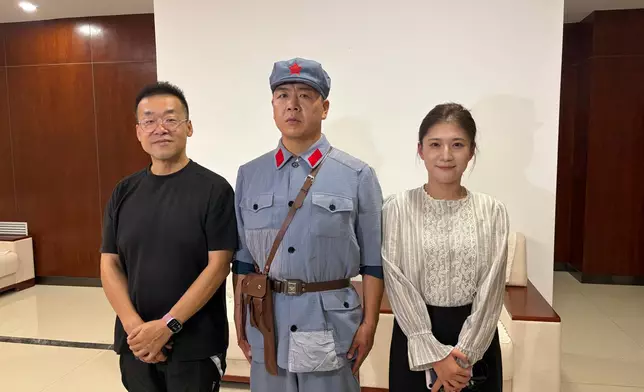
From left: Zhang Cheng, chief director of the stage play; Gao Wencheng, the actor who plays Division Commander Chai Hongru; and Jing Lu, executive director. Photo by Bastille Post
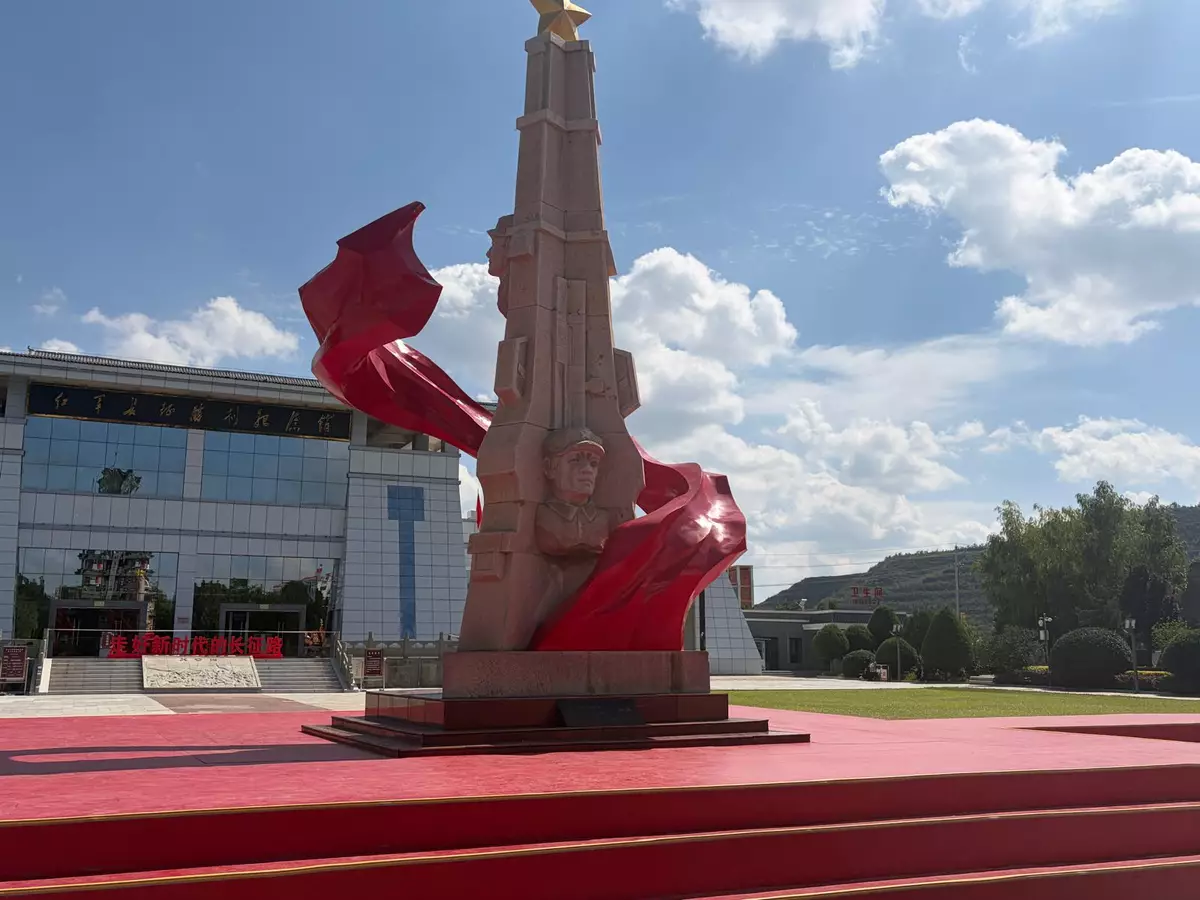
The Red Army Long March Victory Memorial Hall in Huining, Photo by Bastille Post
Built in 2006, the Red Army Long March Victory Memorial Hall in Huining is a thematic memorial dedicated to commemorating the historic event in which the three main forces of the Red Army successfully reunited in Huining, marking the victorious conclusion of the Long March. The memorial hall integrates cultural relic displays with modern multimedia presentations, with a total floor area of 3,310 square metres and an exhibition hall area of 2,800 square metres. It houses a collection of 1,399 items, including 107 precious cultural relics. The hall is divided into four sections: the Prologue Hall, the Red Army’s Long March Northward to Resist Japanese Aggression, the Victorious Reunion of the Three Main Forces, and the Eternal Monument of the Long March Spirit, reflecting the fighting course of the Red Army forces during the Long March and vividly recreating the historic reunion of the three main forces in Huining.
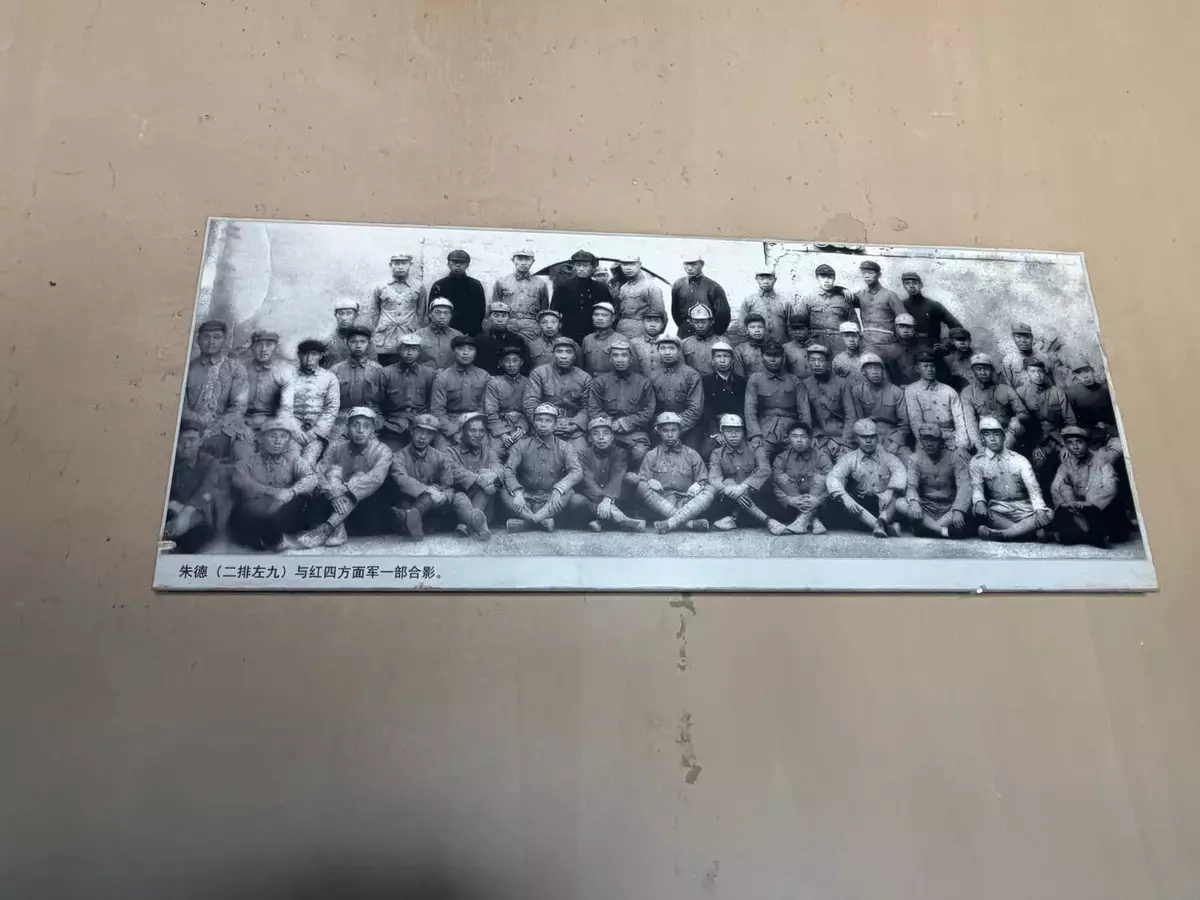
Exhibits at the Red Army Long March Victory Memorial Hall in Huining, Photo by Bastille Post
The Red Army Long March Victory Memorial Hall is one of the Exhibition and Display Projects of the National Demonstration Bases for Patriotism Education of the Publicity Department of the CPC Central Committee and the Key Red Tourism Infrastructure Construction Projects of the National Development and Reform Commission. It is also the largest memorial hall in China that comprehensively presents the history of the Red Army’s Long March, and one of the landmark constructions within the former site of the Red Army’s Huining reunion. Together with the Monument to the Red Army's Victory and Reunion as well as the Red Army Reunion Building, it forms a tripod-like layout.
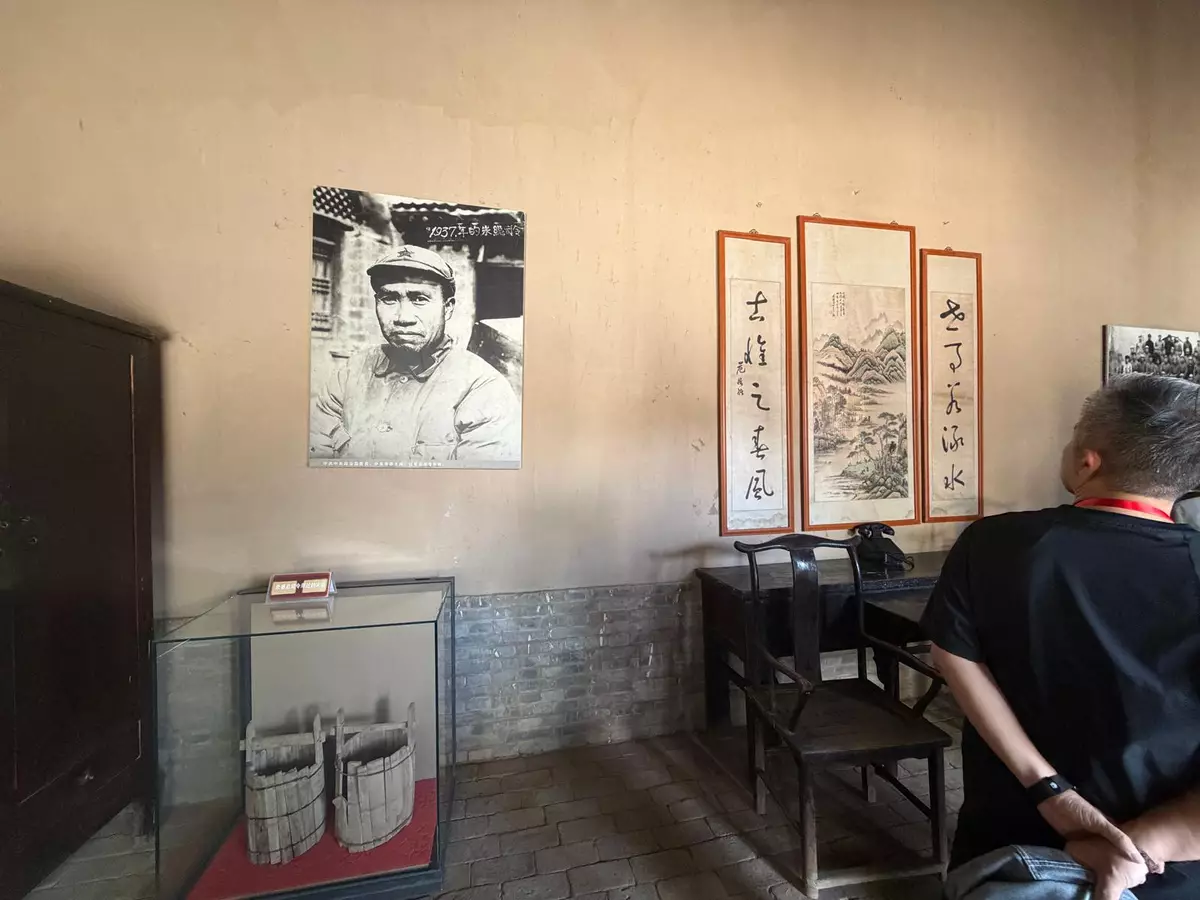
Exhibits at the Red Army Long March Victory Memorial Hall in Huining, Photo by Bastille Post
The Monument to the Red Army's Victory and Reunion in Huining, built in 1986, commemorates the 90th anniversary of the reunion of the three main forces of the Red Army at Huining and the victory of the Long March. It honours the hundreds of thousands of Red Army soldiers who made sacrifices during the Long March and inspires future generations to carry forward the Long March spirit.
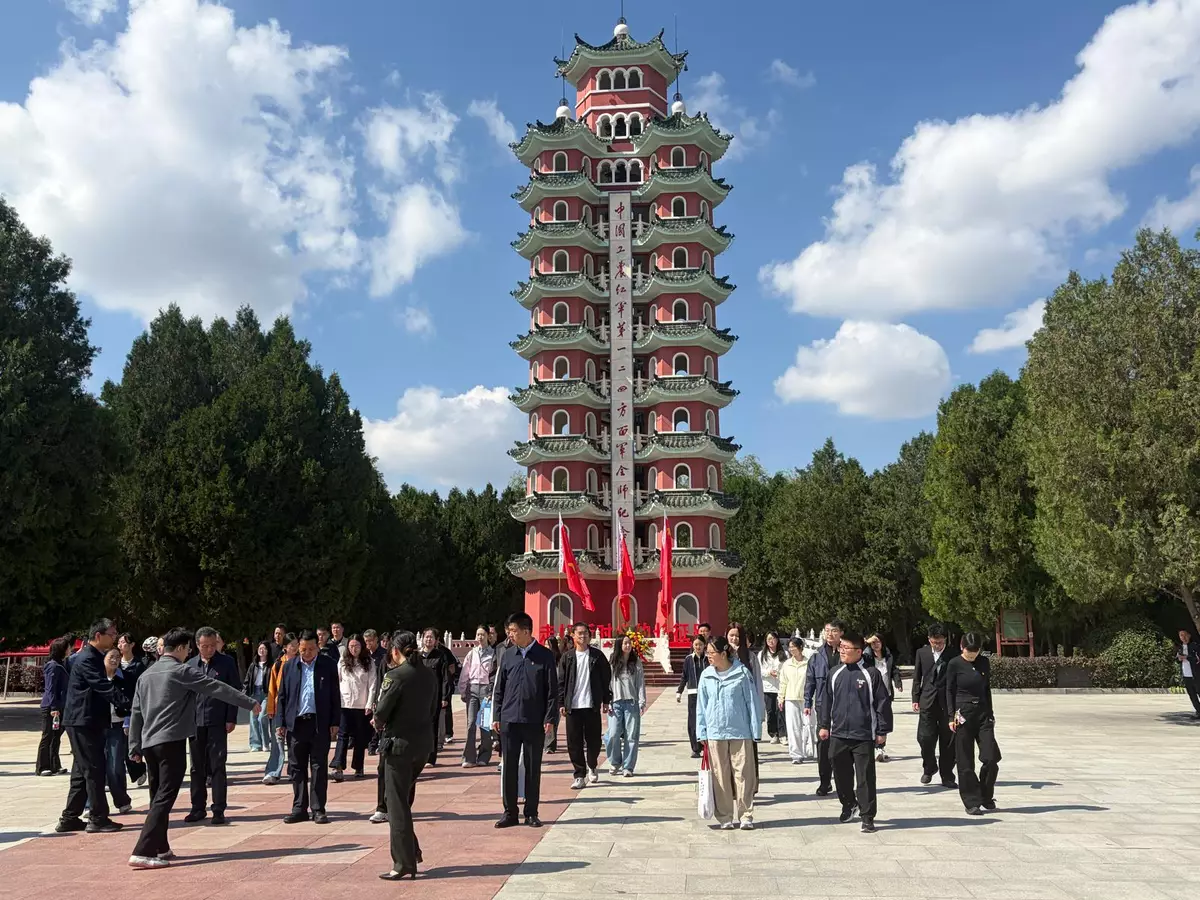
The Monument to the Red Army's Victory and Reunion in Huining, Photo by Bastille Post
Its name was inscribed by Deng Xiaoping, former leader of the Chinese Communist Party (CPC), on May 13, 1986. With three towers embracing one another and rising towards the sky, the monument symbolises the reunion of the three main forces at Huining. The tenth level, where the three towers merge into one, represents October 10, 1936, the day the three main forces of the Red Army achieved their grand reunion at Huining. The eleventh level, which crowns the structure, signifies not only the eleven provinces traversed by the Central Red Army during the Long March, but also the Red Army’s continued ascent under the unified leadership and command of the CPC Central Committee and the Central Military Commission, advancing to greater and more glorious victories on the revolutionary road ahead.
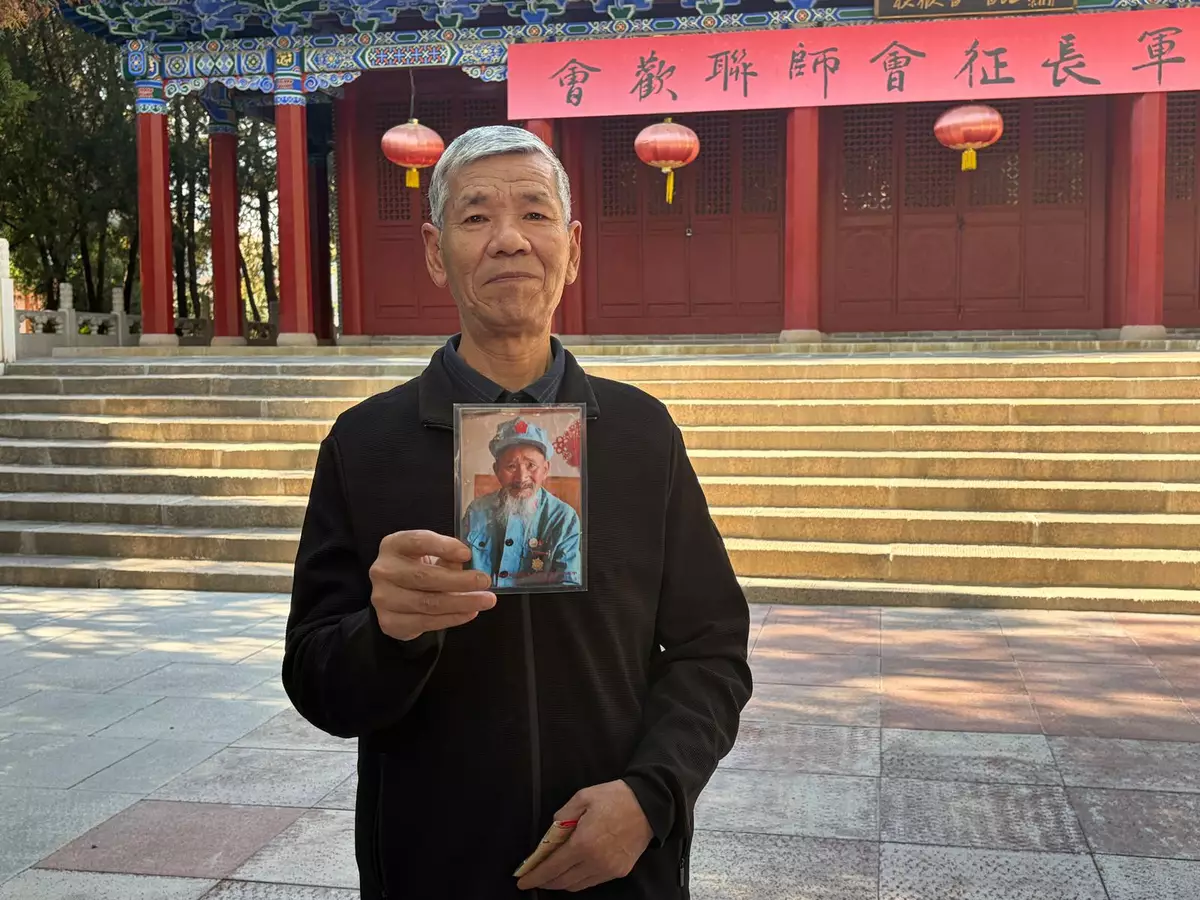
He Fangjun shows a photograph of his father, He Delin. Photo by Bastille Post
He Fangjun, a descendant of a Red Army soldier, He Delin, said that his father was born in Ningdu County, Jiangxi Province, in 1915. He joined the Ningdu Uprising at 15 or 16 and rose to the rank of squad leader of the 3rd Platoon, 9th Company, 3rd Regiment, 3rd Division, 1st Army Group, the First Front Army of the Red Army. Under the leadership of Mao Zedong, Zhou Enlai and Zhu De, he took part in five or six battles. According to He Fangjun, his father suffered two minor wounds and four serious injuries, and eventually recuperated in Huining, Gansu, where he married, had children and put down roots. His father named his three sons: He Fangjun, He Fanghong and He Fangbing, turning Long March memory into a family identity marker. He Fangjun said his father passed away in 2008 at the age of 94.
He Fangjun noted that as a Red Army descendant, he has a responsibility to pass on the Red Army’s experiences to the next generation, from teachers and students at universities, journalists across China, to primary and secondary school students in Huining, and further to residents from Hong Kong and Macao. He even said his son and nephew had both served in the military, carrying on the family tradition of “serving the motherland.”
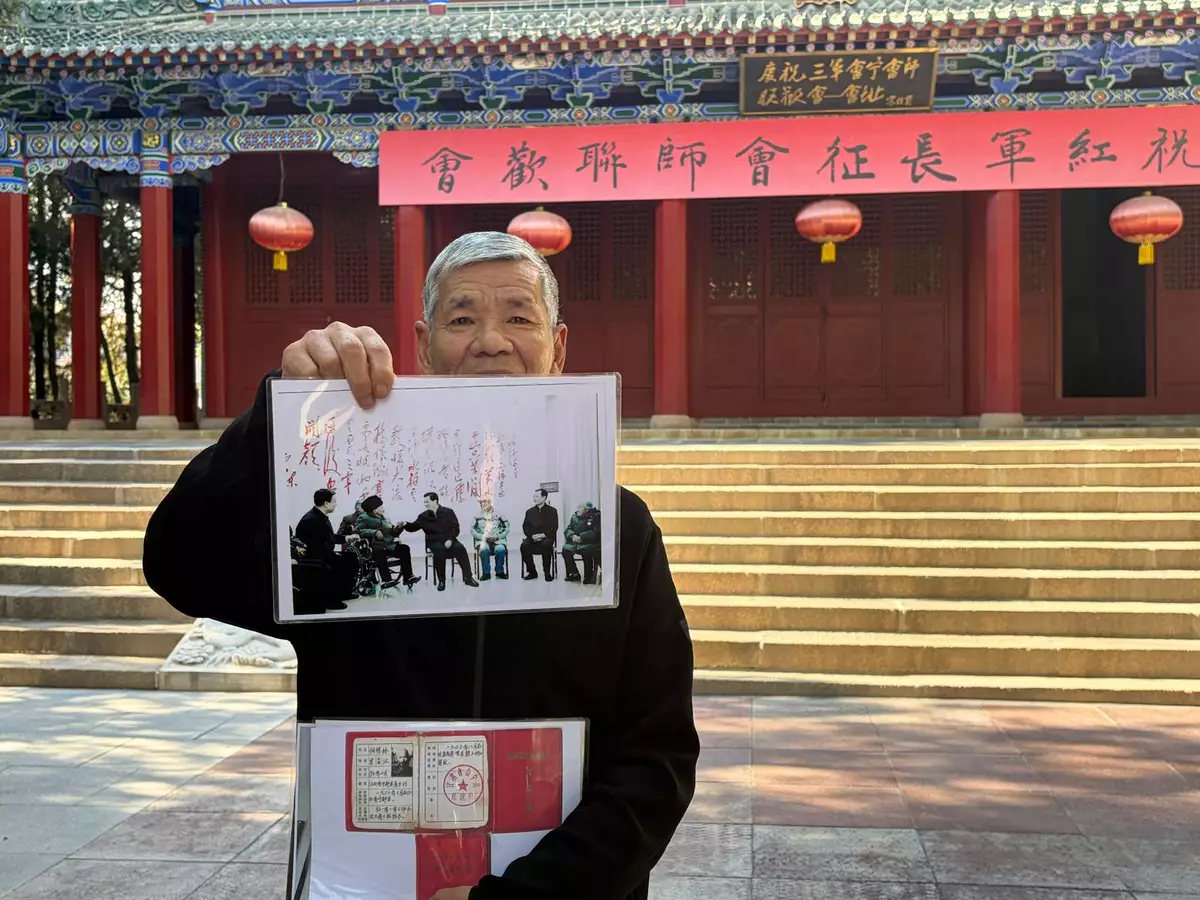
He Fangjun displays a photo of Former President Hu Jintao (third from left) and his father He Delin (second from left). Photo by Bastille Post
Marking the 90th anniversary of the Red Army’s Long March victory this year, He Fangjun said the Red Army soldiers exchanged their lives for liberation, and many are buried underground. If young people and the next generation forget revolutionary history, the meaning of their sacrifice will be erased. “What we must do today is remember the martyrs and join hands to build the Chinese Dream together.” He also called on the media to carry forward the Long March spirit, tell the Huining story well, and inspire the next generation with the Long March spirit to walk the new stretch of the Long March well.
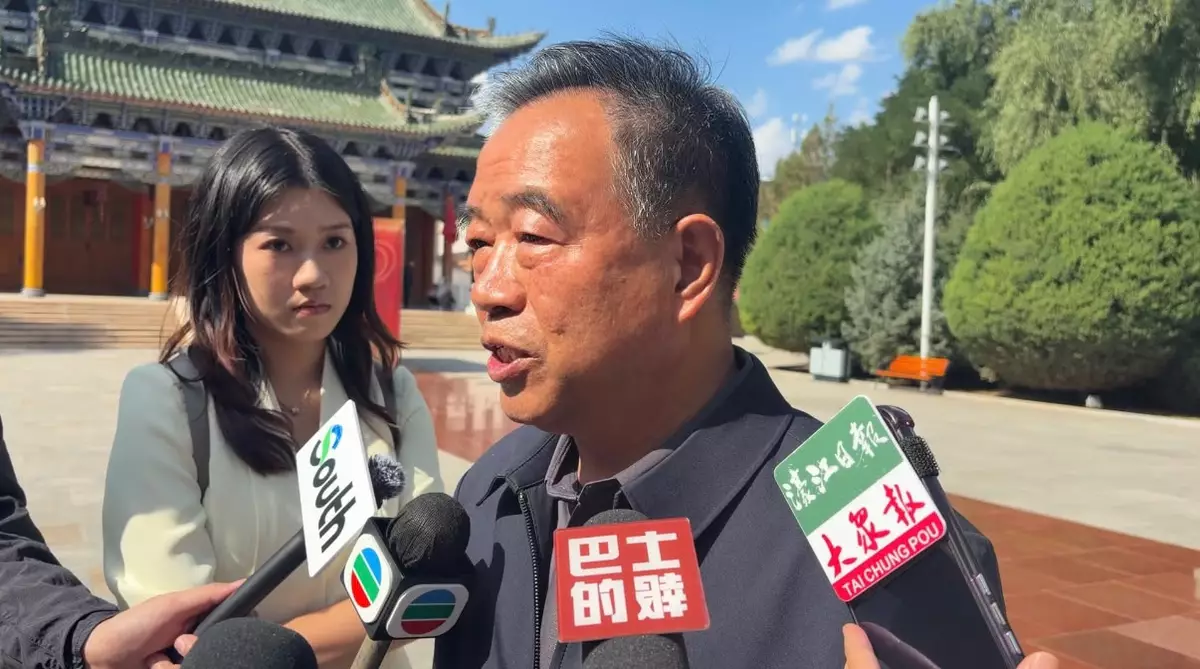
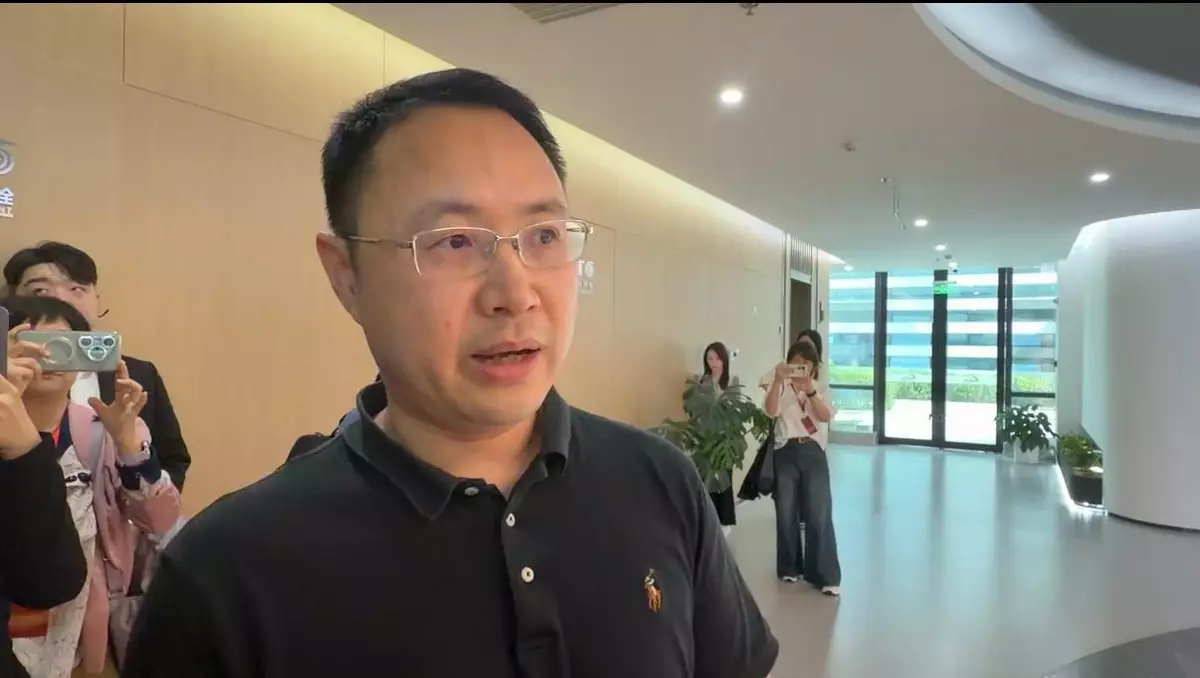
Du Yongsheng, former director of the Administrative Committee of the Red Army's Reunion Site in Huining and a docent of the CPC History, Photo by Bastille Post
Du Yongsheng, former director of the Administrative Committee of the Red Army's Reunion Site in Huining and a docent of the CPC History, said that Huining has received more than 6 million visitors over the past two decades. The main groups are CPC member delegations and primary, secondary and university students; it has even attracted foreign groups from Japan and other countries. These foreign groups regard China’s Long March spirit as a border-transcending spiritual asset that inspires corporate employees.
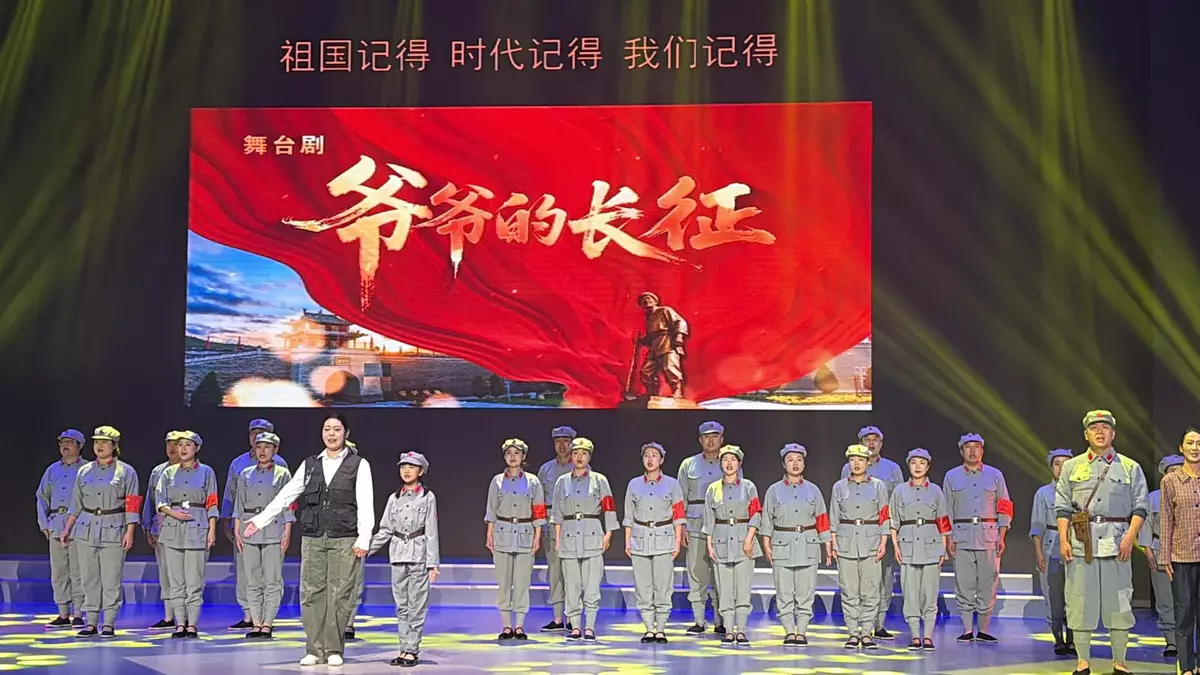
The stage play "Grandpa’s Long March," Photo by Bastille Post
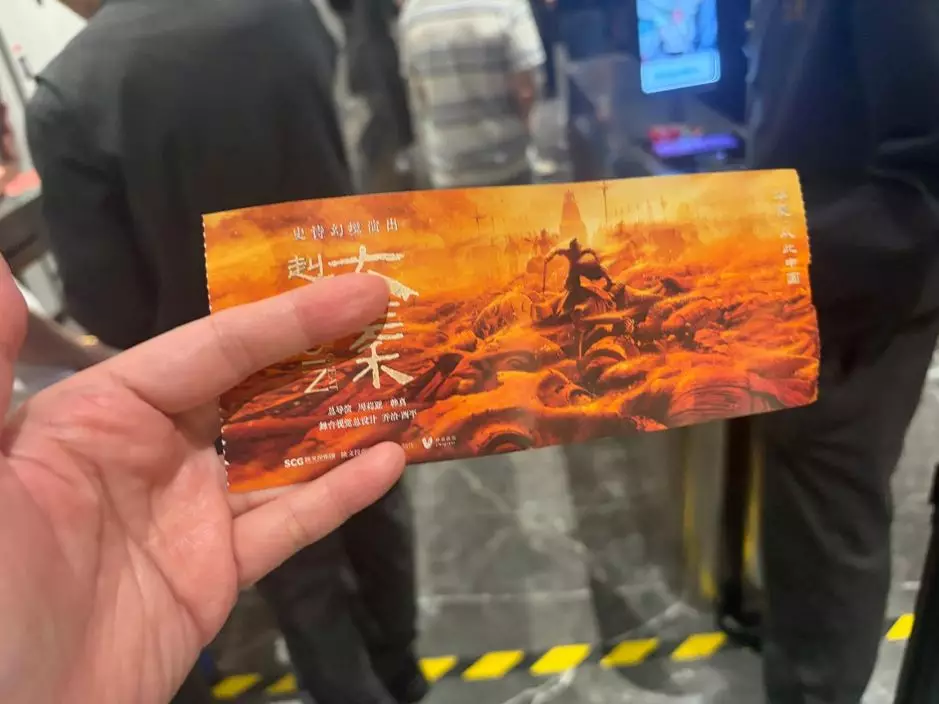
In the evening, the interview team attended the premiere of the stage play Grandpa’s Long March, a production specially designed to commemorate the 90th anniversary of the Red Army’s Long March victory. Before the performance, a large number of secondary school students were observed in attendance, many of them visibly excited and holding the play’s booklets for photos.
Grandpa’s Long March is based on the true story of Jiang Qilin, a farmer from Huining who guarded the tomb of Chai Hongru, Commander of the 93rd Division of the Red Army, for 22 years. The play unfolds through the time-travelling perspective of a young journalist from the Jiang family’s later generations. It uses the fate of ordinary individuals to reflect the great Long March spirit: everyone has a Long March in their heart, and the red commitment is passed down from generation to generation.
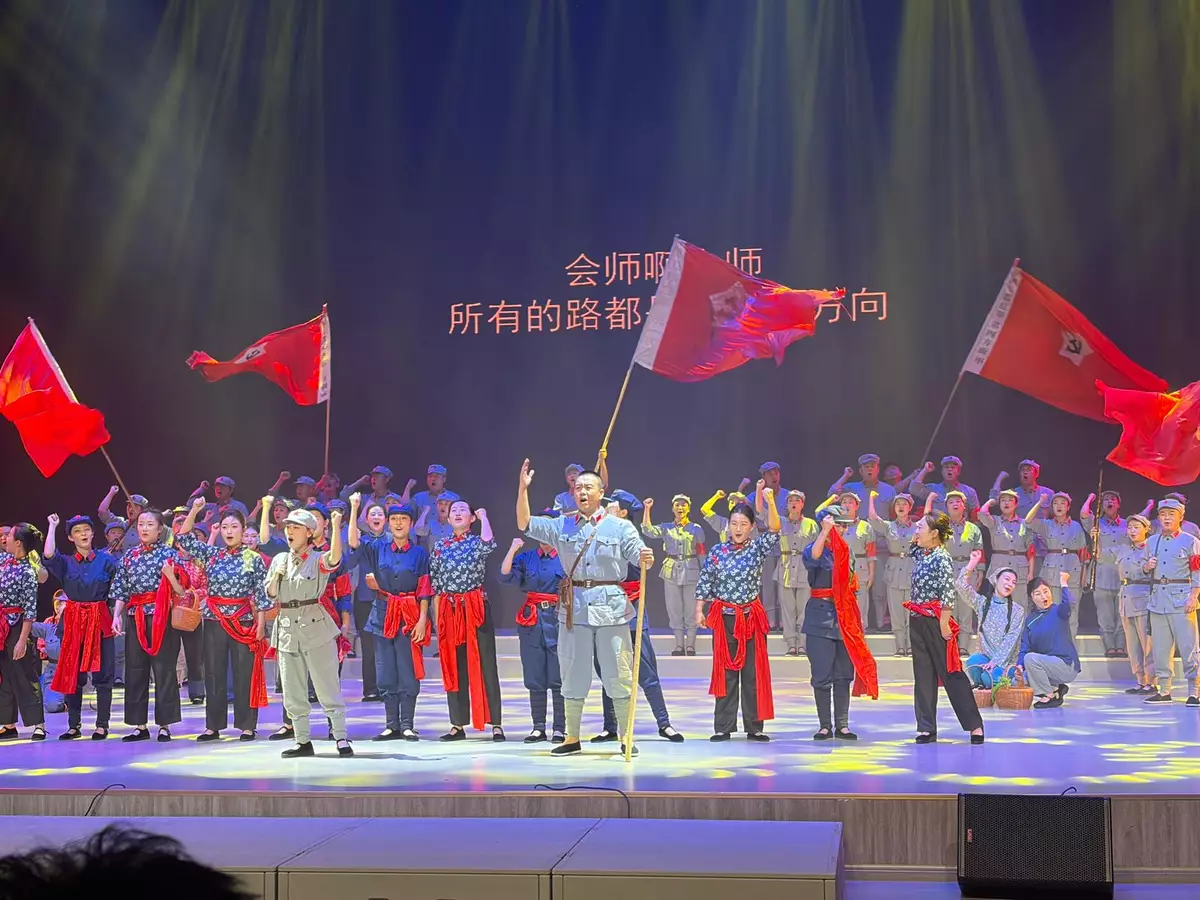
The stage play "Grandpa’s Long March," Photo by Bastille Post
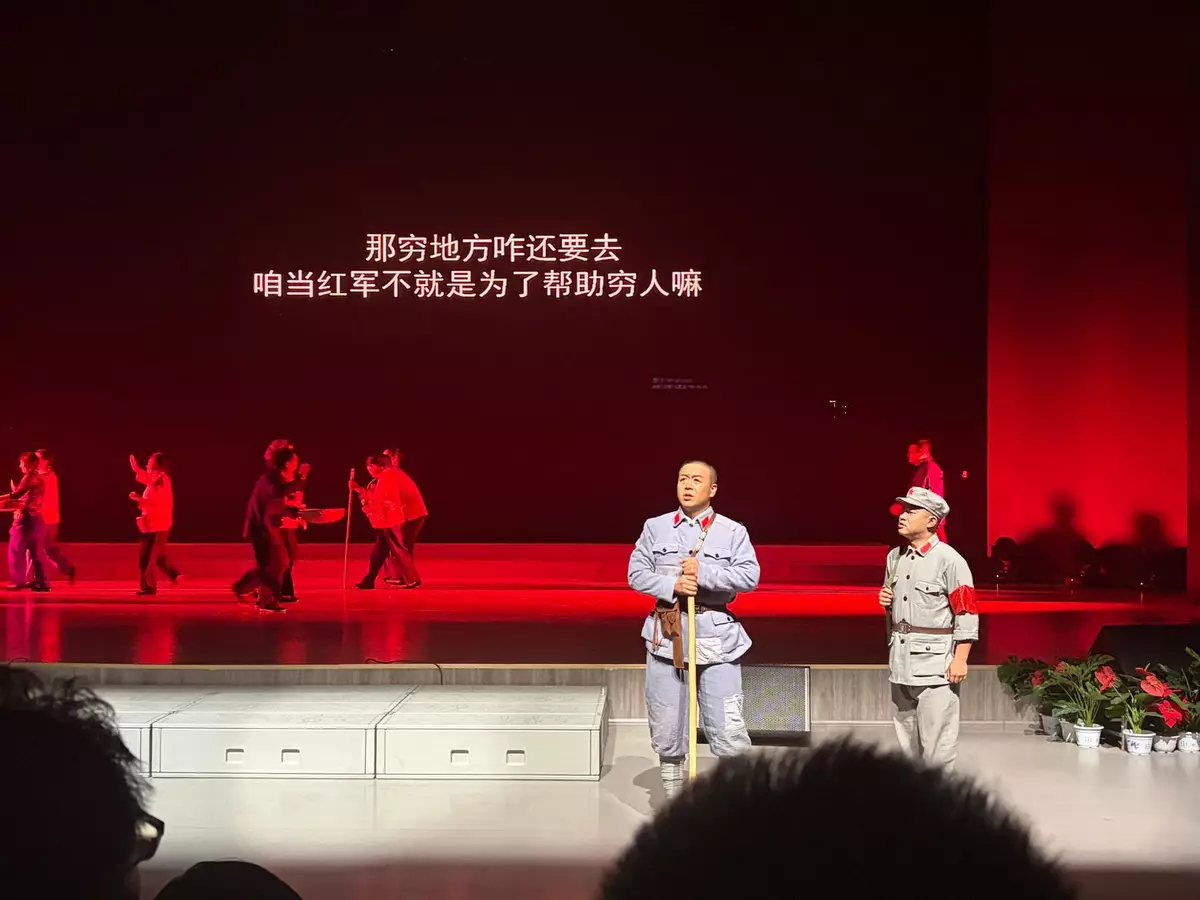
The stage play "Grandpa’s Long March," Photo by Bastille Post
Zhang Cheng, chief director of Grandpa’s Long March, noted that Long March stories are told and performed in Huining every year, but those have remained limited to short programmes, songs and dances. He noted that such formats “struggle to reach people’s hearts.” He wanted to shift to a theatrical form, using emotion and conflict to tell the story and to interpret the Long March spirit—the spirit of overcoming difficulties, bravery and tenacious inheritance—through artistic expression.
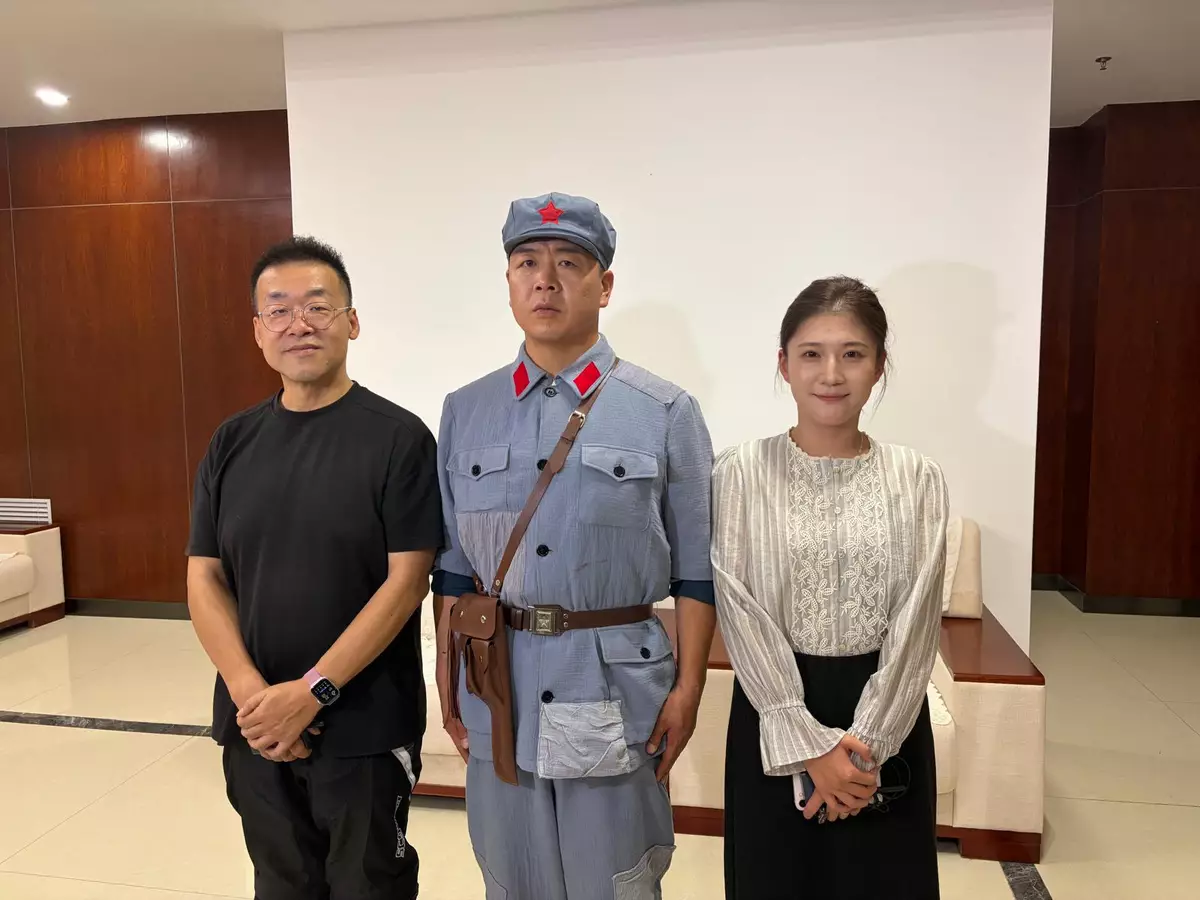
From left: Zhang Cheng, chief director of the stage play; Gao Wencheng, the actor who plays Division Commander Chai Hongru; and Jing Lu, executive director. Photo by Bastille Post
Asked about the play’s target audience, he said he hoped to attract the old, middle-aged and young generations. “The second performance is scheduled for October 15, and it will be staged again during Huining’s major festival events.” Zhang Cheng said that if audience response proves genuinely enthusiastic, he would consider entering the market and increasing the number of performances.