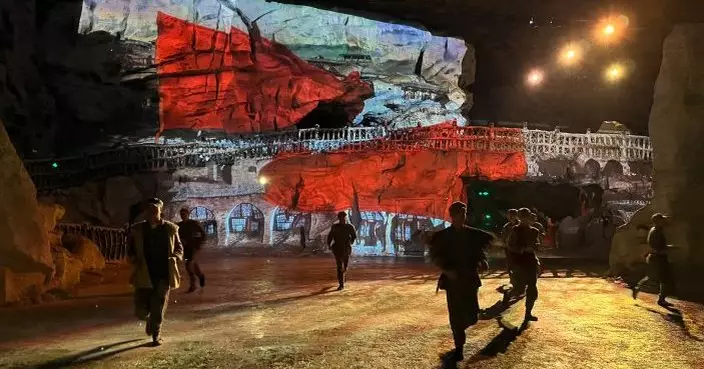
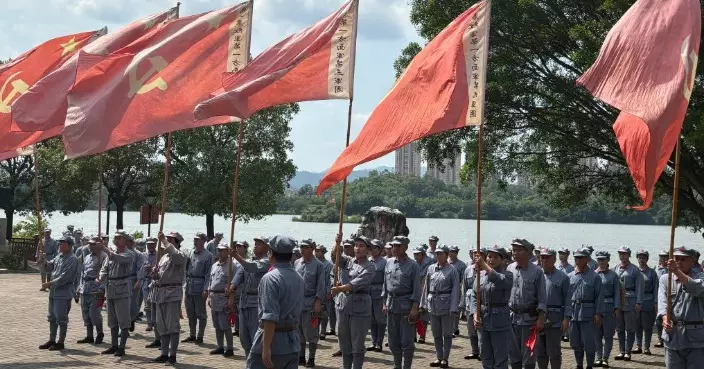
To mark the 90th anniversary of the victory of the Red Army’s Long March, the Hong Kong Federation of Journalists, the All-China Journalists' Association, the Guangdong Journalists Association and the Macao Journalists Association have launched a joint interview tour series titled “Retracing the Long March.” Following the Jiangxi tour and the Guizhou-Yunnan tour, the Shaanxi-Gansu tour is being held from September 18 to 24 in Gansu and Shaanxi provinces under the theme “Carrying Forward the Red Legacy of the Long March, Uniting the Synergy of the Greater Bay Area.”
Nearly 50 journalists from mainstream media across the Guangdong-Hong Kong-Macao Greater Bay Area are following in the footsteps of the Red Army, visiting revolutionary sites and rural revitalisation demonstration sites. The tour aims to provide in-depth coverage of the revitalisation and development achievements of the former revolutionary base areas, to revisit the previous momentous years and to pool strength for moving forward.
Click to Gallery
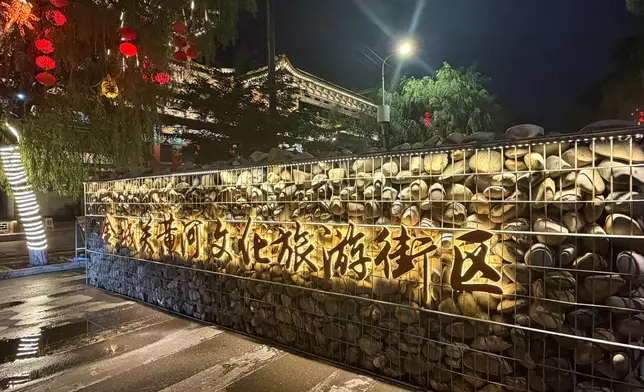
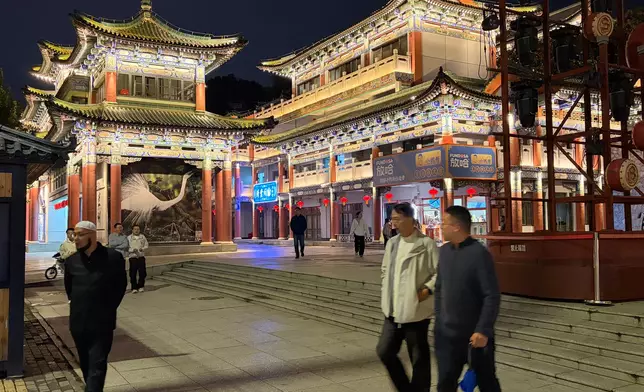
The Jinchengguan Yellow River Cultural Tourism Block, Photo by Bastille Post
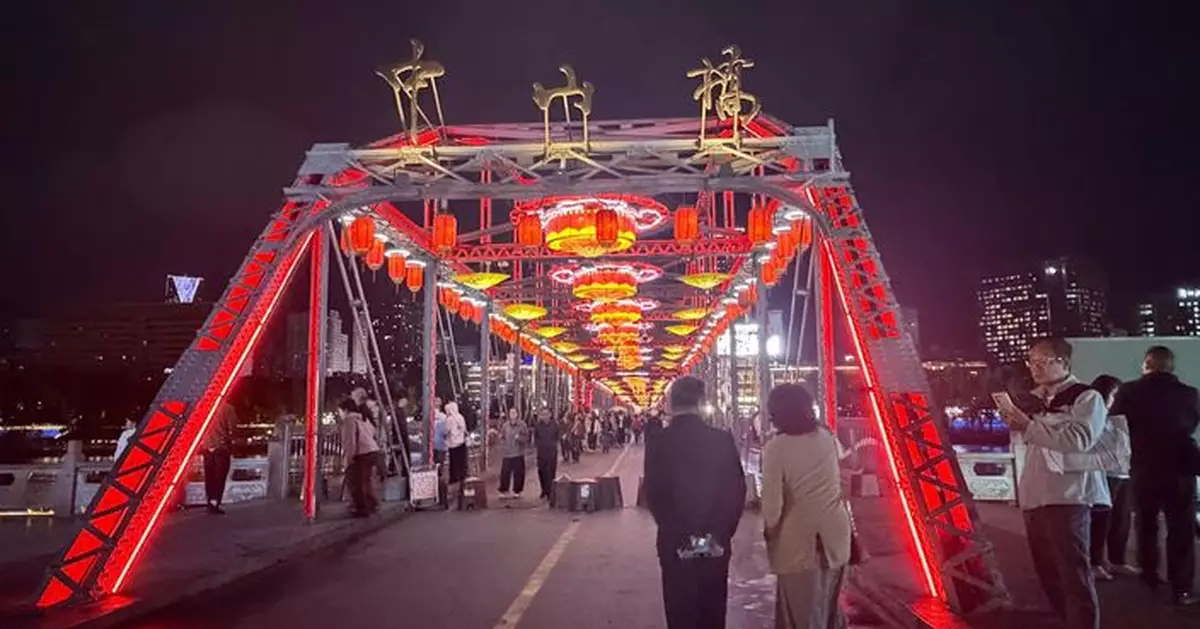
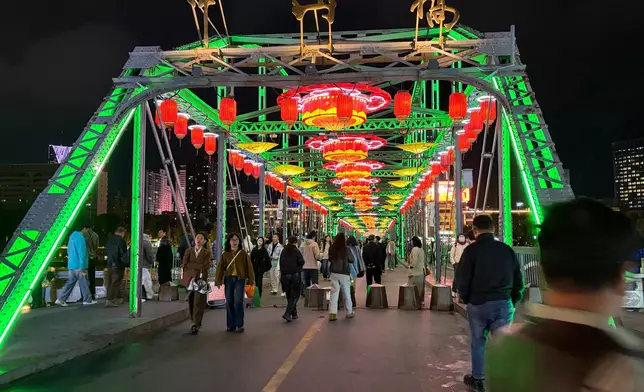
The Zhongshan Bridge, Photo by Bastille Post
The Jinchengguan Yellow River Cultural Tourism Block, Photo by Bastille Post
The Jinchengguan Yellow River Cultural Tourism Block, Photo by Bastille Post
The Zhongshan Bridge, Photo by Bastille Post
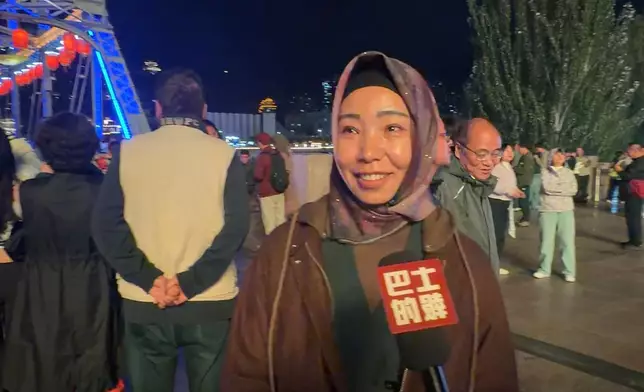
Ms. Ma Xuefang from Ningxia, Photo by Bastille Post
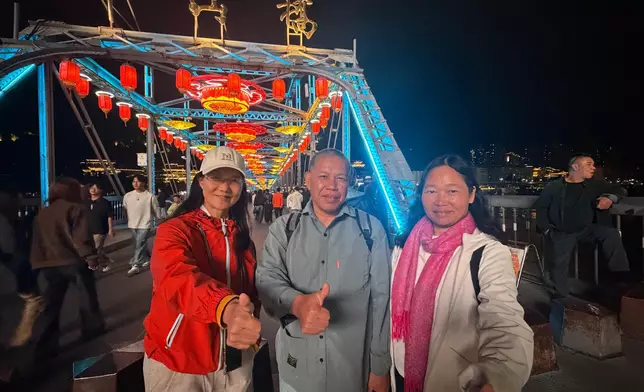
Ms. Tang, Mr. Chen, and Ms. Li from Guangxi, Photo by Bastille Post
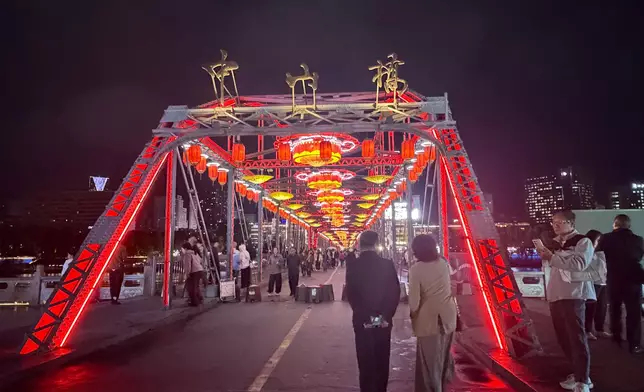
The Zhongshan Bridge, Photo by Bastille Post
The Zhongshan Bridge, Photo by Bastille Post
The Zhongshan Bridge, Photo by Bastille Post
The Zhongshan Bridge, Photo by Bastille Post
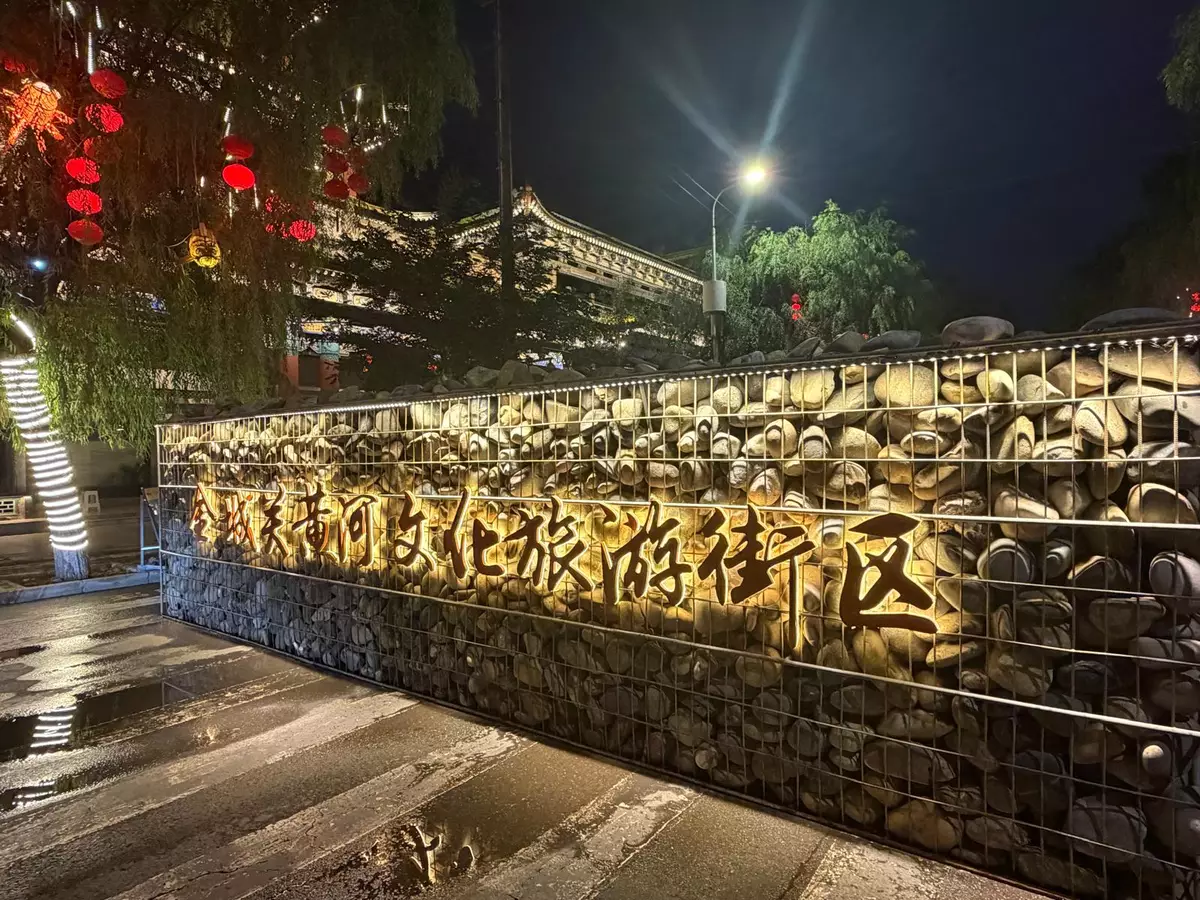
The Jinchengguan Yellow River Cultural Tourism Block, Photo by Bastille Post
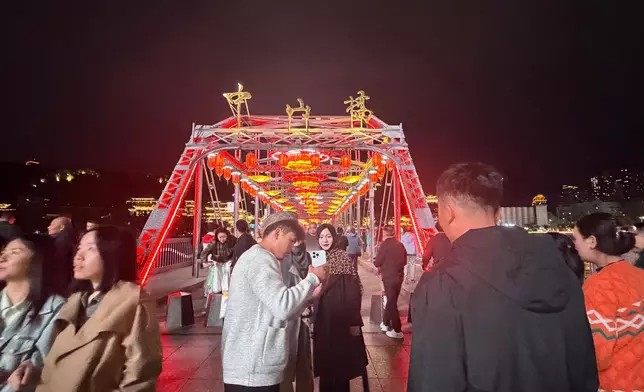
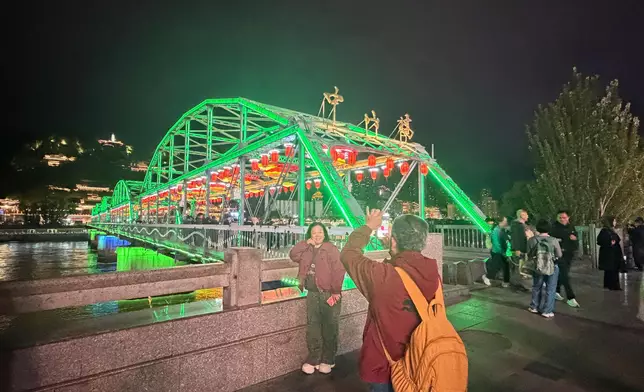
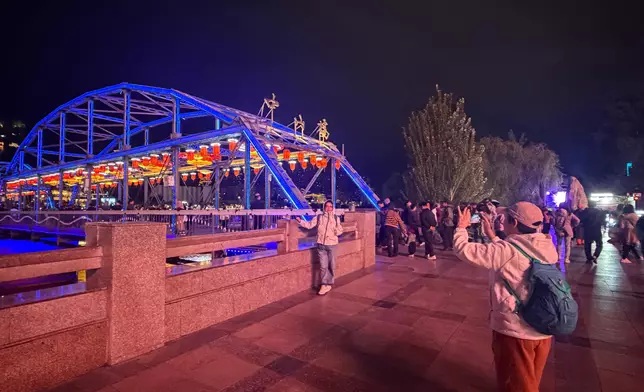
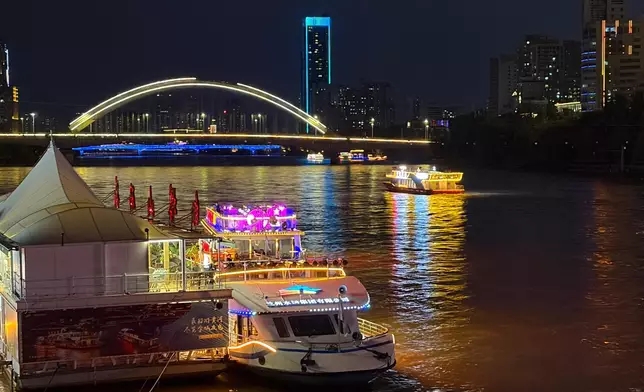
The Gansu media interview team made its first stop in Lanzhou, visiting the century-old landmark Zhongshan Bridge, renowned as the “First Bridge over the Yellow River.” The Zhongshan Bridge, an iron bridge spanning the Yellow River in Chengguan District, Lanzhou, Gansu Province, was built in 1907 and is 119 years old. Originally named the “Lanzhou Yellow River Iron Bridge,” it was later renamed “Zhongshan Bridge.” All construction materials were shipped from Germany to Tianjin in 1907, then transported to Lanzhou by the Gansu Foreign Affairs Bureau. The engineers were American W. T. Reeves and German De Rote, and the construction supervisor was Liu Yongqi from Tianjin. The workforce consisted mainly of 69 craftsmen, both Chinese and foreign, hired by German merchants. The bridge took three years to complete at a cost of over 306,000 taels of silver. Known as the “First Bridge over the Yellow River,” Zhongshan Bridge is 234 meters long and 7.5 meters wide. In old China, it was listed alongside the Daokou Iron Bridge in Jinan and the Zhengzhou Iron Bridge as one of the three major bridges over the Yellow River. In 1928, it was renamed “Zhongshan Bridge” in memory of Dr. Sun Yat-sen, a name that continues to be used today.
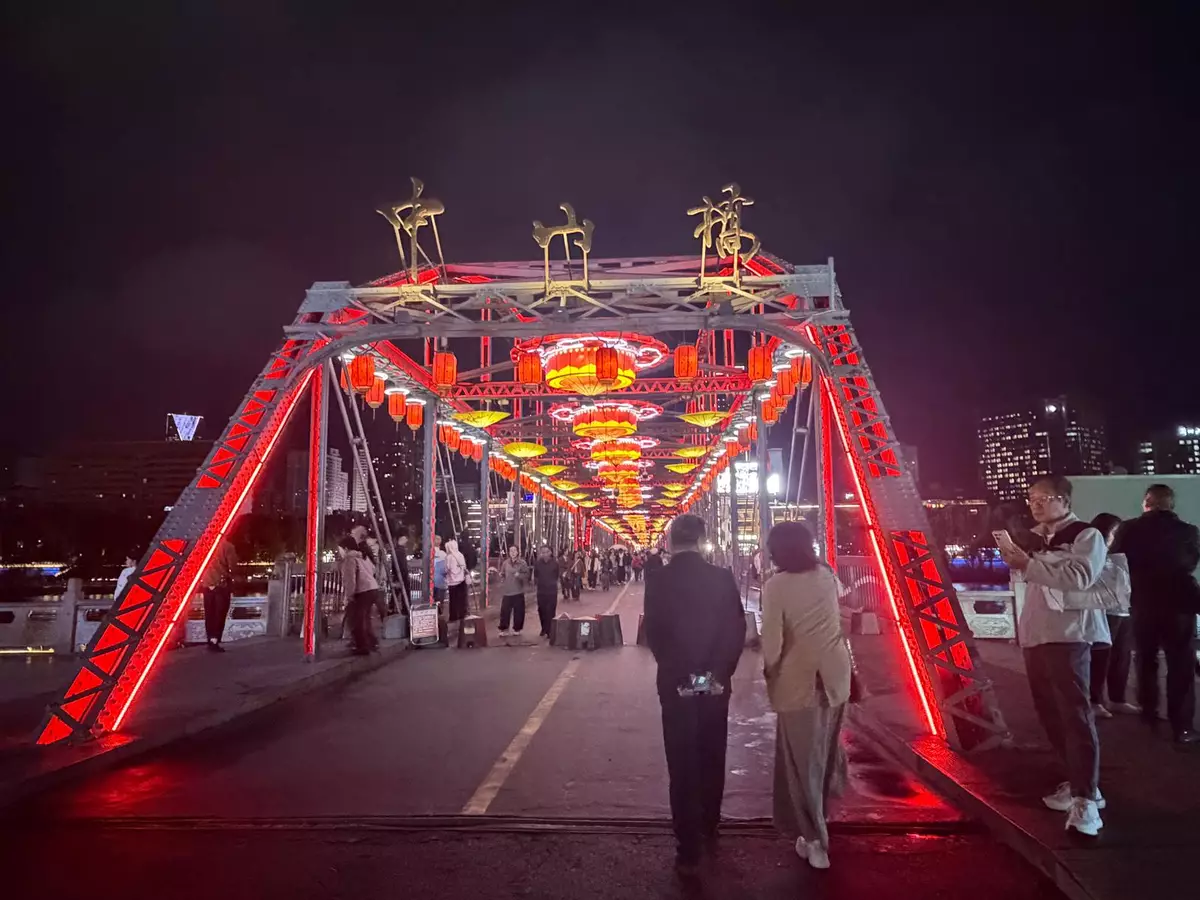
The Zhongshan Bridge, Photo by Bastille Post
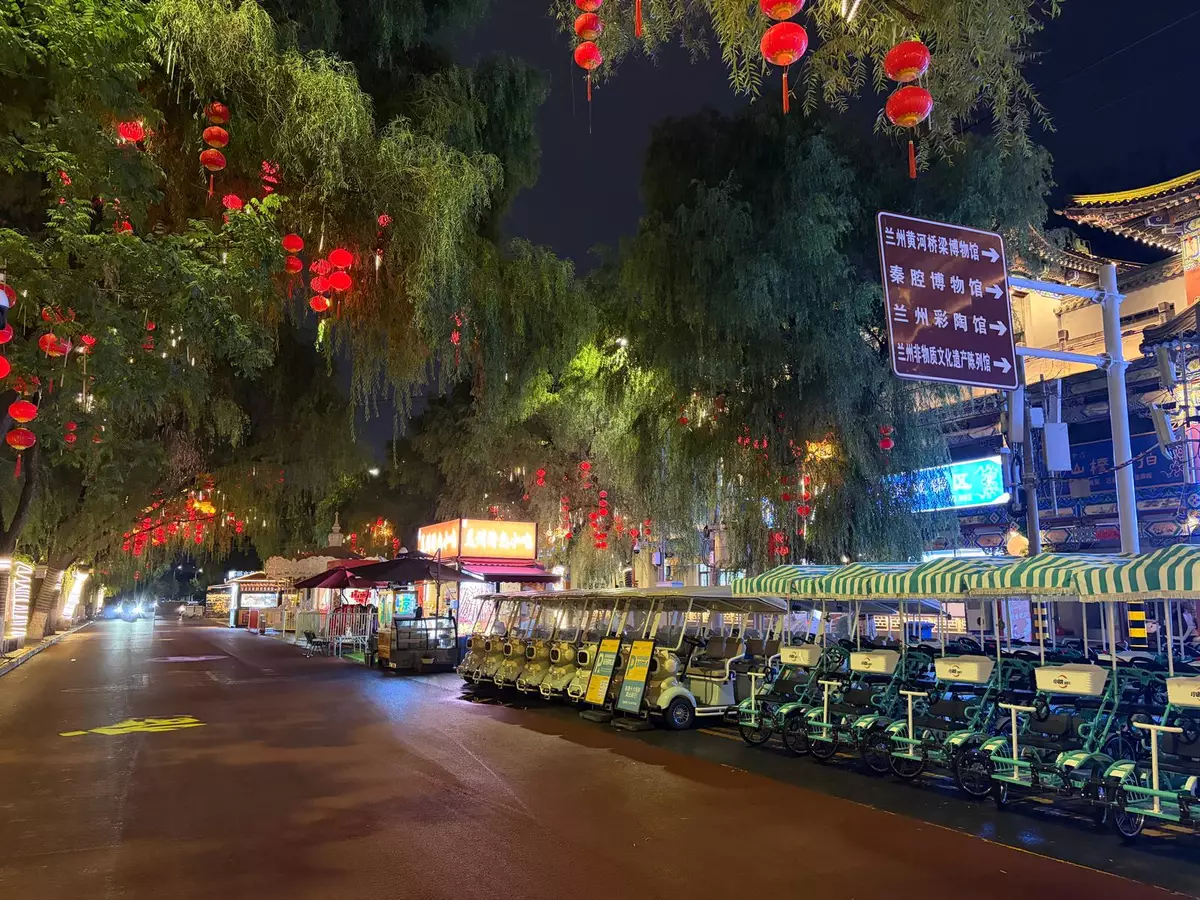
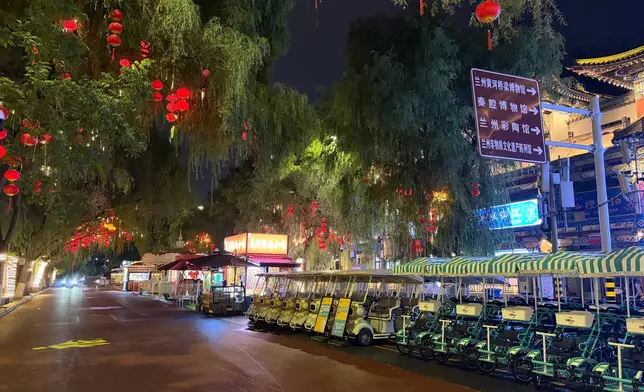
The Jinchengguan Yellow River Cultural Tourism Block, Photo by Bastille Post
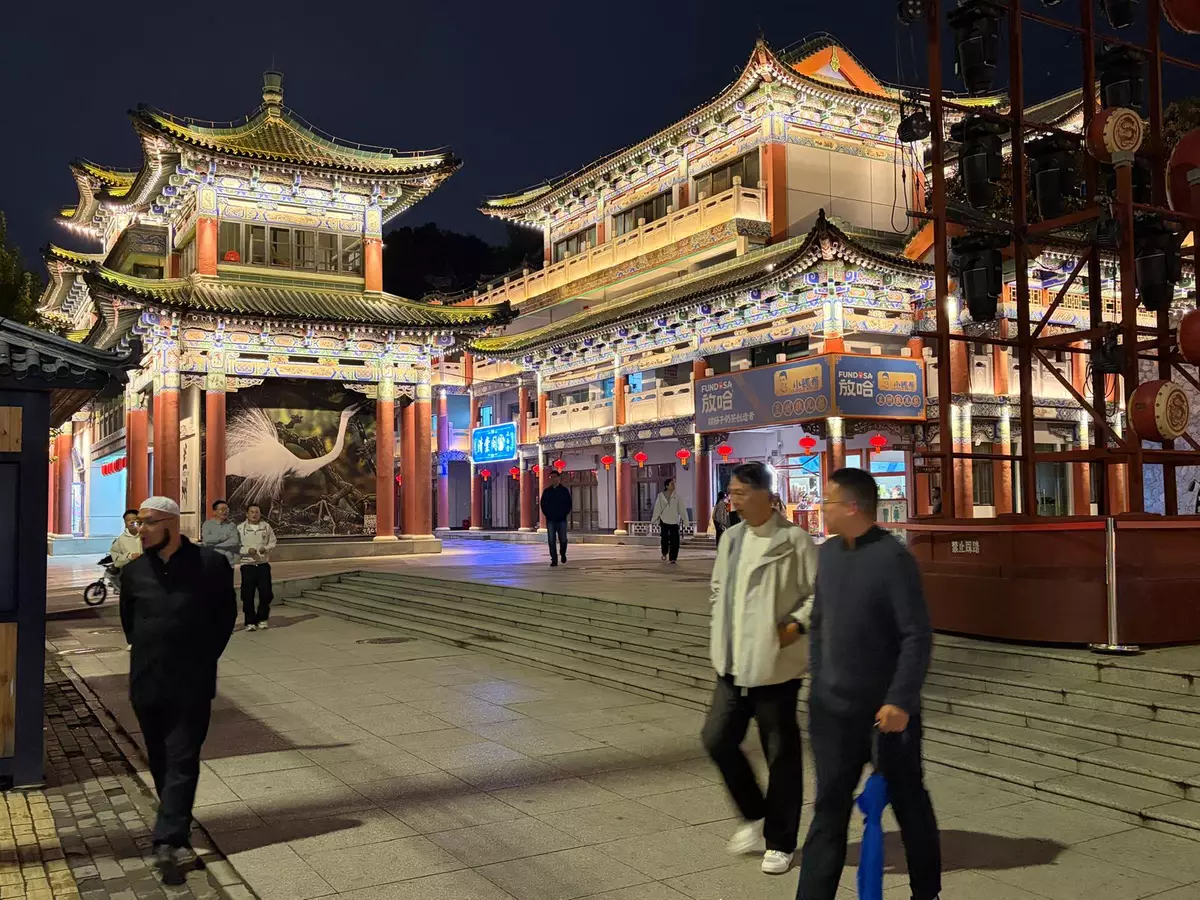
The Jinchengguan Yellow River Cultural Tourism Block, Photo by Bastille Post
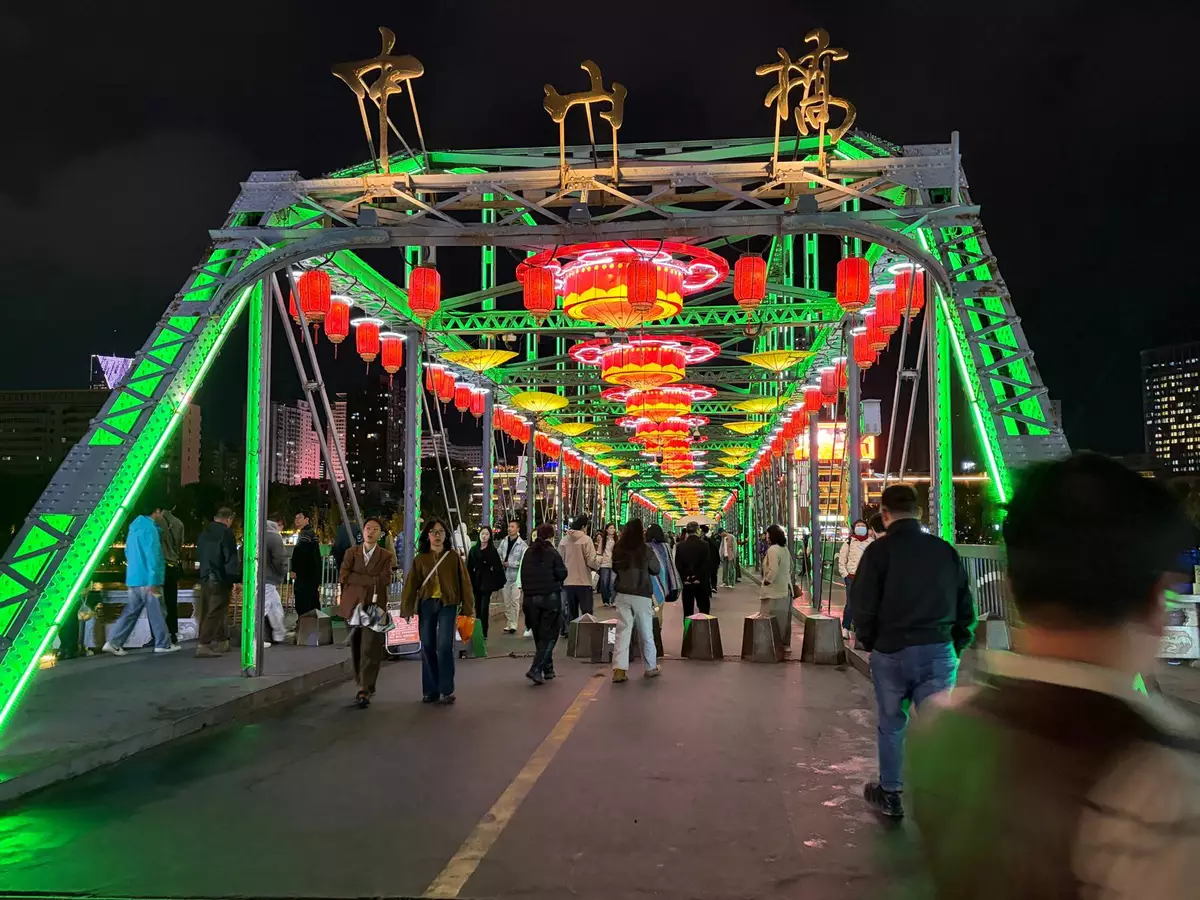
The Zhongshan Bridge, Photo by Bastille Post
Ms. Ma Xuefang from Ningxia said she has long been active in the Lanzhou area. She considers Zhongshan Bridge a “must-visit place in Lanzhou” rather than an ordinary tourist attraction. She even regards the bridge as a fixed spot for recording family moments. On every visit, she takes photos, allowing her to witness her children growing up “from tiny to grown-up," creating a powerful sense of memory and a striking contrast across time. She mentioned that her grandfather had also spoken about Zhongshan Bridge, telling her stories of the Chinese Civil War.
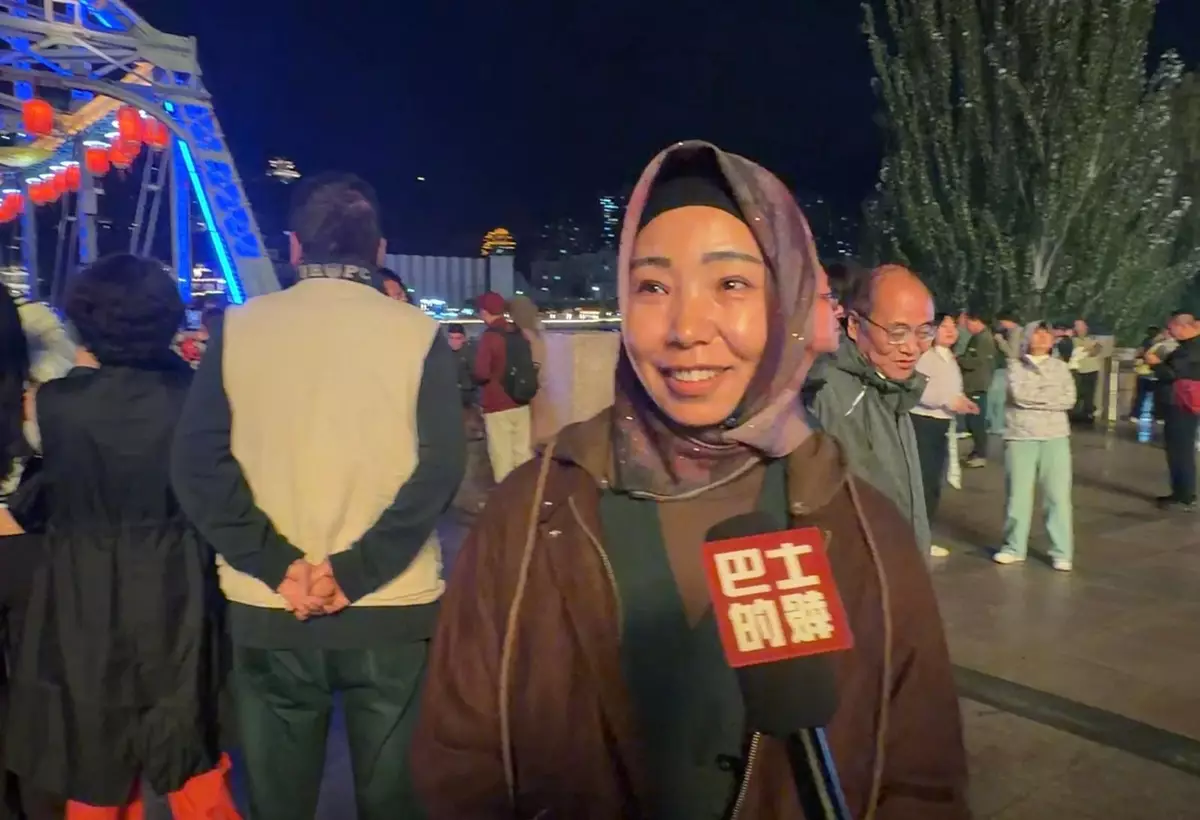
Ms. Ma Xuefang from Ningxia, Photo by Bastille Post
The bridge also attracted visitors from Guangxi, including Ms. Tang, Mr. Chen, and Ms. Li, all visiting Lanzhou for the first time. Ms. Tang found it “remarkable” that Zhongshan Bridge remains in good condition after a century, contrasting this with the advanced level of modern Chinese infrastructure, which further highlights its historical significance.
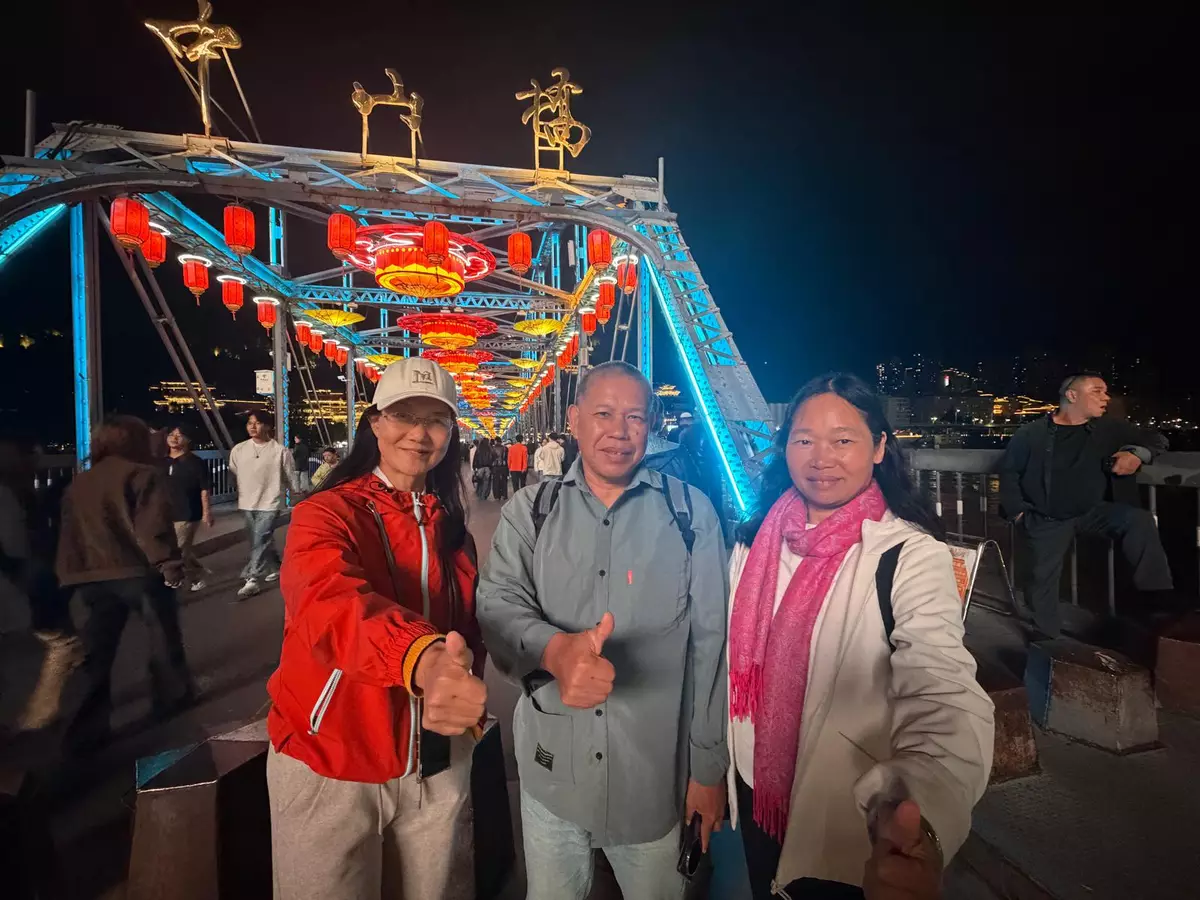
Ms. Tang, Mr. Chen, and Ms. Li from Guangxi, Photo by Bastille Post
Mr. Chen praised Lanzhou beef noodles and hand-grabbed mutton as very delicious. Ms. Li affirmed the urban landscape and development speed of Northwest China, noting that the scale of Dunhuang Night Market “can compare with those in Beijing, Shanghai and Guangzhou,” or is even larger. All three agreed that Lanzhou's prices are “about the same” as Guangxi’s, within an affordable range, and said they would visit Lanzhou again.
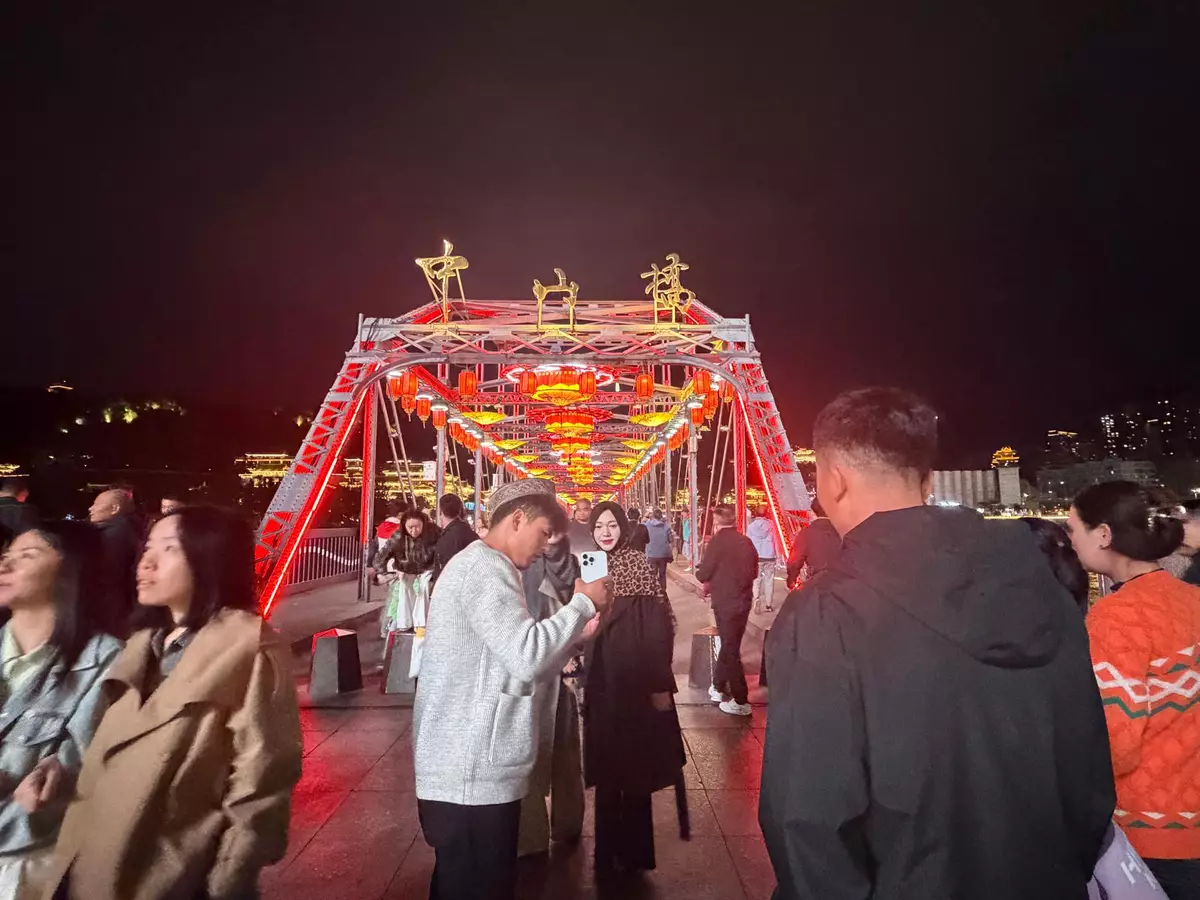
The Zhongshan Bridge, Photo by Bastille Post
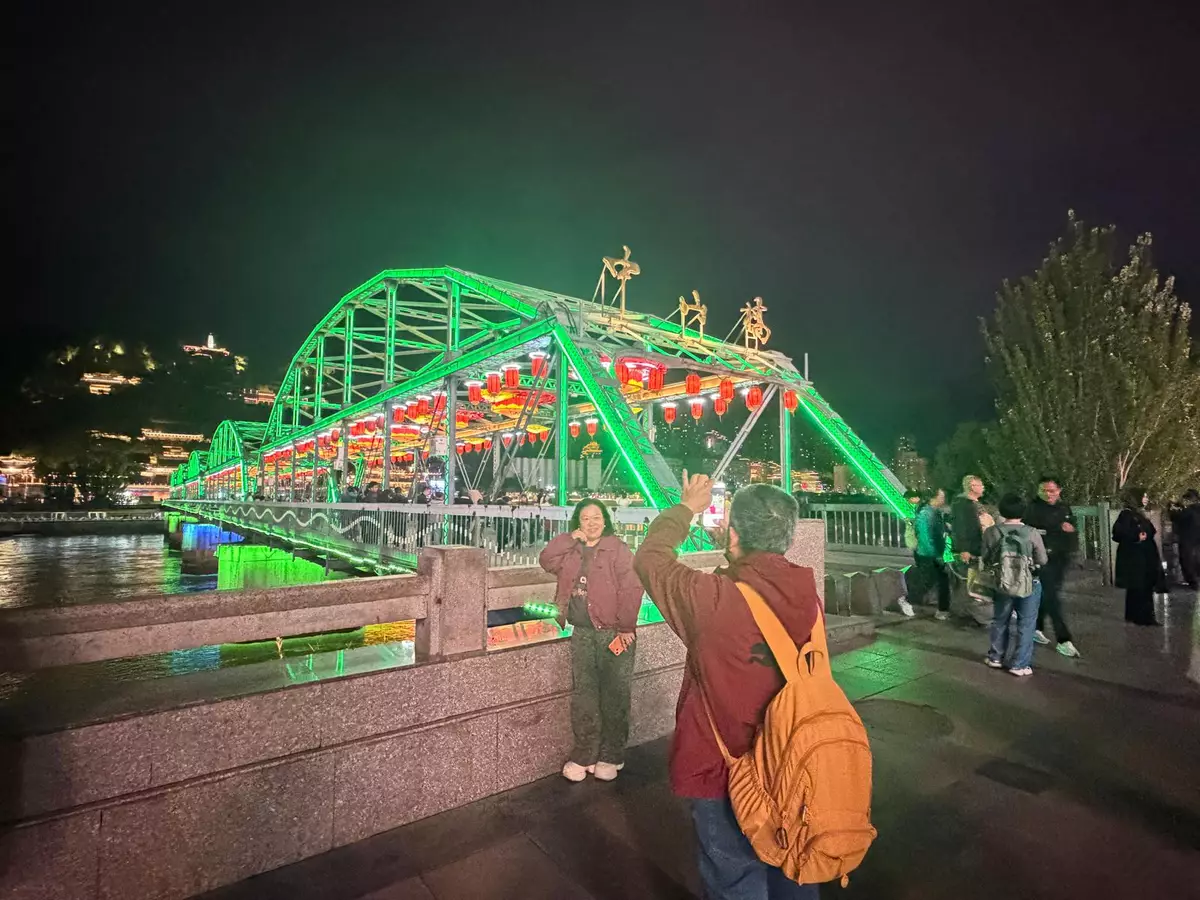
The Zhongshan Bridge, Photo by Bastille Post
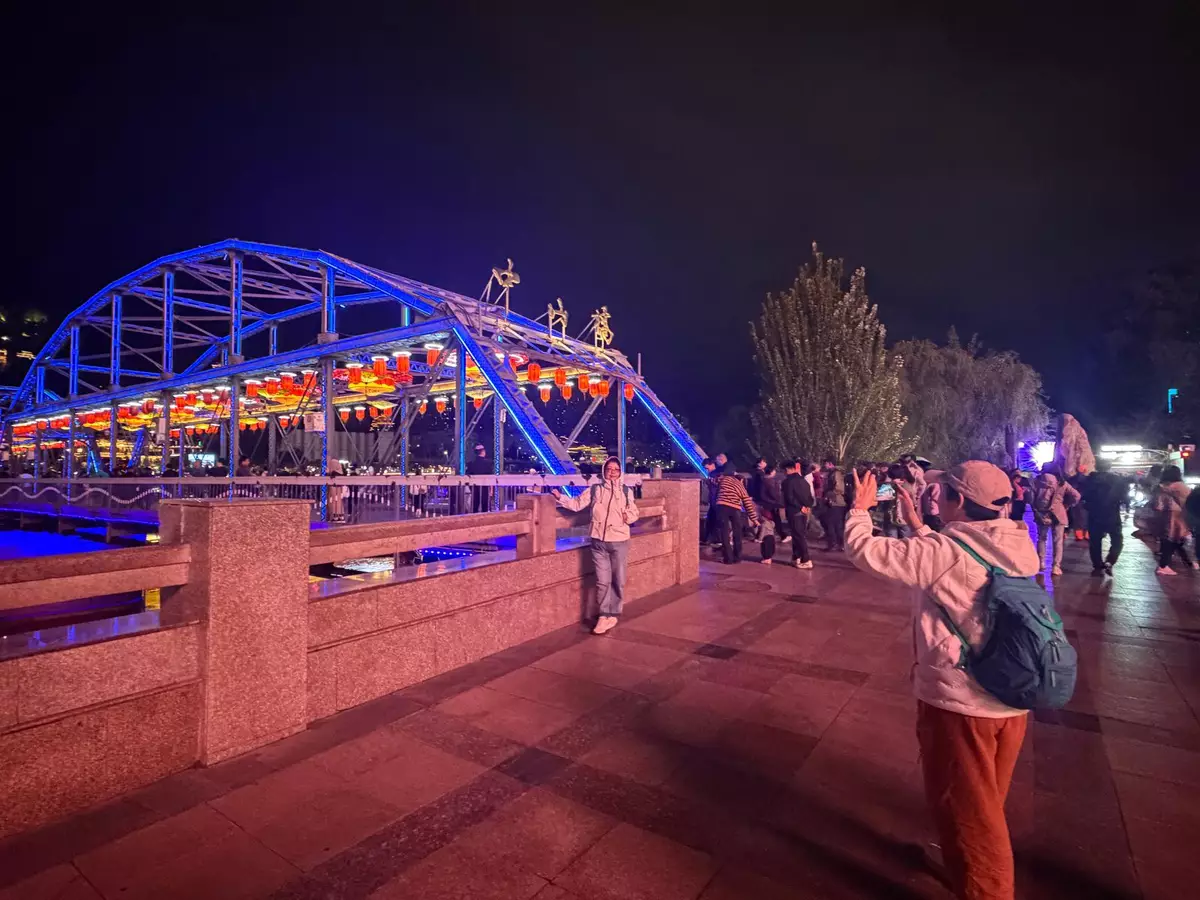
The Zhongshan Bridge, Photo by Bastille Post
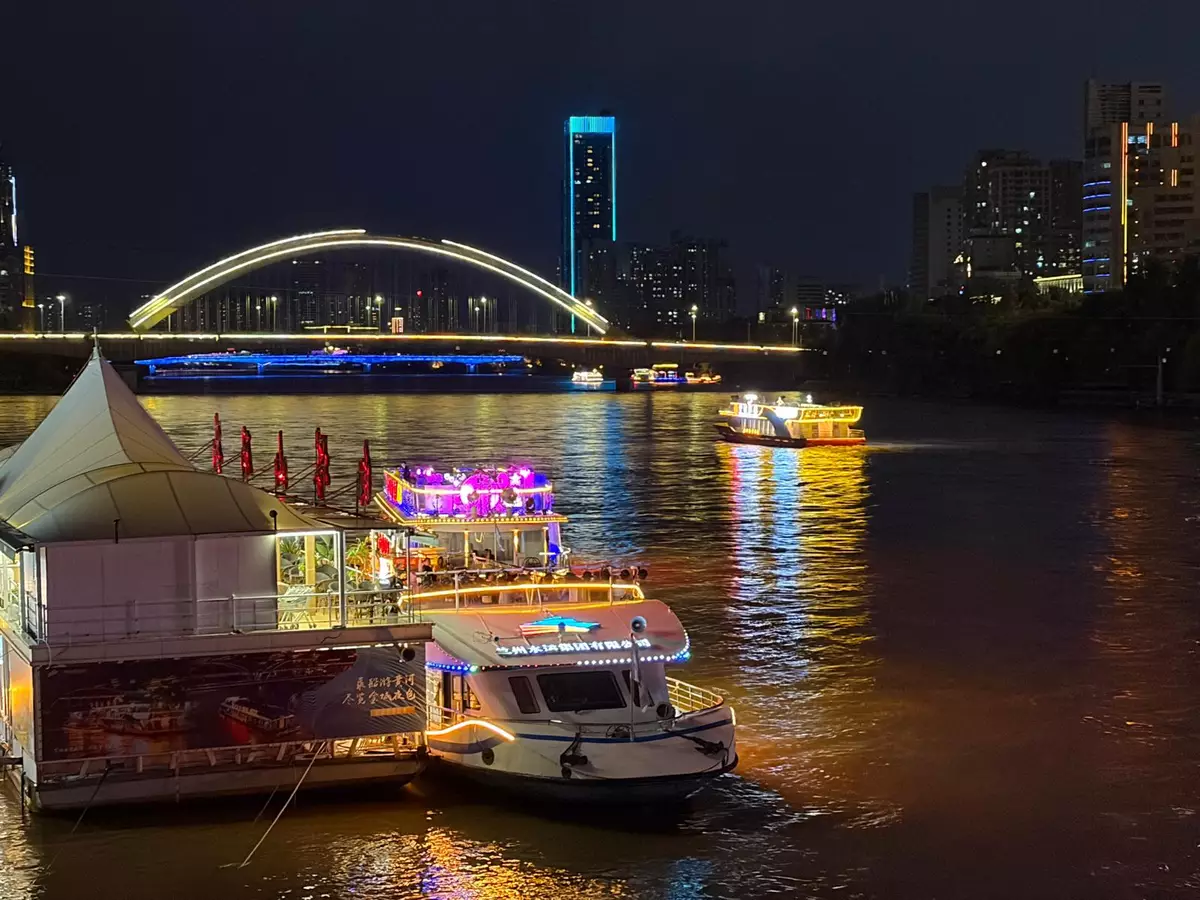
The Zhongshan Bridge, Photo by Bastille Post
The media delegation from the Guangdong-Hong Kong-Macao Greater Bay Area, on a "Retracing the Long March" reporting trip through Guizhou and Yunnan, visited Zunyi, including the Zunyi Conference Memorial Hall and the Zunyi 1935 Street. In this revolutionary heartland, they traced the historic turning point of the Long March and witnessed how the "City of Turning Point" weaves its revolutionary heritage into the fabric of everyday life.
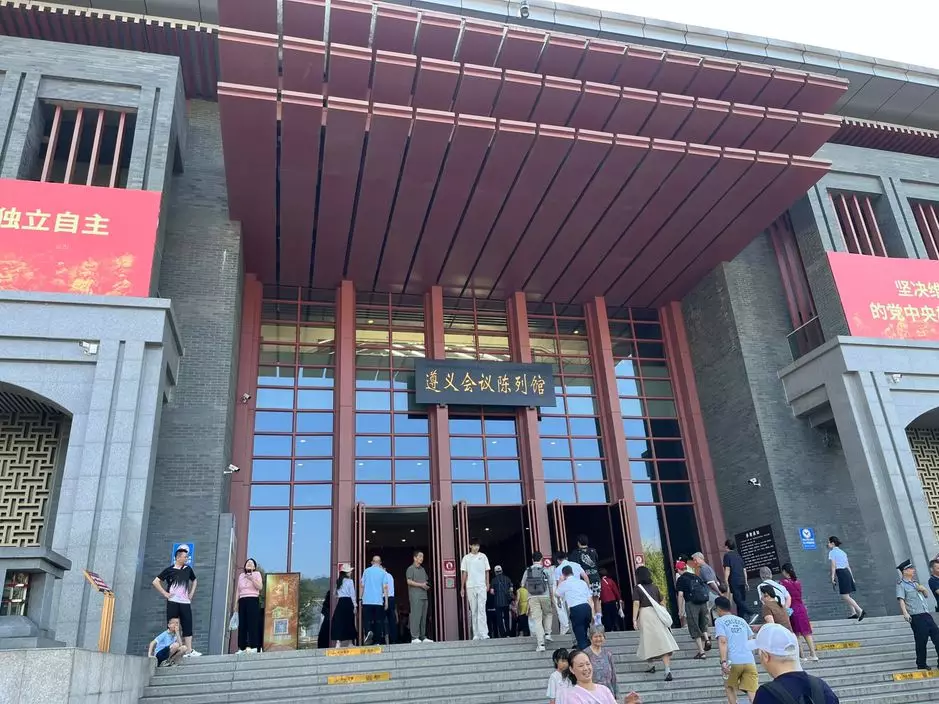
The Zunyi Conference Memorial Hall, Photo by Bastille Post
The Zunyi Conference was a meeting held in January 1935 when the Red Army passed through Zunyi, Guizhou, during the Long March. The meeting corrected "leftist" errors in military command and established the correct leadership with Mao Zedong.
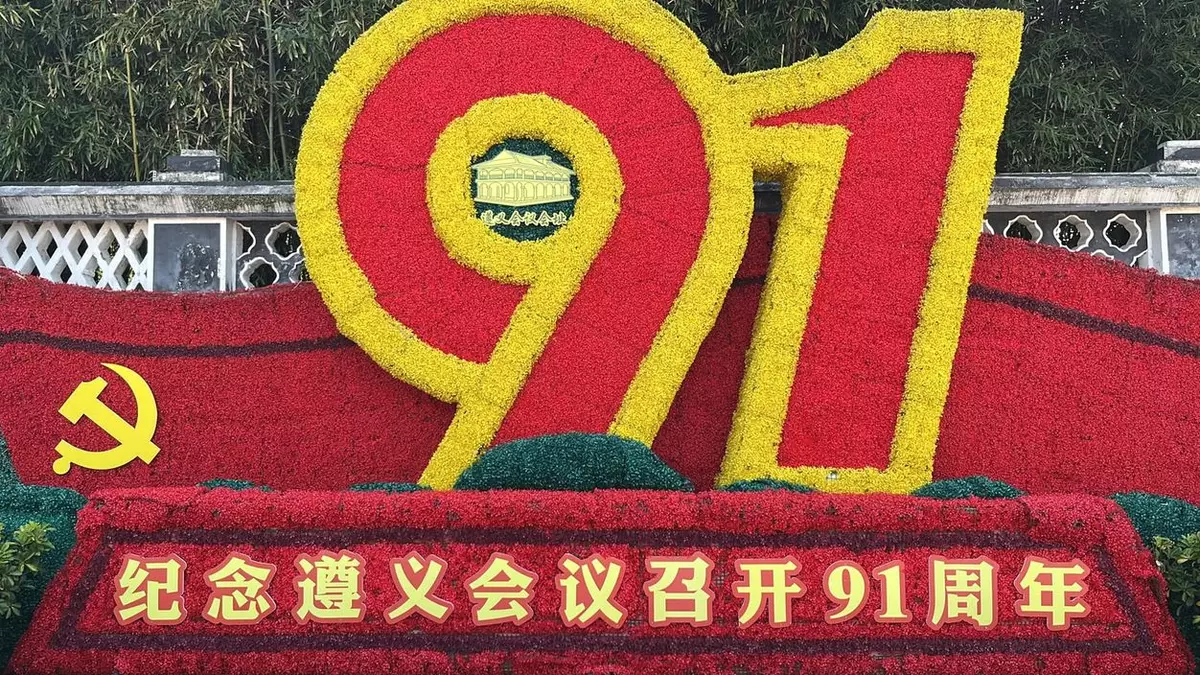
The Zunyi Conference Memorial Hall, Photo by Bastille Post
Following the conference, under Mao Zedong's guidance, the Red Army employed flexible, mobile warfare, securing a series of major victories, including the second crossing of the Chishui River, the recapture of Loushan Pass, and the reoccupation of Zunyi. These successive triumphs gradually enabled the Red Army to break free from enemy encirclement and complete its strategic shift.
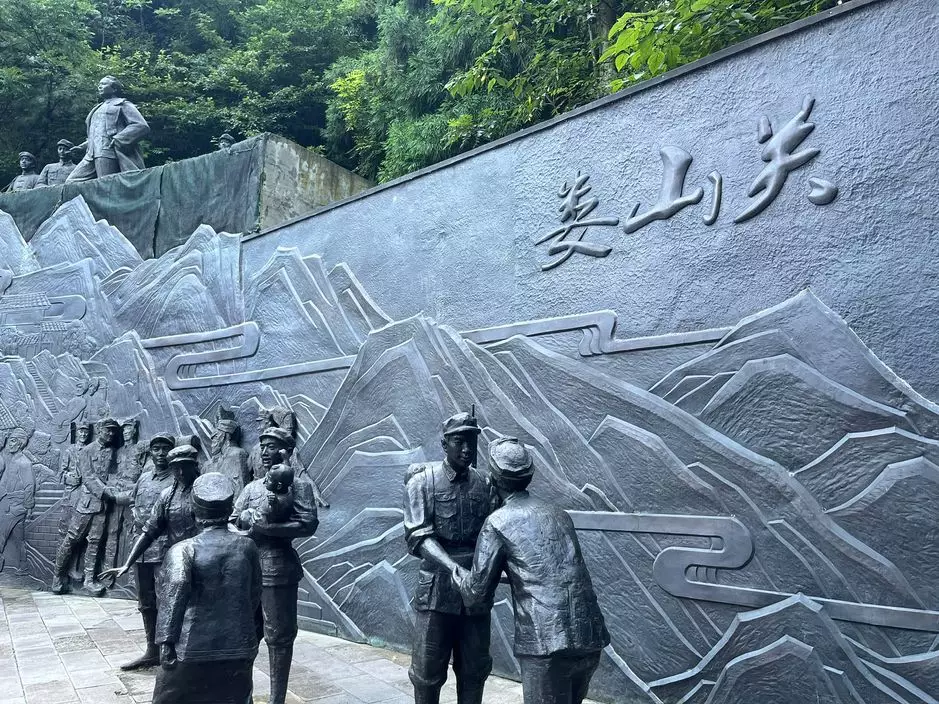
The Loushan Pass, Photo by Bastille Post
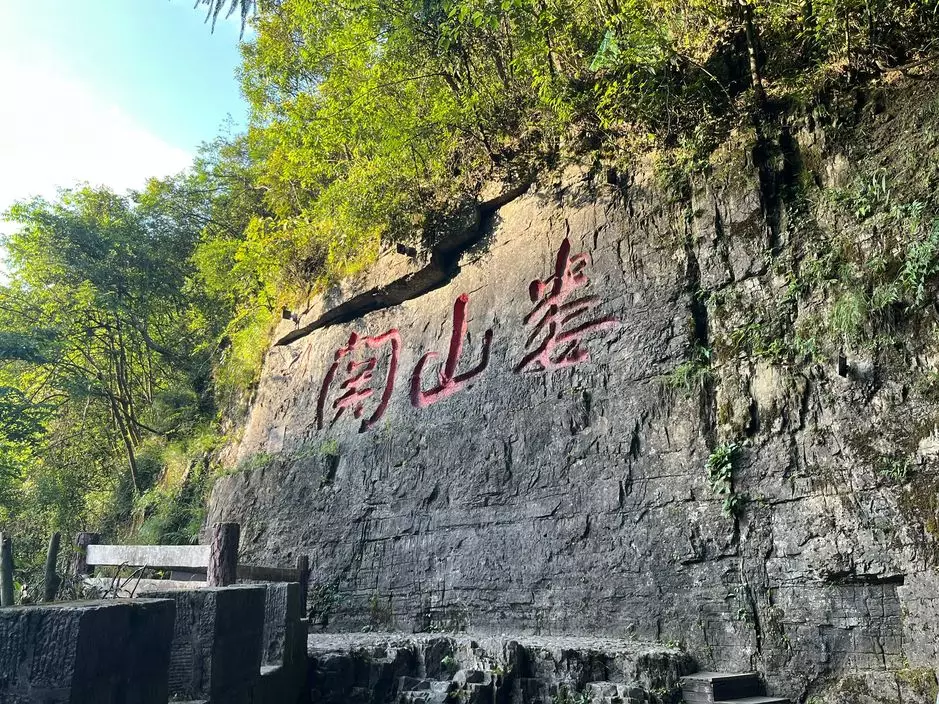
The Loushan Pass, Photo by Bastille Post
At the Zunyi Conference Memorial Hall, faded photographs, wartime relics, and time‑worn manuscripts tell the stories of the legendary march. Visitors who linger over these exhibits can gain a vivid glimpse of the rugged terrain the Red Army once crossed, and sense the unwavering faith that carried them through.
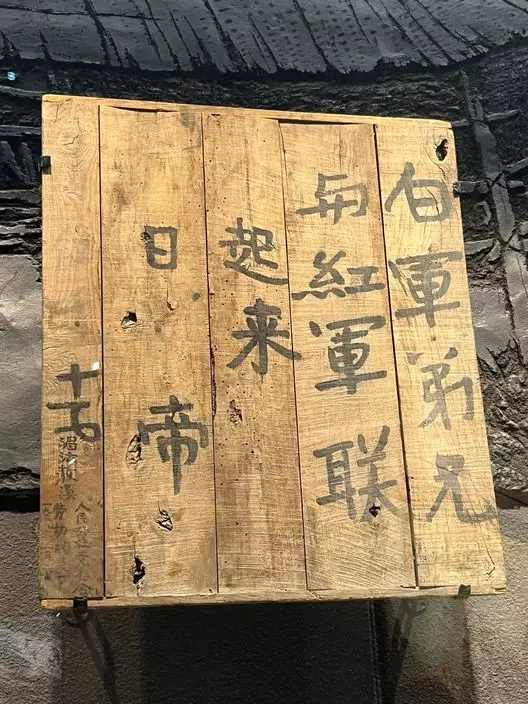
The historical objects exhibited in the Zunyi Conference Memorial Hall, Photo by Bastille Post
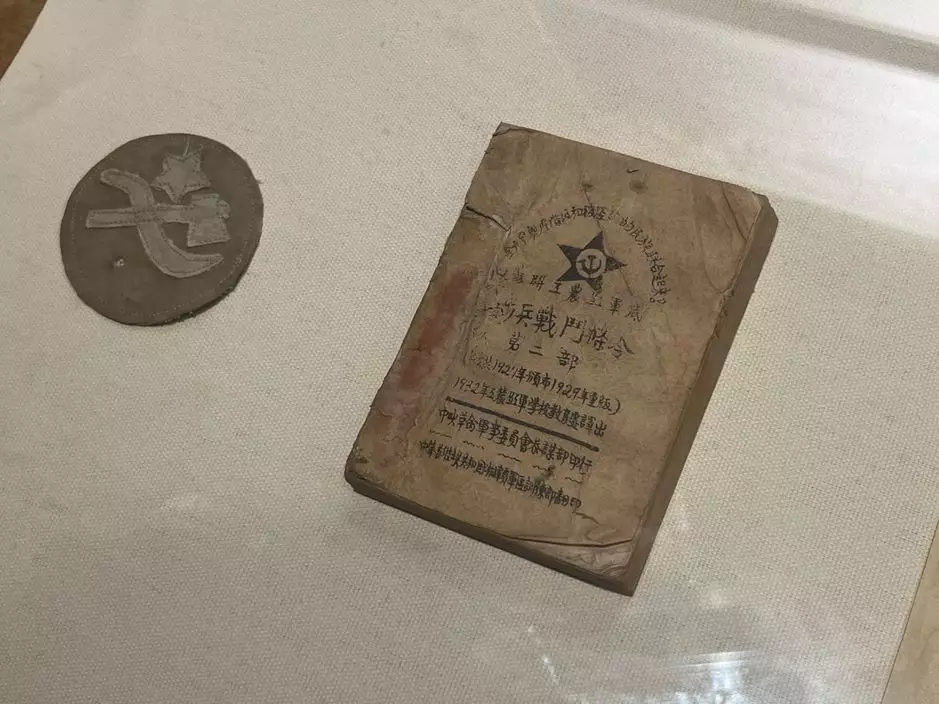
The historical objects exhibited in the Zunyi Conference Memorial Hall, Photo by Bastille Post
Lei Guangren, former director of the Zunyi Conference Memorial Hall, noted that the memorial is not a single building but a complex of sites. "In addition to the conference site itself, the former site of the National Bank and the residences of Li De, Bo Gu, Mao Zedong, and others, as well as the previous working sites of Deng Xiaoping and other key General Political Department staff have all been preserved and displayed in their original state," he said. He added that the memorial hall now receives over 10,000 visitors a day, around four to five million annually, making it a flagship destination for red tourism.
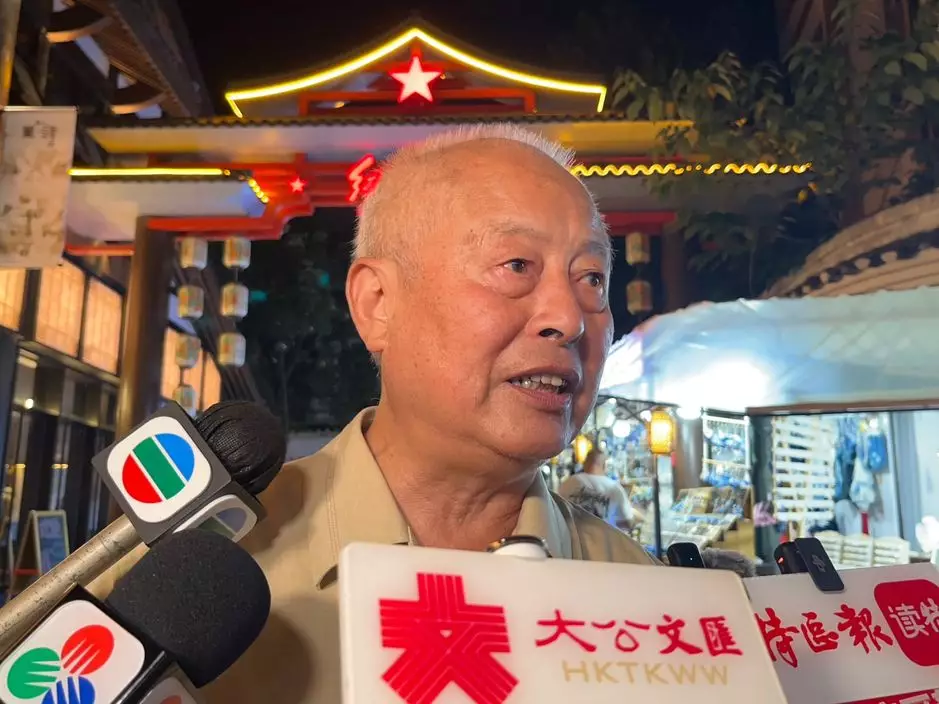
Mr. Lei Guangren, Photo by Bastille Post
Kong Xia, a volunteer guide at the memorial, is the granddaughter of Kong Xianquan — the site's first curator and a Red Army veteran. Her grandfather joined the Red Army in 1930 and fought in the anti-encirclement campaigns.

Ms. Kong Xia, Photo by Bastille Post
During the Second Battle of Loushan Pass, her grandfather was hit by six machine gun bullets in his right hip, leaving twelve bullet holes. Since his right leg was ten centimeters shorter than his left after recovery, people called him "Crippled Kong" or "Lame Kong."
After being wounded, Kong Xianquan recuperated in Guizhou and in 1952 began planning the Zunyi Conference Memorial Hall. Kong Xia said that Deng Xiaoping, during his inspection of Zunyi, remarked, "Kong Xianquan is the most suitable person to be the curator."
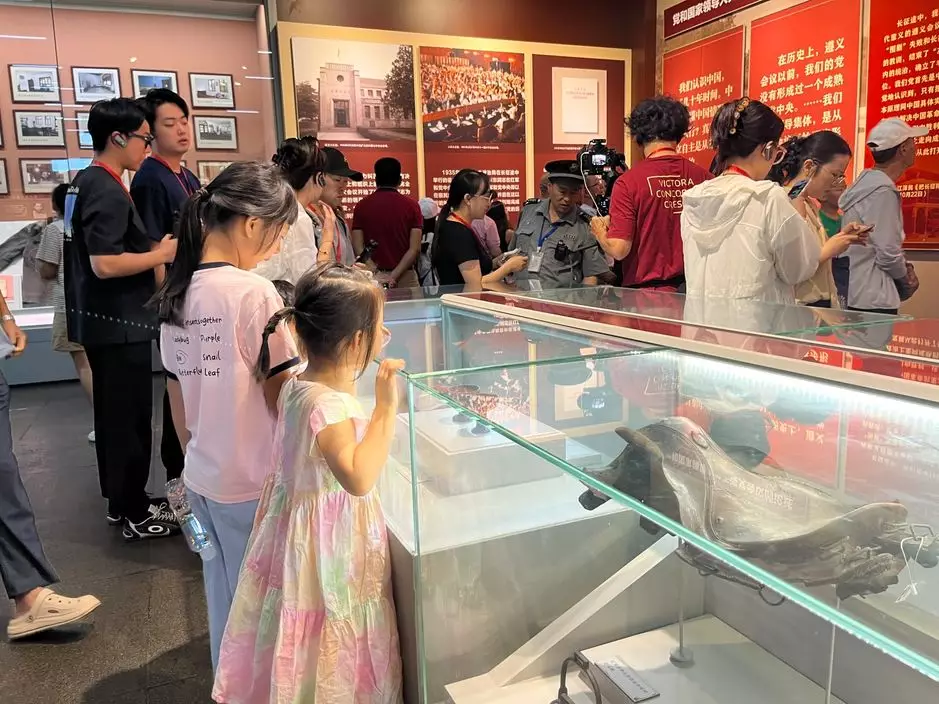
The crowds in the Zunyi Conference Memorial Hall, Photo by Bastille Post
Although Kong Xia was not born in Zunyi, her life has been intimately intertwined with the city's revolutionary heritage. She recalls with a smile how her grandfather personally saw her father off to join the army, who later served in the Yunnan Air Force. She herself never expected to marry a soldier from the first peacekeeping unit of the General Staff Department, becoming a military wife. And her son, after graduating from Northeastern University, joined the PLA Rocket Force. Four generations of her family have carried forward the tradition of military service, spanning nearly a century.
Perhaps it is this revolutionary bloodline that gives her a special bond with Zunyi. She has lived near the memorial hall for fifty years, and for over thirty of those, she has served as a volunteer guide, telling visitors the stories of her grandfather and his Red Army comrades.
Kong Xia recalls that her grandfather rarely spoke of his own bravery, but would recount the Red Army's victories with great enthusiasm. Yet whenever he saw news of fallen comrades in the newspaper, he would sit on his bed for hours, pipe in hand, lost in thought, his eyes filled with grief. "What the elders feared was not the brutality of war," she said, "but the loss of their comrades, one by one."
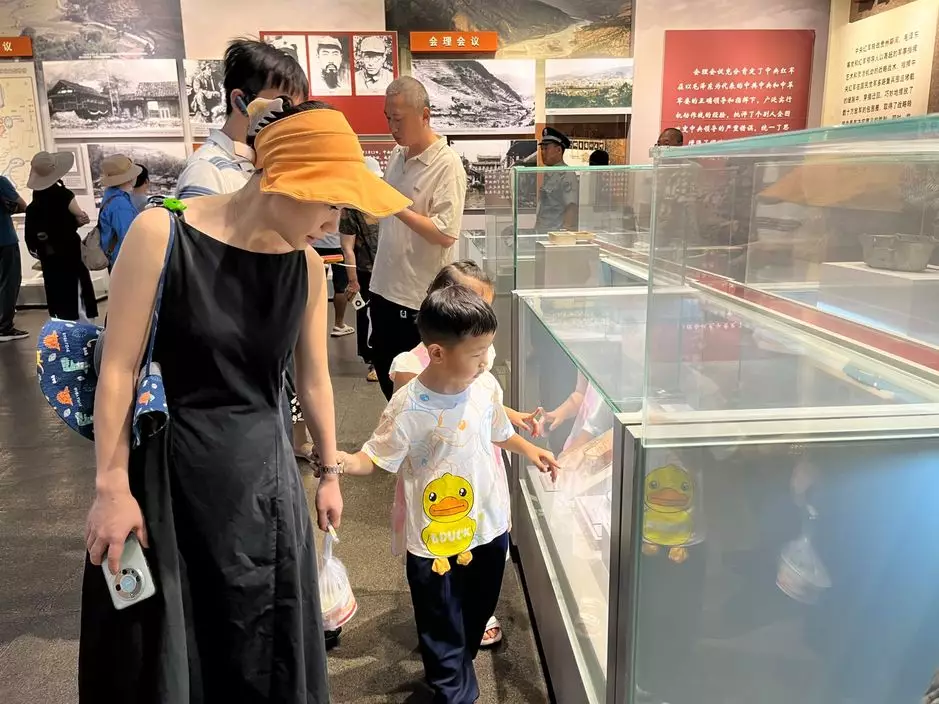
The memorial hall now receives over 10,000 visitors a day, around four to five million annually, making it a flagship destination for red tourism. Photo by Bastille Post
Watching Zunyi transform from a small town with just two bus routes and a single bustling intersection into a modern city with hundreds of transport routes and numerous commercial zones, Kong Xia marvels at the changes: The city has grown; the buildings have risen. But Zunyi's spirit of "following the path of righteousness and striving constantly for self-improvement" together with its profound revolutionary spirit, remains unchanged.
Not far from the Zunyi Conference site lies the Zunyi 1935 Street, named after the year the conference took place. The street blends revolutionary culture with everyday life, featuring a revolutionary bookstore, intangible cultural heritage displays, and local northern Guizhou snacks. It connects the historic site with urban life, allowing visitors to step into the memory of those pivotal years, while strolling through the streets and savouring the local flavours.
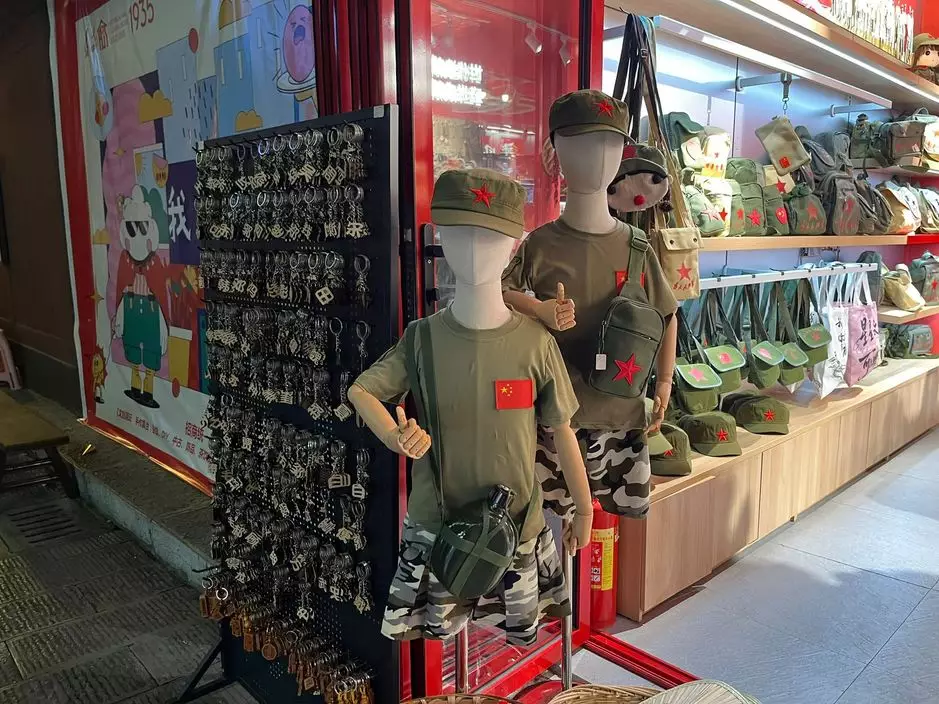
The Zunyi 1935 Street, Photo by Bastille Post
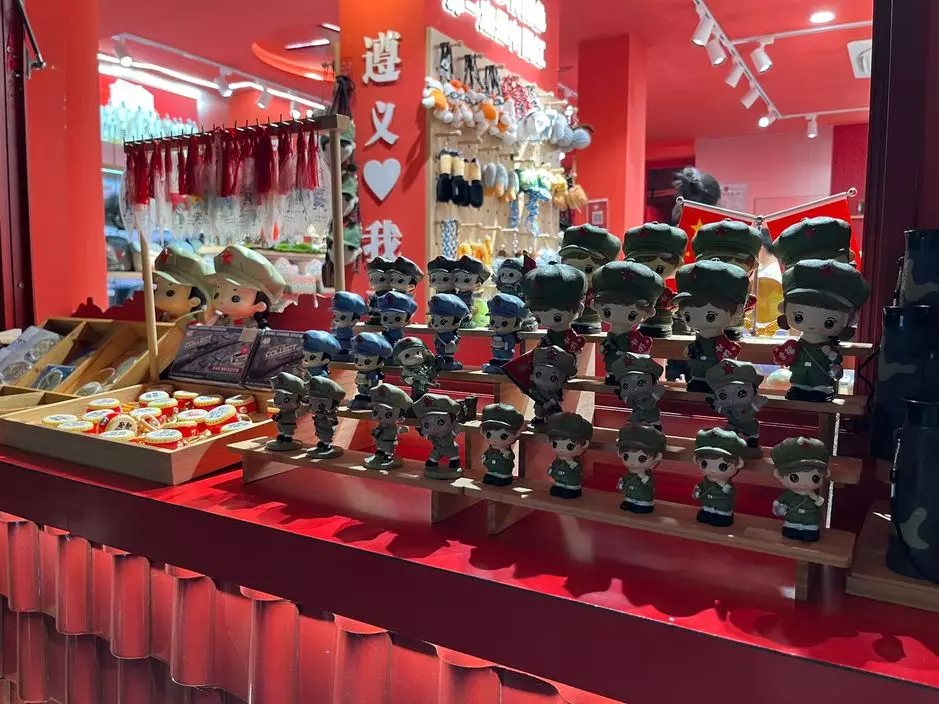
The goods sold at the Zunyi 1935 Street, Photo by Bastille Post
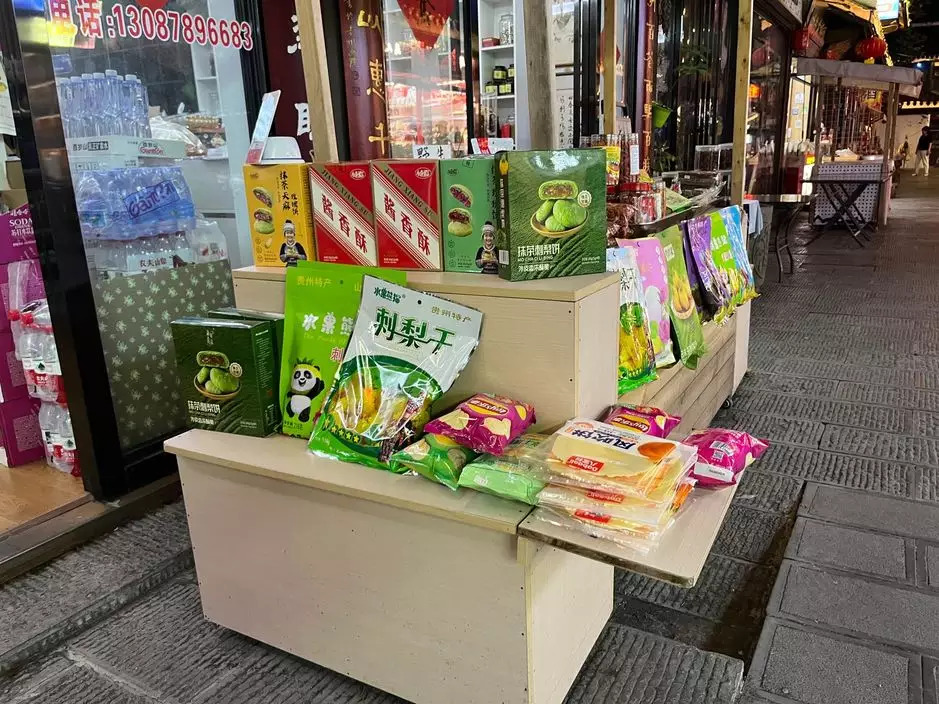
The snacks sold at the Zunyi 1935 Street, Photo by Bastille Post
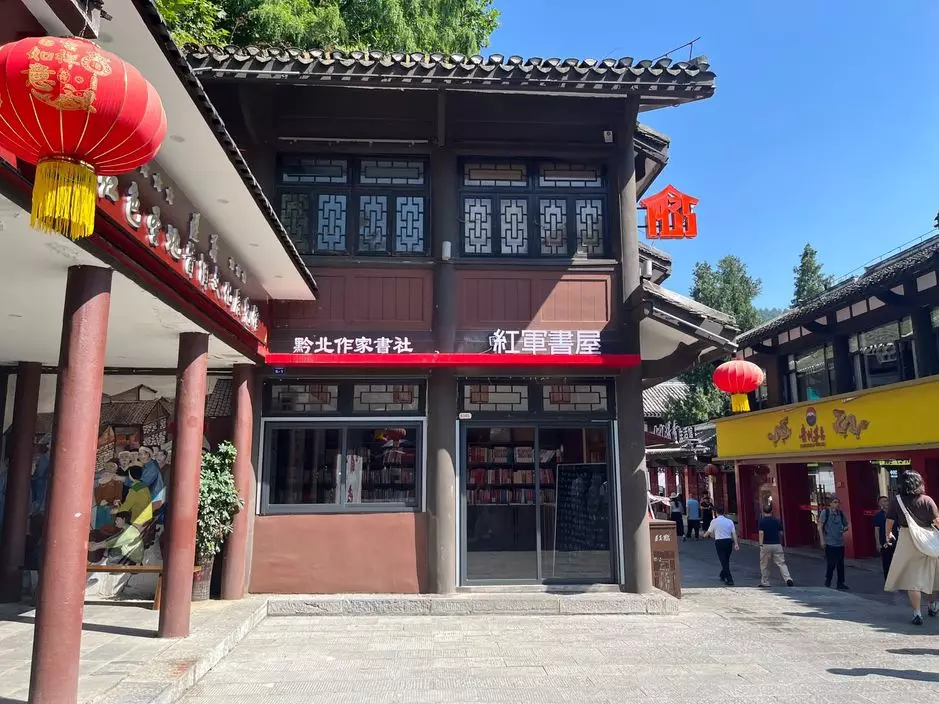
The revolutionary bookstore at the Zunyi 1935 Street, Photo by Bastille Post