Japan's imports of oil-derived naphtha plummeted in April, driven by a plunge in imports from the Middle East, which has started to weigh on the country's air-conditioning installation activities.
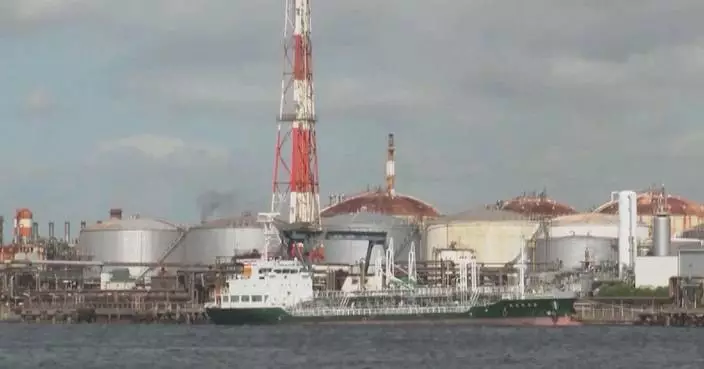
The conflict in the Middle East caused severe disruptions to shipping through the Strait of Hormuz, a critical chokepoint for global oil transportation.
In April, Japan purchased 341,728 kiloliters of naphtha from the Middle East, accounting for 30 percent of total imports, a sharp drop from the roughly 70 percent share recorded before the conflict broke out.
The supply crunch for naphtha, a critical feedstock for the chemical industry widely used in products ranging from plastics and adhesives to solvents in paints and coatings, is sending shockwaves across a wide range of businesses in resource-poor Japan, with air-conditioning installations included.
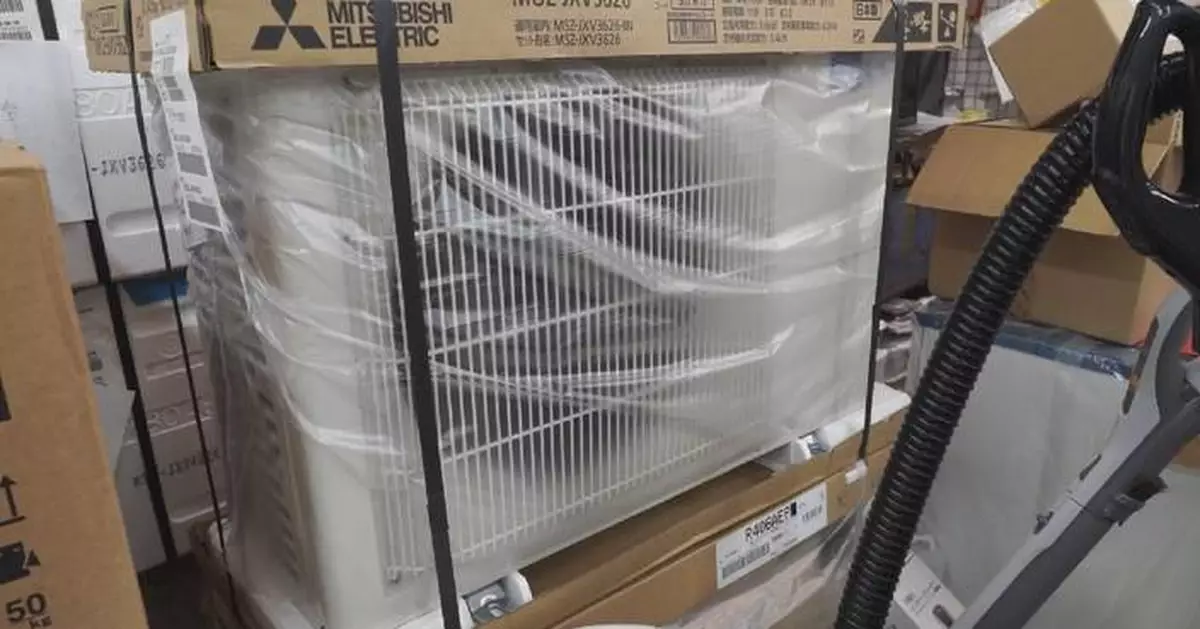
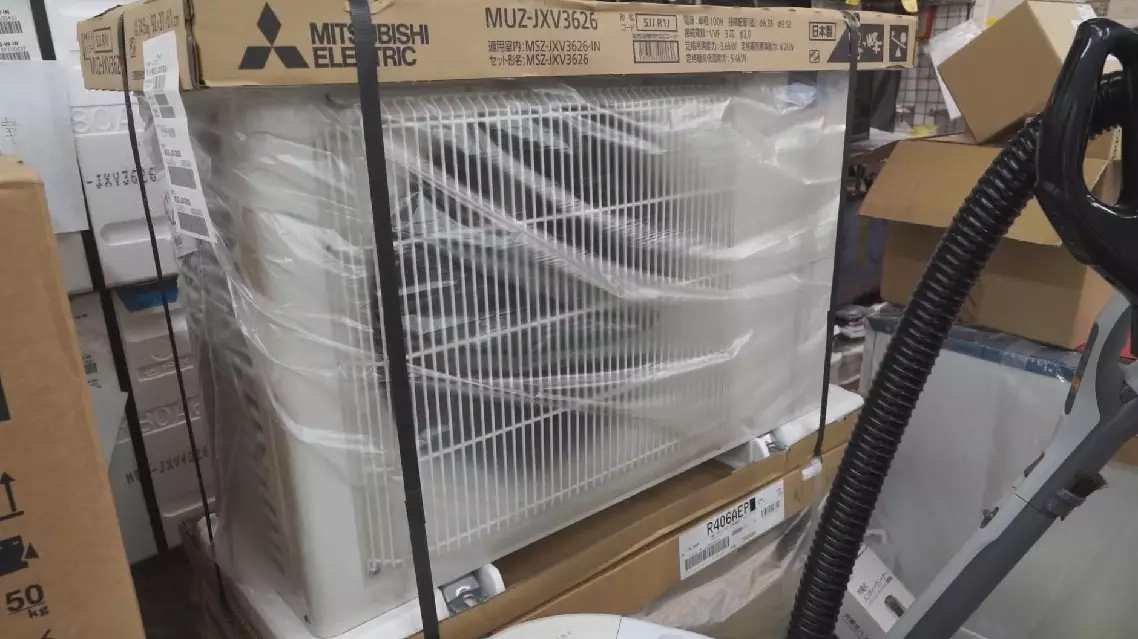
In Tokyo, an electronics store that has been operating for over 50 years is feeling the squeeze from Japan's tight naphtha supply, which has affected the store's air-conditioning installation activities.
"The biggest challenge right now is that air-conditioning installation is becoming increasingly difficult, and the main reason is the shortage of materials. Due to the so-called 'naphtha crisis,' many parts are now very hard to purchase. Normally, July and August are the peak seasons for air-conditioning installations, but materials are already in short supply even before the peak seasons arrive -- this is what worries us the most," said Eiichi Numazawa, head of the electronics store.
Even though the store had stocked up on some parts in advance, there is still uncertainty regarding whether those supplies will be able to support installations in July, the busiest month for air-conditioning installation.
"The shortage of putty used to fill the openings on air-conditioning pipes is truly unexpected. At first, I assumed it was different from other plastic or resin materials, but now even this is difficult to get. It's really a headache," said Numazawa.
Numazawa said that he might be forced to consider raising air-conditioning installation fees.
"Before April, the installation fee for an air conditioner was approximately 11,000 yen (about 69 U.S. dollars). Now it has increased to 16,500 yen, and we plan to raise it further to 19,800 yen in June," said Numazawa.
"This roll of pipes only cost 8,000 yen in the past, but now it costs 20,000 yen. As a result, the total cost of materials for installing one air conditioner -- including tape, putty, pipes, and wiring -- would come to around 9,000 yen per unit," he added.
With material shortages and rising costs, small and medium-sized appliance stores that rely on air conditioner sales and installations are coming under growing pressure.
"From a business standpoint, the air conditioning business accounts for about 60 to 70 percent of our profits. If we can't earn a profit from it, our operations will become very difficult," said Numazawa.
Japan's sharp drop in naphtha imports hurts air-conditioning installation