
Skip to Content Facebook Feature Image

Russia reports strikes on Ukrainian military targets, Ukraine claims strikes on Russian energy facilities

HotTV

HotTV

HotTV

Russia reports strikes on Ukrainian military targets, Ukraine claims strikes on Russian energy facilities

2026-06-01 11:08 Last Updated At:06-02 12:33

Russia said on Sunday that its forces launched massive strikes on Ukrainian military targets over the past 24 hours, while Ukraine reported that its troops attacked Russian oil and gas facilities.

The Russian Defense Ministry said in its latest report that the Russian forces launched attacks on Ukrainian drone assembly and launch sites, fuel storage bases, ammunition depots, energy and transport facilities of Ukrainian forces, as well as positions of Ukrainian troops and foreign mercenaries.

The ministry also said that the Russian air forces shot down 405 Ukrainian drones.

On the same day, the General Staff of the Armed Forces of Ukraine said its troops carried out an overnight strike on the Saratov oil refinery in southwestern Russia. The oil refinery is a key Russian fuel infrastructure with a designed annual refining capacity of seven million tons.

In addition, Ukrainian forces also attacked targets such as an oil pumping station in Russia's Kirov region and a large oil storage facility in Rostov region on the same day.

The operator of the Zaporizhzhia Nuclear Power Plant (ZNPP) said on Sunday that Ukraine struck a transport workshop at the plant and left six buses and two GAZelle vehiclesdestroyed. No plant personnel were injured, it said.

Meanwhile, Ukrainian drones also struck Enerhodar, the satellite city of the nuclear plant, local authorities said.

Russia's state nuclear corporation Rosatom said on Saturday that a Ukrainian drone hit the turbine island of Unit 6 at the ZNPP, but Ukraine's Southern Defense Forces denied Russia's allegation.

International Atomic Energy Agency Director General Rafael Grossi expressed serious concern over the reported strike, warning that attacks on nuclear facilities are "like playing with fire."

The Zaporizhzhia plant, one of Europe's largest nuclear power facilities, has been under Russian control since March 2022.
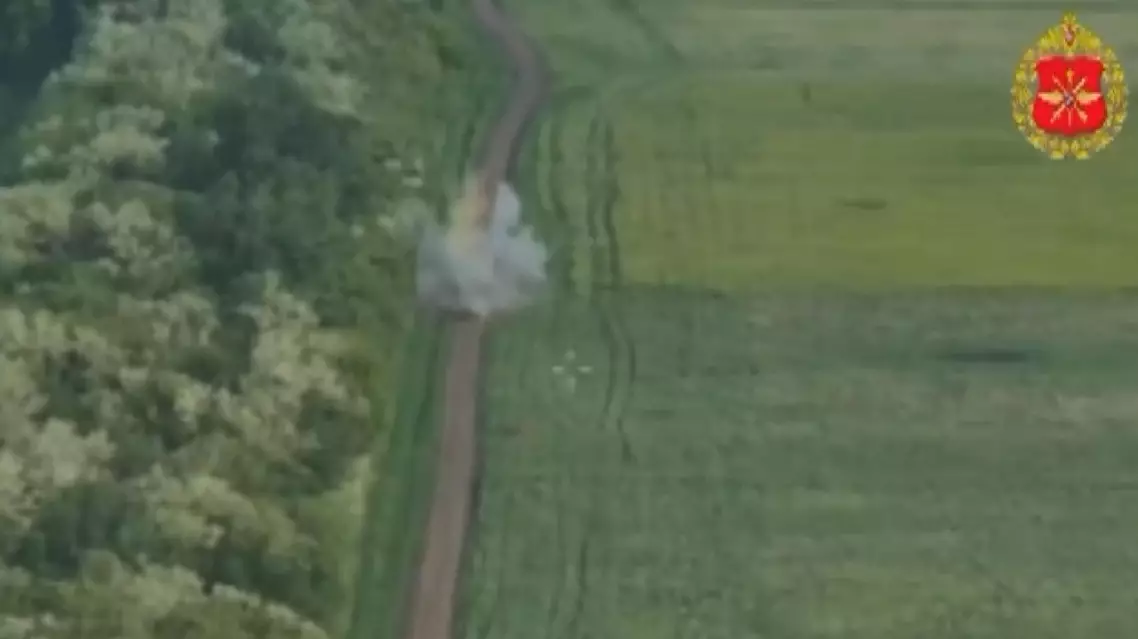
Russia reports strikes on Ukrainian military targets, Ukraine claims strikes on Russian energy facilities
Russia reports strikes on Ukrainian military targets, Ukraine claims strikes on Russian energy facilities

China's newly established legal framework for tackling cross-border corruption offers a unique global governance model and a strong response to external skepticism by aligning domestic practices with international rules, said a legal expert.

Passed by China's top legislature on Friday, the anti-cross-border corruption law follows a key Communist Party of China (CPC) document released on November 1 that calls for strengthening anti-corruption regulations, fugitive repatriation, asset recovery, and cross-border case investigations.

While the legislation provides vital tools for foreign-related corruption cases, Li Li, vice dean of the School of Discipline Inspection and Supervision at the China University of Political Science and Law, emphasized its innovative institutional significance.

"This kind of institutional development is, I believe, a truly unique governance experience worldwide. China's legislation does not simply copy the common international anti-corruption rules. It distills what China has practiced since the 18th Party Congress -- such as pursuing fugitives and recovering assets -- how extradition rules and asset-recovery laws differ from country to country, and how to adapt," she said.

"Through it, China's own practices can better connect and engage with common international rules and approaches. It is a real progress and our most powerful answer to the demonization and belittling of China's anti-corruption efforts," she said.

China's new anti-corruption law offers global governance experience: expert

China's new anti-corruption law offers global governance experience: expert

Recommended Articles