NAIROBI, Kenya (AP) — African electric vehicle firm Spiro has raised $215 million in equity financing to expand its battery-swapping and electric mobility infrastructure across Africa, the company said Monday.
The investment round was backed by institutional investors in Europe and Africa, including Denmark’s Impact Fund, underscoring growing interest in Africa’s clean transport and energy sectors.
“This past year marked a defining strategic milestone for Spiro,” Gagan Gupta, founder of Spiro and chair of Equitane, said in a statement. “Across seven active markets, our deployment of 100,000 electric vehicles and 2,500 smart-swap stations has turned sustainable mobility into an affordable, everyday reality.”
Gupta said the company’s next growth phase would focus on delivering transport alternatives to millions of riders across the continent.
Spiro, which operates in Kenya, Rwanda, Uganda, Togo, Benin, Nigeria and Cameroon, said the new funding will support the expansion of its battery-swapping network, strengthen local manufacturing and assembly operations, and accelerate its entry into new markets, including the Democratic Republic of Congo and Ethiopia.
The company did not disclose the valuation tied to the investment round.
The funding comes as African countries seek to reduce dependence on imported fossil fuels, improve energy security and modernize urban transportation as fuel prices rise and demand for affordable mobility grows.
Lars Bo Bertram, CEO of Impact Fund Denmark, said the investment reflected confidence in Africa’s electric mobility market.
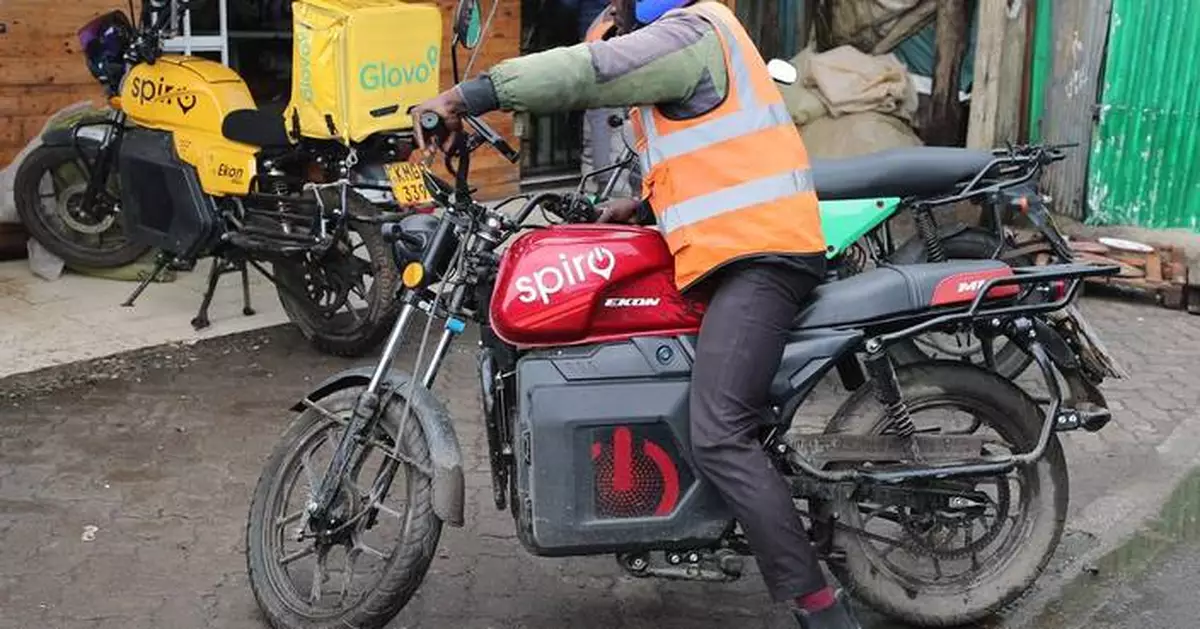
Electric motorcycles are emerging as a major growth segment in Africa, where two-wheelers dominate urban transport and delivery services in many cities.
The firm operates manufacturing plants in Kenya, Rwanda and Uganda, as well as a battery recycling facility in Nigeria.
Spiro said riders using its electric motorcycles can cut daily transport costs by up to 40%, saving as much as $2 per day compared with conventional gasoline-powered motorcycles.
The company said it is also developing solar-powered battery-swapping stations and second-life battery storage systems.
Africa’s electric mobility market remains relatively small compared with China and Europe. Still, analysts say the sector is expanding quickly as governments introduce cleaner transport policies and startups develop business models tailored to local markets, including battery-swapping systems that reduce charging times and upfront vehicle costs.
The Associated Press’ climate and environmental coverage receives financial support from multiple private foundations. AP is solely responsible for all content. Find AP’s standards for working with philanthropies, a list of supporters and funded coverage areas at AP.org.

FILE - A rider sits on an electric Spiro motorcycle in Nairobi, Kenya, Tuesday, Feb. 24, 2026. (AP Photo/Henry Naminde, File)
DAMASCUS, Syria (AP) — Hundreds of people have flocked to a tent in Damascus to mourn a former national chess champion who went missing 13 years ago along with her husband and six children, now that their deaths in Syria's civil wa r have finally been confirmed.
Surviving relatives of Rania al-Abbasi announced Sunday that they had seen evidence that she and her family had been killed by pro-government gunmen shortly after they were detained in 2013, and that they would set up a giant tent in the city on Tuesday and Wednesday to receive condolences.
“We had hope. We’ve been looking for them for 13 years in every way possible,” Rana's brother Wael al-Abbasi said in an interview with The Associated Press. “Then we got the horrible news that they were killed the same day they were arrested.”
The case of Rana al-Abbasi, who also was a dentist and who had been accused of funding the opposition, was well-known in Syria, and this week's revelations have received wide coverage in the country's news media. Photos of the family have been all over social media. Many people have said the killers should be sentenced to death.
Mohammad Shukri, Syrian minister of religious affairs, visited the tent in the Rukneddine neighborhood on Tuesday and said the country's new government is making sure that the culprits are held accountable. “They must get their punishment,” he said.
More than 100,000 people went missing in areas once controlled by forces loyal to now-ousted President Bashar Assad and many are believed to have died under torture run by the country’s powerful security agencies. The number could be higher, because many Syrians were too scared to complain under Assad, now in self-exile in Russia. Some people are now coming forward requesting information about missing loved ones.
During the early years of Syria’s conflict, which started with pro-democracy protests and later became a civil war, many people were killed, and the fate of many remains unknown. The conflict left nearly half a million people dead.
The fate of the al-Abassi family was revealed following the arrest of an ex-intelligence officer, who allegedly was involved in the killings, surviving family members said. Amjad Yousef had appeared in a video leaked four years ago that purportedly showed him and his comrades fatally shooting dozens of people during the country’s civil war.
Al-Abbasi’s family was shown another video that was not made public showing the children dead after apparently being strangled or beaten to death.
Wael al-Abbasi said that his brother-in-law, Abdul-Rahman al-Yassin, was detained on March 9, 2013 while his wife and children were detained four days later.
“We were holding on to hope to find one or two of the kids (alive),” he said.
Yousef, the ex-intelligence officer, was arrested by Syria's new authorities in April in the central province in Hama where he had been hiding. He has been undergoing questioning since then.
Wael al-Abbasi said he and other relatives saw a video in which Yousef was talking and pointing the camera at the children in a dark room that may have been part of a detention center.
“He was filming the kids and naming each one of them. Those were our kids, there was no room for doubt that it’s them, they were even wearing the same clothes,” he said.
The children’s ages were from 1 1/2 to 14. They were identified as Ahmad, Dema, Najah, Intisar, Alaa and Layan. He said a couple of them had their faces bloodied.
The brother said he hoped that Yousef and others involved in the killings would go on trial and be hanged. “They’re criminals and we have proof of that through videos. We want the whole chain, all the way up to Bashar Assad. We want them all to hanged.”
Since the fall of Assad, several top officials in his government and security agencies have been detained and some have been put on trial.
Al-Abbasi’s cousin, Doa’a al-Abbasi, said that the family had been worried that the children might have been trafficked, but now they know the truth.
“What is this brutality? What is this hatred? They waited for them to come home from school so he can kill them,” she said, referring to the children. “There are many people like Amjad Yousef and we hope they will all be held accountable."
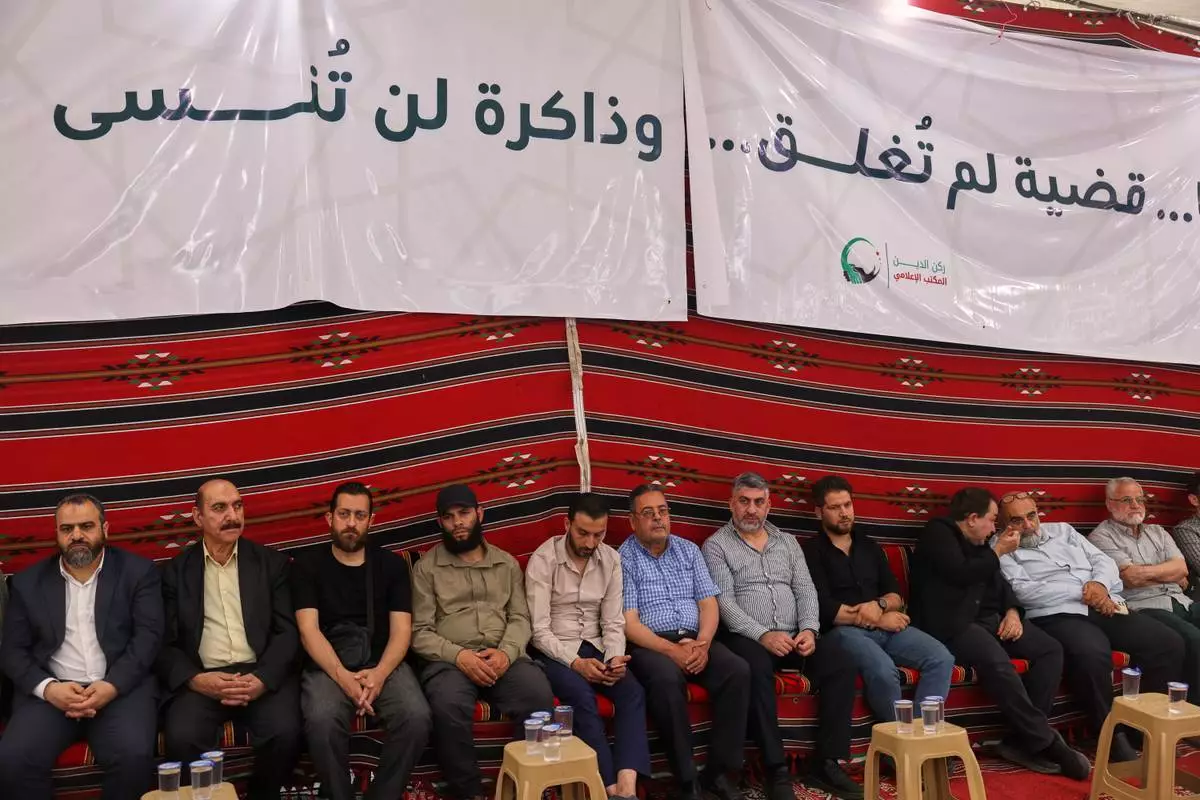
Residents gather to mourn former chess champion Rania al-Abbasi and her family, who disappeared 13 years ago, after relatives announced Monday they had evidence the family was killed by pro-government gunmen in 2013, in Damascus, Syria, Tuesday, June 2, 2026. (AP Photo/Ghaith Alsayed)
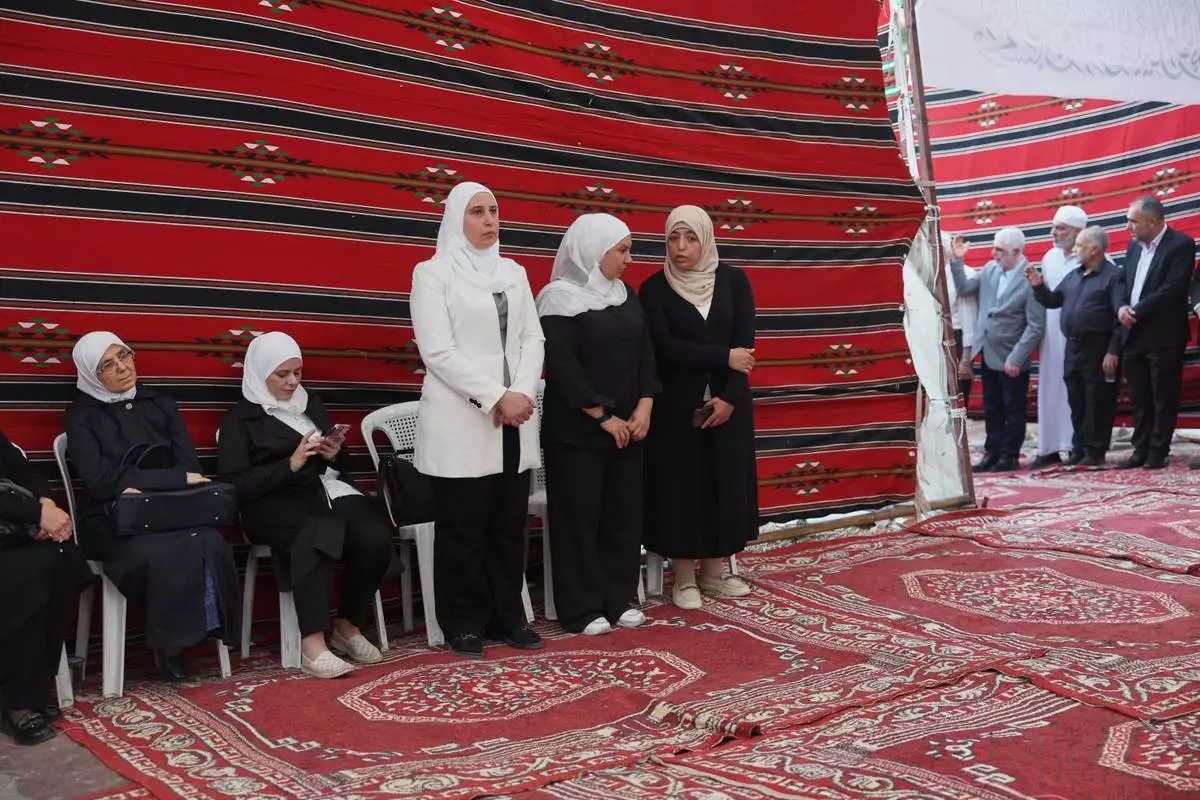
Residents gather to mourn former chess champion Rania al-Abbasi and her family, who disappeared 13 years ago, after relatives announced Monday they had evidence the family was killed by pro-government gunmen in 2013, in Damascus, Syria, Tuesday, June 2, 2026. (AP Photo/Ghaith Alsayed)
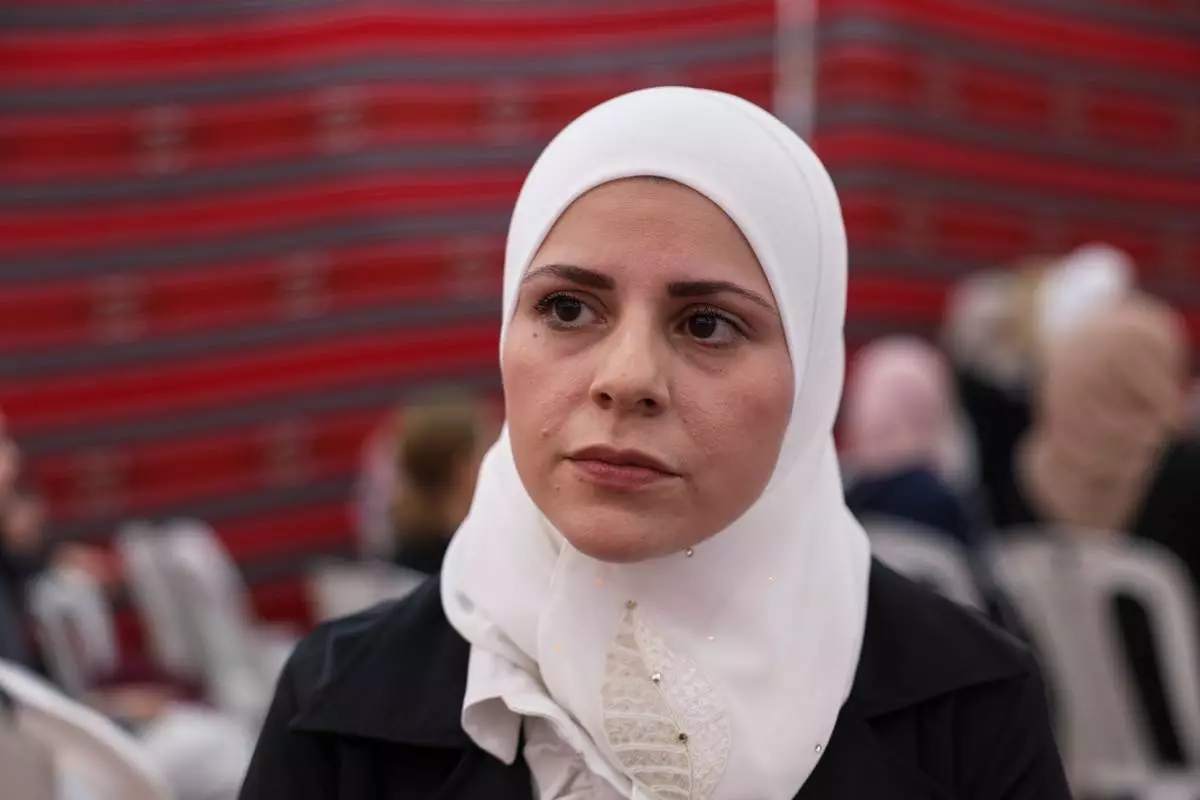
Doa'a al-Abbasi, cousin of former chess champion Rania al-Abbasi, attends a gathering to mourn al-Abbasi and her family, who disappeared 13 years ago, after relatives announced Monday they had evidence the family was killed by pro-government gunmen in 2013, in Damascus, Syria, Tuesday, June 2, 2026. (AP Photo/Ghaith Alsayed)
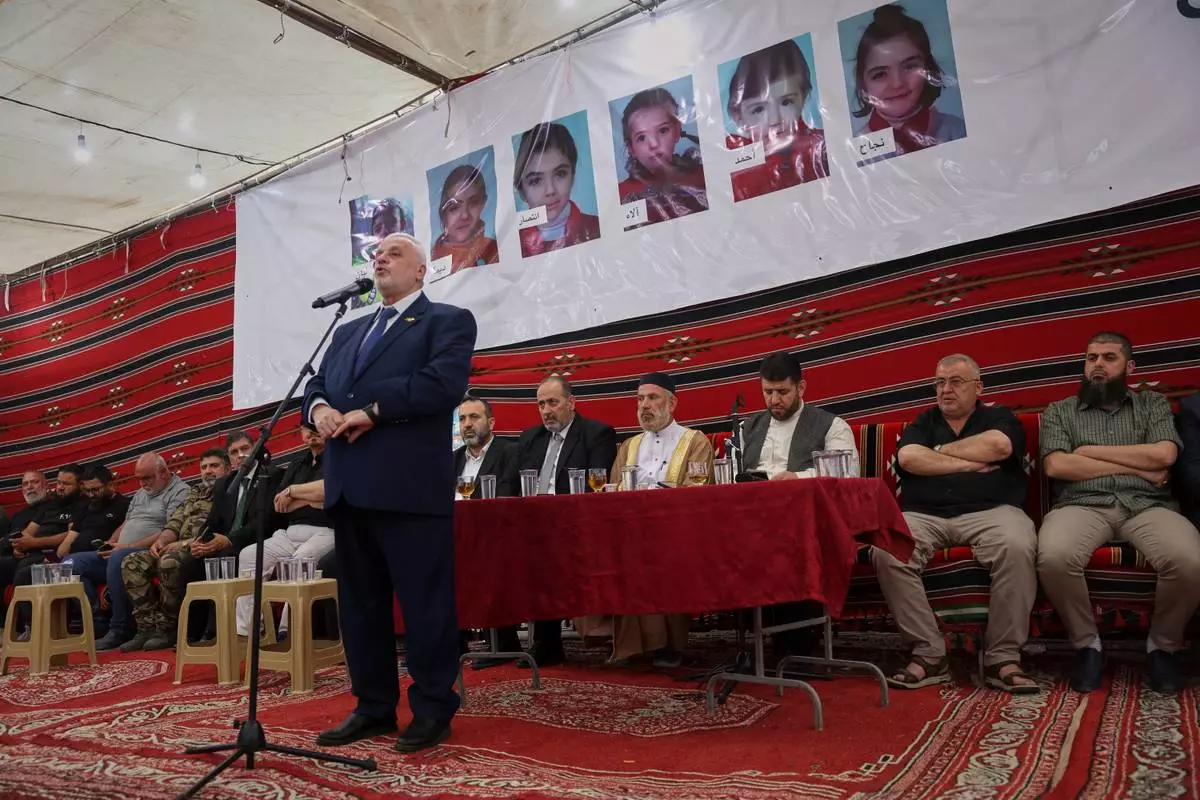
Mohammad Shukri, Syrian minister of religious affairs, speaks during a gathering to mourn former chess champion Rania al-Abbasi and her family, who disappeared 13 years ago, after relatives announced Monday they had evidence the family was killed by pro-government gunmen in 2013, in Damascus, Syria, Tuesday, June 2, 2026. (AP Photo/Ghaith Alsayed)
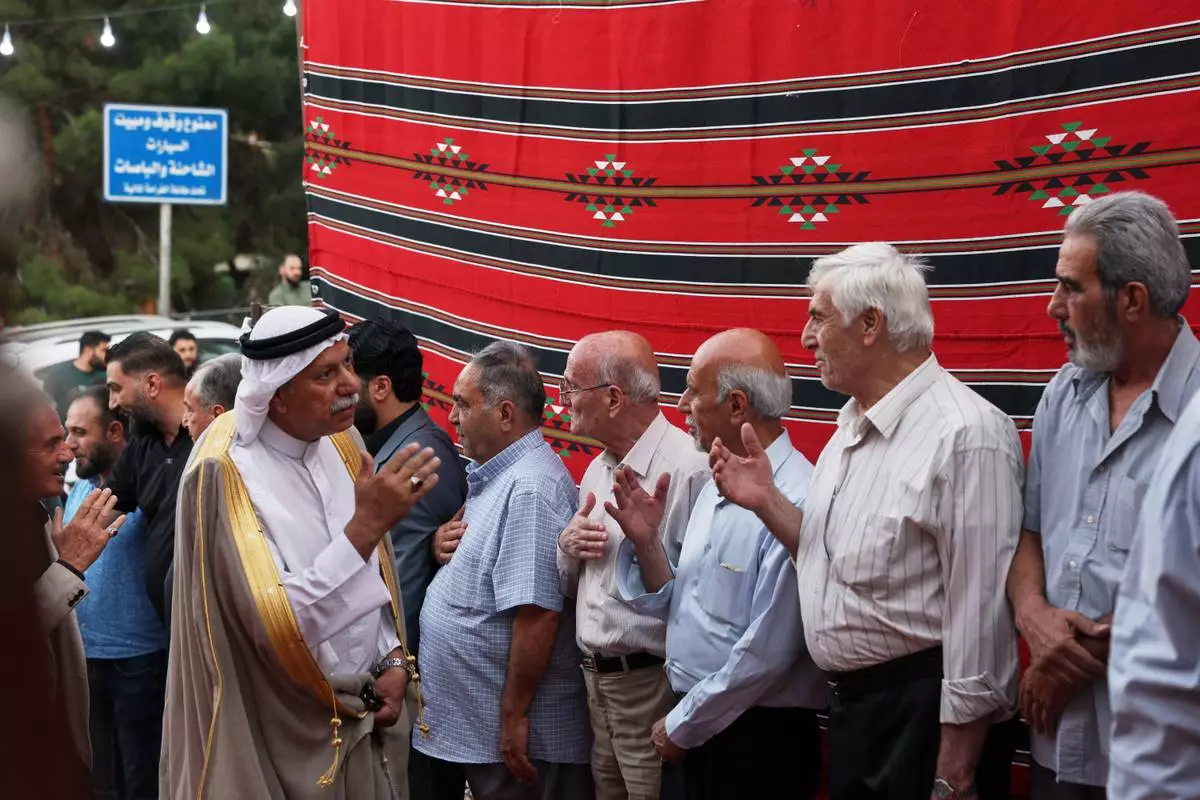
Residents gather to mourn former chess champion Rania al-Abbasi and her family, who disappeared 13 years ago, after relatives announced Monday they had evidence the family was killed by pro-government gunmen in 2013, in Damascus, Syria, Tuesday, June 2, 2026. (AP Photo/Ghaith Alsayed)