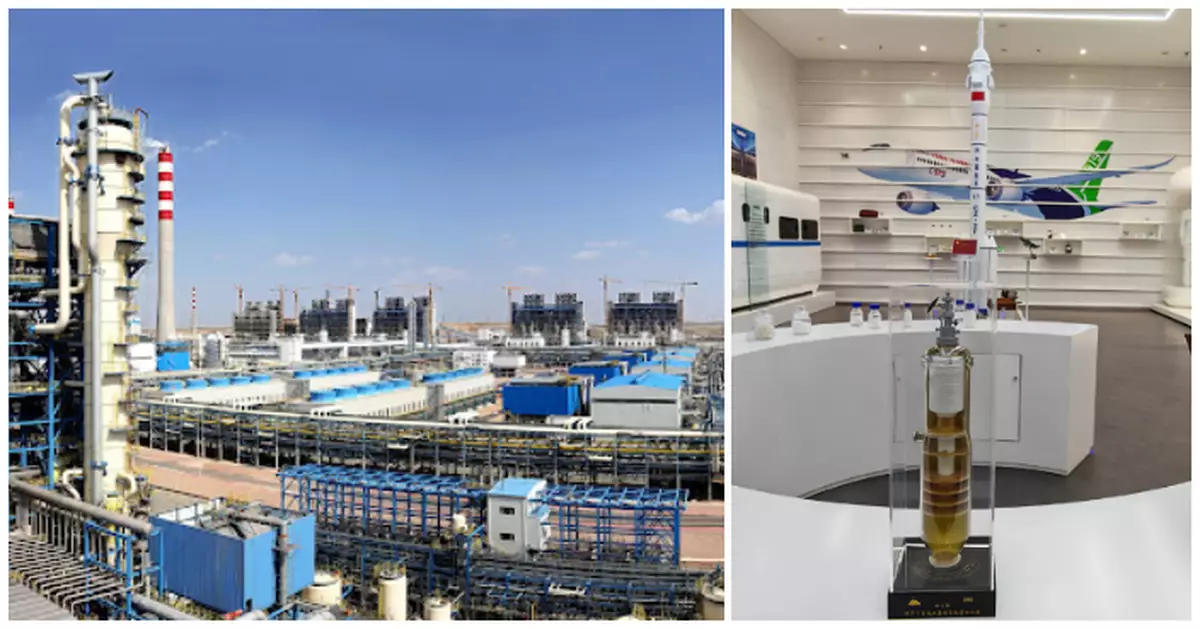
Compared with oil, coal has long been regarded as "cheap, inefficient, and highly polluting." But based on technological breakthroughs achieved through the tireless efforts of researchers, a world-leading coal-to-oil demonstration production base, the largest of its kind globally, in the Gobi Desert of eastern Ningxia, is now redefining China's energy landscape and building a crucial shield for China's energy security.
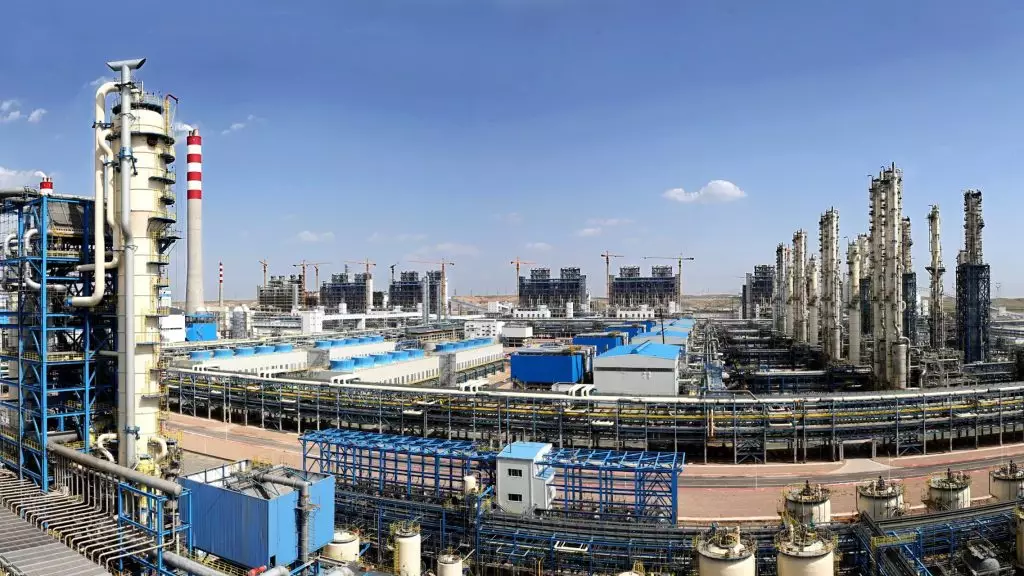
Ningdong Energy and Chemical Industry Base, Photo by Bastille Post
Recently, a group of about 20 Hong Kong media chief writers and column commentators visited Ningxia to get a firsthand look at the region's latest developments across multiple fronts, including industrial growth, historical culture, ecological protection, and rural revitalization.
Click to Gallery
Ningdong Energy and Chemical Industry Base, Photo by Bastille Post

Ningdong Energy and Chemical Industry Base, Photo by Bastille Post
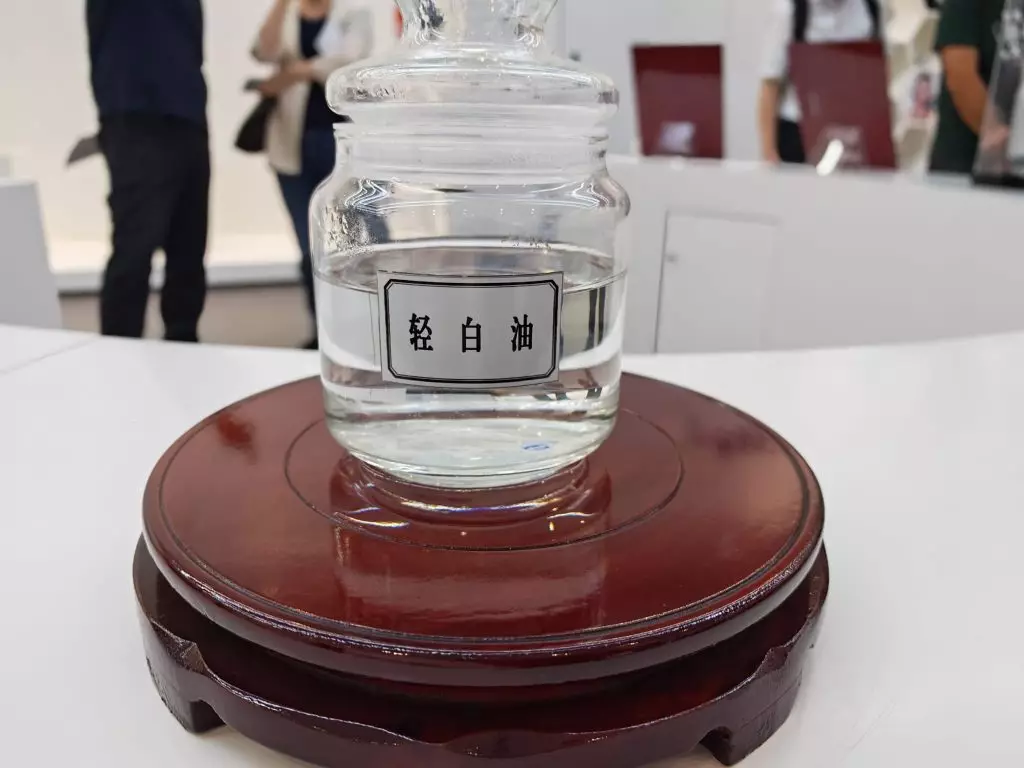
Light white mineral oil produced by the Ningdong base, Photo by Bastille Post
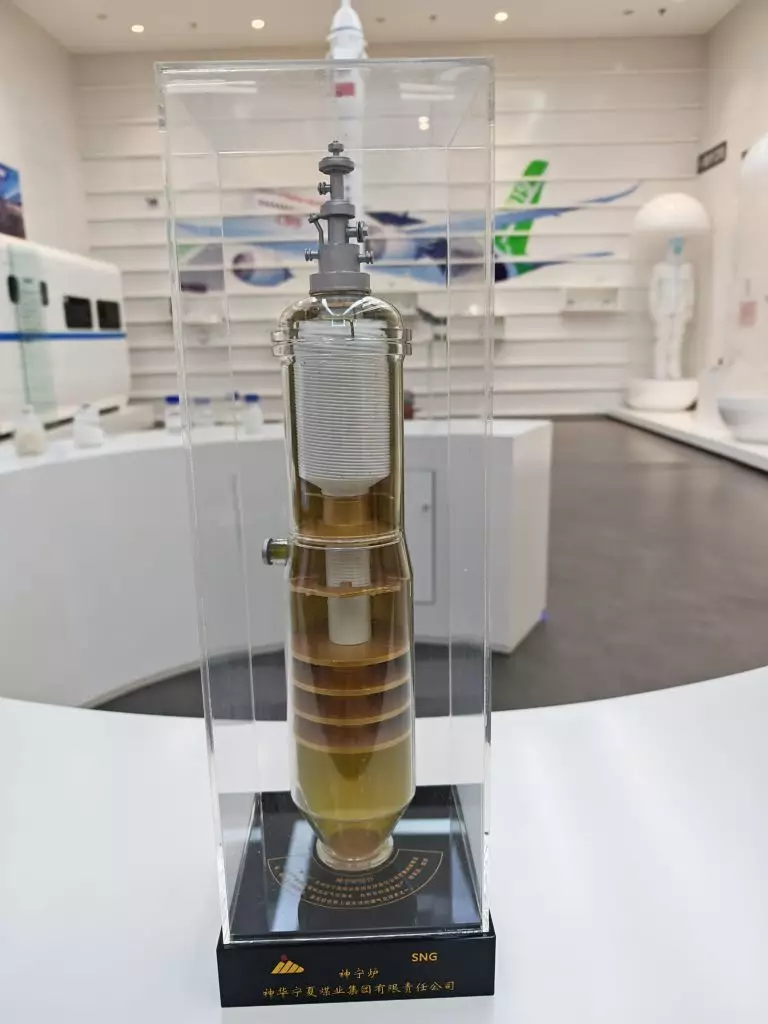
The "Shenhua-Ningxia Furnace" system serves as the "heart" of the coal-to-oil industrial chain, converting pulverized coal into high-purity carbon monoxide and hydrogen. Photo by Bastille Post
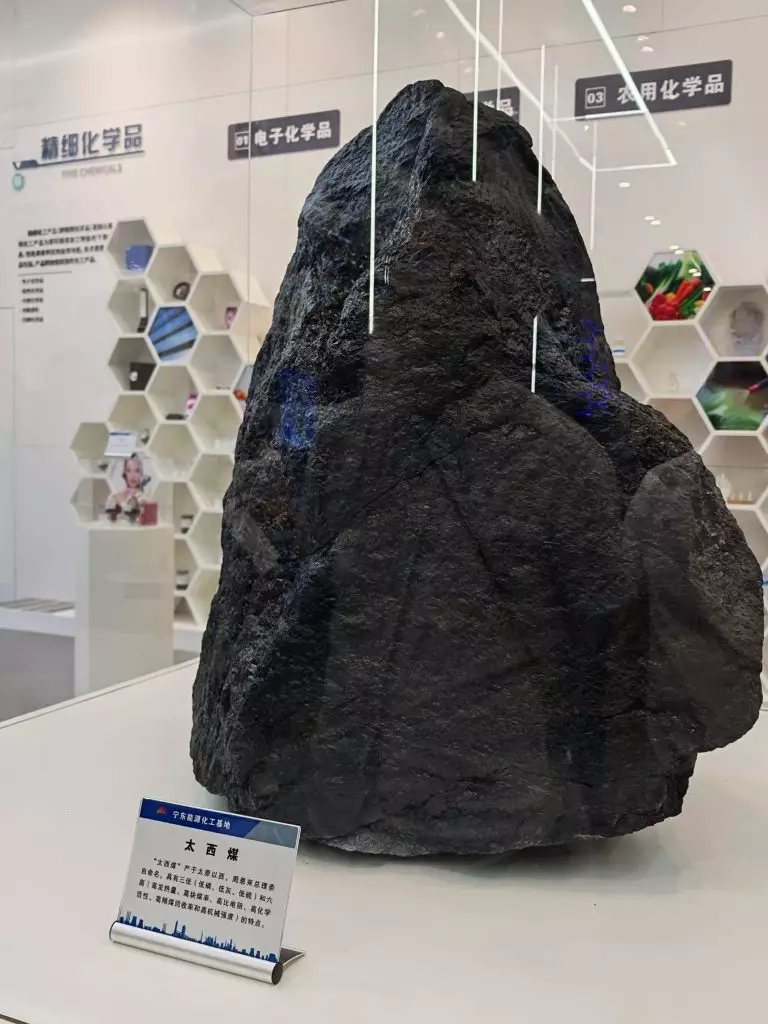
Taixi coal is the dominant type in the Ningdong coalfield. Photo by Bastille Post
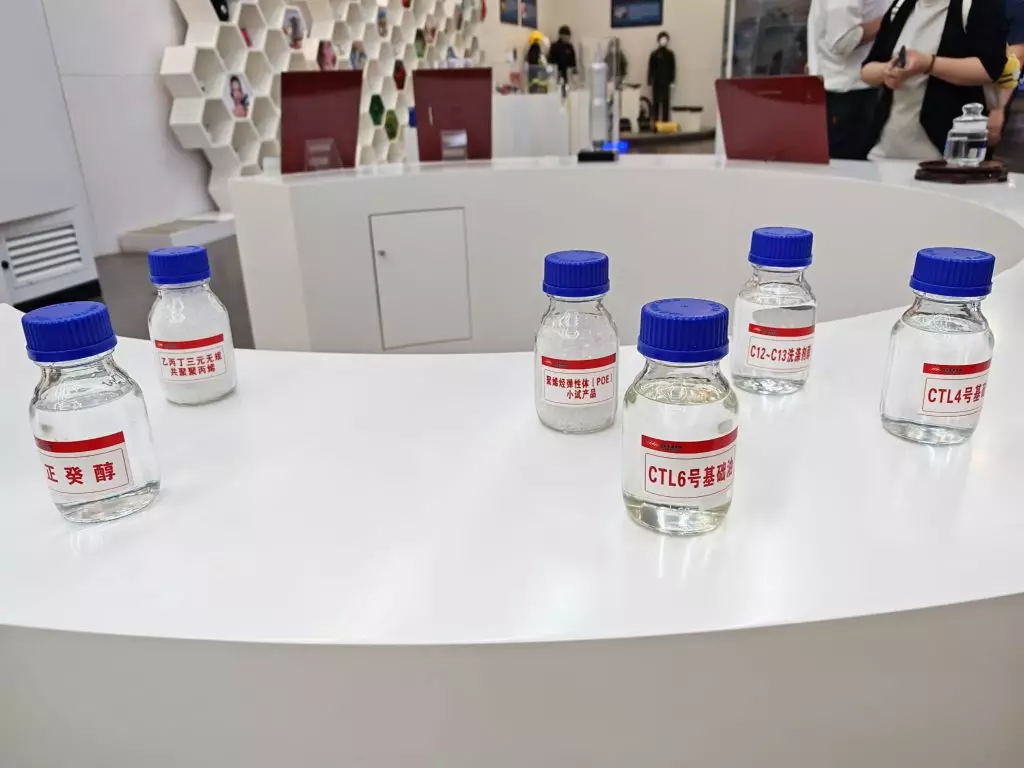
The products of the Ningdong base, Photo by Bastille Post
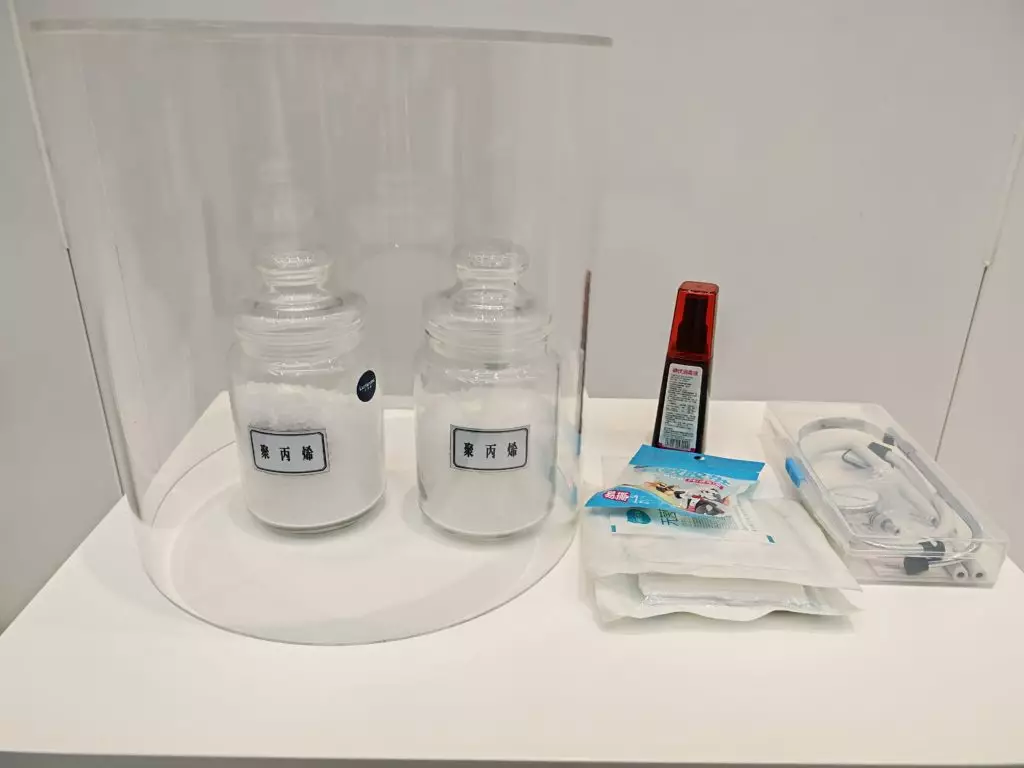
Polypropylene produced by the Ningdong base, Photo by Bastille Post
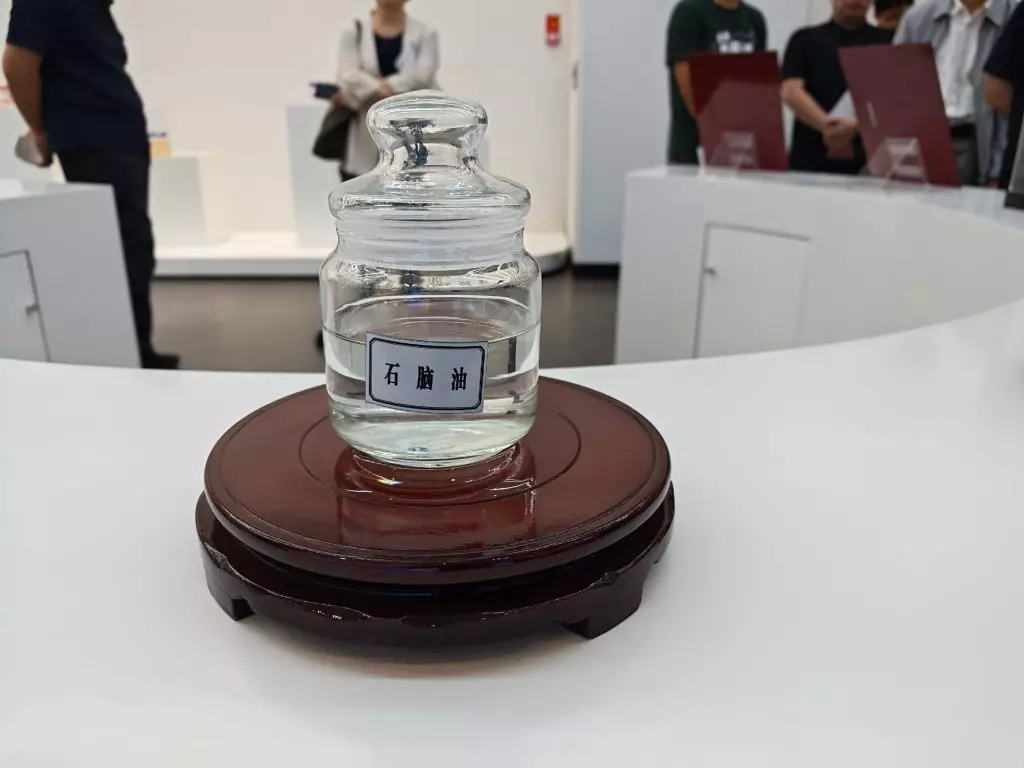
Naphtha produced by the Ningdong base, Photo by Bastille Post
Some of the aviation kerosene used in China's aerospace industry now comes from Ningdong's coal-to-oil products. Photo by Bastille Post
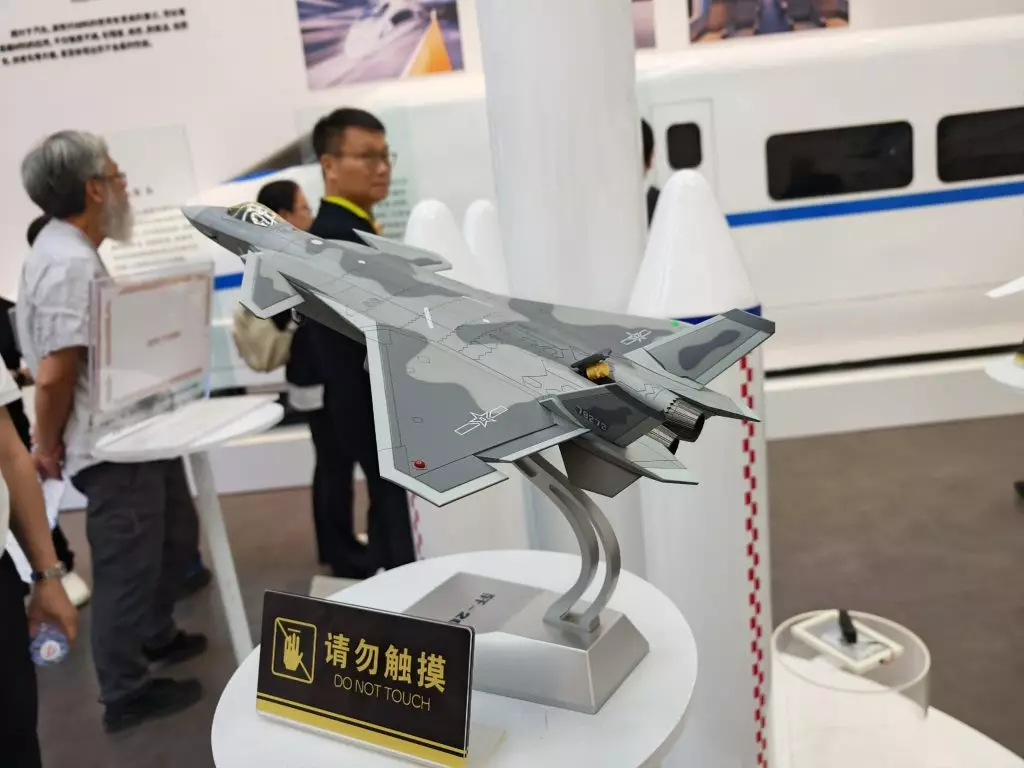
Ningdong Energy and Chemical Industry Base, Photo by Bastille Post
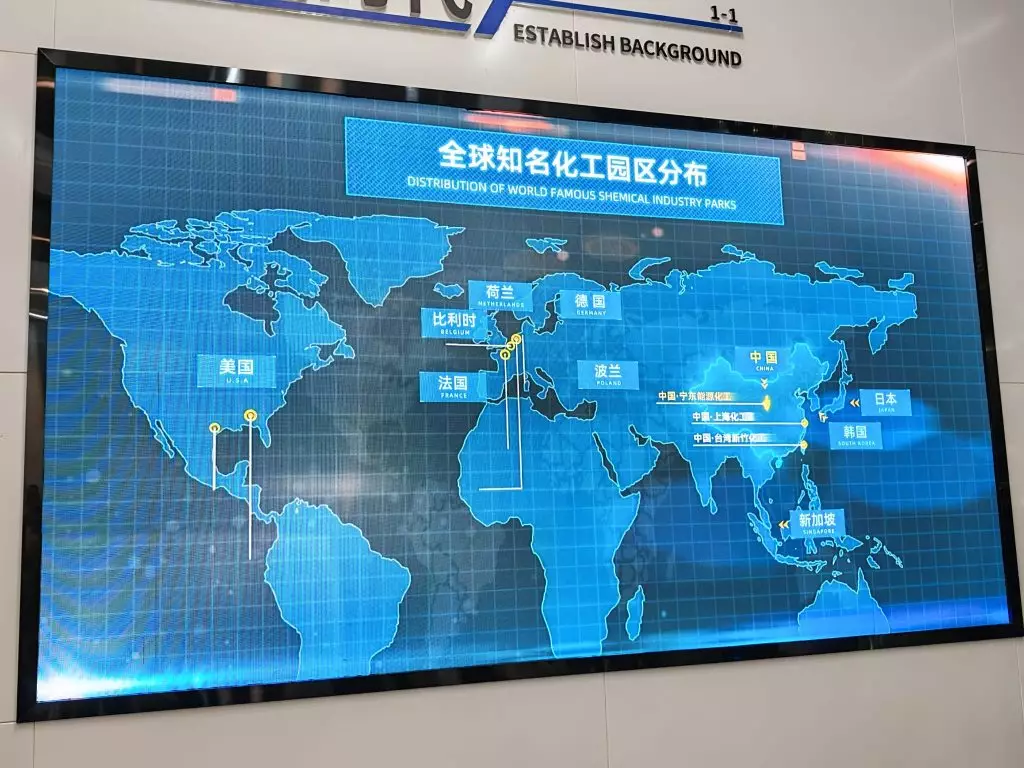
Ningdong Energy and Chemical Industry Base has become one of the world's famous chemical industry parks. Photo by Bastille Post
Their first stop was the Ningdong Energy and Chemical Industry Base, where giant gasifiers, pipelines, and chemical plant equipment stretch for dozens of kilometers across what was once barren desert. Today, the site has become a major hub of China's modern coal chemical industry, producing not just diesel, aviation fuel, and chemical raw materials, but also a "breakthrough in energy development" more than two decades in the making.
Ningdong Energy and Chemical Industry Base has now ranked among the top 10 in the Comprehensive Evaluation of High-Quality Development of Chemical Industrial Parks in China for eight consecutive years. In 2025, its total industrial output value exceeded 200 billion RMB, making it the first chemical industrial park in Western China to reach that milestone.
Previous National Dilemma: "Rich in Coal, Poor in Oil"
For years, China's energy structure has suffered from a fundamental weakness: it is "rich in coal, poor in oil, and short on gas." A guide at the Ningdong base pointed out that most of China's oil extraction is concentrated around the Malacca Strait and border regions such as Xinjiang. "In the event of a crisis such as war, extraction capacity would drop dramatically," the guide said.
With growing global instability and some countries attempting to restrict China's energy imports in recent years, the importance of energy self-sufficiency has become increasingly clear. "That's why we must find ways to turn coal into a strategic resource that can replace oil," the guide added.
Ningdong Energy and Chemical Industry Base, Photo by Bastille Post
Since China has abundant coal reserves, Ningxia, where coal accounts for more than 90% of the energy mix, is a typical coal-dependent region; a technological goal of "turning coal into oil" was placed on the national strategic agenda.
In 1999, Ningxia officially launched preliminary research into coal-to-oil technology. In 2004, the National Development and Reform Commission selected Shenhua Ningxia Coal Industry Group through a competitive bidding process to lead an indirect coal liquefaction demonstration project.
From Foreign Restrictions to Homegrown R&D
At the time, China lacked almost all of the core technologies needed for coal-to-oil production.
There are two main technical routes: direct liquefaction and indirect liquefaction. Direct liquefaction produces a higher oil yield but requires extremely high-quality coal, making it unsuitable for the Ningdong coal type. Indirect liquefaction first gasifies coal into carbon monoxide and hydrogen, then synthesizes those gases into oil.
Light white mineral oil produced by the Ningdong base, Photo by Bastille Post
However, the world's most advanced indirect liquefaction technology was then controlled by foreign corporations such as Germany's Siemens and South Africa's Sasol. Though China entered negotiations with Sasol to acquire the technology, the terms offered were prohibitively harsh. Beyond high patent fees, Sasol demanded land reserves for production, tax breaks, and even exclusive sales rights over the coal-to-oil products. "If we had accepted, the sales rights would still be in their hands, though we produce oil," the guide said. "They would still have a stranglehold on us."
The failed negotiations ultimately convinced the producers that they had no choice but to master the core technology themselves.
10,000 Modifications Gave Birth to "Shenhua-Ningxia Furnace"
The real technical breakthrough came in 2011, with the successful development of the "Aerospace Swirl Dry Pulverized Coal Gasifier", a joint effort by China Coal Technology & Engineering Group and Shenhua Ningxia Coal Industry Group, which marked the first time China had mastered the core equipment technology for large-scale coal-to-oil production. Later known as the "Shenhua-Ningxia Furnace," the system serves as the "heart" of the coal-to-oil industrial chain, converting pulverized coal into high-purity carbon monoxide and hydrogen.
The "Shenhua-Ningxia Furnace" system serves as the "heart" of the coal-to-oil industrial chain, converting pulverized coal into high-purity carbon monoxide and hydrogen. Photo by Bastille Post
Nevertheless, technological breakthroughs alone do not guarantee industrial success.
From the initial development of the technology in 2011 to the first production of qualified oil products at the end of 2016, a full five years were spent on engineering and refinement. The R&D team completed more than 10,000 technical modifications. The nozzle of the equipment alone took years of repeated R&D. "Having the technology is one thing," the guide explained. "Achieving stable operation is another."
In September 2013, construction officially began on a 4-million-ton indirect coal liquefaction demonstration project with a total investment of 55 billion RMB. On December 28, 2016, the entire production process was successfully completed, and qualified oil products rolled off the line, making it the world's first and largest single-unit coal-to-oil production facility.
Taixi coal is the dominant type in the Ningdong coalfield. Photo by Bastille Post
In 2017, the "Shenhua-Ningxia Furnace" won the China Patent Gold Award. In 2020, the project received the First Prize of the State Science and Technology Progress Award. More symbolically, the technology has now begun to be exported overseas. China is even selling related technical solutions to the U.S. for an estimated $200 million per unit.
More Than Just "Making Oil": A Complete Strategic Industrial Chain
The public often thinks of coal-to-oil as simply "turning coal into gasoline." But the true strategic value of the Ningdong base lies in its complete modern coal chemical industry chain. Utilizing the carbon monoxide and hydrogen produced from coal gasification, the Ningdong base has expanded into five major product categories and 88 product clusters, forming an integrated modern coal chemical system.
The products of the Ningdong base, Photo by Bastille Post
Beyond oil products, the carbon monoxide and hydrogen produced from coal gasification can also produce high-value products such as olefins, polypropylene, aramid fibers, high-end lubricants, fragrances, and pharmaceutical materials. During the COVID-19 pandemic, for example, the base shifted significant production capacity to polypropylene melt-blown materials, the core filter layer of medical masks.
Polypropylene produced by the Ningdong base, Photo by Bastille Post
A recent incident in Japan further illustrates the importance of chemical products to everyday industries. When the closure of the Strait of Hormuz disrupted natural gas supplies for naphtha production, Calbee potato chip packaging reportedly turned white and black.
Naphtha produced by the Ningdong base, Photo by Bastille Post
Even more noteworthy is that some of the aviation kerosene used in China's aerospace industry now comes from Ningdong's coal-to-oil products. Last year, the Long March 12 rocket used Ningdong-produced coal-to-aviation-fuel for the first time. Its cetane number is far higher than that of ordinary fuel, comparable even to the finest petroleum products.
Some of the aviation kerosene used in China's aerospace industry now comes from Ningdong's coal-to-oil products. Photo by Bastille Post
In addition, the national flag materials displayed by the Chang'e-5 and Chang'e-6 lunar probes used aramid fibers produced in Ningdong base, the materials capable of withstanding the moon's extreme temperature swings, from +150°C to -150°C. The lightweight honeycomb structural materials used in high-speed rail and the C919 large passenger aircraft are also closely linked to Ningdong's industrial chain.
In other words, coal-to-oil technology is not just about energy substitution; it is about the overall upgrading of China's aerospace, high-end manufacturing, new materials, and even defense industries.
"Peacetime-Wartime Integration": The Greatest Strategic Value
At the national level, Ningdong base's most notable feature is its "peacetime-wartime integration" capability. In normal times, it operates as a large-scale chemical industrial base. In a crisis, it can quickly transform into a strategic fuel supply.
Since coal is China's most stable and abundant energy resource, if it can be continuously converted into liquid fuel, it means that China can maintain its industrial and military energy security even under extreme circumstances, which is a key reason why the Chinese government has continued to promote coal-to-oil projects despite the enormous investments involved.
Ningdong Energy and Chemical Industry Base, Photo by Bastille Post
Currently, the Ningdong coal-to-oil project converts approximately 24 million tons of coal annually, producing about 4 million tons of oil and chemical products. In recent years, the project has even remained profitable regardless of high international oil prices,
From a barren desert to a world-class energy and chemical base, the Ningdong base's transformation has taken more than two decades. The true significance of this technological breakthrough lies not merely in "turning coal into oil" but in China's independent mastery of core technologies and its strengthened energy security.
Ningdong Energy and Chemical Industry Base has become one of the world's famous chemical industry parks. Photo by Bastille Post