For generations, the shifting sands of the Tengger Desert, which sprawls across Inner Mongolia, Gansu, and Ningxia, have been an ecological scourge for northwestern China. Nowhere was this felt more than in Zhongwei City, which sits at the desert's southeastern exit and has long suffered from the threat of sandstorms. But through generations of relentless effort, Zhongwei now tells a different story, one of harmonious coexistence between humans and sand, transforming the city into a globally recognized miracle of desertification control.
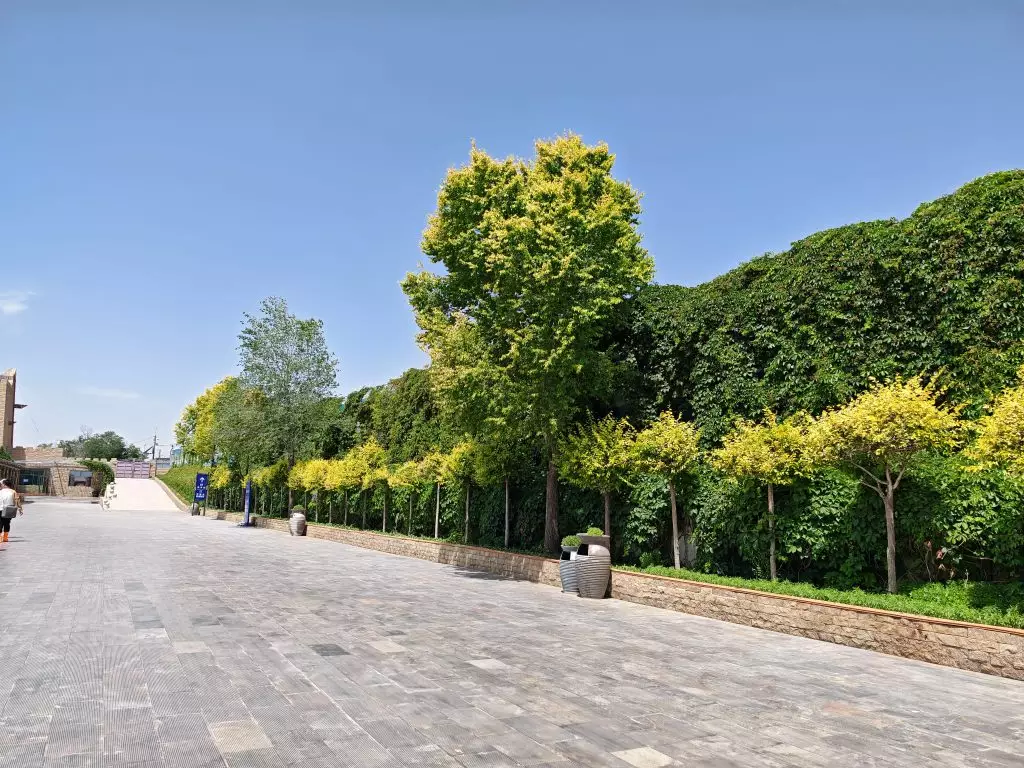
Through generations of relentless effort, Zhongwei now tells a different story, one of harmonious coexistence between humans and sand, transforming the city into a globally recognized miracle of desertification control. Photo by Bastille Post
In the 1950s, sand posed an imminent threat to Zhongwei, coming within about five kilometers of the city's western edge and endangering surrounding farmland, roads, and even the course of the Yellow River. In 1956, to ensure the smooth completion of the Baotou-Lanzhou Railway, China's first desert railway, the nation's first professional desertification control forest farm, the Zhongwei Sand-Fixation Forest Farm, was established. That same year, the Shapotou Desert Research and Experiment Station of the Chinese Academy of Sciences was founded, marking the beginning of systematic, science-led efforts to combat desertification.
Click to Gallery
Through generations of relentless effort, Zhongwei now tells a different story, one of harmonious coexistence between humans and sand, transforming the city into a globally recognized miracle of desertification control. Photo by Bastille Post
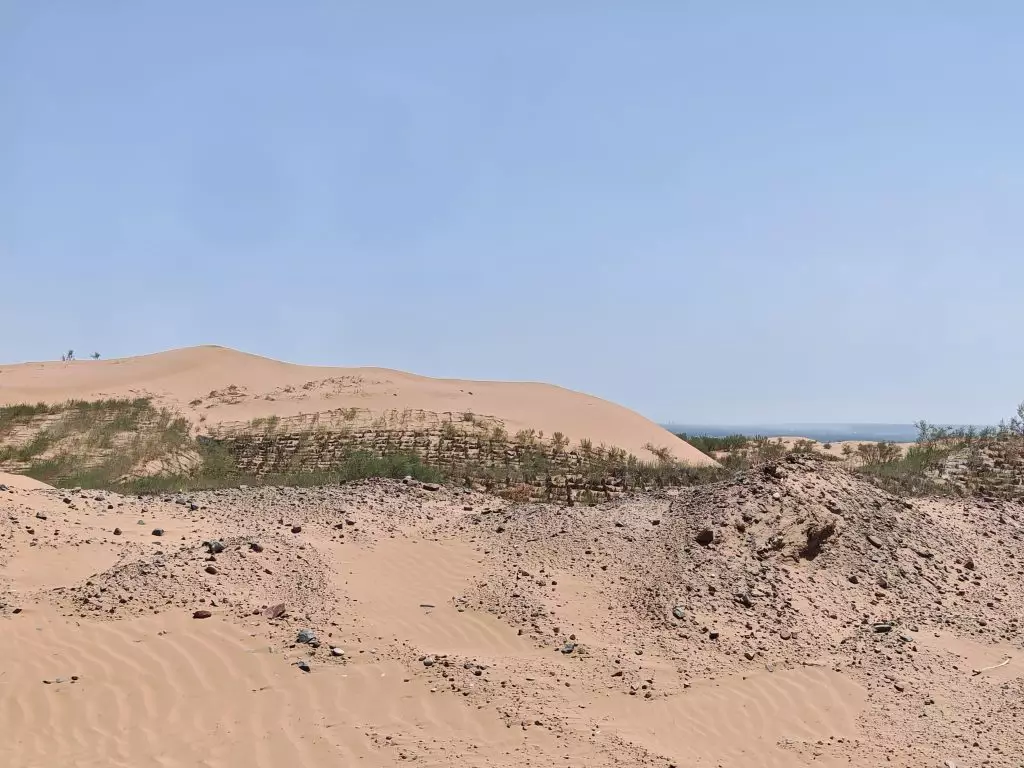
For years, sand has posed an imminent threat to Zhongwei. Photo by Bastille Post
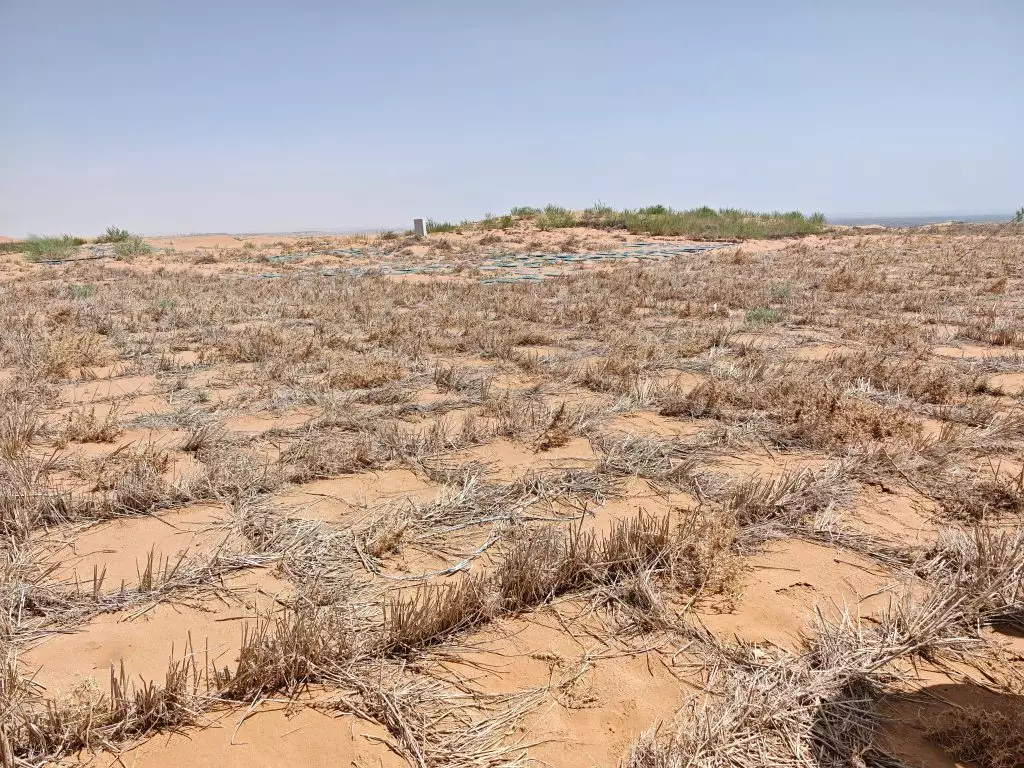
Wheat straw checkerboard, Photo by Bastille Post
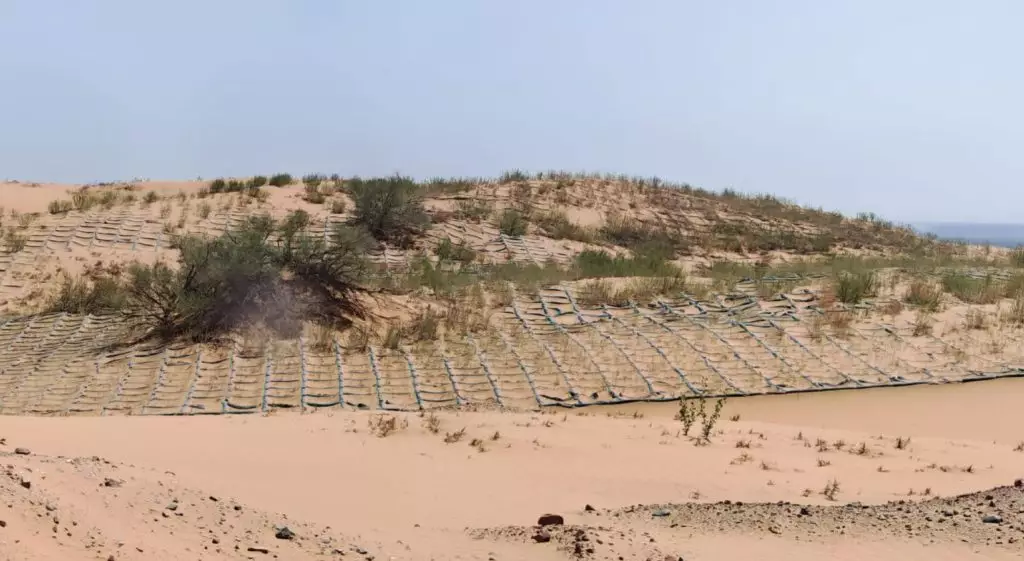
Sand control technologies are constantly being updated in Zhongwei, Photo by Bastille Post
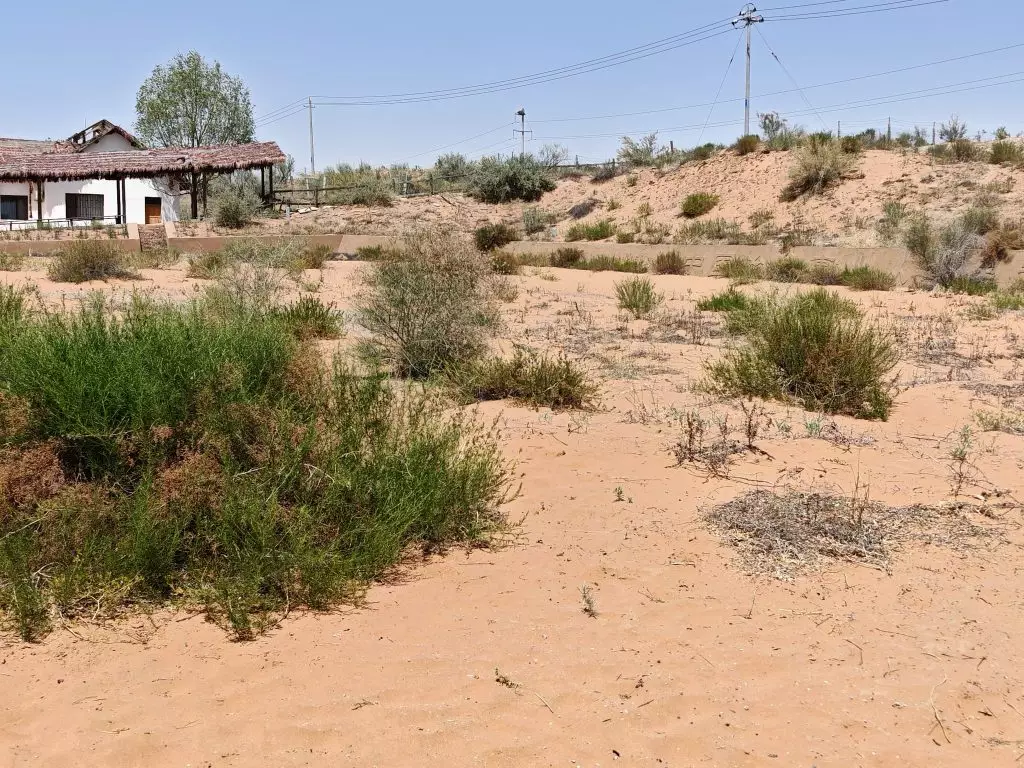
Sand control technologies are constantly being updated in Zhongwei, Photo by Bastille Post
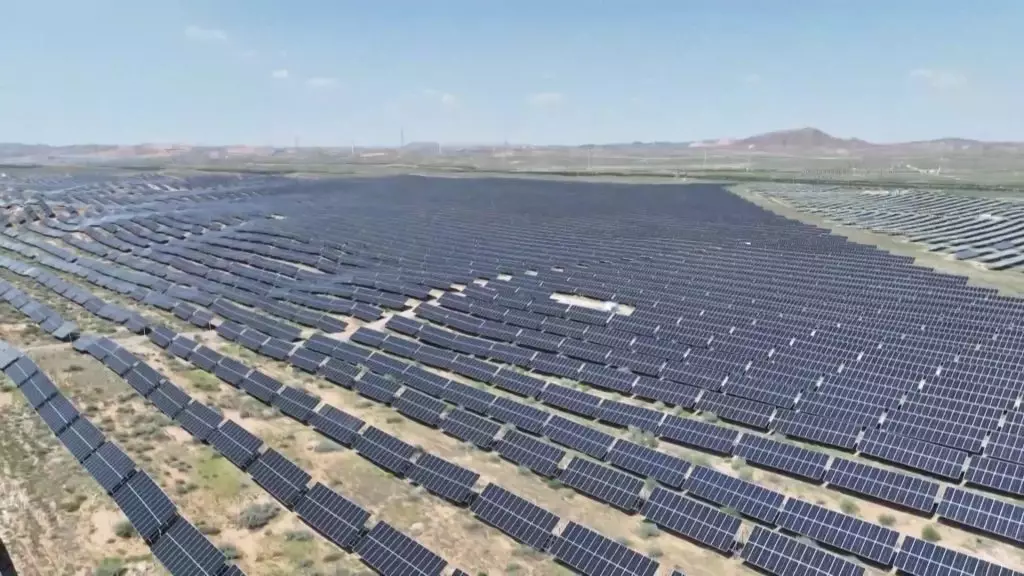
Rows of panels, Photo source: CCTV News
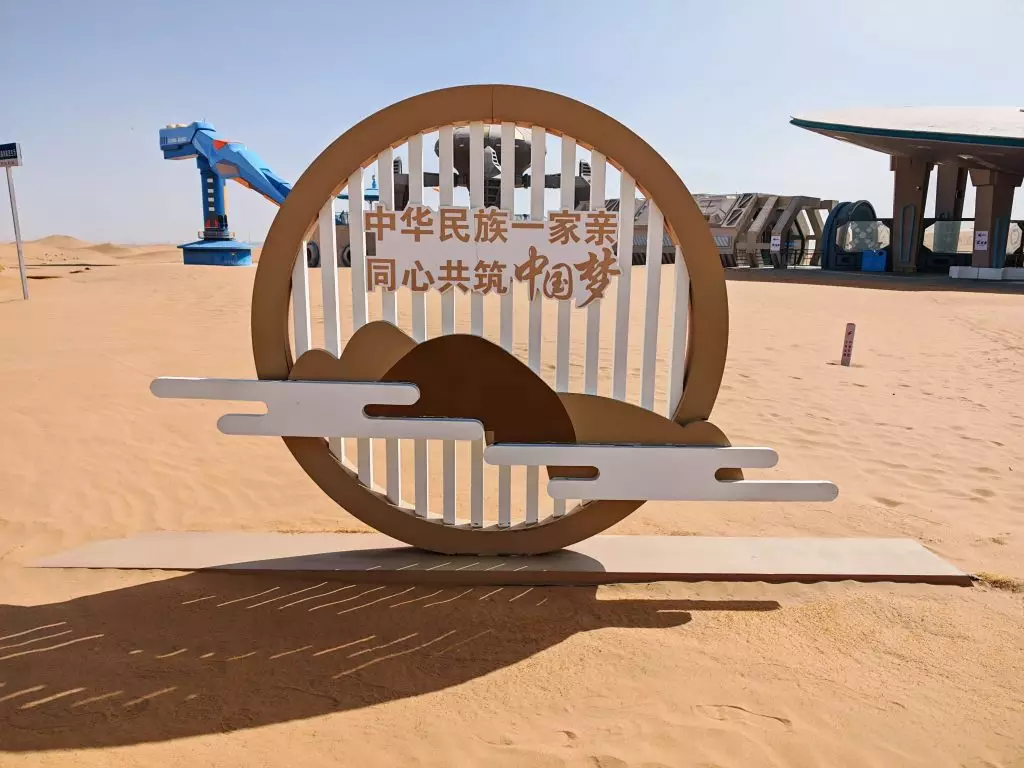
Decades of sustained effort have shifted Zhongwei's desertification status from "severely harmful" to "mildly controllable." The ecosystem is now on a positive trajectory. Photo by Bastille Post
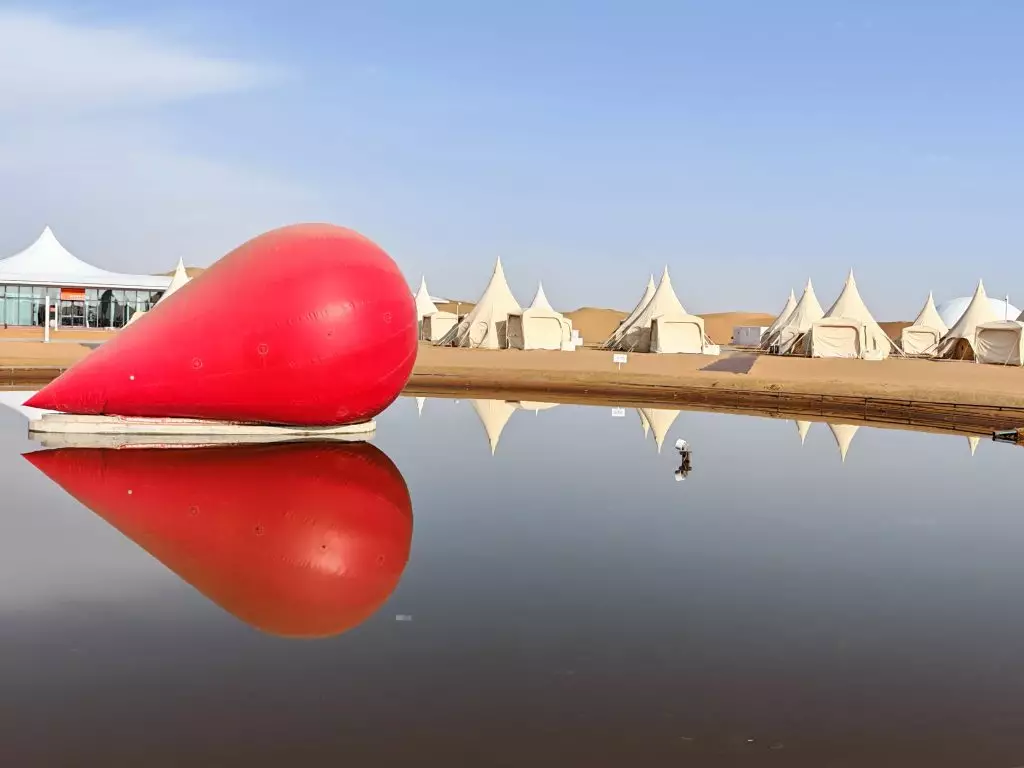
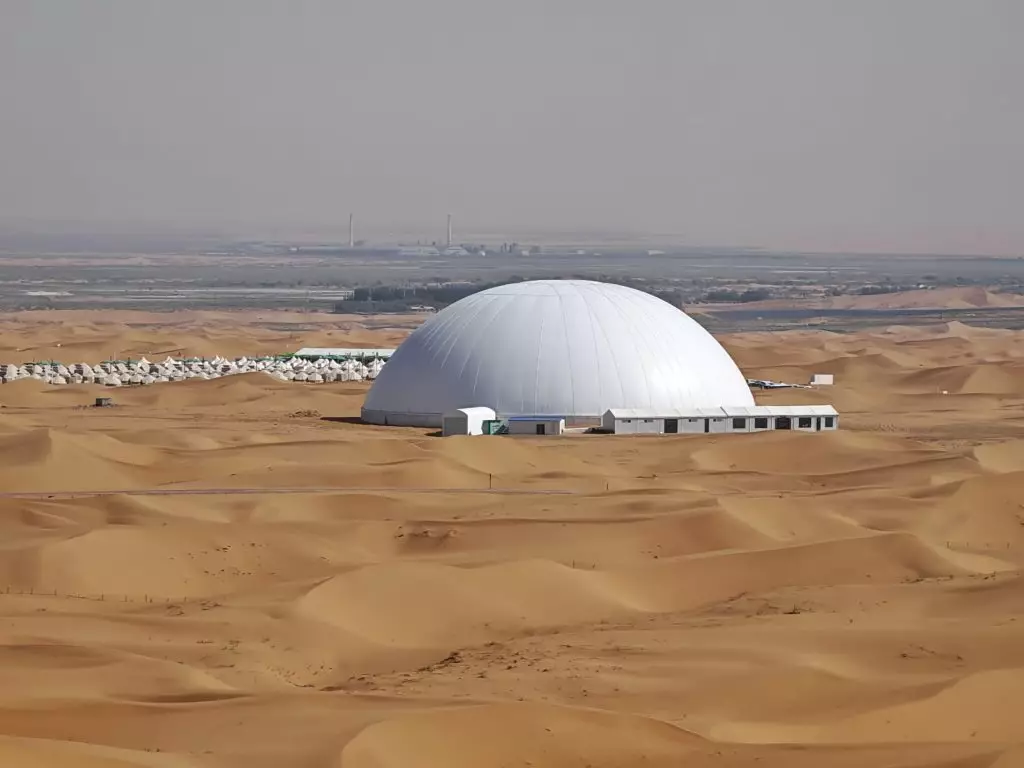
The desert‑themed resort in Zhongwei, Photo by Bastille Post
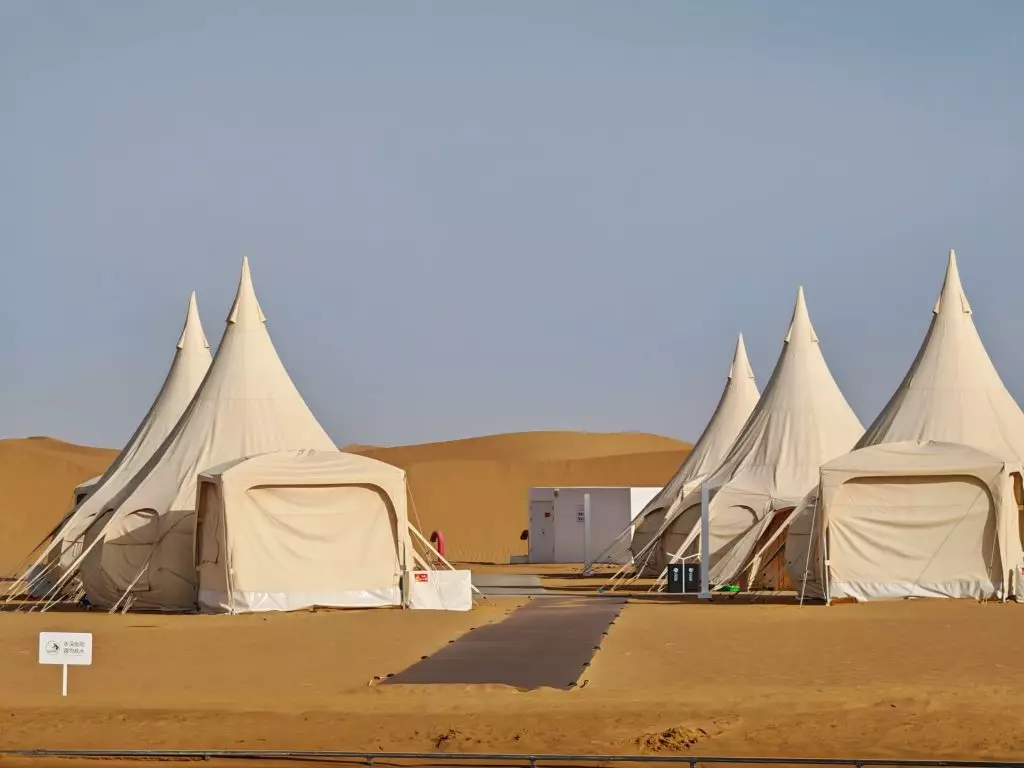
The desert‑themed resort in Zhongwei, Photo by Bastille Post
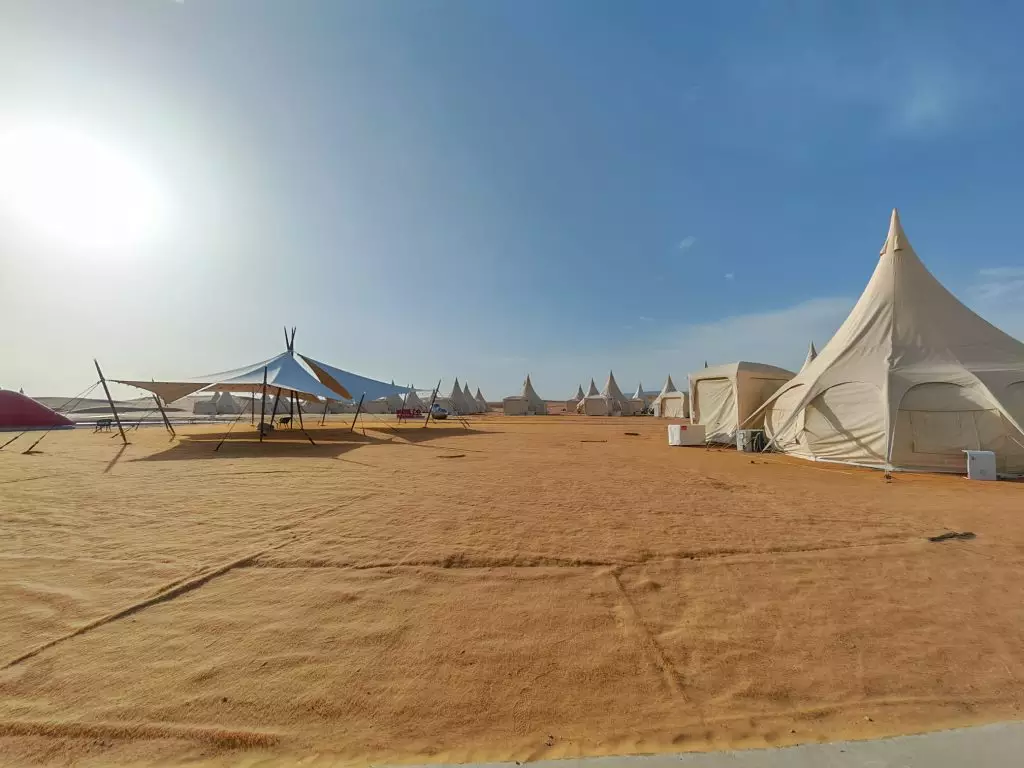
The desert‑themed resort in Zhongwei, Photo by Bastille Post
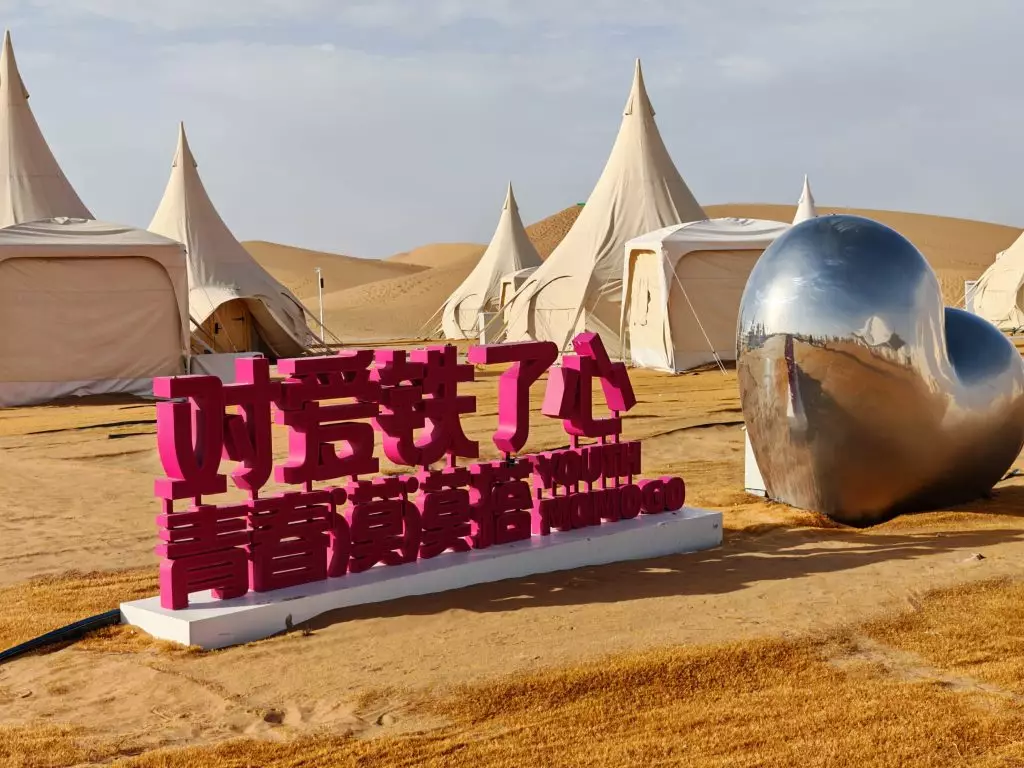
The desert‑themed resort in Zhongwei, Photo by Bastille Post
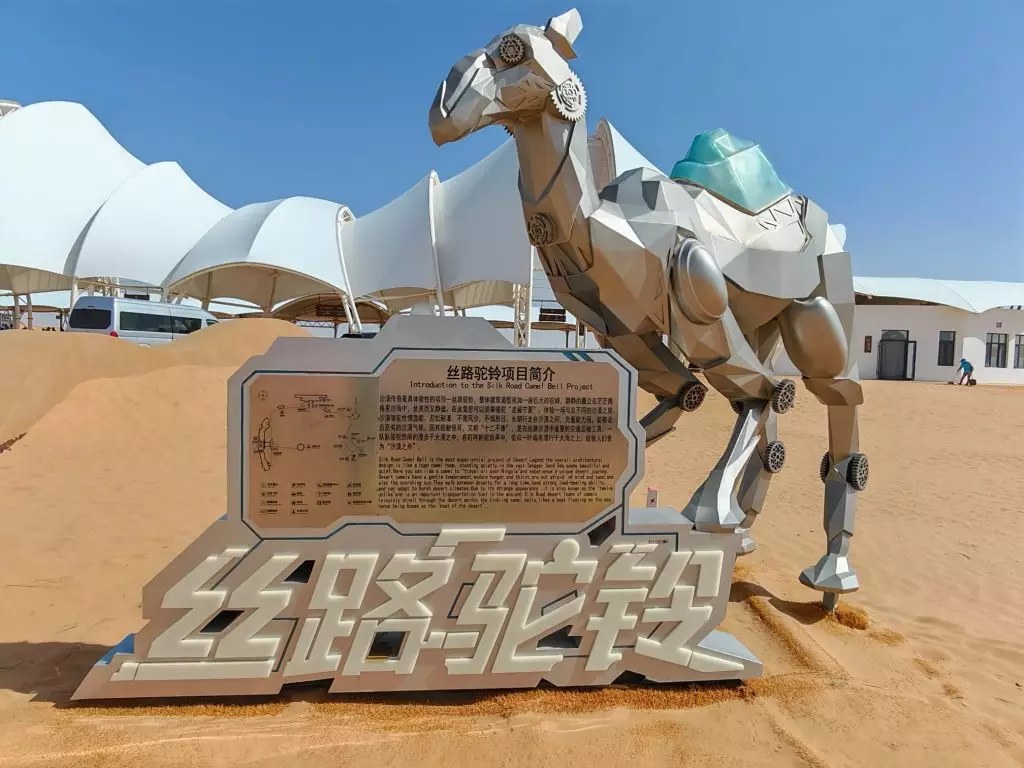
Camels have become an icon of Zhongwei's desert economy. Photo by Bastille Post
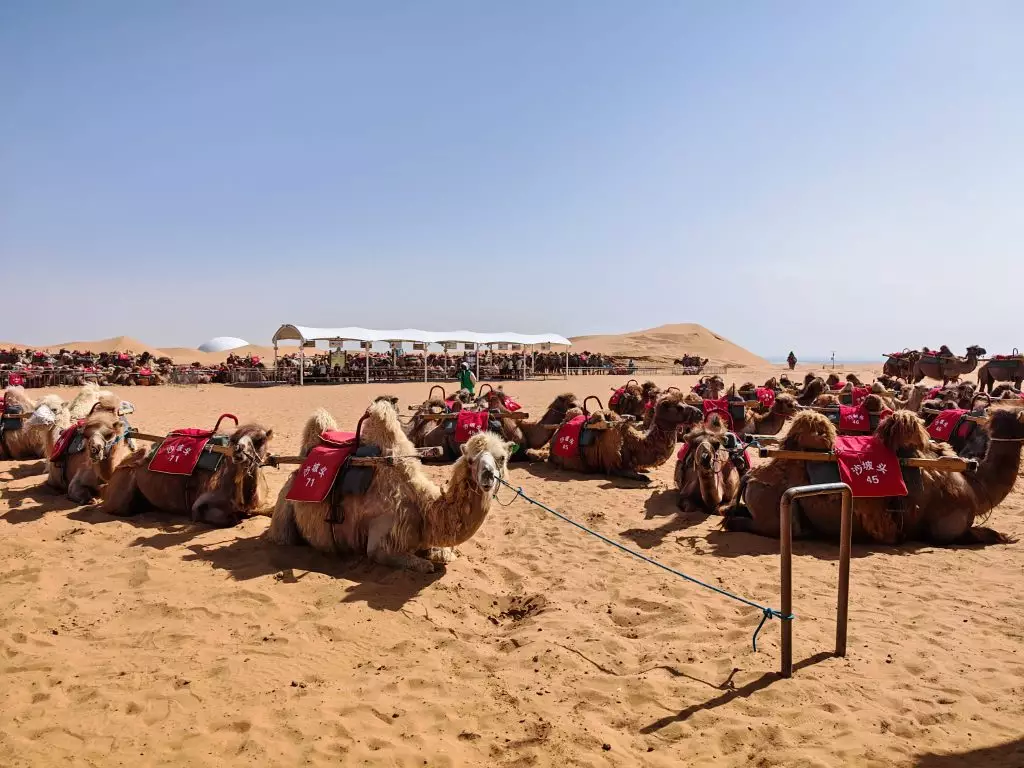
Camels have become an icon of Zhongwei's desert economy. Photo by Bastille Post
From sand‑threatened to sand‑adaptive, Zhongwei's journey is more than a local success story. It reflects a profound transformation in the relationship between humanity and nature. Photo by Bastille Post
For years, sand has posed an imminent threat to Zhongwei. Photo by Bastille Post
Wheat Straw Checkerboards Bring Sand Control Miracle
After countless failed attempts, researchers invented a deceptively simple yet revolutionary technique: the wheat straw checkerboard. Workers drive wheat straw into the sand using shovels, forming square grids that leave 15 to 20 centimeters above the surface. These humble straw squares effectively reduce surface wind speed, anchoring the unruly shifting dunes. Within the grids, drought-resistant plants such as Artemisia desertorum and Astragalus adsurgens take root, gradually turning patchy greenery into a continuous shield.
Wheat straw checkerboard, Photo by Bastille Post
Consequently, along both sides of the Baotou-Lanzhou Railway, a green belt roughly 800 meters wide was created, ensuring the smooth flow of this vital transport artery. Witnessing the success of this sand control method, the international community has since incorporated it into global practices to control desertification, putting Zhongwei on the world stage.
Nevertheless, traditional wheat straw checkerboards weather within two to three years and require labor-intensive replacement. To address the inefficiency of purely manual operation, Zhongwei has continued to innovate its sand control solutions. For instance, the brush‑like rope‑type checkerboard, developed by a research team from the Northwest Institute of Eco-Environment and Resources of the Chinese Academy of Sciences, uses mechanized straw ropes laid directly on the sand, relying on wind action to naturally fix the sand in place. With this solution, sand control efficiency increases by about 60%, while the checkerboard's lifespan extends to over six years, with reduced costs.
Sand control technologies are constantly being updated in Zhongwei, Photo by Bastille Post
Another sand control solution, artificial cyanobacteria crusting, can form biological soil crusts in roughly two to three years by cultivating dominant cyanobacteria, a process that naturally used to take 10 to 20 years. Able to increase sand fixation efficiency by two to three times, this technique has already been applied to the Yellow River "U‑shaped bend" treatment project.
Moreover, high‑tech deployment, including drones, sand‑barrier laying machines, and electric seedling planters, is now widely used to improve efficiency across sandy areas.
Sand control technologies are constantly being updated in Zhongwei, Photo by Bastille Post
Innovative Three‑Dimensional Control Model with PV Power
Zhongwei has also harnessed its abundant solar and thermal resources to pioneer a three‑dimensional desertification control model: straw checkerboards beneath photovoltaic (PV) panels.
In the photovoltaic industrial park on the southeastern edge of the Tengger Desert, rows of panels do double duty — generating clean electricity while reducing surface wind speed and water evaporation. Beneath them, straw checkerboards hold the sand, while drought‑resistant grasses are planted alongside moderate amounts of shrubs, creating an integrated ecosystem of "power generation on top, restoration underneath, and planting in between." At the 16th Conference of the Parties to the United Nations Convention to Combat Desertification (2024), this model was promoted globally as an example of "Chinese wisdom" and the "Zhongwei experience."
Rows of panels, Photo source: CCTV News
On June 30, 2025, the Tengger Desert sand‑fixing and edge‑locking project in Ningxia was fully completed. In Changliushui Village, Shapotou District of Zhongwei City, workers drove the last meter of straw checkerboard into the sand, marking the official completion of a sand‑fixing belt stretching approximately 153 kilometers long and 10 to 38 kilometers wide. This "green Great Wall" consists of five integrated belts: a firebreak, an irrigation and afforestation belt, a grass barrier belt, a front‑line sand‑blocking belt, as well as a sand‑sealing and grass‑cultivating belt. Together, they form a critical ecological barrier in the upper reaches of the Yellow River, helping Ningxia effectively "lock" the Tengger Desert within its borders.
Decades of sustained effort have shifted Zhongwei's desertification status from "severely harmful" to "mildly controllable." The ecosystem is now on a positive trajectory. Photo by Bastille Post
Decades of sustained effort have shifted Zhongwei's desertification status from "severely harmful" to "mildly controllable." The ecosystem is now on a positive trajectory: the number of natural plant species in the Tengger Desert control area has increased from 25 to over 450, while wild animal species have grown from more than 250 to over 300. Forest coverage has risen from 6.8% to 9.43%, and comprehensive grassland vegetation cover has increased from 45% to 59%. Moreover, herds of the goitered gazelle, a national second‑class protected wild animal, now roam the area, offering clear evidence of the city's strengthening ecosystem stability.
Turning Sand into Gold: Developing Desert Economy
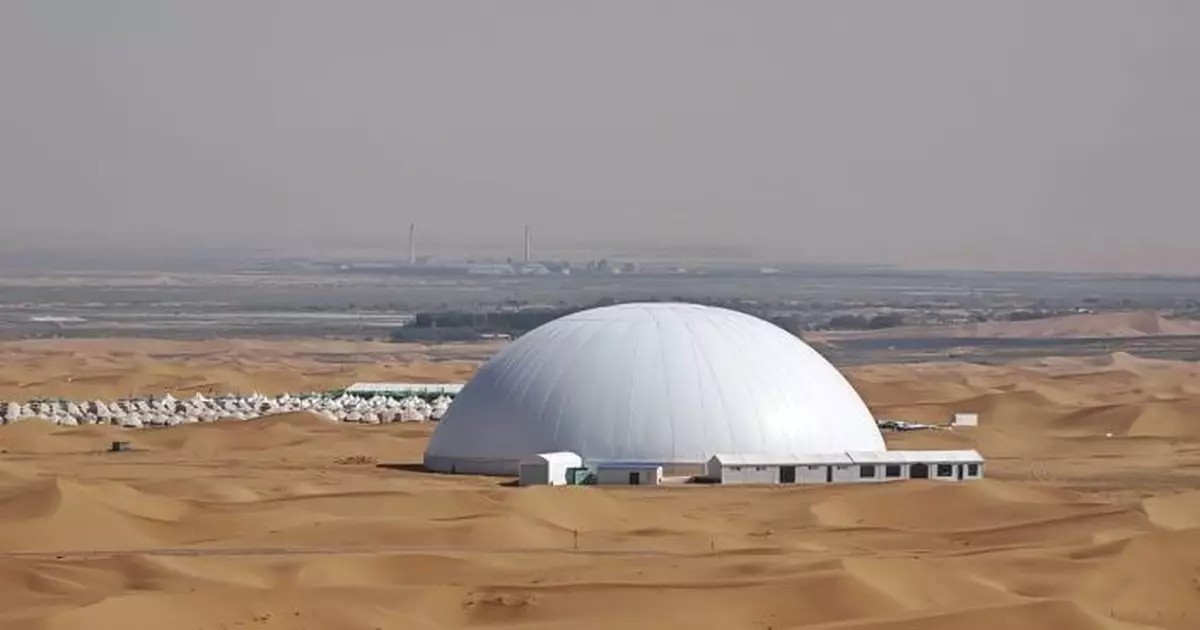
Desertification control in Zhongwei isn't just about prevention; it's also about sustainable development. Of the city's 1.88 million mu (approximately 123,333 hectares) of desertified land, 1.7 million mu (nearly 113,333 hectares) have been successfully brought under control. The remaining 180,000 mu (about 12,000 hectares) have been designated as a "desert tourism resort area", realizing the diversified development of the desert economy.
On the tourism front, the Shapotou Scenic Area attracts visitors with its dramatic desert and Yellow River landscapes, stargazing experiences, and newly built desert hotels and campsites. In 2024, the Zhongwei Desert and Yellow River (Shapotou) Tourist Resort was approved as a national‑level tourist resort, becoming China's first desert‑themed resort at that tier. That same year, Zhongwei received 18.5 million tourists, generating 11 billion RMB in tourism revenue, both figures up more than 20% year‑on‑year.
The desert‑themed resort in Zhongwei, Photo by Bastille Post
In the realm of new energy, the Tengger Desert 3‑million‑kilowatt photovoltaic project, the first national‑level Gobi Desert energy base at the 10‑gigawatt scale, approved jointly by the National Development and Reform Commission and the National Energy Administration, is now fully operational. Through the "Ningxia to Hunan" power transmission project, Ningxia sends approximately 36 billion kilowatt‑hours of electricity to Hunan annually, some of which comes from this desert new energy base. The region has also completed 145,000 mu (about 9,333 hectares) of photovoltaic desertification control projects.
The desert‑themed resort in Zhongwei, Photo by Bastille Post
The desert‑themed resort in Zhongwei, Photo by Bastille Post
On the computing power front, Zhongwei has also emerged as one of China's top ten data center clusters, attracting more than 20 data companies, including the four major telecom operators, Centrin Data, Zhonglian Zero Carbon, and Tencent AI Infra. It has built the world's first comprehensive remote sensing satellite calibration field, China's first commercial satellite telemetry and command center, and the nation's first "10,000‑card‑level" intelligent computing base.
Additionally, leveraging the sandy area's light and heat conditions, Zhongwei has developed forestry and fruit industries centered on goji berries and apples. By the end of 2025, the area of specialty economic forests had reached 2.545 million mu (approximately 169,667 hectares), with an output value of roughly 3.62 billion RMB.
The desert‑themed resort in Zhongwei, Photo by Bastille Post
Challenges Ahead: Consolidating the Gains
The completion of the sand‑fixing and edge‑locking project does not mark the end of the fight with sand. Consolidating these hard‑won gains will require continued effort from the people of Zhongwei.
During the 15th Five‑Year Plan period, Zhongwei has set binding ecological targets: forest coverage to reach 10.67%, the share of non‑fossil energy consumption to hit 29%, and the soil and water conservation rate to stand at 76.2%.
In the future, Zhongwei will continue its work along the Yellow River's "U‑shaped bend", strengthen joint prevention and control with Gansu and Inner Mongolia, consolidate the achievements of the Tengger Desert edge‑locking project, and vigorously develop green industries such as photovoltaic desertification control and ecotourism. The city aims to complete planned desertification control on 2.25 million mu (nearly 143,333 hectares) by 2027, making the green Great Wall even stronger.
Camels have become an icon of Zhongwei's desert economy. Photo by Bastille Post
Camels have become an icon of Zhongwei's desert economy. Photo by Bastille Post
From sand‑threatened to sand‑adaptive, Zhongwei's journey is more than a local success story. It reflects a profound transformation in the relationship between humanity and nature. The city, once relentlessly encroached upon by sand, has not only built an ecological security barrier for China, but also offered a replicable, scalable "Chinese solution" to the rest of the world in pursuit of a greener future.
From sand‑threatened to sand‑adaptive, Zhongwei's journey is more than a local success story. It reflects a profound transformation in the relationship between humanity and nature. Photo by Bastille Post