HKETO Berlin promotes Hong Kong's developments in Northern Metropolis and innovation and technology in Germany
The Hong Kong Economic and Trade Office, Berlin (HKETO Berlin) highlighted Hong Kong's latest developments in the Northern Metropolis and innovation and technology (I&T) at the international conference New Horizons in Future Technologies, held in Chemnitz, Germany, on May 28 and 29 (Chemnitz time).
The conference, which was cohosted by Industrieverein Sachsen 1828, German Global Trade Forum Berlin, and the University of Technology Chemnitz, brought together representatives from the government, business, academic, and diplomatic community. A highlight of the conference was the forum held on May 29, where representatives from Germany and senior diplomats exchanged insights on global development trends and technological developments.
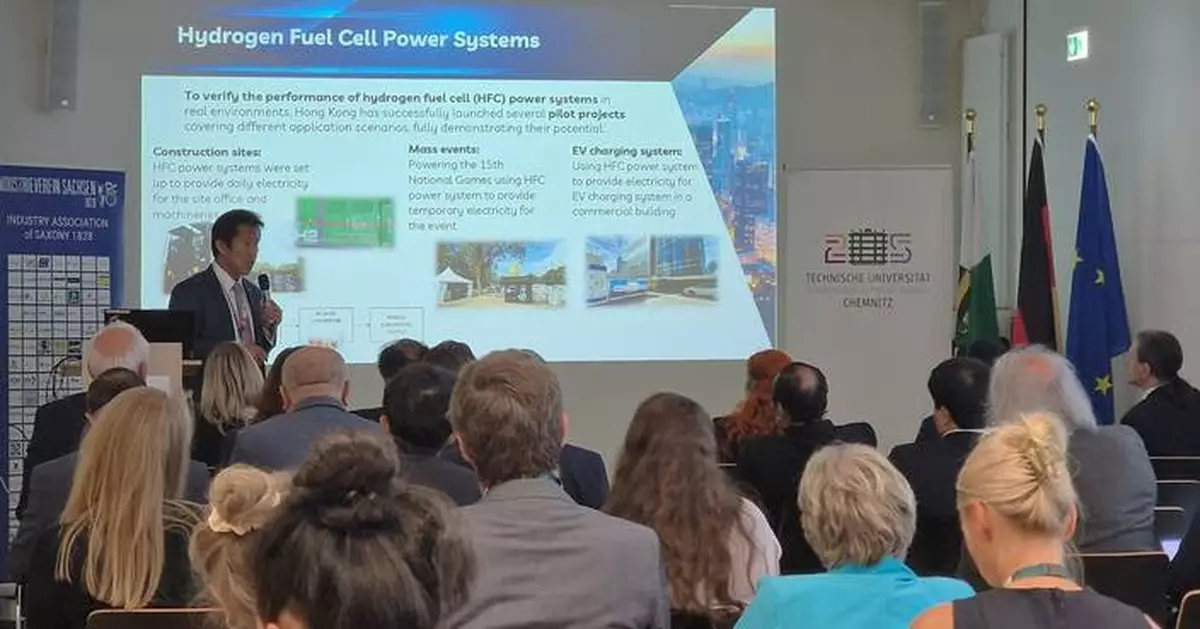
Speaking at the forum, the Director of the HKETO Berlin, Mr Indiana Wong, highlighted the strategic development of the Northern Metropolis as well as the I&T ecosystem in Hong Kong. He also outlined Hong Kong's unique role as a gateway to the Chinese Mainland and wider Asian markets, as well as the opportunities under the "Go Global" initiative.
"The Northern Metropolis covers 30 000 hectares, accounting for one-third of Hong Kong's total land area and injecting new economic impetus into Hong Kong. The development of the Northern Metropolis will also forge closer economic co-operation with adjacent cities in the Greater Bay Area. It is expected to develop into a world-class I&T and research and development hub, which will create numerous job opportunities and attract global talent," Mr Wong said.
The conference also provided a platform for representatives from government, business, and academic sectors to discuss and exchange views on emerging technologies, scientific collaboration, and industrial transformation. Mr Wong also highlighted the top-level planning for hydrogen development and applications in Hong Kong at the conference.
About HKETO Berlin
HKETO Berlin is the official representative of the Hong Kong Special Administrative Region Government in commercial relations and other economic and trade matters in Germany as well as Austria, Czechia, Hungary, Poland, the Slovak Republic, Slovenia and Switzerland.
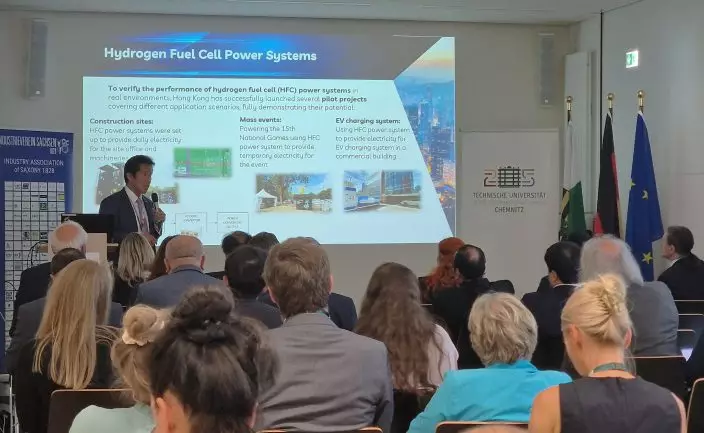
The Hong Kong Economic and Trade Office, Berlin (HKETO Berlin) promoted Hong Kong's innovation and technology (I&T) development at the New Horizons in Future Technologies Conference in Chemnitz, Germany, on May 28 and 29 (Chemnitz time). Photo shows the Director of the HKETO Berlin, Mr Indiana Wong, giving a presentation about Hong Kong's I&T development at the forum on May 29. Source: HKSAR Government Press Releases
FEHD releases seventh batch of gravidtrap indexes for Aedes albopictus in May
The Food and Environmental Hygiene Department (FEHD) today (June 3) released the seventh batch of gravidtrap indexes and density indexes for Aedes albopictus in May, covering 15 survey areas, as follows:
District |
Survey Area |
May 2026 |
Area Gravidtrap Index |
Area Density Index |
Southern |
Deep Water Bay and Repulse Bay |
12.5% |
1.3 |
Wan Chai |
Happy Valley and Tai Hang |
16.7% |
1.4 |
Kowloon City |
Kai Tak |
12.8% |
1.1 |
Sham Shui Po |
Cheung Sha Wan |
25.7% |
1.3 |
Lai Chi Kok |
9.0% |
2.3 |
Sham Shui Po and Shek Kip Mei |
26.2% |
1.3 |
North |
Sheung Shui |
29.3% |
1.5 |
Sai Kung |
Tseung Kwan O East |
27.0% |
1.1 |
Tseung Kwan O North |
35.3% |
1.4 |
Tseung Kwan O West |
8.4% |
1.9 |
Sha Tin |
Ma On Shan |
31.0% |
1.3 |
Sha Tin East |
19.0% |
1.2 |
Kwai Tsing |
Kwai Chung East |
7.2% |
1.7 |
Tsuen Wan |
Tsuen Wan West |
28.6% |
1.1 |
Yuen Long |
Yuen Long Town |
18.1% |
1.4 |
With reference to the data from the past few years, the gravidtrap indexes start to rise from April or May every year. The indexes are higher from April to June. The actual timing and extent of the rise are affected by factors like weather conditions and rainfall. As compared with last year, the temperature began to climb earlier this year and the rainfall in April and May increased substantially, creating favourable conditions for mosquito growth and breeding. As a result, the rise in gravidtrap indexes occurred earlier this year. Depending on factors like rainfall, the indexes may rise further but the overall trend of gravidtrap indexes this year is similar to those of previous years.
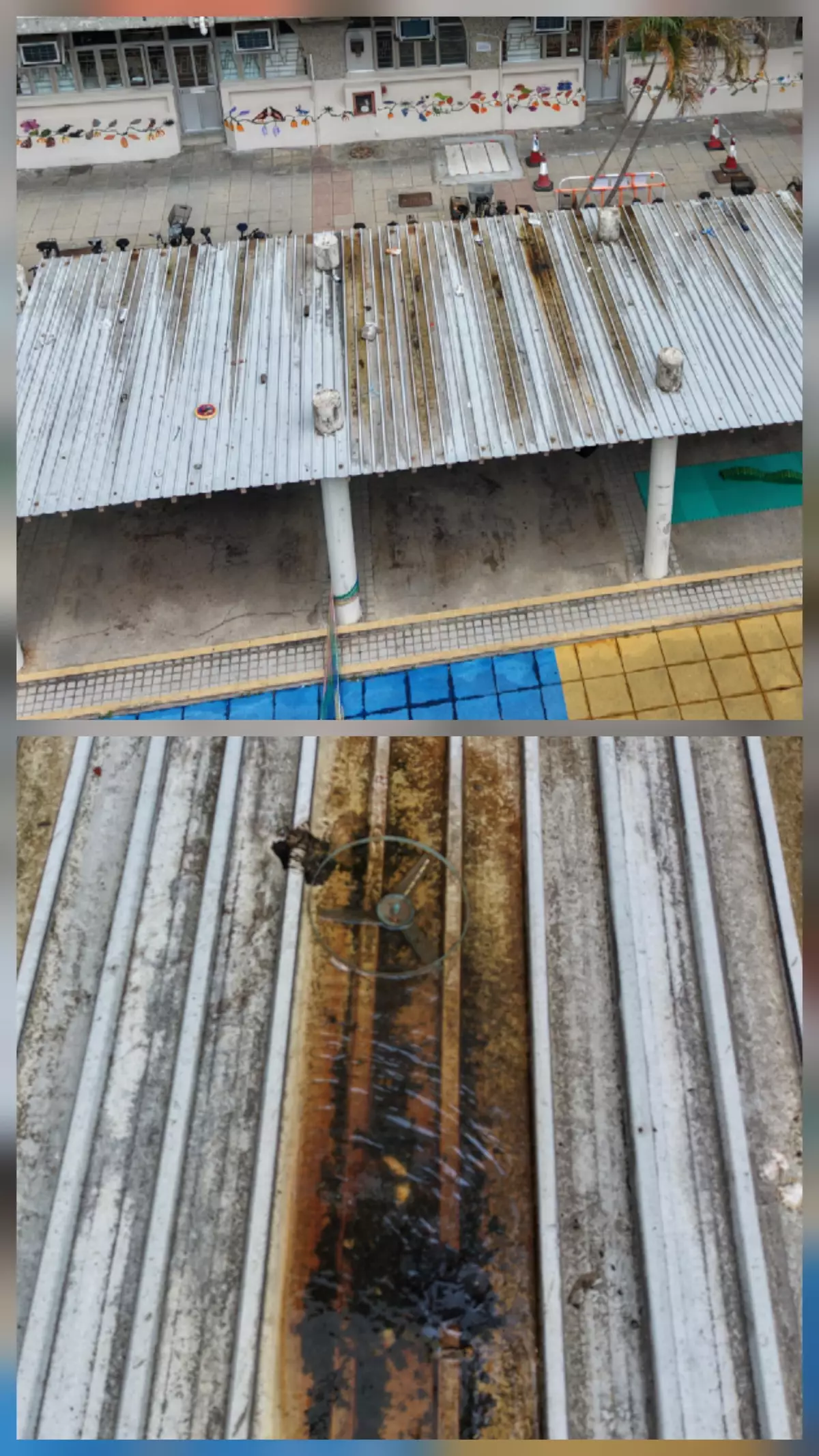
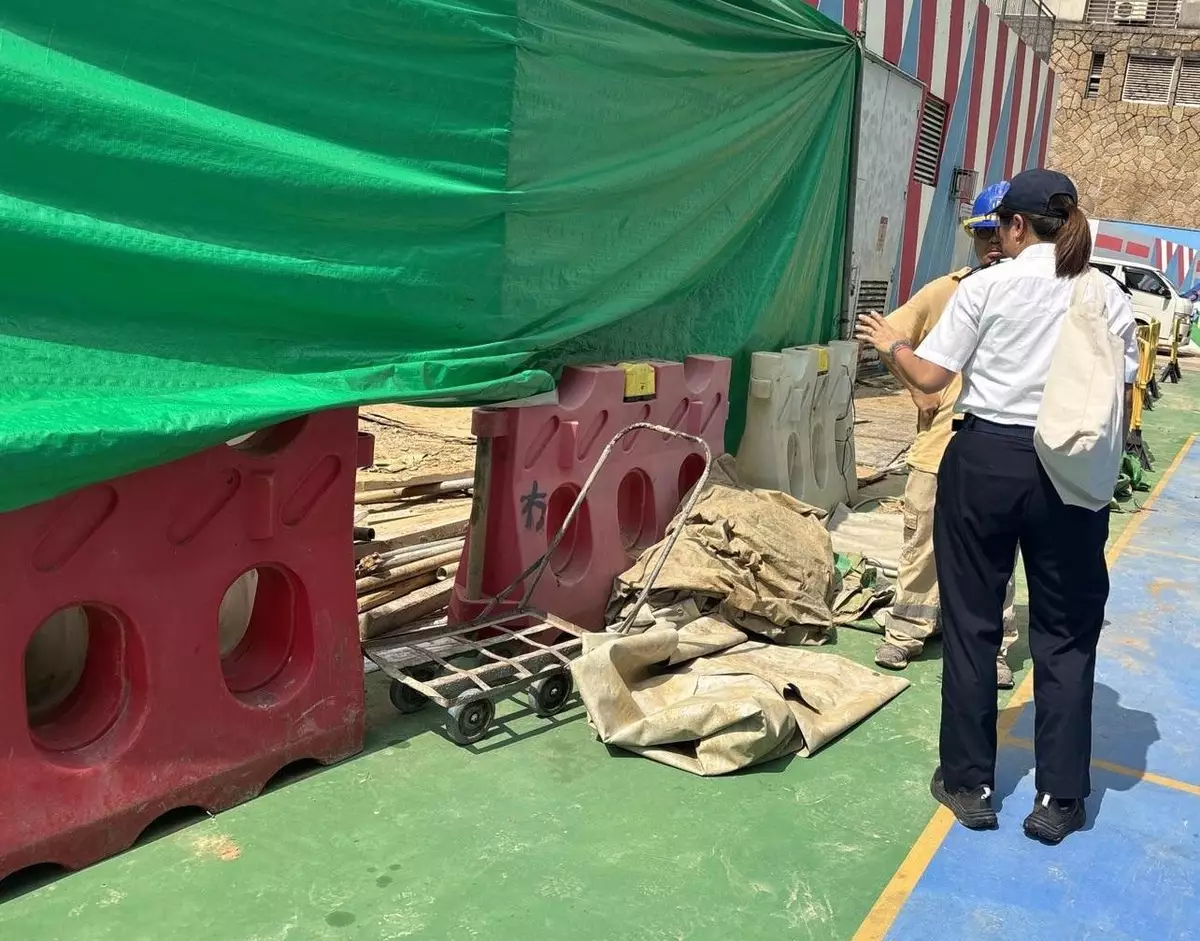
In response to the rise in gravidtrap indexes in recent months, the FEHD has stepped up mosquito prevention and control work across all districts in Hong Kong, including inspecting construction sites, parks, public and private housing estates, and locations with higher mosquito infestations. Between Apr 1 and June 2 this year, the FEHD has initiated 71 prosecutions against the management companies or responsible persons-in-charge of these venues following the discovery of mosquito breeding, and issued 183 statutory notices requiring the clearance of stagnant water or stagnant water containers.
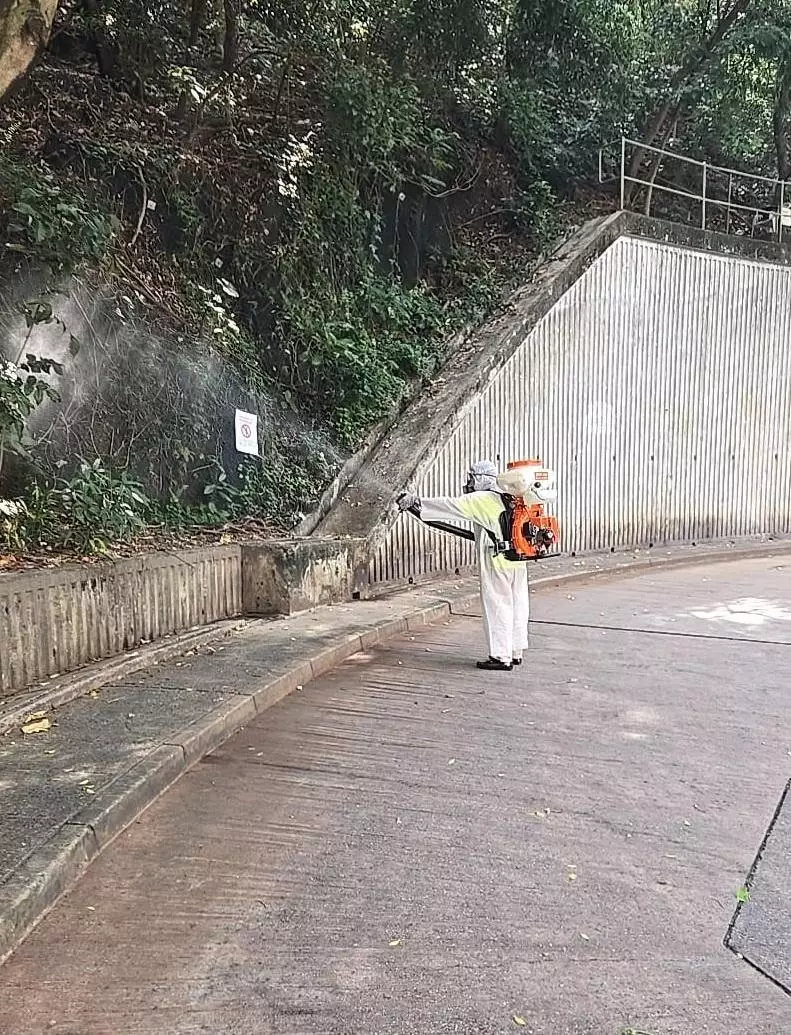
Furthermore, for survey areas which recorded indexes exceeding 10 per cent, in accordance with the mechanism implemented by the FEHD in response to the chikungunya fever (CF) situation (i.e. strengthening mosquito control work in areas with a gravidtrap index between 10 per cent and 20 per cent, instead of 20 per cent or above under the original mechanism), the FEHD is collaborating with relevant departments and stakeholders to identify locations with high mosquito infestations and carry out intensive and targeted mosquito control measures, including eliminating mosquito breeding grounds, applying larvicides, conducting fogging operations to eradicate adult mosquitoes, and ensuring that mosquito trapping devices at appropriate locations are operating properly. The FEHD, the relevant departments and stakeholders also strengthen efforts in publicity and education, including organising exhibitions, distributing leaflets and posters, and notifying residential estates that have subscribed to the gravidtrap Rapid Alert System, advising property management agents and residents to stay vigilant and work together in taking mosquito prevention and elimination measures.
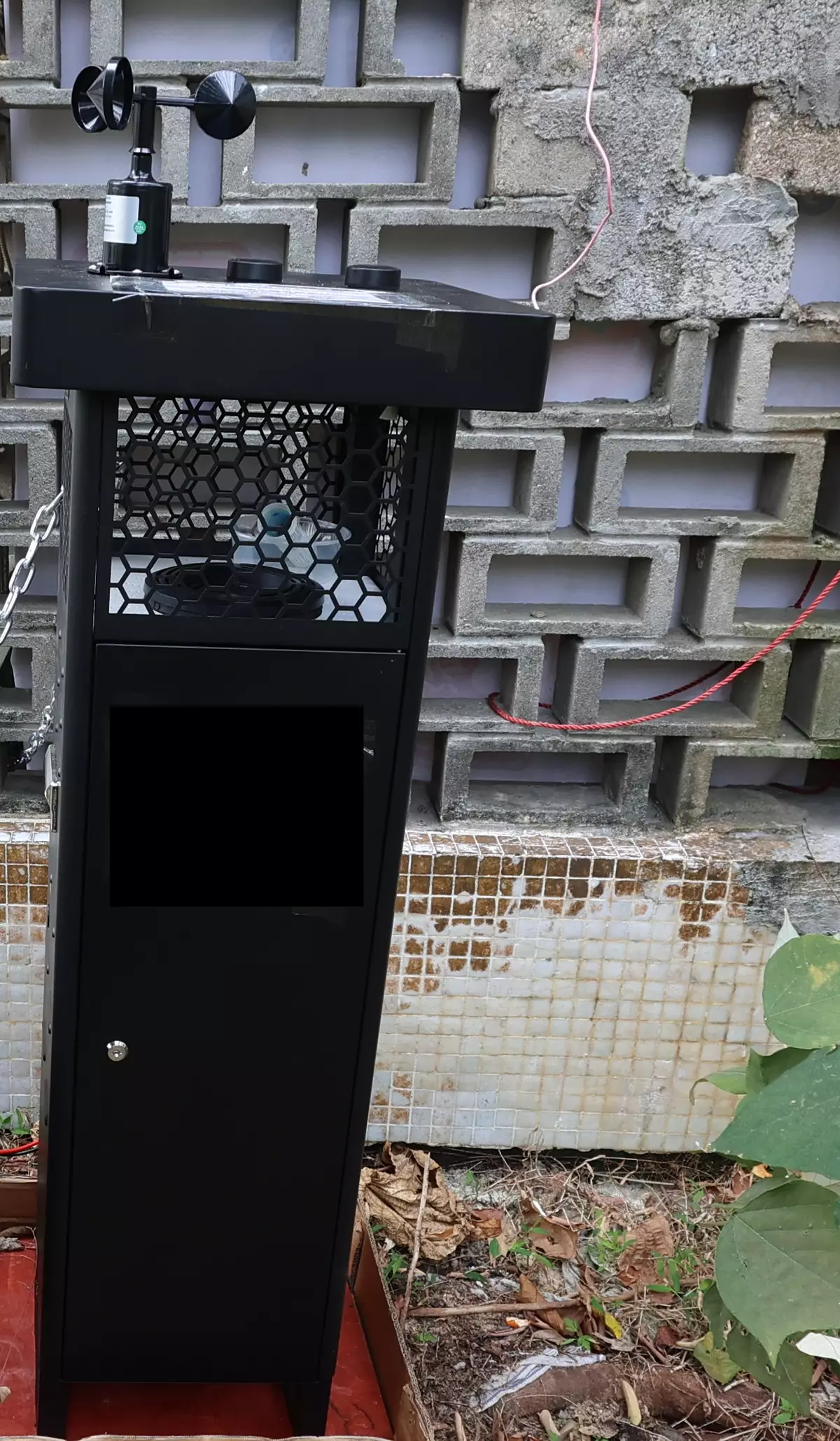
The FEHD is actively adopting and piloting innovative technologies. At present, an intelligent mosquito trapping device imported from the Mainland, which uses specially formulated mosquito attractants to lure and capture adult mosquitoes, is undergoing a field trial. The device also features artificial intelligence to assist in identifying the species and number of mosquitoes collected in order to provide real-time data to assist in continuous monitoring of mosquito infestation. The FEHD will review the operation of the device to assess the feasibility of its widespread application.
Public participation is crucial to the effective control of mosquito problems. The FEHD appeals to members of the public to continue to work together in strengthening personal mosquito control measures, including:
tidy up their premises and check for any accumulation of water inside the premises;
remove all unnecessary water collections and eliminate the sources;
check household items (those placed in outdoor and open areas in particular), such as refuse containers, vases, air conditioner drip trays, and laundry racks to prevent stagnant water;
change water in flower vases and scrub their inner surfaces thoroughly, and remove water in saucers under potted plants at least once a week;
properly cover all containers that hold water to prevent mosquitoes from accessing the water;
properly dispose of articles that can contain water, such as disposable meal boxes and empty cans; and
scrub drains and surface sewers with alkaline detergent at least once a week to remove any mosquito eggs.
Starting in August 2025, following the completion of the surveillance of individual survey areas, and once the latest gravidtrap index and the density index are available, the FEHD has been disseminating relevant information through press releases, its website and social media. It aims to allow members of the public to quickly grasp the mosquito infestation situation and strengthen mosquito control efforts, thereby reducing the risk of CF transmission.
Following recommendations from the World Health Organization and taking into account the local situation in Hong Kong, the FEHD sets up gravidtraps in districts where mosquito-borne diseases have been recorded in the past, as well as in densely populated places such as housing estates, hospitals and schools to monitor the breeding and distribution of Aedes albopictus mosquitoes, which can transmit CF and dengue fever. At present, the FEHD has set up gravidtraps in 62 survey areas of the community, with a surveillance period of two weeks. During the surveillance period, the FEHD will collect the gravidtraps once a week. After the first week of surveillance, the FEHD will immediately examine the glue boards inside the retrieved gravidtraps for the presence of adult Aedine mosquitoes to compile the Gravidtrap Index (First Phase) and Density Index (First Phase). At the end of the second week of surveillance, the FEHD will instantly check the glue boards for the presence of adult Aedine mosquitoes. Data from the two weeks of surveillance will be combined to obtain the Area Gravidtrap Index and the Area Density Index. The gravidtrap and density indexes for Aedes albopictus in different survey areas, as well as information on mosquito prevention and control measures, are available on the department's webpage (www.fehd.gov.hk/english/pestcontrol/dengue_fever/Dengue_Fever_Gravidtrap_Index_Update.html#).
FEHD releases seventh batch of gravidtrap indexes for Aedes albopictus in May Source: HKSAR Government Press Releases
FEHD releases seventh batch of gravidtrap indexes for Aedes albopictus in May Source: HKSAR Government Press Releases
FEHD releases seventh batch of gravidtrap indexes for Aedes albopictus in May Source: HKSAR Government Press Releases
FEHD releases seventh batch of gravidtrap indexes for Aedes albopictus in May Source: HKSAR Government Press Releases