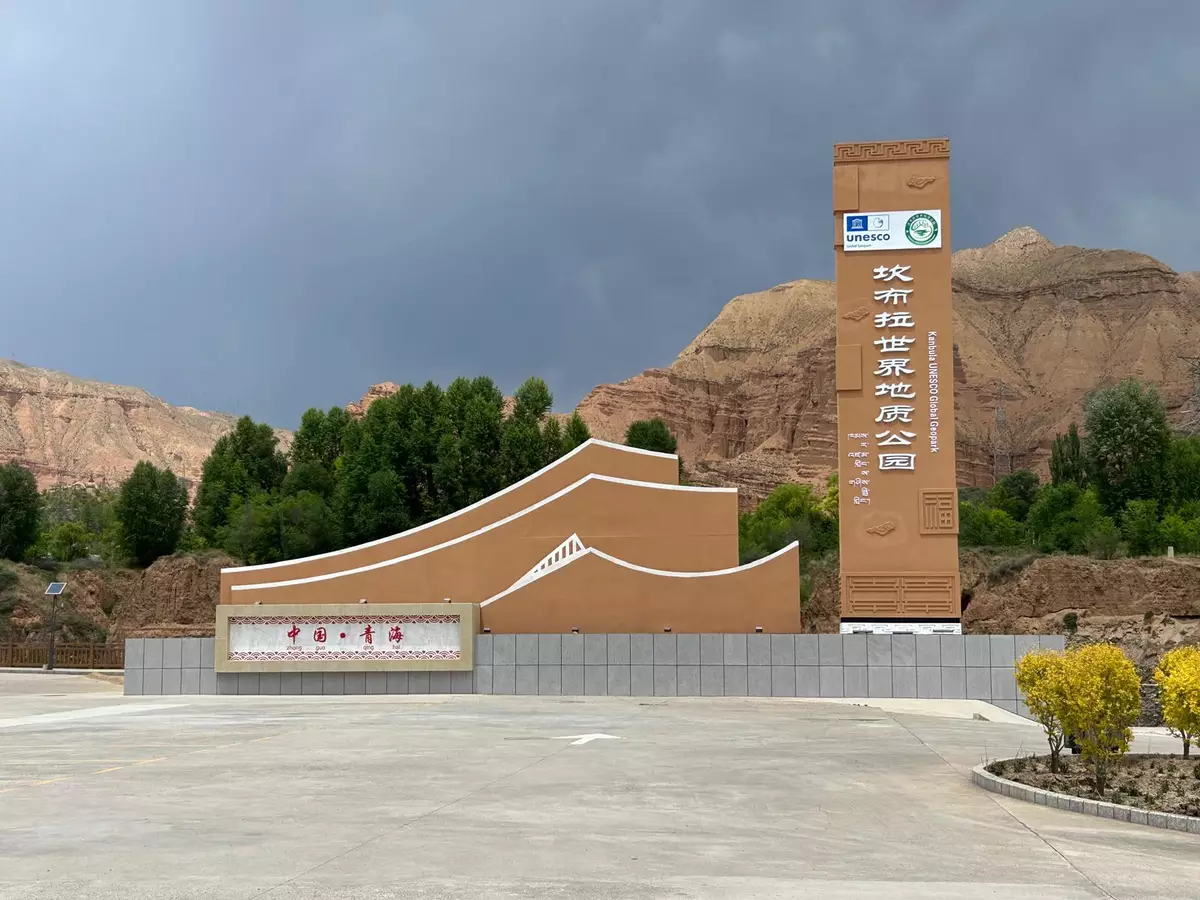
When people think of Qinghai's scenery, many immediately picture Qinghai Lake and the vast, rugged landscapes of Northwest China. This time, Bastille Post's visit to Qinghai revealed not only local natural beauty, but also profound faith and art shining in the region. Visiting Ta'er Temple, a sacred site of Tibetan Buddhism, the reporter experienced a rare sense of solemnity and tranquility.
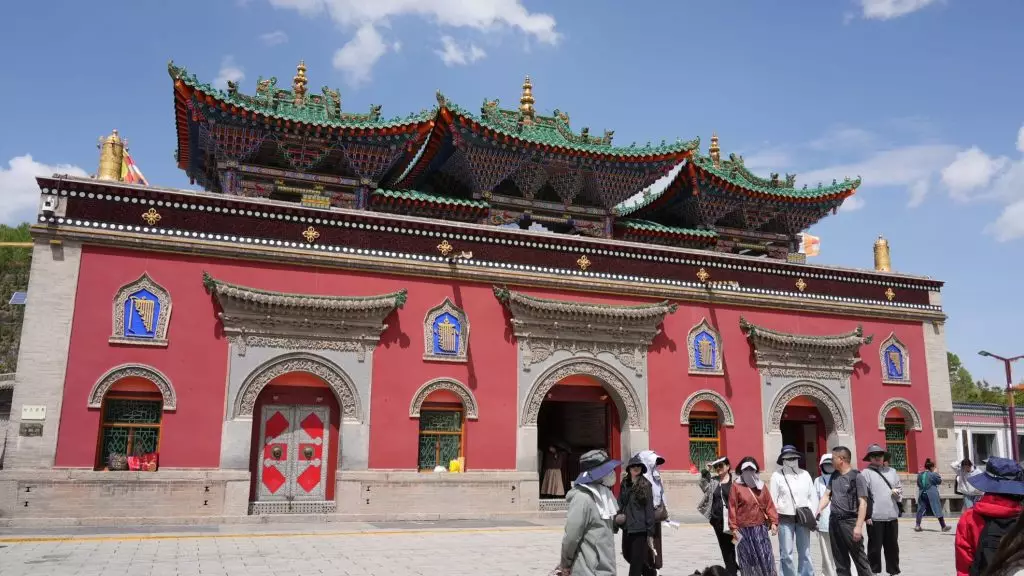
Ta'er Temple, Photo by Bastille Post
Located in Northwest China, Qinghai is a high-altitude region. Its capital, Xining, sits at approximately 2,200 meters above sea level. According to the rule of thumb that temperature drops by about six degrees Celsius for every 1,000 meters of elevation gain, Xining enjoys a natural coolness compared to the sweltering heat of Hong Kong. During the reporter's visit, temperatures remained consistently comfortable.
Click to Gallery
Ta'er Temple, Photo by Bastille Post
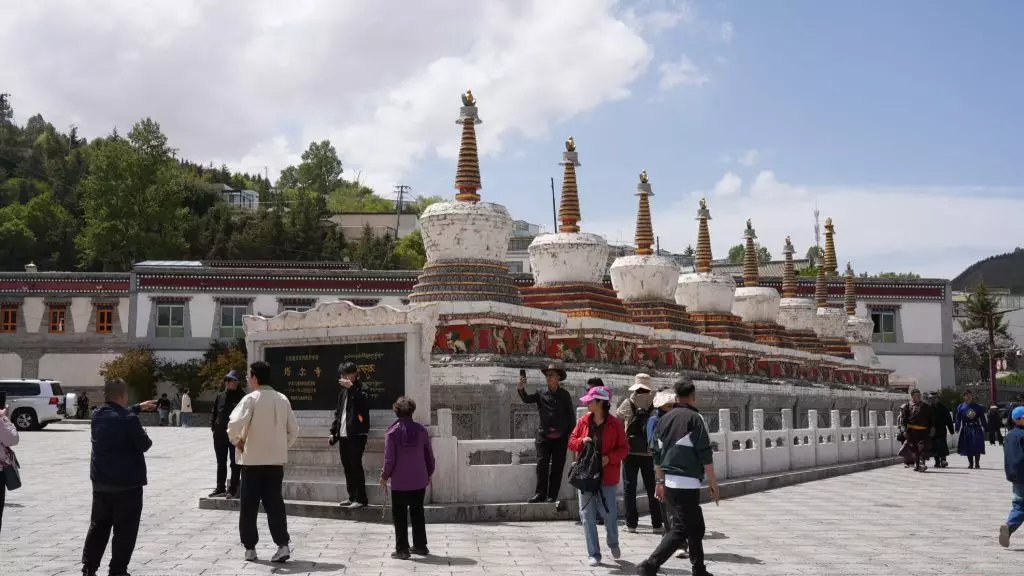
A row of stupas, Photo by Bastille Post
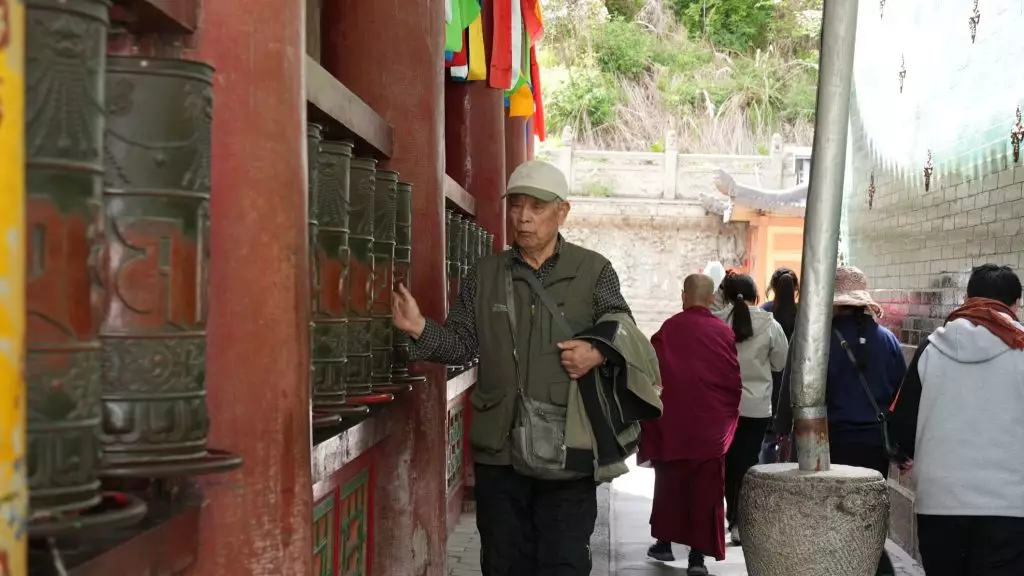
Prayer wheels, Photo by Bastille Post
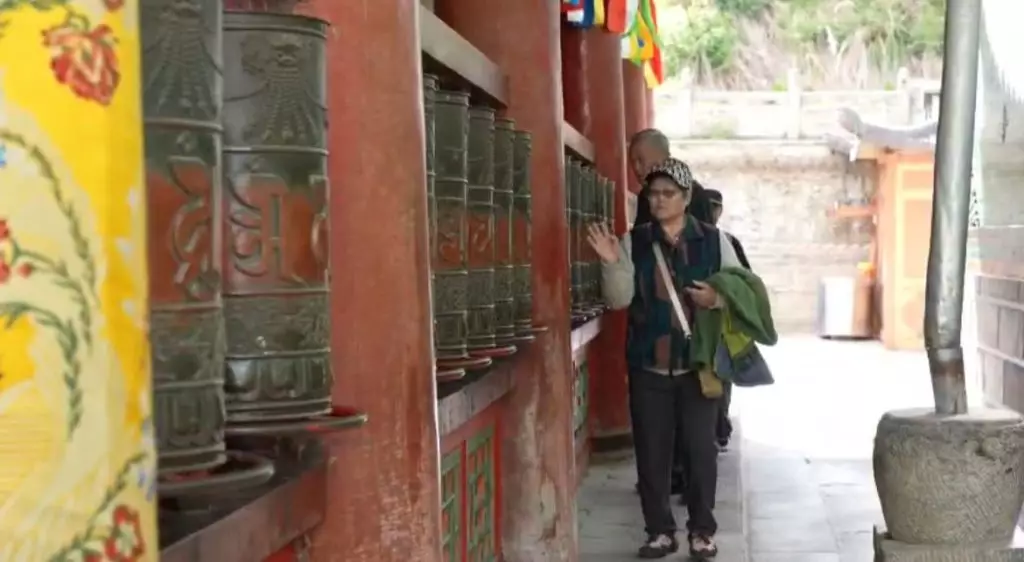
Prayer wheels, Photo by Bastille Post
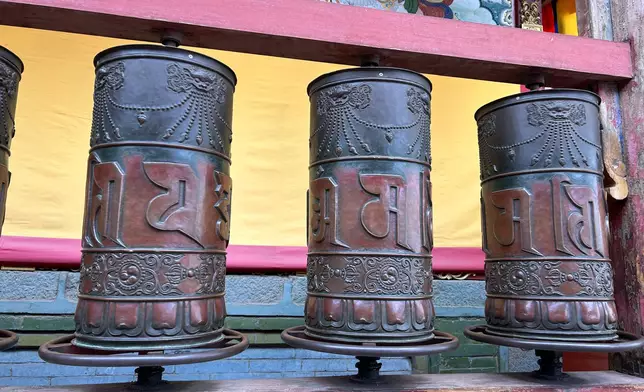
Prayer wheels, Photo by Bastille Post
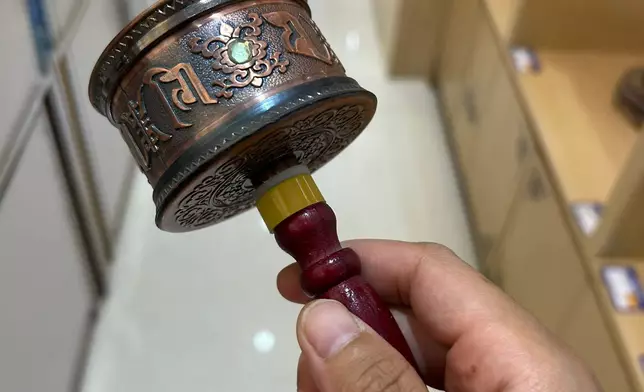
The small prayer wheel bought by the reporter, Photo by Bastille Post
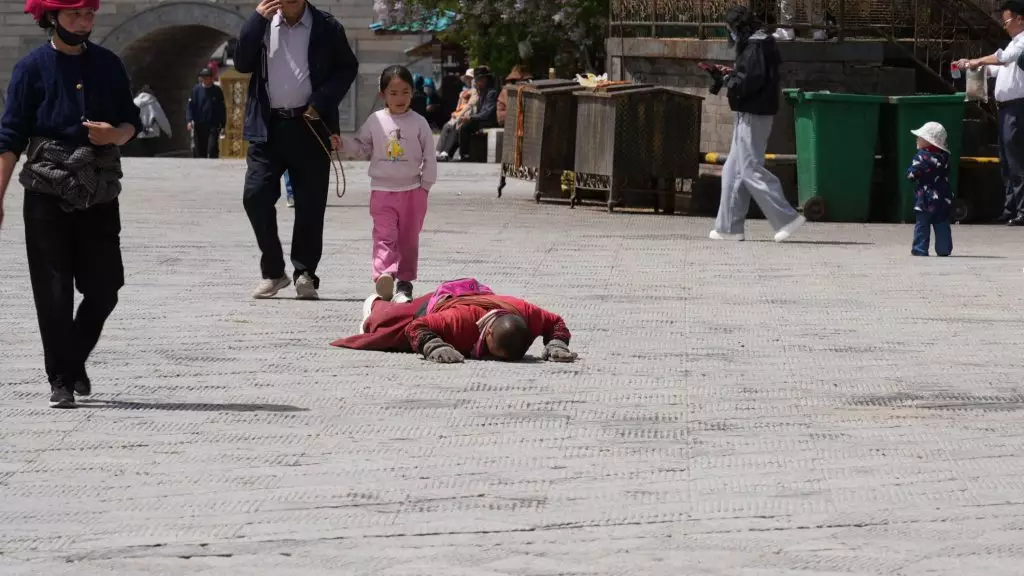
Pilgrims must perform 100,000 prostrations to complete their spiritual journey for perfect merit. Photo by Bastille Post
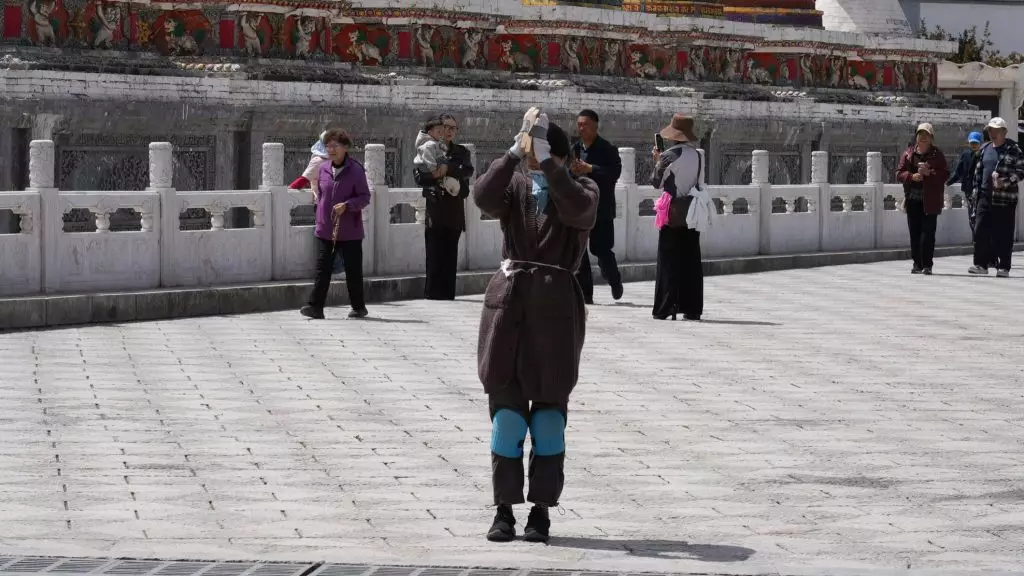
Protective hand and knee pads worn by pilgrims, Photo by Bastille Post
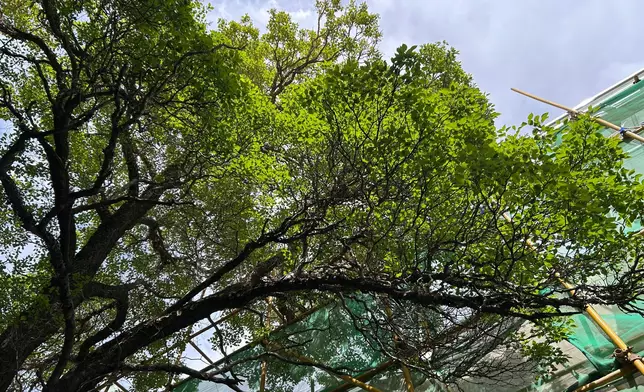
The Bodhi tree, Photo by Bastille Post
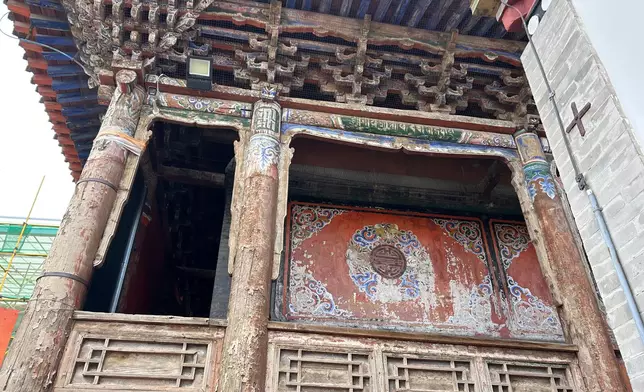
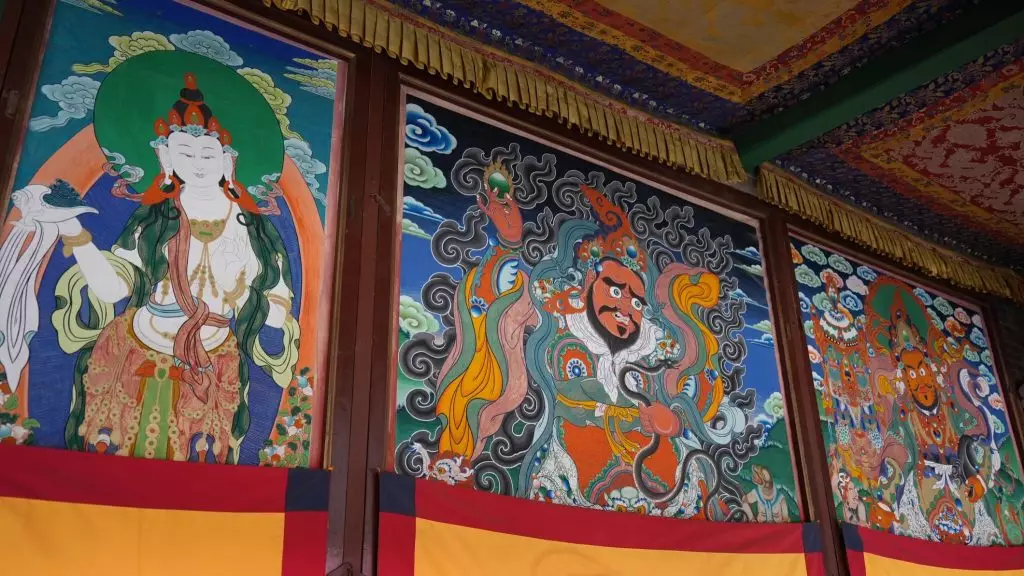
Ta'er Temple's murals, Photo by Bastille Post
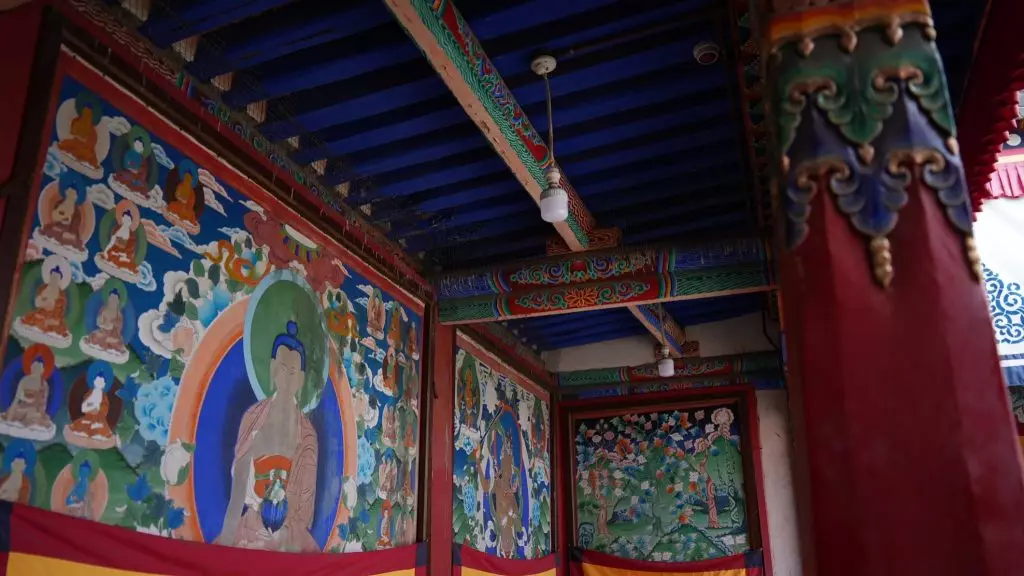
Appliqué embroidery, Photo by Bastille Post
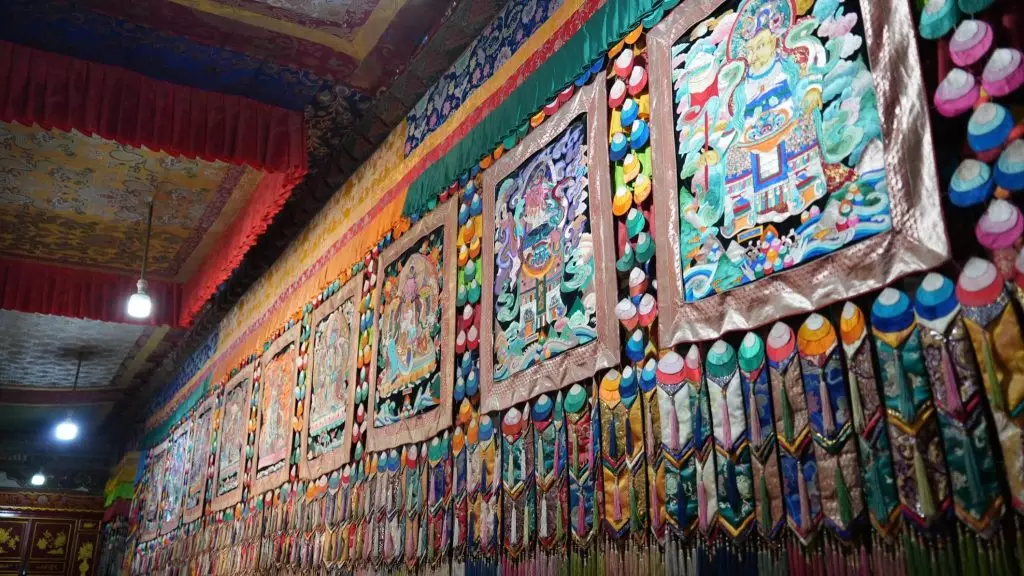
Appliqué embroidery, Photo by Bastille Post
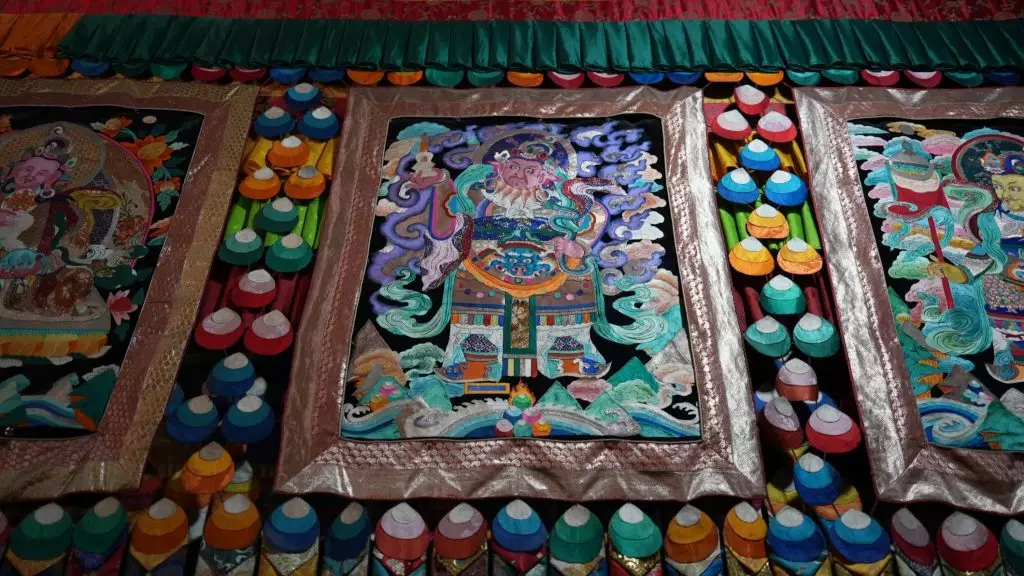
Appliqué embroidery, Photo by Bastille Post
Appliqué embroidery, Photo by Bastille Post
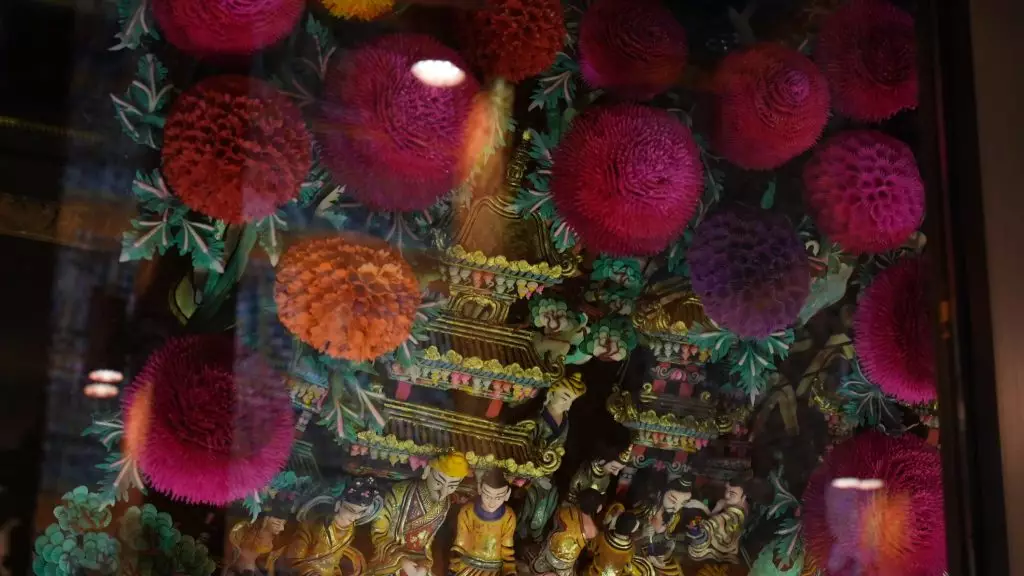
Butter sculpture, Photo by Bastille Post
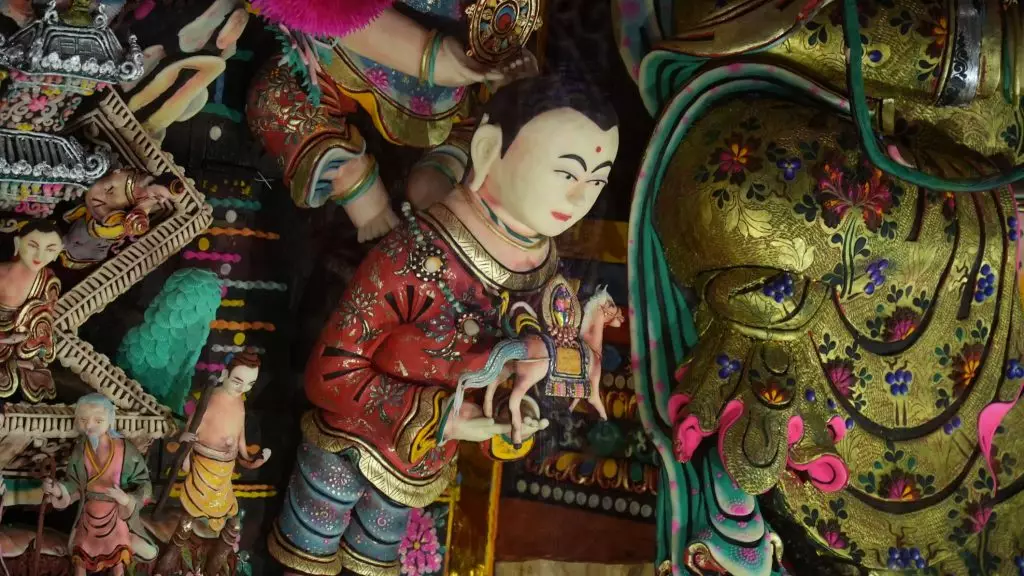
Butter sculpture, Photo by Bastille Post
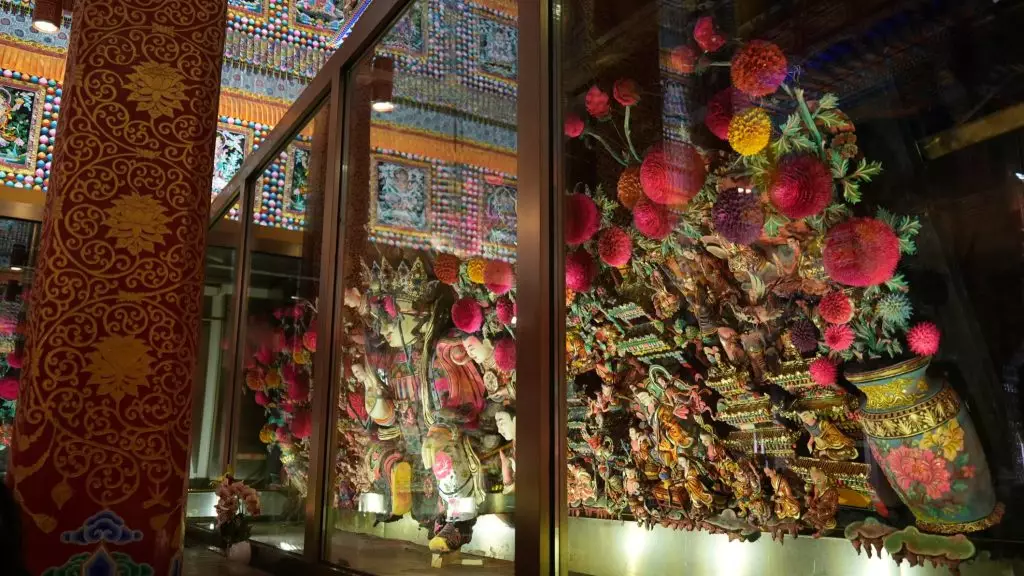
Butter sculpture, Photo by Bastille Post
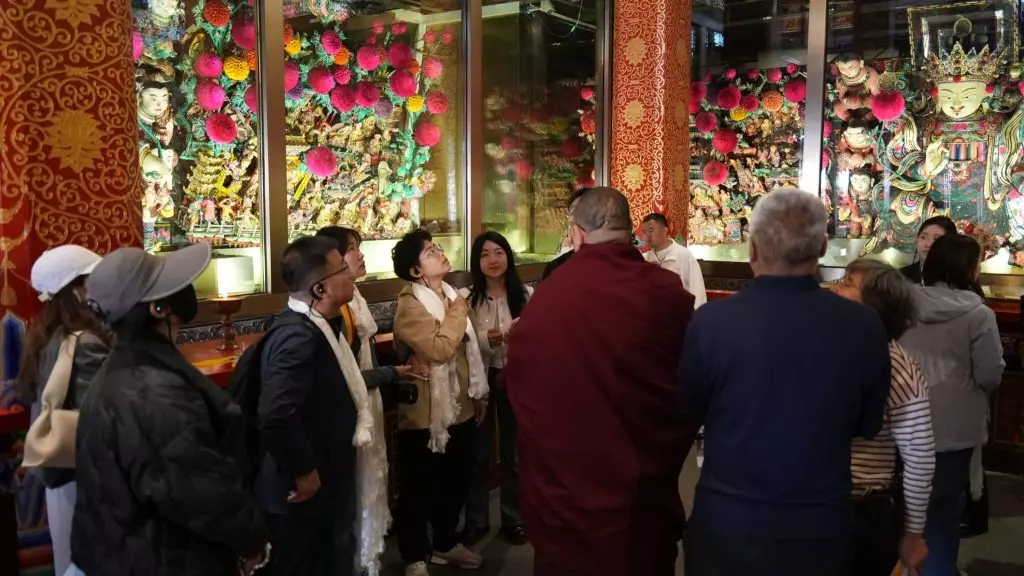
Reporter appreciated the artistry of butter sculptures on site. Photo by Bastille Post
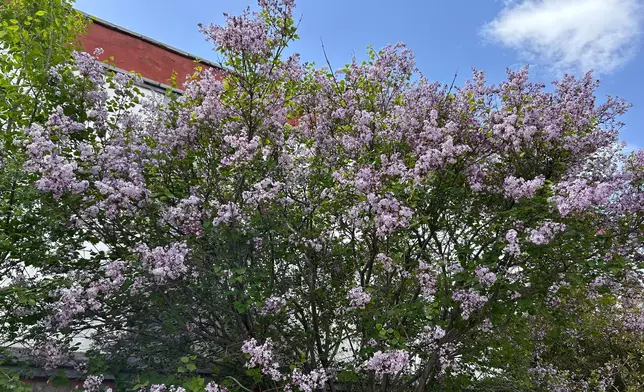
Purple lilacs, Photo by Bastille Post
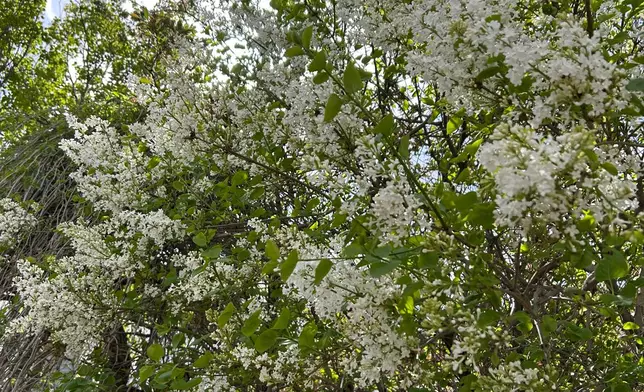
White lilacs, Photo by Bastille Post
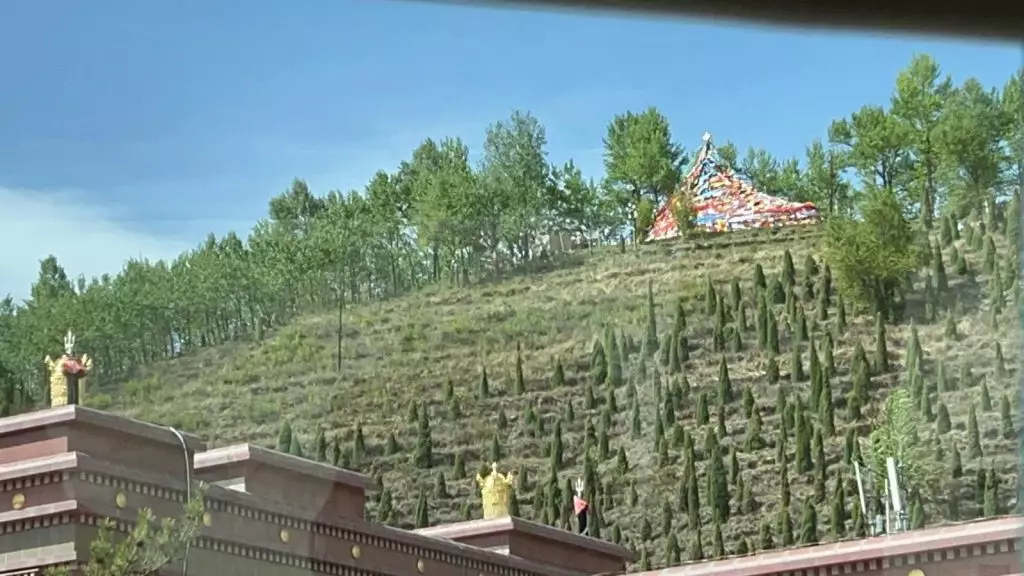
Colorful prayer flags, Photo by Bastille Post
The Heart of Tibetan Buddhism
As a sacred site of Tibetan Buddhism, Ta'er Temple in Qinghai is not merely a temple but a vast complex of more than 9,300 structures, including the Eight Stupas, the Little Golden Tile Temple, and the Nine-Bay Hall. As soon as the reporter stepped out of the car, a row of stupas came into view. With blue brick bases and white pagoda bodies, these ancient structures, built in 1776 during the Qianlong era, bear the marks of time. Yet against the backdrop of blue skies and white clouds, they possess a unique and enduring mystique.
A row of stupas, Photo by Bastille Post
The halls of Ta'er Temple are numerous and magnificent, adorned with murals everywhere. Even after a century, the colors remain strikingly vibrant. Almost every hall features prayer wheels, intricately carved with traditional patterns. Turning them clockwise is believed to bring good fortune, peace, and happiness. With so many wheels, turning them all would take a long time. In the end, the reporter bought a small prayer wheel and spun it several times as a gesture of respect.
Prayer wheels, Photo by Bastille Post
Prayer wheels, Photo by Bastille Post
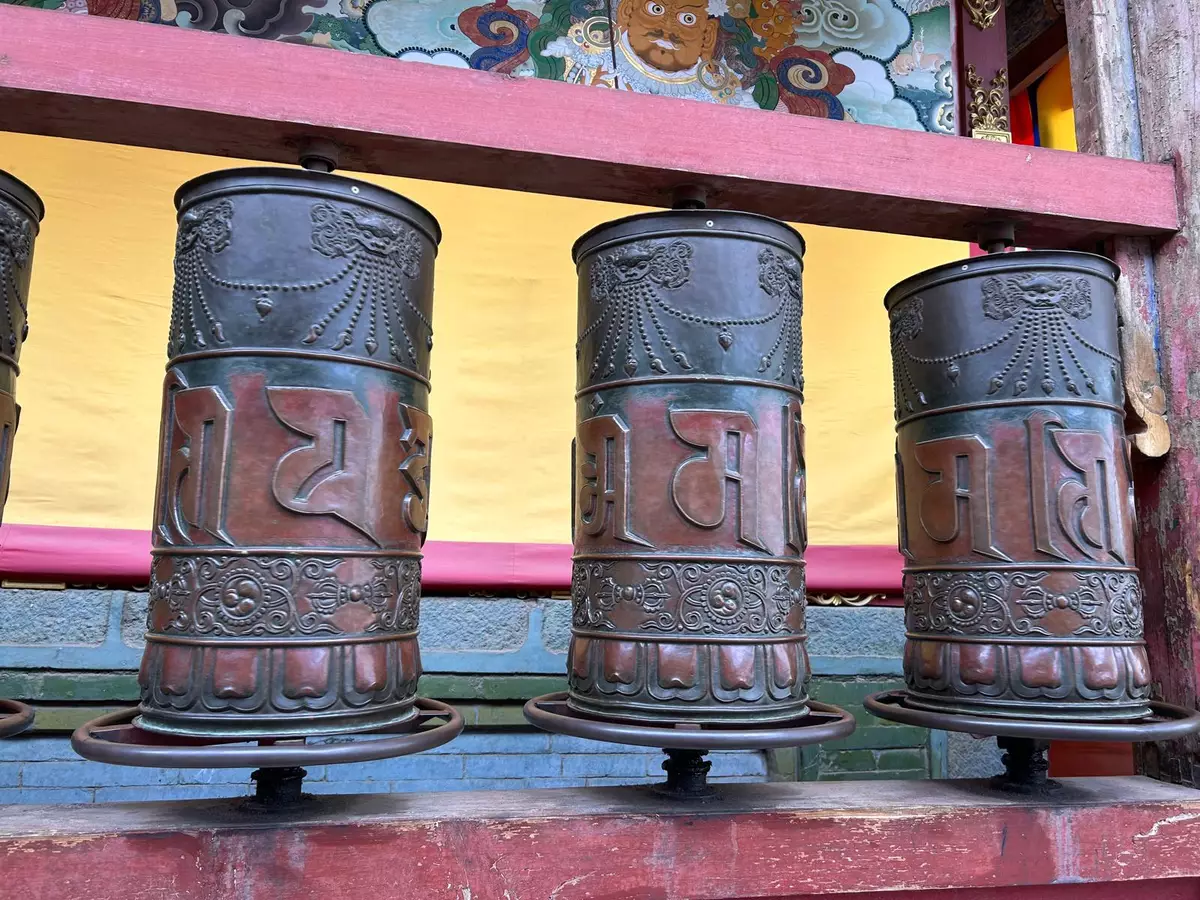
Prayer wheels, Photo by Bastille Post
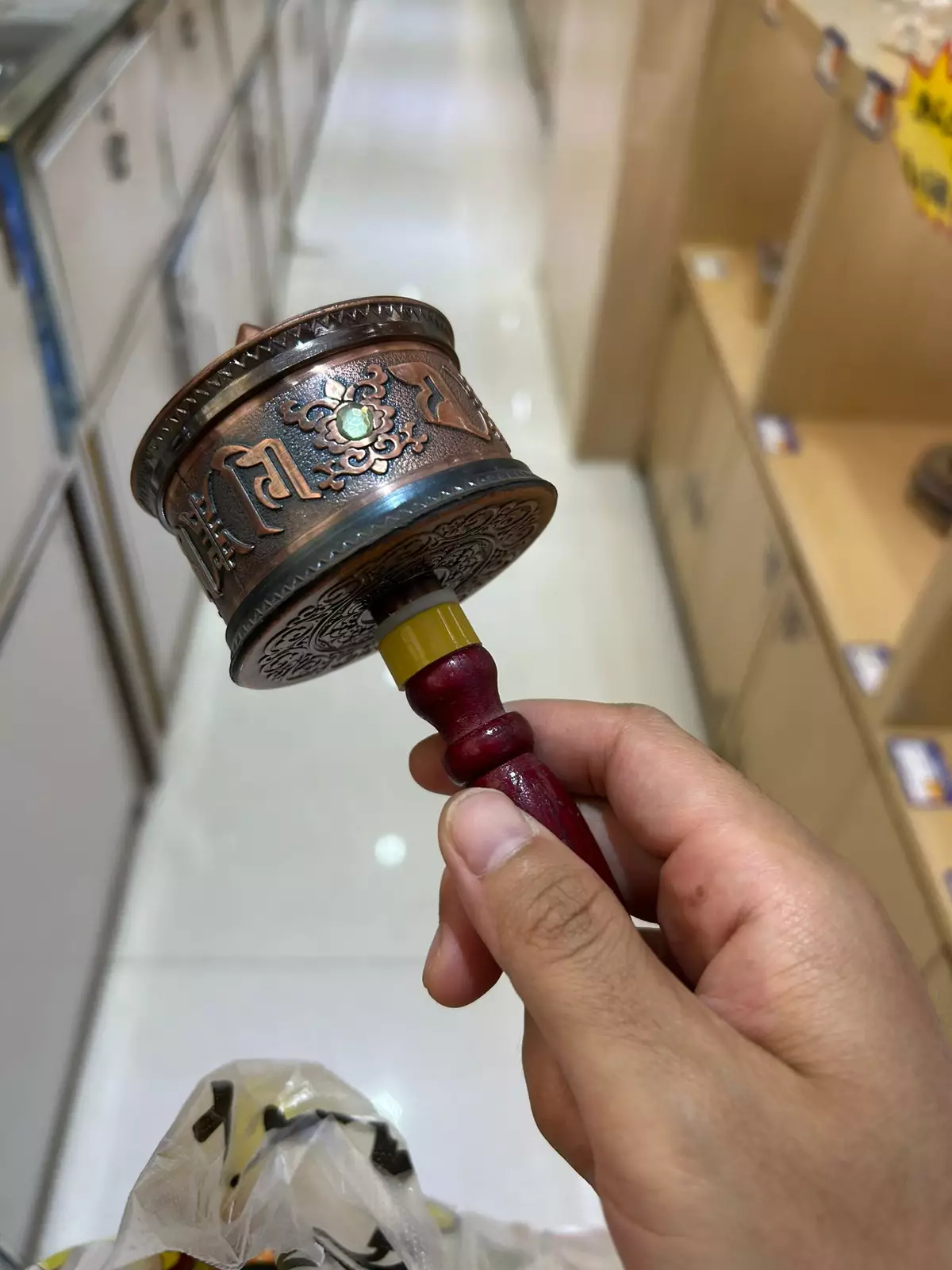
The small prayer wheel bought by the reporter, Photo by Bastille Post
100,000 Prostrations for Perfect Merit
In places steeped in religion, people possess a remarkable power of faith. Although the reporter had some understanding of Tibetan pilgrimages, witnessing the practice in person was still deeply moving.
Pilgrims must perform 100,000 prostrations to complete their spiritual journey for perfect merit. Photo by Bastille Post
At Ta'er Temple, pilgrims were seen almost constantly, wearing protective hand and knee pads, prostrating themselves every three steps, all in the hope of reaching Lhasa. Among them were both the elderly and the young.
Protective hand and knee pads worn by pilgrims, Photo by Bastille Post
The prostration itself follows specific rules: one must lie fully flat on the ground, hands clasped together, and arms extended straight forward, then rise and repeat, over and over again. The reporter overheard a local Tibetan say that pilgrims must perform 100,000 prostrations to complete their spiritual journey for perfect merit. The reason, he explained, is that when Tsongkhapa achieved Buddhahood, a Bodhi tree grew from the spot where he sat with 100,000 leaves, each bearing the image of a Buddha. Thus, pilgrims must prostrate themselves before all 100,000 Buddha images.
Waiting for Falling Leaves Under the Bodhi Tree
Outside the Great Golden Tile Hall at the heart of Ta'er Temple stands a Bodhi tree, which is said to have grown from the spot where Tsongkhapa's umbilical cord was cut with blood dripping. The tree is believed to have 100,000 leaves, each bearing the image of a Buddha. Pilgrims and devotees wait here specifically to find fallen leaves. Finding a complete leaf is considered exceptionally fortunate. The reporter waited a long time under the tree, but did not see a single leaf fall. Perhaps it was not yet the right time. Perhaps autumn will bring better luck.
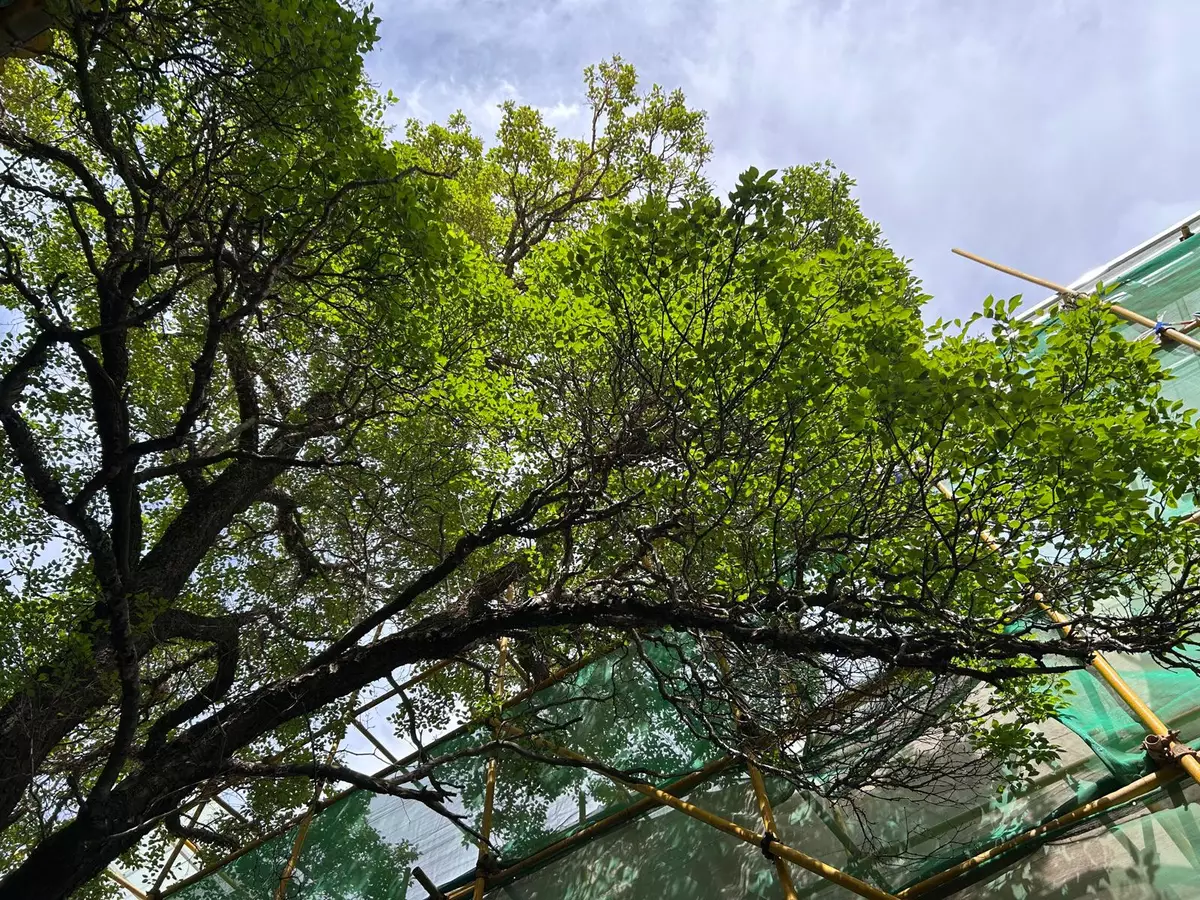
The Bodhi tree, Photo by Bastille Post
Three Artistic Wonders of Ta'er Temple
No visit to Ta'er Temple is complete without seeing its murals, appliqué embroidery, and butter sculptures, collectively known as the "Three Artistic Wonders" of Ta'er Temple.
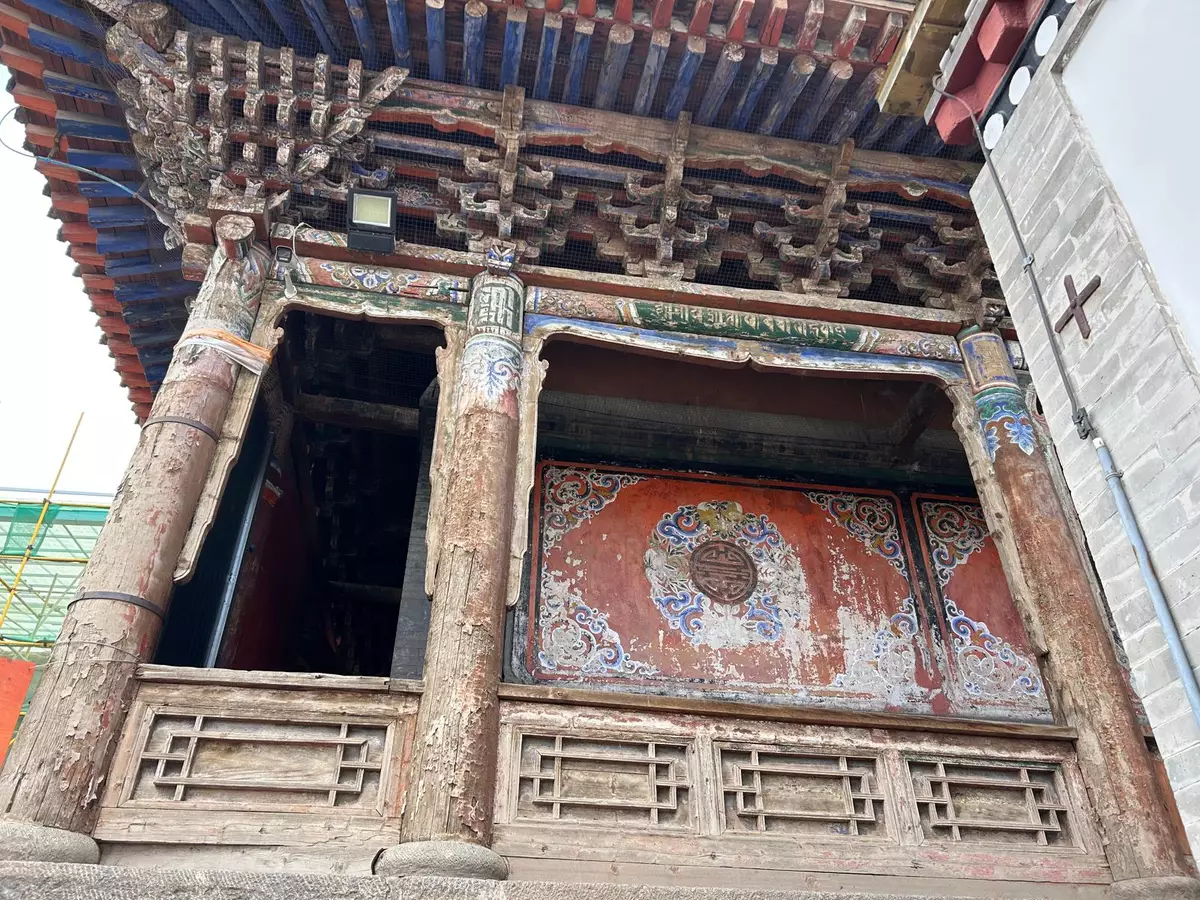
Ta'er Temple's murals, Photo by Bastille Post
Ta'er Temple's murals are often described as "painted with gold", with subject matter drawn largely from Buddhist stories. Unlike ordinary paintings, the artists used natural minerals such as cinnabar, realgar, and malachite as pigments. Some even added gold leaf to ensure the colors would remain vibrant for centuries.
Appliqué embroidery, Photo by Bastille Post
Appliqué embroidery, Photo by Bastille Post
Appliqué embroidery, Photo by Bastille Post
Appliqué embroidery, Photo by Bastille Post
Appliqué embroidery is a form of Thangka art. Using fabrics such as silk, hemp, cotton, and wool, artisans employ special cutting and layering techniques to create the embroidery. The pieces are then stuffed with wool, cotton, or other fillings to give the images a three-dimensional, relief-like quality. A local explained that it is somewhat similar to collage or cross-stitch: cutting out patterns and piecing them together to form a new work. In a sense, we could even try making one ourselves.
Butter sculpture, Photo by Bastille Post
Butter sculpture, Photo by Bastille Post
Butter sculpture, Photo by Bastille Post
Of the three, the butter sculpture left the deepest impression on the reporter. As the name suggests, the raw material is yak butter, which produces only about one kilogram of butter from every 20 kilograms of yak milk. Given the limited quantity and the strict temperature control required, there is a saying: "deforms at 15°C, melts at 25°C." Artisans must repeatedly dip their hands in ice water to cool them in a near-freezing room, spending months to complete their creations.
Reporter appreciated the artistry of butter sculptures on site. Photo by Bastille Post
In 2006, butter sculptures were inscribed as a national intangible cultural heritage. But like many such crafts, this art form faces the risk of extinction. Currently, only about thirty artisans possess the skills to create butter sculptures proficiently. Since it takes two to three years of practice just to reach the beginner level, selecting artisans through interest classes is impractical. Moreover, due to the harsh training conditions, most learners choose to give up eventually.
A Brief Visit, a Lasting Impression
Due to time constraints, the reporter stayed at Ta'er Temple for only about two hours before leaving. To thoroughly explore every hall and fully appreciate its historical and cultural significance would likely require ten days to two weeks.
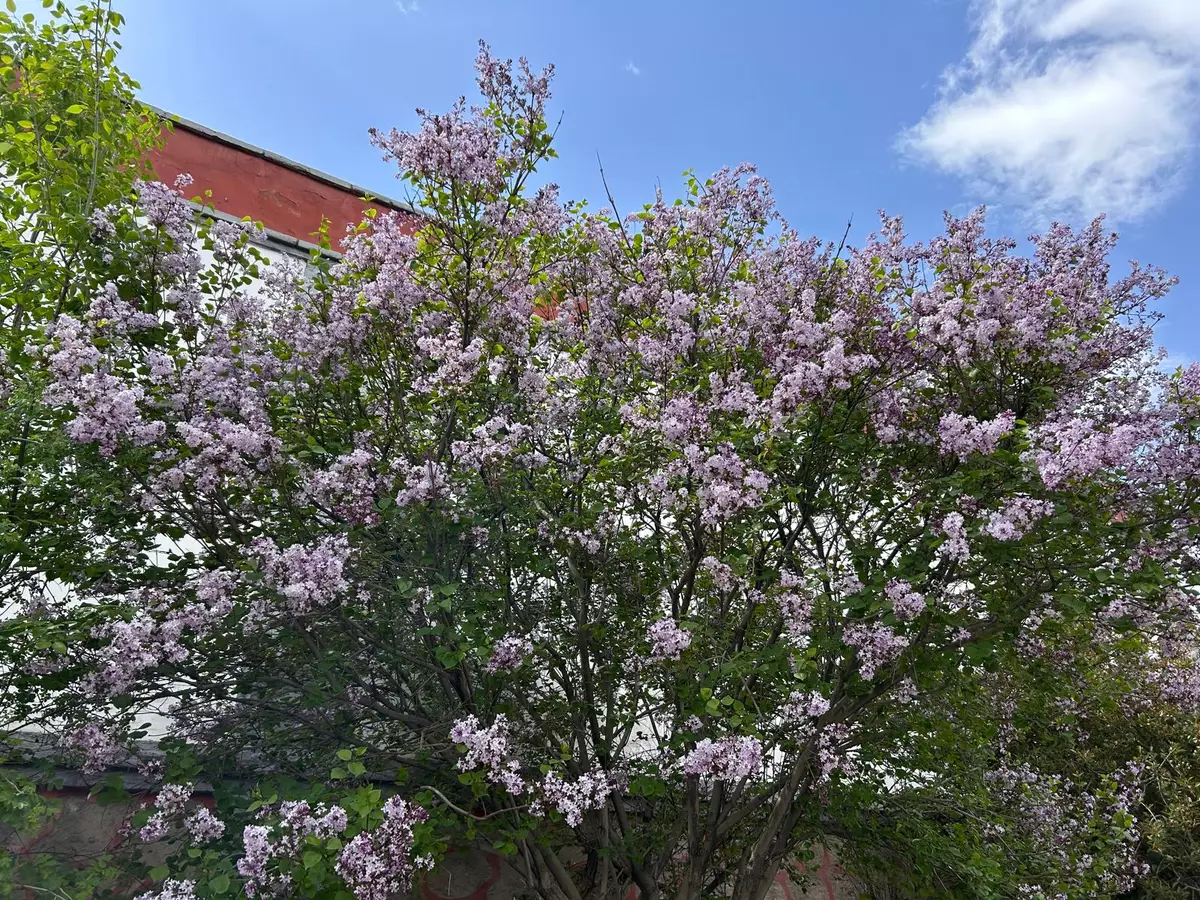
Purple lilacs, Photo by Bastille Post
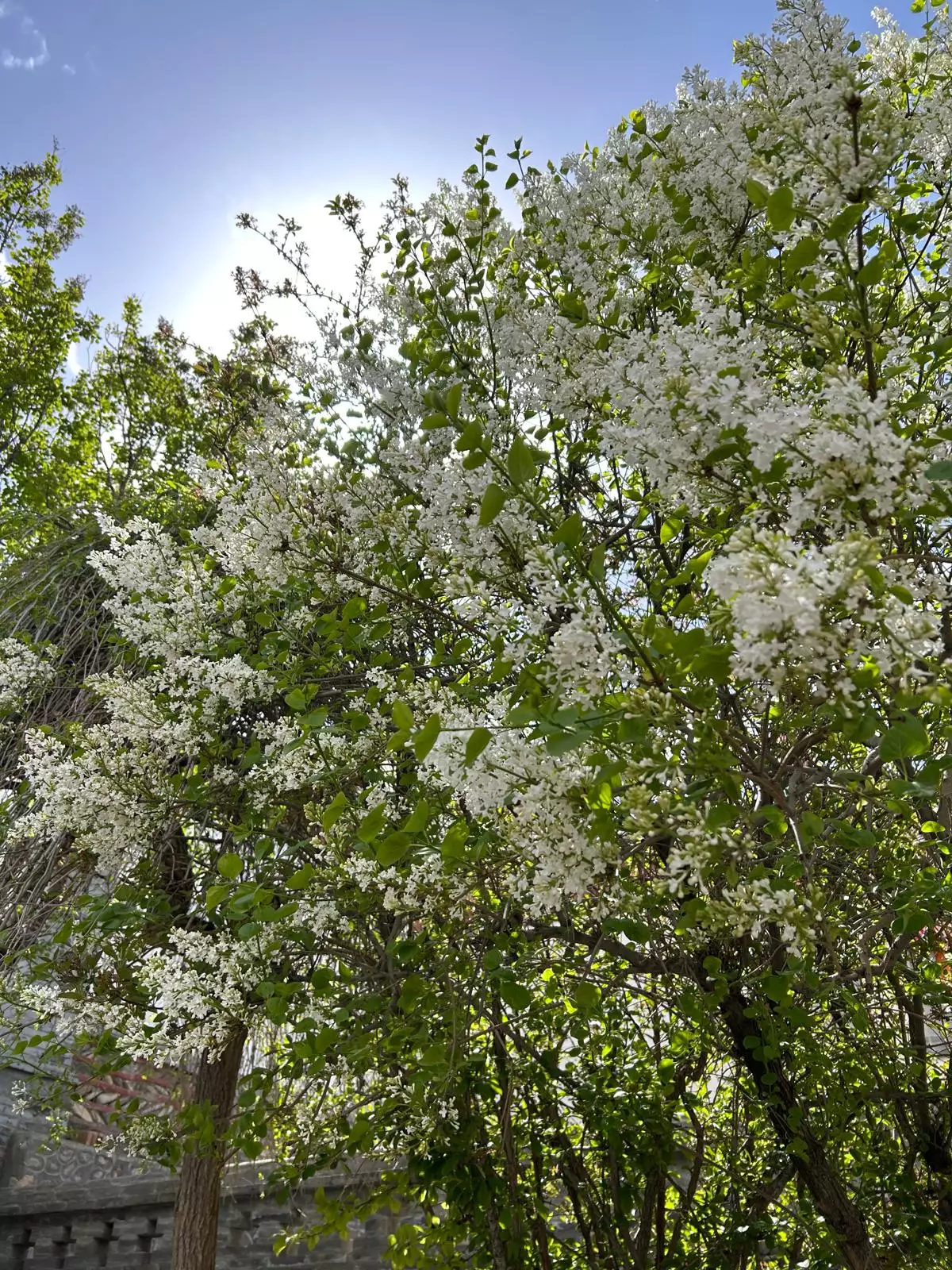
White lilacs, Photo by Bastille Post
As the reporter departed, fragrant lilacs swayed along the roadside, with white and purple blossoms particularly pleasing to the eye. In the distance, colorful prayer flags fluttered on the mountains, carrying good wishes and silent blessings.
Colorful prayer flags, Photo by Bastille Post