Skip to Content Facebook Feature Image

Stunning Landscapes and Fresh Air: Summer Sanctuaries of High Lands Are Welcoming Urban Escape Seekers

China

China

China

Stunning Landscapes and Fresh Air: Summer Sanctuaries of High Lands Are Welcoming Urban Escape Seekers

2026-05-22 15:29 Last Updated At:15:29

As highland tourism gradually hits its peak season in the Mainland, Qinghai Lake has become an ideal summer escape among visitors for its cool climate and breathtaking natural beauty. A recent Hong Kong tour group visiting the lake expressed deep appreciation for Qinghai's landscapes, with several members saying they looked forward to taking in all the sights in the province and would gladly recommend the trip to friends.
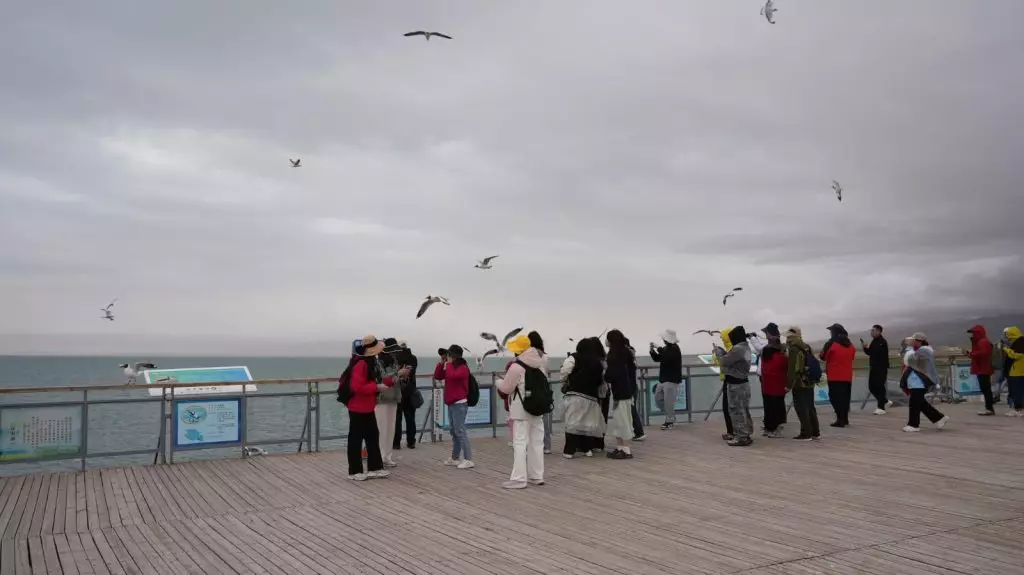
The tourists at Qinghai Lake, Photo by Bastille Post
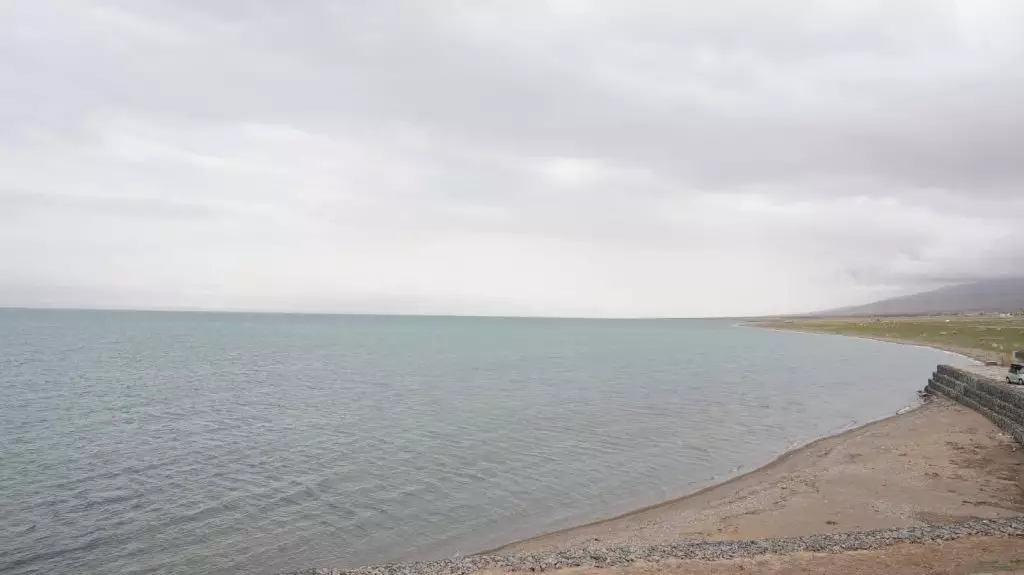
The tourists at Qinghai Lake, Photo by Bastille Post

The beautiful scenery of Qinghai Lake, Photo by Bastille Post
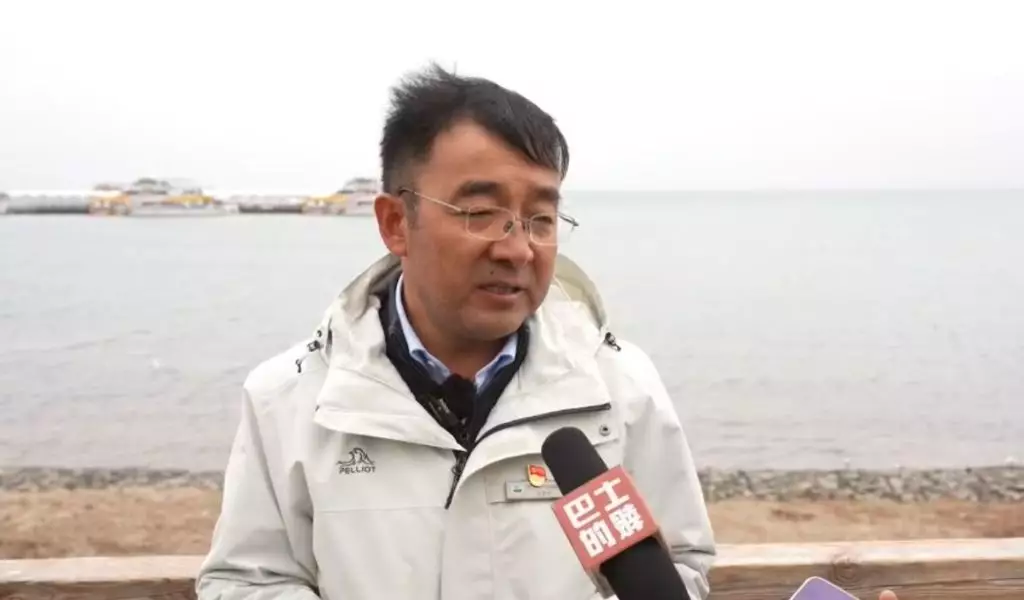
The beautiful scenery of Qinghai Lake, Photo by Bastille Post

The Hong Kong media delegation visited Qinghai Lake for ongoing interviews. With an altitude of about 3,196 meters above sea level, Qinghai Lake enjoys a reputation as the "Sapphire of the Plateau." As China's largest inland saltwater lake, it is renowned for its bird and fish populations and serves as a habitat for the critically endangered Przewalski's gazelle. It is also the only home to the nationally protected Qinghai Lake naked carp, known locally as Huang Fish.

More Images
The tourists at Qinghai Lake, Photo by Bastille Post

The tourists at Qinghai Lake, Photo by Bastille Post

The beautiful scenery of Qinghai Lake, Photo by Bastille Post

The beautiful scenery of Qinghai Lake, Photo by Bastille Post

Mr. Meng Dengkui, Photo by Bastille Post
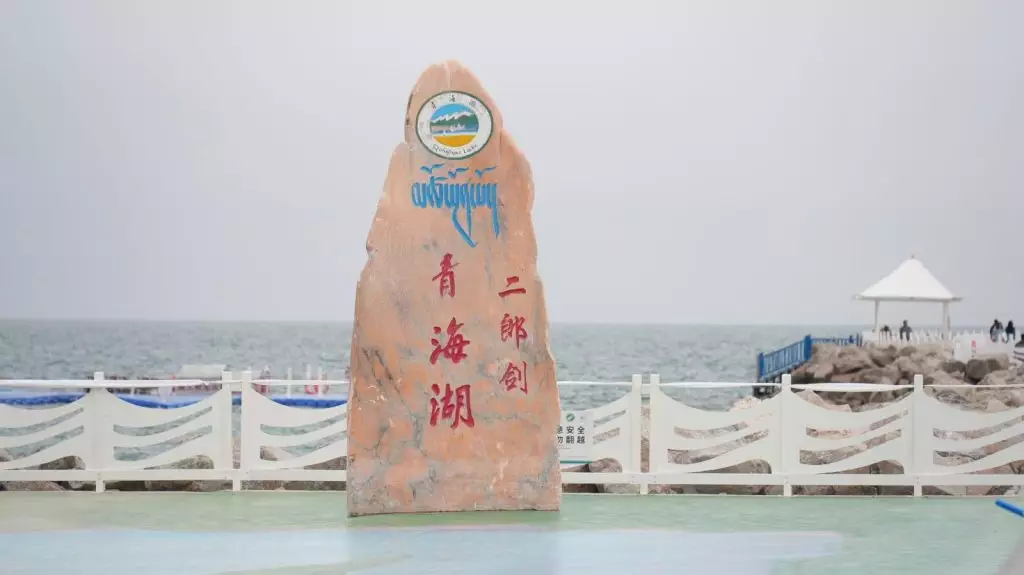
Mr. Meng Dengkui, Photo by Bastille Post

Erlangjian Scenic Spot, Photo by Bastille Post
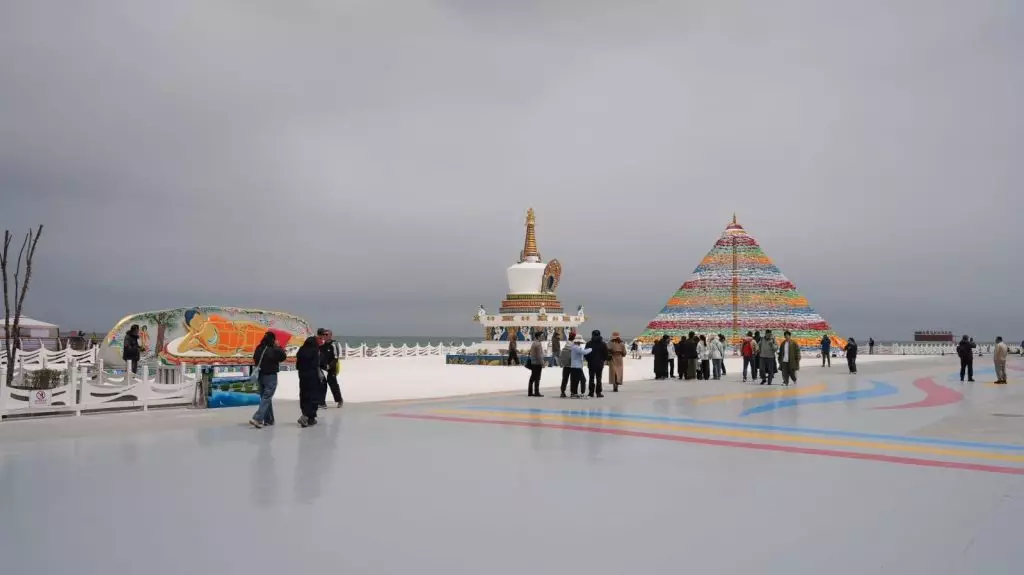
Erlangjian Scenic Spot, Photo by Bastille Post

The beautiful scenery of Qinghai Lake, Photo by Bastille Post
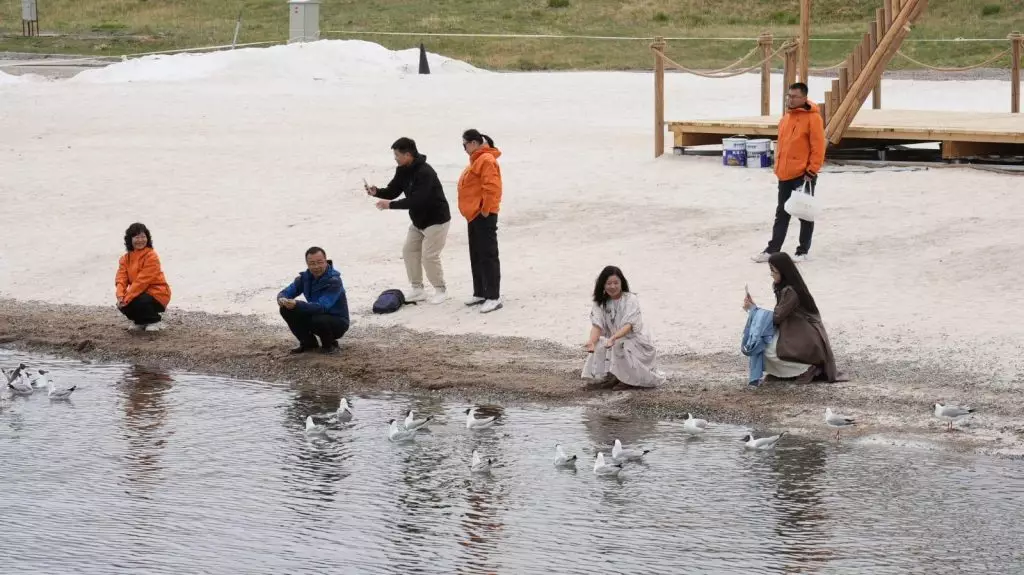
The beautiful scenery of Qinghai Lake, Photo by Bastille Post

The tourists at Qinghai Lake, Photo by Bastille Post
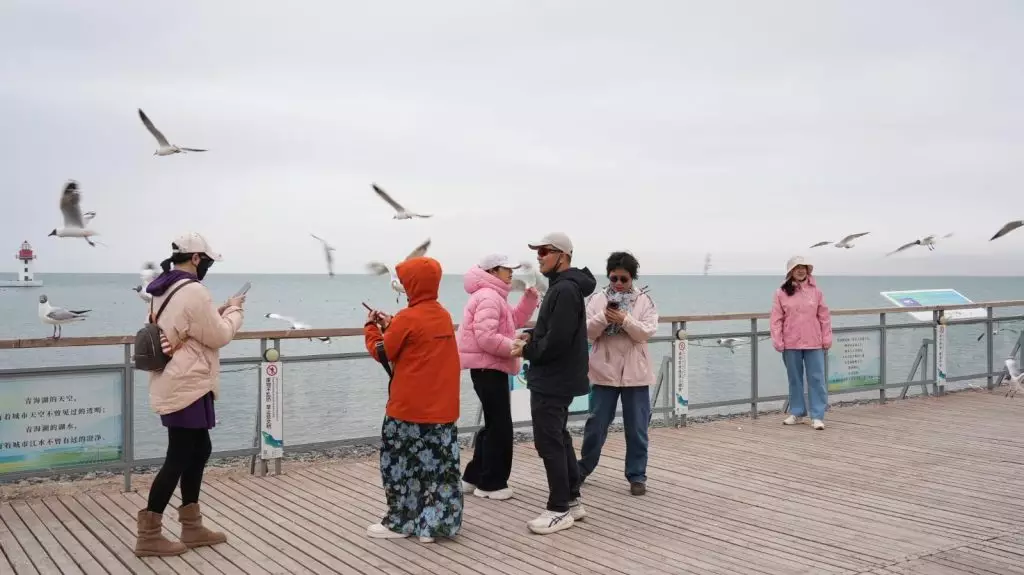
The tourists at Qinghai Lake, Photo by Bastille Post

Photo by Bastille Post

Photo by Bastille Post

The birds at Qinghai Lake, Photo by Bastille Post

The birds at Qinghai Lake, Photo by Bastille Post

Mrs. Lee, Photo by Bastille Post

Mrs. Lee, Photo by Bastille Post

Ms. Tsui, Photo by Bastille Post
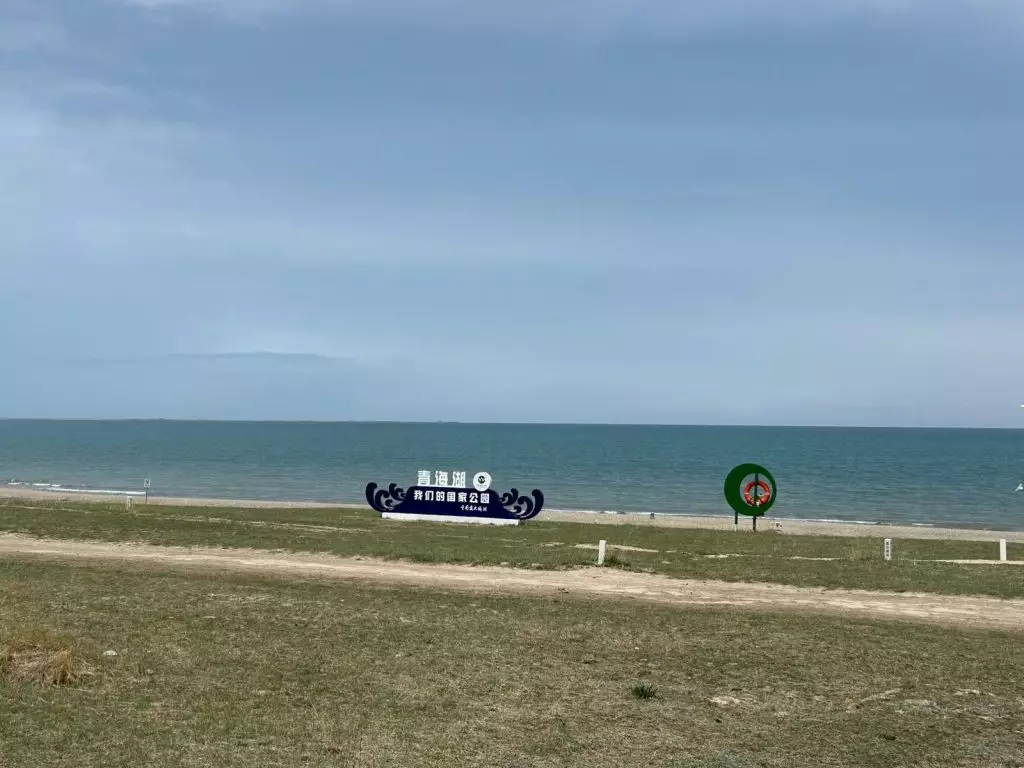
Ms. Tsui, Photo by Bastille Post

The beautiful scenery of Qinghai Lake, Photo by Bastille Post
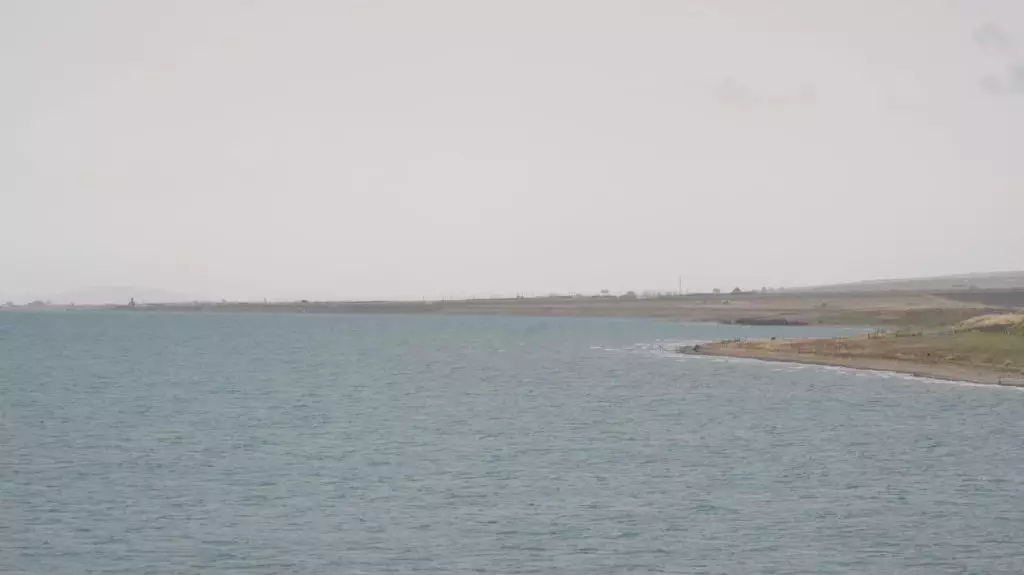
The beautiful scenery of Qinghai Lake, Photo by Bastille Post
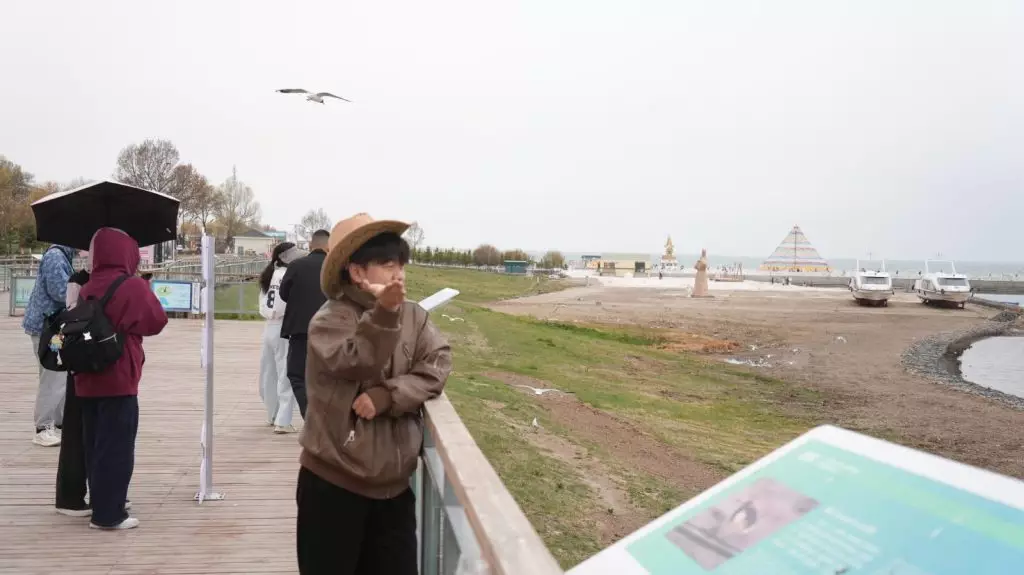
The beautiful scenery of Qinghai Lake, Photo by Bastille Post

The beautiful scenery of Qinghai Lake, Photo by Bastille Post

The tourists at Qinghai Lake, Photo by Bastille Post

The tourists at Qinghai Lake, Photo by Bastille Post

Ms. Zheng from Hebei and her mother, Ms. Xu, Photo by Bastille Post

Ms. Zheng from Hebei and her mother, Ms. Xu, Photo by Bastille Post

The number statue marking the altitude of Qinghai Lake, Photo by Bastille Post

The number statue marking the altitude of Qinghai Lake, Photo by Bastille Post

Mr. Meng Dengkui, Photo by Bastille Post

Mr. Meng Dengkui, Photo by Bastille Post

Mr. Meng Dengkui, head of the Qinghai Lake Tourism Group Co., Ltd., said the lake receives around three million visitors annually, with popular activities including sightseeing at Erlangjian Scenic Spot, as well as cruises, sailboats, speedboats, ATVs, and motorcycle rides.

Erlangjian Scenic Spot, Photo by Bastille Post

Erlangjian Scenic Spot, Photo by Bastille Post

The beautiful scenery of Qinghai Lake, Photo by Bastille Post

The beautiful scenery of Qinghai Lake, Photo by Bastille Post

He added that Qinghai Lake's stunning inland scenery draws about 20,000 visitors from Hong Kong and Macau each year, along with some 50,000 international tourists. Last year, a group of Hong Kong students visited the lake twice for experiential learning programs. The lake has also hosted Dr. the Hon Leung Chun Ying, Vice-Chairman of the National Committee of the Chinese People’s Political Consultative Conference, revealing the frequency of cross-regional exchanges.

The tourists at Qinghai Lake, Photo by Bastille Post

The tourists at Qinghai Lake, Photo by Bastille Post

Photo by Bastille Post

Photo by Bastille Post

The birds at Qinghai Lake, Photo by Bastille Post

The birds at Qinghai Lake, Photo by Bastille Post

The reporter on site met a Hong Kong tour group of about 20 people, mostly elderly travelers on a ten-day trip across Qinghai, with Qinghai Lake as their first stop.

Mrs. Lee, Photo by Bastille Post

Mrs. Lee, Photo by Bastille Post

Mrs. Lee, a member of the tour group, said that despite the altitude, she felt perfectly fine. Having never visited Qinghai before, she had long dreamed of seeing its landscapes. "I've read about it in books, and it looks so beautiful. I'm also planning to visit Chaka Salt Lake and Heidushan Mountain."

She laughed, adding that she didn't experience altitude sickness. Having previously traveled to Xizang, she found Qinghai Lake's elevation easy to handle. "Three or four thousand meters isn't too high," she said. She noted she would recommend the trip to friends afterward. "It's really beautiful here, perfect for hiking, very comfortable, and the air is great."

Ms. Tsui, Photo by Bastille Post

Ms. Tsui, Photo by Bastille Post

Ms. Tsui, the group's tour guide, said Qinghai is gradually entering its peak tourism season and has become a hot destination this year. Its comfortable climate and natural scenery are especially appealing to Hong Kong visitors. "It's very hot in Hong Kong right now, but here it's around ten degrees Celsius, like having natural air conditioning."

The beautiful scenery of Qinghai Lake, Photo by Bastille Post

The beautiful scenery of Qinghai Lake, Photo by Bastille Post

The beautiful scenery of Qinghai Lake, Photo by Bastille Post

The beautiful scenery of Qinghai Lake, Photo by Bastille Post

The tourists at Qinghai Lake, Photo by Bastille Post

The tourists at Qinghai Lake, Photo by Bastille Post

She mentioned that her company alone has over a dozen tour groups scheduled to visit Qinghai for next month, including five or six groups of Hong Kong tourists in a single week. "We mainly promote the Heidushan Mountain and Chaka Salt Lake routes, because these kinds of landscapes are rare in other provinces."

Ms. Zheng from Hebei and her mother, Ms. Xu, Photo by Bastille Post

Ms. Zheng from Hebei and her mother, Ms. Xu, Photo by Bastille Post

Meanwhile, Ms. Zheng from Hebei and her mother, Ms. Xu, intentionally chose a weekday visit to avoid peak crowds. It was their first time at Qinghai Lake. Ms. Zheng said she had only known the lake from maps or textbooks, and seeing it in person made her realize just how vast it is. "I've heard it takes about five hours to drive around it." Despite the altitude of over 3,000 meters, both felt it was manageable. Ms. Zheng joked, "My mother didn't feel a thing even when she ran, but the bread we brought with us was all puffed up."

The number statue marking the altitude of Qinghai Lake, Photo by Bastille Post

The number statue marking the altitude of Qinghai Lake, Photo by Bastille Post
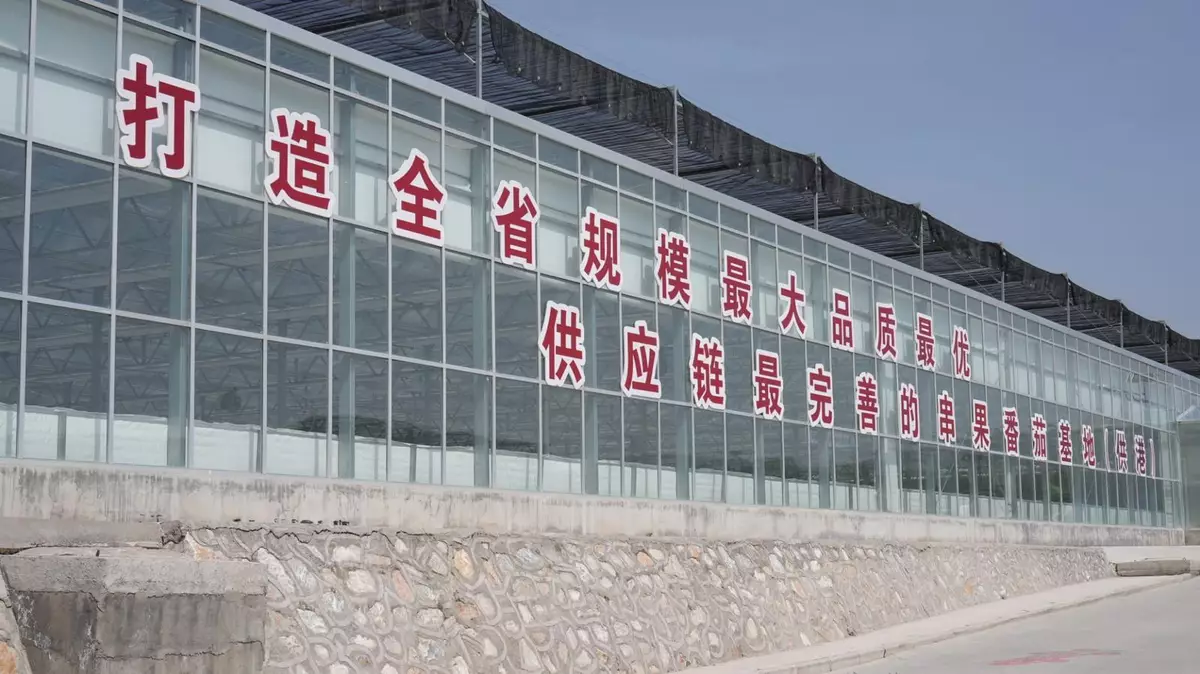
Can fresh vegetables picked from Qinghai's highlands preserve their crisp texture by the time they reach Hong Kong's tables?

The Hong Kong media delegation discovered the answer during their visit to Xining, the capital of Qinghai Province: high-quality, highland-grown cool-season vegetables are now being shipped steadily from Xining's Datong District to the Guangdong-Hong Kong-Macao Greater Bay Area (GBA). What started as a niche produce category is now boosting local employment, raising farmers' incomes, and bringing the freshest greens from the cold Qinghai-Tibet Plateau to Hong Kong's dining tables.

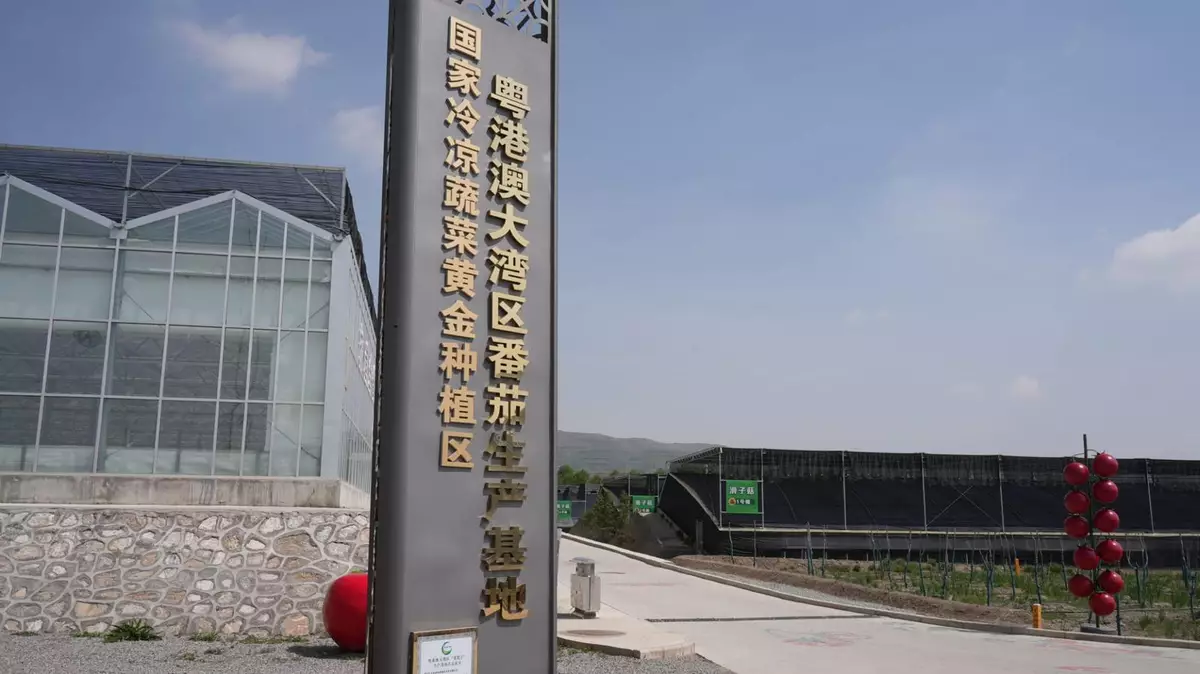
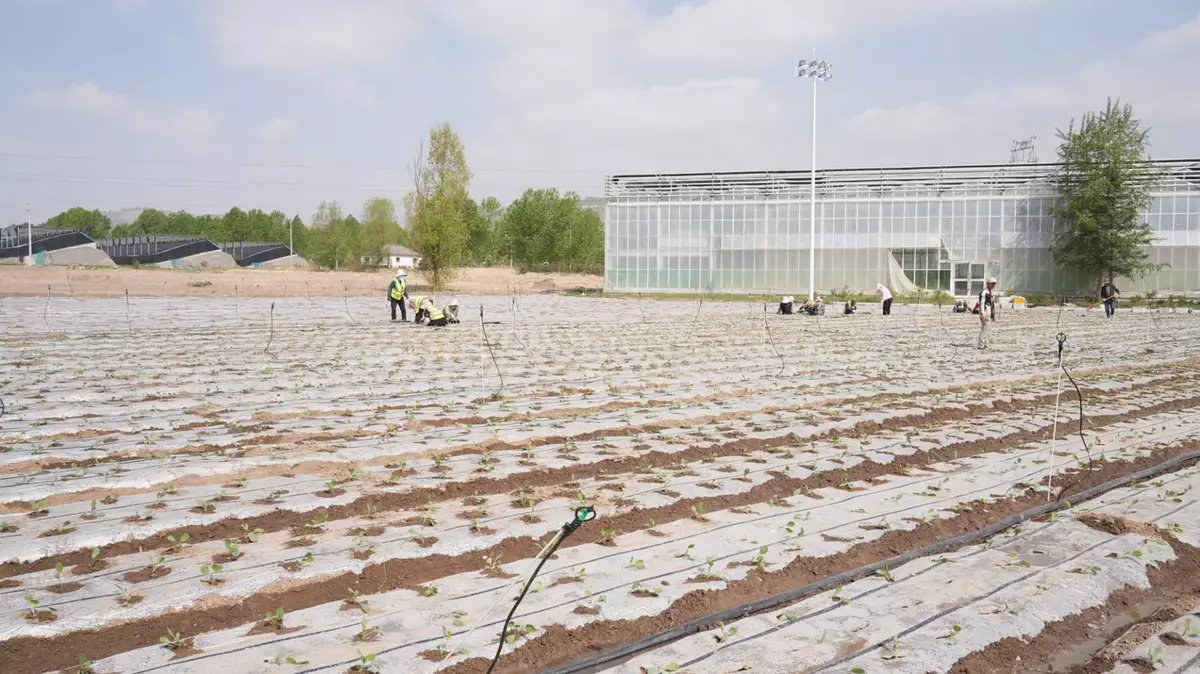
The vegetable production base in Xining, Photo by Bastille Post

The vegetable production base in Xining, Photo by Bastille Post

The vegetable production base in Xining, Photo by Bastille Post

The vegetable production base in Xining, Photo by Bastille Post

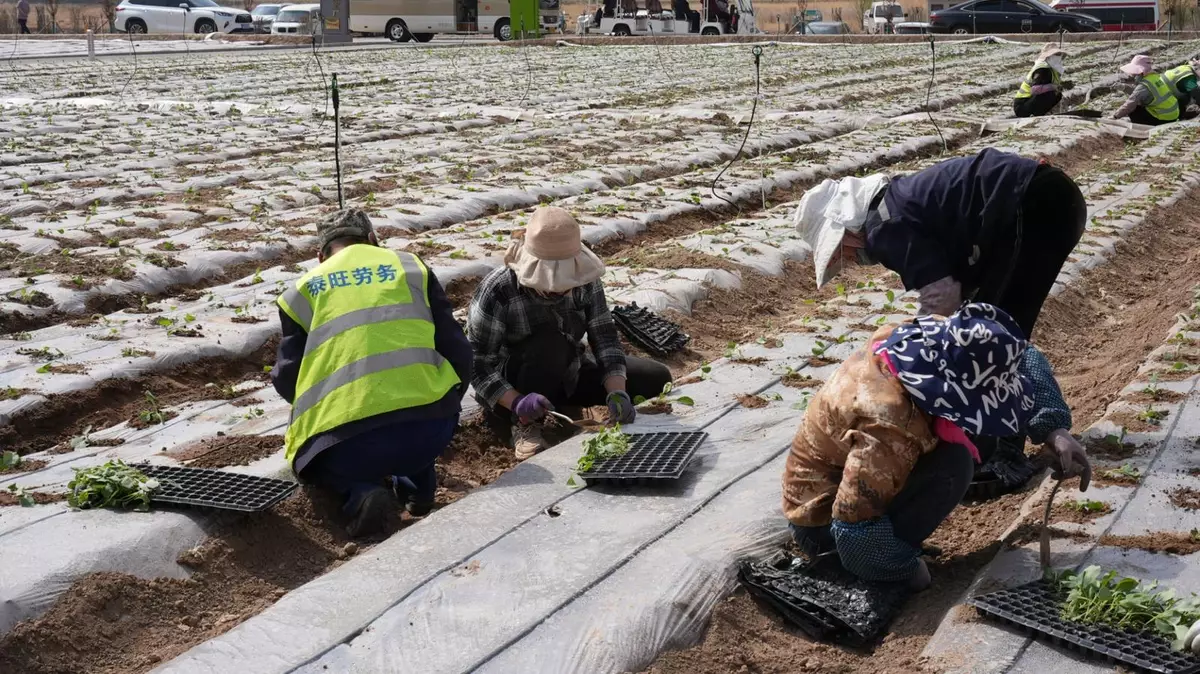
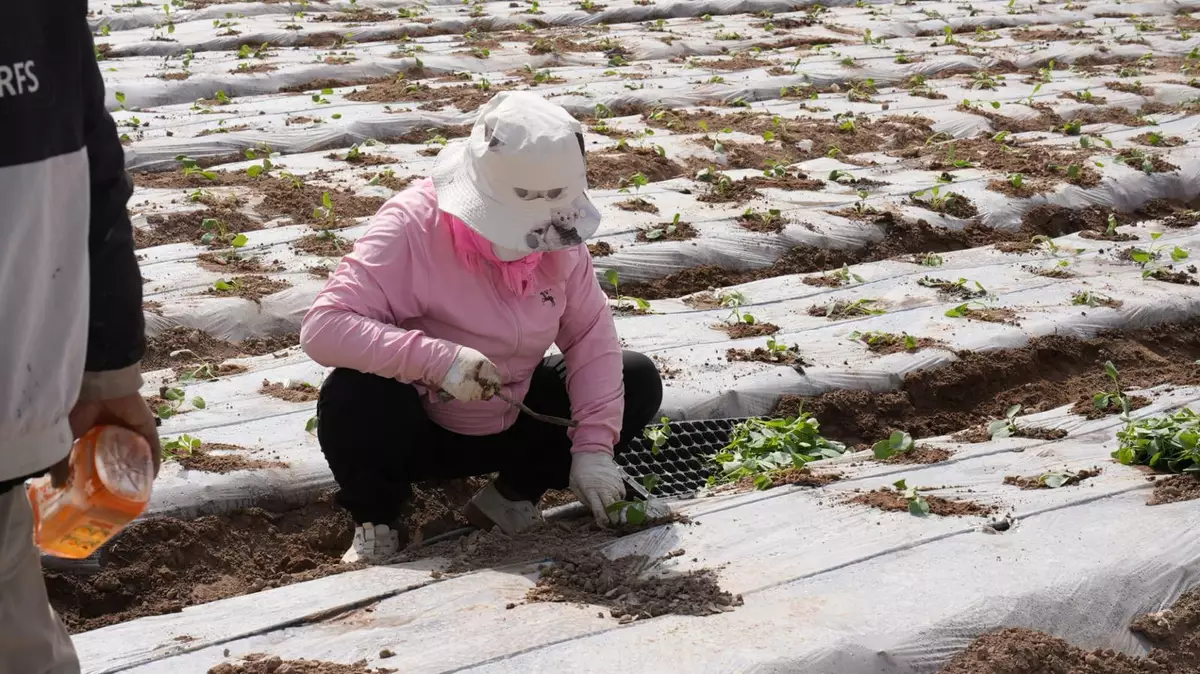
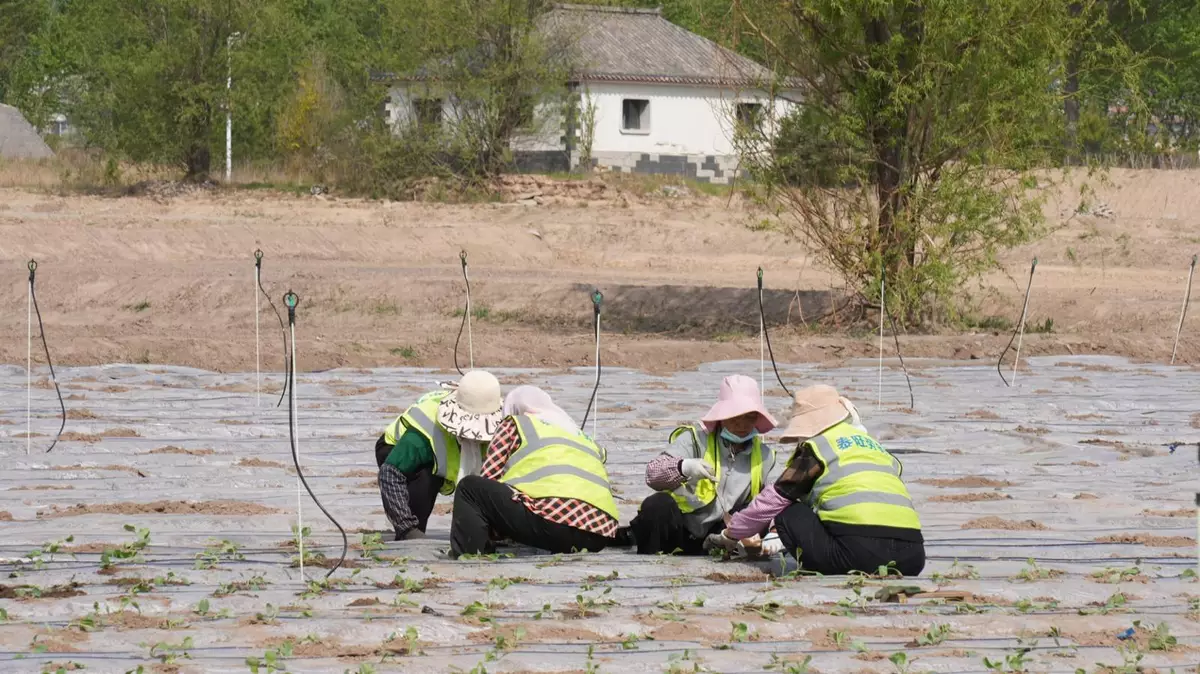
The workers at the vegetable production base in Xining, Photo by Bastille Post

The workers at the vegetable production base in Xining, Photo by Bastille Post

Cool-season vegetables are typically grown during summer in cooler climates. Often classified as "counter-seasonal" produce, the category includes cabbage, Chinese cabbage, radishes, and broccoli. In recent years, Xining has expanded its cool-season vegetable sector. The city now has a total cultivation area of 262,000 mu (approximately 17,500 hectares), with an output exceeding 710,000 tons. Of that, 38,000 mu are certified for the Hong Kong market. By 2025, Xining has been officially designated as a "Vegetable Basket" production base for the GBA, supplying over 200,000 tons of vegetables to the region annually, including more than 5,000 tons destined for Hong Kong.

The workers at the vegetable production base in Xining, Photo by Bastille Post

The workers at the vegetable production base in Xining, Photo by Bastille Post

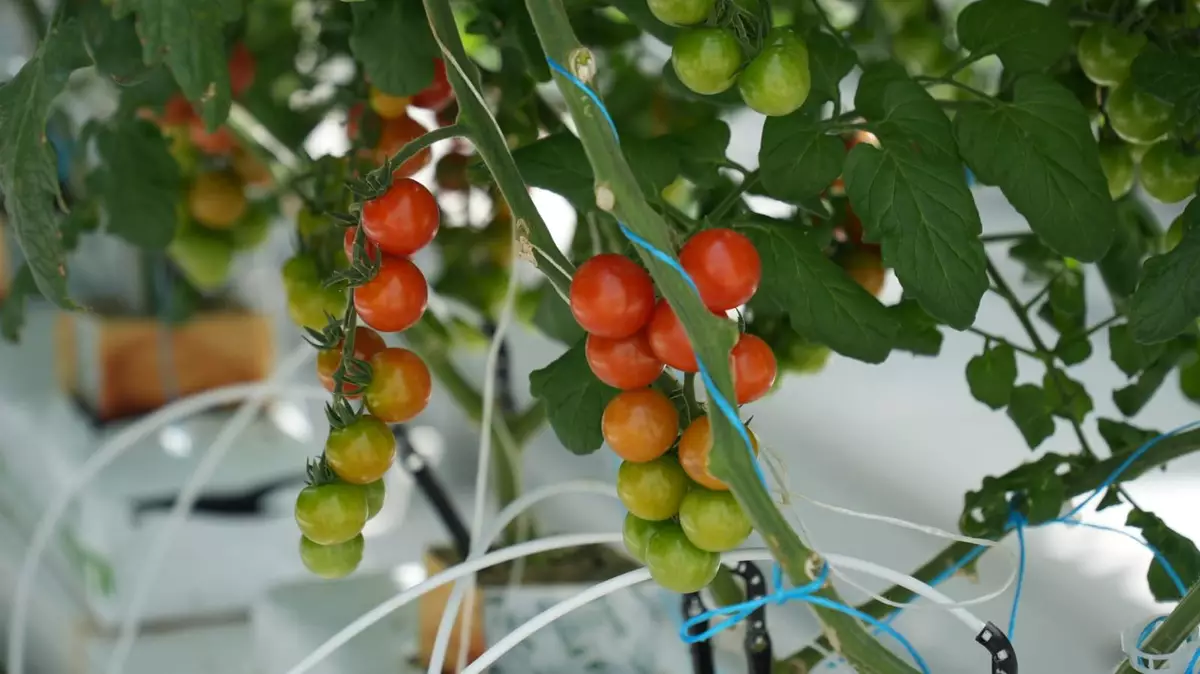
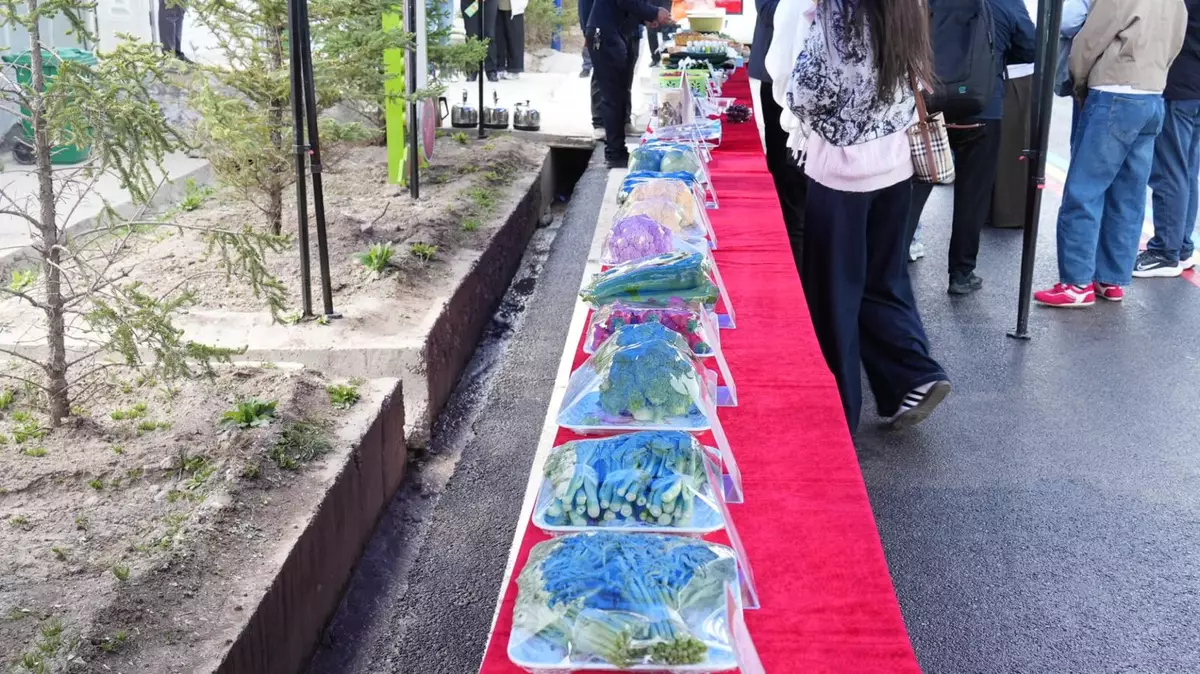
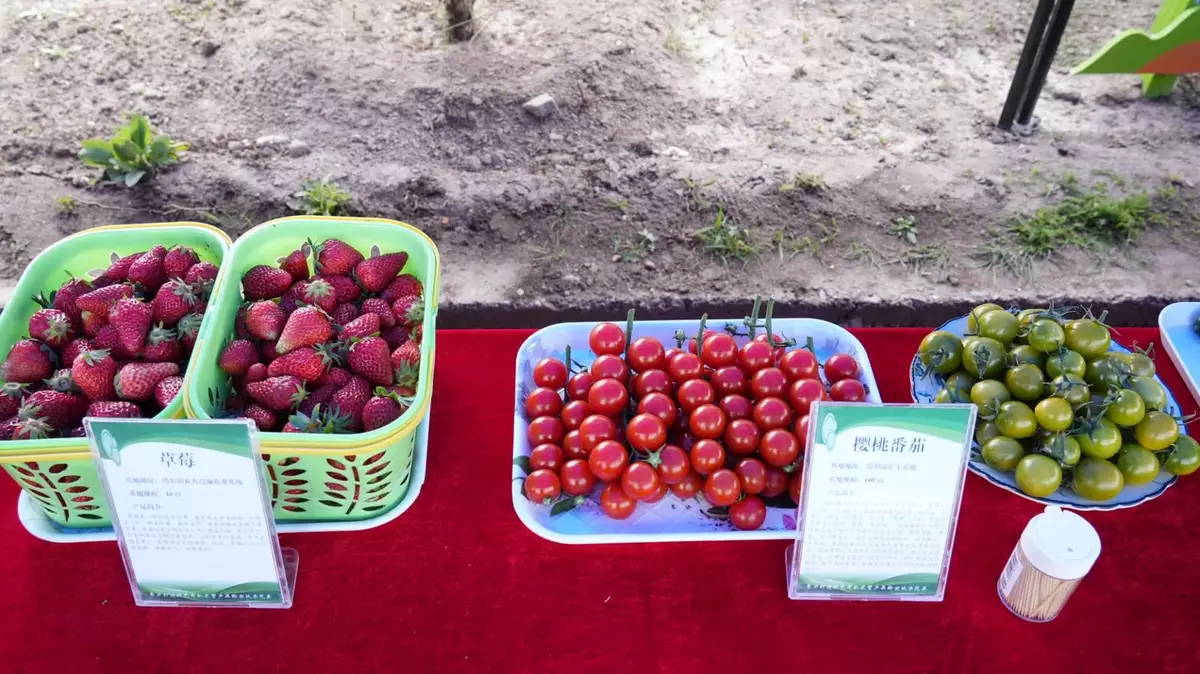
The vegetable products at the production base, Photo by Bastille Post
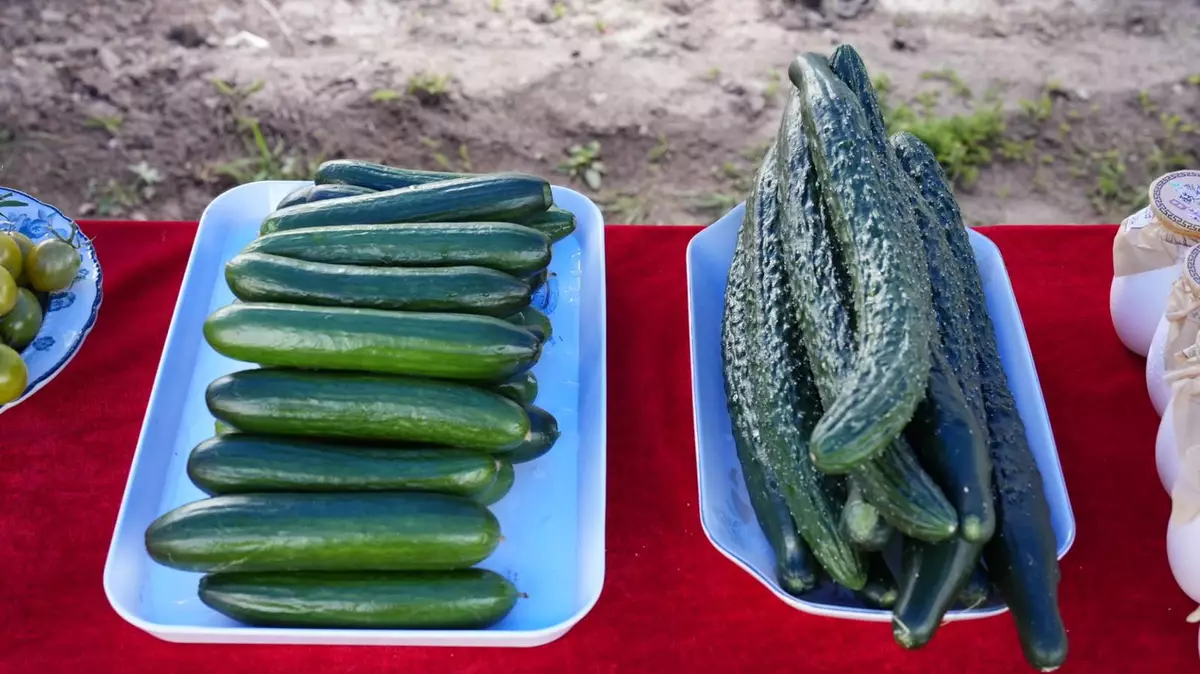
The vegetable products at the production base, Photo by Bastille Post
The vegetable products at the production base, Photo by Bastille Post
The vegetable products at the production base, Photo by Bastille Post
The vegetable products at the production base, Photo by Bastille Post

The vegetable products at the production base, Photo by Bastille Post
At the heart of this effort is the Jingyang Town Agricultural Industrial Park in Datong County, which specializes in cultivating premium cool-season vegetables for the GBA. Mr. Bao Shanfei, head of the Datong Jingxing Planting Professional Cooperative Federation, said the cooperative federation grows choy sum, flowering stems, Chinese kale, pea shoots, Hok Tau Pak Choy, and baby Chinese cabbage, etc. Sowing begins centrally in April, with harvests arriving sequentially from mid-June to late September. The cooperative federation has long supplied the GBA, but starting in 2025, it gained direct access to the Hong Kong market, via shipping first to Shenzhen, then onward to locations across Hong Kong, including the New Territories, Tai Wo, Mong Kok, and Sham Shui Po.

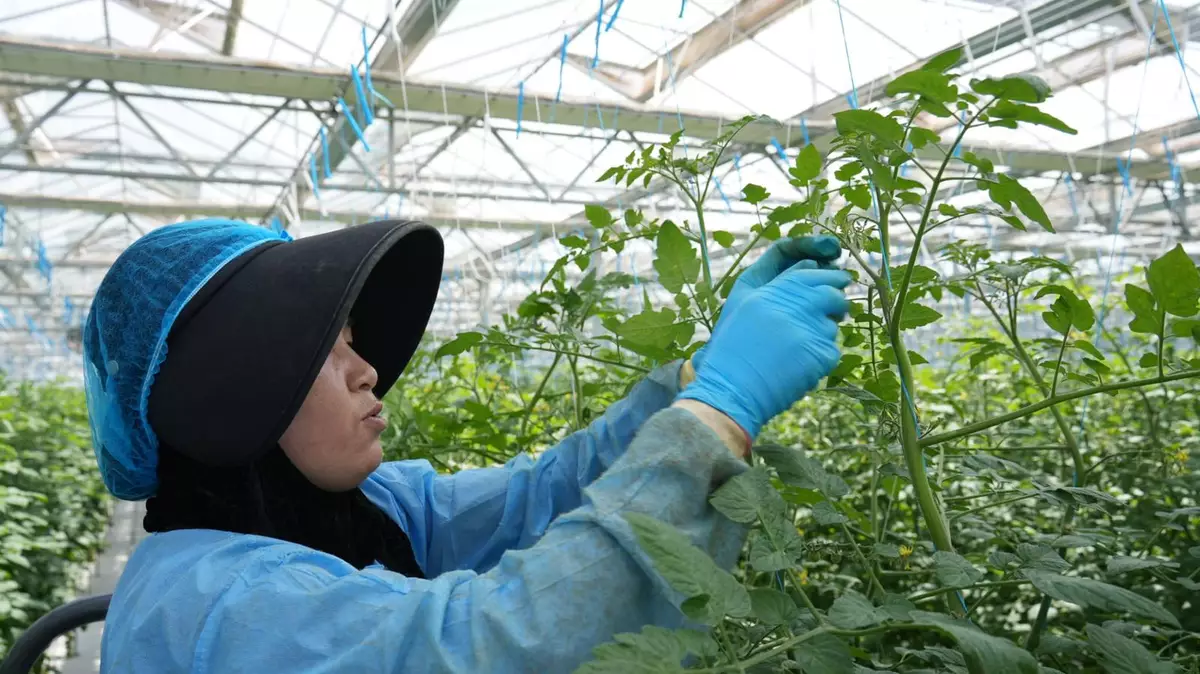
The worker at the vegetable production base in Xining, Photo by Bastille Post
The worker at the vegetable production base in Xining, Photo by Bastille Post

The workers at the vegetable production base in Xining, Photo by Bastille Post
The workers at the vegetable production base in Xining, Photo by Bastille Post

The vegetable production base, Photo by Bastille Post

The vegetable production base, Photo by Bastille Post
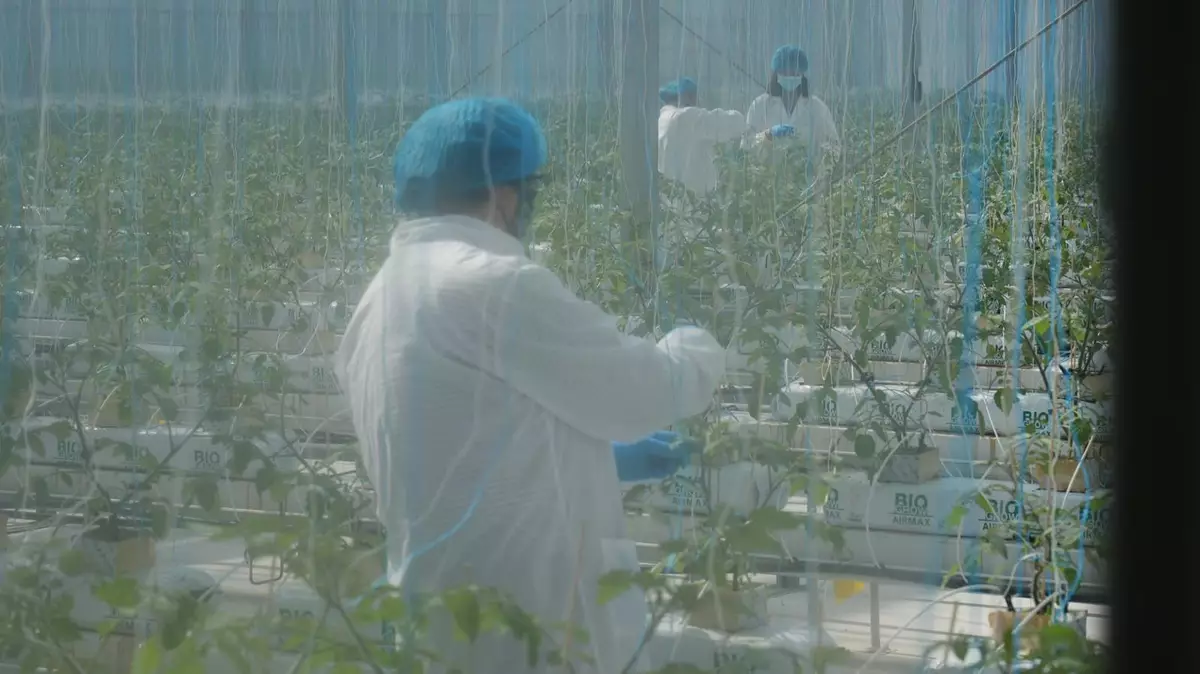
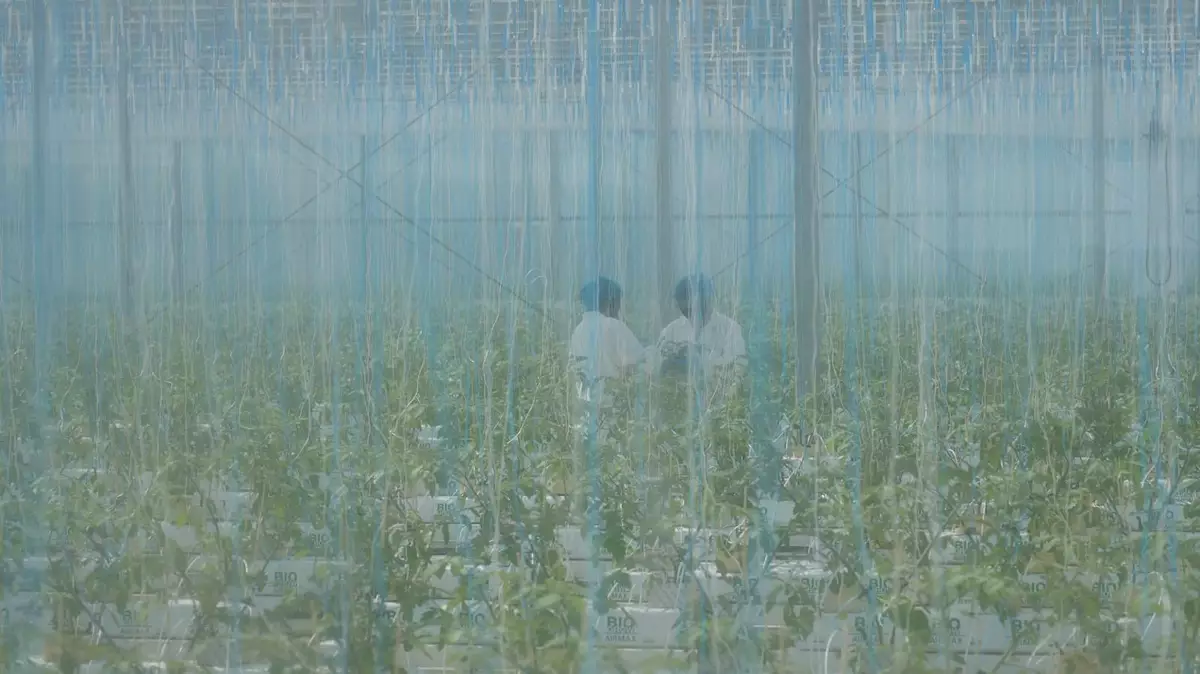
The researchers at the vegetable production base, Photo by Bastille Post

The researchers at the vegetable production base, Photo by Bastille Post

The researchers at the vegetable production base, Photo by Bastille Post

The researchers at the vegetable production base, Photo by Bastille Post

Logistically, Xining has built a robust network of on-site cold storage and cold-chain infrastructure, which allows for rapid pre-cooling right after harvest and fully integrated cold-chain transport. Under ideal conditions, vegetables can travel from Xining's fields to Hong Kong's tables in as little as 12 hours. Standard land-based cold-chain routes typically take merely 42 to 48 hours.

The vegetable products at the production base, Photo by Bastille Post

The vegetable products at the production base, Photo by Bastille Post

The vegetable products at the production base, Photo by Bastille Post

The vegetable products at the production base, Photo by Bastille Post

The vegetable products at the production base, Photo by Bastille Post

The vegetable products at the production base, Photo by Bastille Post

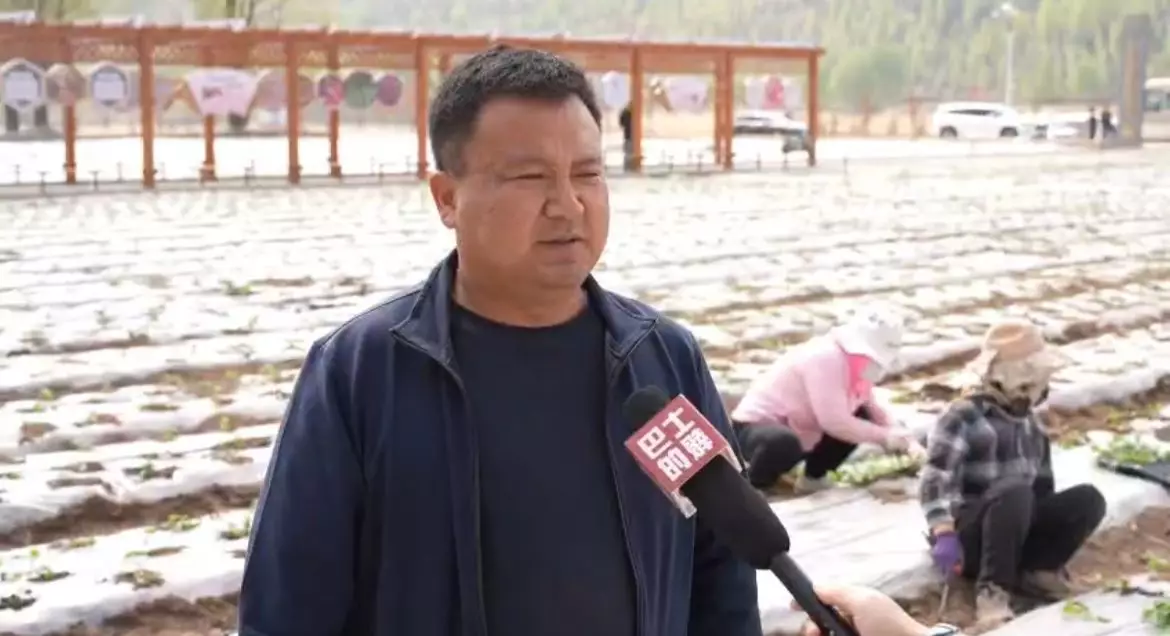
Mr. Bao noted that last year, the cooperative federation shipped over 300 tons of produce to Hong Kong. This year, agreements are already in place with enterprises in Hong Kong and Shenzhen that supply the Hong Kong market, with projected sales between 1,000 and 2,000 tons. "Hong Kong residents have a clear preference for choy sum and Hok Tau Pak Choy," he said. "Yield per mu is about 1,000,000 grams, and we can plant three cycles a year, giving us an annual output of roughly 3,000,000 grams per mu." Most of the production base's vegetables are also sold to markets in Shenzhen, Dongguan, Guangzhou, and other GBA cities.

Mr. Bao Shanfei, Photo by Bastille Post

Mr. Bao Shanfei, Photo by Bastille Post

Mr. Bao admitted that the biggest pressure isn't production volume. Instead, it's quality assurance. "We have to guarantee that our vegetables are free from technological gimmicks and harsh chemical additives," he said. "We use organic fertilizers instead of chemical ones, and rely on biopesticides and biological pest control to achieve green, healthy vegetable quality. That way, Hong Kong residents can enjoy a worry-free dining."

Mr. Ju, Photo by Bastille Post

Mr. Ju, Photo by Bastille Post

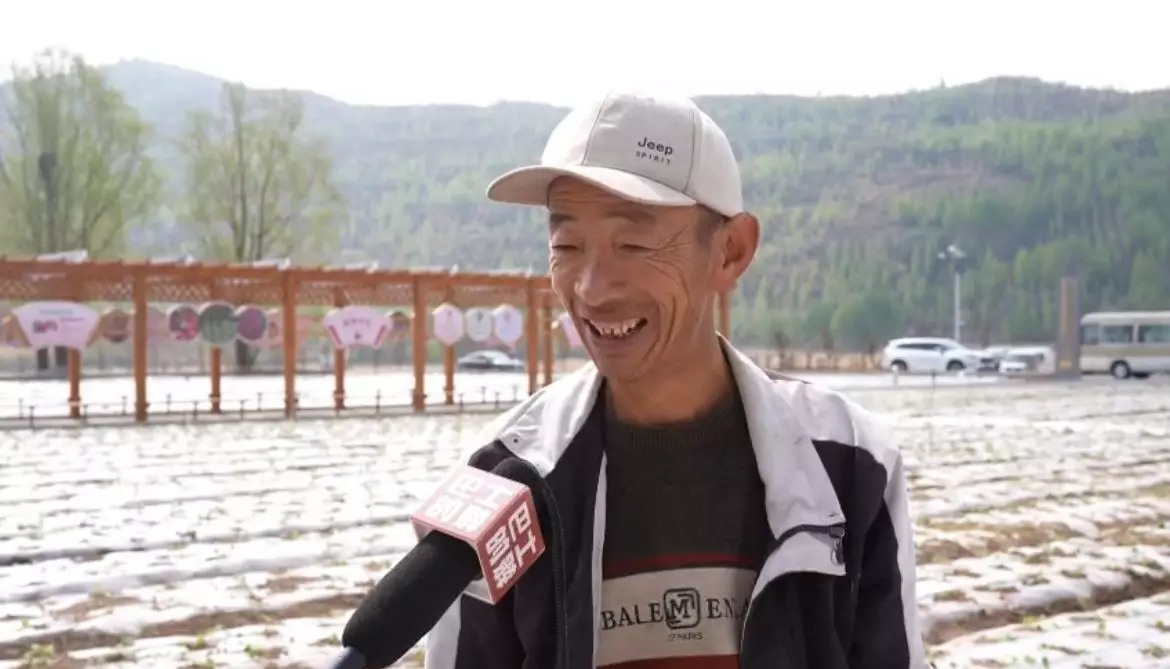
The cool-season vegetable boom has also lifted incomes for local villagers. In addition to local farmhands, Mr. Bao's production base employs a significant number of workers from other areas, such as Huangzhong. For instance, Mr. Ju has been doing vegetable cultivation for a month. Though he had worked in agriculture before, his earnings were meager. Now, earning 3,000 RMB a month, he covers his daily living expenses with ease. "It's more than I made before—I'm happy," he said.

Ms. Li, Photo by Bastille Post

Ms. Li, Photo by Bastille Post

Ms. Li,  a worker from Huangzhong, had been unemployed and staying at home for a long time. Since joining the production base, she has gradually adapted to the work, though she admitted it had been physically demanding at first. "The staff of the production base provides transport to bring us here," she said. "On one hand, I can go out and earn money. On the other hand, it keeps me from feeling stuck at home. My life feels much more fulfilling now."

Recommended Articles