SAN FRANCISCO--(BUSINESS WIRE)--Jun 2, 2026--
Ouster, Inc. (Nasdaq: OUST) (“Ouster” or the “Company”), a leader in sensing and perception for Physical AI, and FieldAI, a leader in field-deployed general robot intelligence, announced today a collaboration to enhance how general-purpose robots perceive and navigate complex environments by leveraging Ouster’s Rev8 native color lidar.
This press release features multimedia. View the full release here: https://www.businesswire.com/news/home/20260602805733/en/
FieldAI’s universal robot “brain" works across radically different robot types, tasks, and environments. Robots can be introduced to a new site like a new employee, with no prior information, pre-planned routes, supporting infrastructure, or environmental modification required. The novel architecture of Field Foundation Models™ unlocks unstructured settings where most of the world's physical work takes place. These environments are otherwise too complex and unpredictable for robots.
"FieldAI is at the forefront of deploying general-purpose robots in unstructured settings where work is often dangerous and difficult for humans," said Cyrille Jacquemet, Chief Revenue Officer at Ouster. “Their new class of foundation models offers the reliability and adaptability required for autonomous robotics deployment at scale. We are thrilled to collaborate on leveraging our new Rev8 digital lidar to power the next generation of industrial autonomy."
FieldAI already utilizes Ouster’s digital lidar to enable robots to navigate complex, unmapped, and GPS-denied environments. As FieldAI expands deployments with large industrial customers, it is looking to Ouster Rev8’s advanced sensing capabilities and robust design to help meet the rigorous demands of safety-critical industries. By integrating these capabilities in its products, FieldAI intends to deliver enhanced safety and interpretability for enterprise customers as it scales its footprint across construction, mining, energy, manufacturing, security, and government.
"Scaling autonomous systems in demanding real-world conditions starts with advanced sensor technology,” said Andrew Mullen, Head of Hardware at FieldAI. “Ouster Rev8’s ruggedness, performance, and native color are helping FieldAI deliver next-generation physical AI solutions for industrial customers where it matters most, in the field.”
About FieldAI
FieldAI is the leader in deploying general-purpose robots in unstructured environments, providing frontier autonomy software as a universal "brain" that works across many robots and many tasks. The company's Field Foundation Models™ uniquely combine data-driven AI with physics-based reasoning and uncertainty awareness, enabling safe and reliable operations in environments previously considered too unpredictable for robots. FieldAI's leadership team brings together world-class expertise in AI foundation models and real-world robotics, with roots in Google DeepMind, NASA JPL's Mars exploration program, and DARPA's Subterranean Challenge and RACER programs. The company has raised over $400 million from investors, including Bezos Expeditions, Emerson Collective, Khosla Ventures, NVentures (NVIDIA's venture capital arm), Prysm Capital, Temasek, and others. For more information, visit www.fieldai.com or contact PR@fieldai.com.
About Ouster
Ouster (Nasdaq: OUST) is a leader in sensing and perception for Physical AI across industrial, robotics, automotive, and smart infrastructure. With a unified platform of high-performance digital lidar, cameras, AI compute, sensor fusion and perception software, and AI models, Ouster delivers solutions that improve quality of life in the physical world. Headquartered in San Francisco, CA, Ouster has a global presence serving thousands of customers with offices in the Americas, Europe, and Asia-Pacific. For more information about our products, visit www.ouster.com, contact our sales team, or connect with us on X or LinkedIn.
Forward-Looking Statements
This press release contains forward-looking statements within the meaning of the Private Securities Litigation Reform Act of 1995. The Company intends such forward-looking statements to be covered by the safe harbor provisions for forward-looking statements contained in Section 27A of the Securities Act of 1933, as amended and Section 21E of the Securities Exchange Act of 1934, as amended. Such statements are based upon current plans, estimates and expectations of management that are subject to various risks and uncertainties that could cause actual results to differ materially from such statements. The inclusion of forward-looking statements should not be regarded as a representation that such plans, estimates and expectations will be achieved. Words such as “offer,” “expect,” “will”, “may,” “anticipate,” “intend,” “reflect,” “should,” “plan,” “can,” “could,” “estimate,” “possible,” “potential,” “pursue,” “demonstrate,” and the negative of these terms and similar expressions are intended to identify forward-looking statements, though not all forward-looking statements use these words or expressions. All statements, other than historical facts, including statements regarding the capabilities and applications of Ouster’s digital lidar, including with respect to enhanced safety applications; uses for Physical AI; future growth and opportunities; and competitive position constitute forward-looking statements. All forward-looking statements are subject to risks and uncertainties that may cause actual results to differ materially from those that we expected, including, but not limited to, the possibility of cancellation or postponement of contracts or unsuccessful implementations; risks related to the adoption of Ouster’s products, product quality and liability risks; the Company’s dependence on key third party suppliers, in particular, Benchmark Electronics, Inc., Fabrinet and other suppliers; Ouster’s ability to respond to evolving regulations and standards; and other important risk factors discussed in the Company’s Annual Report on Form 10-K for the year ended December 31, 2025, and as may be further updated from time to time in the Company’s in the Company’s Quarterly Reports on Form 10-Q and other filings with the SEC. Readers are urged to consider these factors carefully and in the totality of the circumstances when evaluating these forward-looking statements, and not to place undue reliance on any of them. Any such forward-looking statements represent management’s reasonable estimates and beliefs as of the date of this press release. While Ouster may elect to update such forward-looking statements at some point in the future, it disclaims any obligation to do so, other than as may be required by law, even if subsequent events cause its views to change.
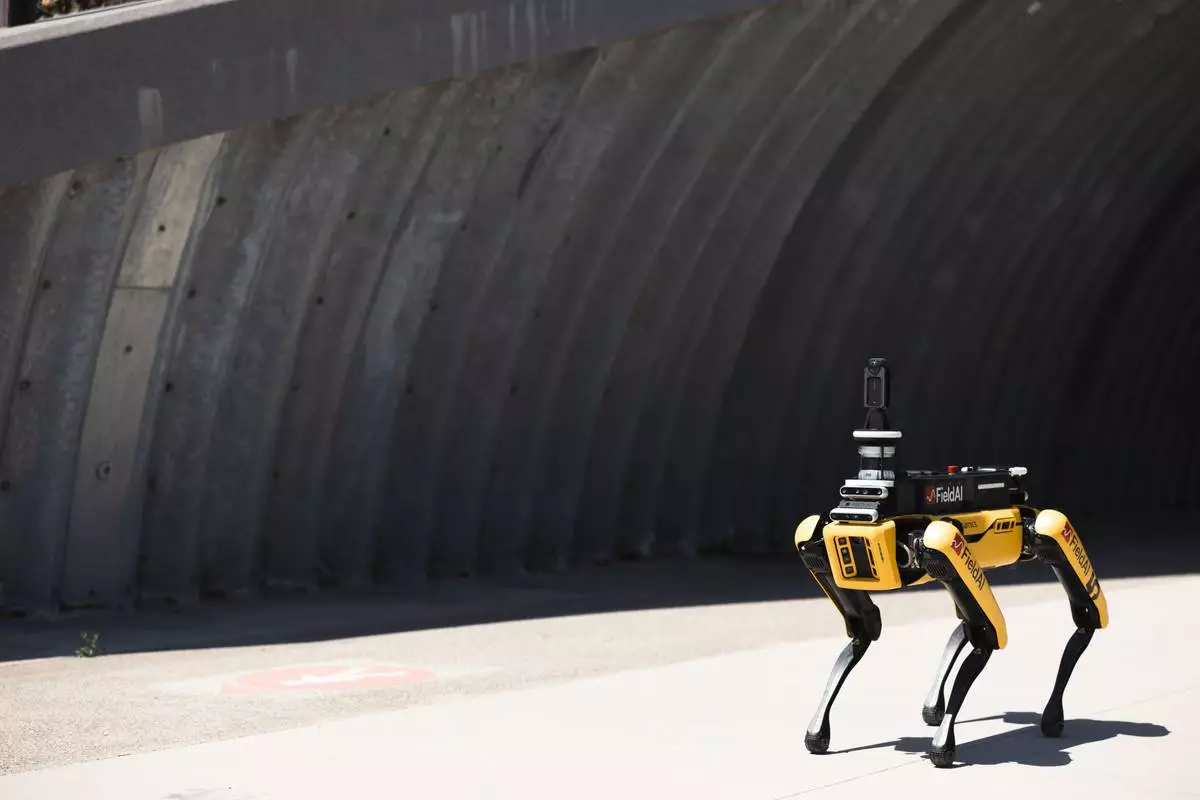
Ouster Rev8 native color lidar on a FieldAI robot.
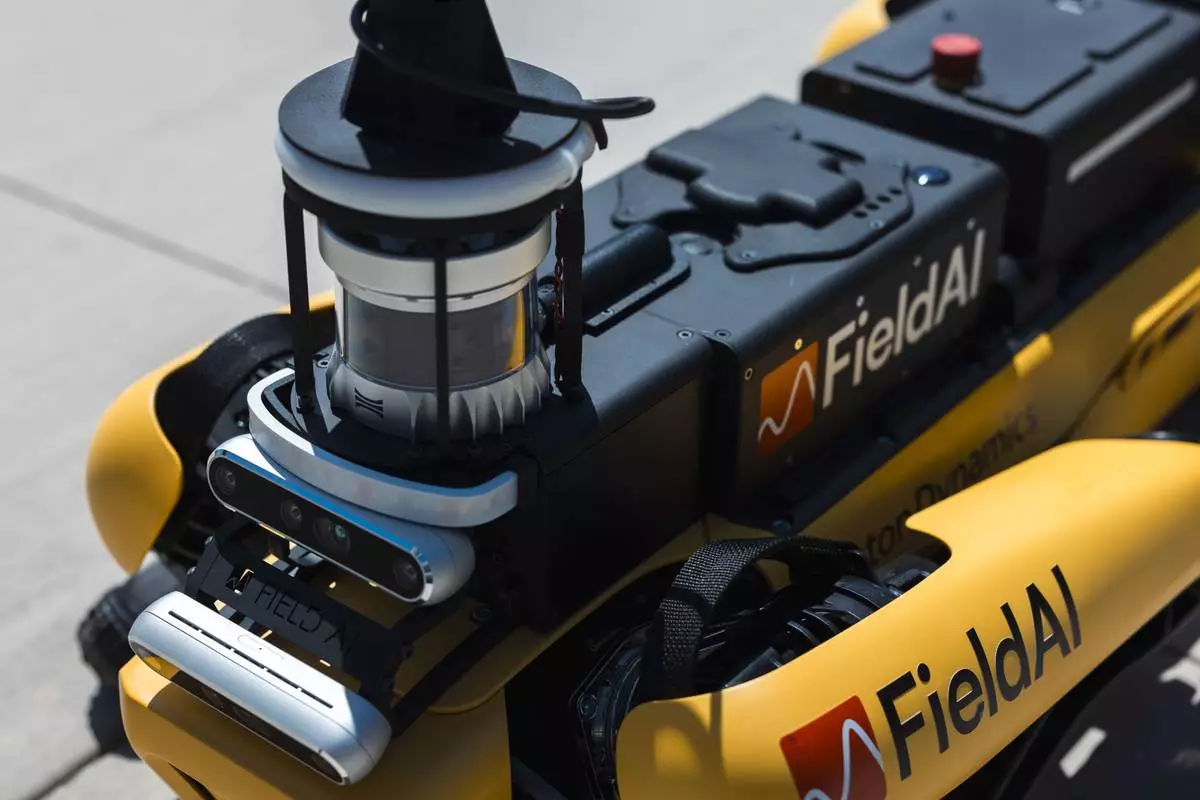
Ouster Rev8 native color lidar on a FieldAI robot.
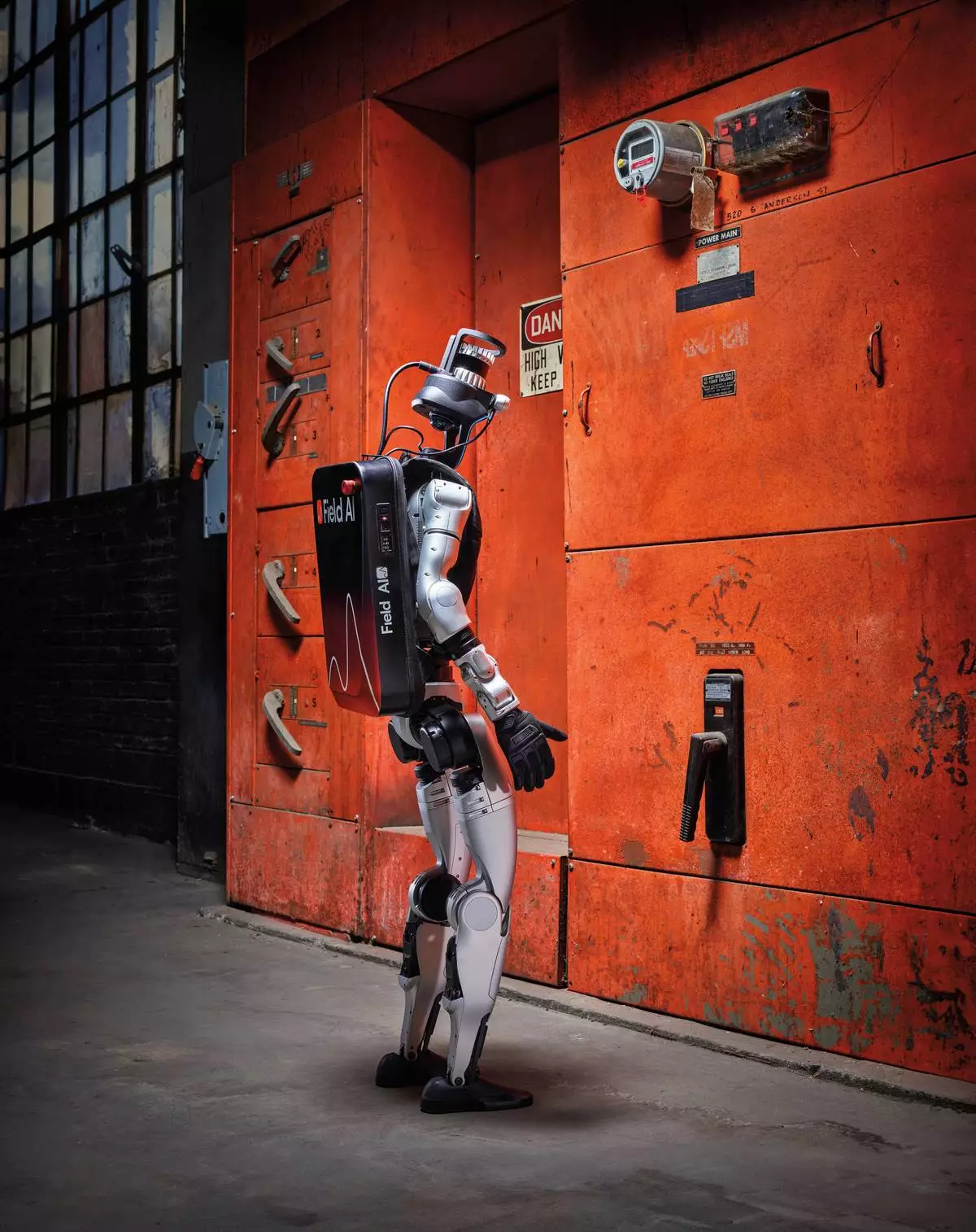
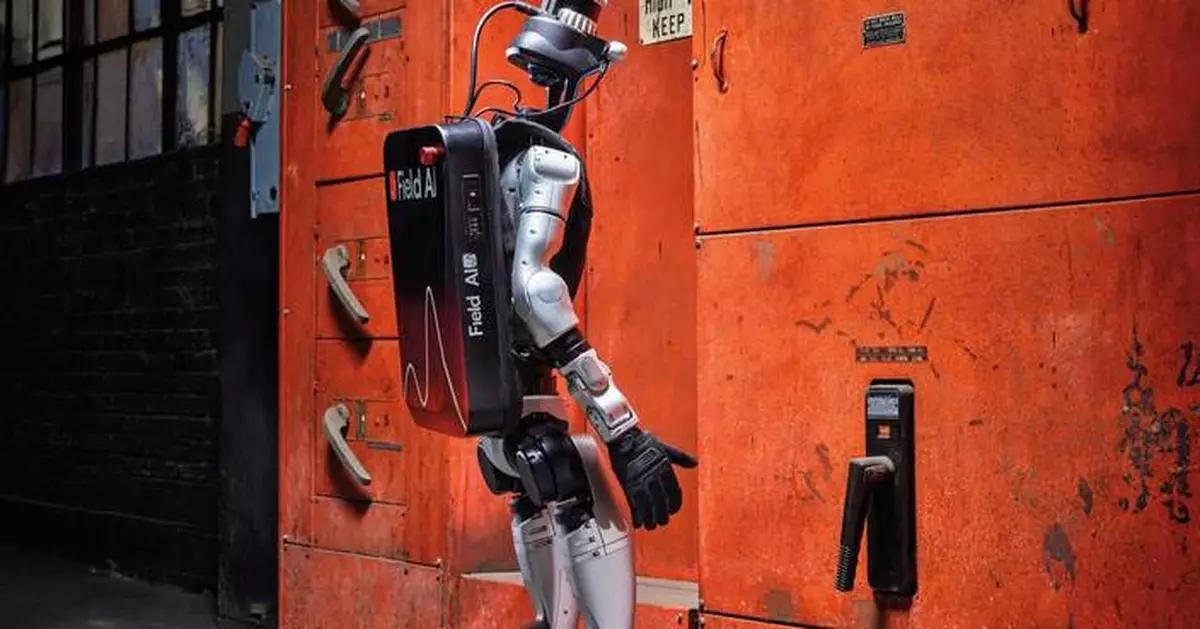
Ouster lidar on a FieldAI humanoid robot.