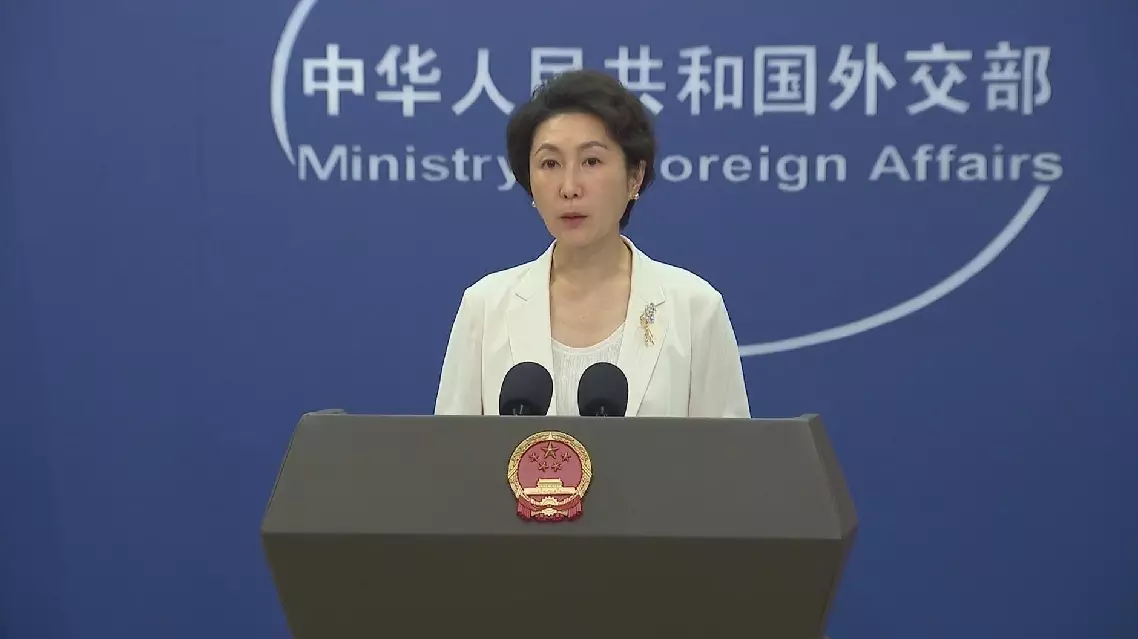
China urges the Philippines to rein in its officials from making remarks undermining the efforts to stabilize bilateral relations, Foreign Ministry spokeswoman Mao Ning said at a press briefing in Beijing on Tuesday.
Mao made the comments in response to remarks made by Philippine Defense Secretary Gibo Teodoro at the Shangri-La Dialogue 2026, Asia's premier defense and security summit, in Singapore.
"Philippine leaders have repeatedly expressed willingness to properly manage differences with China and promote an improvement of bilateral relations. We hope the Philippines will match words with deeds, strictly rein in its officials from making relevant remarks, and prevent certain troublemakers from repeatedly undermining the efforts to stabilize bilateral ties," Mao said.
China urges Philippines to rein in officials from making remarks undermining ties
The China Council for the Promotion of International Trade (CCPIT) on Thursday voiced its firm opposition to the U.S. tariff proposals under Section 301, urging Washington to respect facts, stop abusing trade restrictions, and return to the rules-based multilateral trading system.
The U.S. Trade Representative's office issued findings on Tuesday under Section 301 of the Trade Act of 1974, determining that 60 economies, including China and its Hong Kong Special Economic Administrative Region (SAR), have failed to effectively enforce bans on forced labor imports. It then proposed additional tariffs of 10 to 12.5 percent on those economies, with China and its Hong Kong SAR facing the 12.5 percent rate. The move has drawn strong dissatisfaction and firm opposition from China's business community.
According to the spokesperson of the CCPIT, the investigation covers 60 economies and has a wide reach. By claiming that these economies failed to enforce forced labor import bans, the United States is essentially exporting its own domestic standards and unilateral rules abroad, with no basis in international law and in violation of multilateral trade rules.
The U.S. conclusions, including that the measures weaken anti-forced labor efforts and distort competition, lack factual support. The proposed tariffs are a tool for policy coercion, pure unilateralism and protectionism. The differentiated rates also violate non-discrimination and fair competition principles.
China's business community urged the U.S. side to face the facts, stop abusing trade restrictions, get back to the rules-based multilateral trading system, and resolve differences through dialog to keep global supply chains stable.
The CCPIT said it will keep serving as a bridge, helping companies with compliance and risk management, and pushing for more practical cooperation between businesses in China, the United States and beyond.
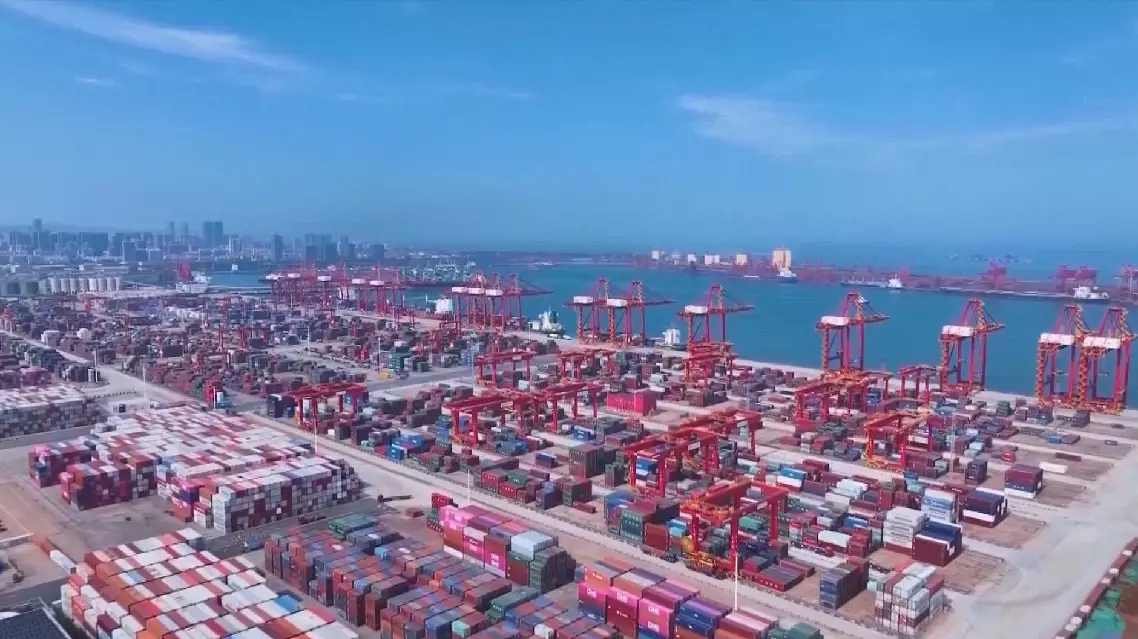
China's int'l trade promotion body slams US tariff move as unilateralism, protectionism