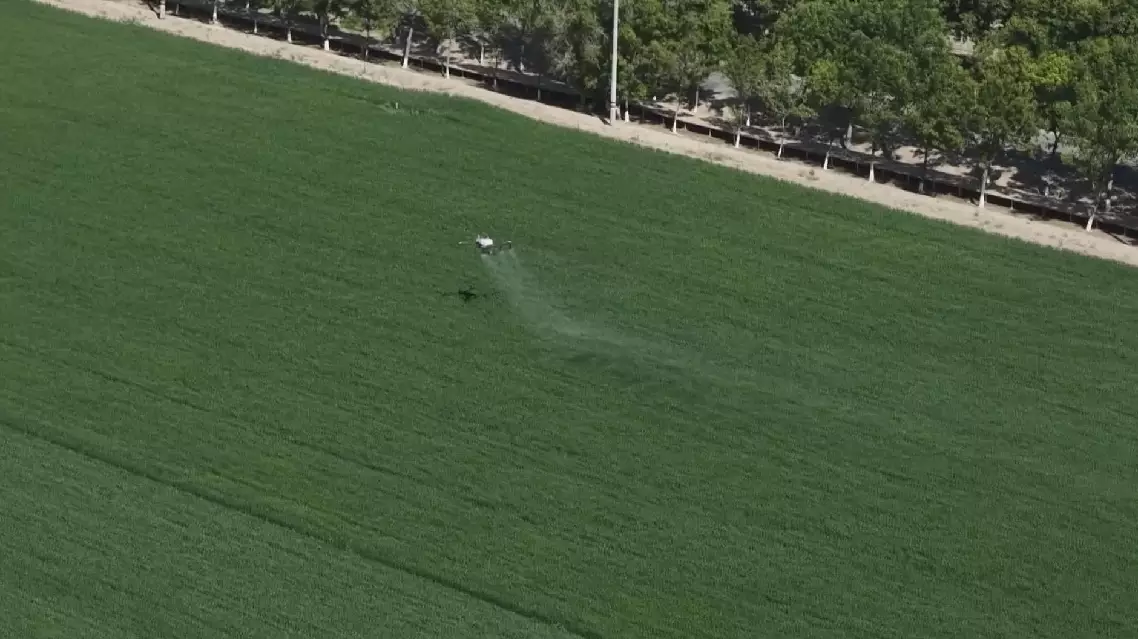
Farmers in Wujiaqu City, northwest China's Xinjiang Uygur Autonomous Region, are using drones to spray compound liquid across more than 27,000 hectares of winter wheat now in the critical grain-filling stage, aiming to curb pests, resist dry winds and prevent lodging for stable yields.
Currently, more than 27,333 hectares of winter wheat in Wujiaqu have entered the critical stage of grain-filling management.
Over the past few days, drones have been flying at low altitudes along preset routes, precisely spraying a compound liquid solution to control pests and diseases, ward off dry hot winds, and prevent lodging, laying a solid foundation for stable and increased yields.
"Drone spraying is highly efficient and saves costs. It basically takes just one hour to cover our 100-plus mu (more than 6.67 hectares) of land, saving costs and promoting efficiency greatly," said Zhao Dehe, a farmer. Local authorities have established specialized agricultural technical service teams to regularly monitor seedling development, soil moisture levels and pest activity, thereby gaining precise insights into the wheat's growth status.
At the same time, targeted management measures have been refined to address potential issues in certain plots, such as excessively rapid seedling growth, susceptibility to lodging and unstable yields.
Currently, wheat growth across the city is stable, with harvesting expected to begin in late June.
Xinjiang farmers deploy drones for wheat management
A wide range of ecological and environmental protection activities were held in China to mark the World Environment Day on Friday, aimed at encouraging public participation in green transition across the country to build a beautiful China.
Jointly organized by Guangdong, Hong Kong, and Macao for the first time, the National Event on the Environment Day 2026 -- the national main event, released the 2025 China Ecological Environment Status Bulletin, outlining the leapfrog improvement in China's ecological environment quality over the past decade.
Meanwhile, various regions across China rolled out a rich variety of themed activities to engage wide public involvement in environmental protection.
In Beijing, the Ecological Culture Week kicked off, featuring interactive activities such as micro-sitcom creation and AI animation science popularization to spread ecological culture and green development concepts.
In the Xiong'an New Area, north China's Hebei Province, students and their parents collaborated to paint a 100-meter-long ecological scroll. Their works, centered on themes including lucid waters and lush mountains, water conservation, and garbage classification, helped deepen participants' ecological awareness.
Luzhou City in southwest China's Sichuan Province brought environmental education to real-world settings, holding small environmental protection classes at local sewage treatment plants and environmental protection image museums. Participants gained a firsthand appreciation of the hard work behind ecological governance through guided tours and film screenings.
Beyond individual cities, cross-regional collaboration also took center stage. Hangzhou in east China's Zhejiang Province and Huangshan in east China's Anhui Province jointly launched an ecological protection action, releasing over 10,000 black amur bream fry into the Qiandao Lake to help improve water quality.
Simultaneously, the two provinces initiated joint cross-provincial fishery law enforcement, further solidifying practical cooperation in trans-regional ecological management.
China celebrates the World Environment Day on June 5 every year, coinciding with the United Nations' global observance to promote global environmental awareness and action.
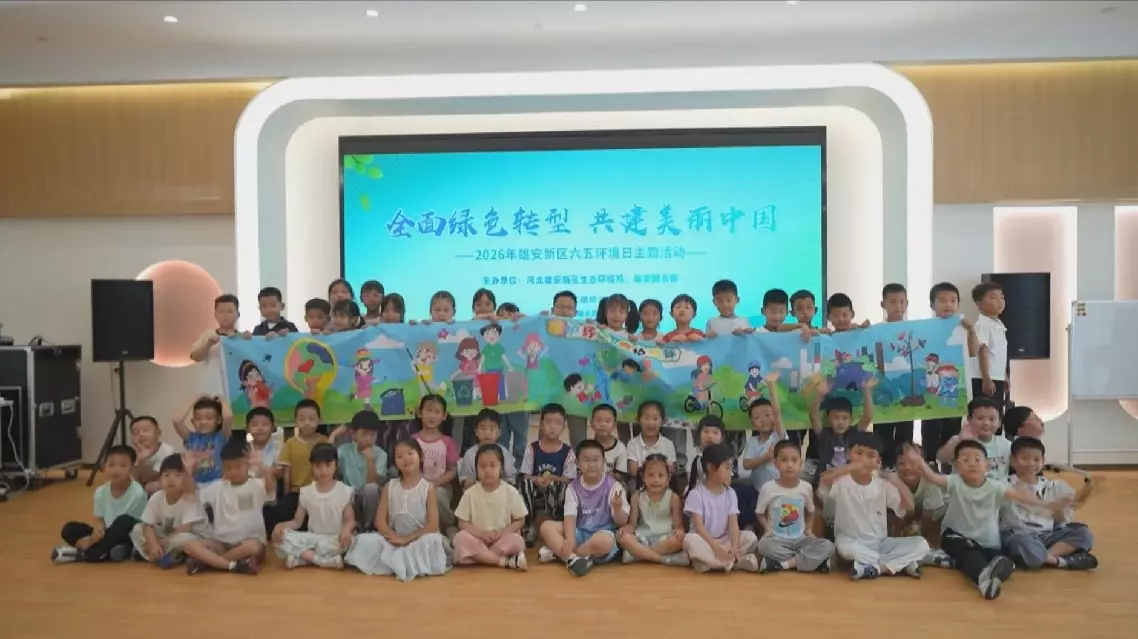
Diverse activities held across China to mark Environment Day
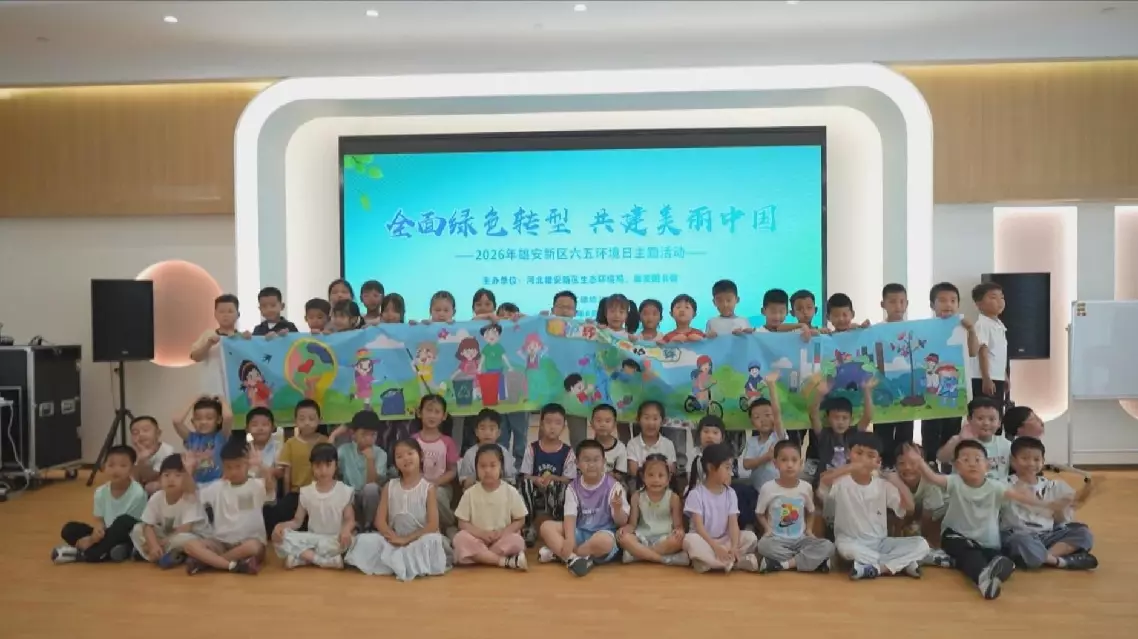
Diverse activities held across China to mark Environment Day