Skip to Content Facebook Feature Image

Public Urged to Take Precautions Against Heat-Related Illnesses During Severe Weather

HK

Public Urged to Take Precautions Against Heat-Related Illnesses During Severe Weather
HK

HK

Public Urged to Take Precautions Against Heat-Related Illnesses During Severe Weather

2026-06-03 06:45 Last Updated At:13:33

DH reminds public to take precautions against heat-related illnesses during very hot weather

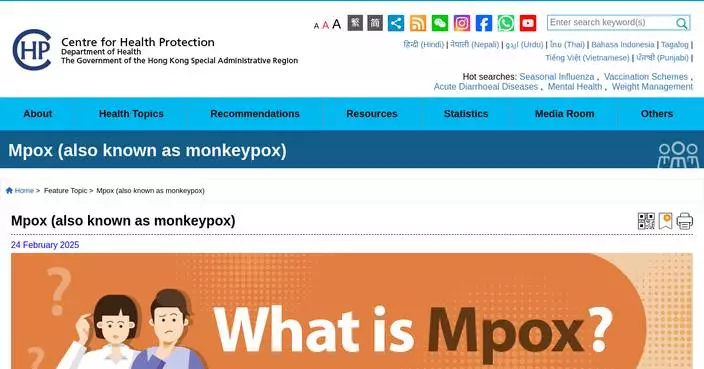
The Centre for Health Protection (CHP) of the Department of Health (DH) today (June 3) reminded members of the public to take appropriate precautions against heat-related illnesses, such as heat cramps, heat exhaustion and heat stroke, during very hot weather.

In a high-temperature environment, excessive sweating and difficulty in heat dissipation can cause stress to the body. Members of the public should take the following precautions:

  • Hydrate in a timely manner to prevent dehydration;

  • Wear light-coloured, loose-fitting and breathable clothing to minimise heat absorption and facilitate perspiration and heat dissipation;

  • Keep indoor areas well ventilated and maintain appropriate temperature and humidity, e.g. by opening windows or using a fan or air-conditioning;

  • Avoid strenuous exercise and prolonged activities such as hiking or trekking;

  • Arrange outdoor activities in the morning or the late afternoon, if possible, and bring enough water; and

  • Avoid beverages containing caffeine, such as coffee and tea, as well as alcoholic beverages, which may speed up water loss through the urinary system.

In addition, infants and children, the elderly, pregnant women, individuals with chronic illnesses such as heart disease or high blood pressure, overweight people and outdoor/manual workers are more susceptible to heat stroke. These groups should pay special attention to the following:

  • Infants and young children: Avoid going outside when the temperature is high. If they must go outside, adults should ensure they stay in places with moderate temperatures and good ventilation or air-conditioning. Infants and young children should never be left unattended in a confined space such as a vehicle;

  • The elderly, pregnant women, individuals with chronic illnesses and overweight people: Pay close attention to health conditions and seek help as soon as possible if experiencing any abnormalities in health indicators such as blood pressure, heart rate, etc or if there are fluctuations in health conditions. Avoid going out when the temperature is high. Make sure there is good ventilation, or turn on a fan or air-conditioner to keep an appropriate temperature indoors. High temperatures can also worsen the condition of people with chronic illnesses (such as cardiovascular and respiratory diseases). Therefore, they should have an ample supply of their usual medication and keep in contact with family members, neighbours and the community. People should seek immediate help if they feel unwell.

  • Outdoor/manual workers: Reschedule work to cooler hours as far as feasible. If working in a hot environment is unavoidable, provide shade where practicable and use ventilation and heat dissipation equipment. Once work has begun, gradually adjust the pace of work and take breaks in the shade to regain strength.

The DH reminded the public that heat stroke is one of the most common health risks in hot weather. Over the past five years, there have been over 200 hospital admissions due to heat stroke each year in Hong Kong, with two to five fatal cases occurring mainly during the summer months from May to September. Vulnerable groups are more susceptible to heat stroke. Symptoms include dizziness, headache, nausea, shortness of breath or confusion. In severe cases, patients may suffer from convulsions or become unconscious, which can be life-threatening if they are not cooled down and resuscitated in a timely manner.

Members of the public are also advised to pay attention to the latest weather, as well as the real-time and forecasted ultraviolet (UV) index released by the Hong Kong Observatory (HKO). When the UV index is high (6 or above), the public should note the following:

  • Avoid direct sunlight exposure to the skin and the eyes;

  • Apply broad-spectrum, water-resistant sunscreen liberally, with a sun protection factor (SPF) of at least 30 or higher, when participating in outdoor activities. Reapply every two hours if staying outdoors for long periods, or after swimming, sweating or towelling off;

  • While using DEET-containing insect repellents for personal protection against mosquito-borne diseases, apply sunscreen before insect repellent;

  • Seek shade;

  • Wear UV-blocking sunglasses;

  • Wear loose-fitting clothing with long-sleeves; and

  • Wear a wide-brimmed hat or use an umbrella.

If symptoms develop, such as dizziness, headache, nausea, shortness of breath or confusion, rest and seek help immediately, and seek medical advice as soon as possible.

For more health information, the public may visit theCHP's heat stroke page and UV radiation page; the HKO's Dial-a-Weather (1878 200),latest weather report and forecastUV Index and weather information for hiking and mountaineering; and press releases of the Labour Department on precautions against heat stroke for outdoor workers and their employers when the Heat Stress at Work Warning is in force.
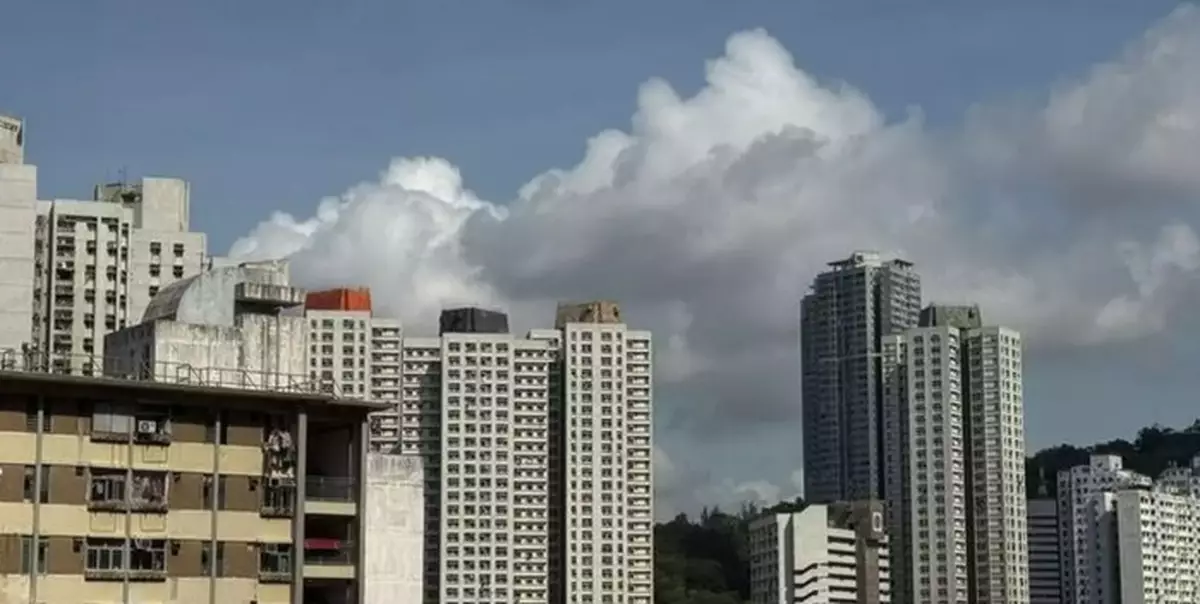
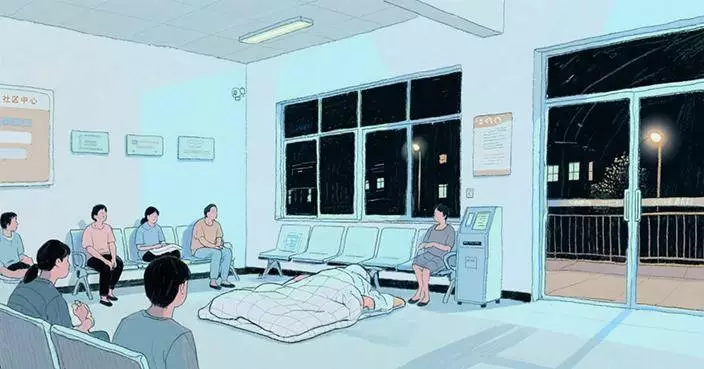
Photo source: reference image
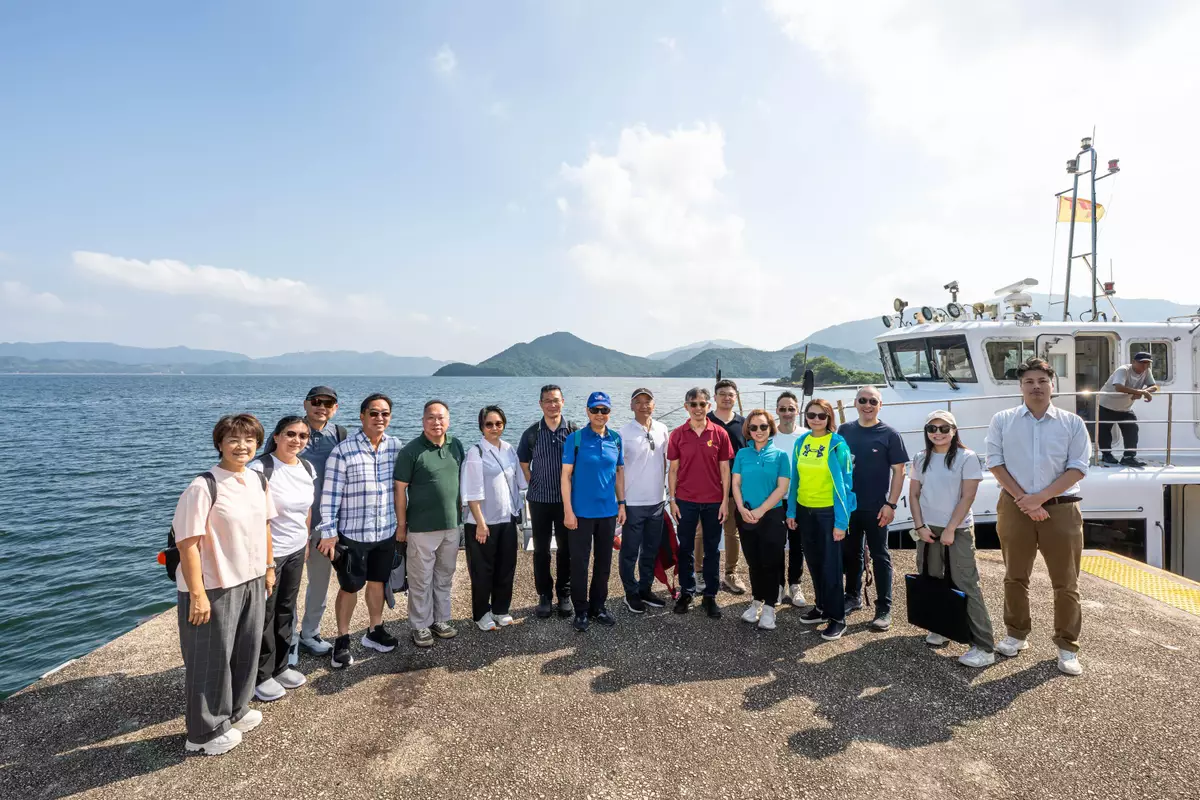
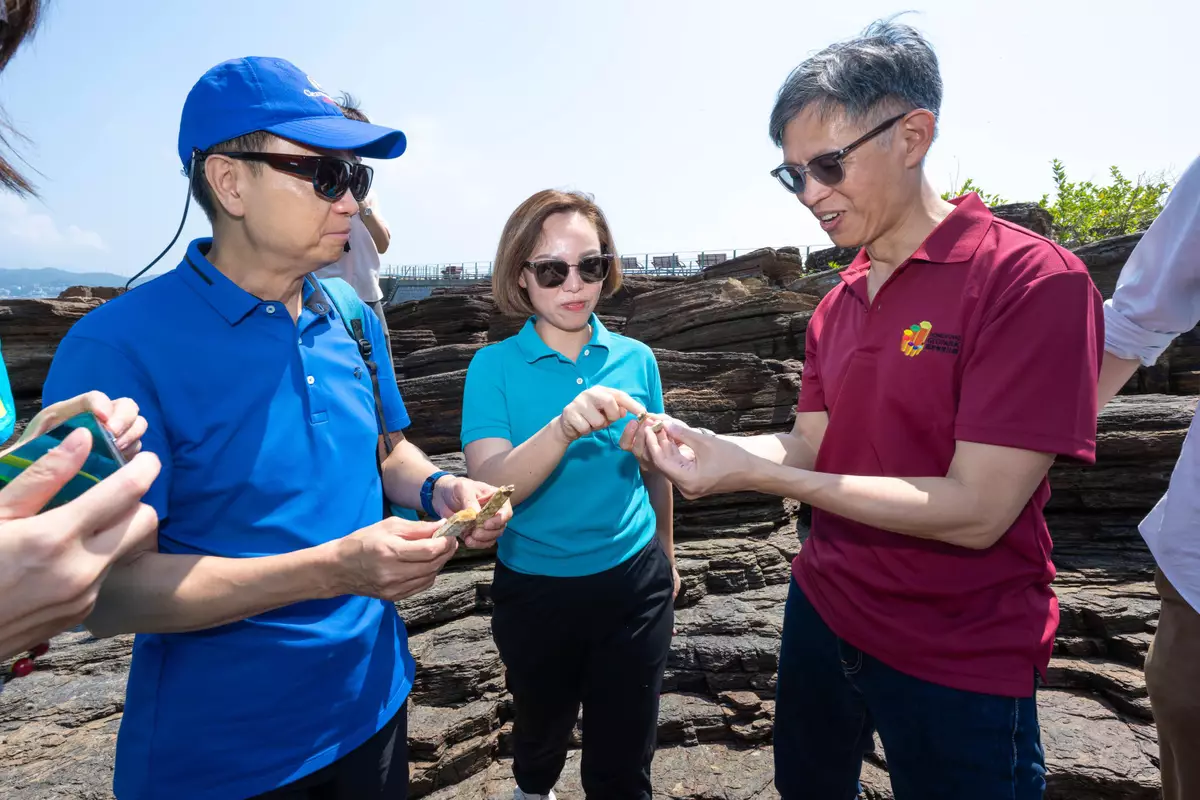
Photo source: reference image
Speech by FS at at HKTA 35th Anniversary Conference

Following is the speech by the Financial Secretary, Mr Paul Chan, at the HKTA 35th Anniversary Conference today (June 3):

Ka-shi (Chairman of the Hong Kong Trustees' Association, Ms Lau Ka-shi), members of the Hong Kong Trustees' Association (HKTA), distinguished guests, ladies and gentlemen,

Good afternoon. It is a pleasure to join you today to celebrate the 35th anniversary of the Hong Kong Trustees' Association.

Let me begin by offering my warmest congratulations to the HKTA - to your leadership, your members, and everyone who has contributed to building this institution and its strong reputation over the years.

Hong Kong's growth as an IFC

Looking back over the past 35 years, Hong Kong, as an international financial centre, has undergone a remarkable transformation. In particular, over the past decade or so, alongside our country's high-quality development, Hong Kong's financial centre status has been elevated to a new level.

Take our stock market as an example. Over the past 10 years, market capitalisation has more than doubled, from around $23 trillion to over $47 trillion. Bank deposits have increased by about 80 per cent, or $9 trillion, to reach over $19 trillion.

Asset and wealth management, an area closely connected with everyone here today, has grown from $18.2 trillion to more than $35 trillion. MPF (Mandatory Provident Fund) assets have also almost doubled, from around $800 billion to about $1.5 trillion.

Last week, Hong Kong was named the world's largest cross-boundary wealth management centre. It was also projected that Hong Kong's growth in this area would continue to lead the world over the next five years.

Hong Kong has indeed been moving up rapidly in the IFC league table. In the Global Financial Centres Index, our score is now only two points behind New York and one point behind London. A decade ago, the gap was around 40 points.

Our growth is not merely a story of scale. It is a story of constant reinvention. Through the reforms to our listing regime, deepening of the Connect schemes, and stronger connectivity with Southeast Asia and the Middle East, Hong Kong has been expanding its role as a bridge between the Mainland and the world. In the face of trials and tribulations, Hong Kong has remained resilient, and emerged stronger.

The trust industry is an integral part of this success. You provide the fiduciary backbone that underpins the sustained and smooth operation of MPF schemes, private trusts, family offices, philanthropic structures and other arrangements. You safeguard assets, protect beneficiaries, uphold governance, and reinforce confidence in Hong Kong as a trusted place to manage, preserve and pass on wealth. You are an indispensable institutional infrastructure safeguarding our financial security.

Going forward, I believe three major trends will bring more capital flows, more cross-boundary activities, and stronger demand for the services of our trust industry.

First, the growing demand for diversification and reallocation in an increasingly fragmented geo-economic environment. Global capital is looking for safe harbours. Investors are looking for markets that are stable, reliable and predictable, while offering opportunities and investment returns.

Second, the global wave of innovation and technology. China's technological innovation will be one of the most compelling long-term themes in the investment world. Capital that believes in the growth potential of China and Asia, and in this region's capacity for innovation, will increasingly look to this part of the world for opportunities.

And third, our country's high-level two-way opening up under the National 15th Five-Year Plan. Hong Kong will serve as a hub for more Mainland companies going global, while attracting more capital and enterprises from around the world to access Mainland opportunities through our platform.

The "Finance+" strategy

These trends are also the very basis upon which we proposed the "Finance+" strategy in the Budget this year.

The goal is clear. We want to capitalise on these major trends to grow a bigger pie, empower different industries, and create more opportunities for the financial services sector.

This means advancing further in areas where we have enduring competitive strengths.

Hong Kong has a mature and sophisticated fundraising market. Our IPO (initial public offering) performance has been strong. We have a vibrant venture capital and private equity sector. Yet, we are working to build an even more comprehensive financing chain, a richer product offering and a more vibrant financial ecosystem, so that we can unleash fully our development potential.

On products, we support the introduction of more diverse and innovative investment products and risk management tools to satisfy different investors' needs and appetites.

Bonds are a good example. We are working to attract more national governments, international institutions and companies to issue bonds of various tenors and currencies here. We are also developing a one-stop, multi-asset class post-trade securities infrastructure. That will cover both Mainland and Hong Kong equity and debt securities, facilitating cross-product collateralisation to enhance market liquidity.

Exchange-traded products (ETPs) are another example. In 2024, there were fewer than 200 listed ETPs in Hong Kong, with an AUM (asset under management) of about $460 billion. Today, the number has grown to more than 240, with AUM reaching around $650 billion, a 40 per cent increase in just two years' time.

So are gold and commodities. We are strengthening this market by expanding warehousing capacity, enhancing settlement arrangements, and supporting product innovation through digitalisation, tokenisation and development of derivatives.

Together, these initiatives are opening up new horizons for Hong Kong's financial markets, broadening the range of opportunities for investors and creating new room for growth across the financial services sector.

For the trust industry, our efforts to facilitate re-domiciliation are highly relevant. Since last year, 37 companies have moved their place of incorporation to Hong Kong, while preserving their legal identity and business continuity. They include some of the world's leading insurance companies.

Later this year, we will introduce a bill to enhance our tax regime for funds and family offices.

These send a clear message. Hong Kong is an open and welcoming home for family offices, trusts, funds, talent and enterprises.

A word to the trust industry

Ladies and gentlemen, I believe the trust industry is well placed to benefit from the "Finance+" strategy. But to capture these opportunities, three priorities are important.

First, uphold the highest standards of integrity and professionalism. Trustees have a special role because you often stand at the centre of long-term relationships involving families, beneficiaries, investors and institutions. That trust carries tremendous responsibilities.

Second, strive for excellence and embrace technology and innovation. Technology is transforming investment products, compliance, administration, reporting and risk management - in short, every aspect of your operations. Embracing technology is no longer optional.

At a more fundamental level, artificial intelligence (AI) and digitalisation are reshaping the very foundations of the trust business - from what constitutes an asset, to how ownership and control are established and exercised, how fiduciary duties are discharged, and how business is conducted. For trustees, this poses new challenges in custody, valuation, cross-boundary regulatory compliance, daily administration and cyber security.

But it also creates new opportunities. For example, as assets become more digital, the market will need greater legal certainty, stronger governance and trusted fiduciary oversight. These are areas where Hong Kong has clear strengths, and where our trust industry can play an important role in safeguarding assets for families, pension members and investors.

Our task, together, is to harness cutting-edge technology while staying true to the timeless principles of prudence and loyalty, so that the trust business remains an anchor of confidence in an increasingly digital market.

Third, invest in talent. More complex rules, more cross-boundary work, new technologies and new product types will increase demand for experienced trustees, risk managers, compliance professionals, lawyers, accountants, and wealth planners.

We need people who can discharge fiduciary duties in the age of technological and digital transformation. We need people who understand family succession, public accountability and cross-boundary regulation in the age of AI. And we need people who understand both the Chinese Mainland and the world - people who can bridge the two and contribute to both.

I am pleased to note that the HKTA has long been committed to professional training, which is essential to building a deeper and more resilient talent pool for Hong Kong.

On our part, the Government is committed to building a stronger asset and wealth management ecosystem and the trust industry. We will continue to work with the industry to further enhance the competitiveness of Hong Kong as a centre of excellence for the trust industry.

Closing

Ladies and gentlemen, for 35 years, the HKTA has demonstrated leadership, professionalism and commitment to excellence.

The next 35 years will be even more exciting. The global geo-economic balance is shifting. Technological innovation is accelerating. Wealth in Asia is fast building up and clients are becoming more sophisticated and demanding. Families, enterprises and investors will need better structures, better governance and better advice.

But the foundation of success will remain true and the same: professionalism, integrity and trust.

I am confident that the HKTA will continue to bring the industry together, lead with vision, and contribute to the next stage of Hong Kong's success as an international financial centre.

The Government will be your partner every step of the way.

Once again, my heartfelt congratulations to the HKTA on your 35th anniversary. Here is to the next 35 years.

Thank you very much.

Source: AI-found images

Source: AI-found images

Speech by FS at at HKTA 35th Anniversary Conference  Source: HKSAR Government Press Releases

Speech by FS at at HKTA 35th Anniversary Conference Source: HKSAR Government Press Releases

Speech by FS at at HKTA 35th Anniversary Conference  Source: HKSAR Government Press Releases

Speech by FS at at HKTA 35th Anniversary Conference Source: HKSAR Government Press Releases

Source: AI-found images

Source: AI-found images

Recommended Articles