VANCOUVER, British Columbia--(BUSINESS WIRE)--Jun 3, 2026--
Purdys Chocolatier is expanding into the Maritimes, bringing its rich Canadian heritage from the West Coast to the East Coast, and marking a new chapter in its Canadian history. This September, the beloved Canadian chocolatier, founded in 1907, will open four locations in shopping malls across Nova Scotia and New Brunswick. This milestone adds two new provinces to the brand’s growing national footprint, and Purdys Chocolatier is honoured to bring 119 years of Canadian craftsmanship to the Maritimes.
This press release features multimedia. View the full release here: https://www.businesswire.com/news/home/20260603525010/en/
The expansion is a direct response to vocal enthusiasm from Maritimers who have been asking for a local shop for years. Purdys Chocolatier has already been a part of the community for some time through local fundraising programs alongside strong online support. Across the Maritimes, parents, coaches, and school volunteers have regularly partnered with Purdys Chocolatier to support important community projects – from school field trips and classroom supplies to travel costs for sports teams, bands, and clubs. As a family-owned Canadian business committed to intentional growth within the country, expanding to the Maritimes was the natural choice for the brand. Both Purdys Chocolatier and the Maritimes share a deep love for quality, local pride, and Canadian craftsmanship.
“We’ve seen the incredible warmth and enthusiasm from our online shoppers and fundraising communities in the Maritimes,” says Kriston Dean, VP of Sales & Marketing at Purdys Chocolatier. “This expansion has been a long time in the making, and we are so deeply grateful for the support that got us here. After years of requests for local shops, we knew it was time to give Maritimers a physical shop to enjoy our beloved chocolates. We are absolutely thrilled to now have a lasting presence within this community!”
Doors will officially open this September at the following locations across Nova Scotia and New Brunswick:
Grand opening dates and event details for all four locations will be shared in the coming weeks. For more information on the upcoming openings, follow along on social media @purdyschocolatier.
About Purdys Chocolatier:
Purdys Chocolatier has been Canada's Chocolatier since 1907. As a proud, family-owned company, they make a wide range of chocolate gifts from premium ingredients and sustainable cocoa. Community and people are at the heart of Purdys Chocolatier, and together with their Purple Partnerships initiative and Seasonal Fundraising Program, they find opportunities to support, advocate and craft more kindness.

Rendering of the new Purdys Chocolatier shop at Champlain Place in Dieppe, NB.
SALT LAKE CITY--(BUSINESS WIRE)--Jun 3, 2026--
Suralink, the agentic automation platform for accounting firms and their clients, today announced multiple major additions to its agentic AI capabilities, as well as native integrations with two of the leading agentic platforms.
This press release features multimedia. View the full release here: https://www.businesswire.com/news/home/20260603354048/en/
Suralink’s expanded AI capabilities are primarily focused on addressing the Rework Cycle, which is the #1 cause of engagement inefficiency and the #1 issue preventing AI from delivering on its transformational potential for the accounting industry. The Rework Cycle is rooted in the Client Readiness Gap, and is the redundant work accounting firms incur when they are given inaccurate or incomplete data by their clients. When firms apply AI to this inaccurate client data after it has entered their systems, the AI actually causes even more unnecessary rework for the firm.
Suralink’s Agent Library, which includes five powerful new agents that enable firm and client users to deliver their most efficient engagements ever. Two of these agents, Document Prescreen Agent and Data Vouching Agent, are combined into Suralink’s new Cloud Testing Suite, which fully automates the prescreening of client data and completes initial testing without firm users needing to do anything.
In addition, Suralink’s Excel-based Workpaper Suite Intelligence and new native connectors with Copilot and Claude bring the power of Suralink’s AI capabilities across all parts of its fully integrated Request-to-Review platform.
“As the ‘Front Door’ of all client data that comes into accounting firms, Suralink has always been the best-positioned platform to enable firms and their clients to realize the full potential of agentic AI," said Evan Fitzpatrick, CEO of Suralink. “With our ability to prescreen client data at the time of upload, then automatically conduct testing procedures and deliver ready-to-review results, we empower firms to eliminate the Rework Cycle and fully close the Client Readiness Gap.”
Serving over 50% of the top 100 firms, the impact of Suralink’s platform is best demonstrated by its customers' success. In 2025, Suralink customers grow 84% faster than their peers, and top 20 firms like Eide Bially LLP have publicly championed the strong ROI they have captured by moving to Suralink’s fully integrated Request-to-Review platform.
To learn more about Suralink’s agentic AI platform, visit suralink.ai.
About Suralink
Suralink is the agentic automation platform for accounting professionals and their clients, leading the global charge in AI-driven accounting technology. Dedicated to helping professionals and their clients Escape the Limits of Capacity, Suralink’s mission is to empower the people we serve to redefine the meaning of efficiency in the accounting technology industry.
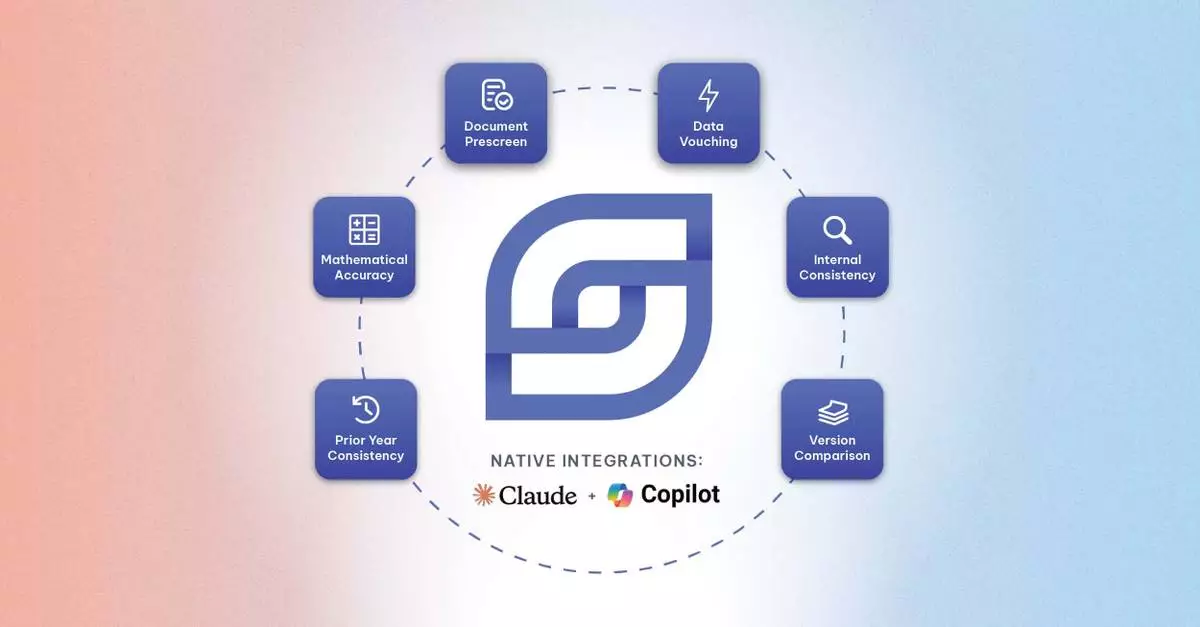
Suralink Agent Library