Iran's Islamic Revolution Guard Corps (IRGC) on Wednesday denied firing any missile or drone at a passenger terminal at Kuwait International Airport, saying the damage to the terminal was caused by a malfunctioning U.S. Patriot missile system, according to Sepah News.
The U.S. Central Command later rejected the claim as "false" on the social media platform X, saying that Iran launched a "deliberate, calculated and unjustified attack" on the civilian airport using drones.
Kuwaiti foreign ministry said in a statement issued on the same day that one person was killed and dozens of others were injured after ballistic missiles and drones struck civilian and vital facilities across the country, including Kuwait International Airport, in attacks they attributed to Iran.
Kuwait temporarily suspended air traffic and closed its airspace following the early morning attacks.
However, the Directorate General of Civil Aviation (DGCA) later announced the resumption of all Kuwait Airways flights and Jazeera Airways through Terminals 4 and 5 at Kuwait International Airport.
The decision, posted on X, followed extensive field inspections and technical evaluations to verify operational readiness and safety.
In response to the attacks, Kuwait's Foreign Ministry said on Wednesday that it had declared two members of the Iranian diplomatic mission "persona non grata" and ordered them to leave within 24 hours. In a statement posted on X, the Kuwaiti foreign ministry said Deputy Foreign Minister Hamad Sulaiman Al-Mashaan handed an official protest note to Hamid Yaqoubi Far, charge d'affaires of the Iranian Embassy in Kuwait, over the ongoing attacks.
Al-Mashaan said the decision was taken in response to what he described as "continued and blatant" attacks involving ballistic missiles and drones, which he said violated Kuwait's sovereignty and territorial integrity, as well as international law and relevant UN resolutions.
Separately, Iran's foreign ministry on Wednesday strongly condemned overnight U.S. attacks on an Iranian oil tanker near the Strait of Hormuz and a communications tower on the southern Qeshm Island, describing them as acts of aggression and a violation of international law.
In a statement, the ministry said the strikes flagrantly violated an April ceasefire between Iran and the United States, as well as the United Nations Charter's prohibition on the use of force against sovereign states.
It denounced the United States' "colonial" use of regional countries' territories and facilities to advance "aggressive" plans against Iran, highlighting the "direct and clear" responsibility of Kuwait and Bahrain for the latest U.S. attacks.
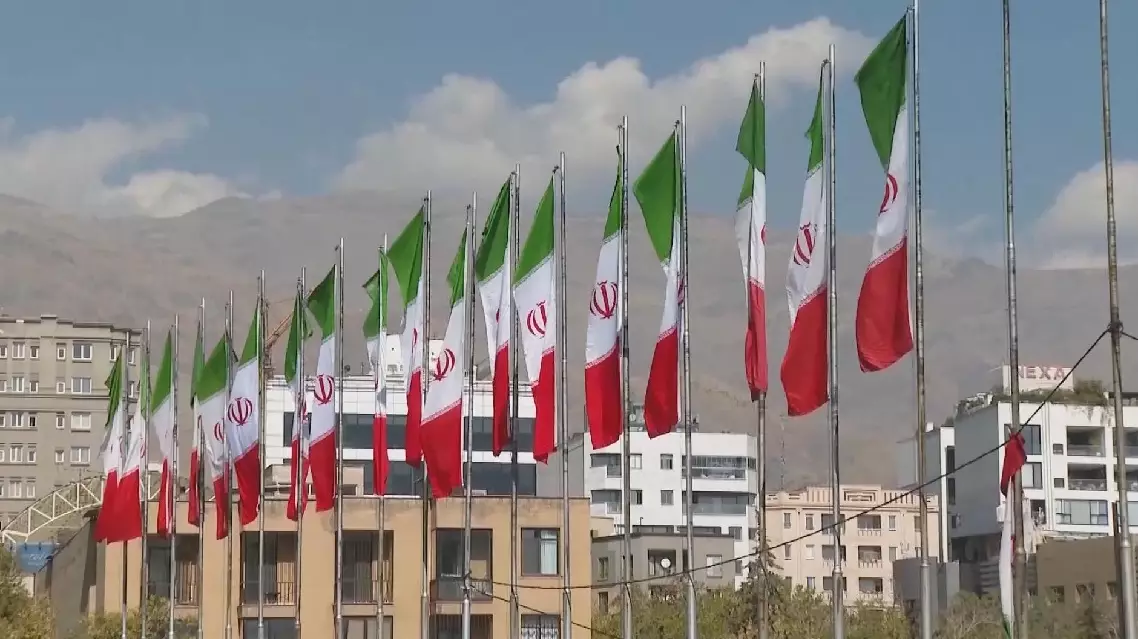
Iran denies striking Kuwait airport, blames US Patriot misfire