Incoming passenger convicted and jailed for importing duty-not-paid cigarettes
An incoming passenger was sentenced to seven months' imprisonment and fined $1,000 by the West Kowloon Magistrates' Courts today (June 4) for importing duty-not-paid cigarettes and failing to declare them to Customs officers, in contravention of the Dutiable Commodities Ordinance (DCO).
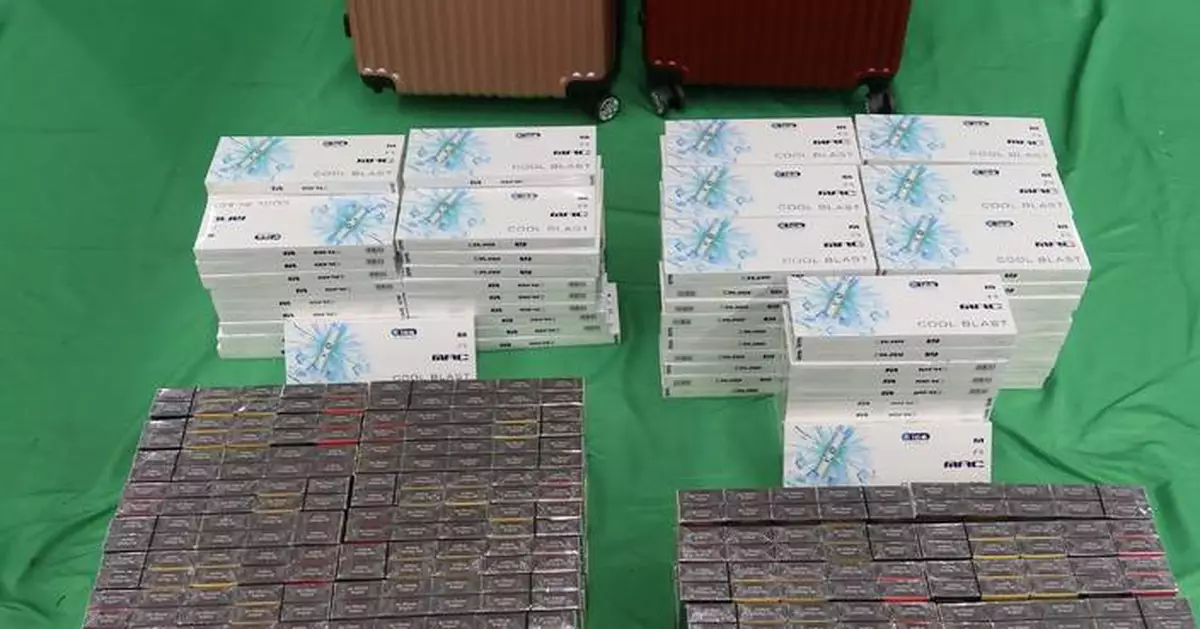
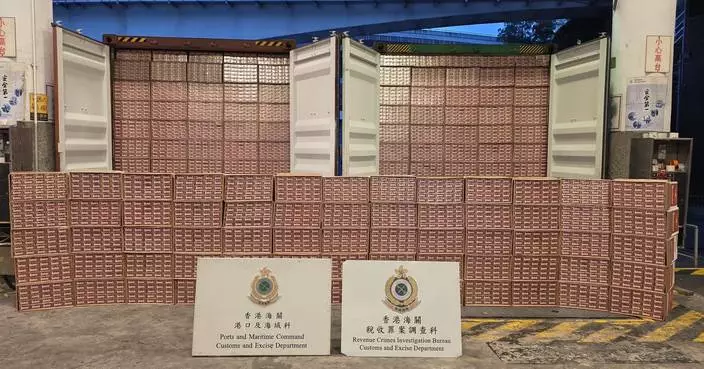
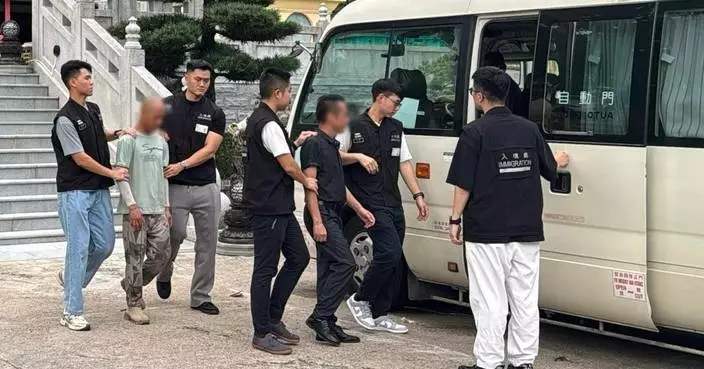
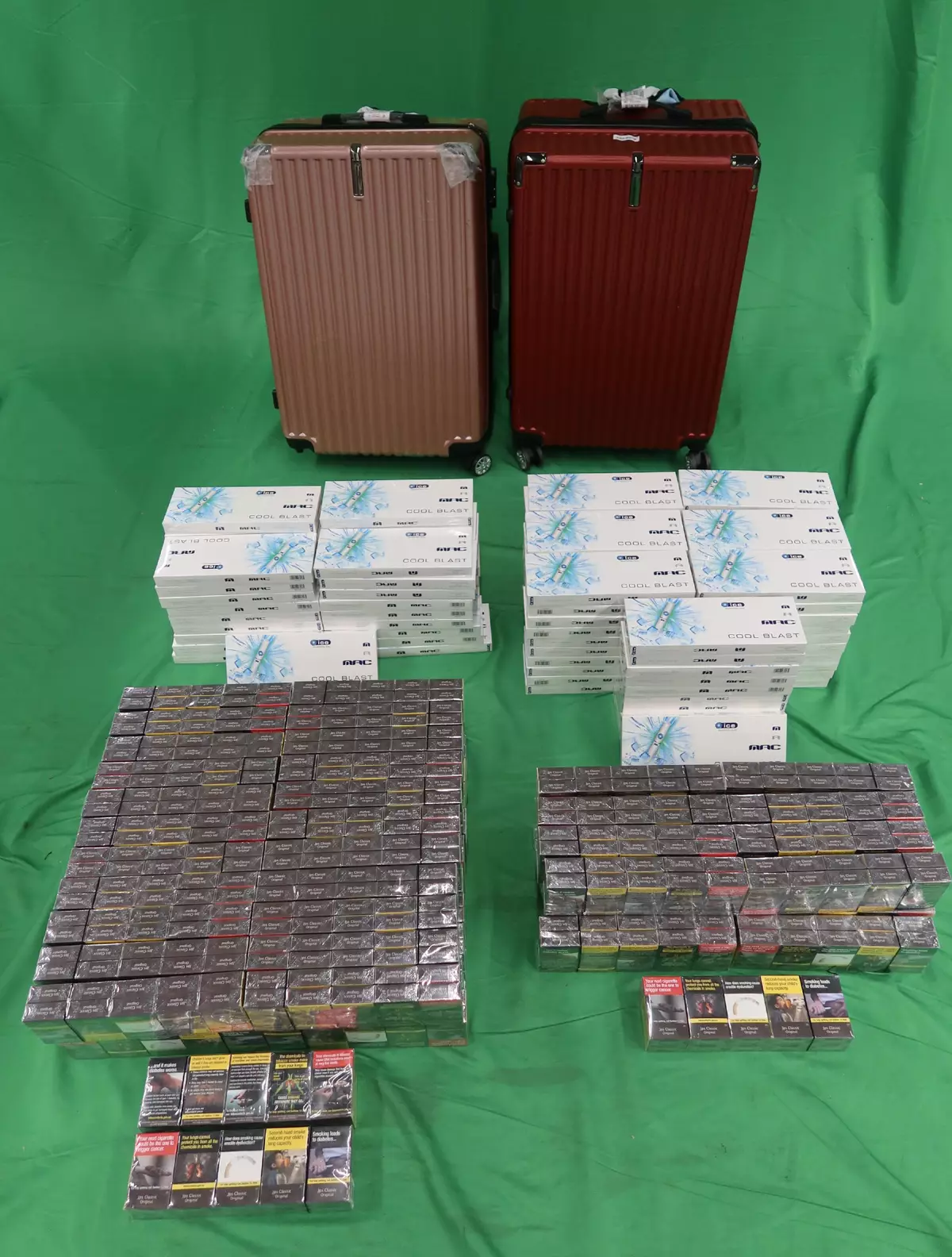
Customs officers intercepted an incoming male passenger, aged 65, at Hong Kong International Airport yesterday (June 3) and seized 35 000 duty-not-paid cigarettes with an estimated market value of about $175,000 and a duty potential of about $116,000, from his personal baggage. The passenger was subsequently arrested.
Customs welcomes the sentence. The custodial sentence has imposed a considerable deterrent effect and reflects the seriousness of the offences.
Customs reminds members of the public that under the DCO, cigarettes are dutiable goods to which the DCO applies. Any person who imports, deals with, possesses, sells or buys illicit cigarettes commits an offence. The maximum penalty upon conviction is a fine of $2 million and imprisonment for seven years.
Members of the public may report any suspected illicit cigarette activities to Customs' 24-hour hotline 182 8080 or its dedicated crime-reporting email account (crimereport@customs.gov.hk) or online form (eform.cefs.gov.hk/form/ced002).
Incoming passenger convicted and jailed for importing duty-not-paid cigarettes Source: HKSAR Government Press Releases
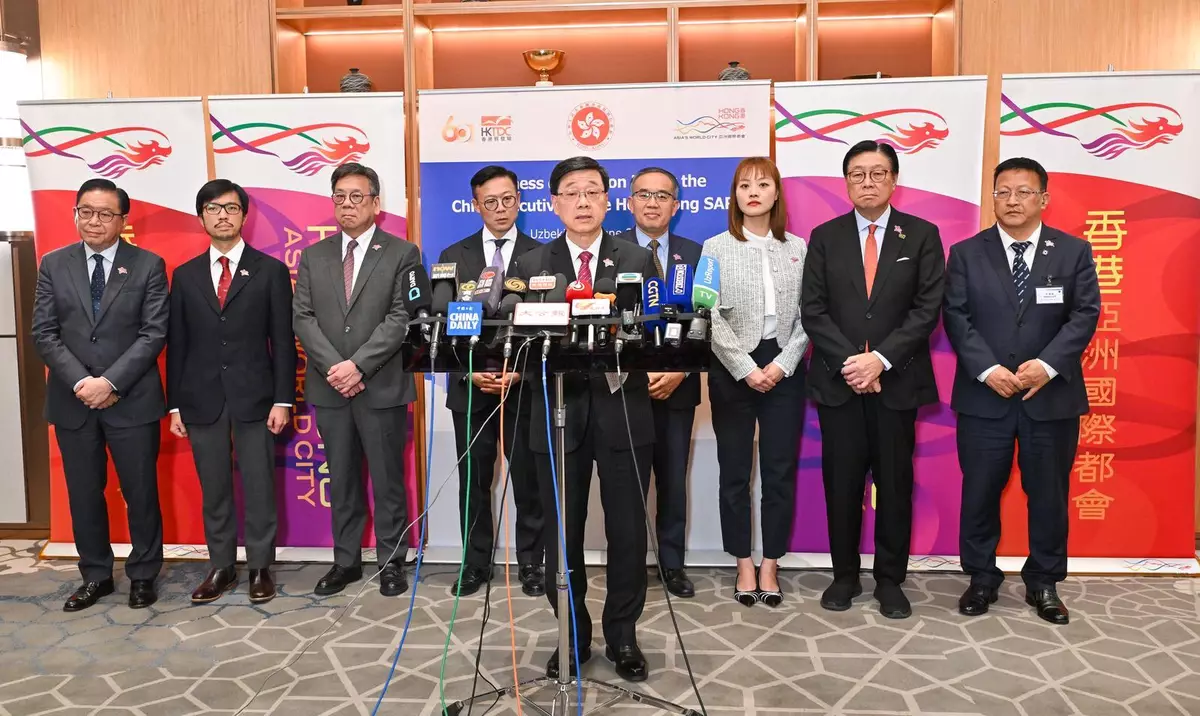
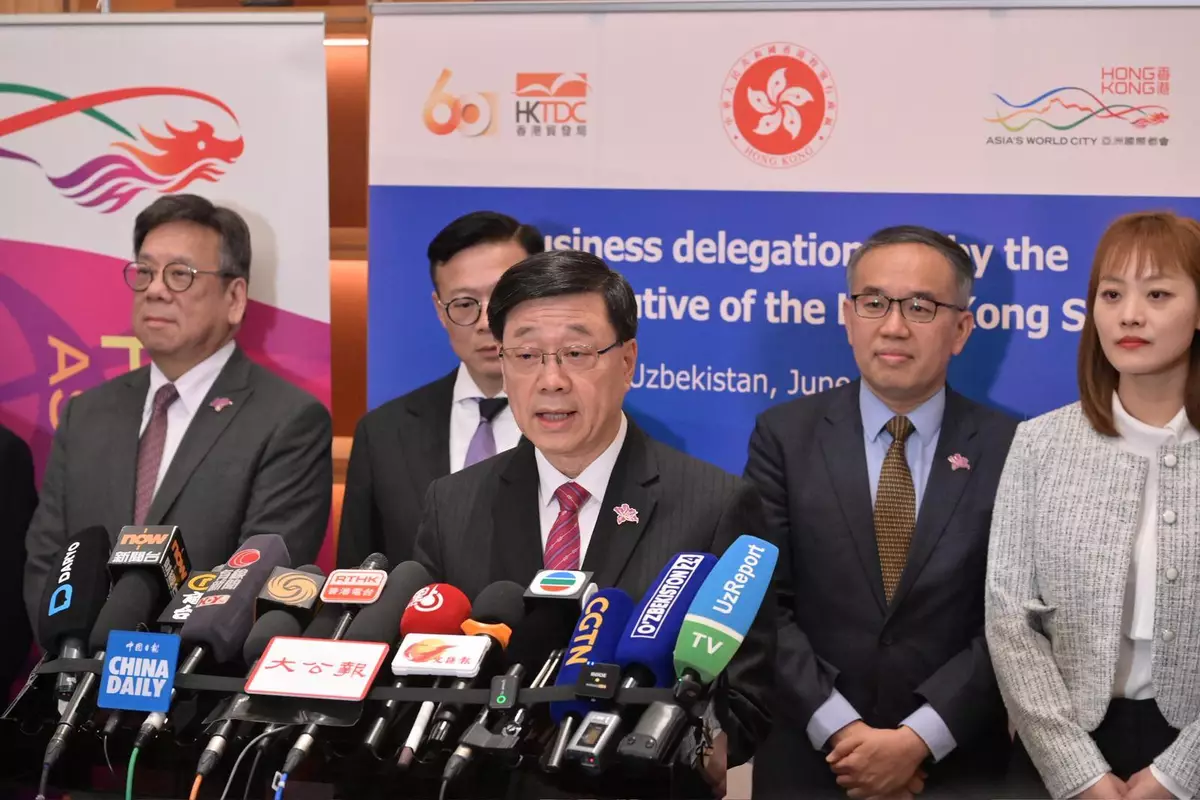
Remarks by CE at media session in Tashkent, Uzbekistan
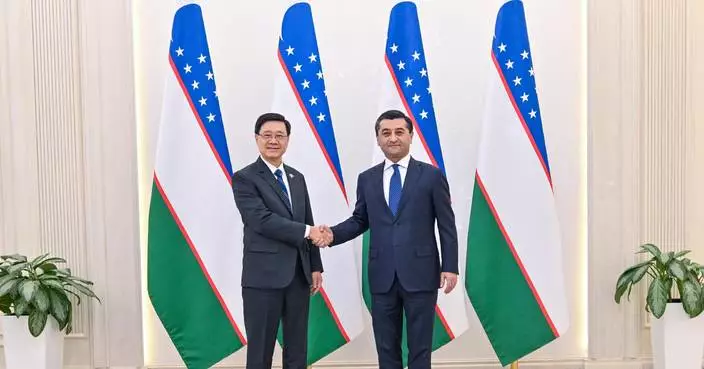
The Chief Executive, Mr John Lee, today (June 4), in Tashkent, Uzbekistan, spoke on the Central Asia visit of the business delegation comprising representatives from Hong Kong and Mainland enterprises. He was accompanied by the Deputy Secretary for Justice, Dr Cheung Kwok-kwan; the Secretary for Financial Services and the Treasury, Mr Christopher Hui; the Secretary for Commerce and Economic Development, Mr Algernon Yau; the Under Secretary for Innovation, Technology and Industry, Ms Lillian Cheong; the Commissioner for Belt and Road, Mr Nicholas Ho; the Chairman of the Hong Kong Trade Development Council, Professor Frederick Ma; Chamber Council Member of the Hong Kong General Chamber of Commerce Mr Jeffrey Lam; and Vice President of Xuzhou Construction Machinery Group Company Limited Dr Hanson Liu. Following are the remarks by Mr Lee:
Reporter: Sir, welcome to Uzbekistan. My first question, Hong Kong is one of the world's leading financial centres, and following today's discussions, what concrete investment and projects or areas of economic (co-operation) between Hong Kong and Uzbekistan in the near future can we expect? And the second question, which sectors of Uzbekistan's economy does the Hong Kong business community currently view as the most promising for investment, and why? And a short question, could you please tell us when the visa-free regime can be expected in the near future? Thank you.
Chief Executive: I will answer your last question first. Both governments are working very hard to implement this 30-day visa-free arrangement. We have overcome the most difficult part; that is, both sides have worked on the details, and yesterday we exchanged the notes verbales on this matter. With the enthusiastic attitude of both governments, I think we can see very early implementation of the arrangement. I will push my colleagues to work harder, and I received the same assurance from my counterparts in the government of Uzbekistan.
In regard to financial co-operation, I am very glad to know about the establishment of an international financial centre in Uzbekistan. Hong Kong has, I think, a lot of experience to share, including capital markets, asset management, green and sustainable finance, as well as the support of professionals to help upgrade and strengthen the financial centre. I see particular potential in co-operation in capital markets, connectivity, asset management, green finance, financial technology, and related professional services. All these help to foster mutual growth between our two places in regard to financial co-operation. I also want to suggest we co-operate in the area of gold trading, because Uzbekistan has a large production of gold and also has a strong gold reserve, and Hong Kong is quickly building a gold trading market. We hope to see more co-operation in this area, and I think this will be a win-win situation for both financial centres. Then, of course, the traditional stock exchange area is an obvious area for the two Exchanges to co-operate in. Already, the Hong Kong Exchange has been in communication with the Tashkent Stock Exchange, and further co-operation will ensure that investors and also market participants will gain even further mutual benefit. One other point I think Hong Kong and Uzbekistan can co-operate in is fintech, because while we develop financial markets and co-operation in this area, nowadays, technology in the financial sector plays an important role, and I think this is an area we can contribute to and bring mutual benefit to both sides.
As regards your question about which sector looks to us as the most prominent sector for co-operation and for mutual development, you are asking a question which will probably involve a long list of sectors. We come here and, as Chairman Fred Ma of the Trade Development Council has indicated, the examples of agreements and co-operation are just so abundant that they range from the service sector to heavy industries such as mining and infrastructure development. I think the sky is the limit. A lot of Belt and Road projects are actively being pursued in Uzbekistan. For example, Uzbekistan sits in the heart of the corridor of Asia and Europe, so logistical development, railway development, and also how we can complement and supplement each other in cargo handling will be an area for a very wide range of co-operation. Of course, the financial side, which you have asked about, is an area of co-operation. Technology is also an important area, because technology is the future of different parts of the world; without technology, we will all fall behind. IT co-operation will be an area we will focus on, and already you can see there have been some agreements signed in this regard. So your question is one which indicates that the answer will be a big one, and I am glad, because that means the visit to Central Asia is a right decision. The opportunities are so many, and the potential is so unlimited.
The last thing I would say is youth development and education. I am very impressed by the President's 2030 strategy, in which human capital development and education are highly emphasised, and this is an area where I think Hong Kong can work together with Uzbekistan, because Hong Kong has achieved some good results in education, with five universities in Hong Kong among the top 100. We have three universities which have been rated as most international. We have scholarships for Belt and Road students. In fact, there are altogether some 6 000 students from Belt and Road countries studying in Hong Kong. Besides the scholarship offered by the Government, universities also offer a wide range of scholarships to students, Uzbekistan students included. So the areas of co-operation are wide. Thank you very much.
(Please also refer to the Chinese portion of the remarks.)
Remarks by CE at media session in Tashkent, Uzbekistan Source: HKSAR Government Press Releases
Remarks by CE at media session in Tashkent, Uzbekistan Source: HKSAR Government Press Releases