Japanese media outlets on Wednesday disclosed an outline of the Japanese government's 2026 defense white paper, which continues to portray the regional security environment as "increasingly severe" while calling for enhanced development in unmanned systems and artificial intelligence.
According to the Asahi Shimbun, the upcoming annual defense report largely follows the narrative of the 2025 edition, arguing that the international community has entered a "new era of crisis," characterizing the security environment in the "Indo-Pacific region" as "increasingly severe," and hyping up the so-called "China threat" theory.
The white paper states that defense production and technological capabilities are directly linked to defense strength. It advocates creating an "environment of mutual support" by deploying the same defense equipment as allies and other "like-minded" countries, the newspaper said.
Meanwhile, Japan's public broadcaster NHK reported that the 2026 white paper introduces a new section on "emerging modes of warfare," which stresses the need to expand the use of unmanned aerial systems and artificial intelligence technologies in defense operations.
Some observers in Japan have expressed concern that the government's continued efforts to justify changes in defense policy by citing a deteriorating security environment could heighten military tensions and increase the risk of conflict.
The full defense white paper is expected to be submitted to Japan's Cabinet for approval this summer.
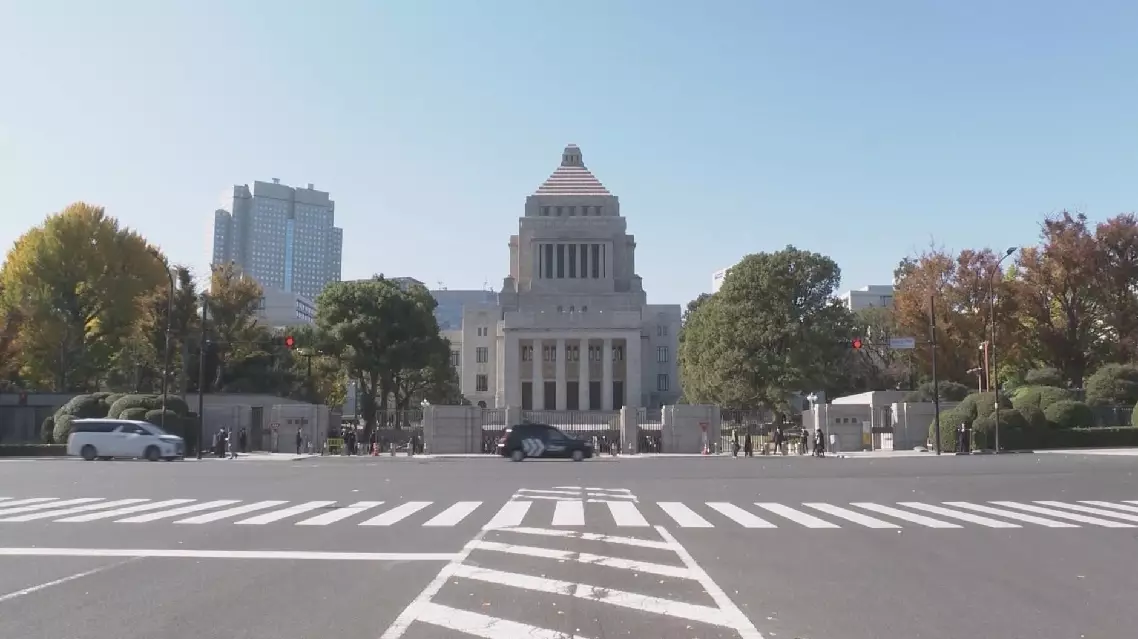
Japan's defense white paper outline revealed by media
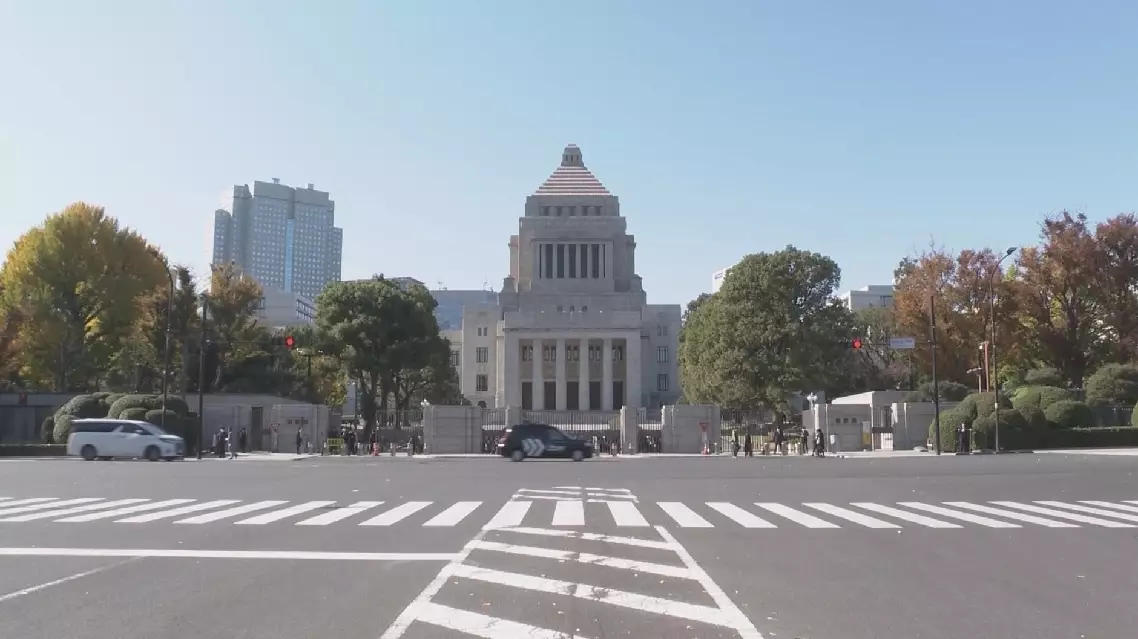
Japan's defense white paper outline revealed by media
A series of cross-Strait exchange activities have been held in north China's Shanxi Province, providing platforms for people from both sides of the Taiwan Strait to explore shared history, culture, and business opportunities.
A ceremony worshiping Emperor Yandi, a legendary ancestor of the Chinese nation, was held in Gaoping, a county-level city in Shanxi on May 24.
The worship ceremony featured rituals including incense offering, the reading of eulogies, ritual bowing, and traditional Chinese instrument performances. The solemn event brought together people from both sides of the Strait, strengthening their shared sense of cultural belonging and deepening consensus around a common Chinese identity.
"Because (in Taiwan), we've known since childhood that we are descendants of Emperor Yandi and Emperor Huangdi, so attending this ceremony really meant a lot to me," said Hsieh Yu-Chan, a Taiwan resident.
"It truly gives me the feeling of being as the descendants of Yandi and Huangdi. I was deeply moved. If I have the opportunity, I will definitely come again next year," said another Taiwan resident.
Shanxi Province has a solid industrial base and a favorable business environment. The province has rolled out preferential policies for Taiwan residents, attracting more than 100 Taiwan-funded enterprises to invest and settle in.
On May 23, an event highlighting cross-Strait business exchanges was held in the province's Jincheng City, attracting nearly 150 Taiwan businesspeople and youths, enhancing mutual understanding and exploring business opportunities.
"(Shanxi's) cultural tourism, healthcare, and coal chemical industries, in particular, offer excellent opportunities for Taiwan businesses, while Taiwan businesses are also very strong in producing key components for AI computing power. The prospects [for cooperation] are very promising," said Lee Cheng-hung, president of the Association of Taiwan Investment Enterprises on the Mainland.
"The mainland's economy is actually very strong. I think the success rate of starting a business and investing here is at least twice as high as in Taiwan. So I encourage young people in Taiwan to come and visit more often," said Chang Han-hsuan, a businessman.
During the event, participants also visited local enterprises, a short video production base, and popular tourist attractions across Shanxi.
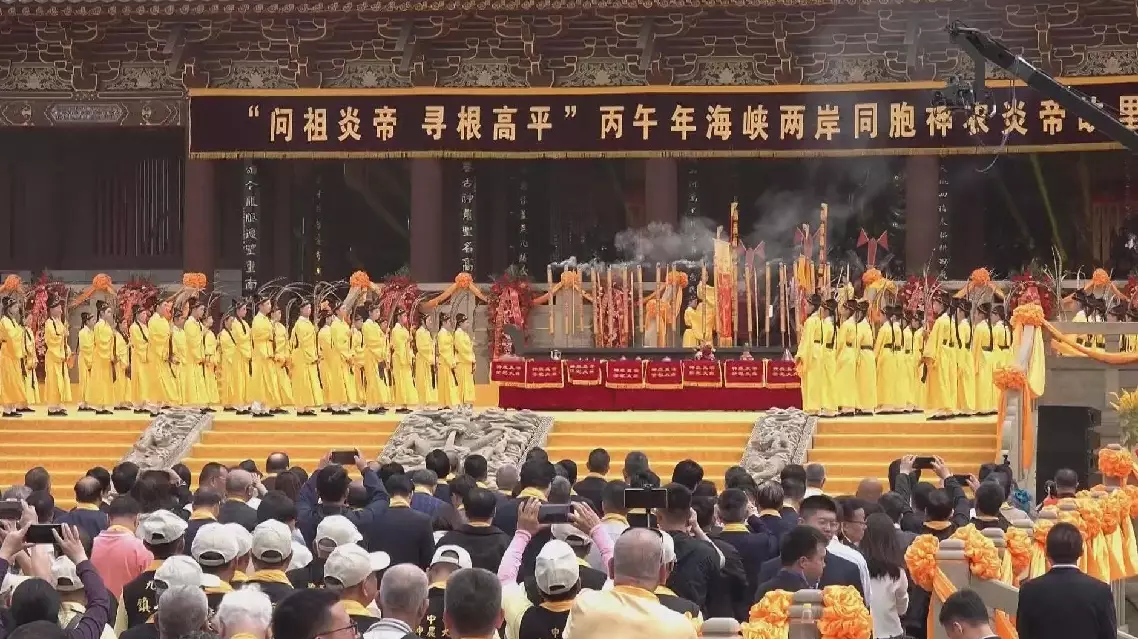
Cross-Strait cultural, business exchange activities held in Shanxi