The Japanese yen briefly weakened past the key 160-per-dollar level in early trading on Friday, marking the third consecutive session to reach that threshold as market attention turned to possible official intervention.
According to the Bank of Japan's daily foreign exchange rates, the dollar traded in a range of 159.60 to 160.05 yen on Thursday, with a central rate of 159.90 yen.
The yen's slide came amid heightened uncertainty over the Middle East situation. On Wednesday, the currency briefly touched 160 yen per dollar, its weakest level since Tokyo intervened in late April. Japanese authorities reportedly spent a record 11.73 trillion yen (about 73 billion U.S. dollars) on intervention between April 28 and May 27, setting a monthly record.
Finance Minister Satsuki Katayama has reiterated that Japan is ready to respond appropriately at any time and reserves the right to take decisive action against excessive volatility.
The yen is on track for a fourth straight week of decline, a losing streak not seen since February, putting pressure on policymakers to step in again.
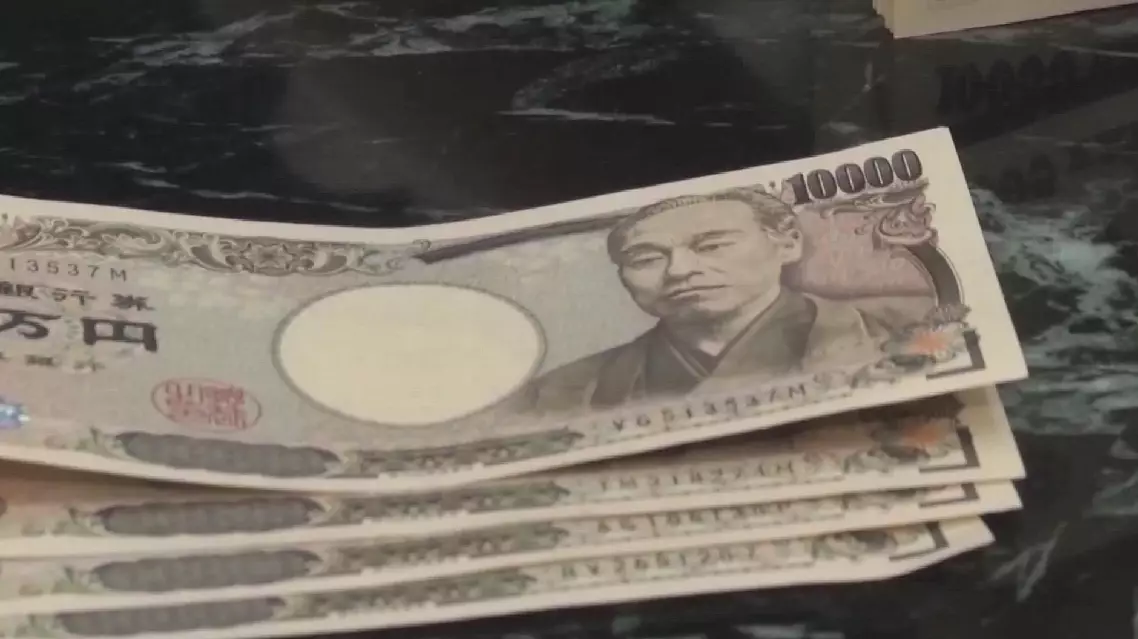
Yen weakens past 160 per US dollar for 3rd consecutive session as intervention looms
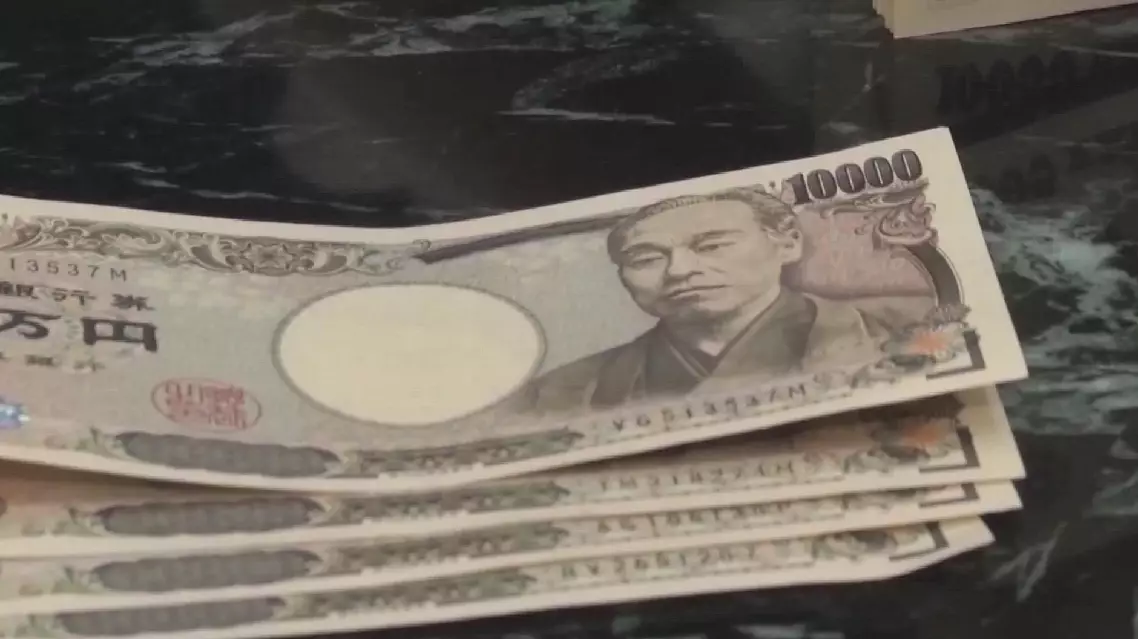
Yen weakens past 160 per US dollar for 3rd consecutive session as intervention looms
A Chinese envoy said on Monday that the international community must make every effort to promote a ceasefire in Sudan.
Speaking at a UN Security Council meeting on Sudan, Sun Lei, China's deputy permanent representative to the United Nations, said the international community should persistently pursue peace talks, alleviate the humanitarian crisis, and stand together to maintain regional stability.
"As the conflict in Sudan drags on, it has not only caused heavy casualties and displacement of ordinary people, but also severely undermined development of the country and impacted the stability of neighboring countries. This tragedy should not continue. The Sudanese people's desire for peace is growing, and the responsibility of the UN Security Council and the international community is becoming even greater. China has consistently stressed that sanctions are a means, not an end, and should not become a substitute for diplomatic efforts. The UN Security Council should use this special tool prudently, fully respect Sudan's sovereignty, take into account the legitimate concerns of the country concerned, and ensure that sanctions are objective, just and effective," said Sun.
China welcomes the Sudanese government's initiation of an inclusive political dialogue and supports the United Nations in playing its central mediation role, Sun said.
The international community should effectively safeguard Sudan's sovereignty, unity and territorial integrity, adhere to the principle of Sudan's ownership, and avoid imposing external solutions, he added.
Since erupting on April 15, 2023, the war in Sudan has killed tens of thousands, displaced millions, and ruined the economy.
Politically, Sudan is deeply divided, with an internationally recognized government aligned with the Sudanese Armed Forces (SAF), and a parallel administration declared by the paramilitary Rapid Support Forces (RSF) in alliance with political and armed groups.
Analysts warn that this fragmentation of authority is prolonging the conflict and raising fears of further instability.
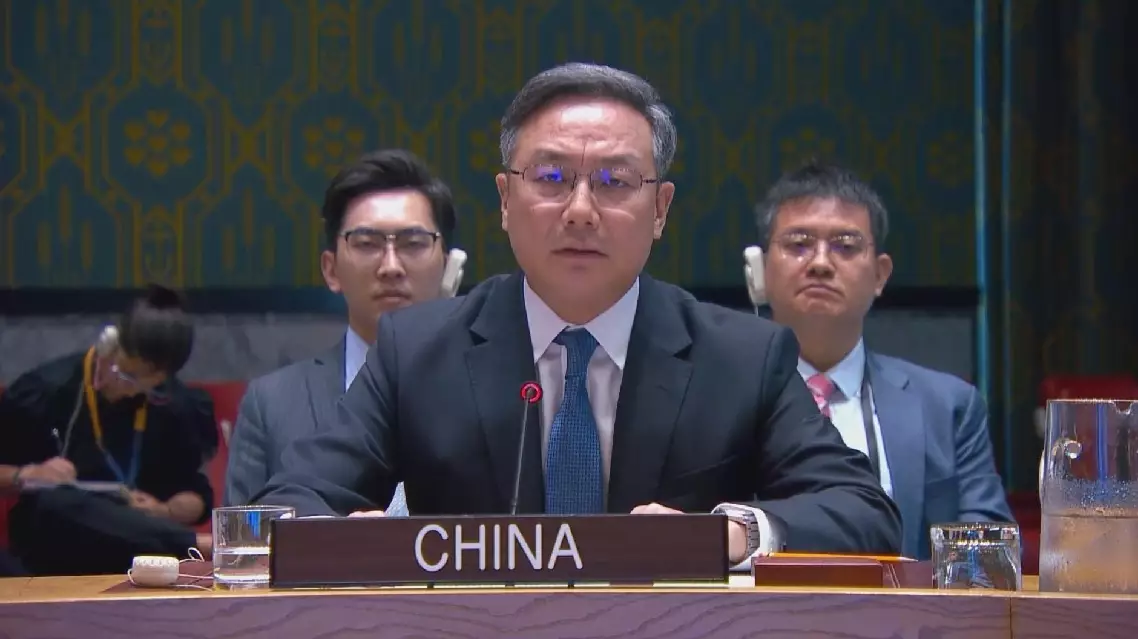
China calls for all-out efforts to promote ceasefire in Sudan