Skip to Content Facebook Feature Image

As Ebola spreads in Congo, a radio station tries to stop health misinformation

News

As Ebola spreads in Congo, a radio station tries to stop health misinformation
News

News

As Ebola spreads in Congo, a radio station tries to stop health misinformation

2026-06-05 15:43 Last Updated At:15:50

BUNIA, Congo (AP) — The rare Bundibugyo type of Ebola that Congo is battling took locals by surprise after weeks of spreading unnoticed. Hundreds of cases were suspected when the outbreak was declared in May, but many dismissed the news as a “Western conspiracy.”

Congolese authorities announced the new Ebola outbreak on May 15. As of Wednesday, at least 62 people had died from 363 confirmed cases. Yet the outbreak has been challenged by skepticism, attacks on health workers and misinformation.

More Images
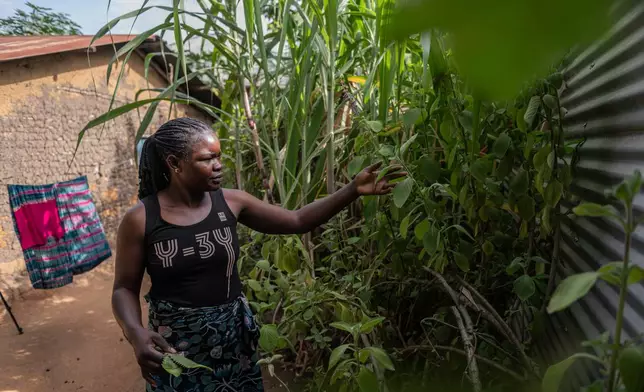
Chantie Joe Kiss, 31, cuts plants to prepare traditional medicines she believes can cure various illnesses in Bunia, Congo, Thursday, June 4, 2026. (AP Photo/Moses Sawasawa)
Chantie Joe Kiss, 31, cuts plants to prepare traditional medicines she believes can cure various illnesses in Bunia, Congo, Thursday, June 4, 2026. (AP Photo/Moses Sawasawa)

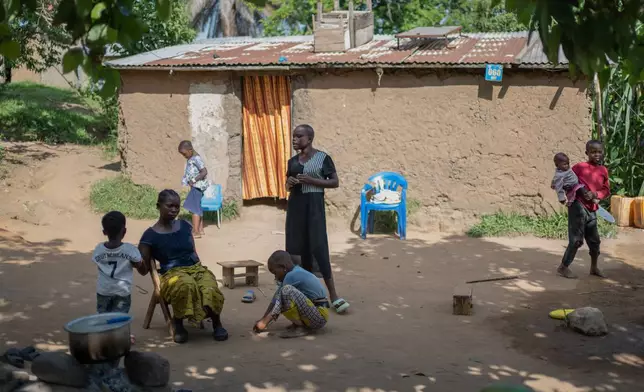
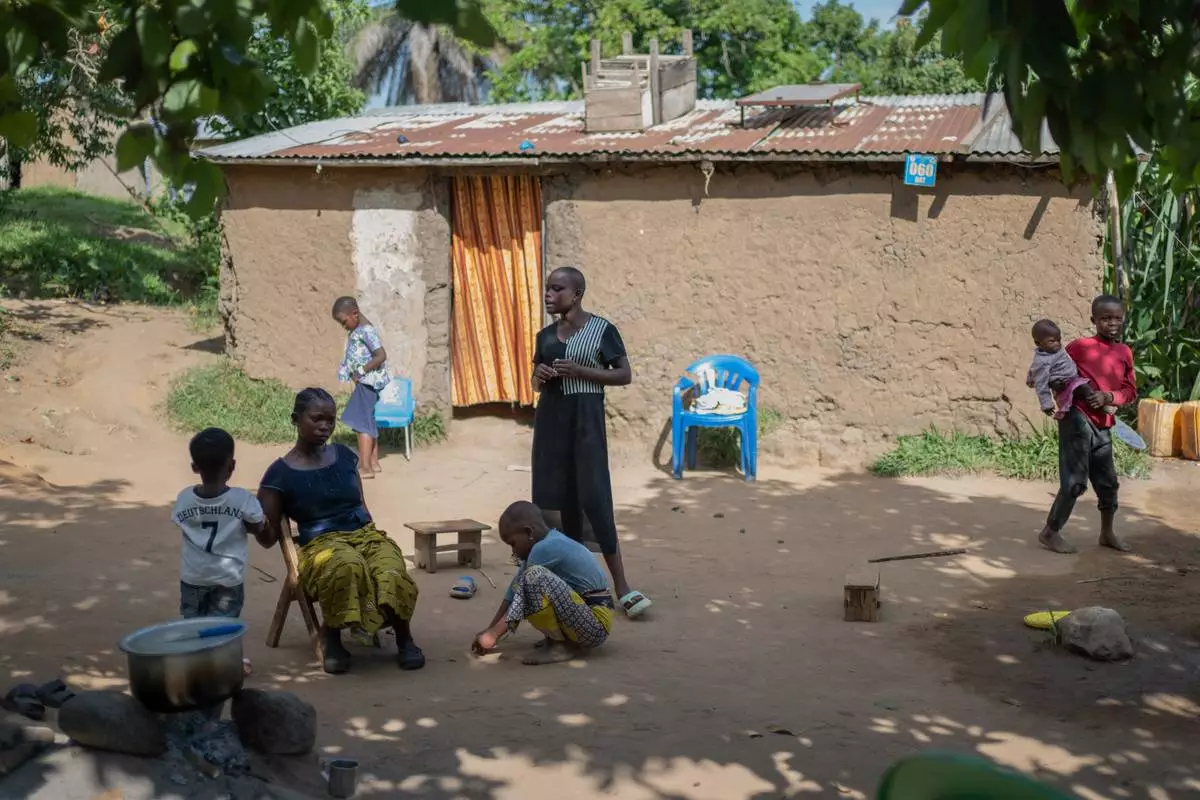
Abigaelle Mbusi, 30, a resident skeptical about Ebola, spends time with her family at their home in Bunia, Congo, Thursday, June 4, 2026. (AP Photo/Moses Sawasawa)
Abigaelle Mbusi, 30, a resident skeptical about Ebola, spends time with her family at their home in Bunia, Congo, Thursday, June 4, 2026. (AP Photo/Moses Sawasawa)

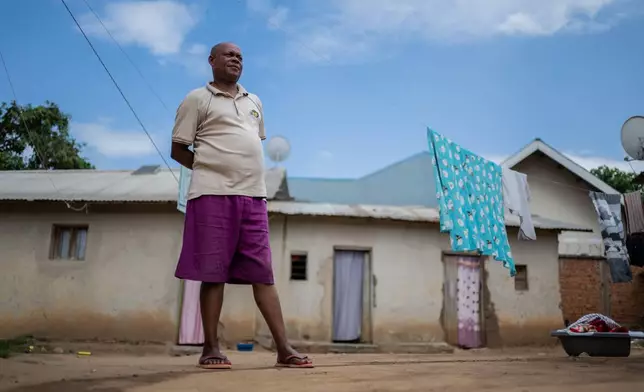
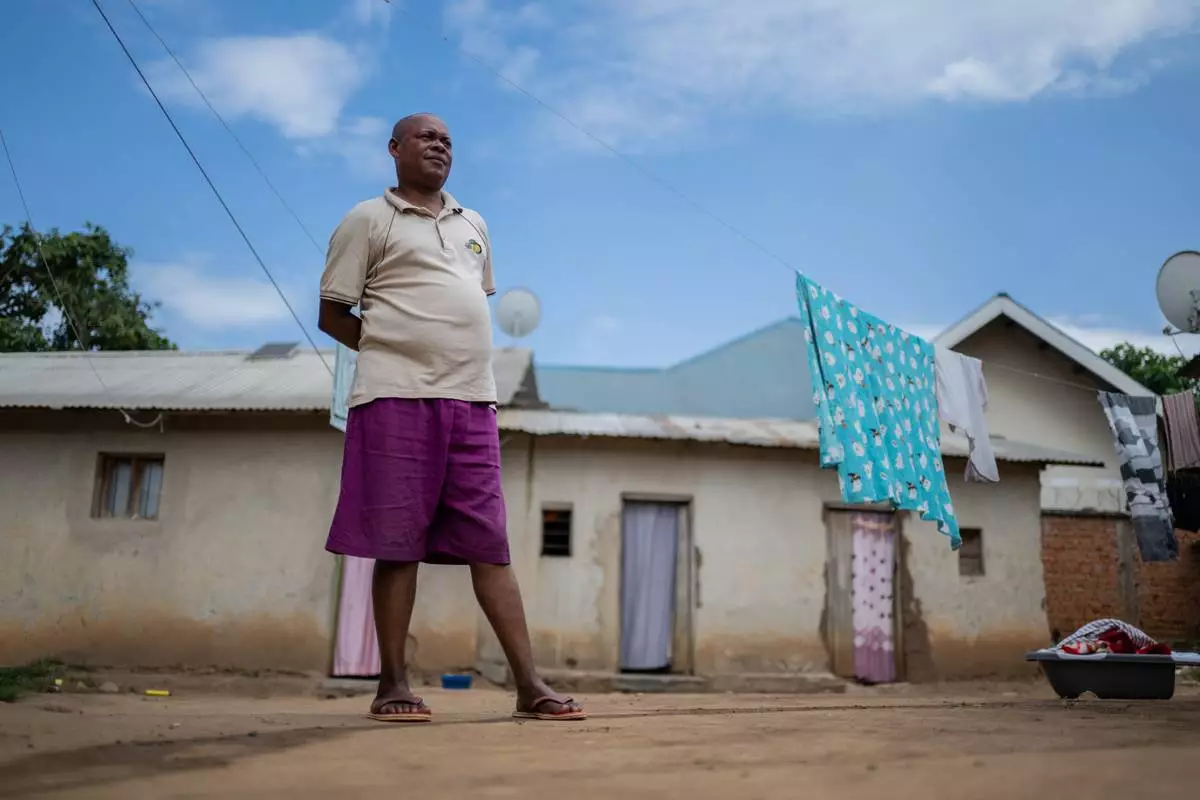
Samson Gerson, 52, a resident skeptical about Ebola, stands outside his home in Bunia, Congo, Thursday, June 4, 2026. (AP Photo/Moses Sawasawa)
Samson Gerson, 52, a resident skeptical about Ebola, stands outside his home in Bunia, Congo, Thursday, June 4, 2026. (AP Photo/Moses Sawasawa)

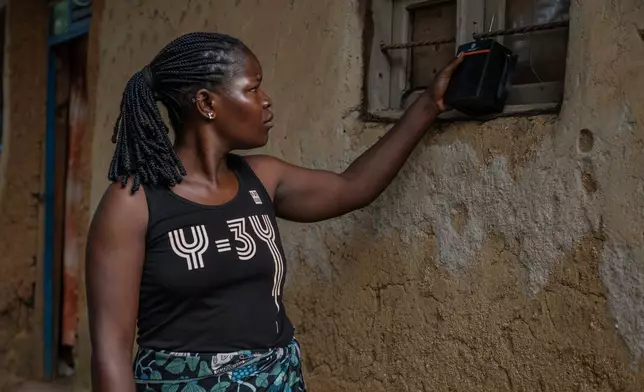
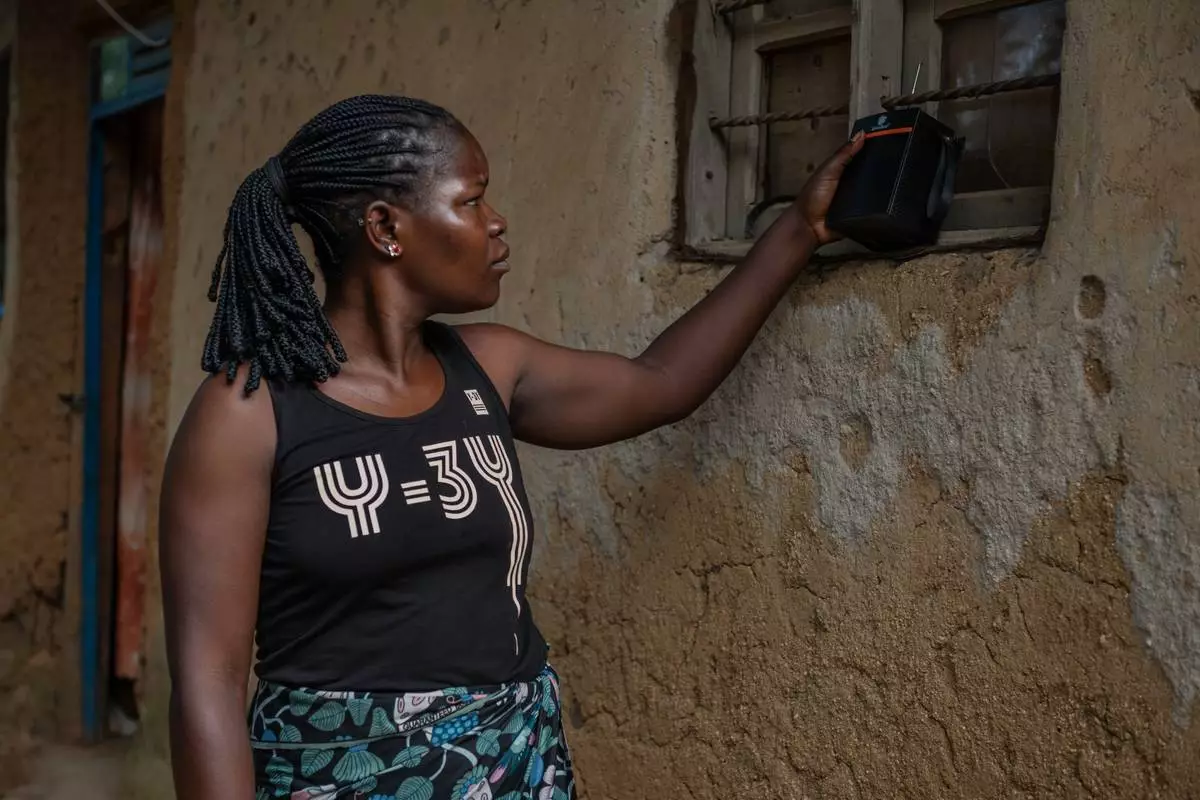
Chantie Joe Kiss, 31, listens to the radio for awareness and updates on Ebola in Bunia, Congo, Thursday, June 4, 2026. (AP Photo/Moses Sawasawa)
Chantie Joe Kiss, 31, listens to the radio for awareness and updates on Ebola in Bunia, Congo, Thursday, June 4, 2026. (AP Photo/Moses Sawasawa)

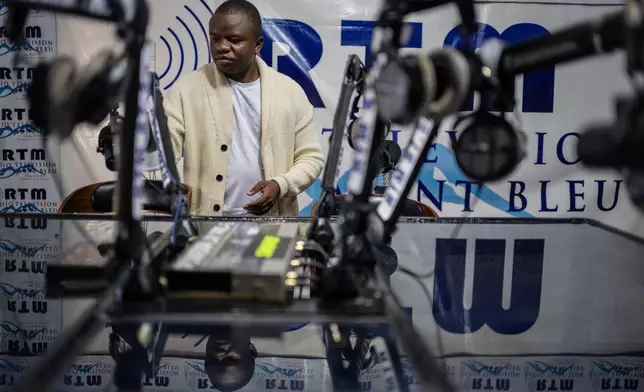
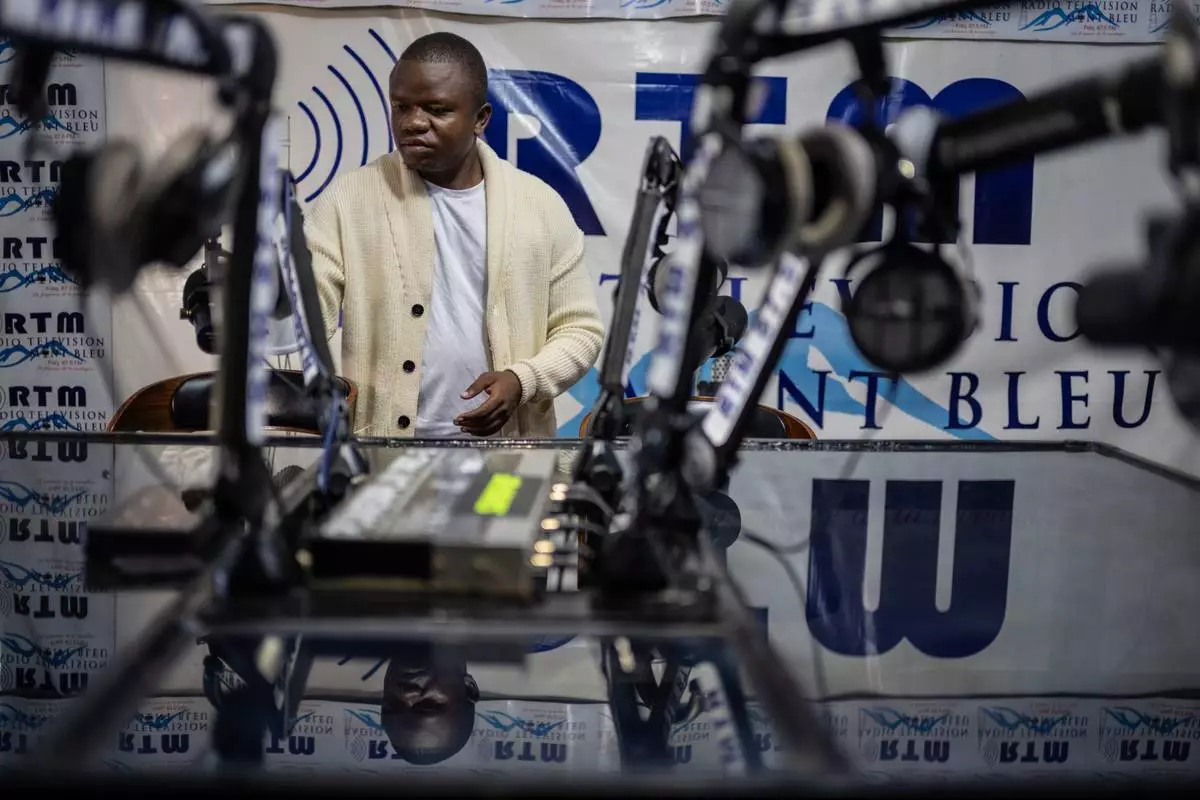
Verité Johnson works at a community radio station, providing daily awareness and updates on Ebola in Bunia, Congo, Thursday, June 4, 2026. (AP Photo/Moses Sawasawa)
Verité Johnson works at a community radio station, providing daily awareness and updates on Ebola in Bunia, Congo, Thursday, June 4, 2026. (AP Photo/Moses Sawasawa)

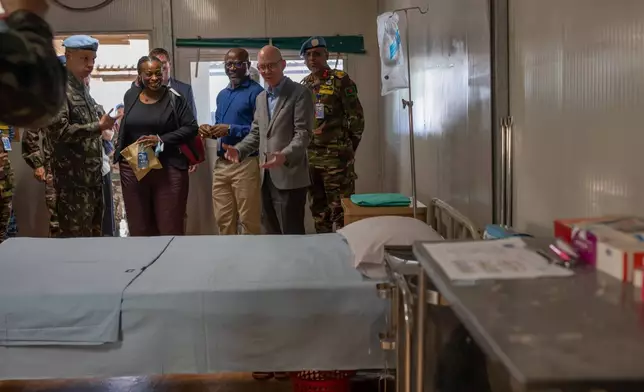
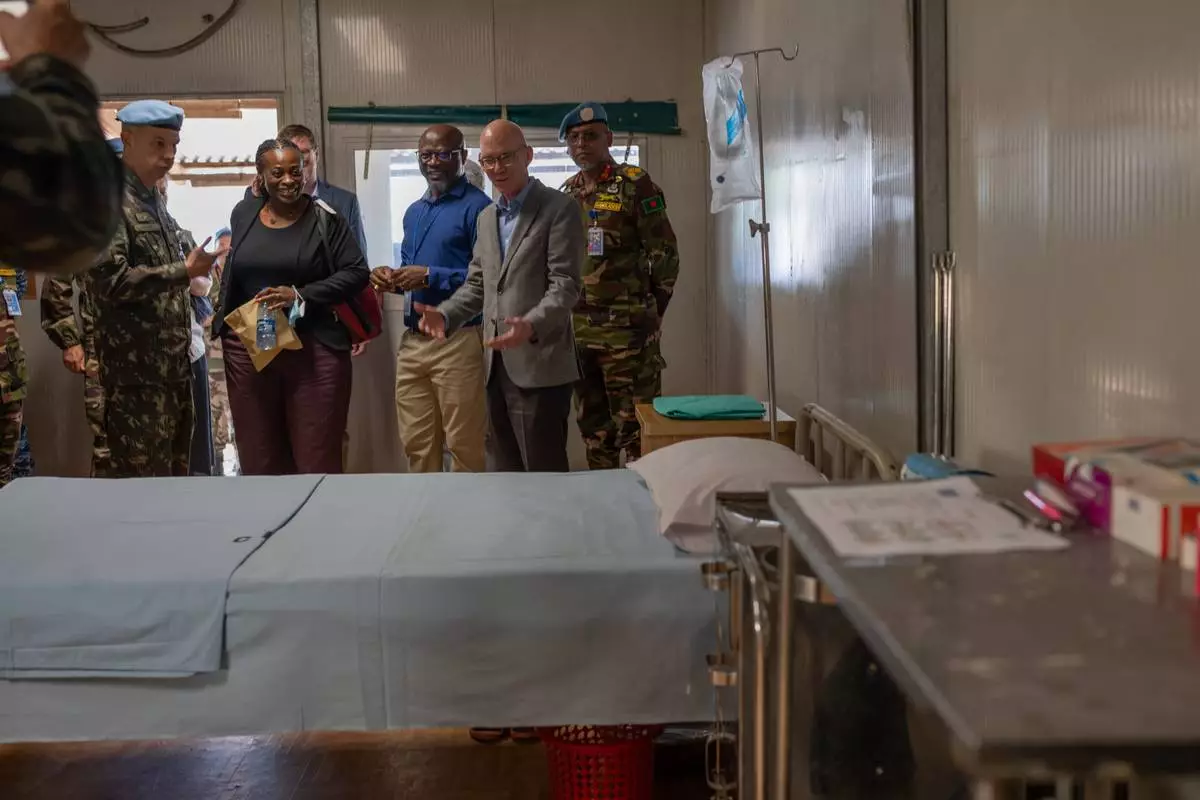
Head of the UN mission in Congo James Swan visits an Ebola treatment center in Bunia, Congo, Thursday, June 4, 2026. (AP Photo/Moses Sawasawa)
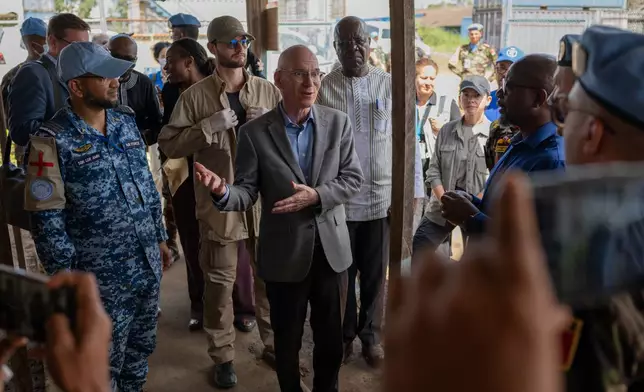
Head of the UN mission in Congo James Swan visits an Ebola treatment center in Bunia, Congo, Thursday, June 4, 2026. (AP Photo/Moses Sawasawa)

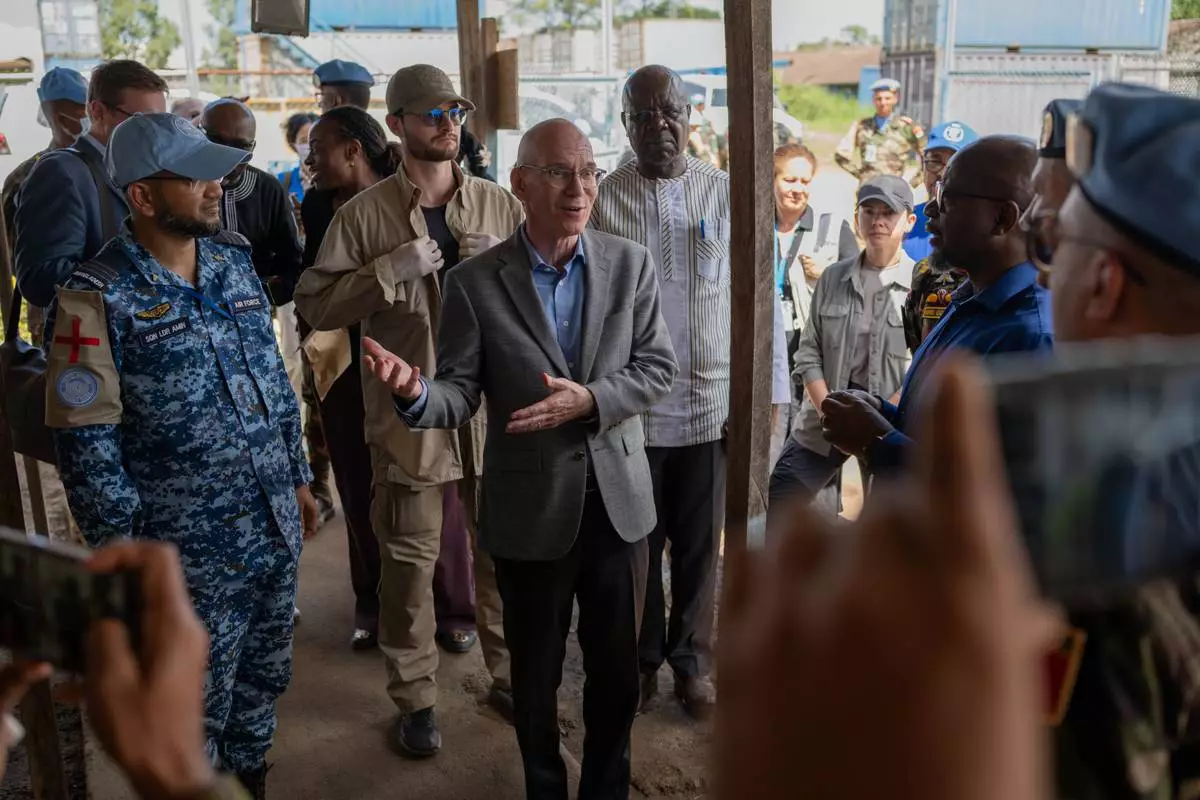
Head of the UN mission in Congo James Swan visits Bunia to assess the response to the Ebola outbreak in Ituri province, Congo, Thursday, June 4, 2026. (AP Photo/Moses Sawasawa)
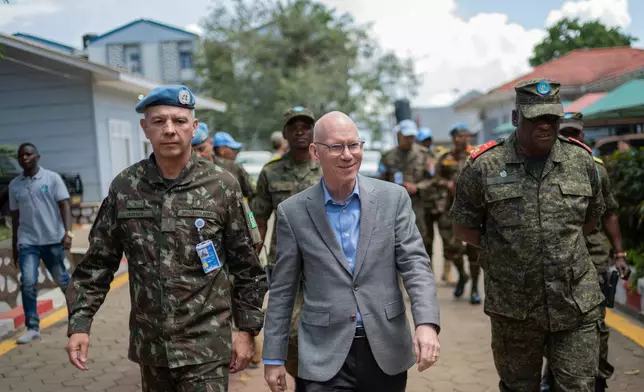
Head of the UN mission in Congo James Swan visits Bunia to assess the response to the Ebola outbreak in Ituri province, Congo, Thursday, June 4, 2026. (AP Photo/Moses Sawasawa)

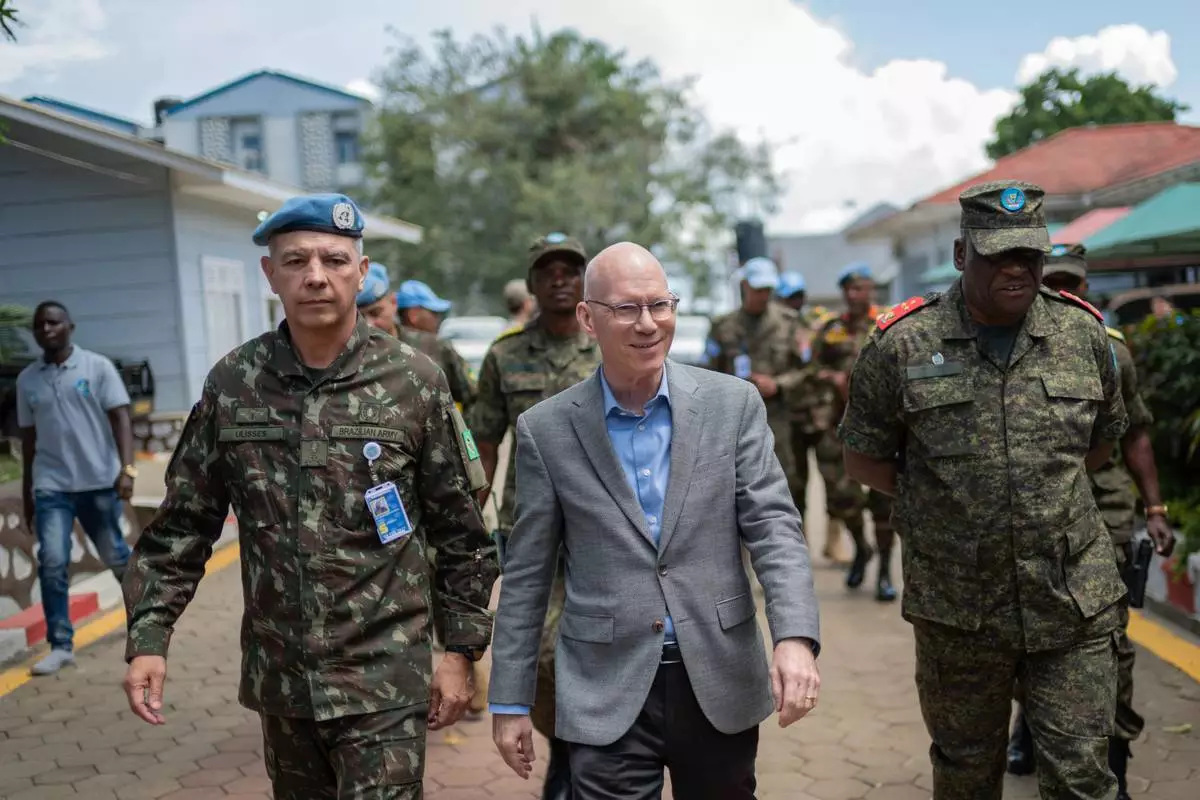
Head of the UN mission in Congo James Swan walks with troops during a visit to assess the response to the Ebola outbreak in Ituri province, Bunia, Congo, Thursday, June 4, 2026. (AP Photo/Moses Sawasawa)
Head of the UN mission in Congo James Swan walks with troops during a visit to assess the response to the Ebola outbreak in Ituri province, Bunia, Congo, Thursday, June 4, 2026. (AP Photo/Moses Sawasawa)

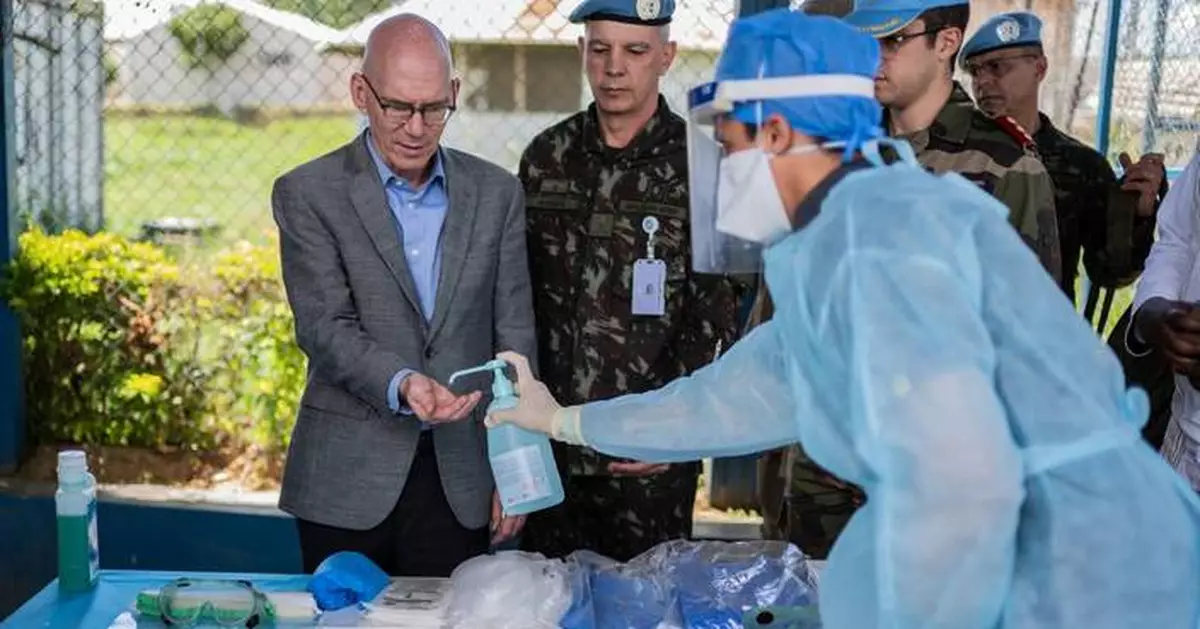
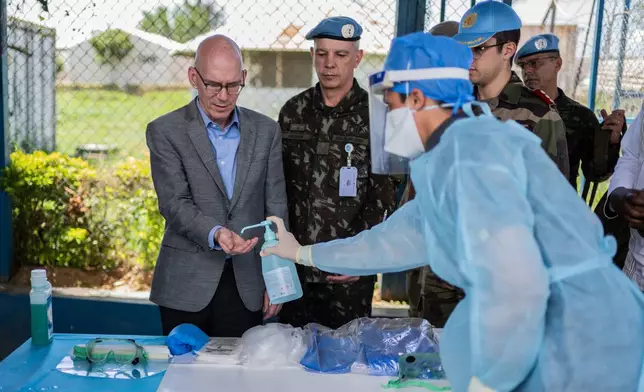
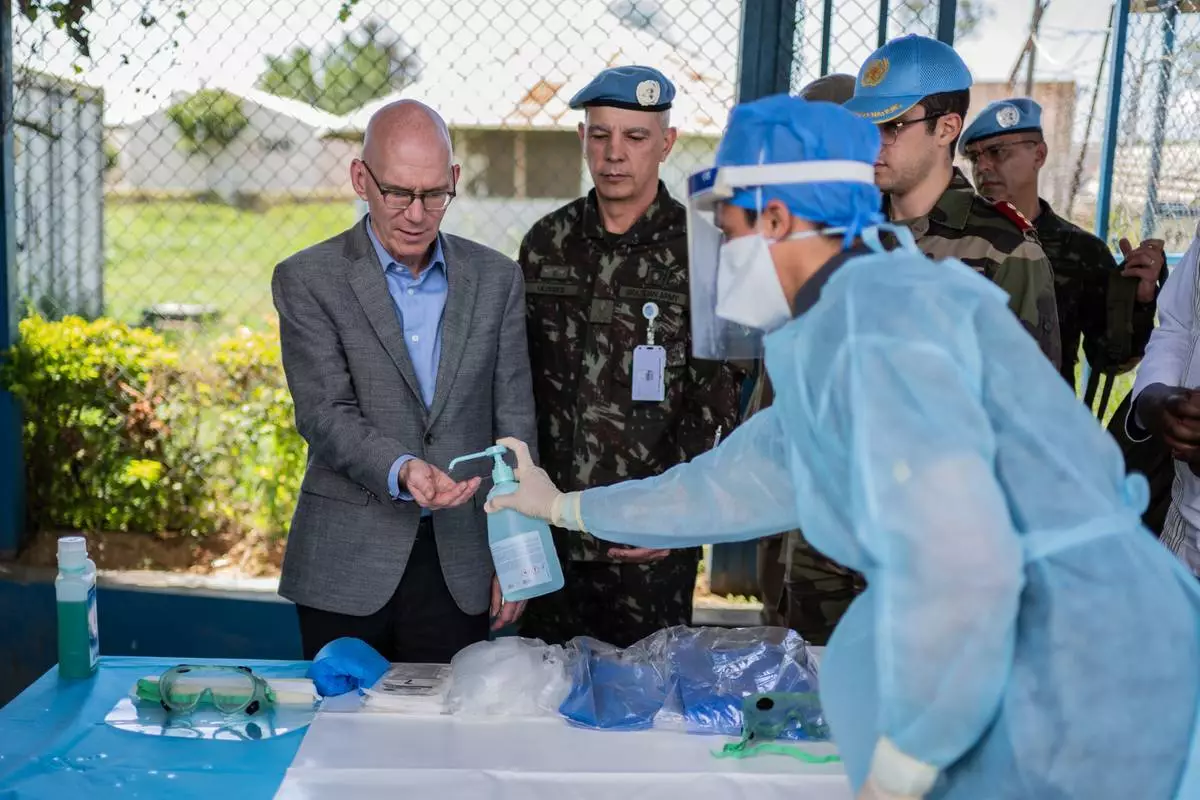
Head of the UN mission in Congo James Swan sanitizes his hands during his visit to Bunia to assess the response to the Ebola outbreak in Ituri province, Congo, Thursday, June 4, 2026. (AP Photo/Moses Sawasawa)

Head of the UN mission in Congo James Swan sanitizes his hands during his visit to Bunia to assess the response to the Ebola outbreak in Ituri province, Congo, Thursday, June 4, 2026. (AP Photo/Moses Sawasawa)

Vérité Johnson, a journalist and editorial secretary at the Radio Télévision Mont Bleu station in Bunia, the eastern Ituri province capital where the outbreak is concentrated, decided to produce a new program to combat rumors.

The radio show has emerged as a vital tool to win over some residents who have been unaware or skeptical about the facts of Bundibugyo.

The 45-minute program runs daily at 10 a.m., reminding people of the dangers and regularly featuring health specialists providing updates and answering questions. The show's jingles about the virus also play intermittently throughout the day and residents are able to call in with questions.

“So far, there’s still a layer of resistance within the population, and that’s where the media plays an important role,” Johnson said.

Resistance to protocols during public health emergencies is common in Congo, which is battling its 17th Ebola outbreak since the virus was first identified there in 1976. There currently is no approved vaccine or treatment for the Bundibugyo type of Ebola, which has added another layer of fear.

Widespread rumors, often arising from fear and misinformation, discourage residents from adhering to health warnings or seeking medical help during an outbreak, health officials say. People often hear about a disease through the media as authorities and international partners scramble to contain the outbreak.

Some residents allege illnesses like Ebola are elevated by opportunists trying to profit.

“They don’t separate people who have Ebola from those who have the flu at the hospital. Given the manner in which people are treated, we deduce it is about money,” said Samson Gerson, 52-year-old Bunia resident and father of seven children. “I can never take the vaccine, I prefer to die because if the vaccine arrives, it can scare us even more.”

Analysts say some people in Congo have been receptive to disinformation due to mistrust of the healthcare system and because some local officials have not become actively involved in containing the disease.

“What is key is to involve the local actors at all levels. If we try to impose what we think is right to the community, we are running towards failure,” said Basile Rambaud, emergency programs director for Mercy Corps in Congo. “If people do not trust the response, they end up delaying to seek care, rejecting protective measures, or avoiding working with health teams, giving the virus more time to spread.”

Ituri province residents have launched at least three attacks against health centers, demanding the bodies of deceased patients. Some people who are believed to have Ebola left the centers during the attacks and health workers could not account for their whereabouts.

“We don’t even know what the body of a person who died of Ebola looks like, but we just see images and montages on our phone,” said Bunia resident Chantal Francine, who expressed doubts over the reported deaths.

The virus has rapidly spread from an initial three health zones to 24, according to World Health Organization Director-General Tedros Adhanom Ghebreyesus, who said Wednesday that the virus “had a big start.”

Experts and WHO officials have warned the numbers might not reflect the true scale of the epidemic as weeks of testing for the wrong type caused a delay in containing the virus.

The outbreak has been worsened by an ongoing armed conflict between Congo's government and the Rwanda-backed M23 rebel group, as well as attacks by the Islamic State-affiliated group the Allied Democratic Force, which killed 16 people in Beni territory in North Kivu on Tuesday.

The attacks by both groups have caused massive displacement of people living in the conflict areas, officials said.

Despite the growing Bundibugyo outbreak and the conditions that are enabling the disease to spread, Johnson said Radio Télévision Mont Bleu continues providing residents with vital facts.

“Everyone is free to think what they want, but the information remains the same. The epidemic is here,” Johnson said.

Adetayo reported from Lagos, Nigeria.
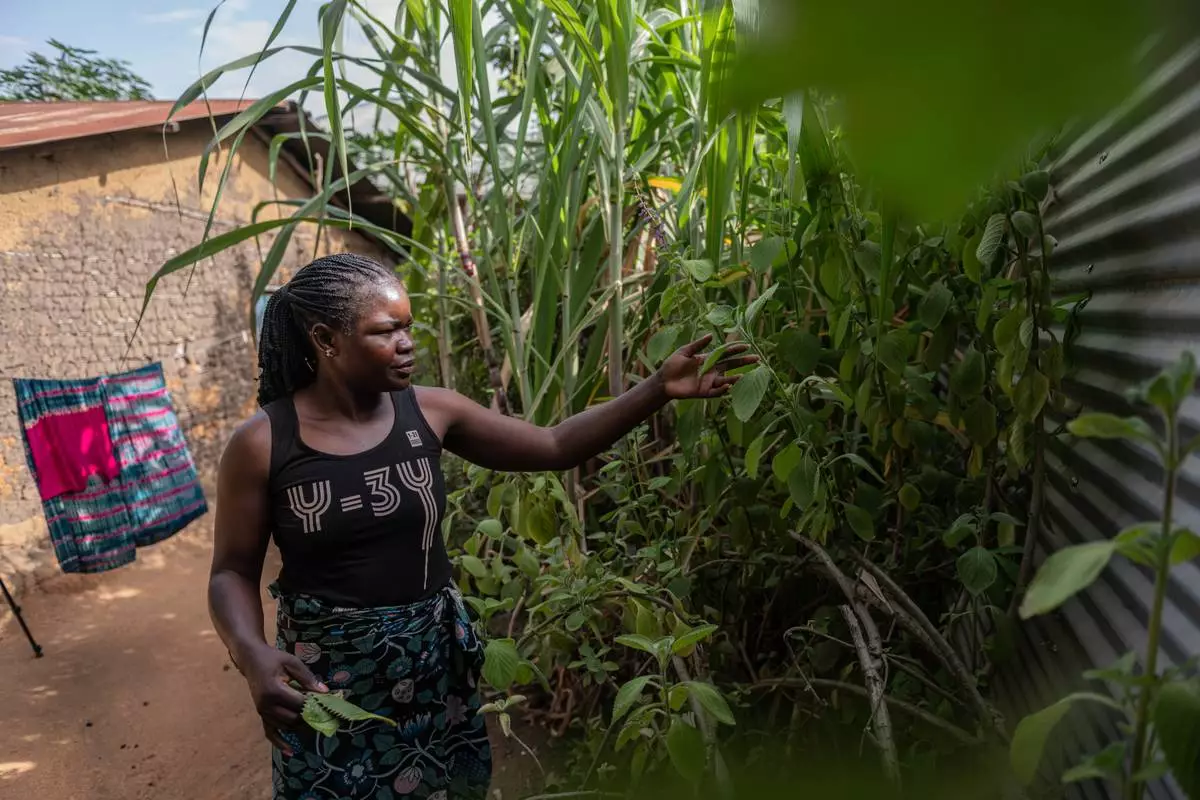
Chantie Joe Kiss, 31, cuts plants to prepare traditional medicines she believes can cure various illnesses in Bunia, Congo, Thursday, June 4, 2026. (AP Photo/Moses Sawasawa)
Chantie Joe Kiss, 31, cuts plants to prepare traditional medicines she believes can cure various illnesses in Bunia, Congo, Thursday, June 4, 2026. (AP Photo/Moses Sawasawa)

Abigaelle Mbusi, 30, a resident skeptical about Ebola, spends time with her family at their home in Bunia, Congo, Thursday, June 4, 2026. (AP Photo/Moses Sawasawa)
Abigaelle Mbusi, 30, a resident skeptical about Ebola, spends time with her family at their home in Bunia, Congo, Thursday, June 4, 2026. (AP Photo/Moses Sawasawa)

Samson Gerson, 52, a resident skeptical about Ebola, stands outside his home in Bunia, Congo, Thursday, June 4, 2026. (AP Photo/Moses Sawasawa)
Samson Gerson, 52, a resident skeptical about Ebola, stands outside his home in Bunia, Congo, Thursday, June 4, 2026. (AP Photo/Moses Sawasawa)

Chantie Joe Kiss, 31, listens to the radio for awareness and updates on Ebola in Bunia, Congo, Thursday, June 4, 2026. (AP Photo/Moses Sawasawa)
Chantie Joe Kiss, 31, listens to the radio for awareness and updates on Ebola in Bunia, Congo, Thursday, June 4, 2026. (AP Photo/Moses Sawasawa)

Verité Johnson works at a community radio station, providing daily awareness and updates on Ebola in Bunia, Congo, Thursday, June 4, 2026. (AP Photo/Moses Sawasawa)
Verité Johnson works at a community radio station, providing daily awareness and updates on Ebola in Bunia, Congo, Thursday, June 4, 2026. (AP Photo/Moses Sawasawa)

Head of the UN mission in Congo James Swan visits an Ebola treatment center in Bunia, Congo, Thursday, June 4, 2026. (AP Photo/Moses Sawasawa)
Head of the UN mission in Congo James Swan visits an Ebola treatment center in Bunia, Congo, Thursday, June 4, 2026. (AP Photo/Moses Sawasawa)

Head of the UN mission in Congo James Swan visits Bunia to assess the response to the Ebola outbreak in Ituri province, Congo, Thursday, June 4, 2026. (AP Photo/Moses Sawasawa)
Head of the UN mission in Congo James Swan visits Bunia to assess the response to the Ebola outbreak in Ituri province, Congo, Thursday, June 4, 2026. (AP Photo/Moses Sawasawa)

Head of the UN mission in Congo James Swan walks with troops during a visit to assess the response to the Ebola outbreak in Ituri province, Bunia, Congo, Thursday, June 4, 2026. (AP Photo/Moses Sawasawa)
Head of the UN mission in Congo James Swan walks with troops during a visit to assess the response to the Ebola outbreak in Ituri province, Bunia, Congo, Thursday, June 4, 2026. (AP Photo/Moses Sawasawa)

Head of the UN mission in Congo James Swan sanitizes his hands during his visit to Bunia to assess the response to the Ebola outbreak in Ituri province, Congo, Thursday, June 4, 2026. (AP Photo/Moses Sawasawa)

Head of the UN mission in Congo James Swan sanitizes his hands during his visit to Bunia to assess the response to the Ebola outbreak in Ituri province, Congo, Thursday, June 4, 2026. (AP Photo/Moses Sawasawa)
JUNEAU, Alaska (AP) — The Trump administration's push to expand oil and gas development in Alaska faces a new test Friday, with the latest lease sale set for the Arctic National Wildlife Refuge.

Opponents of drilling in the refuge's coastal plain have pointed to a lack of industry interest in the prior two sales held there and ongoing changes in Alaska’s arctic region due to climate change as proof the region should be off-limits to drilling. But supporters of drilling see the coastal plain, which is roughly the size of Delaware, as a potential untapped resource that could boost U.S. oil production and generate new revenue and jobs.

A coalition of conservation groups this spring sent a letter to leaders of 11 petroleum companies including major ConocoPhillips and Hilcorp, both major players in Alaska, urging them to not participate in the sale. The letter cited ongoing litigation over the leasing program, dating to President Donald Trump's first term, and warned of “financial, operational and reputational risks.”

The letters, signed by groups including The Wilderness Society, Sierra Club and Earthjustice, called the refuge a crown jewel in the country's public lands system and said there is strong support for protecting it, “making any action there especially visible and consequential.”

A spokesperson for ConocoPhillips Alaska, Megan Olson, said the company doesn't discuss its lease sale plans. A Hilcorp spokesperson did not respond to a request for comment.

The Trump administration has taken a keen interest in Alaska, and his tax and spending bill passed by Congress last year included provisions mandating lease sales in three regions of the state. In addition to the refuge's coastal plain, leases have also been offered in the National Petroleum Reserve-Alaska and in Cook Inlet, an aging basin that's provided natural gas for Alaska's most populous region for decades.

There were no takers in the Cook Inlet auction in March. But there were hundreds of bids, including from major oil companies, for what was the first sale since 2019 in the National Petroleum Reserve-Alaska — despite pending litigation challenging the leasing program. The Trump administration has moved to open more lands to drilling in the reserve and roll back protections there. The petroleum reserve is where ConocoPhillips Alaska is developing the large Willow oil project.

On Alaska's vast, petroleum-rich North Slope, the major oil fields of Prudhoe Bay and Kuparuk lie between the National Petroleum Reserve-Alaska and the Arctic National Wildlife Refuge.

A state corporation, the Alaska Industrial Development and Export Authority, currently holds leases in the refuge but there is no active drilling. The U.S. Geological Survey has estimated that the coastal plain could contain 4.25 billion to 11.8 billion barrels of recoverable oil, but there is limited information about the amount and quality of oil.

The coastal plain, bordering the Beaufort Sea in northeast Alaska, features rolling hills and tundra and provides habitat for wildlife including musk oxen and migratory birds. It is considered sacred by the Gwich'in, because the caribou herd they rely upon calve there. Leaders from Gwich’in villages near the refuge have vowed to continue fighting to prevent drilling there.

But some Alaska Native communities have embraced development and see it as essential to the regional economy.

Nagruk Harcharek, president and CEO of Voice of the Arctic Iñupiat, an advocacy group whose members include leaders from Alaska Native communities on the North Slope, said there’s a long history of balancing development with culturally important practices, such as subsistence hunting. Responsible development is a key part of self-determination, particularly for residents in Kaktovik, the only community within the refuge, who support drilling, he said.

Kaktovik residents hunt and fish on the coastal plain and “will be a big part of whatever project moves forward in making sure that all of those resources are protected and that their people are taken care of," he said.

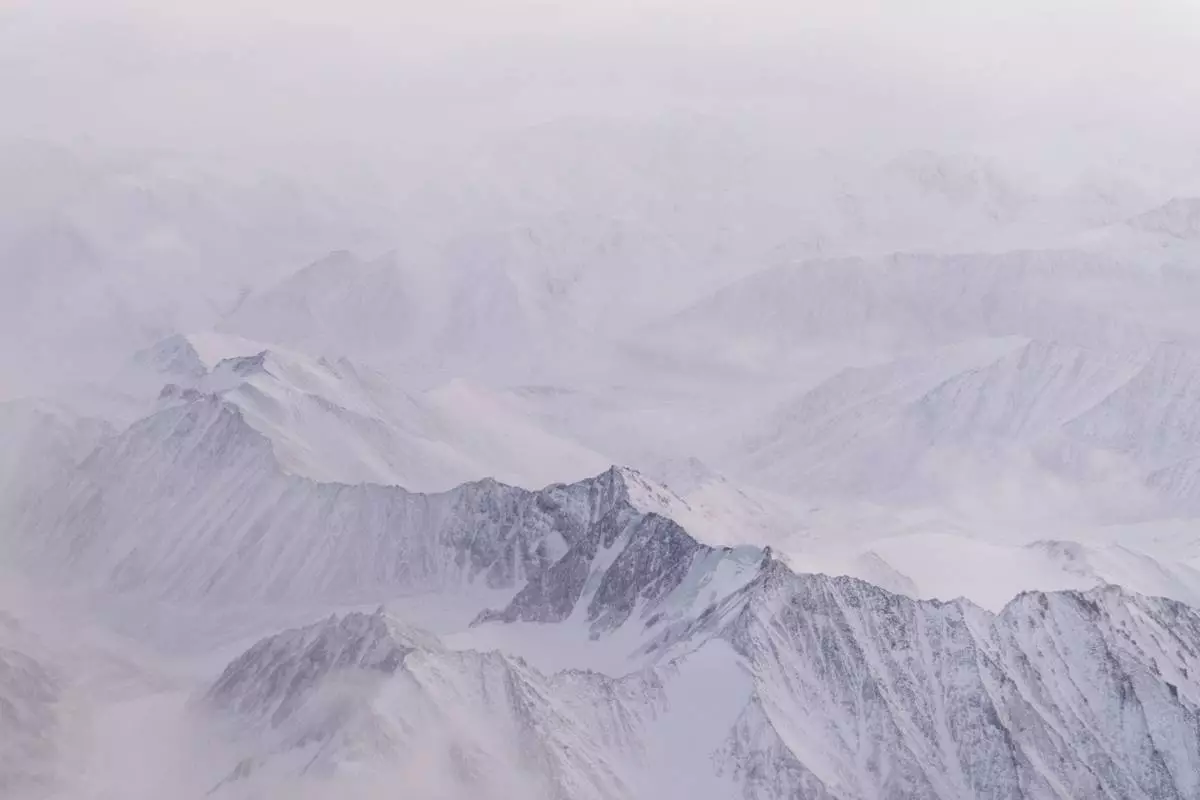
FILE - Snow covers the mountains of the Brooks Range in the Arctic National Wildlife Refuge, Oct. 14, 2024, near Kaktovik, Alaska. (AP Photo/Lindsey Wasson, File)

FILE - Snow covers the mountains of the Brooks Range in the Arctic National Wildlife Refuge, Oct. 14, 2024, near Kaktovik, Alaska. (AP Photo/Lindsey Wasson, File)

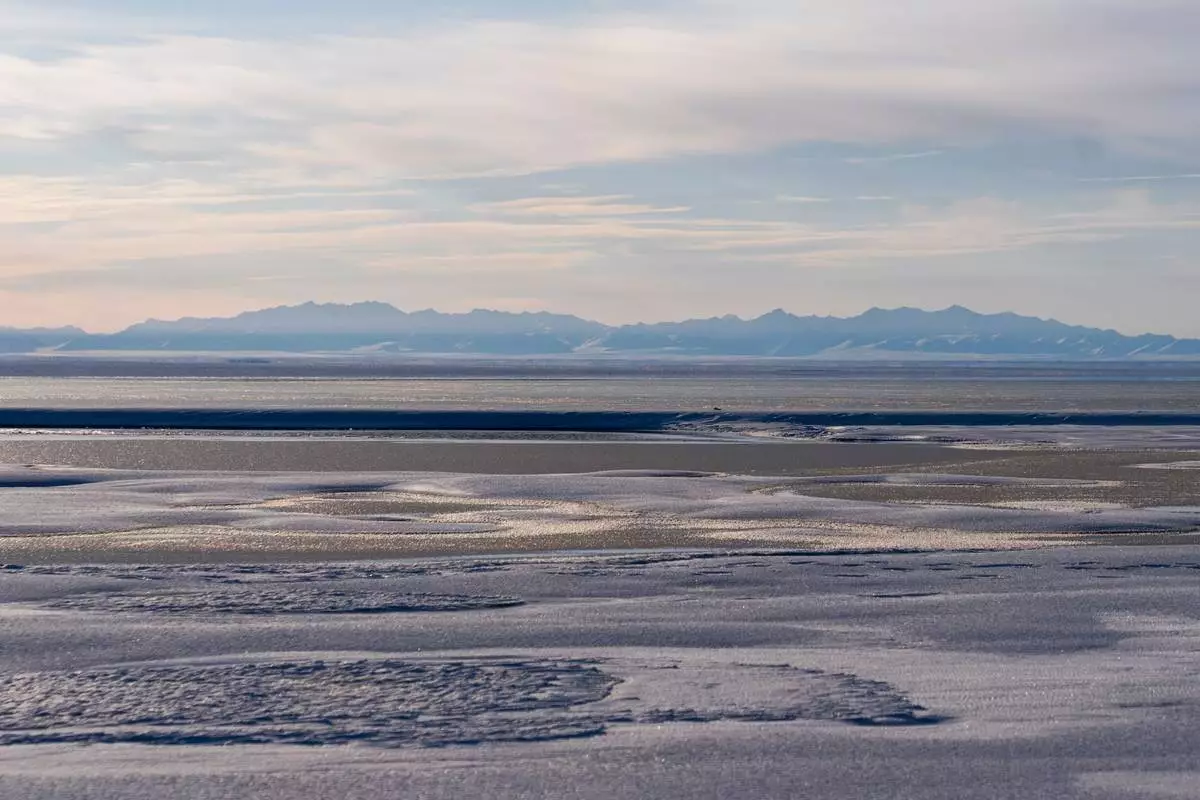
FILE - The Kaktovik Lagoon and the Brooks Range mountains of the Arctic National Wildlife Refuge are seen in Kaktovik, Alaska, Oct. 15, 2024. (AP Photo/Lindsey Wasson, File)

FILE - The Kaktovik Lagoon and the Brooks Range mountains of the Arctic National Wildlife Refuge are seen in Kaktovik, Alaska, Oct. 15, 2024. (AP Photo/Lindsey Wasson, File)

Recommended Articles