Iran's Kharg Island has resumed oil loading operations, according to a report released by the British maritime analytics firm Windward on Thursday.
Satellite imagery shows a large crude carrier anchored near the western offshore terminal of the strategic oil export hub. This marks the first vessel to berth at the facility since operations were suspended in early May due to a suspected oil spill.
The island's two main export terminals conducted loading operations simultaneously on Wednesday, according to Windward.
The British-based company noted that the resumption of service at the two terminals indicates that Iran is actively working to restore its oil export capacity.
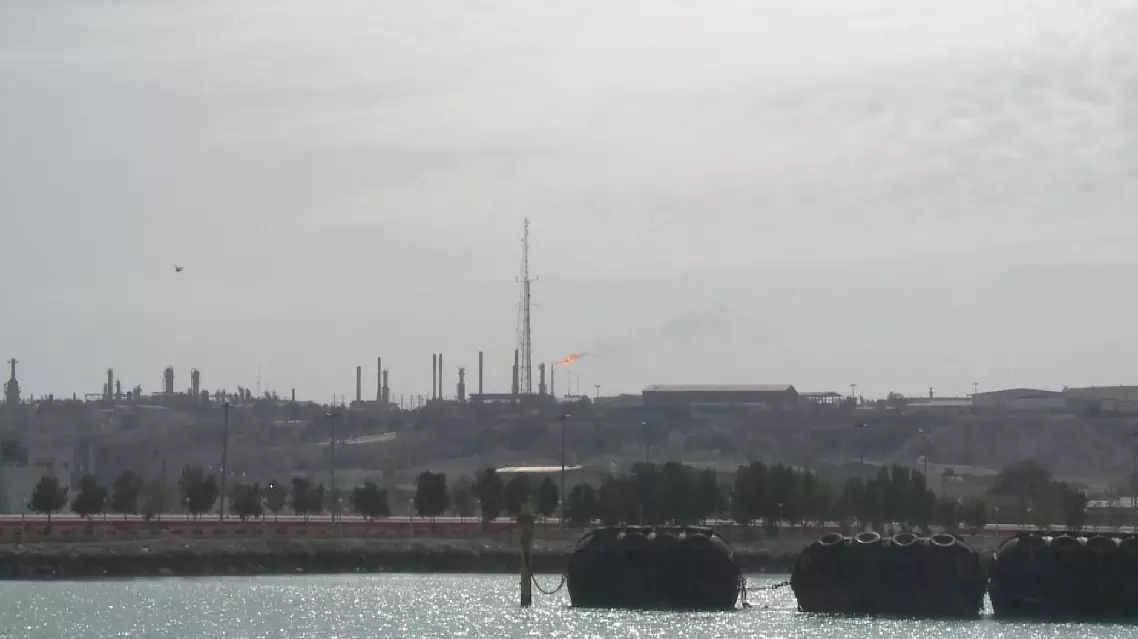
Iran's Kharg Island resumes oil-loading operations: report
Rising water levels, driven by climate change and persistent heavy rains, are swallowing shorelines at Lake Naivasha, severely disrupting local ecosystems and displacing communities in Kenya's Rift Valley.
Over the past several years, Lake Naivasha, a key freshwater body in Kenya's Rift Valley renowned for its rich biodiversity and thriving tourism industry, has seen its water levels surge continuously, pushing its shorelines steadily inland.
Many buildings that once stood along the banks are now surrounded by water, low-lying areas have been submerged, and some residents have been forced to abandon their homes.
The trend is not isolated. Lakes across the Kenyan Rift Valley, including Baringo and Nakuru, are experiencing similar expansion, taking a heavy toll on agriculture, fisheries, and daily life.
For local fishermen, the rising waters have created immediate livelihood challenges. Laban Esokon, a fisherman at Lake Naivasha, said the changing environment is pushing his catch further away.
"The water has become contaminated, and fish cannot stay where it is contaminated. So, we have to go farther and farther away to look for fish somewhere else," he said.
Beyond economic hardships, the expanding lake is altering wildlife behavior. As the shoreline pushes inland, hippos and other animals are venturing closer to residential zones, significantly raising the risk of human-wildlife conflict.
Experts attribute the rising water levels primarily to an increase in extreme rainfall events across East Africa, compounded by deforestation, soil erosion, and unchecked development around the lake basin.
Richard Muite, deputy director of climate services for the Eastern region at the Kenya Meteorological Services, explained that shifting ocean temperatures are driving these extreme weather patterns.
"From our research, we find that whenever we had the increase in the sea surface temperatures in the Indian Ocean and also in the Pacific, in the equatorial Pacific Ocean, now it causes the rainfall in the Eastern Africa region to increase, especially like during when we have the El Nino. But now we would say that in terms of it being exceeding the threshold of the ecosystems," he said.
The long-term impacts on biodiversity and human safety remain a pressing concern. To mitigate future risks from extreme weather, experts are urging authorities to strengthen climate monitoring and disaster warning systems, while advancing long-term solutions such as community resettlement, ecological restoration, and comprehensive river basin management.
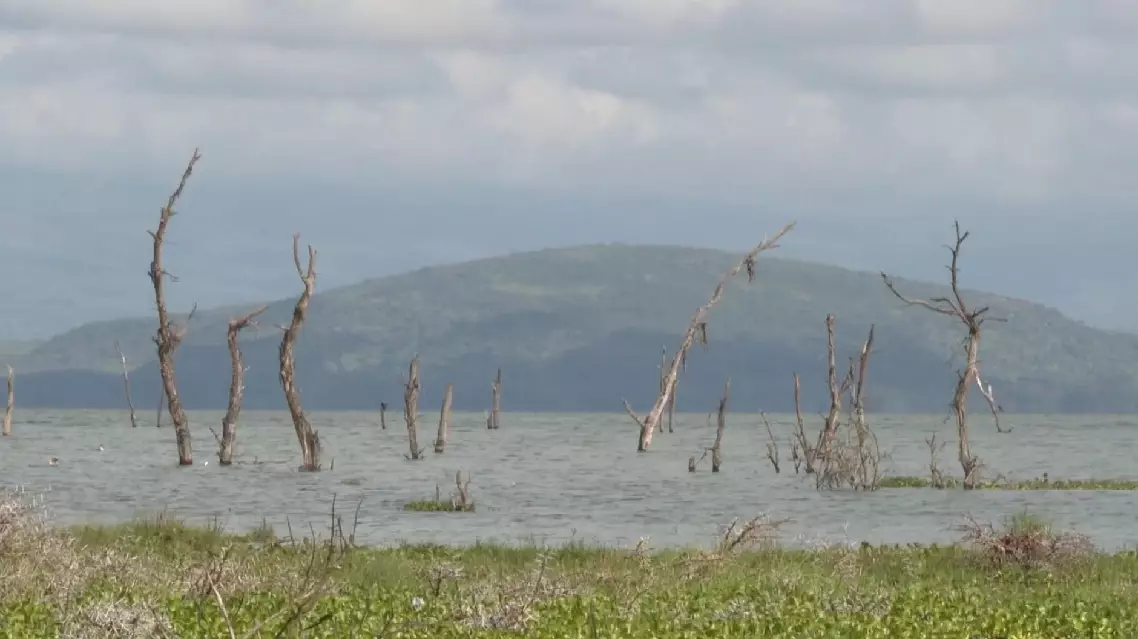
Rising Lake Naivasha waters devastate ecosystems in Kenya